Gran Canaria: the resort that started the list
Lopesan Villa del Conde is a five-star resort that costs USD 185 in the right week and USD 1,304 in the wrong one.
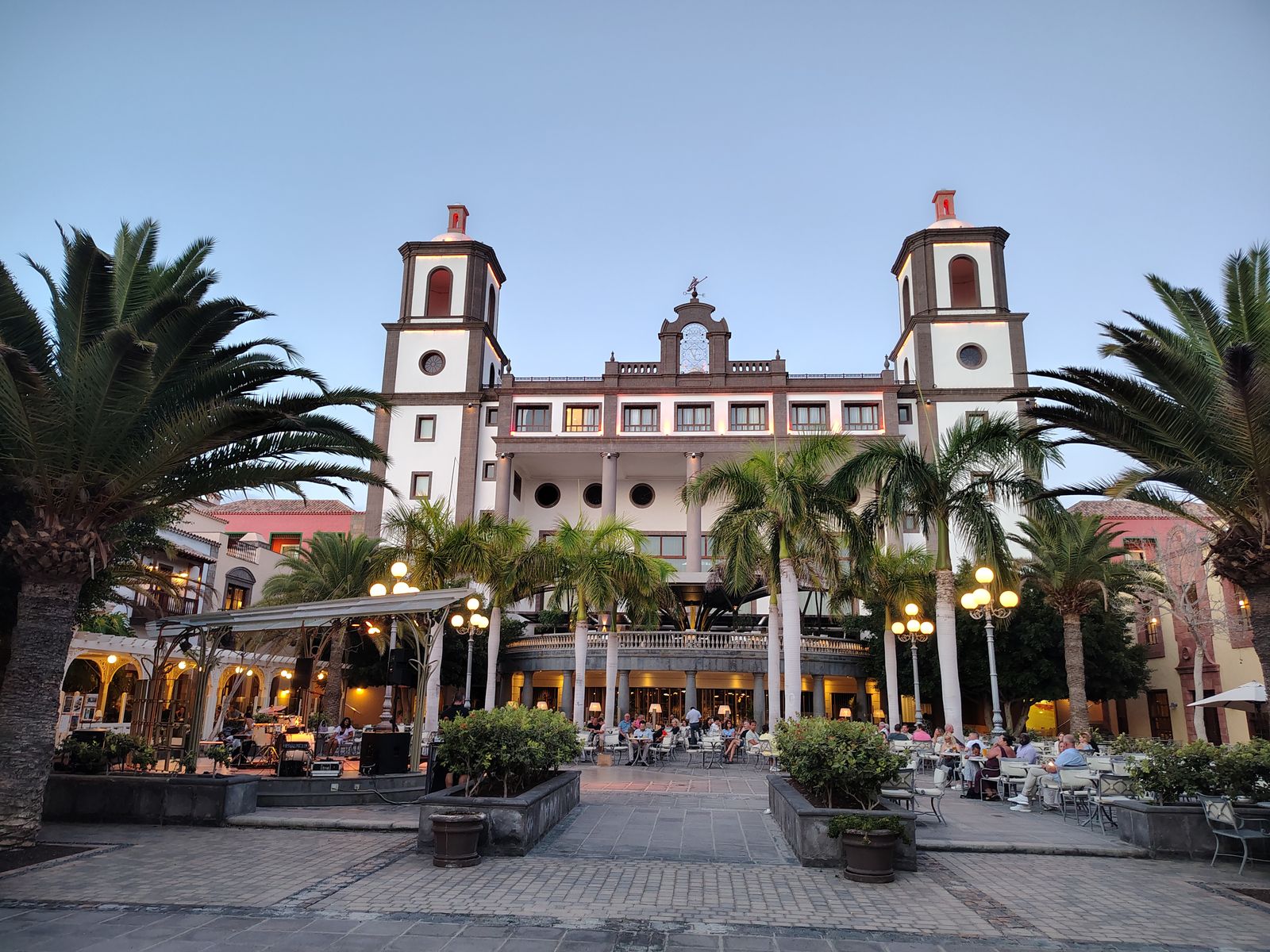
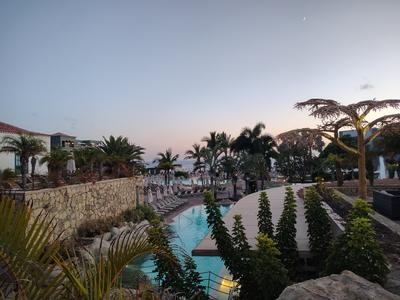
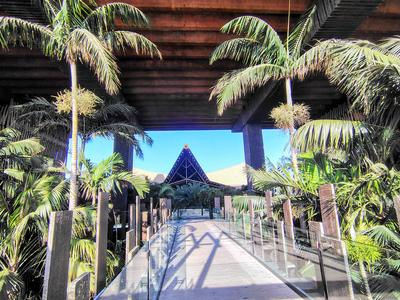
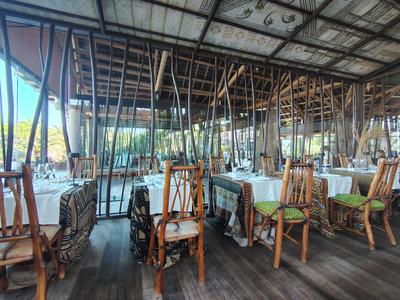
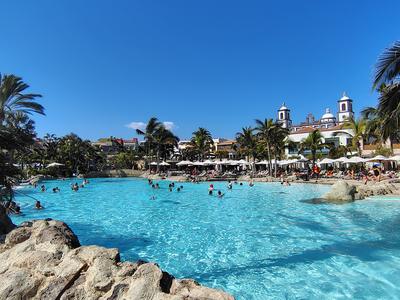
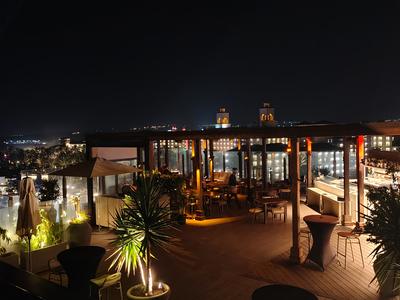
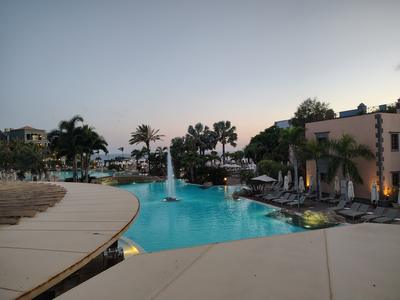
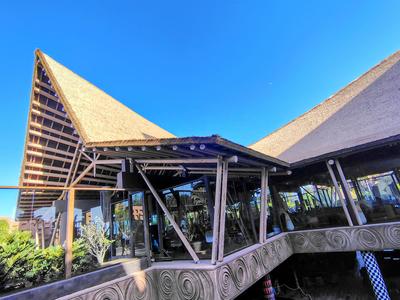
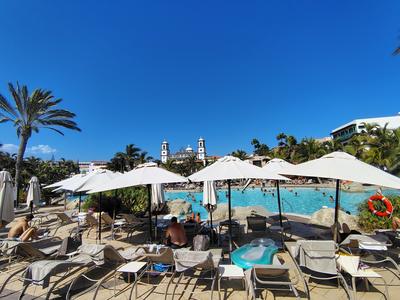
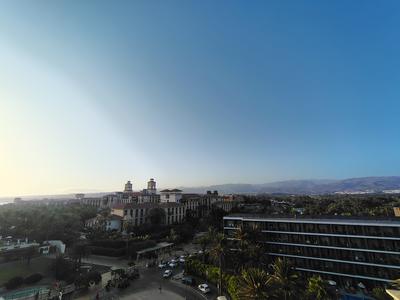
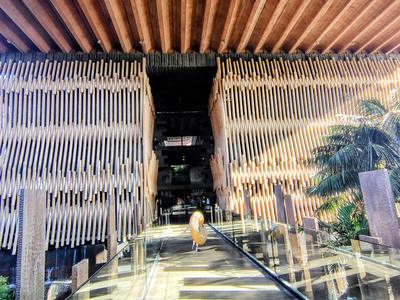
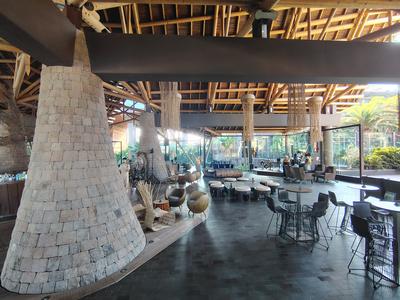
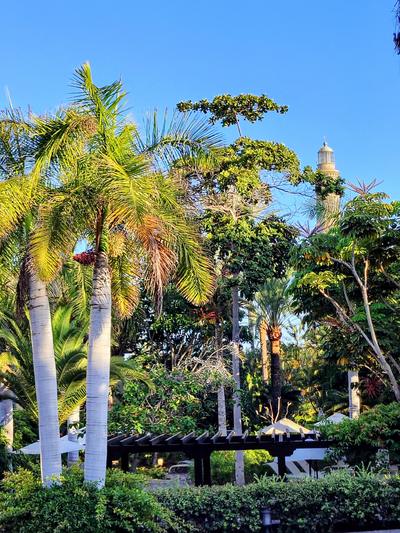
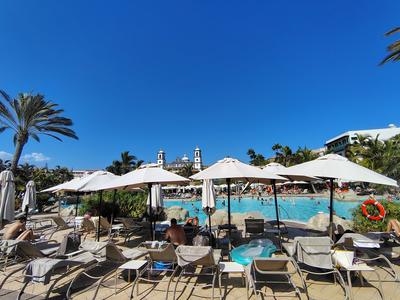
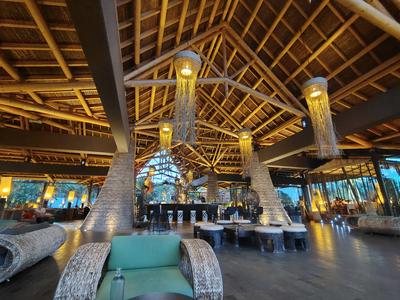
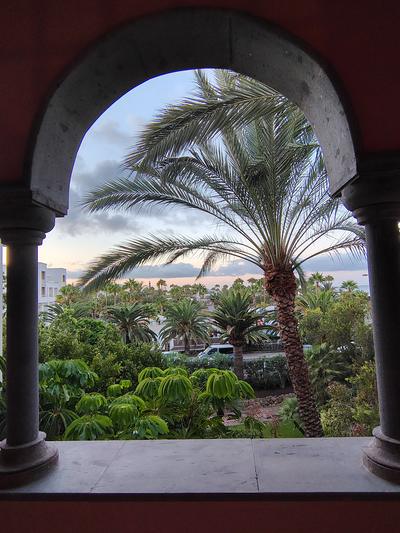
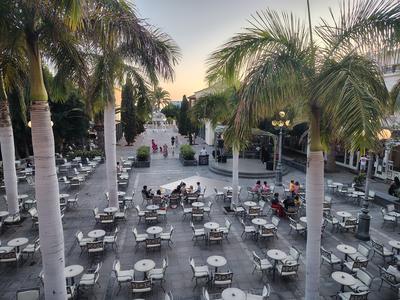
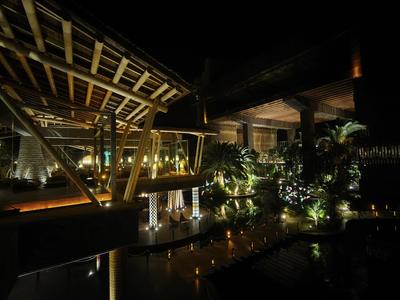
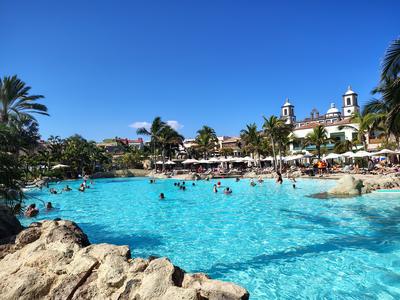
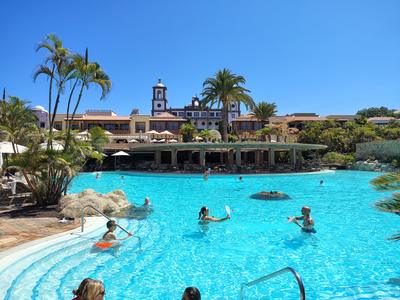
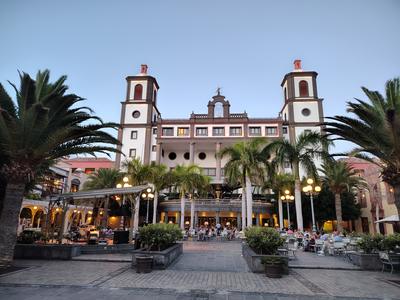
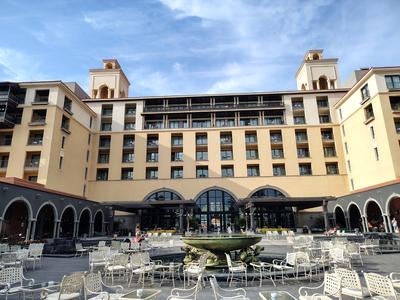
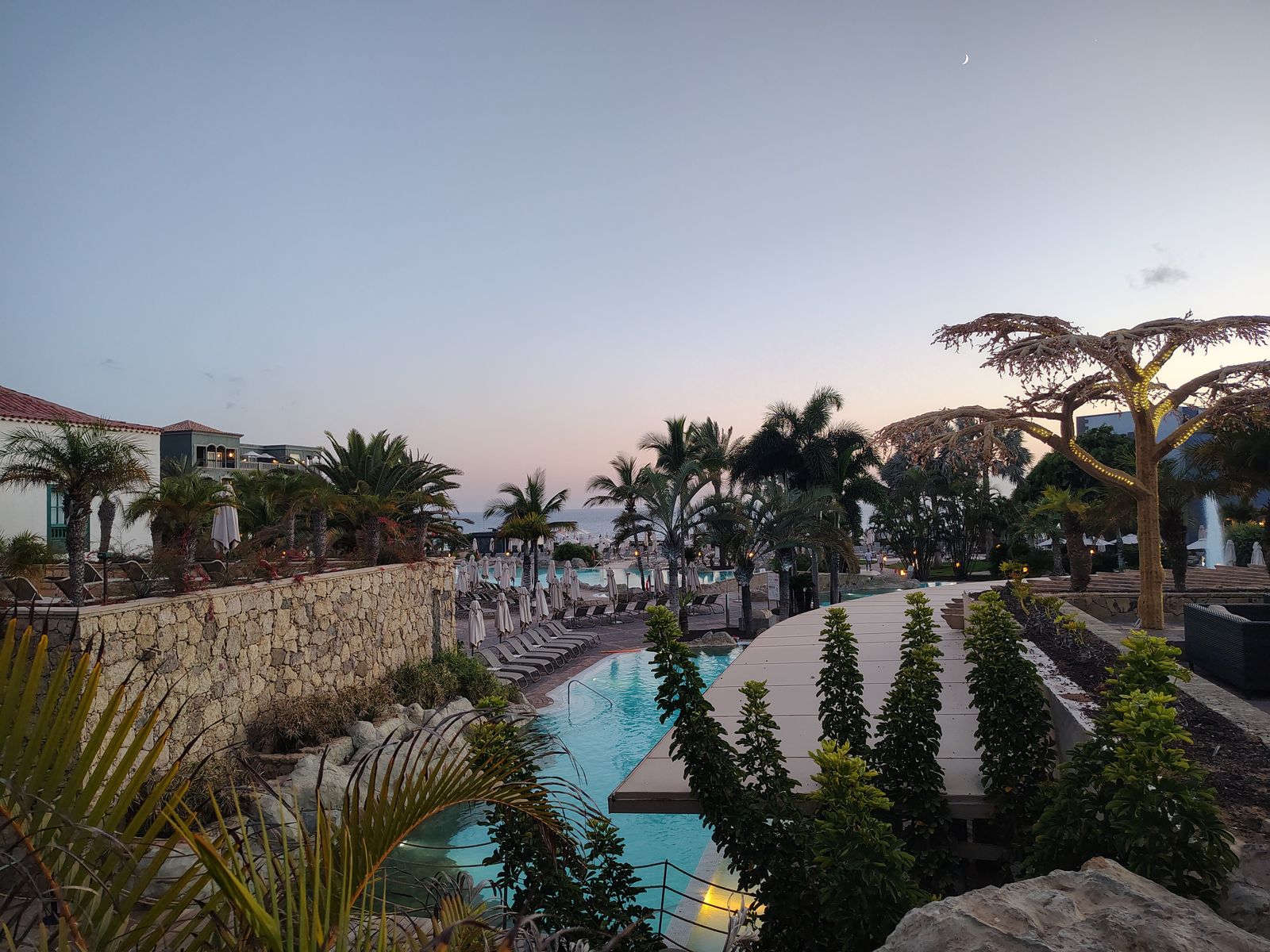
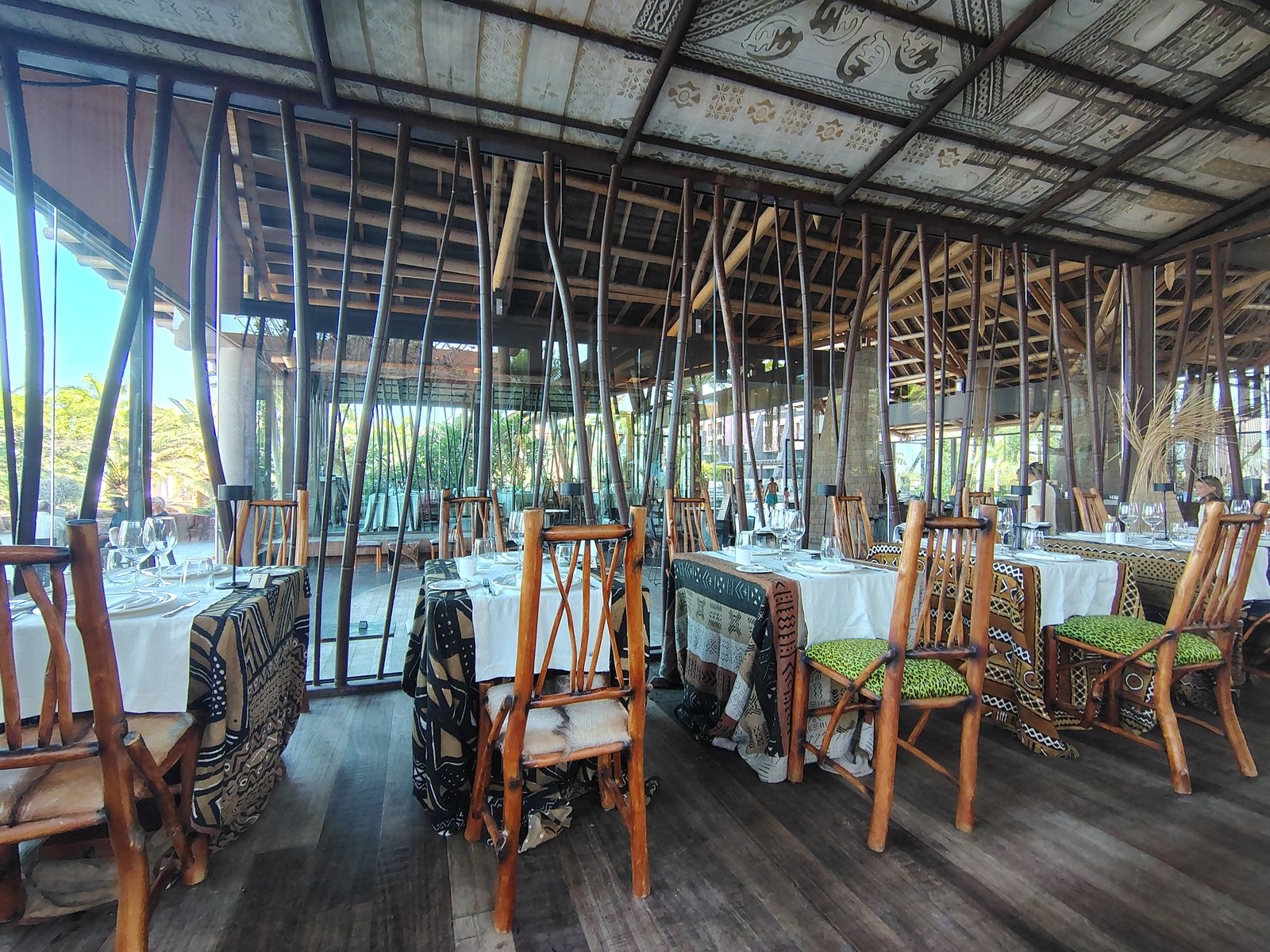
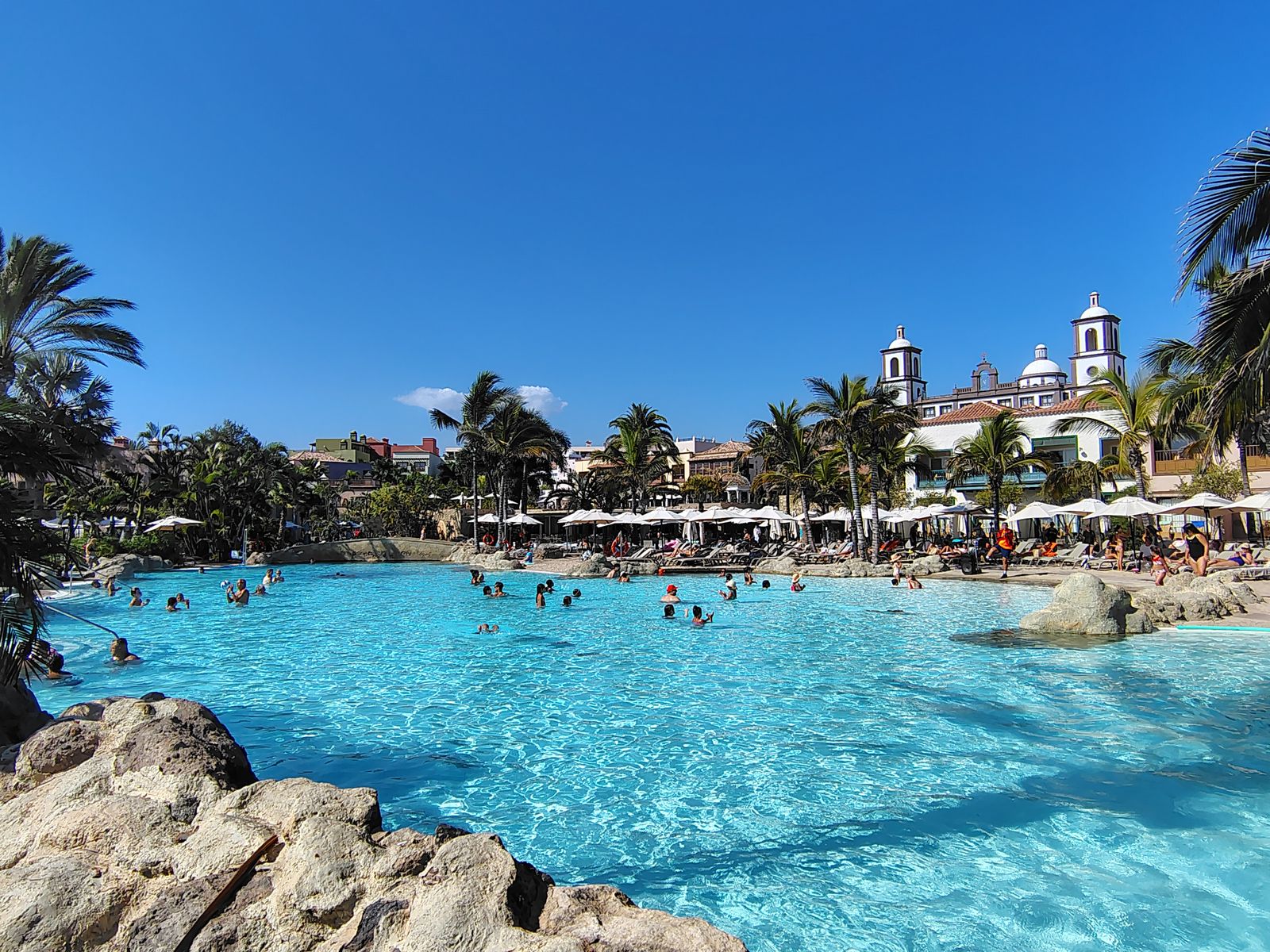
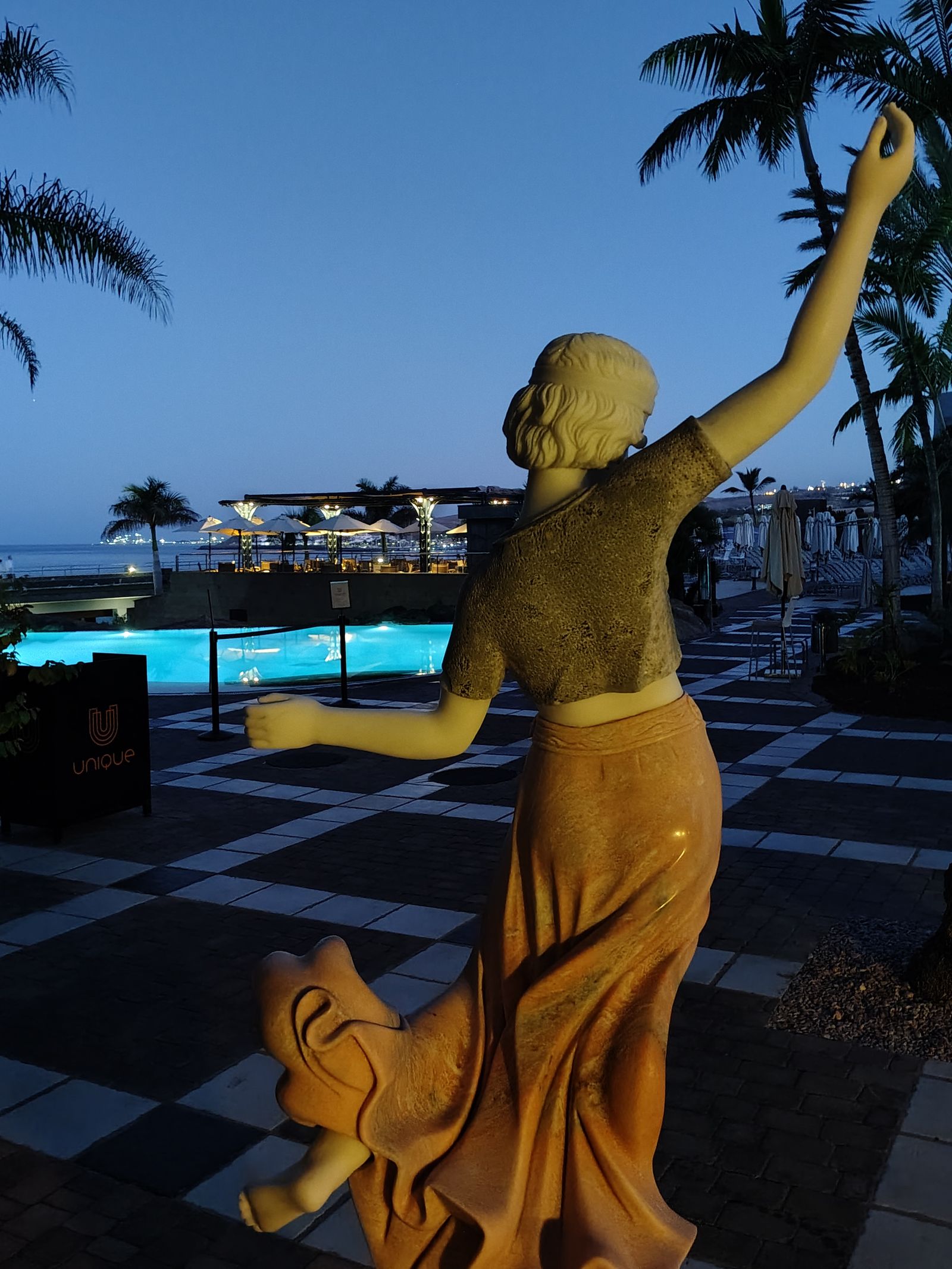
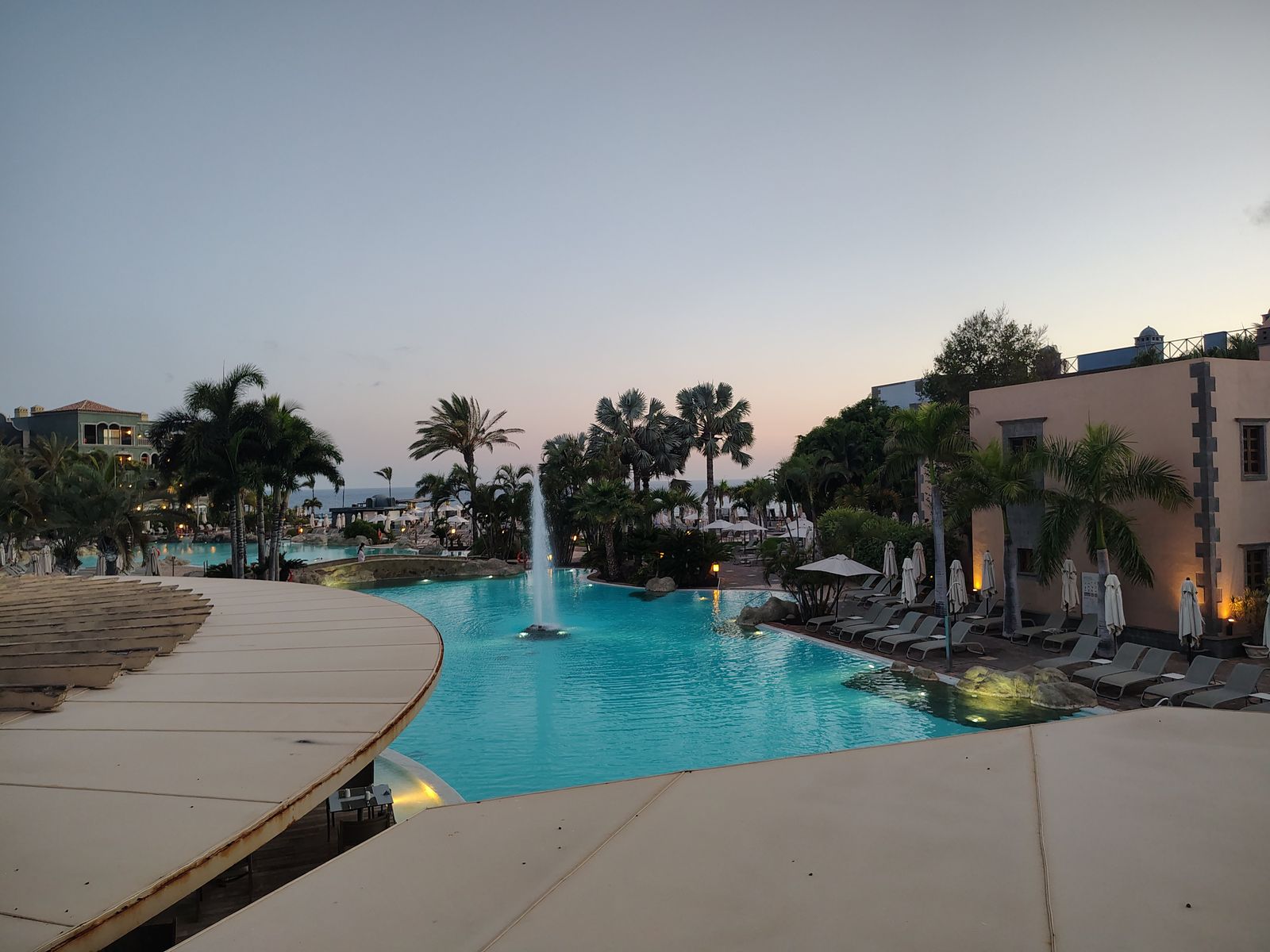
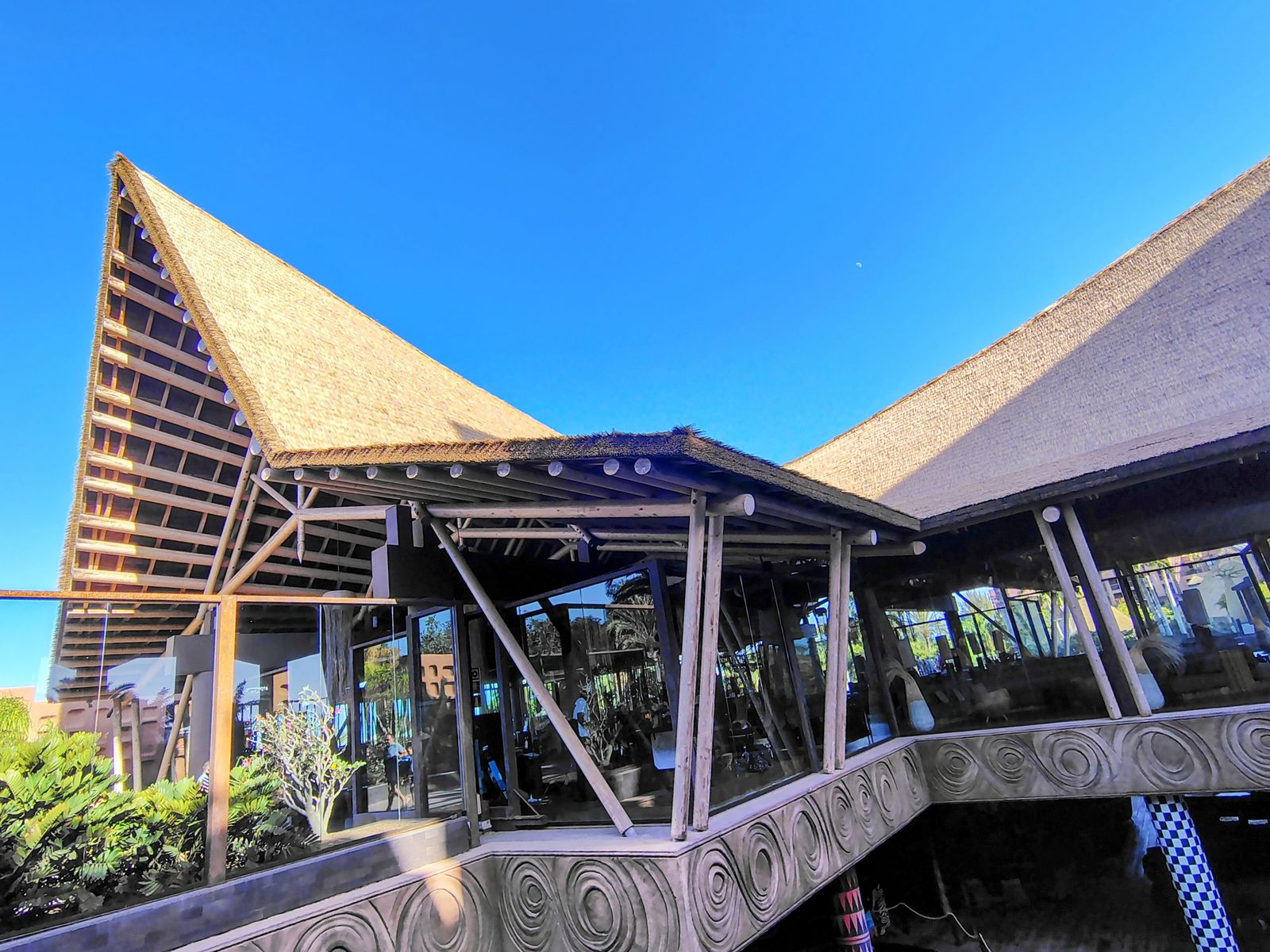
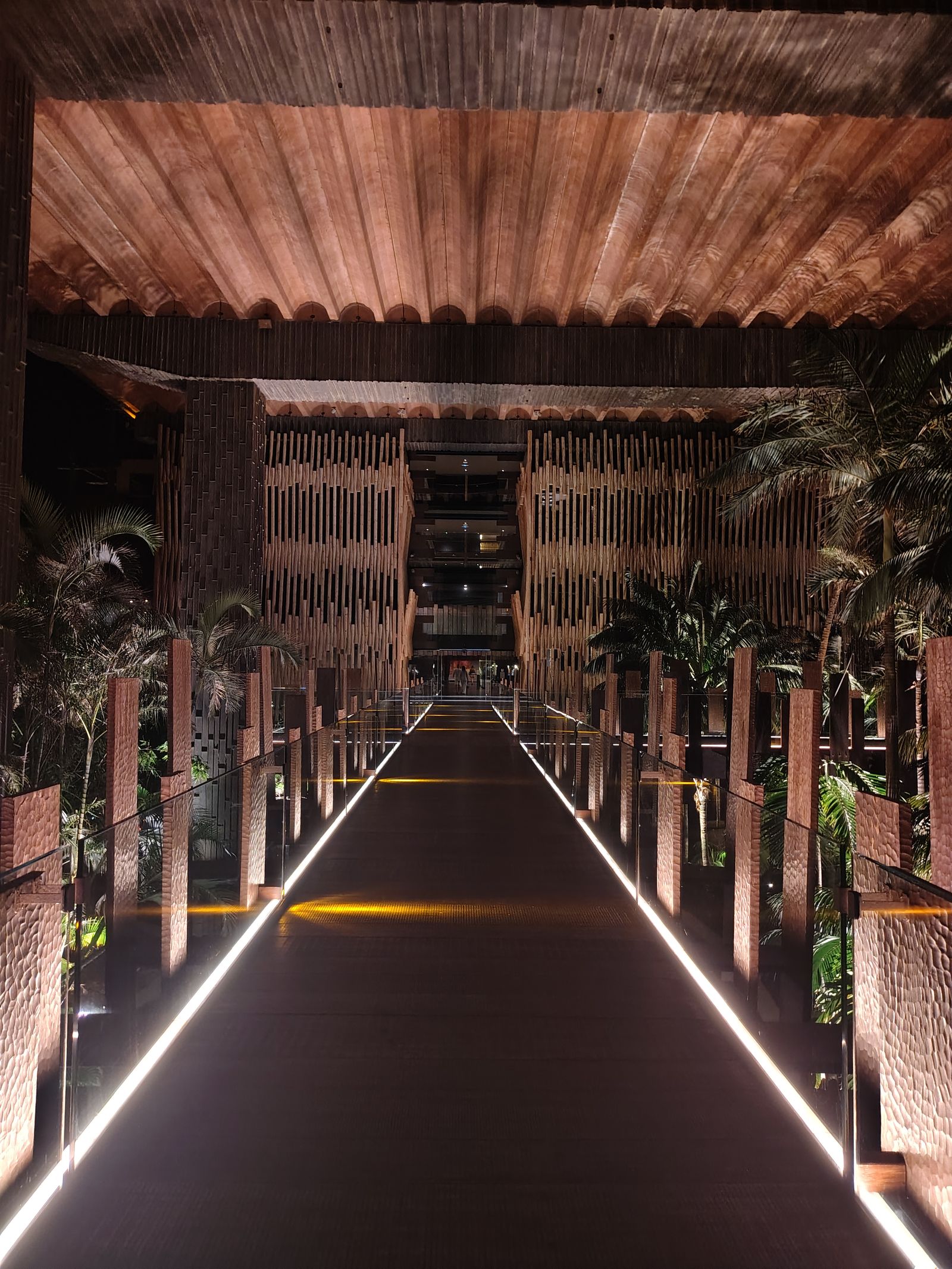
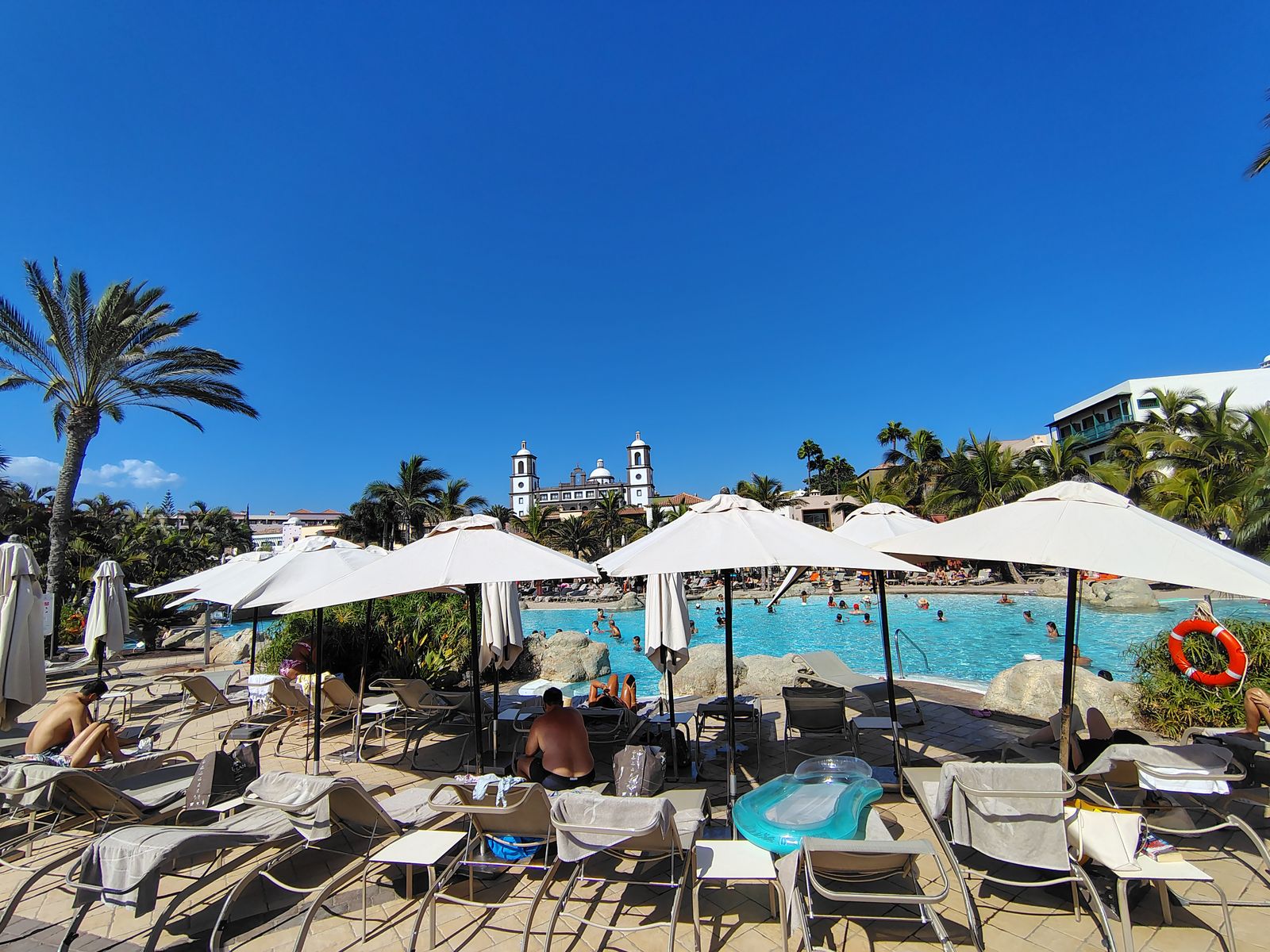
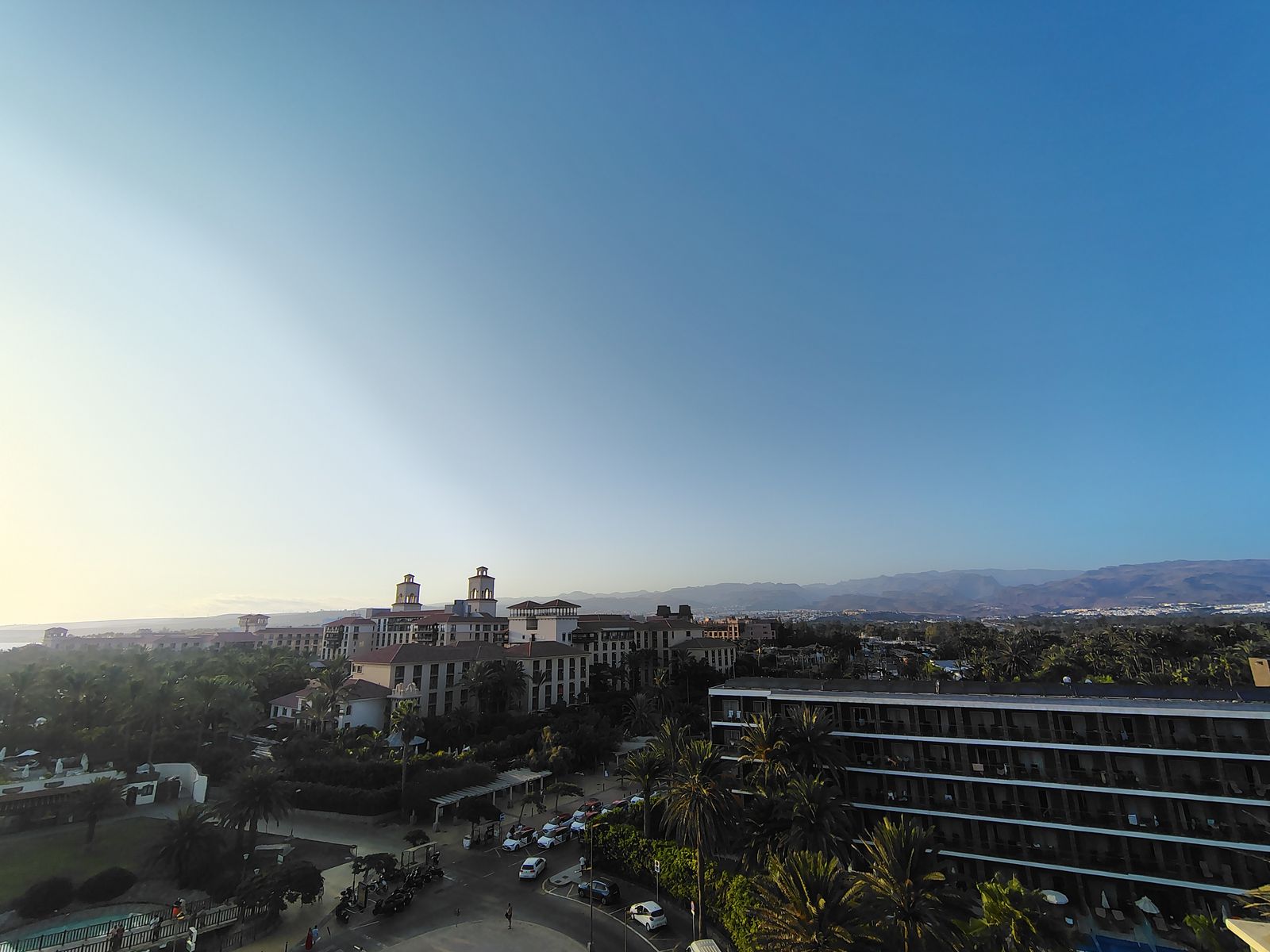
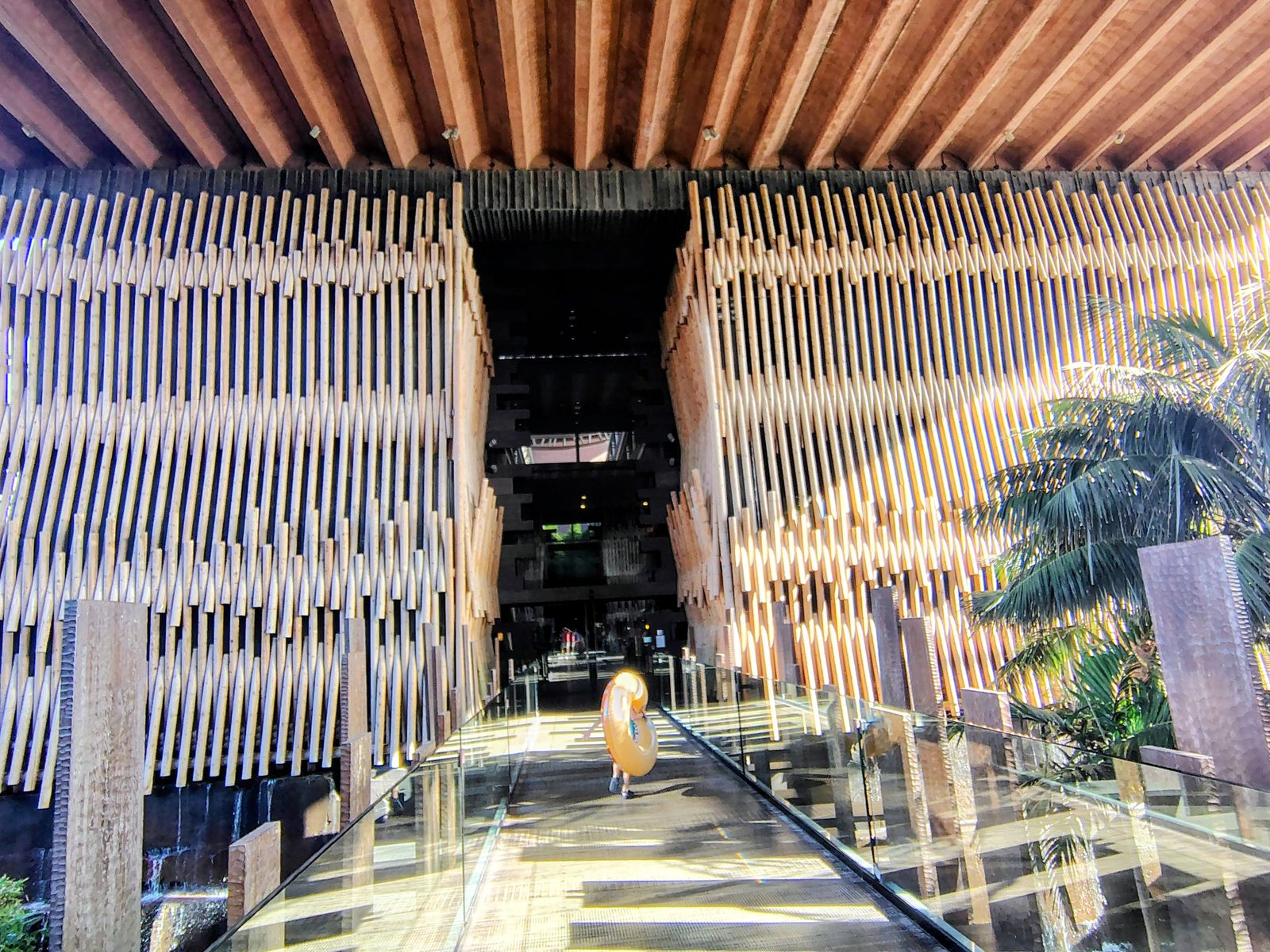
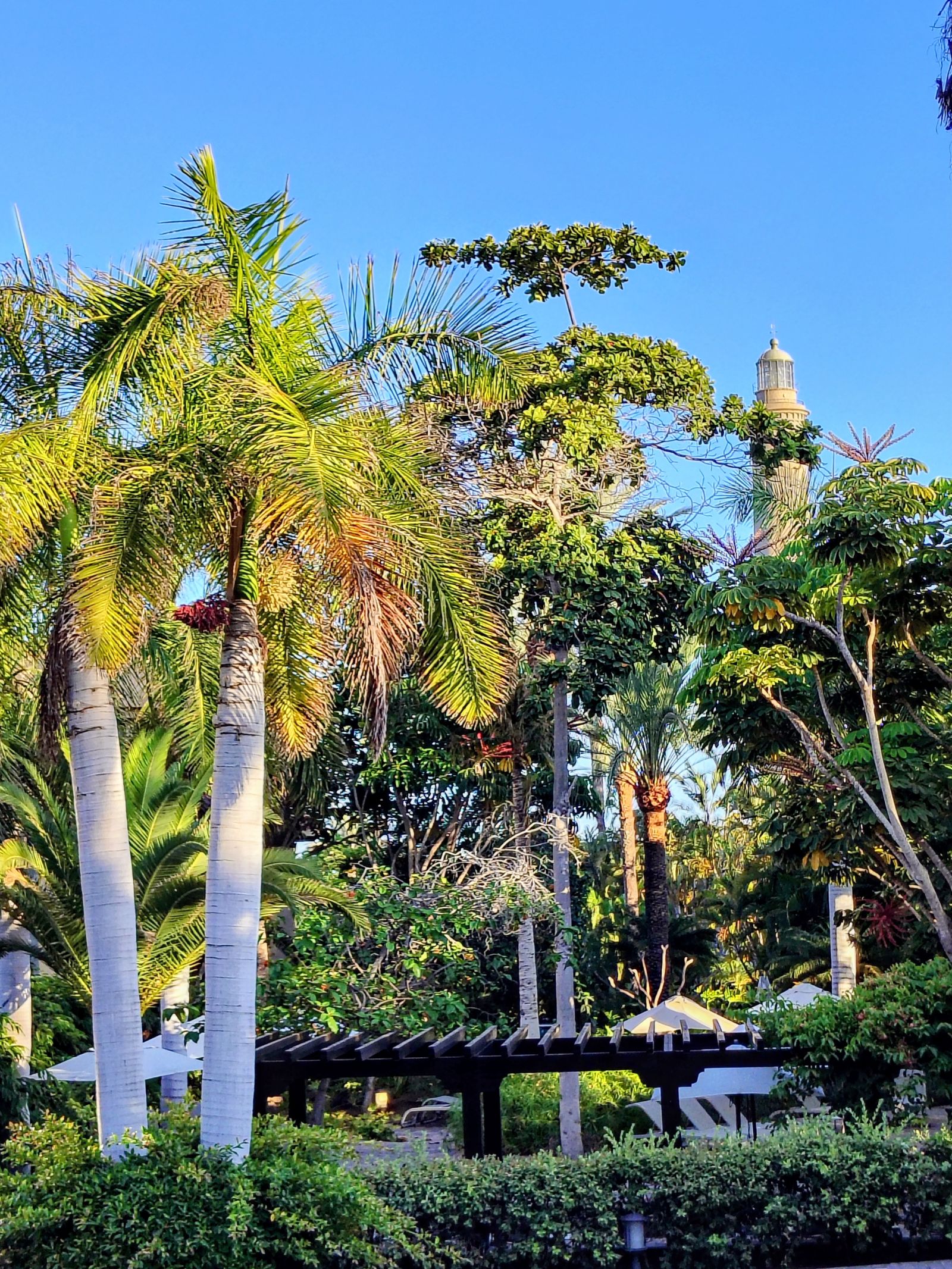
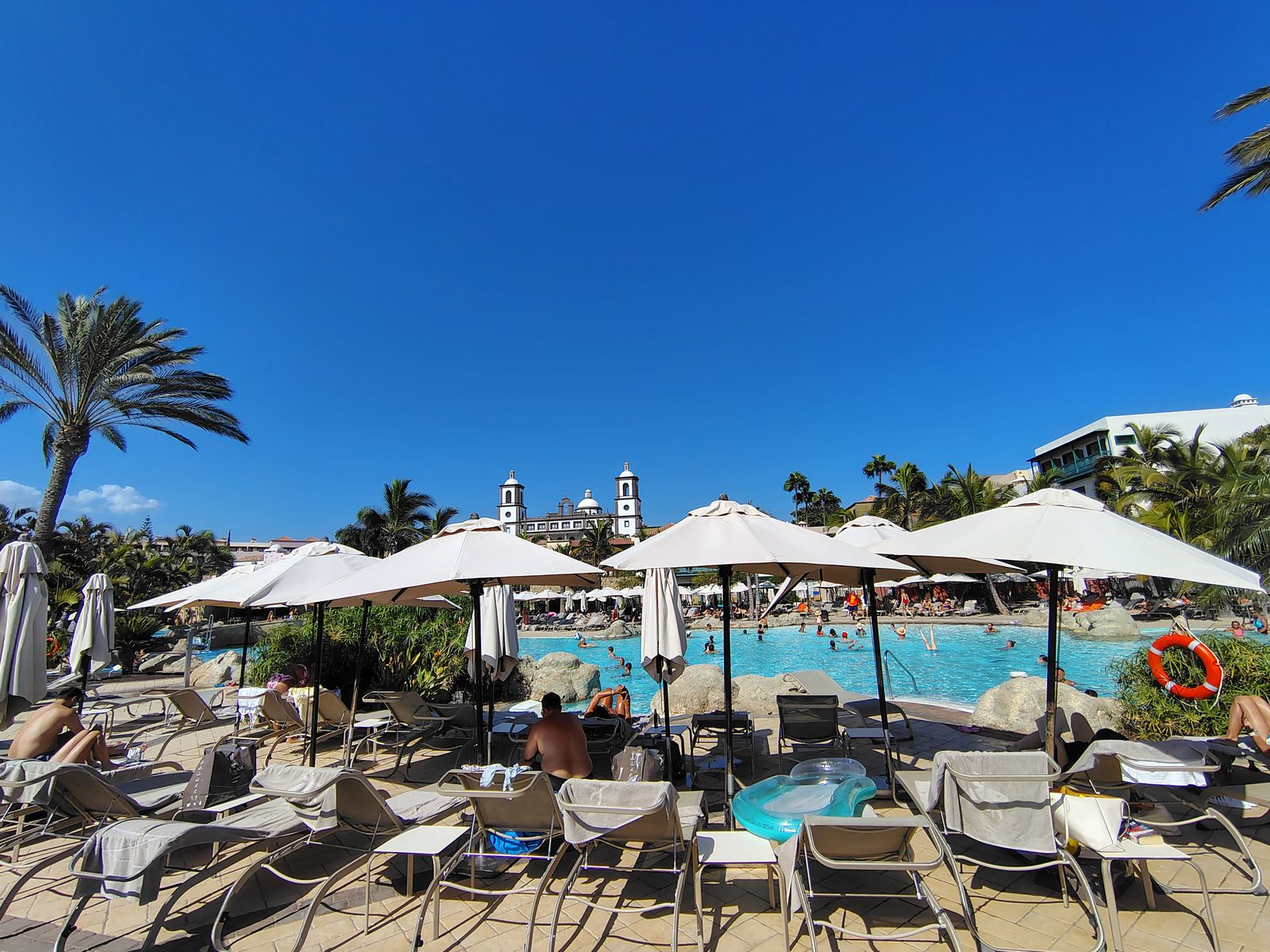
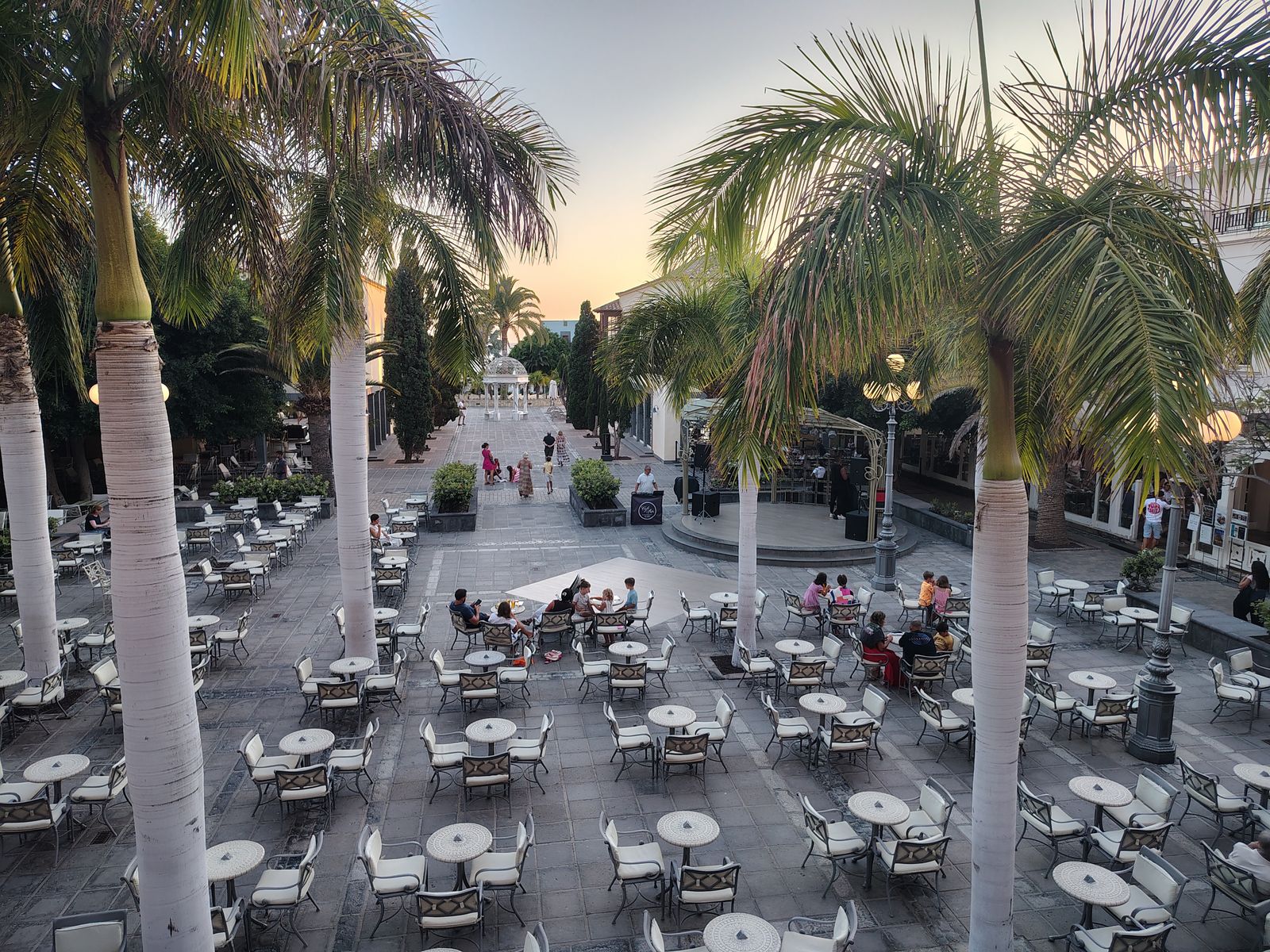
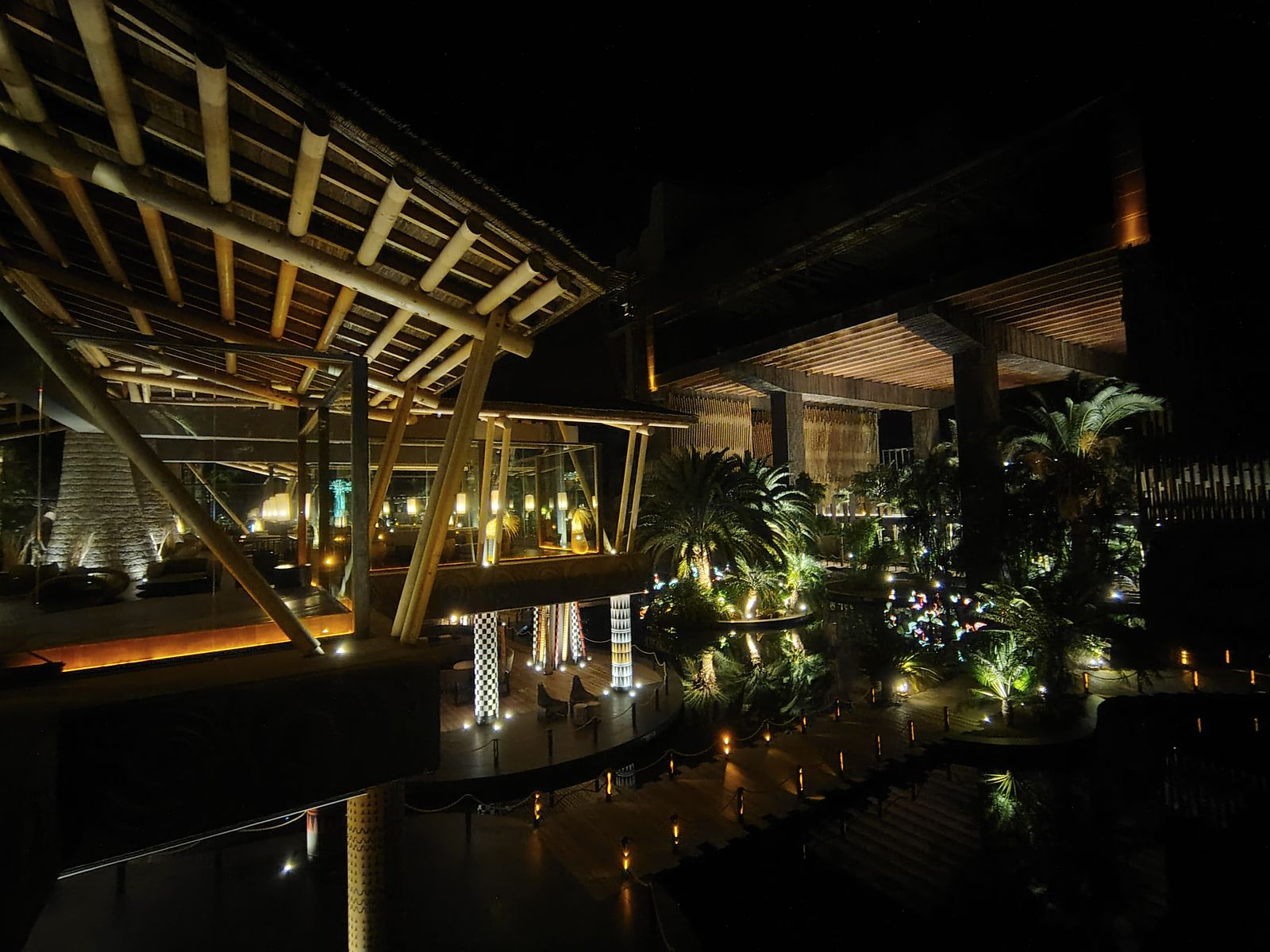
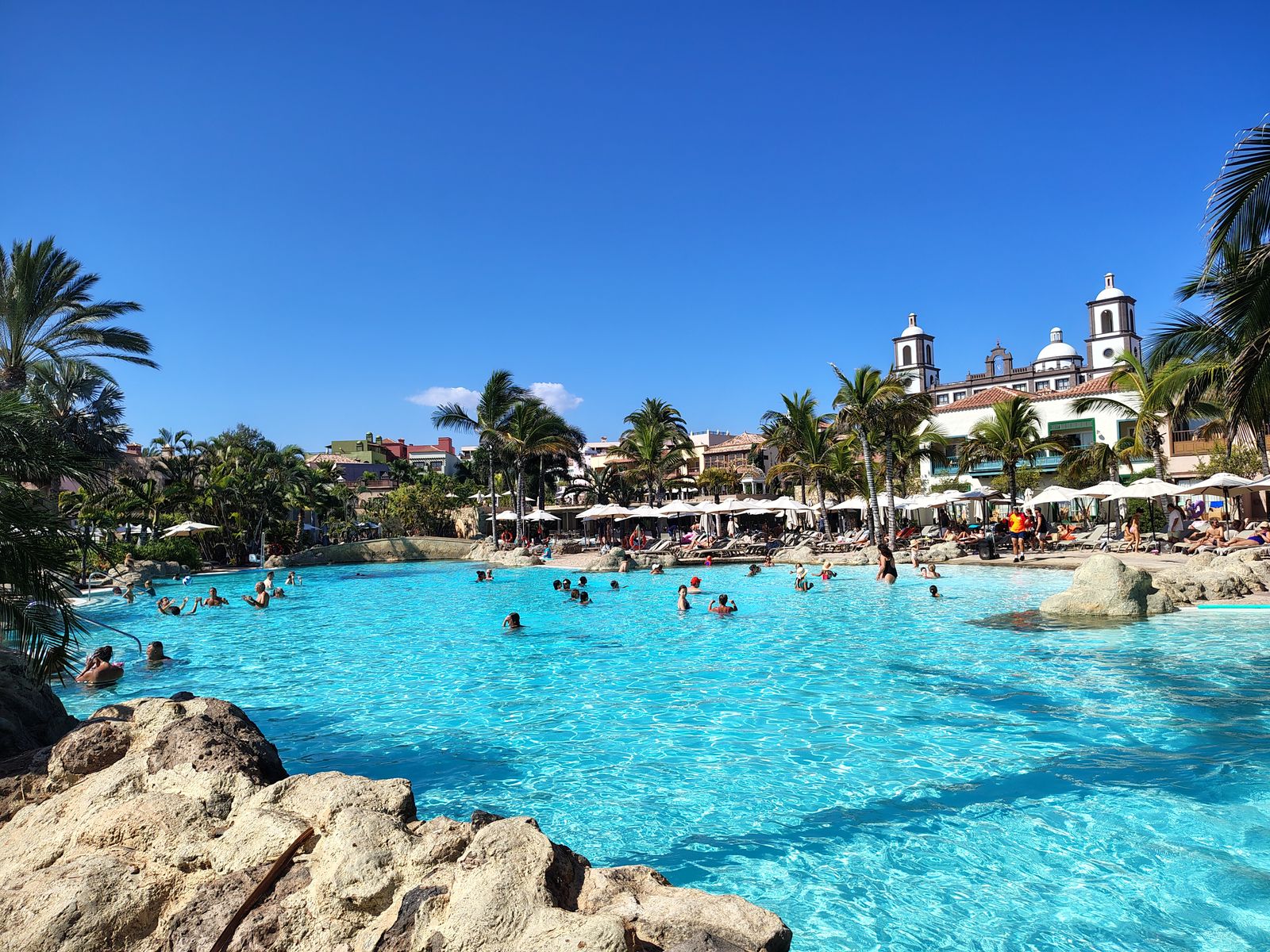
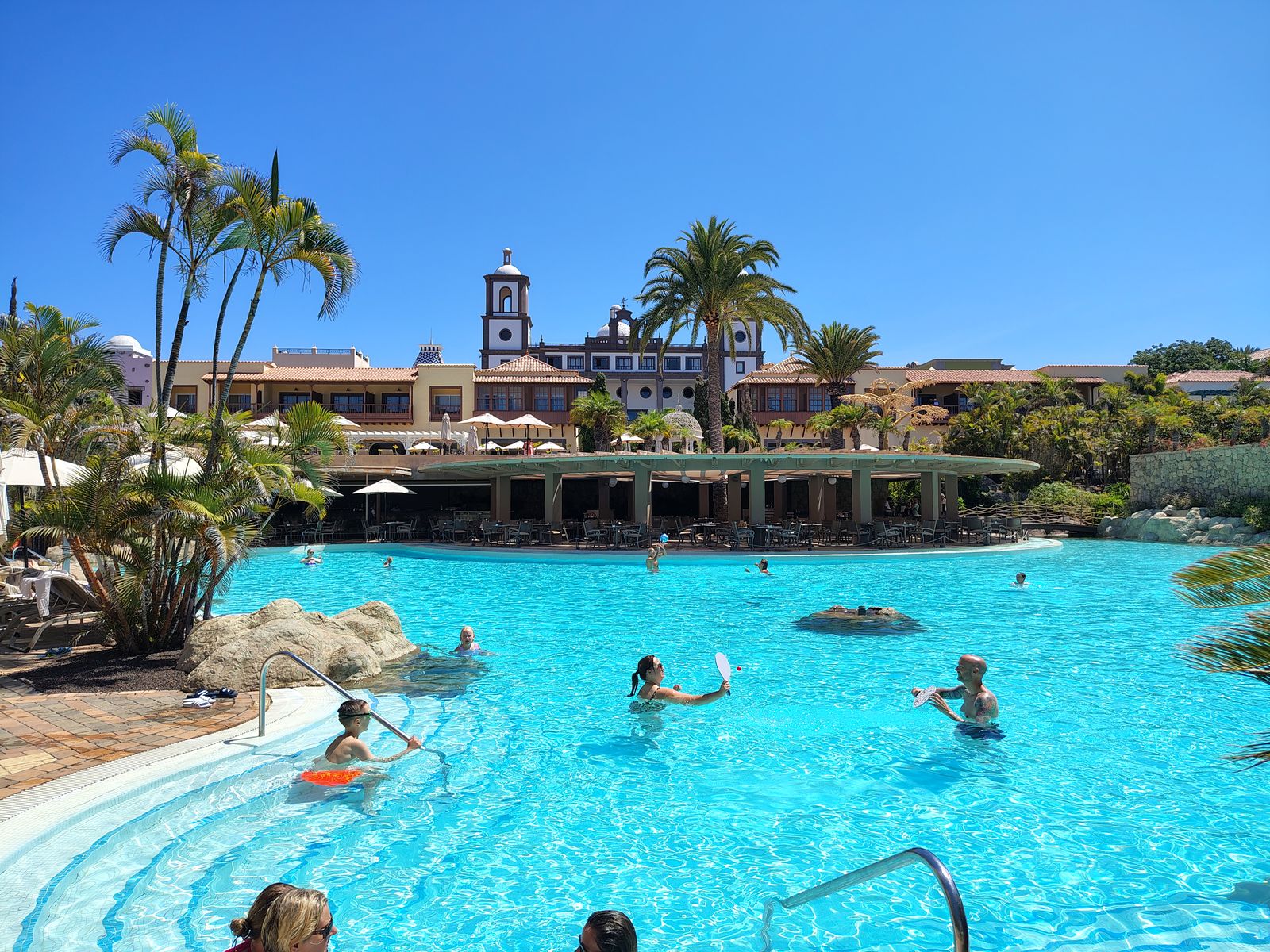
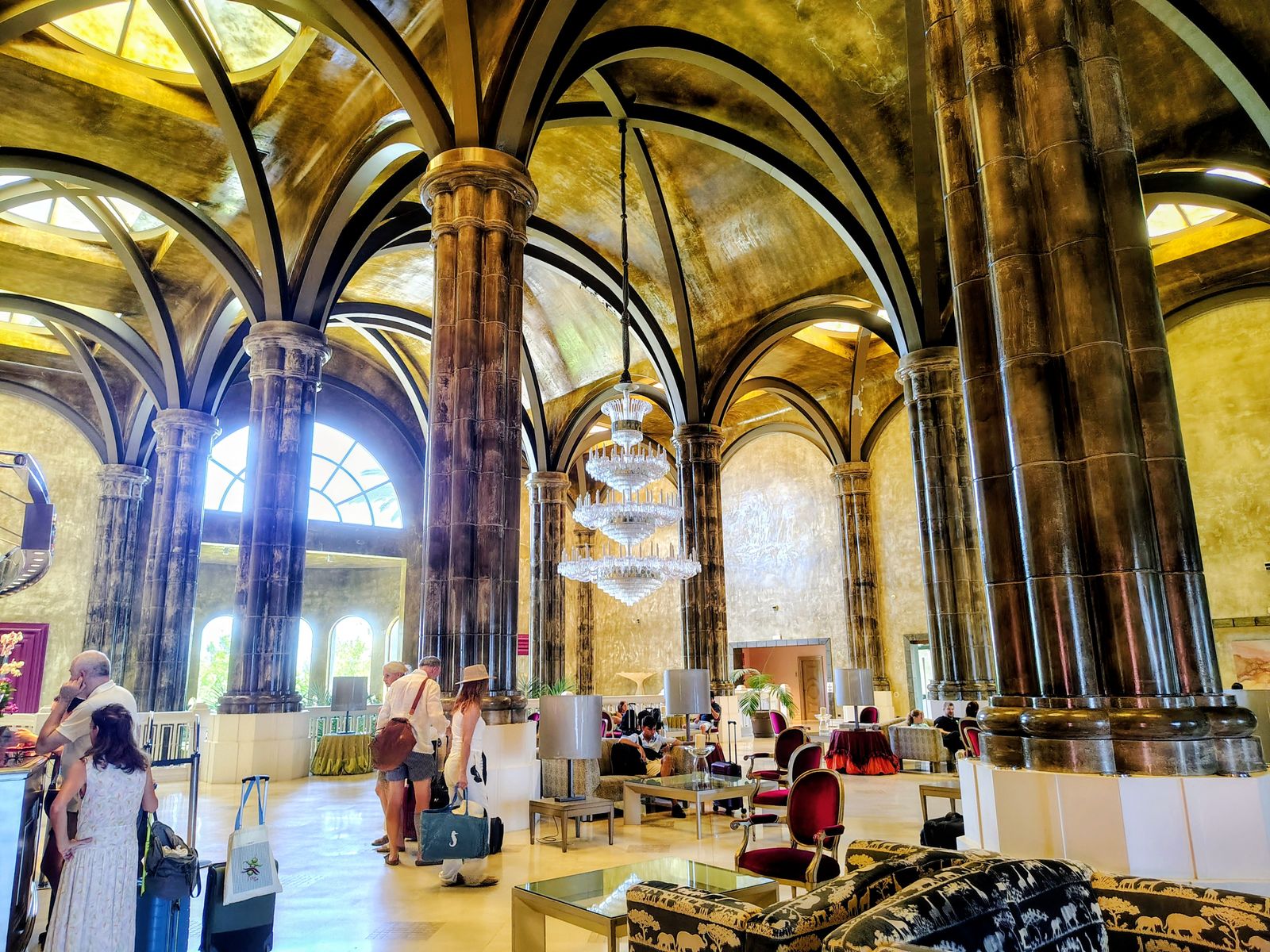
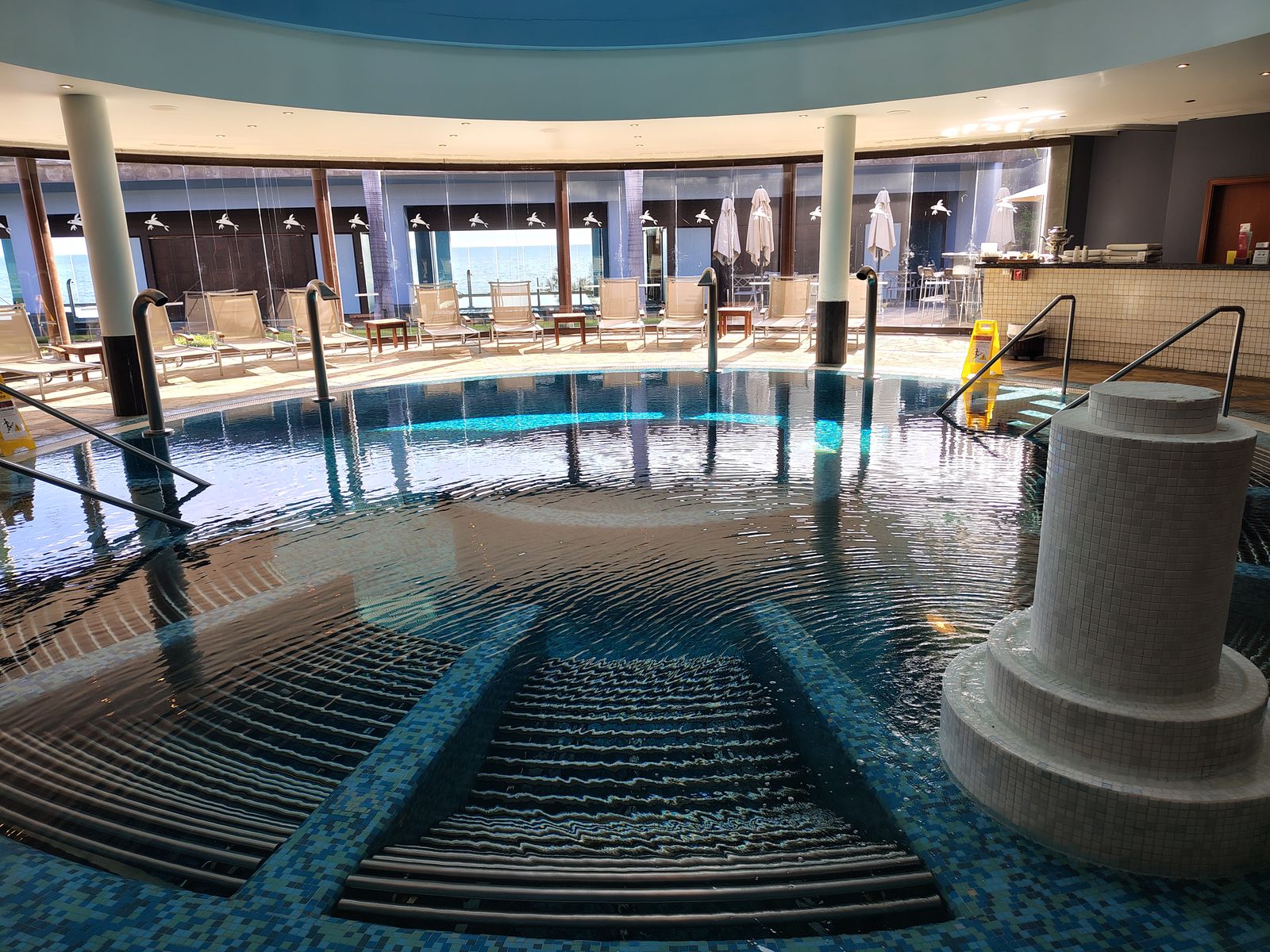
Lopesan Villa del Conde Resort & Thalasso from USD 185 is a five-star resort on the southern tip of Gran Canaria built as a replica of a Canarian village, with a domed church as the lobby. It is not subtle. It is also, in the right week, cheaper than a business hotel in Zurich.
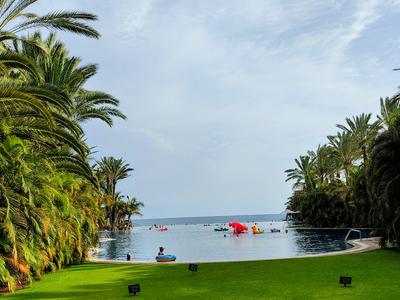
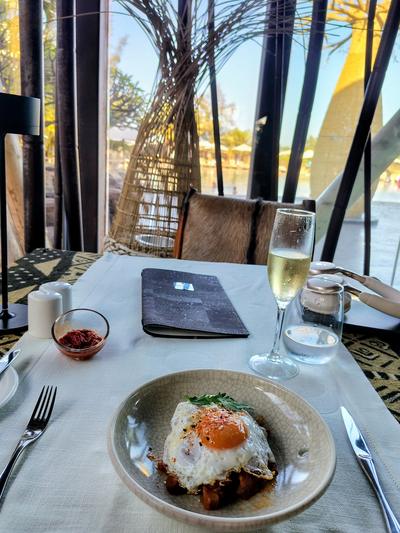
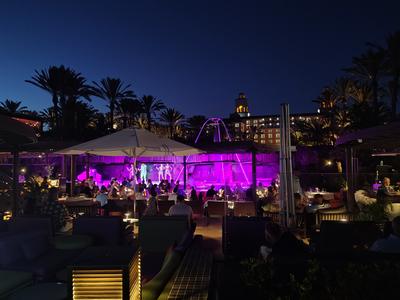
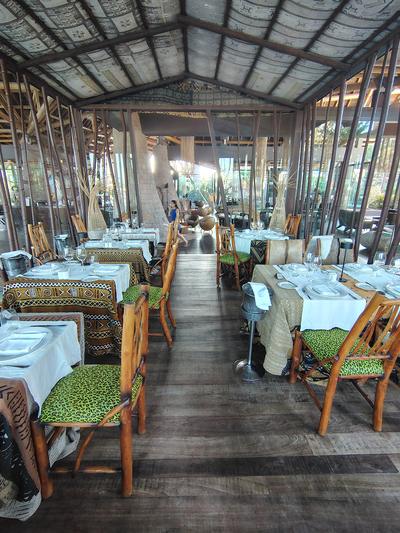
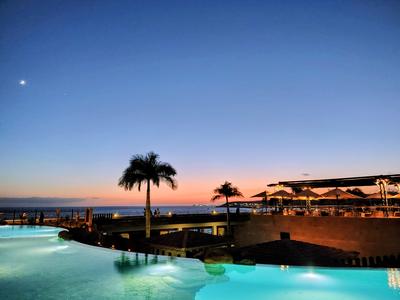
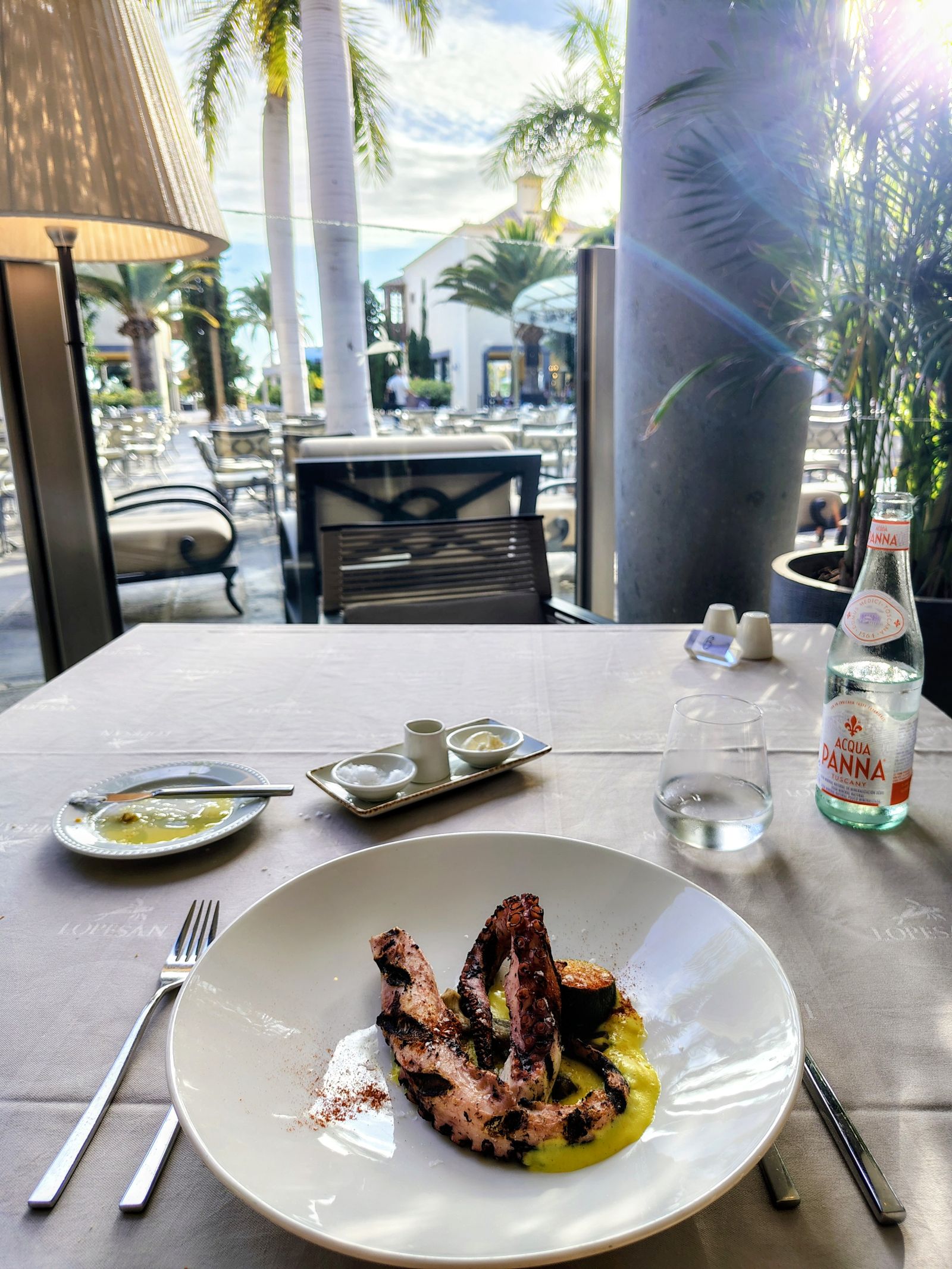
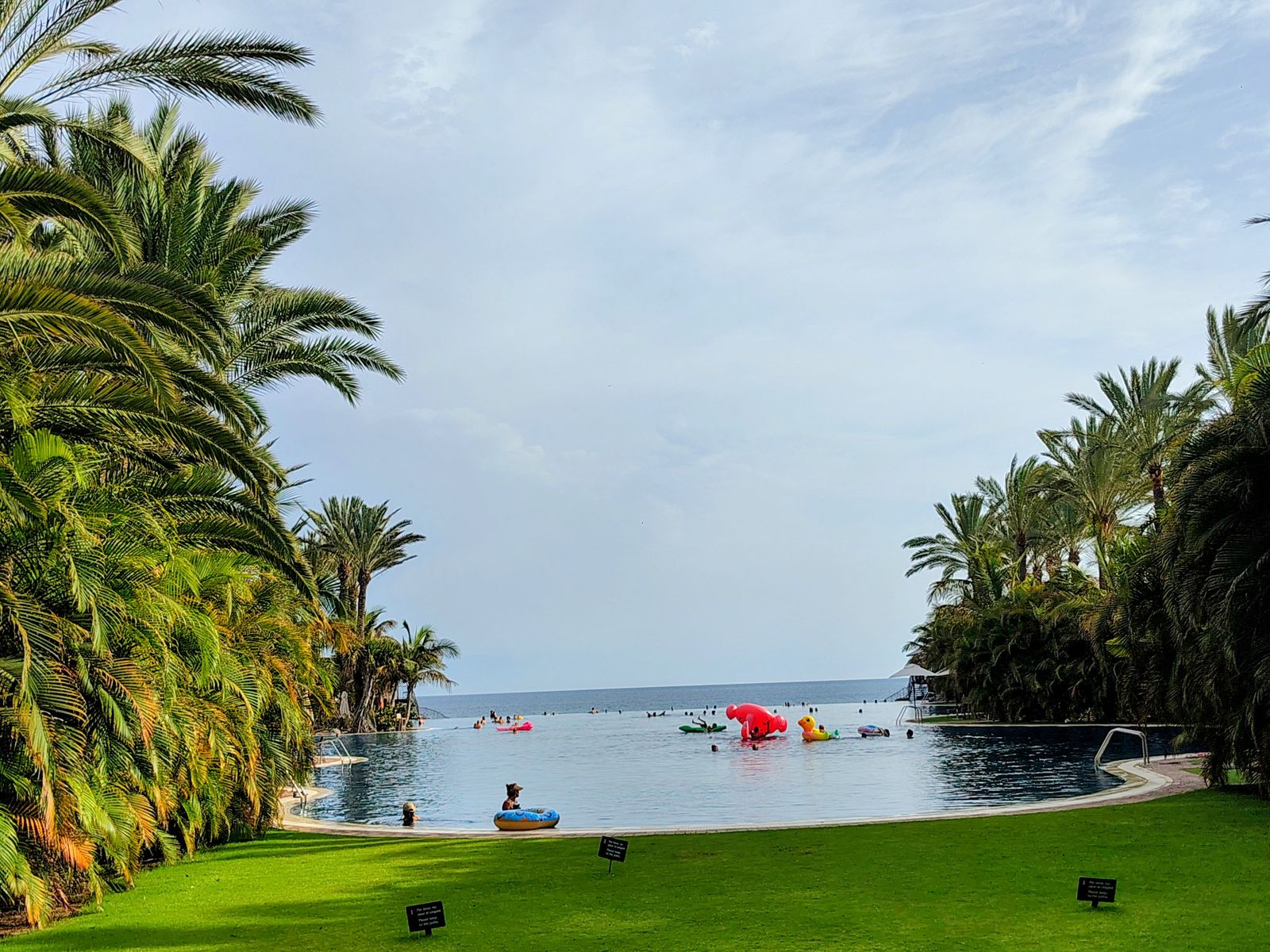
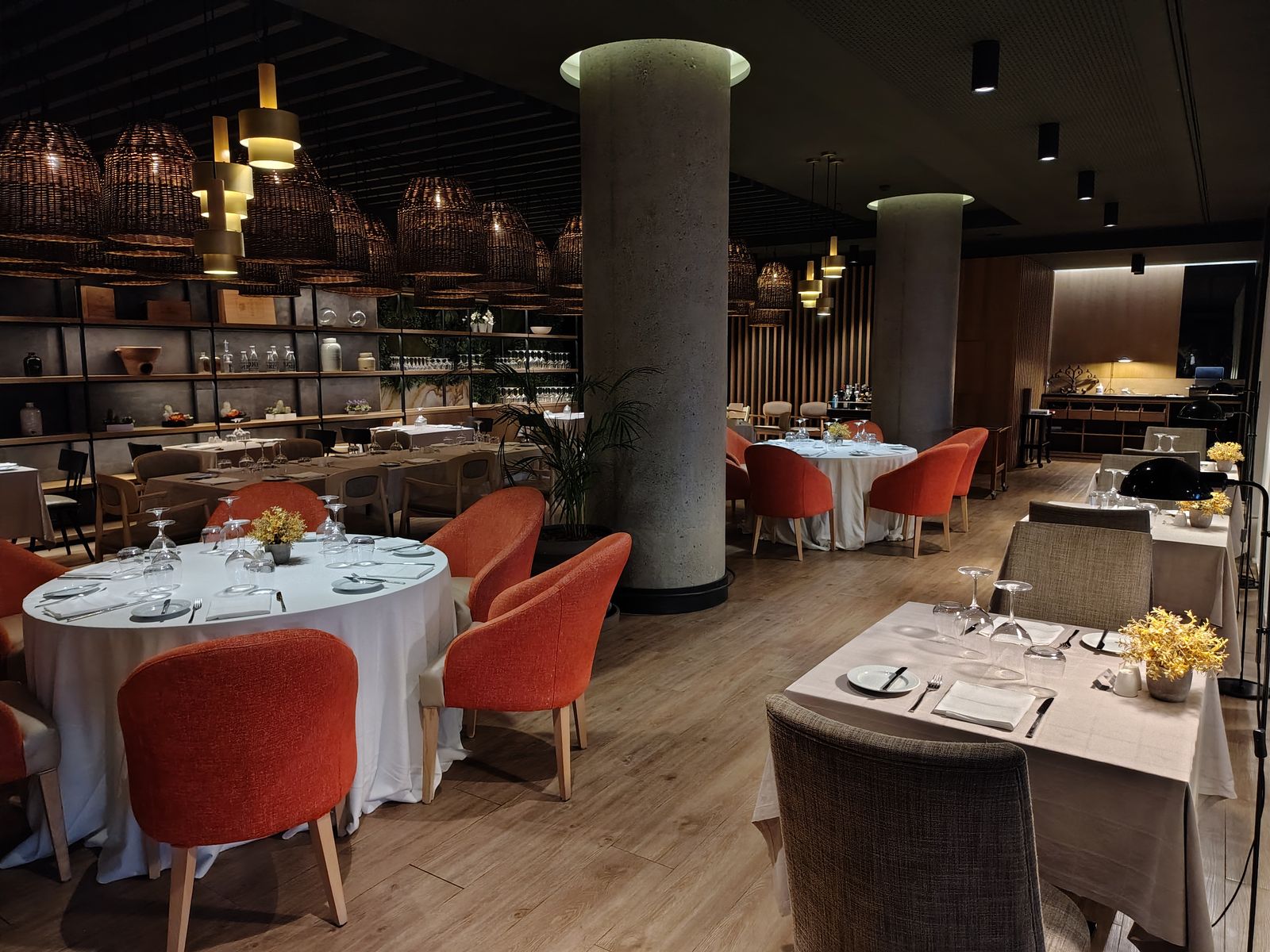
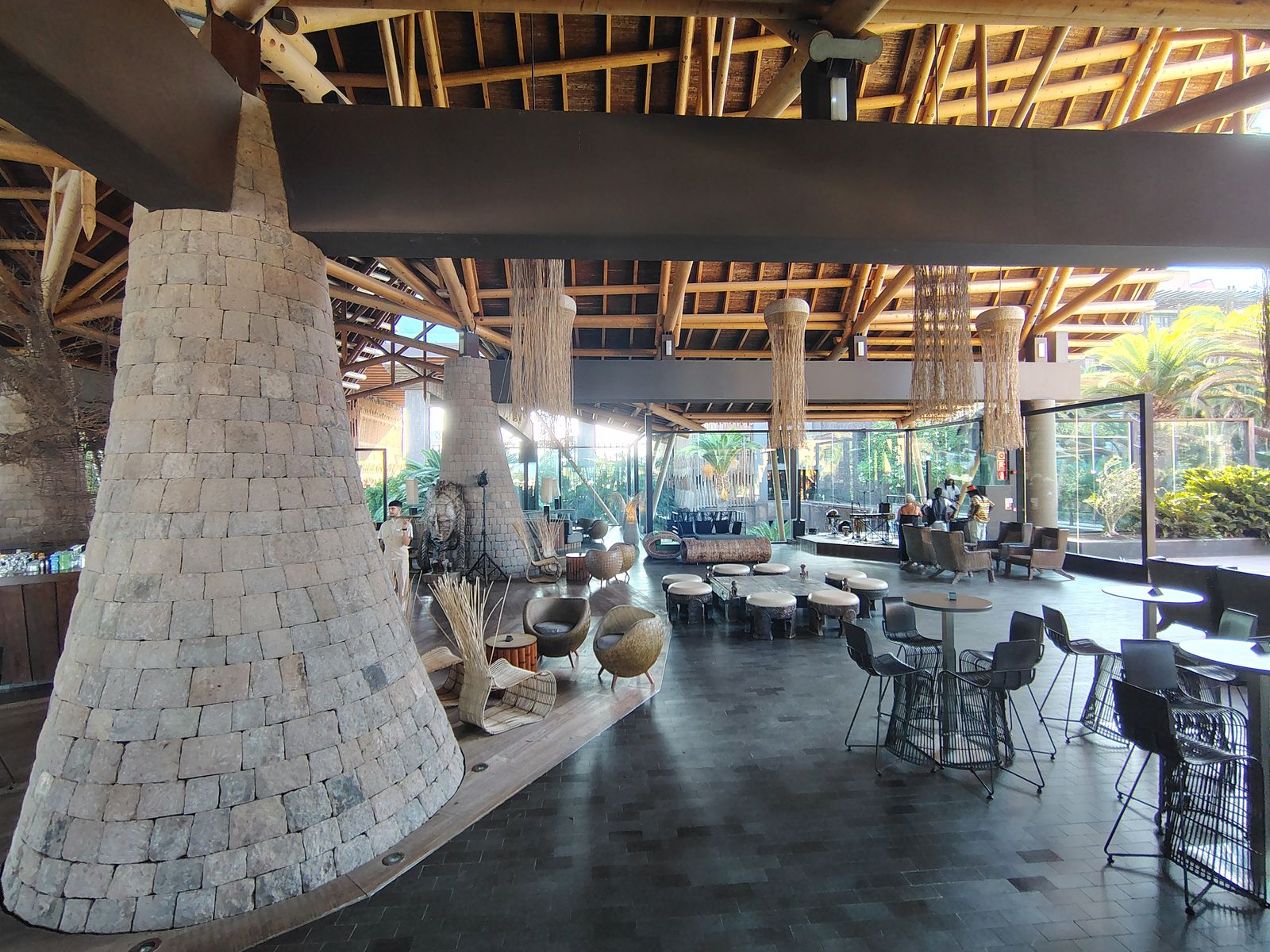
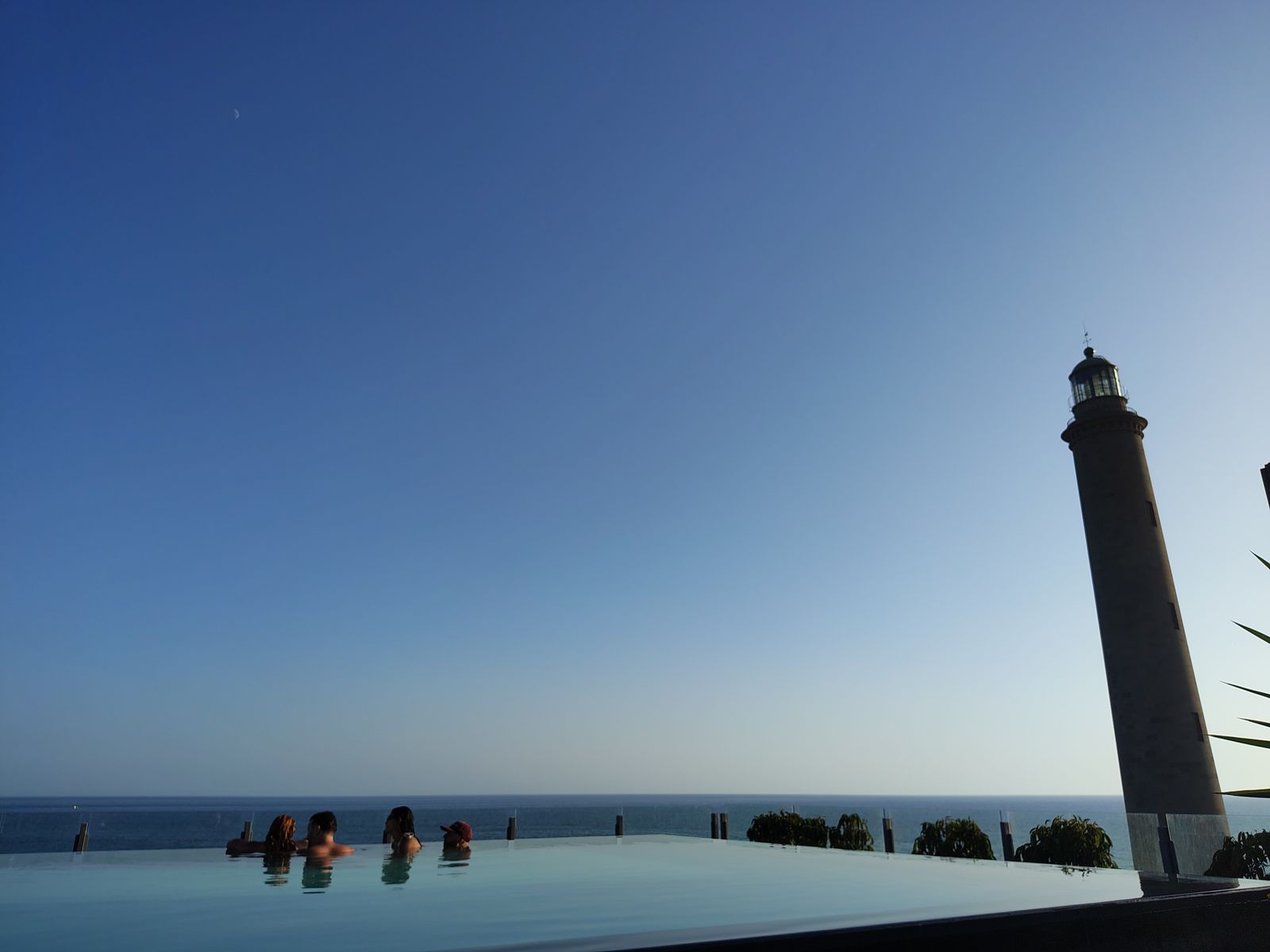
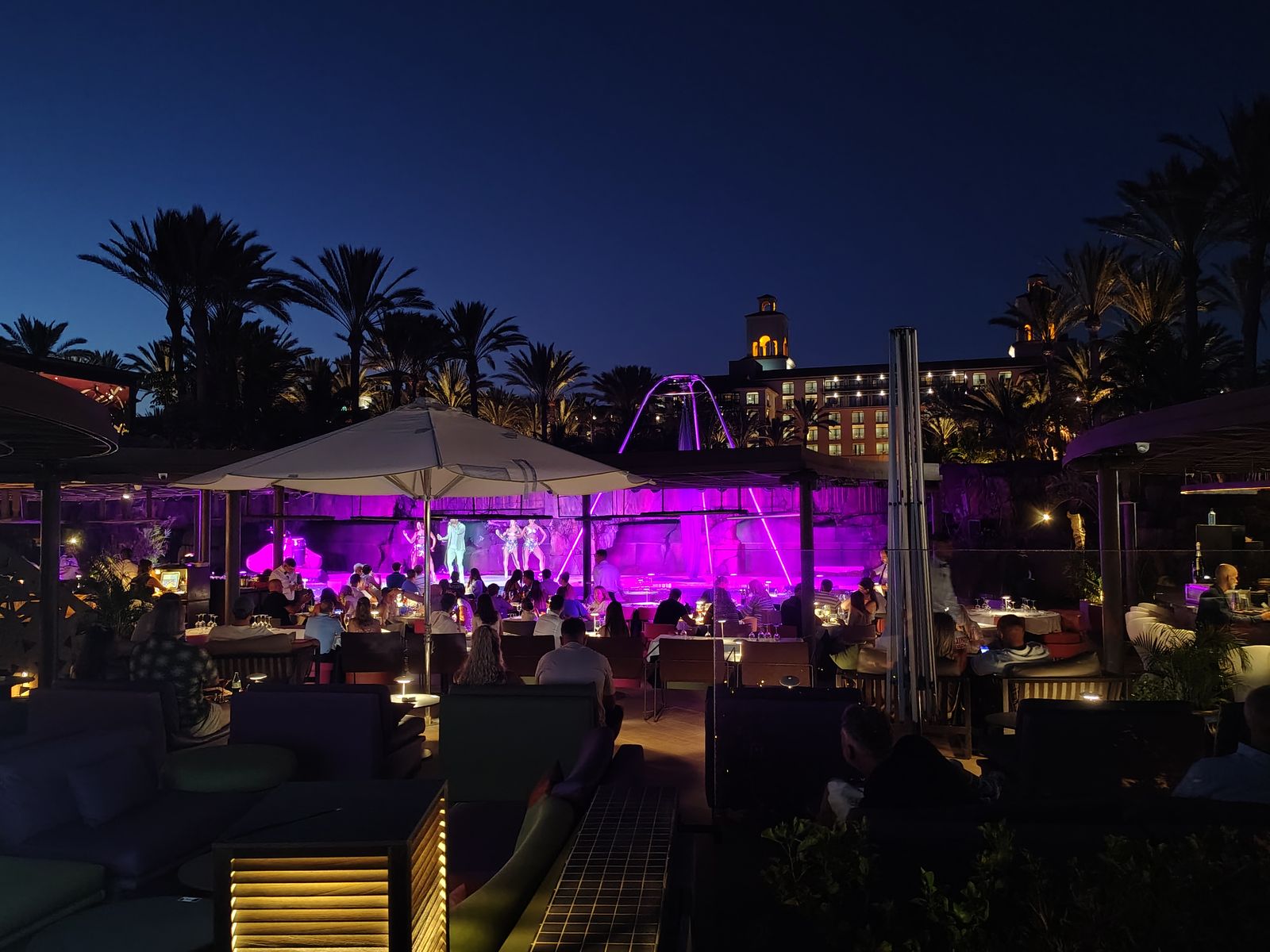
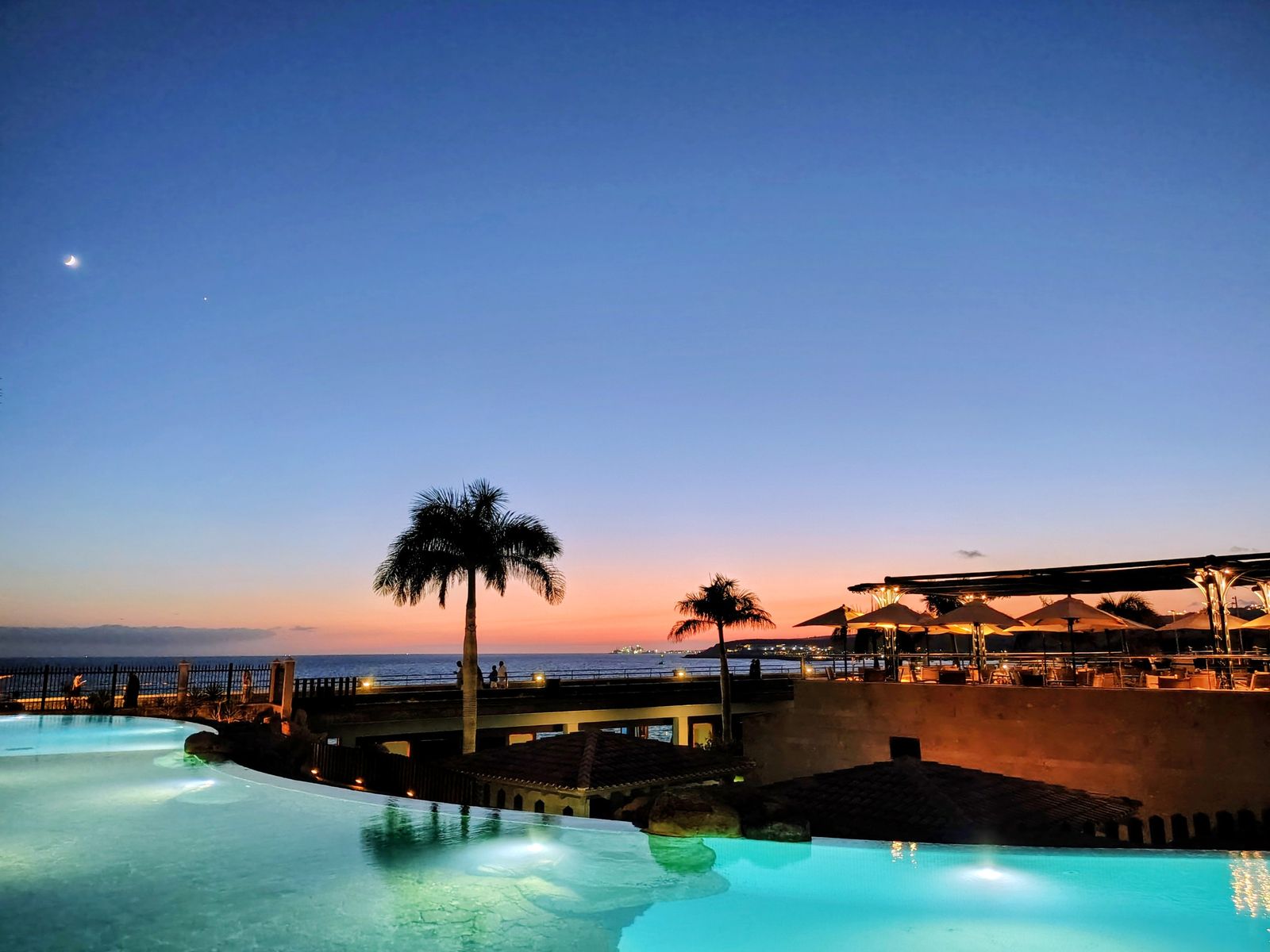
It also has six pools and five restaurants, plus the Corallium Thalasso centre - seawater circuits rather than a token treatment room. Five restaurants on site is the reason to actually price half board here: at most resorts it locks you into one buffet for the week, and here it does not. This is the one hotel on our whole list where the resort genuinely is the holiday, so the amenity list is worth comparing rather than skimming.
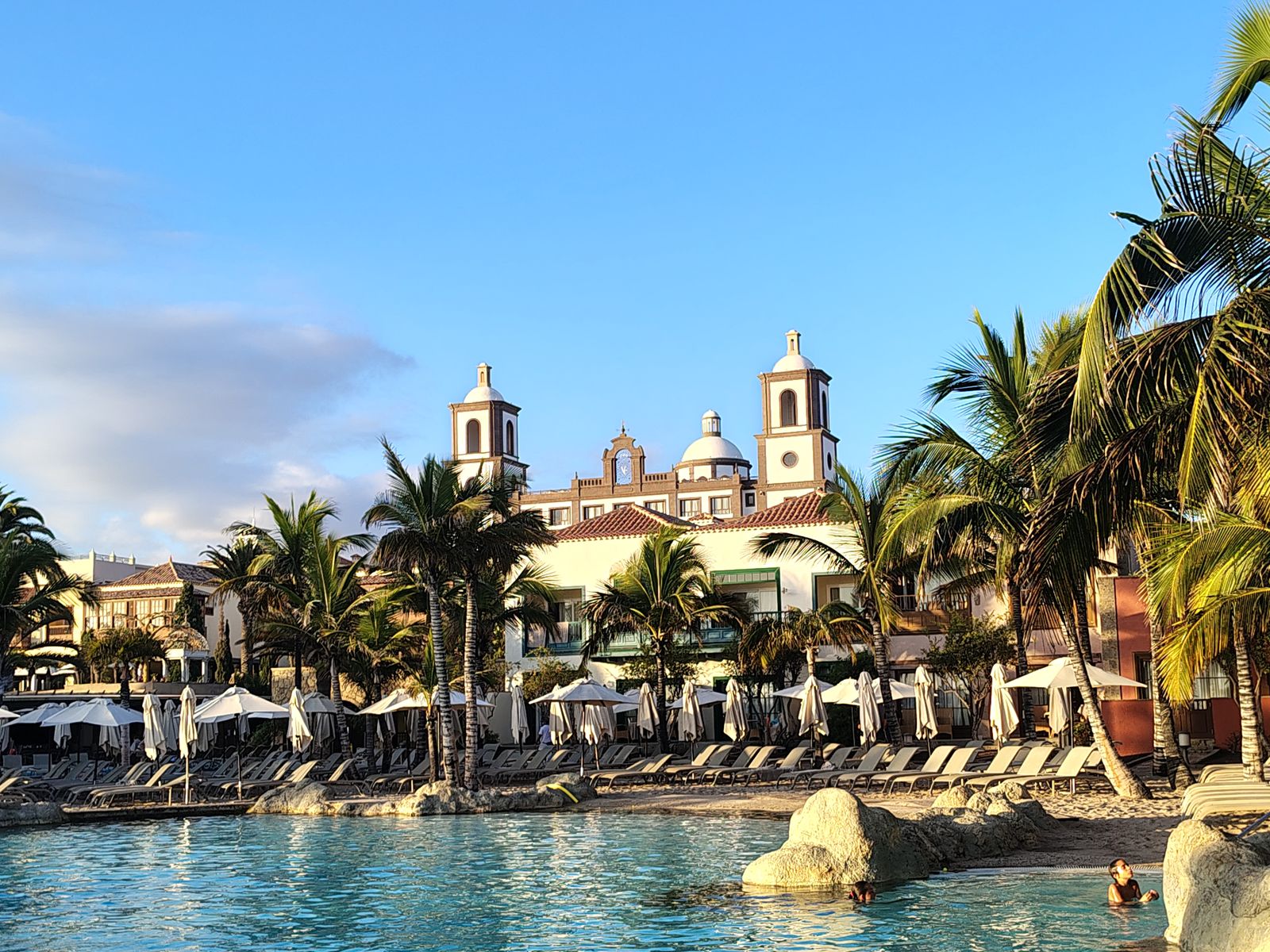
We have looked it up forty-two times. The floor is USD 185 ≈ €165 a night. The typical is USD 266 ≈ €238. The ceiling is USD 1,304 ≈ €1,166. Same room, same resort, more than double.
That spread is the entire thesis of this website. Nobody needs help finding a good hotel; they need help finding the week when the good hotel is affordable.
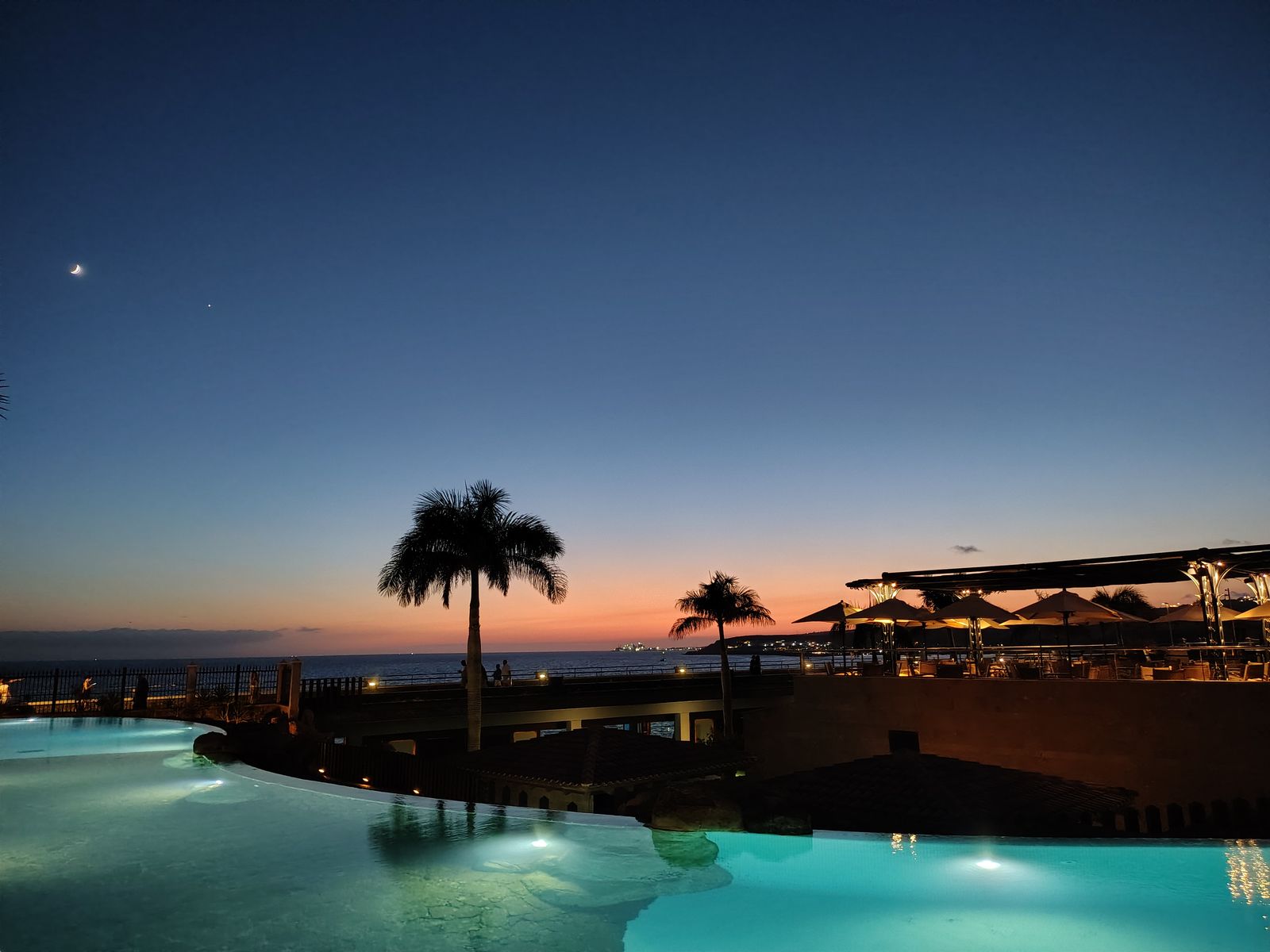
The three Lopesans are not interchangeable
They sit within a few hundred metres of each other and behave quite differently.
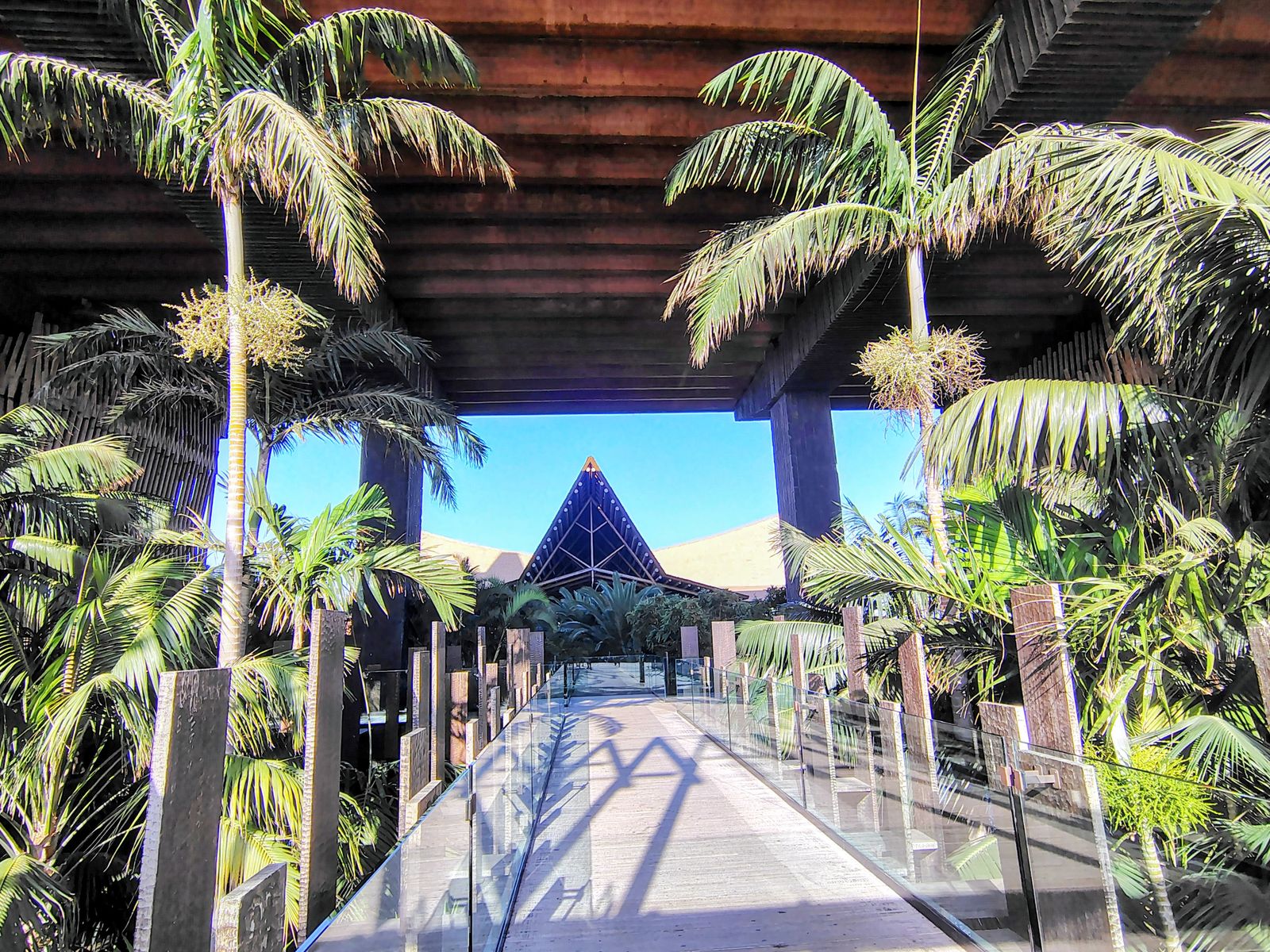
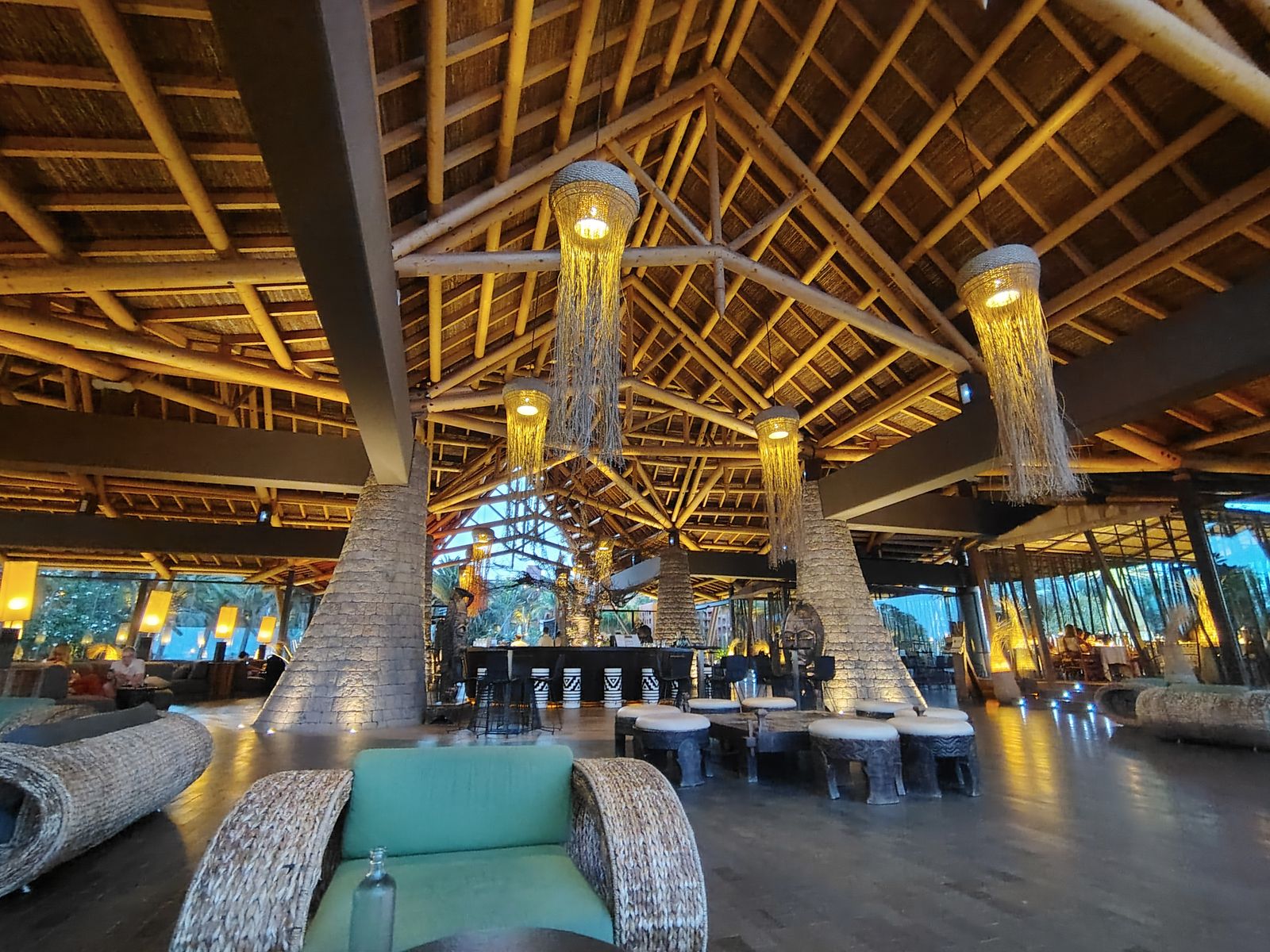
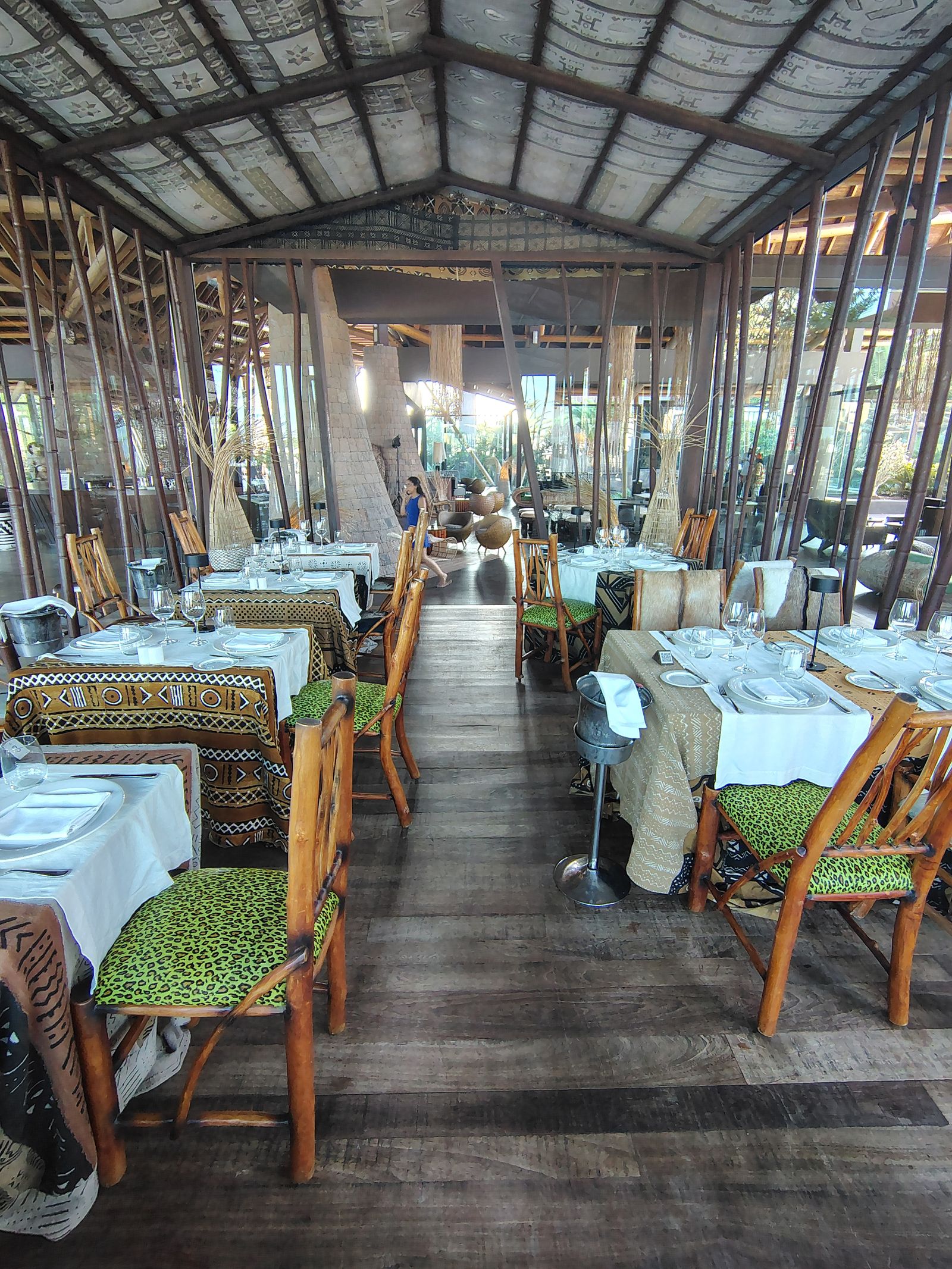
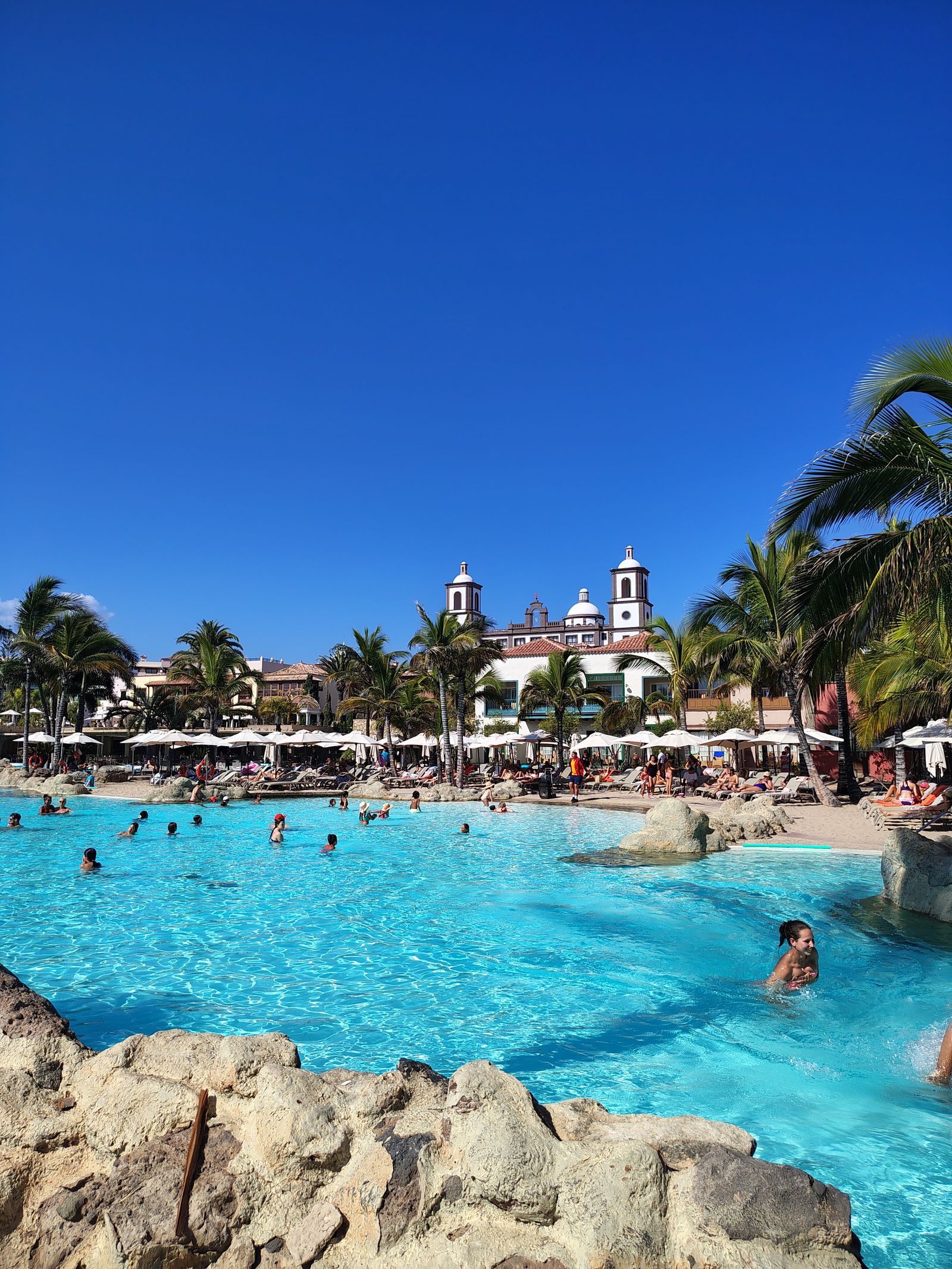
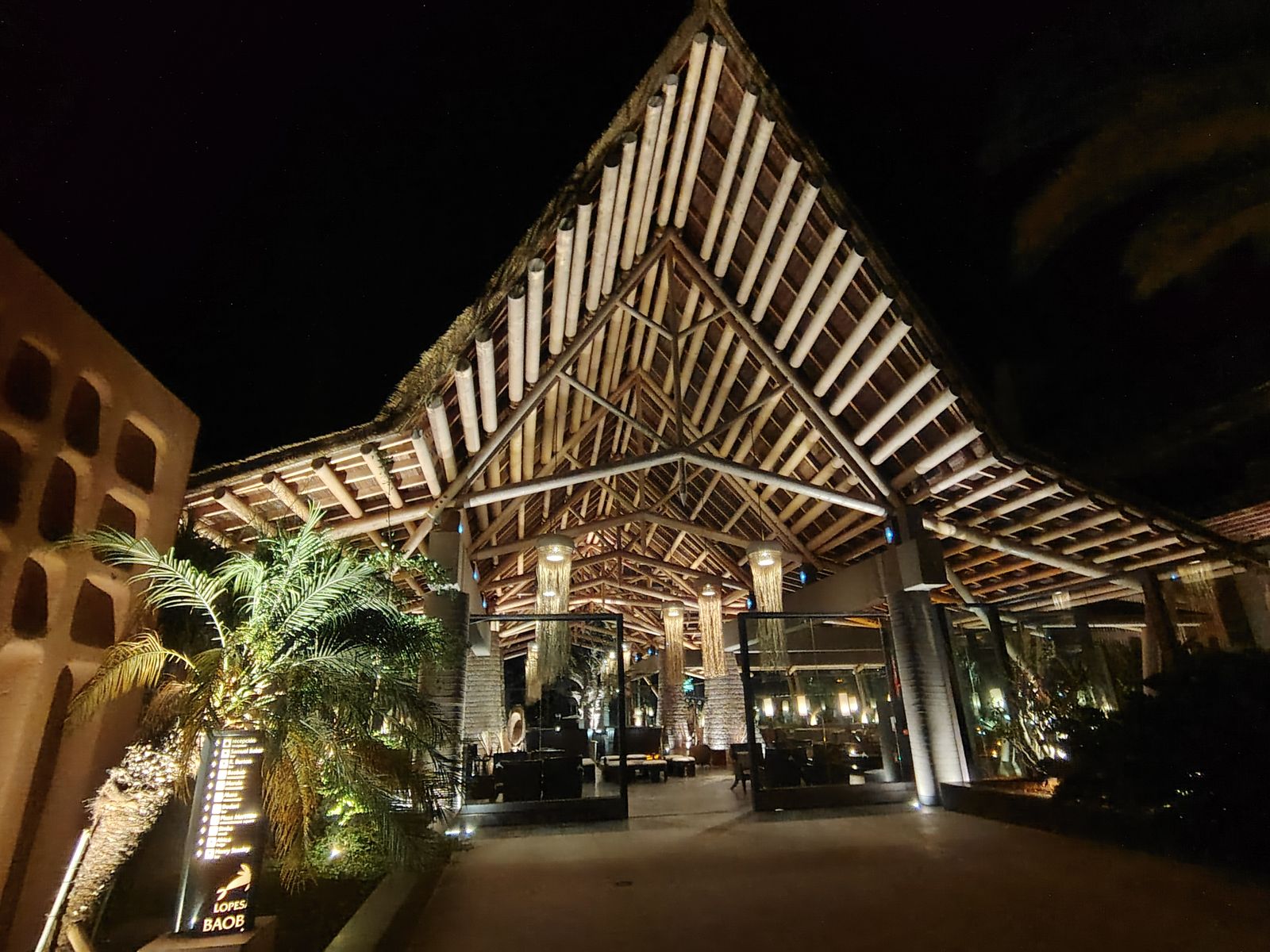
Lopesan Baobab Resort from USD 170 is the wild one - an Africa-themed resort with a genuinely absurd waterfall atrium, nine pools and a lazy river spread over a 72,000 m² plot, and the widest price range we track here: USD 170 ≈ €152 at its best, USD 529 ≈ €473 at its worst, across thirty-seven checks. When it is cheap it is the best value on the island - and if anyone in the party wants to spend the entire day in water, this is the one. When it is expensive it is nothing special.
Villa del Conde is the steadiest of the three and the one we would book blind.
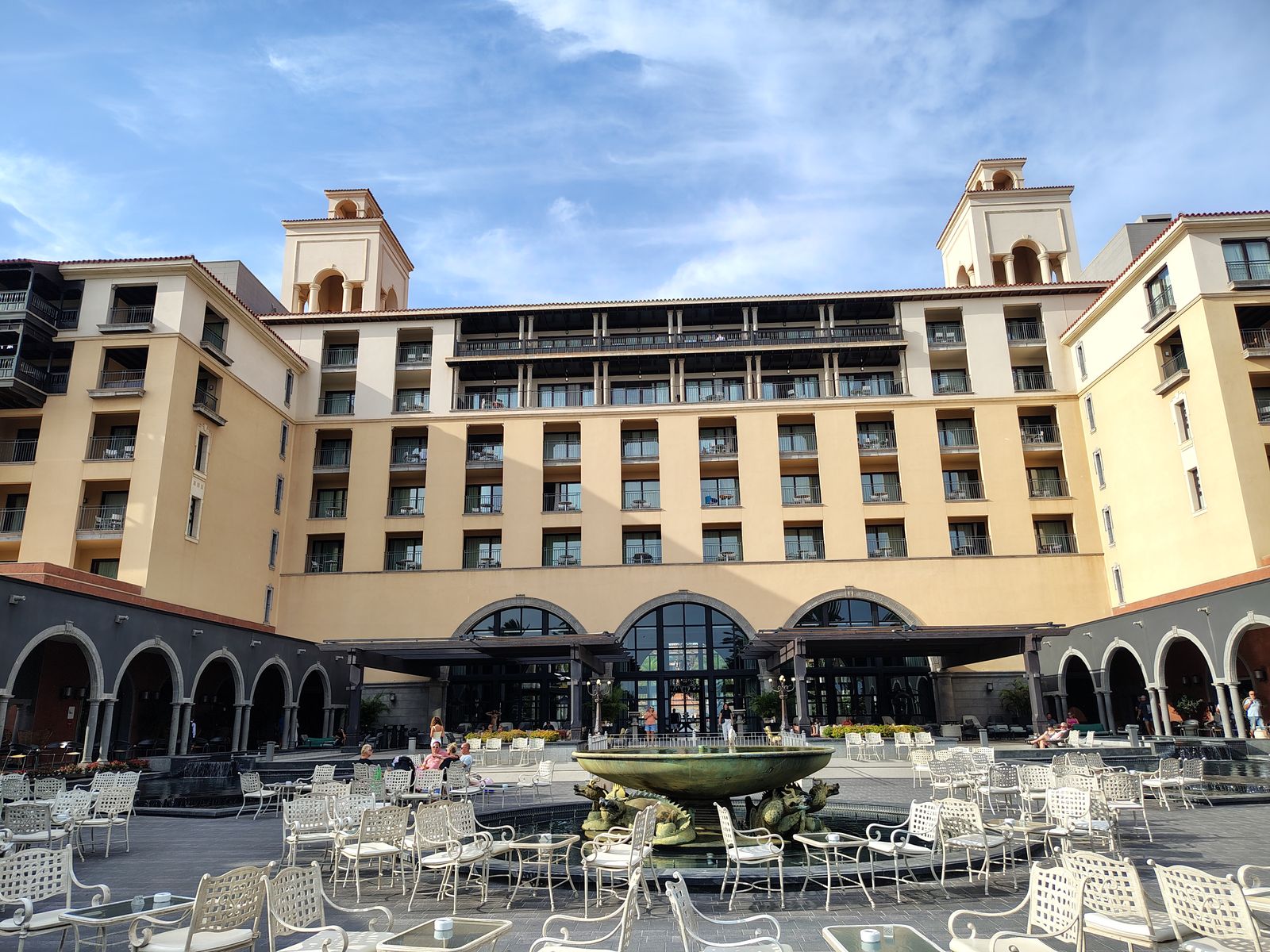
Lopesan Costa Meloneras Resort & Spa from USD 227 is the biggest and, at USD 227 ≈ €203 low and USD 329 ≈ €294 typical, consistently the dearest of the trio despite being the least distinctive. It is the one we would skip.
There is also Radisson Blu Resort, Gran Canaria from USD 307 further west along the coast at Arguineguín, which runs on Radisson Rewards - the only rewards programme among the island hotels we track, and free to join. The three Lopesans have no scheme we have found; what they run instead is a permanent site-wide discount, which is the next thing to understand.
Worth a separate mention: Hotel Faro, a Lopesan Collection Hotel from USD 233, nearer Maspalomas itself rather than Meloneras and a smaller property than the three Lopesans proper. It has the widest swing of anything on this page - USD 233 ≈ €208 at its best, USD 716 ≈ €640 at its worst, across nine checks - so treat the low end as the only number worth chasing; above roughly USD 361 ≈ €323 it is competing with far dearer hotels.
The walk everyone should take
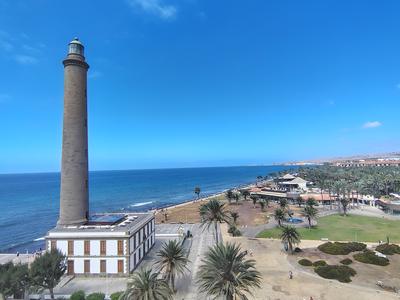
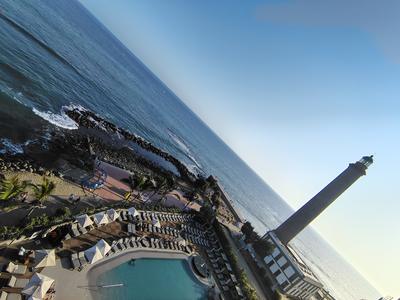
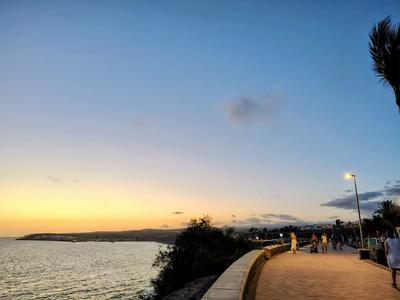
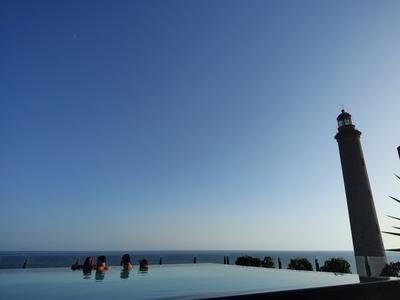
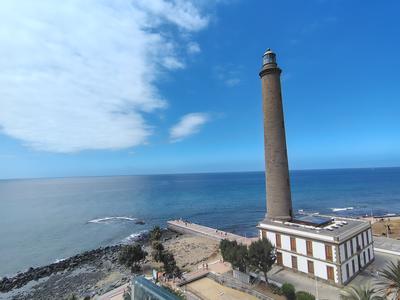
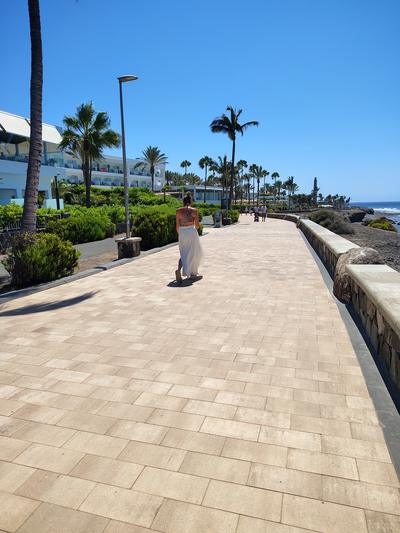
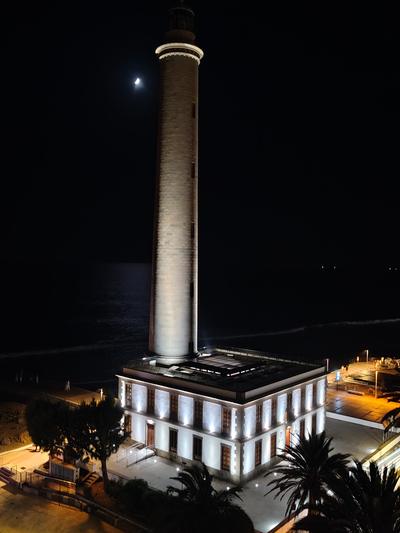
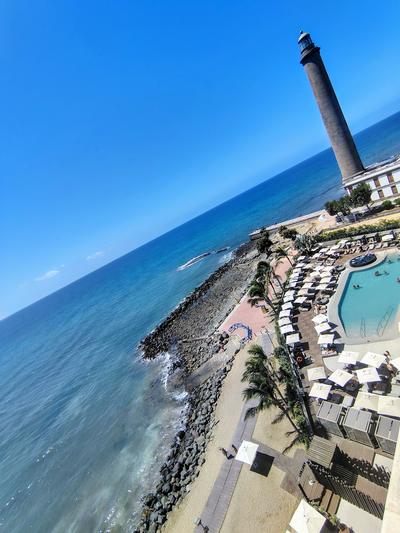
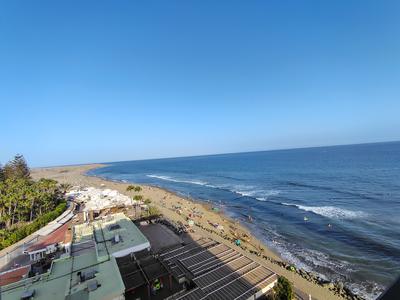
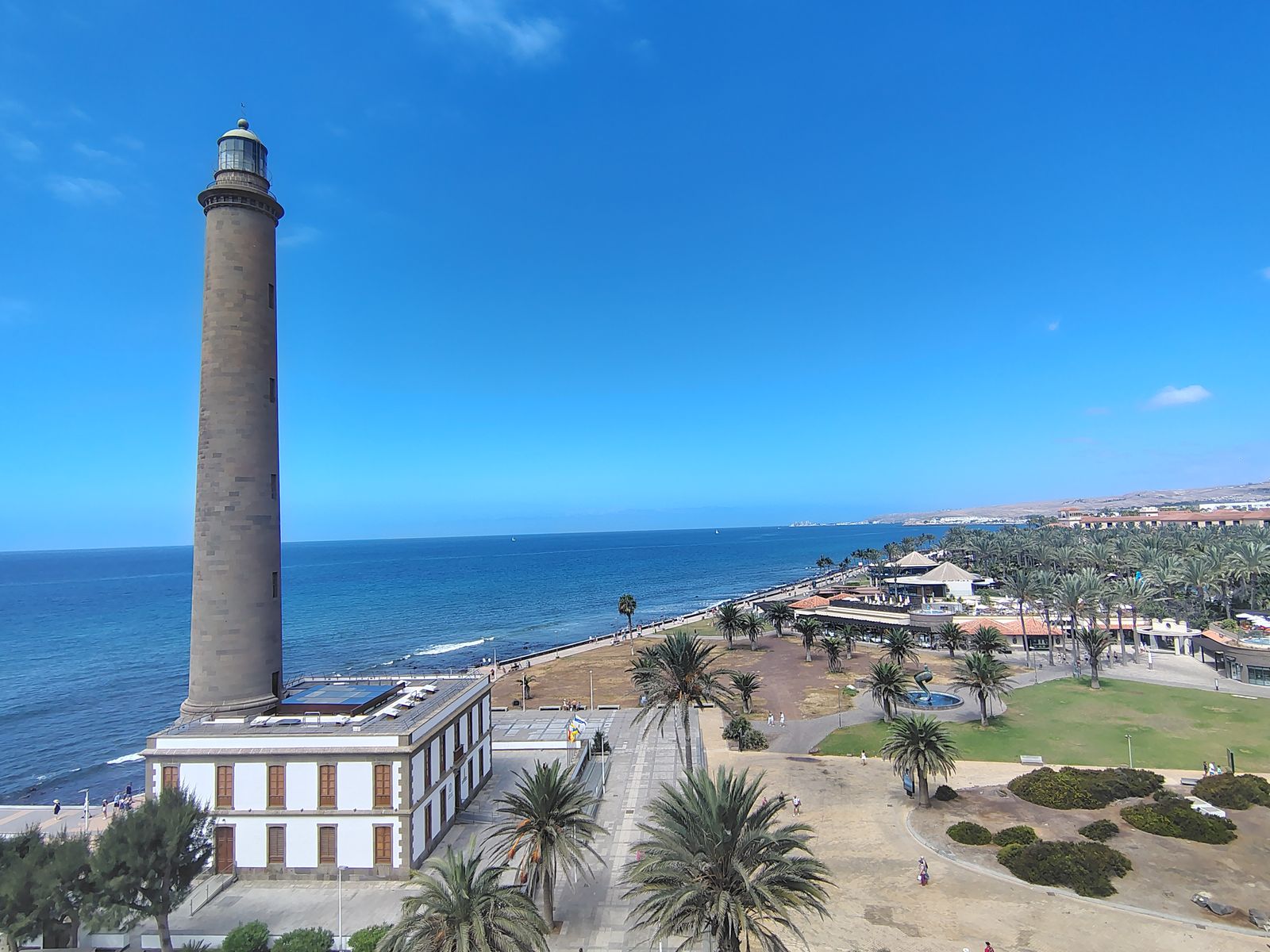
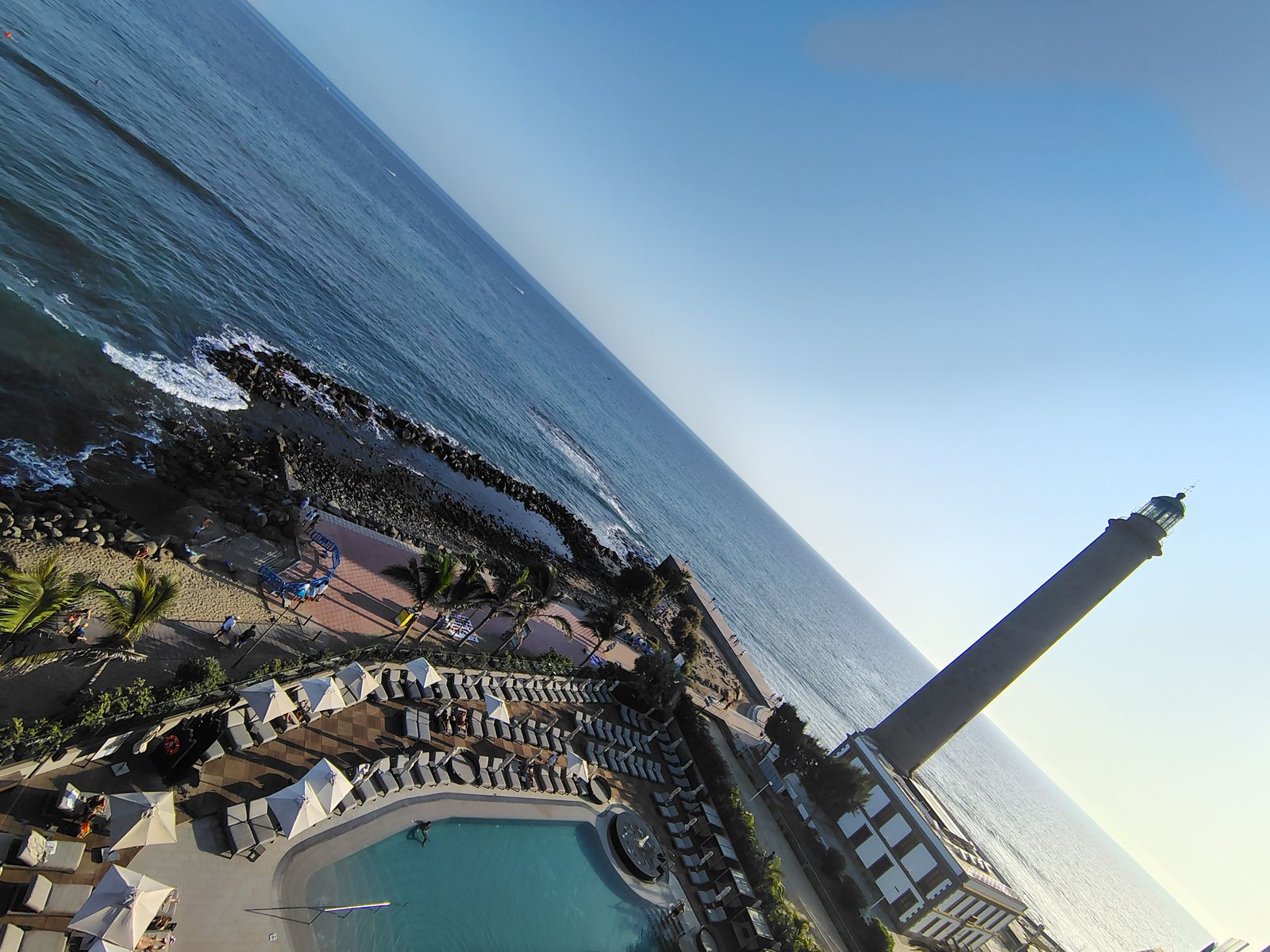
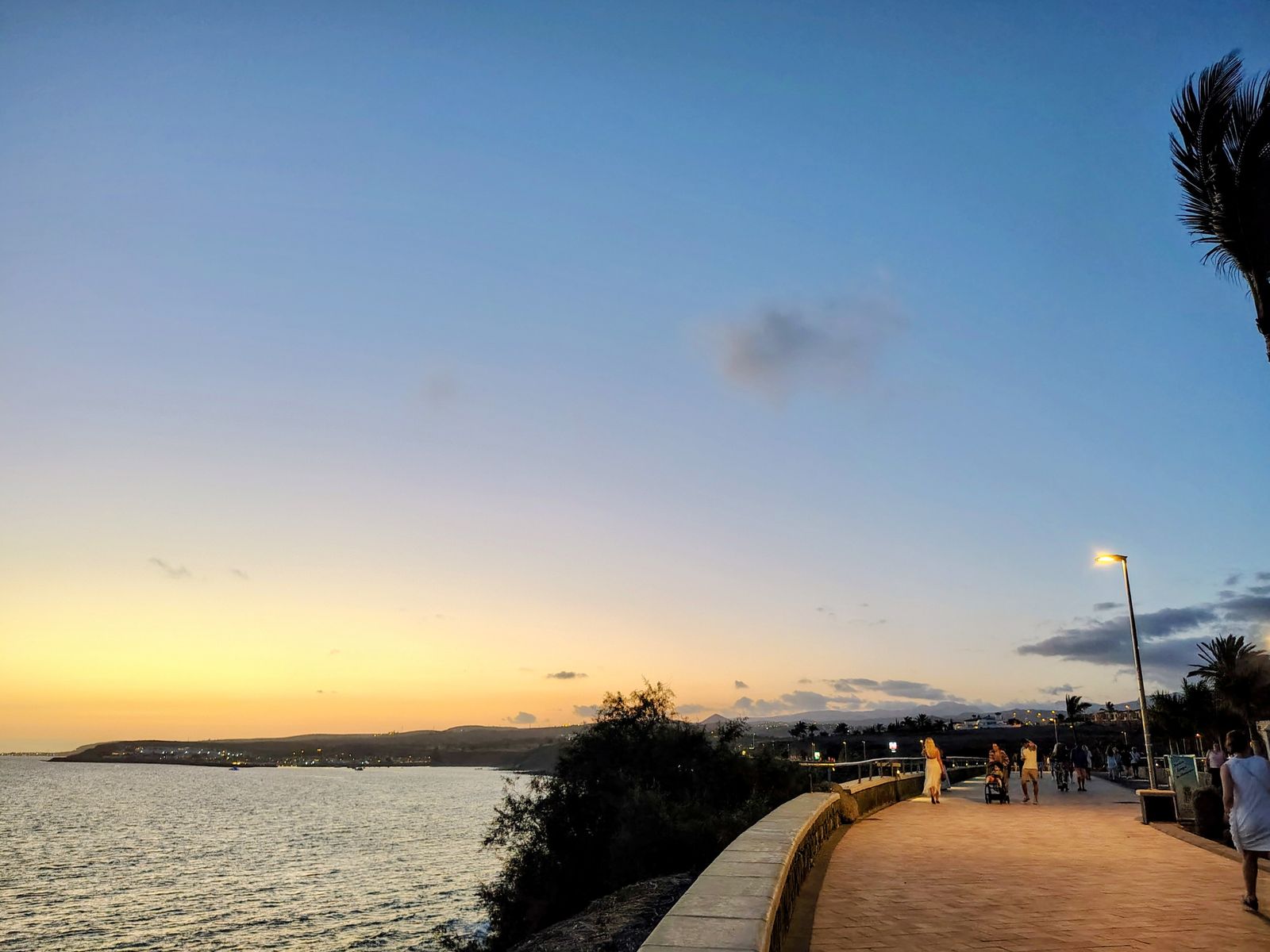
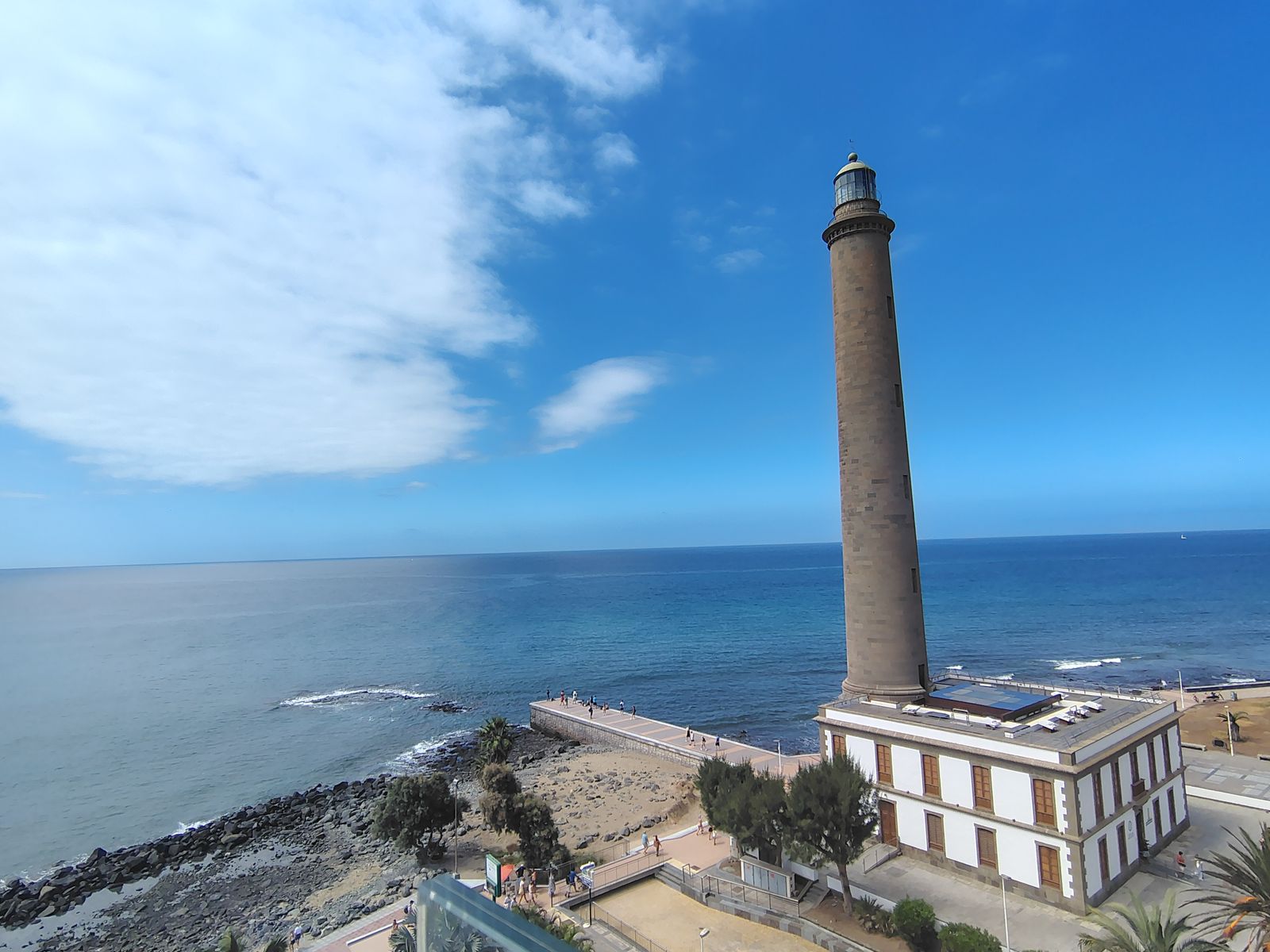
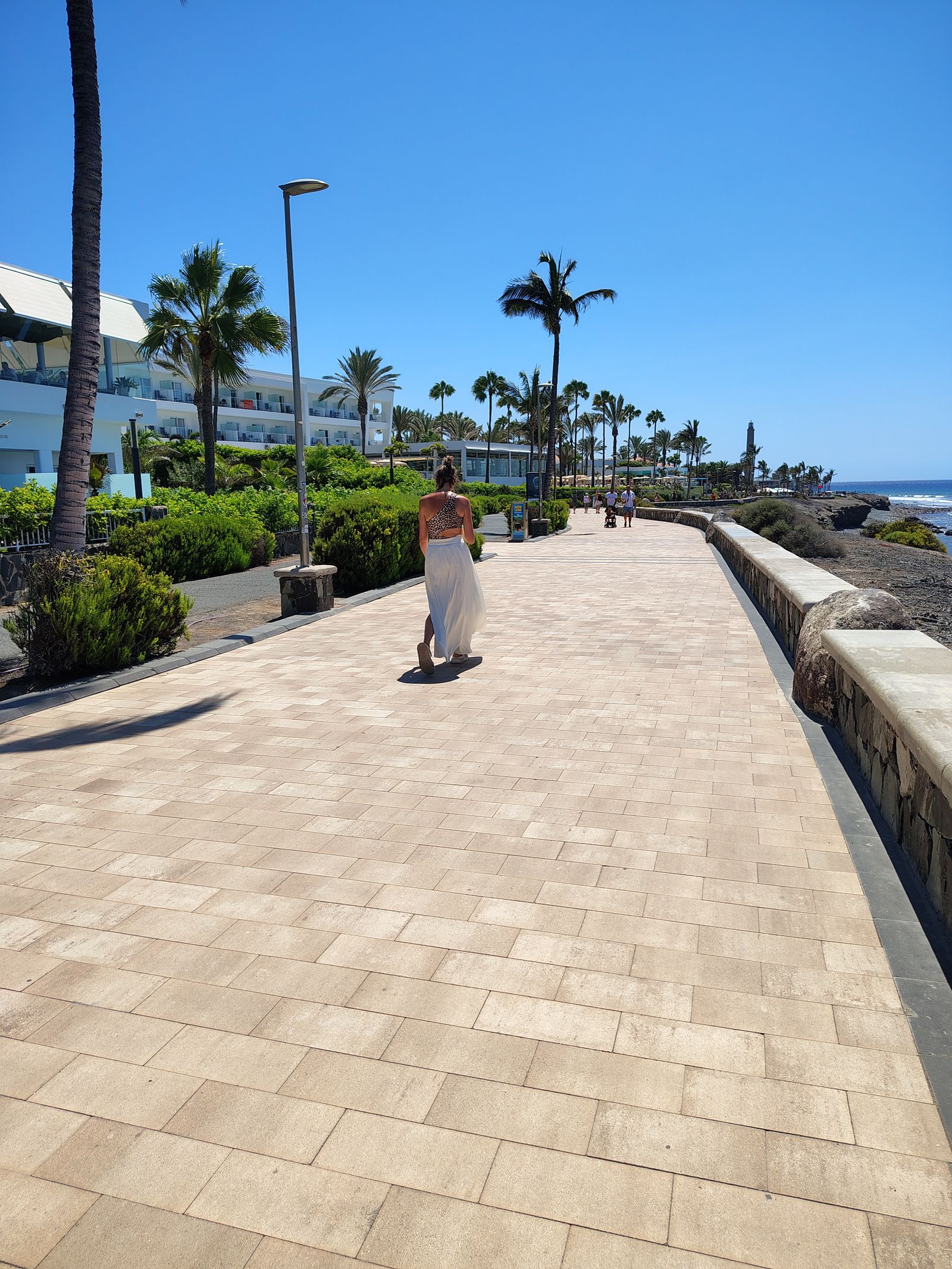
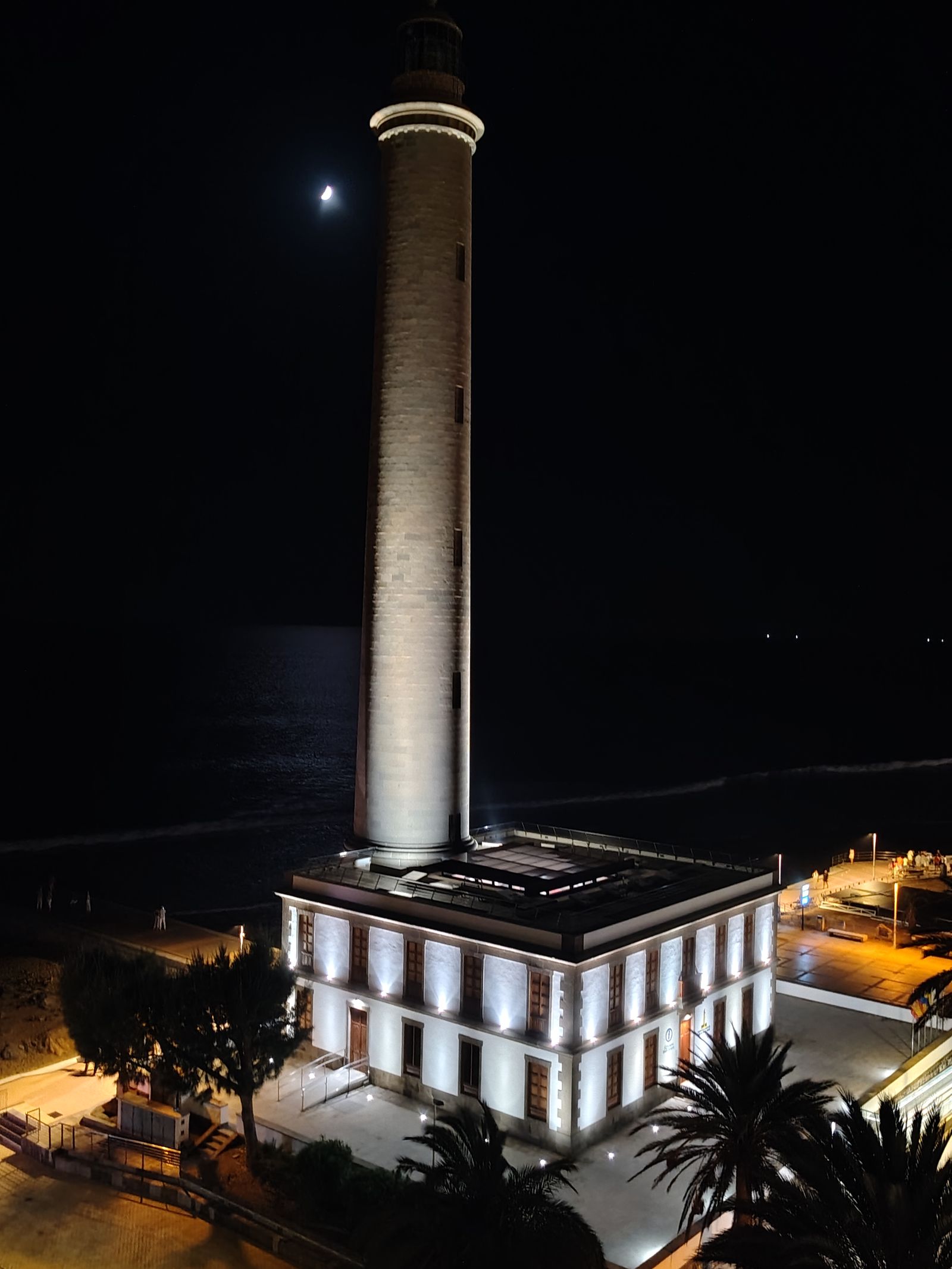
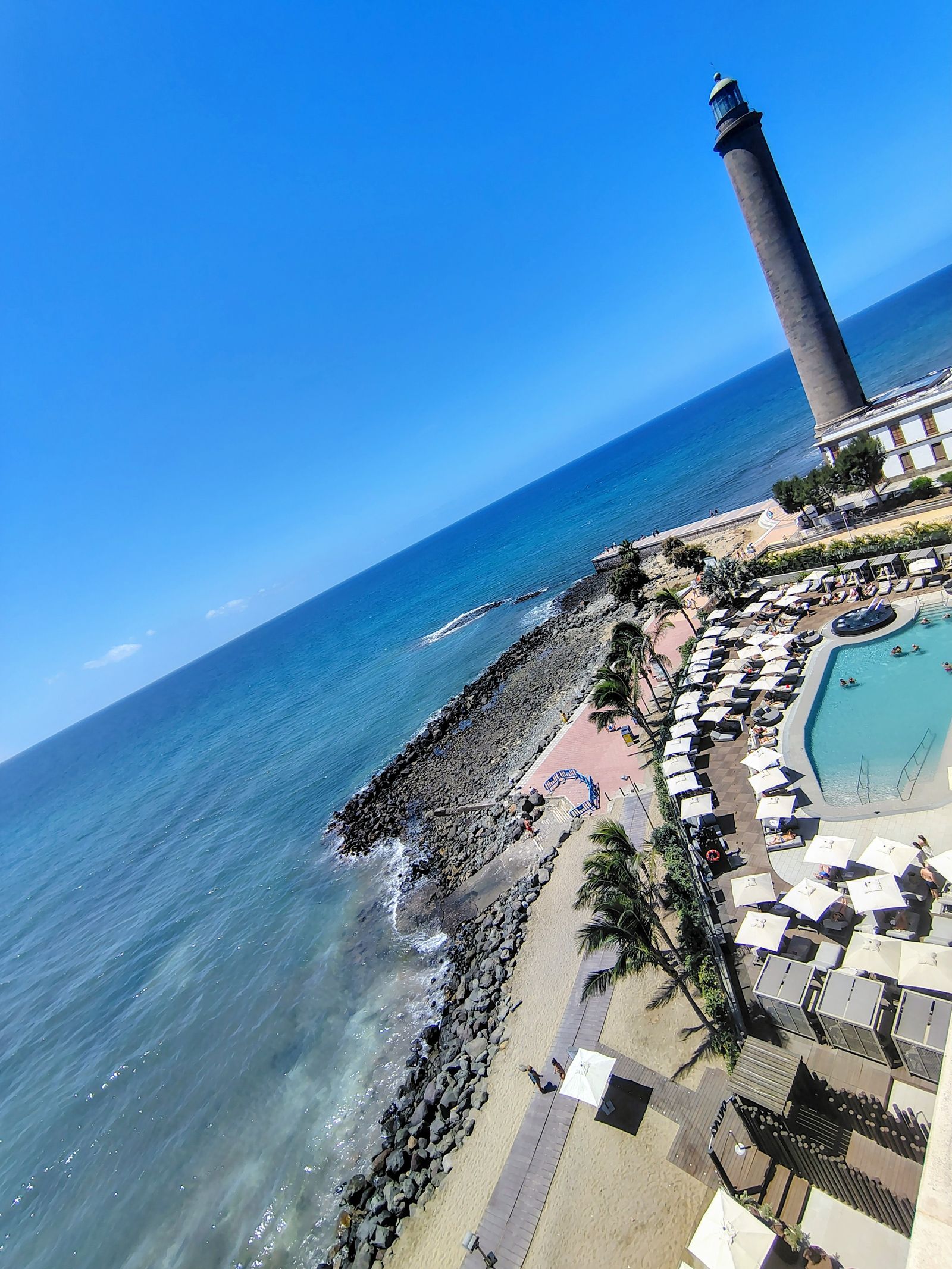
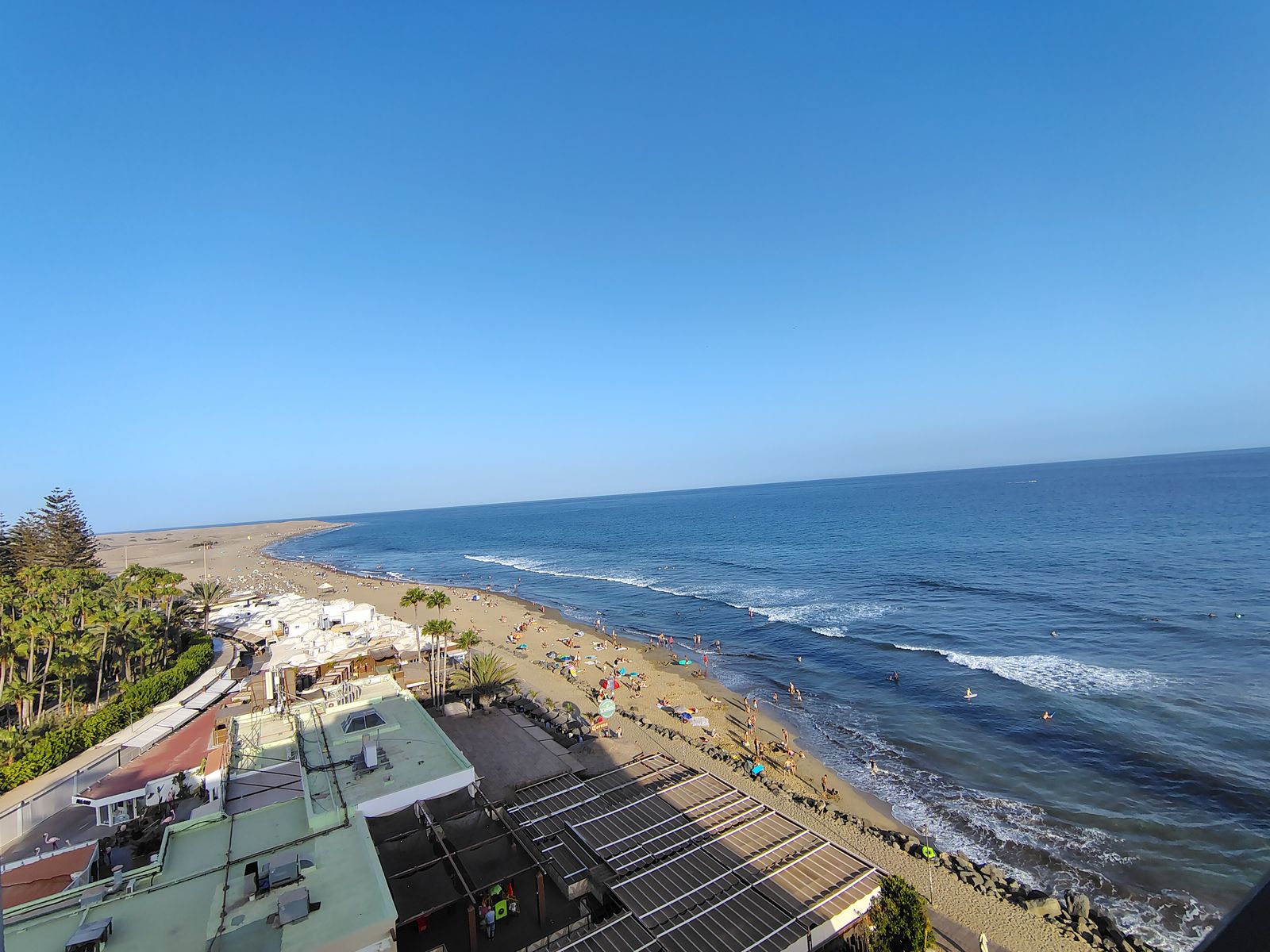
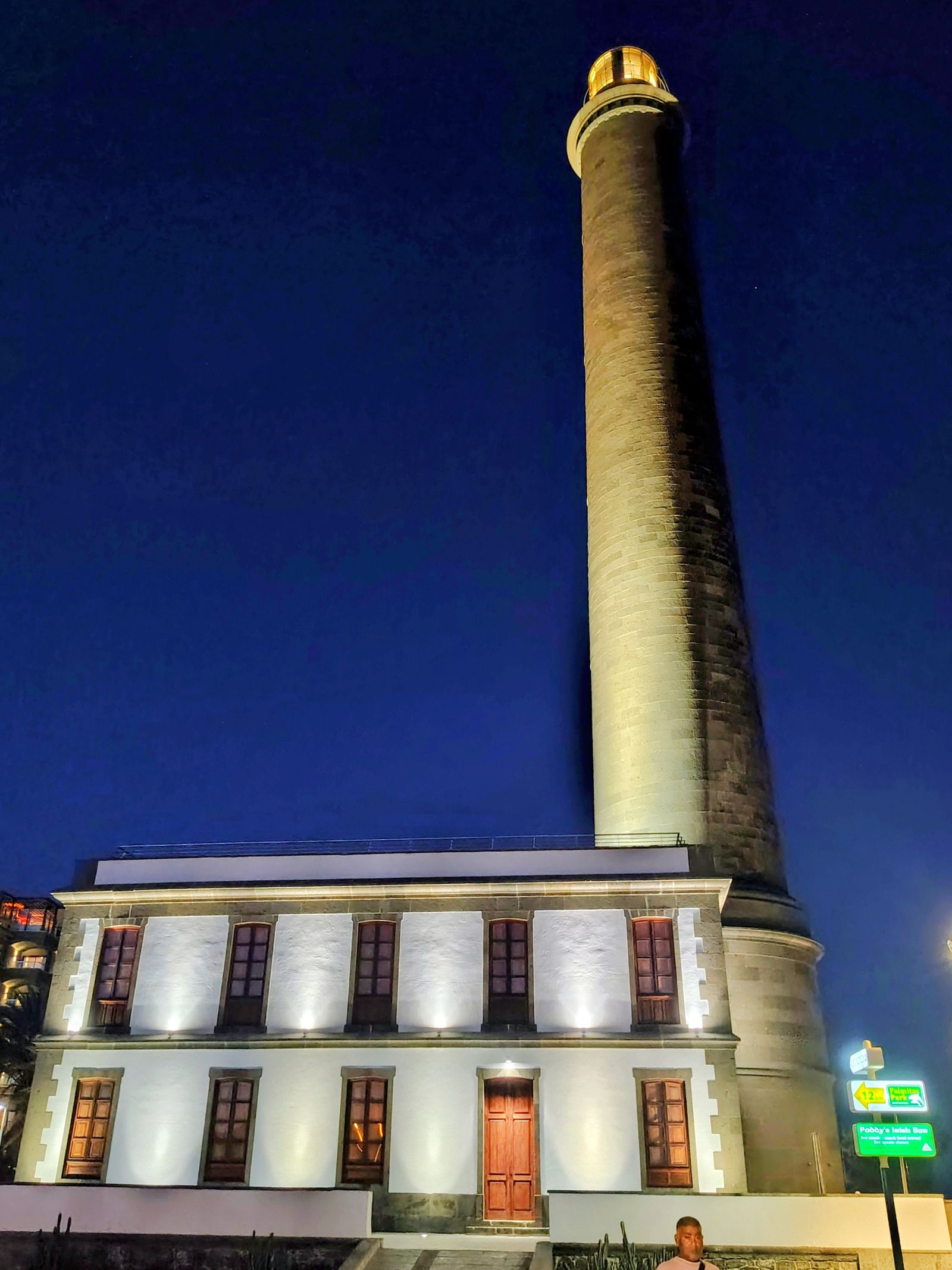
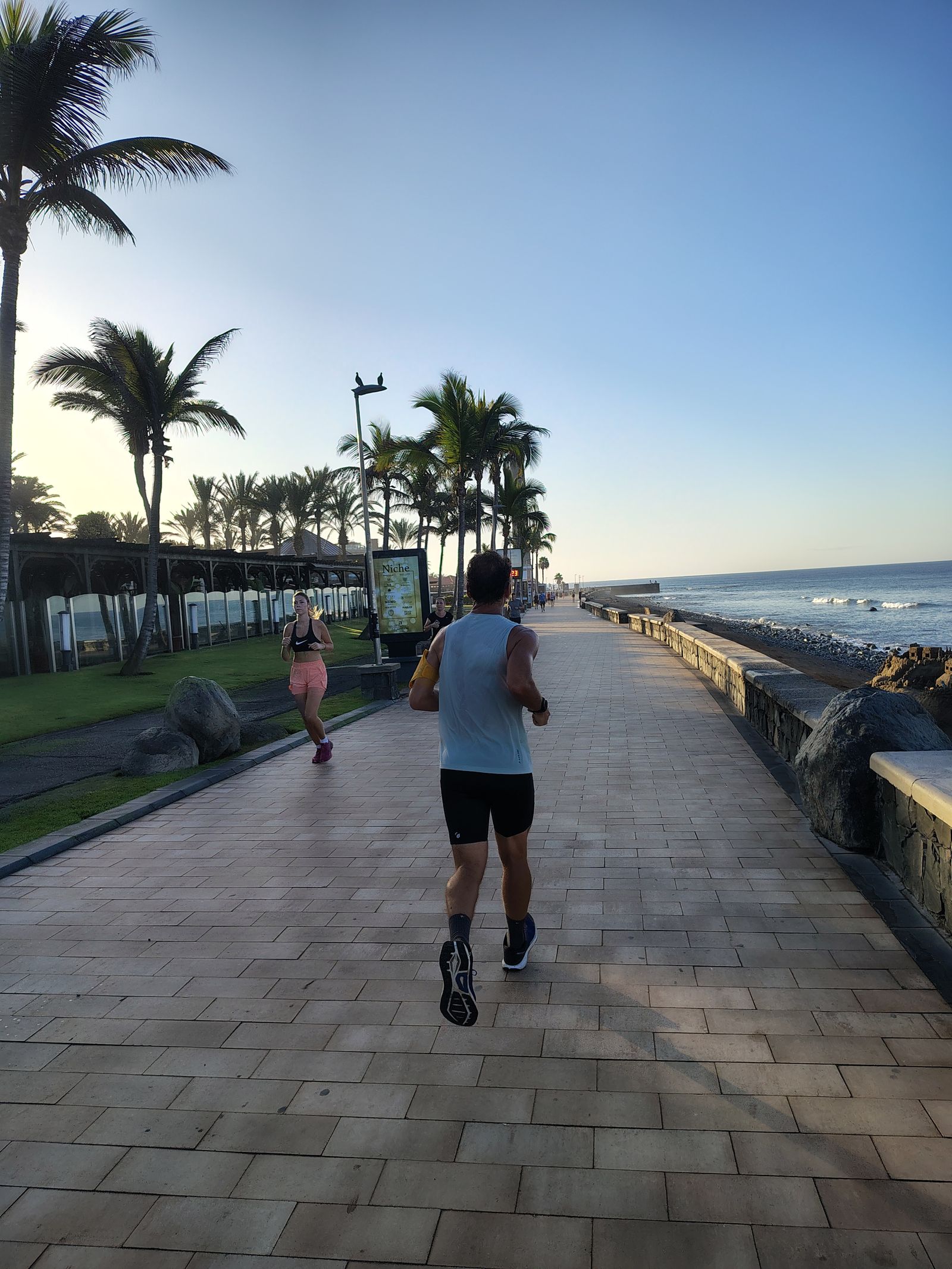
The promenade runs from Meloneras east to the Maspalomas lighthouse and the dunes reserve behind it - genuine protected desert, a ten-minute walk from a buffet, which is a strange and excellent thing. Go at either end of the day; the middle of the day in summer is punishing and the light is flat.
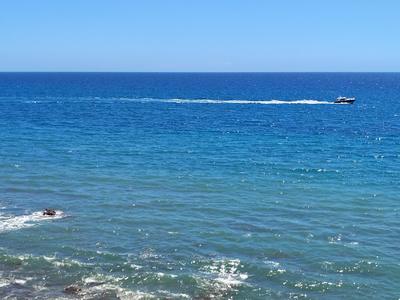
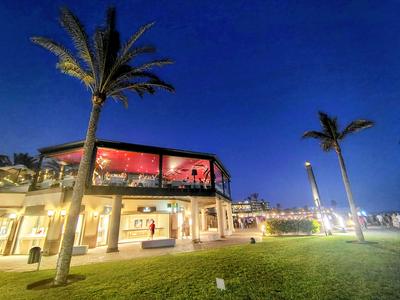
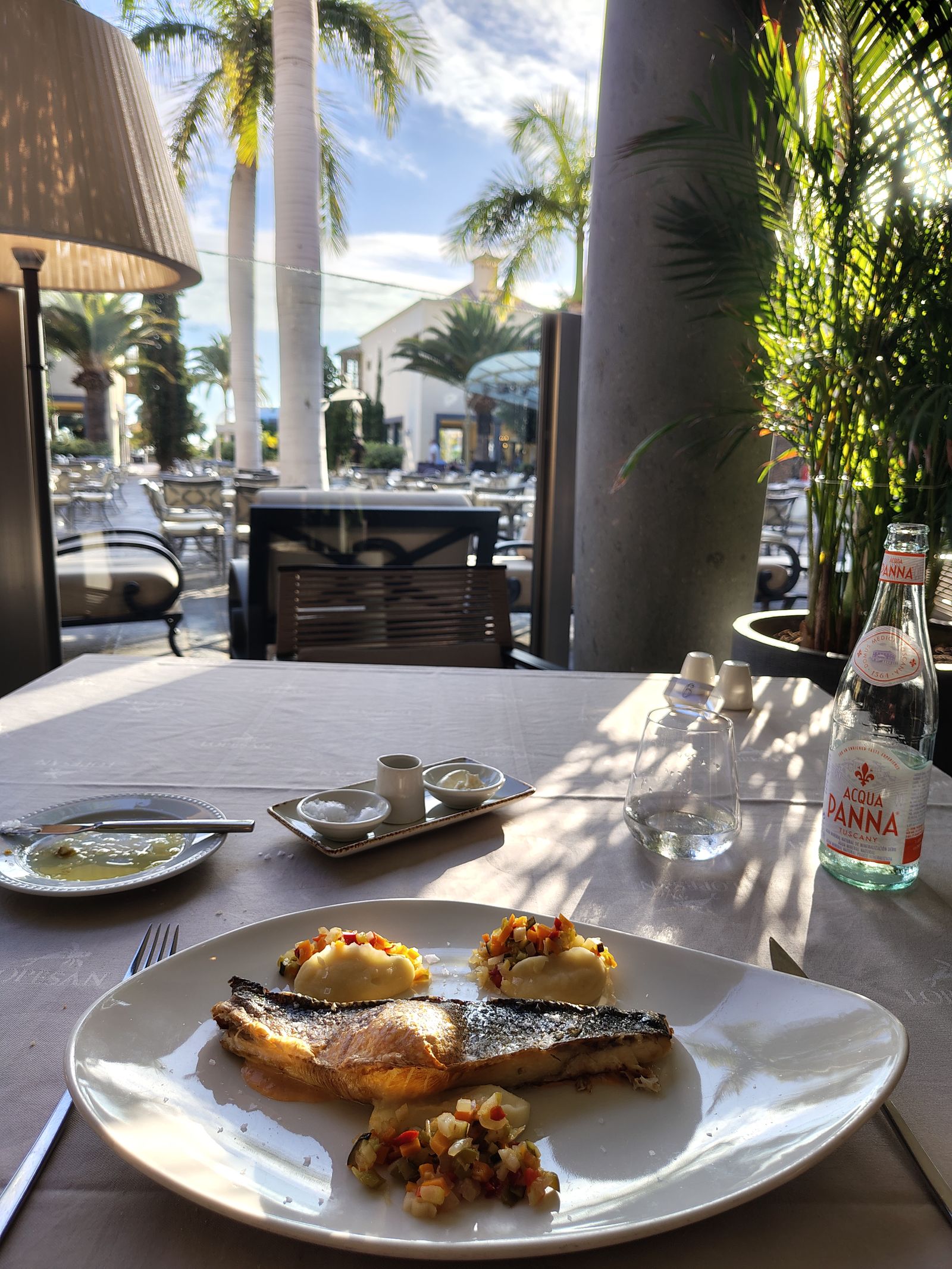
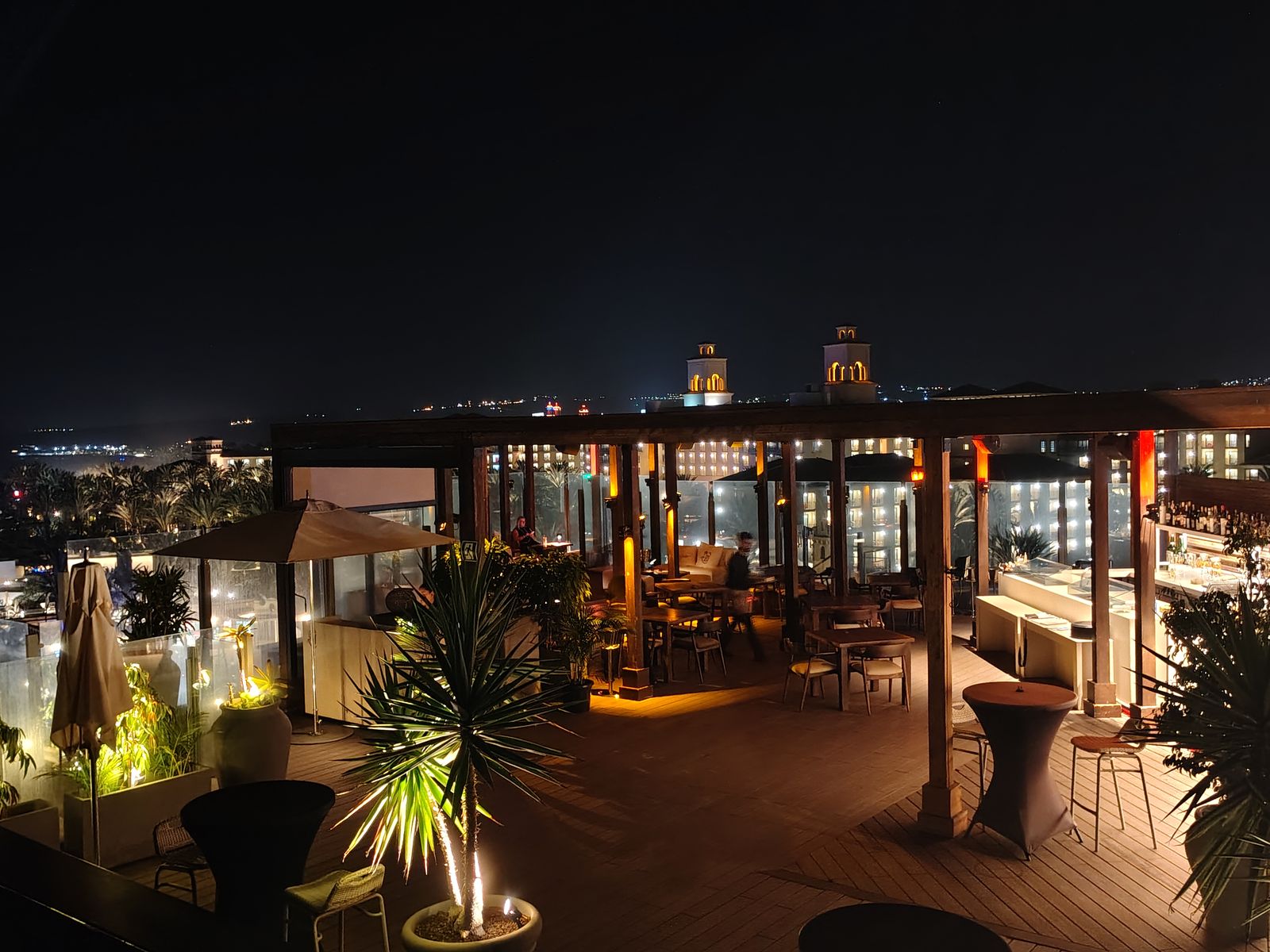
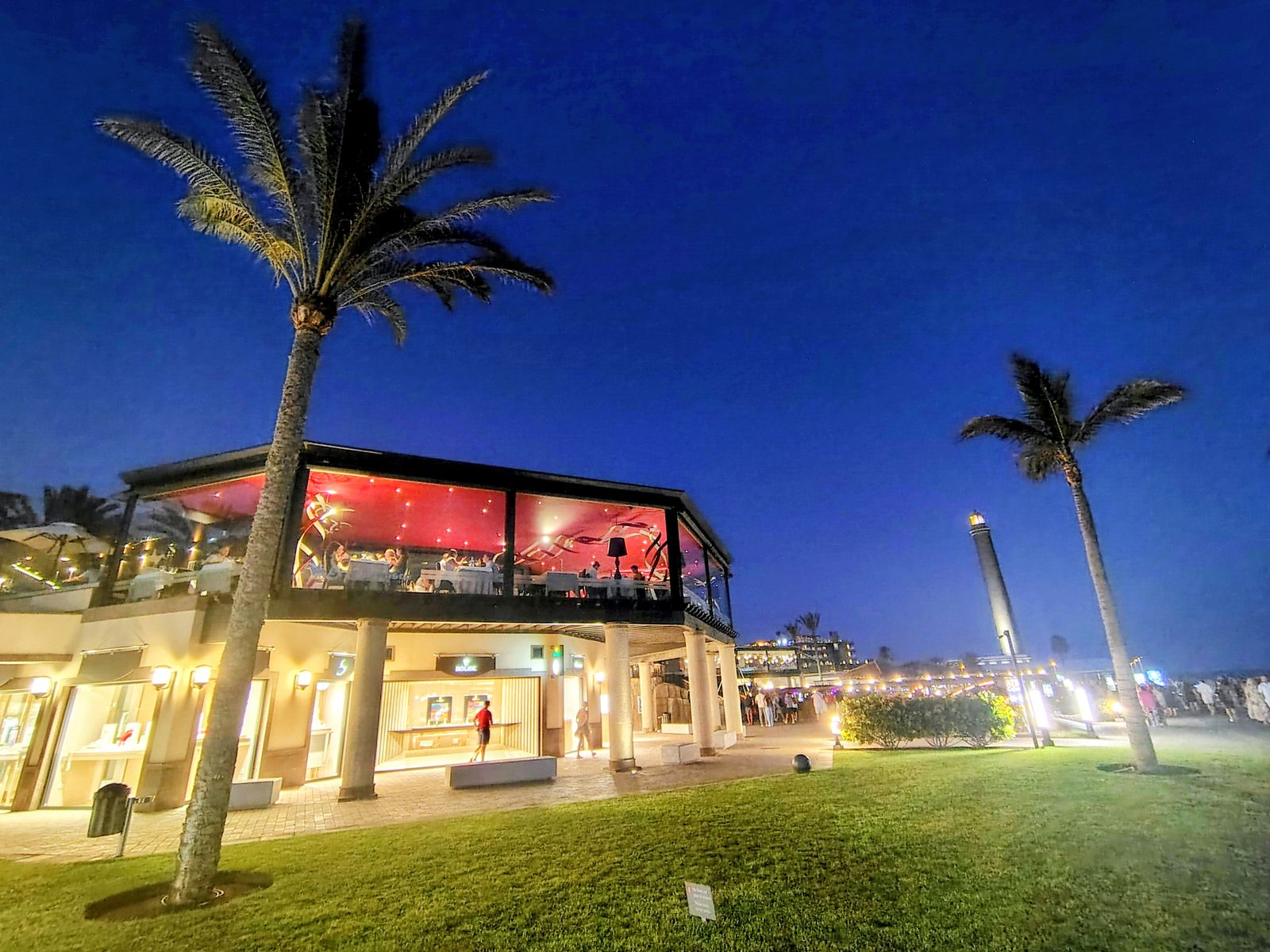
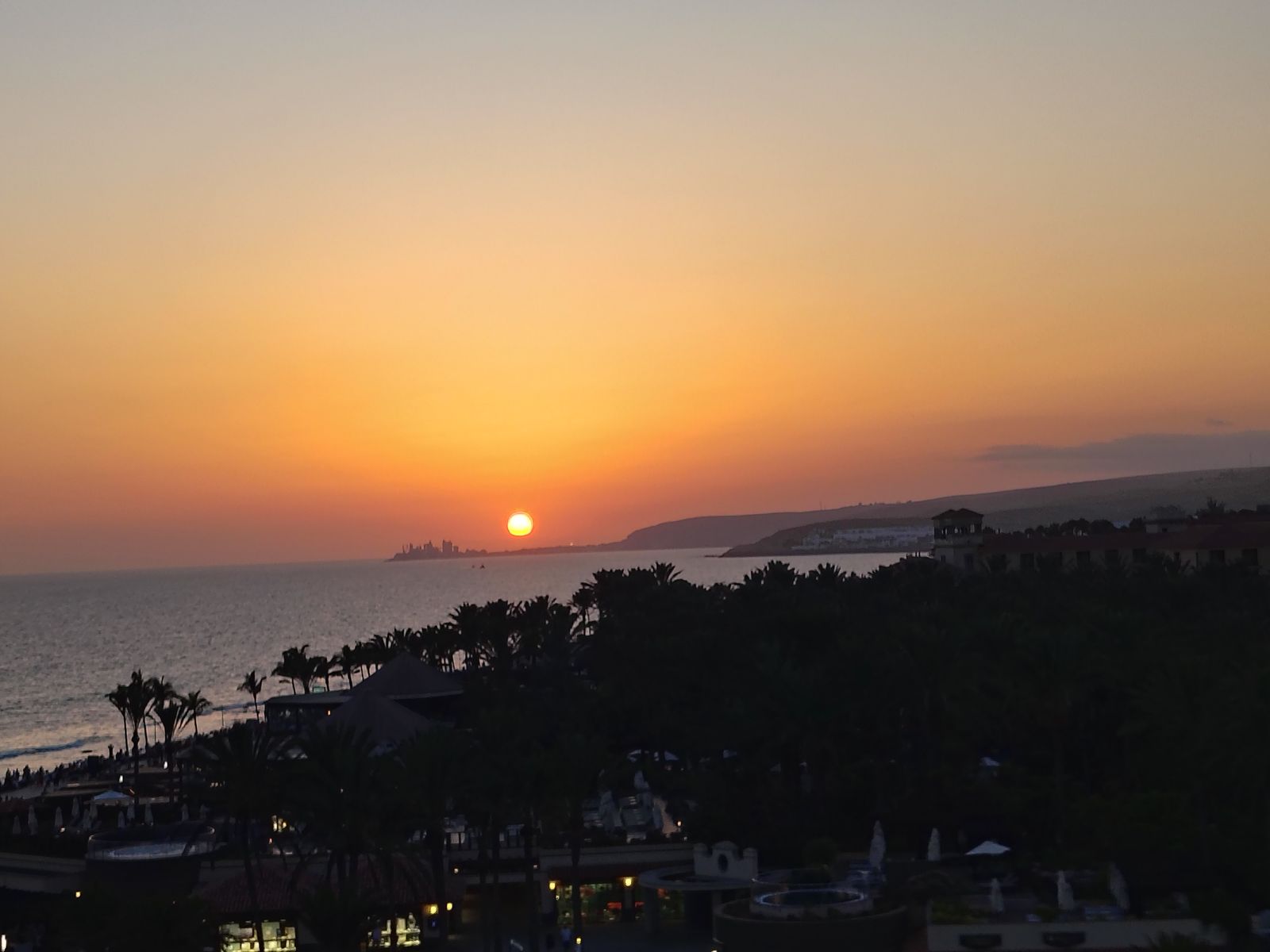
The lighthouse is also where the resort stops being a resort and starts being a place with a life of its own. Boulevard El Faro curls around the foot of it - an open-air arcade running to Ralph Lauren, Hugo Boss, jewellers and perfumeries, plus a large Fundgrube for anyone whose interests are more practical - and the cafés spill out onto terraces facing the water. Walk back west along the Paseo de Meloneras and it is one long run of beach bars and grill restaurants, most with a sea view and none of them in a hurry to give your table away at sunset. It is noticeably smarter than the strip east of the lighthouse, and dearer to match, though the presentation earns it - if you have taken half board, this is precisely the reason to leave two or three evenings out of it.
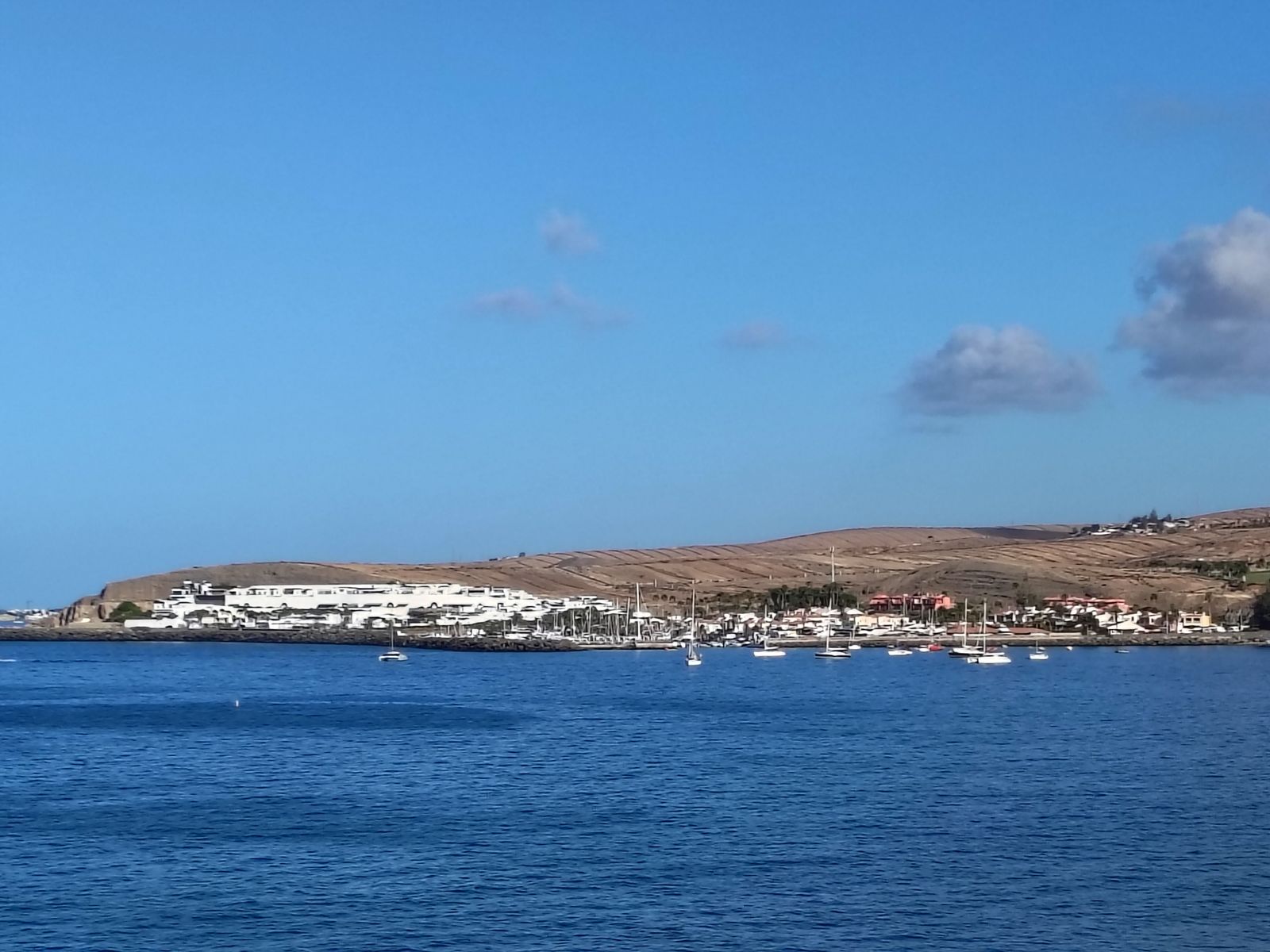
The other direction takes you to Pasito Blanco marina, quieter, better for a long lunch.
Where to eat, once you are there
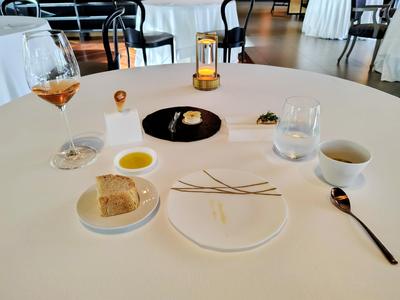
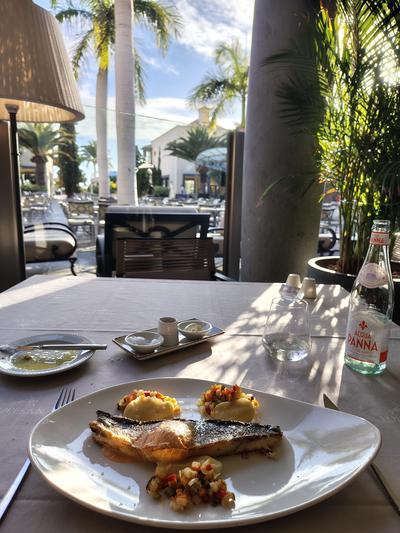
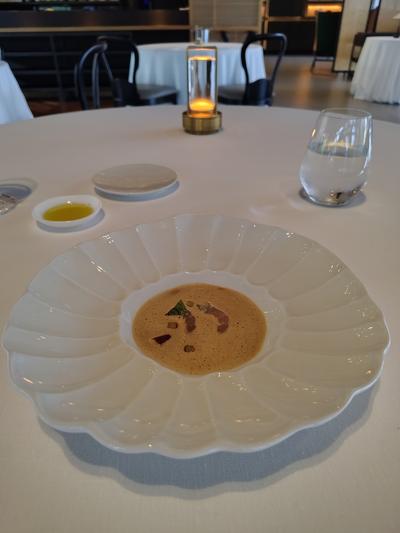
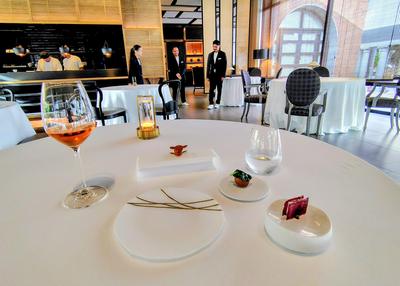
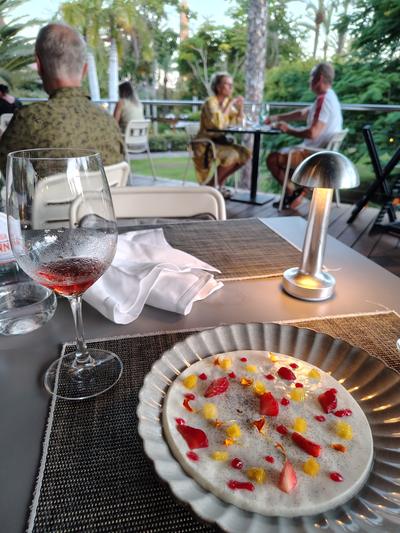
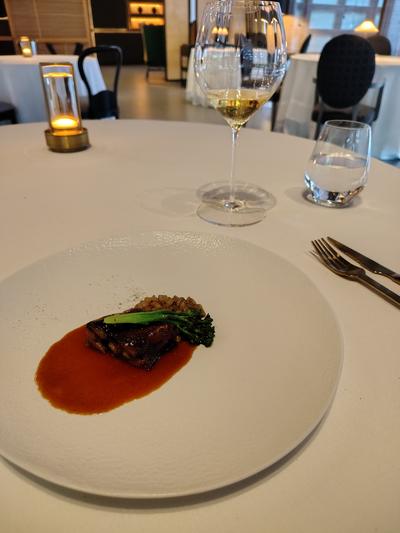
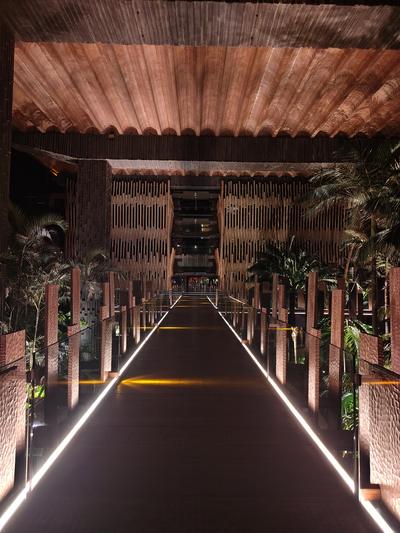
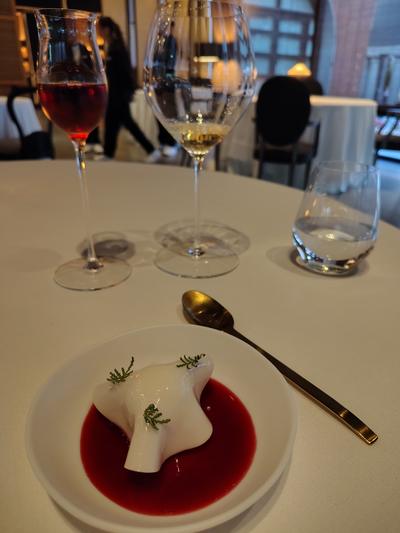
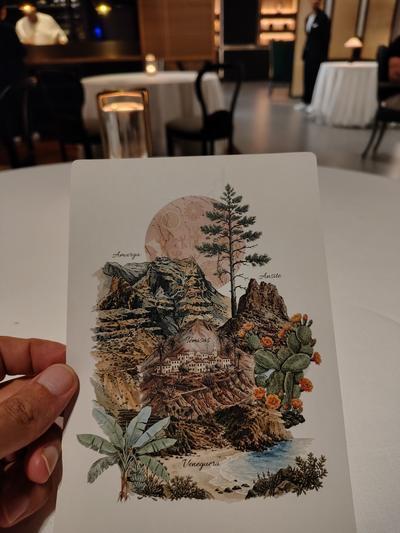
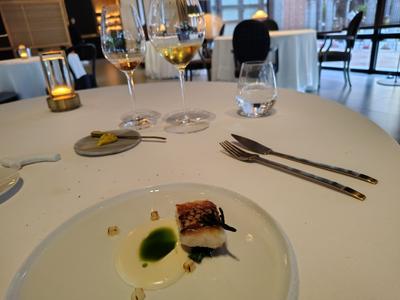
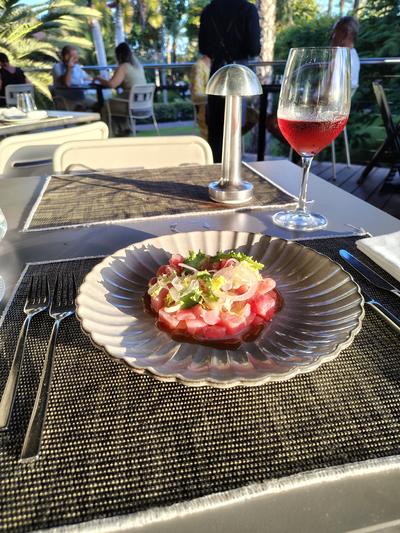
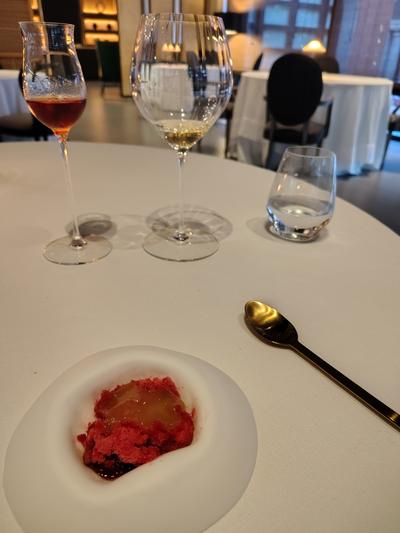
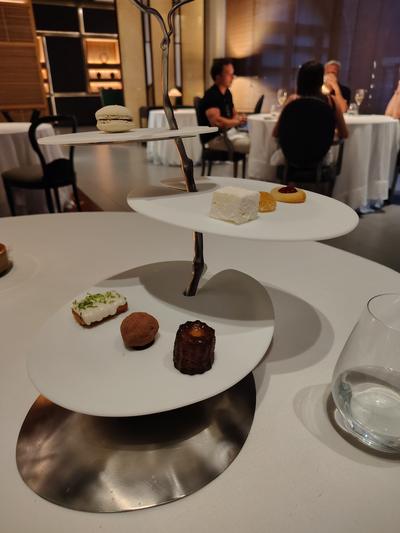
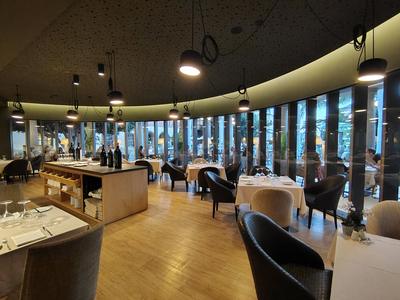
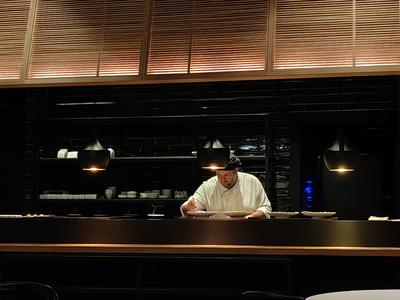
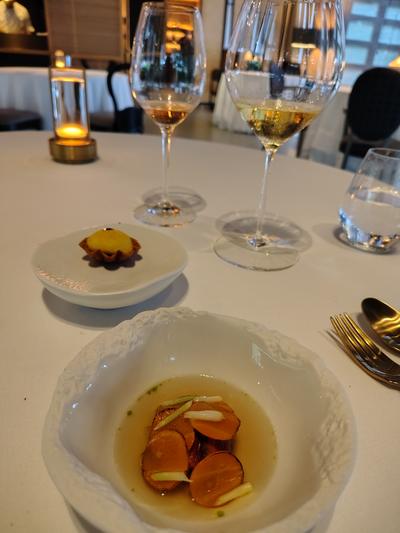
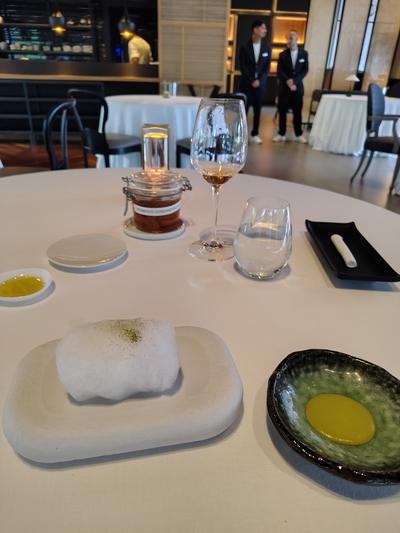
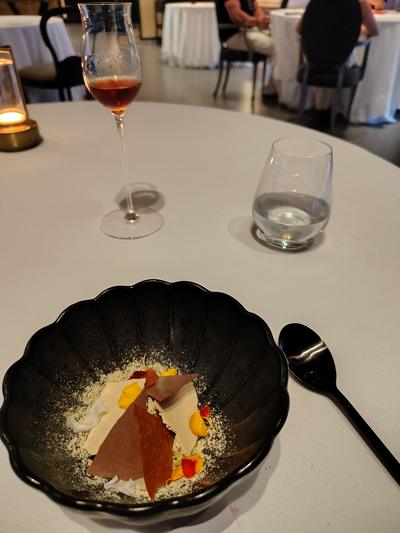
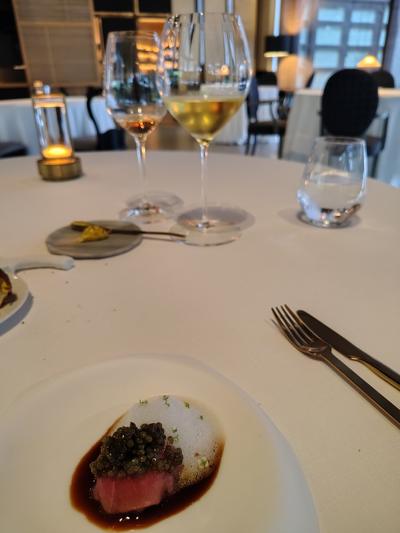
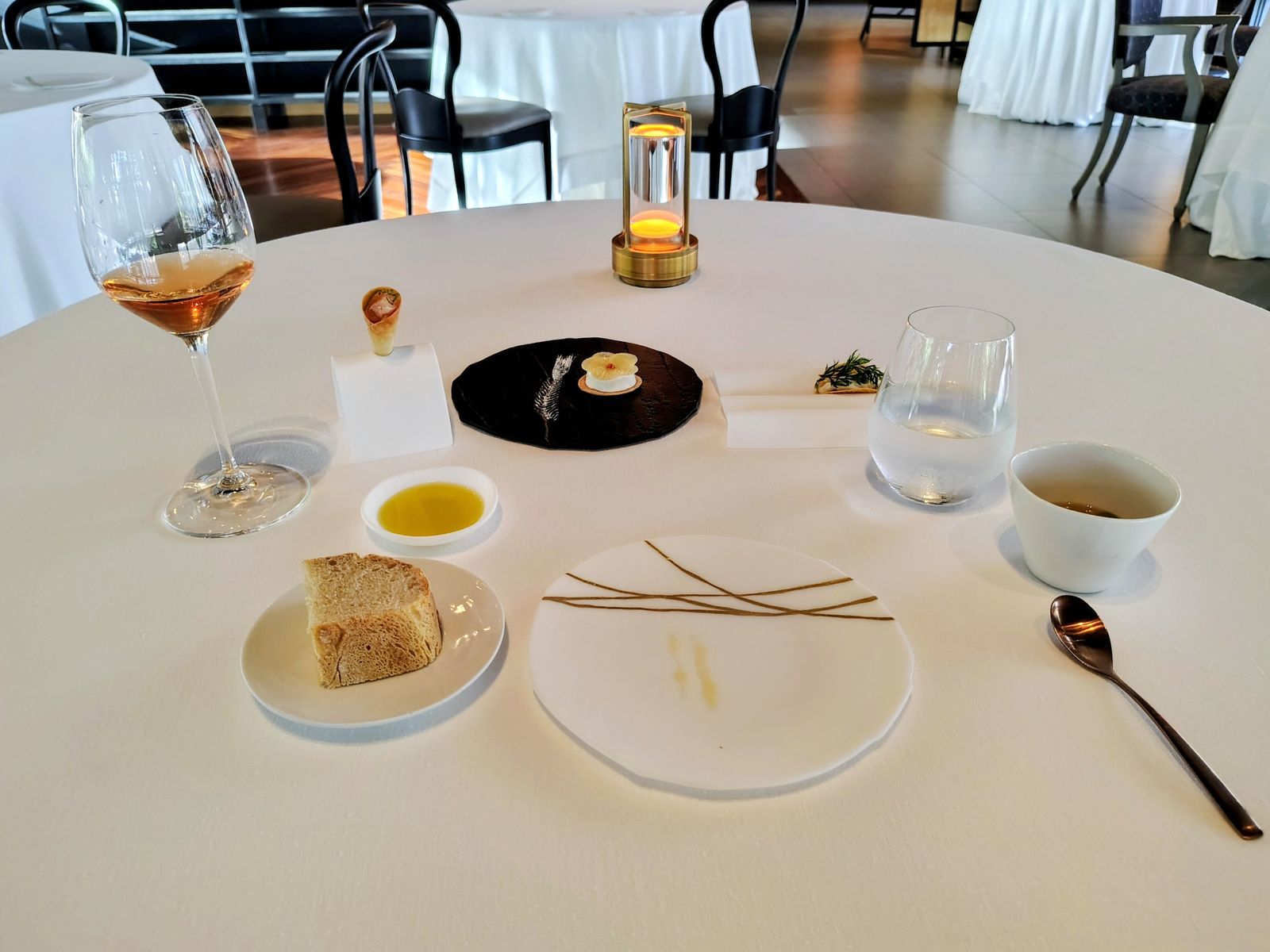
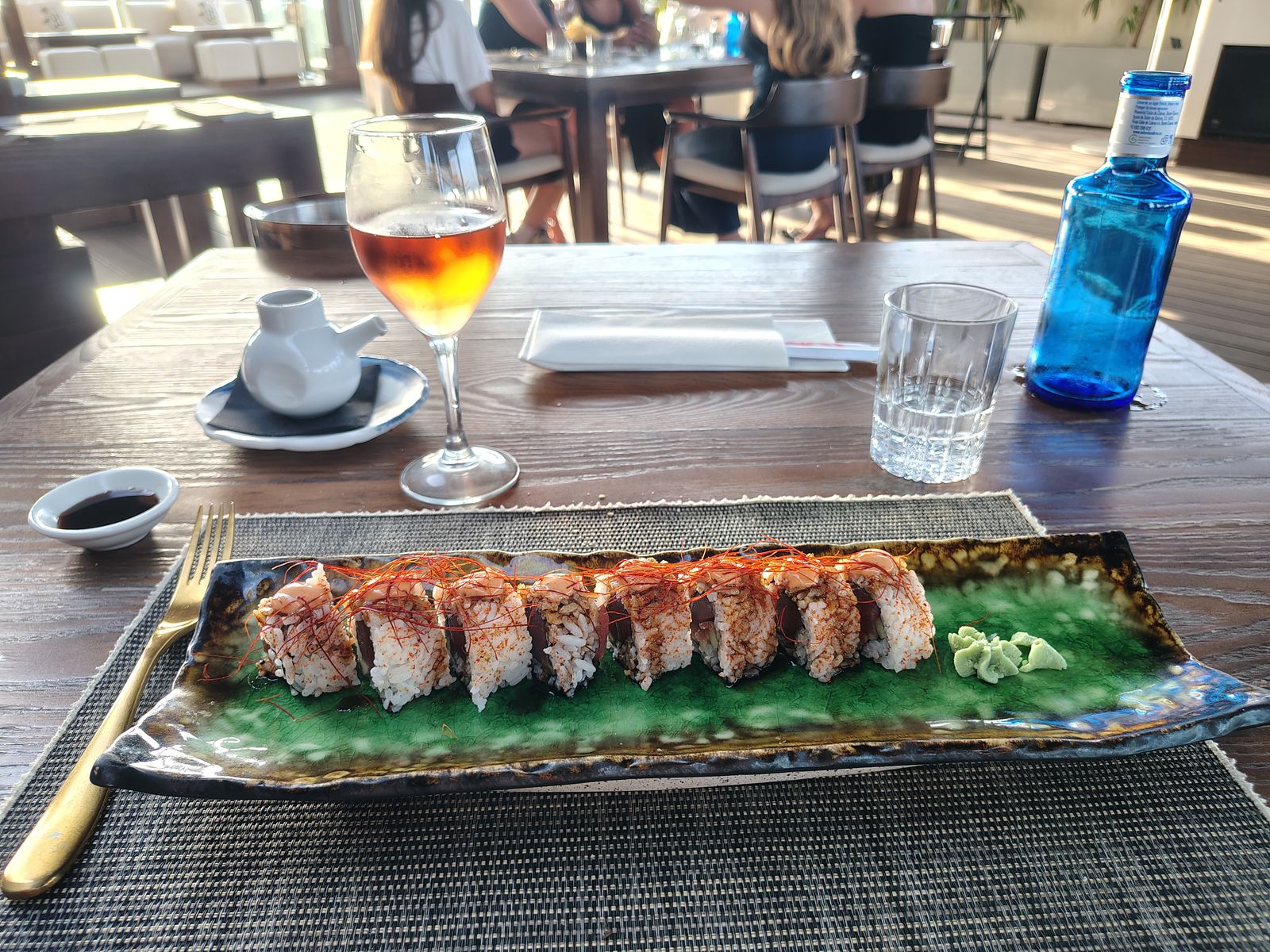
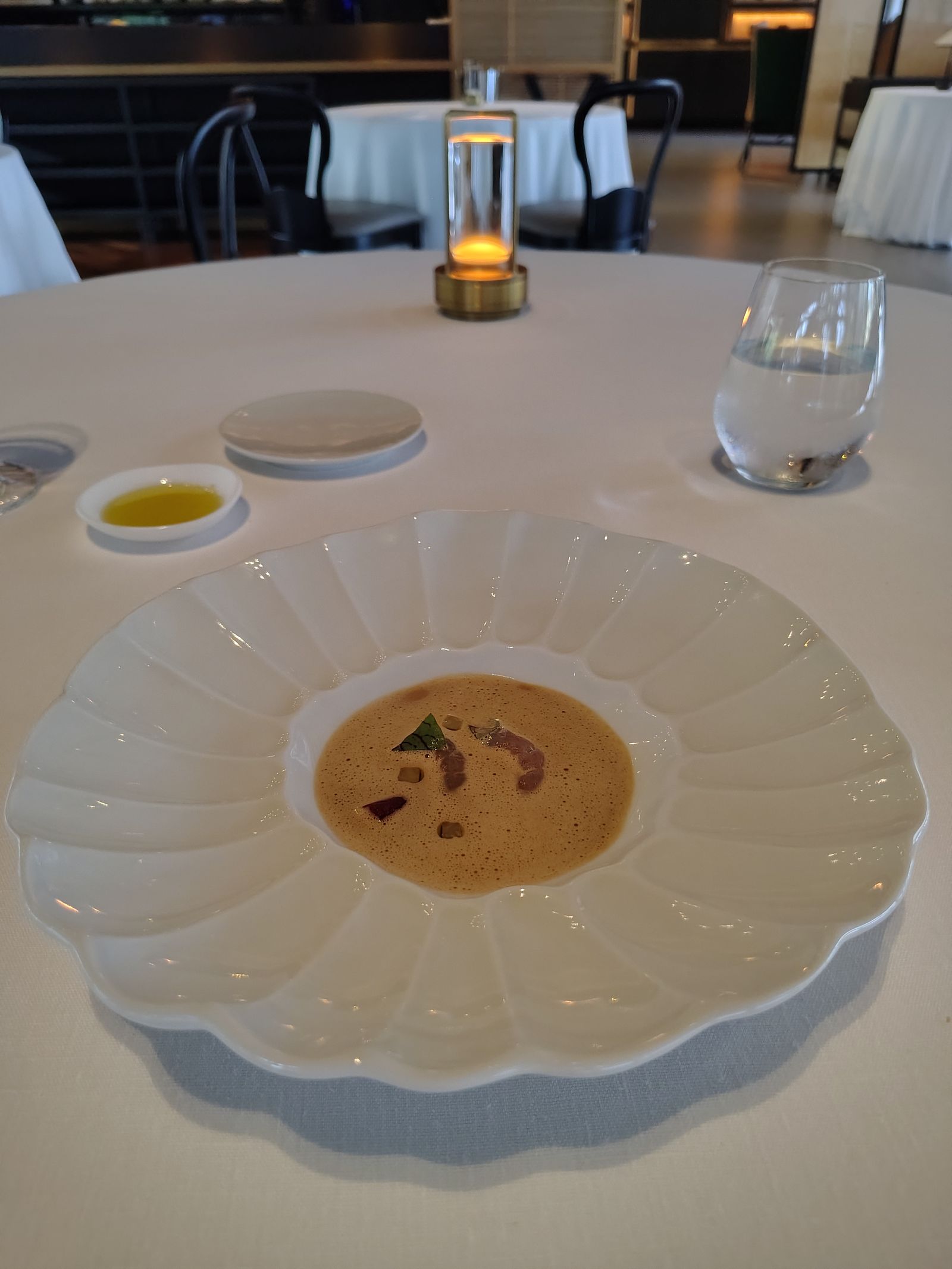
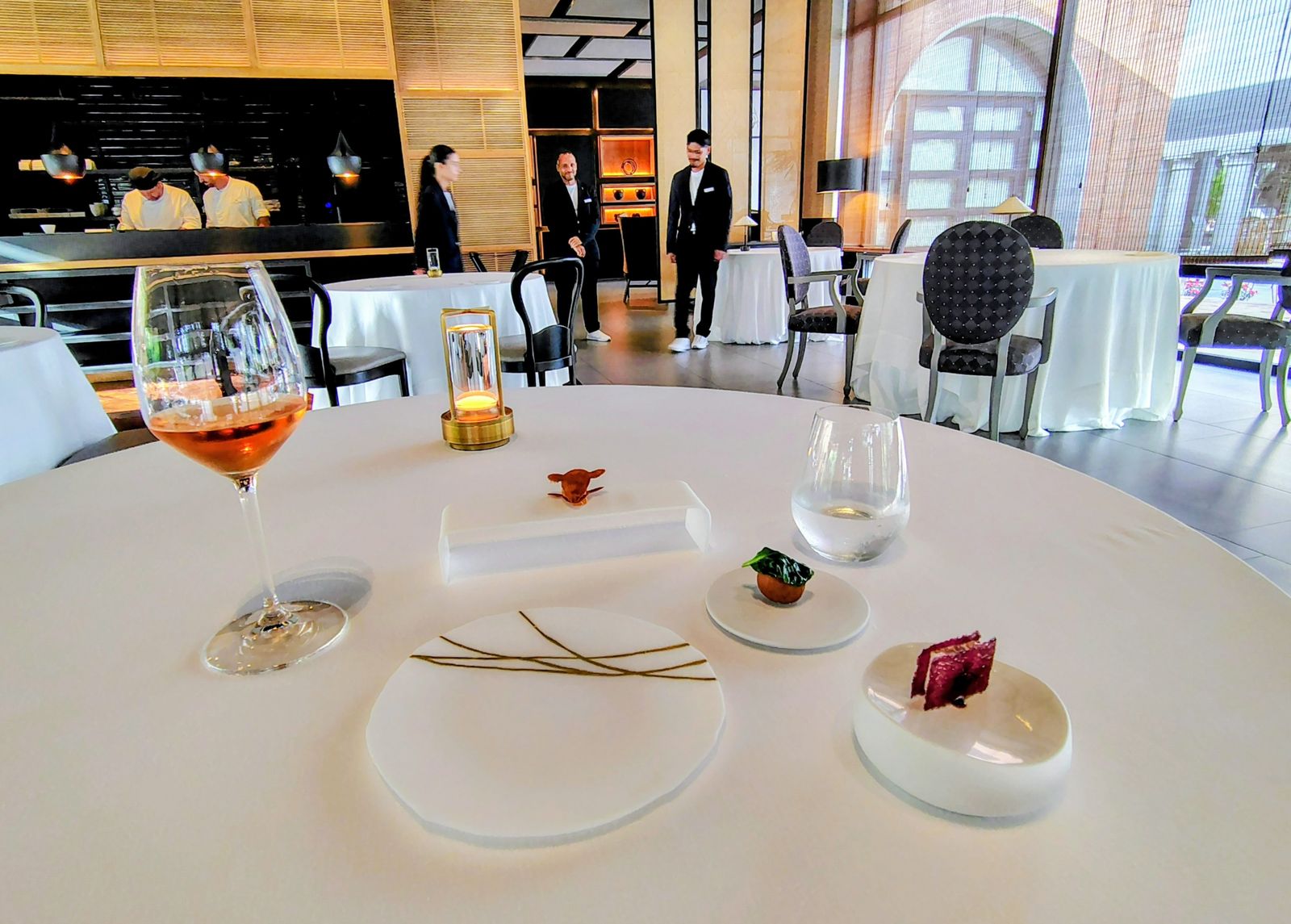
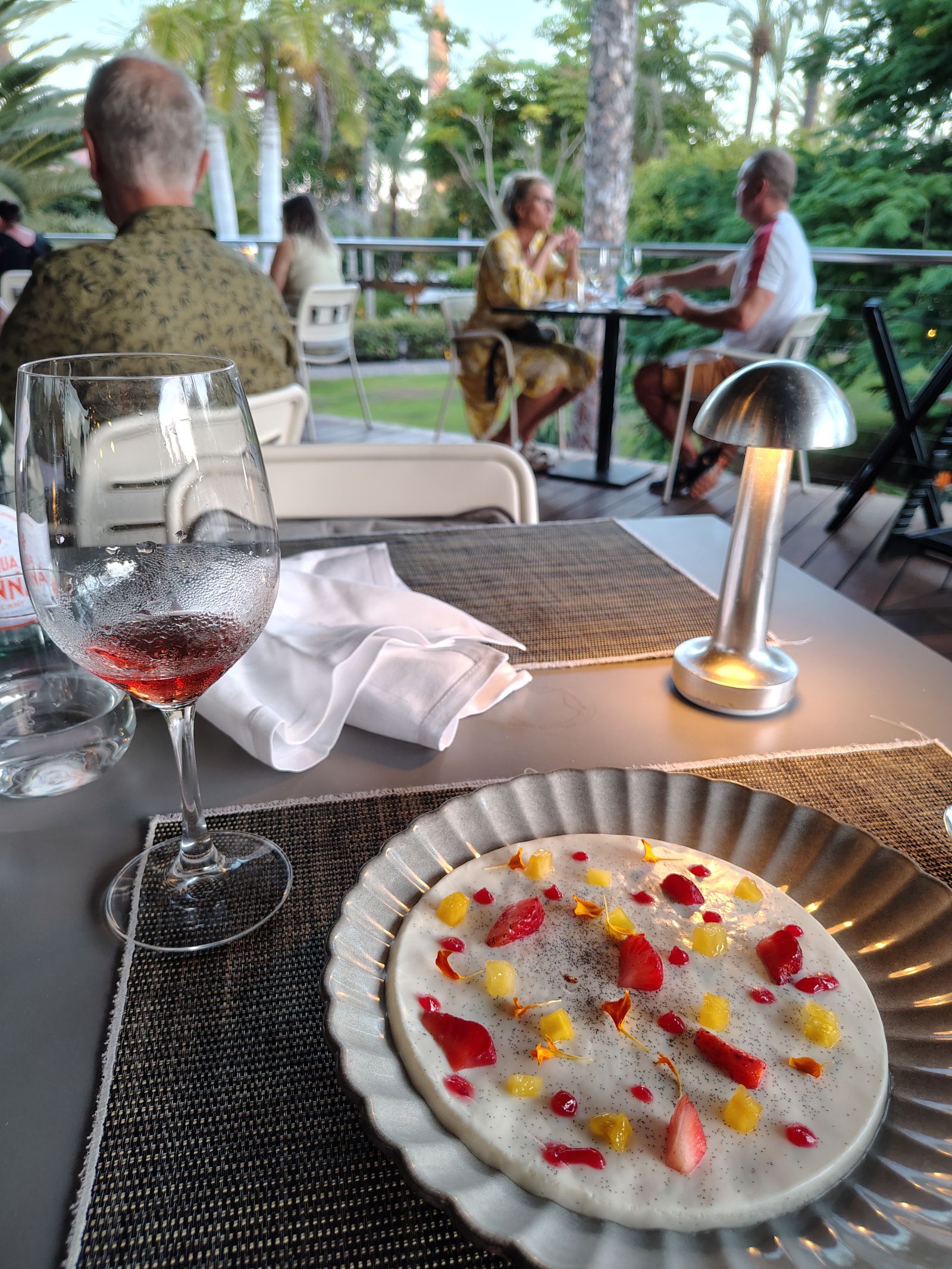
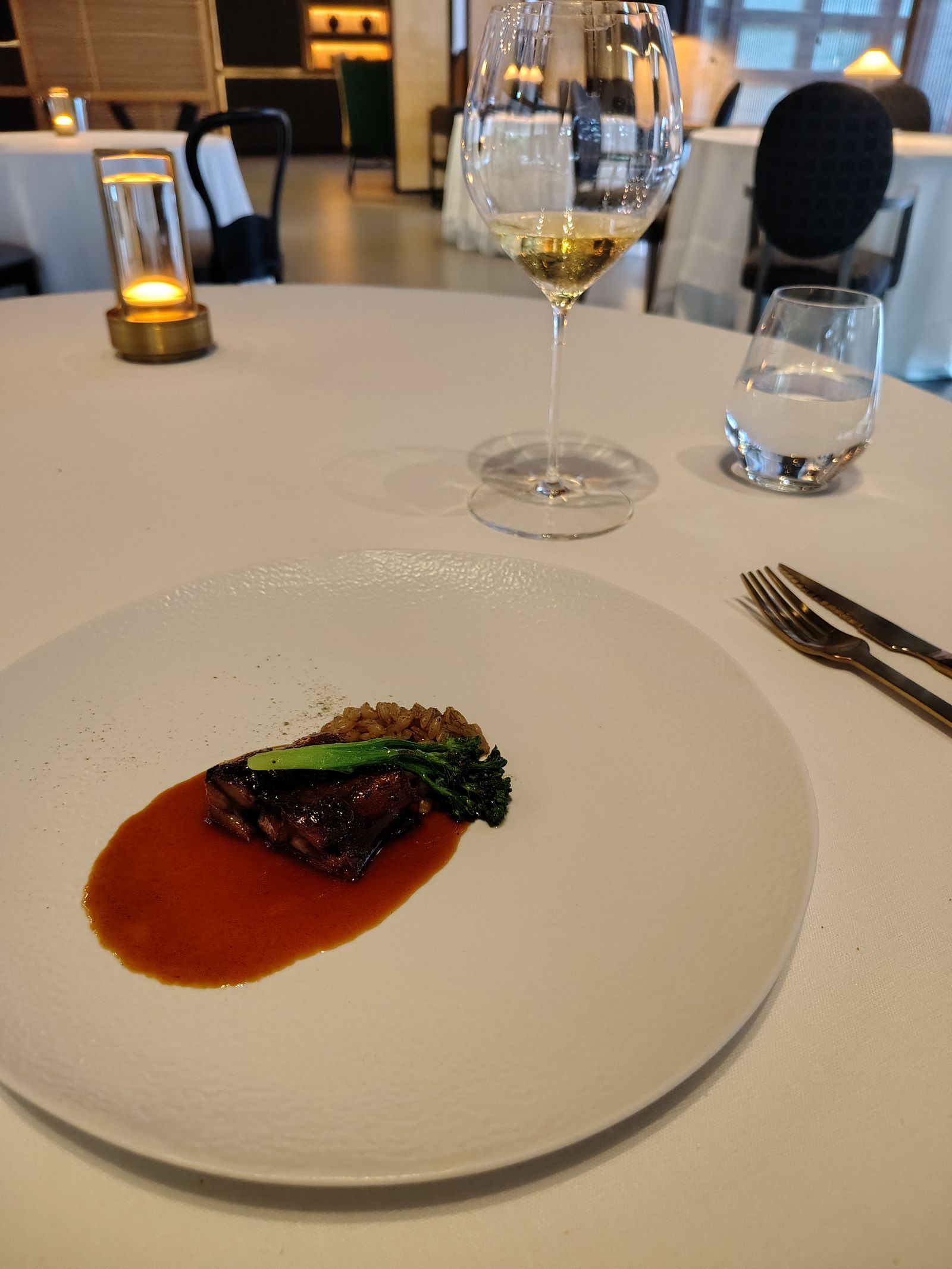
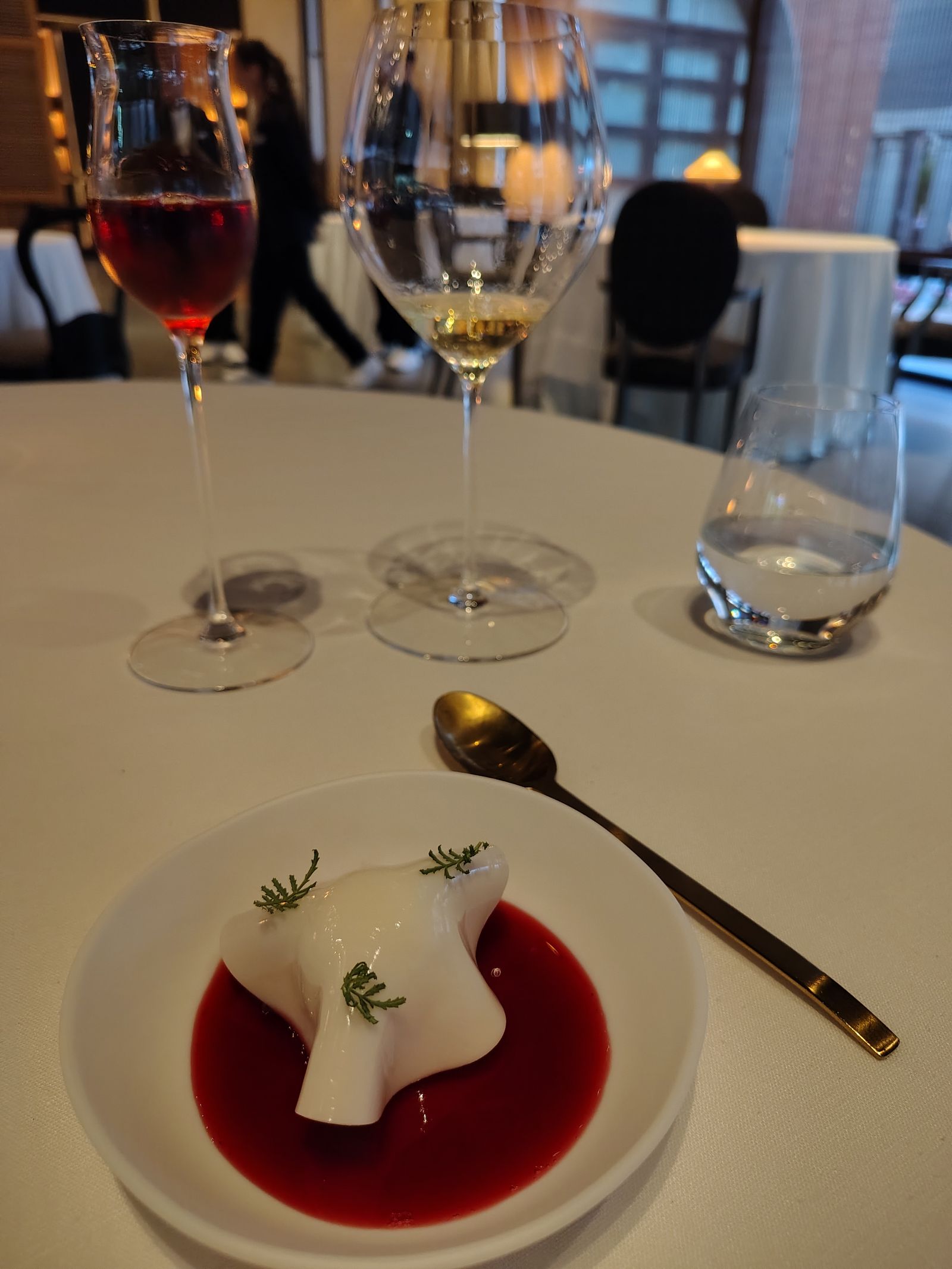
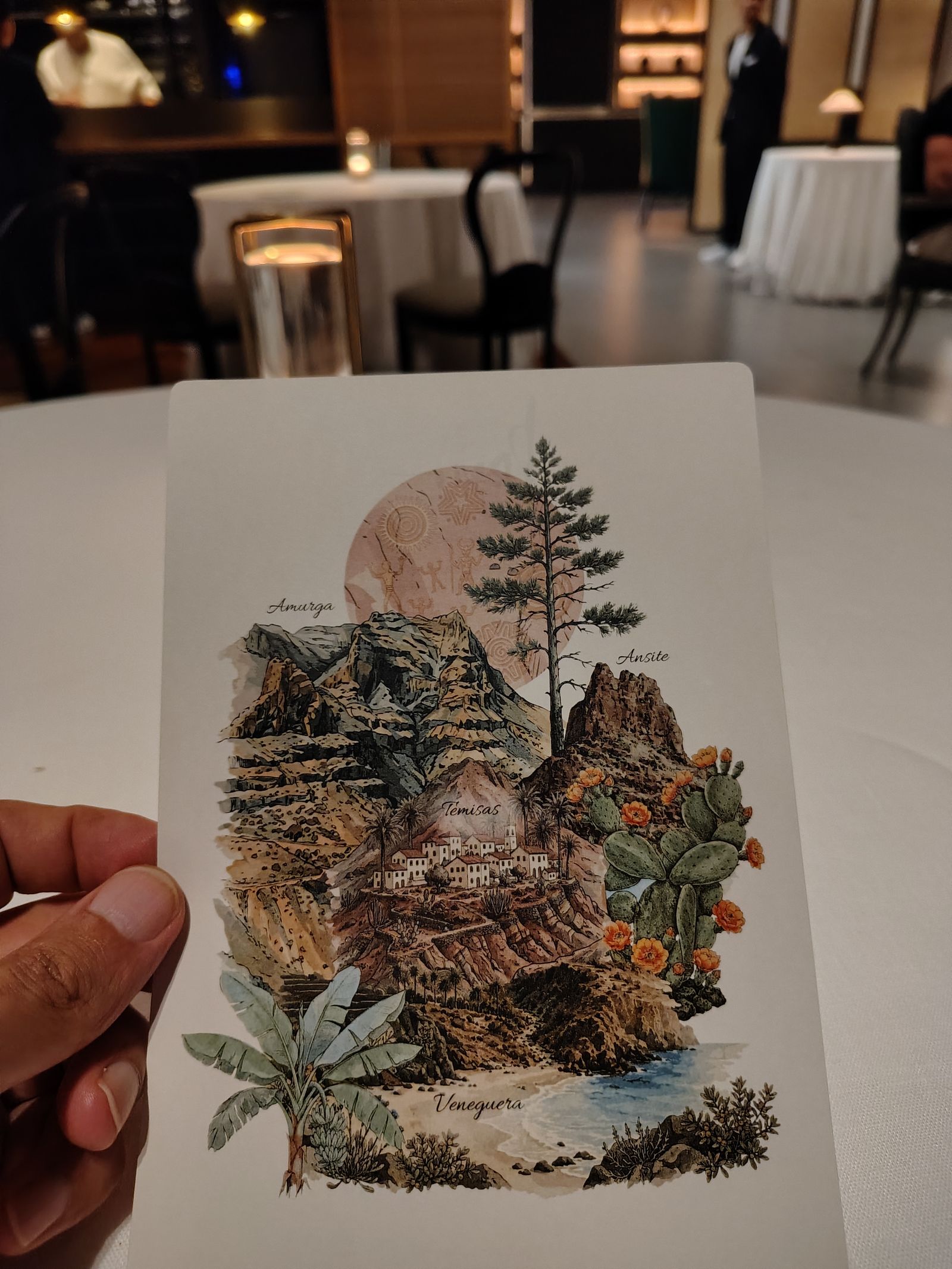
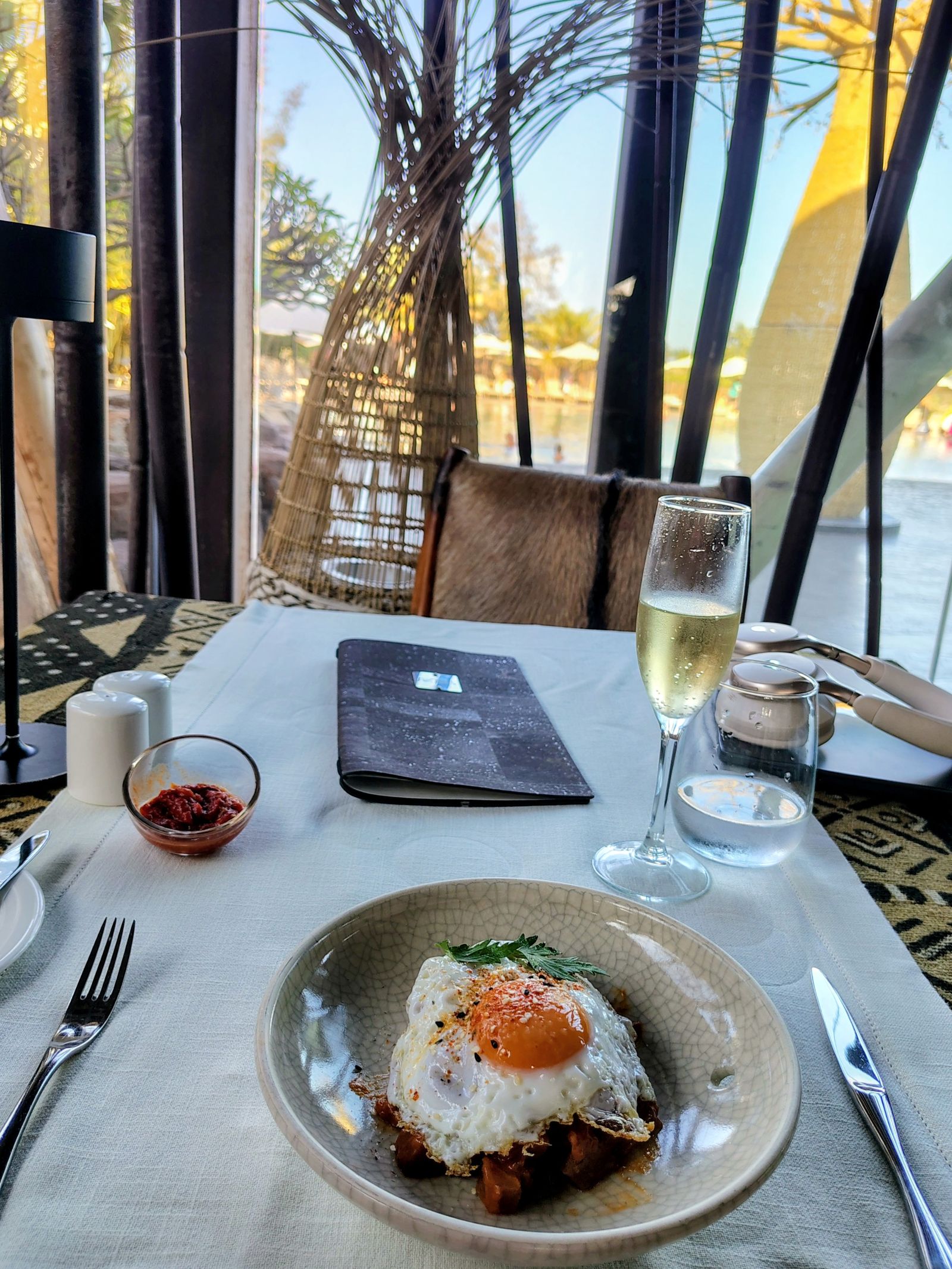
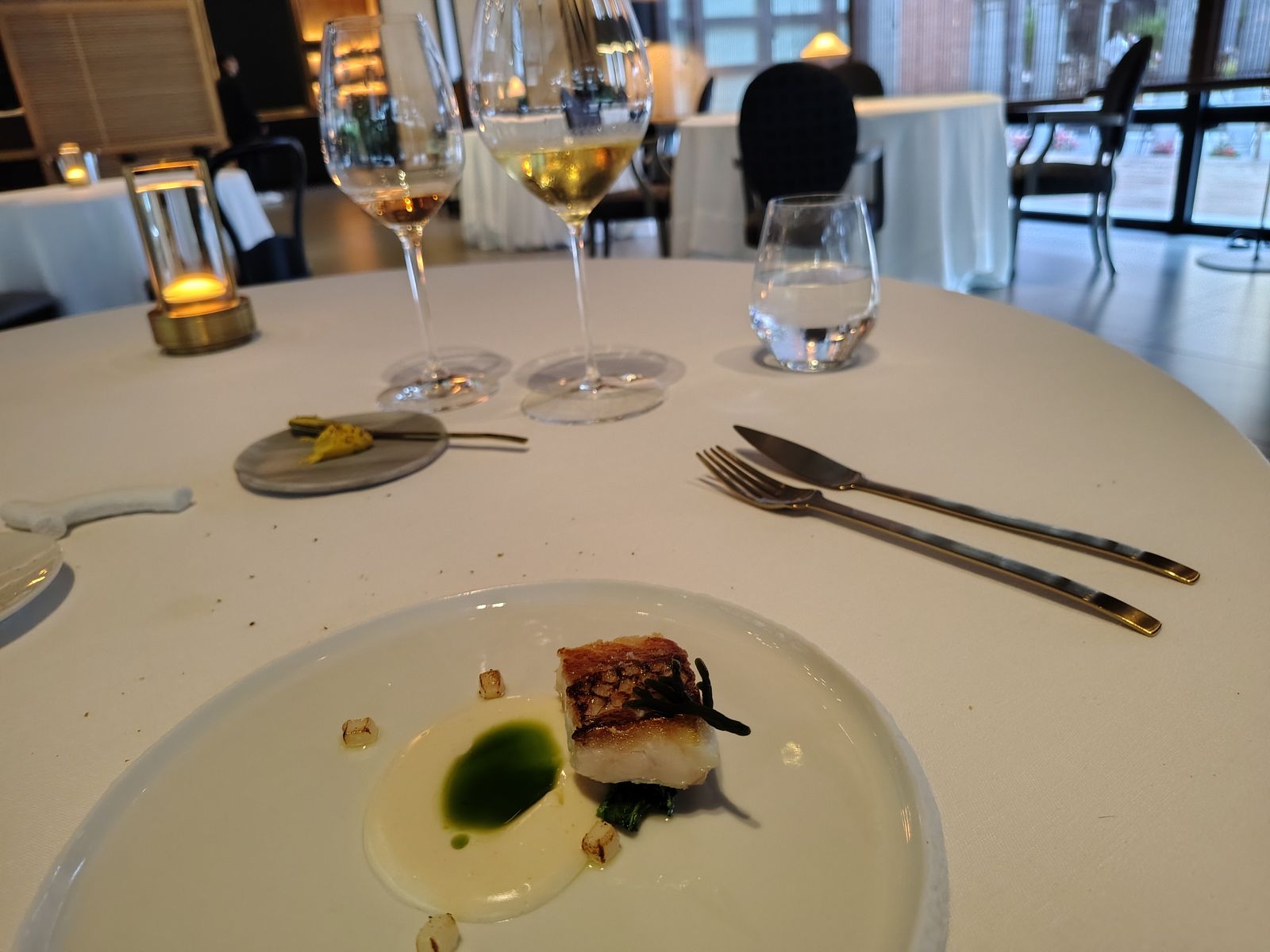
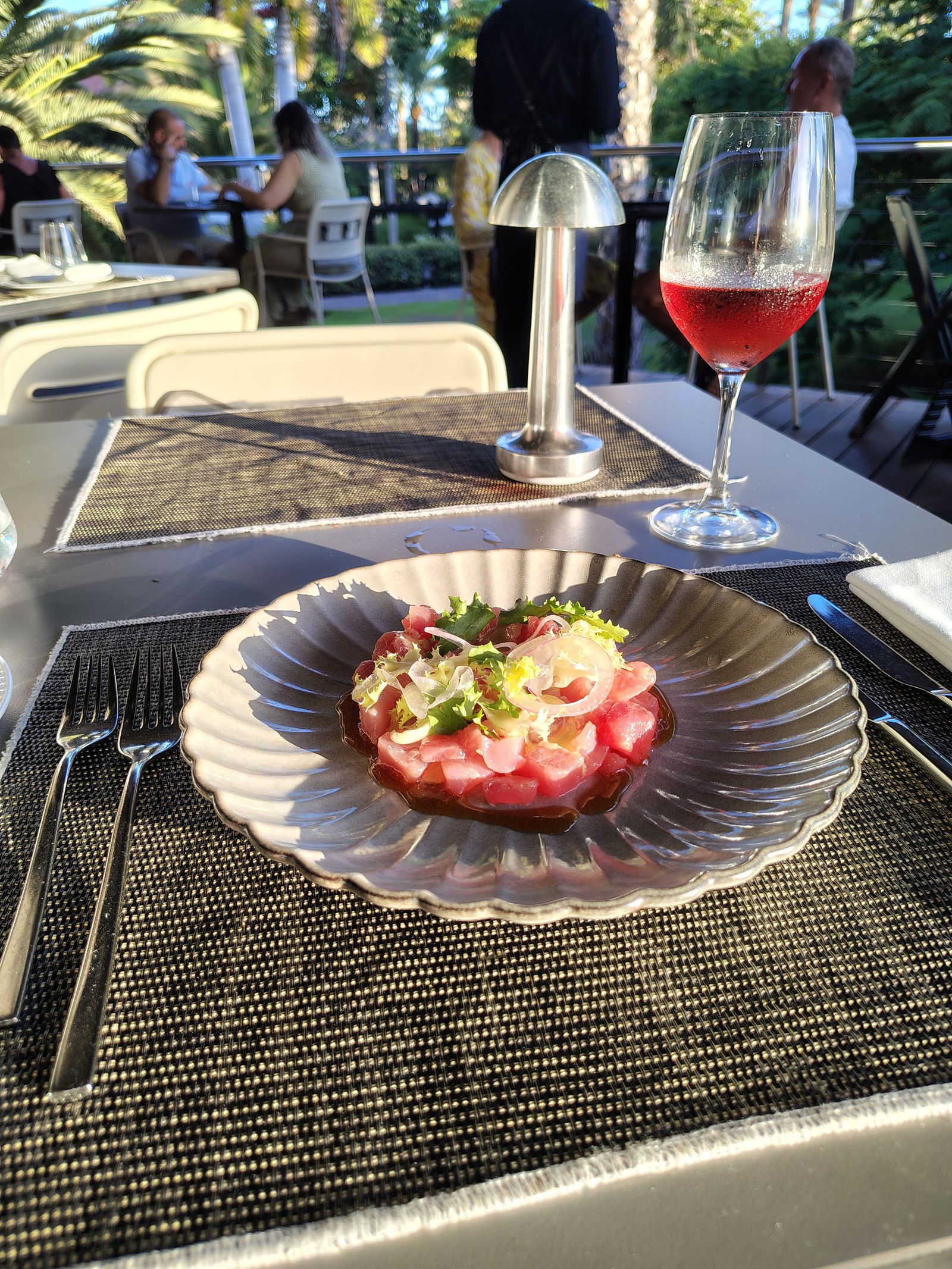
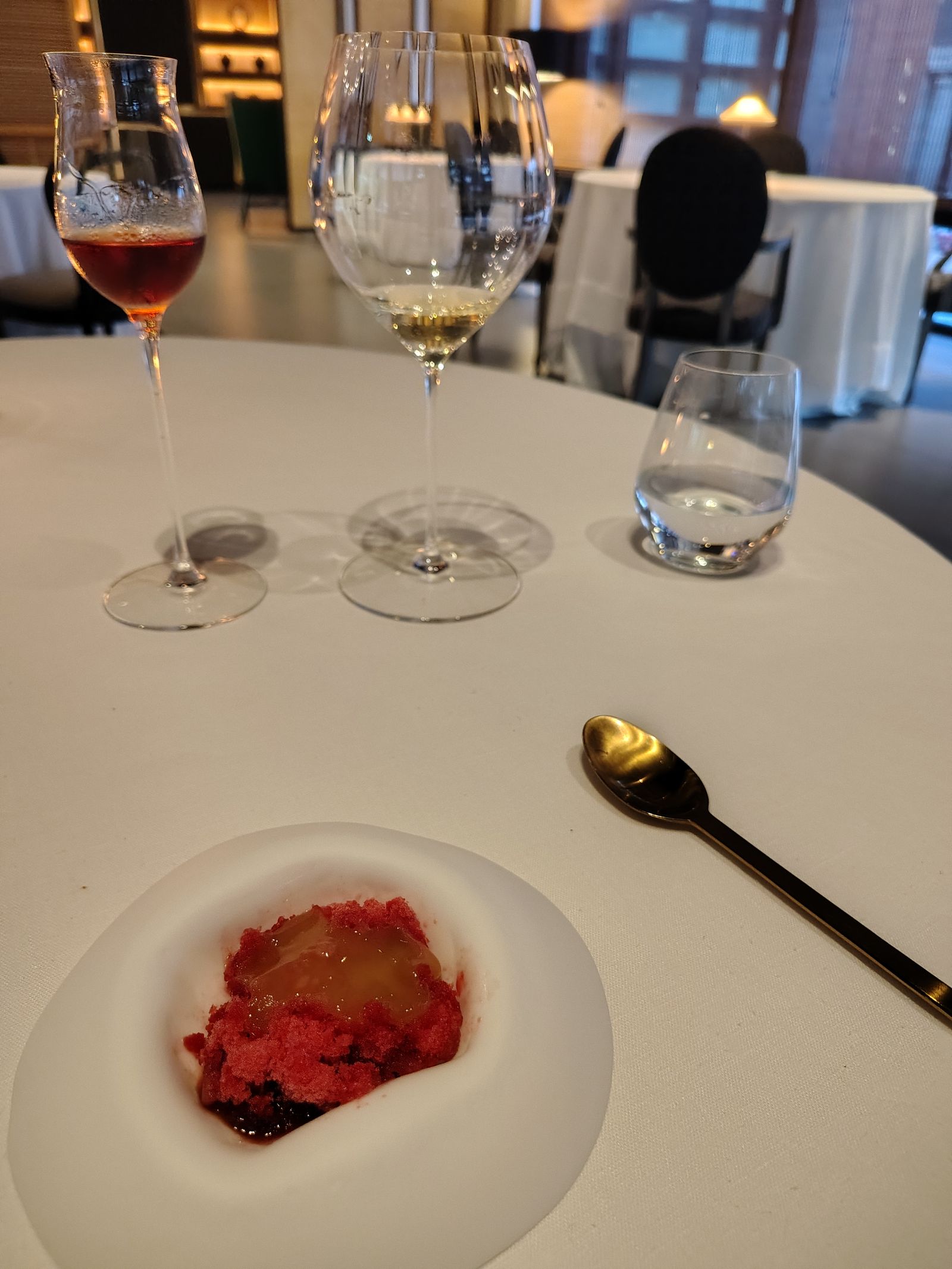
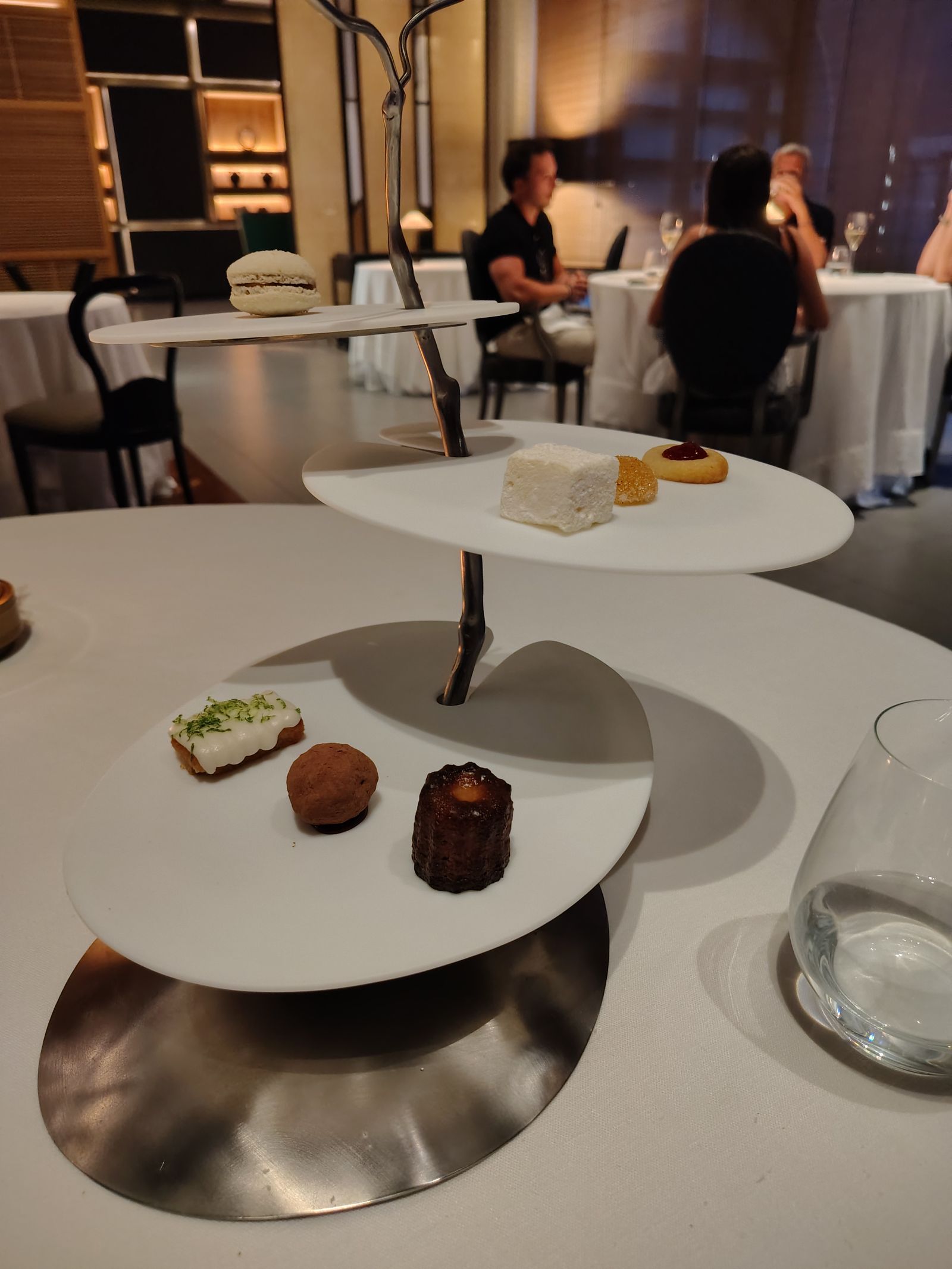
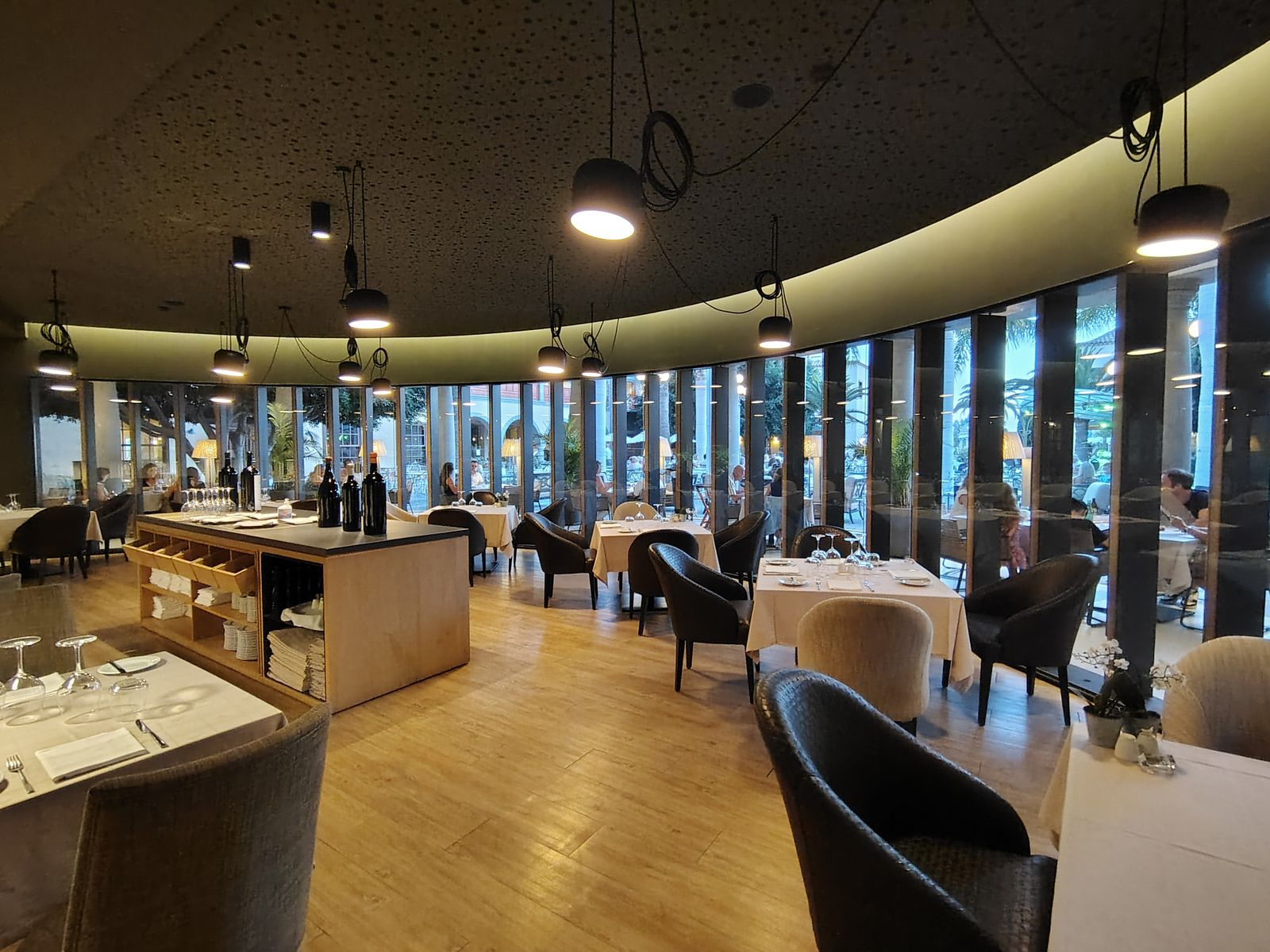
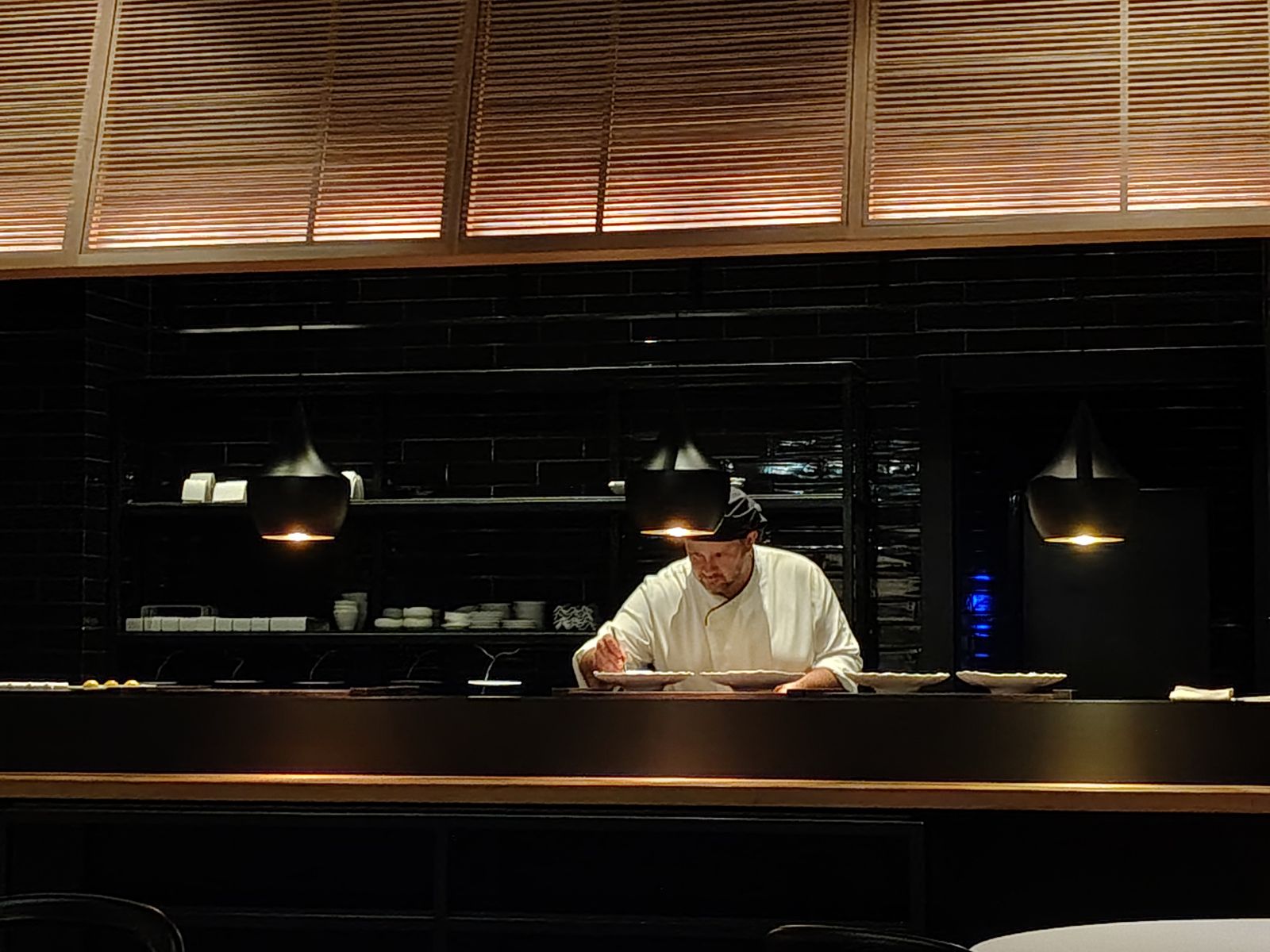
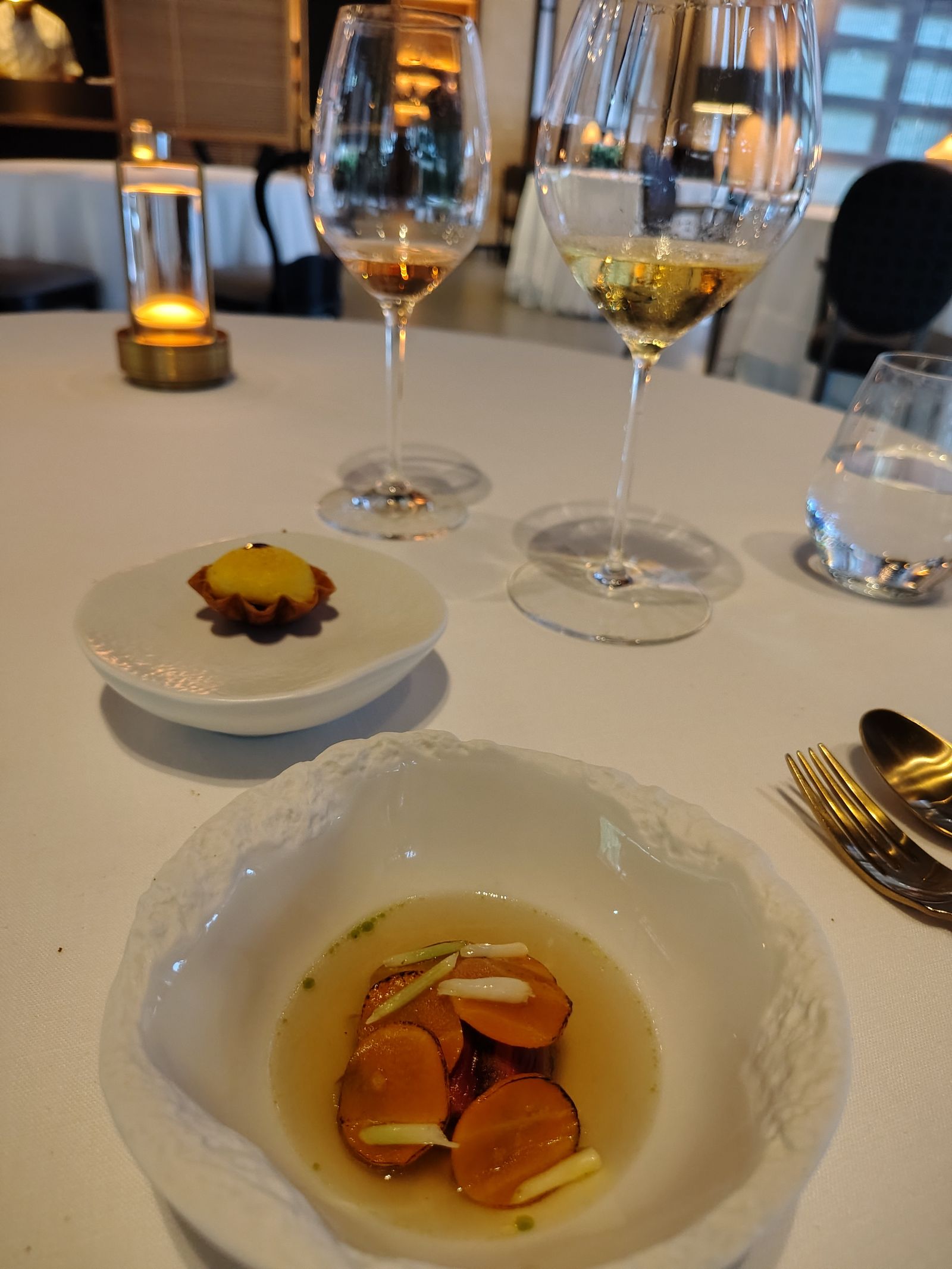
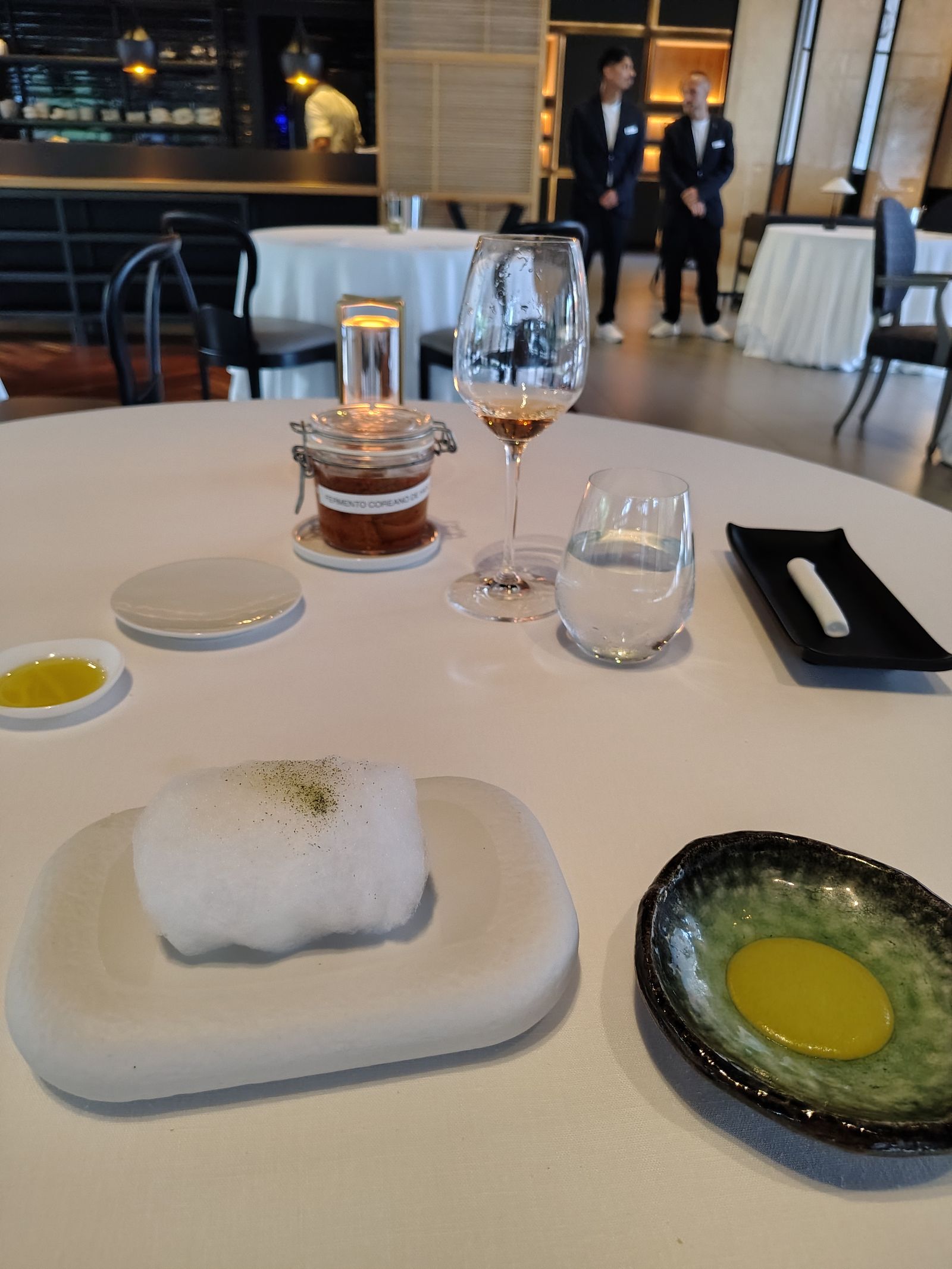
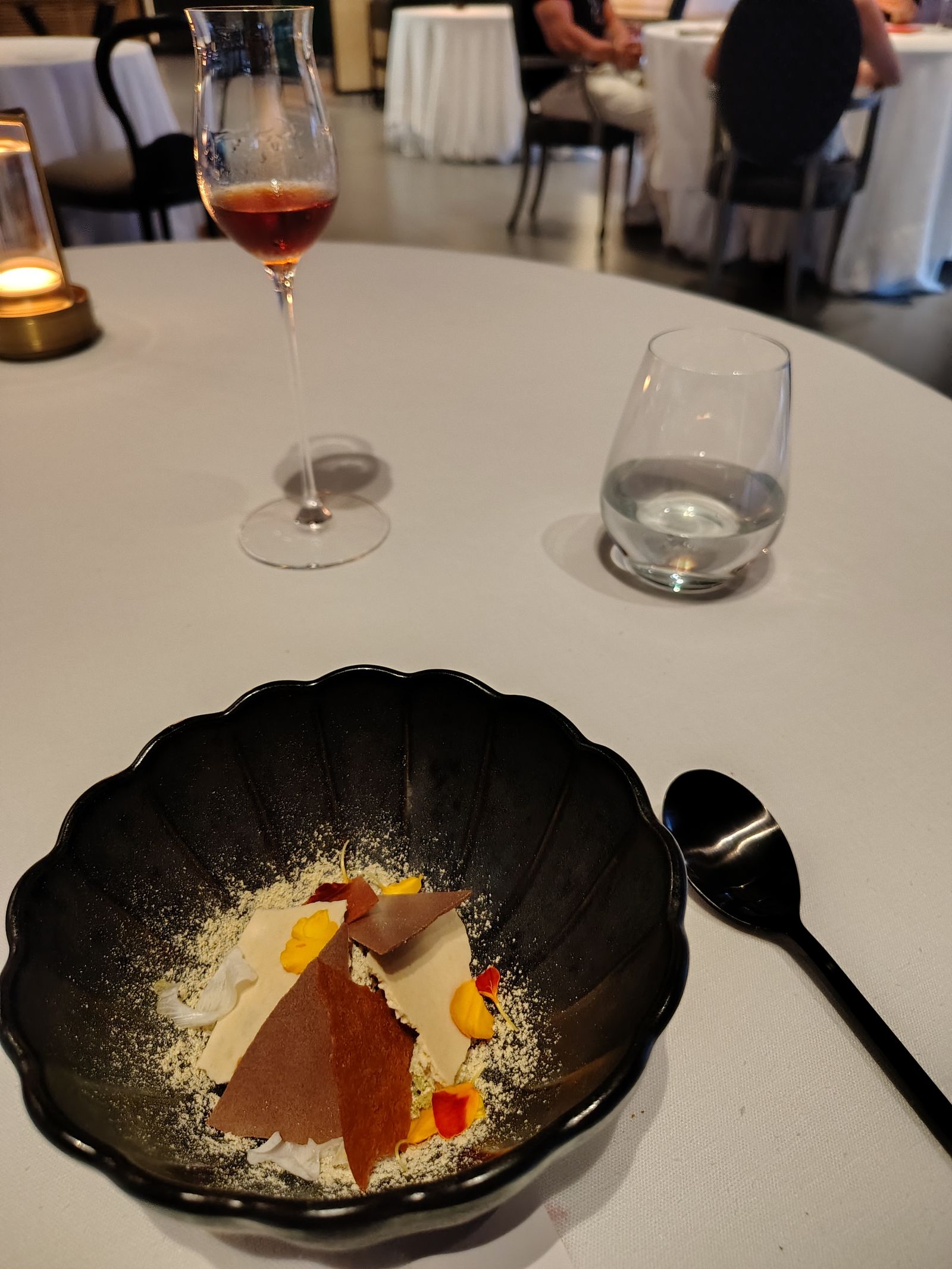
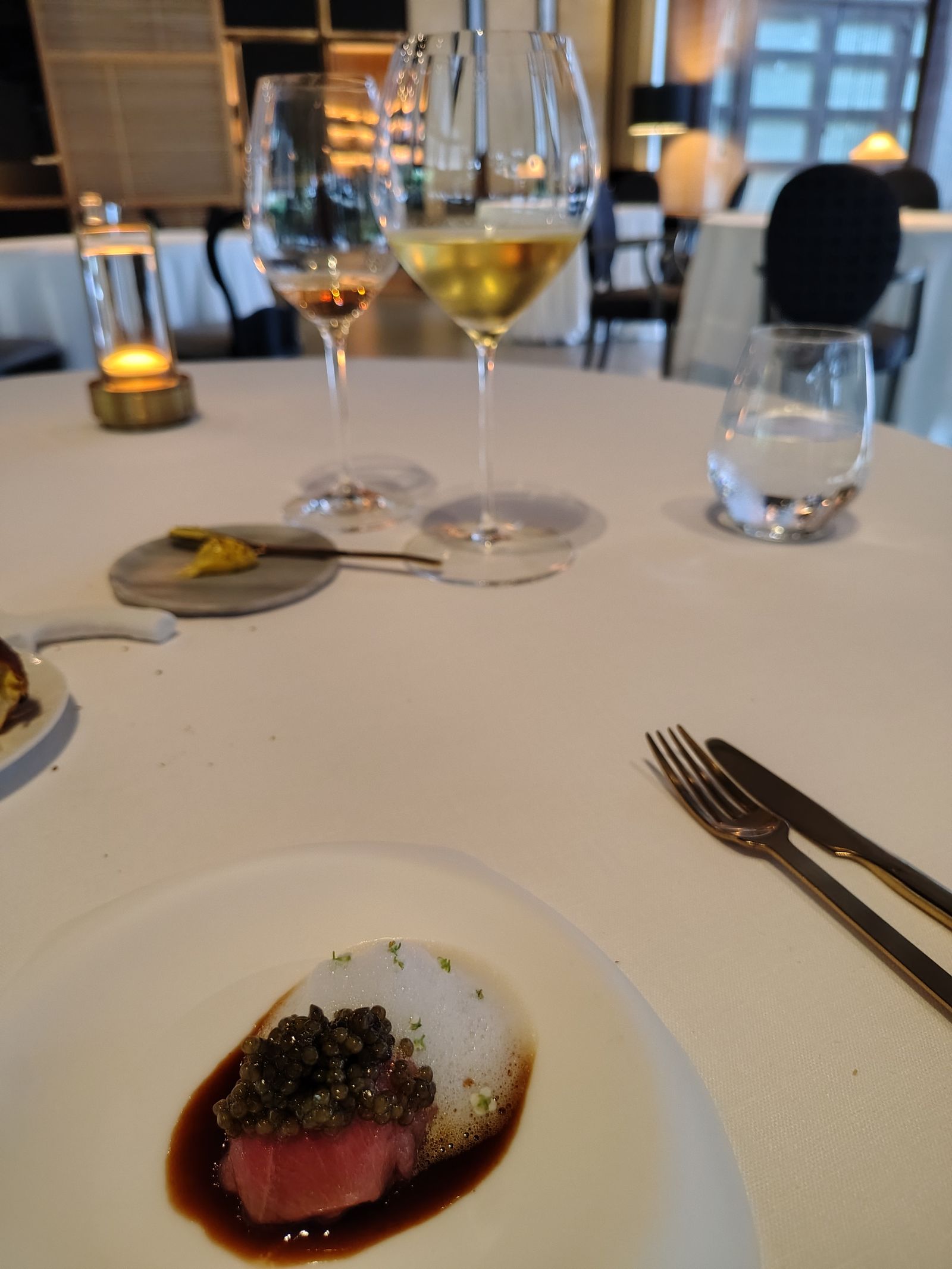
One thing worth planning around: Devir, by Lopesan, at the Costa Meloneras. It is a tasting-menu restaurant rather than a hotel dining room, and we thought it was sensational. The menu we ate - Amurga - ran from Canarian cheeses and a fritter through mackerel, amberjack and mussels, into black pork with figs and mojo, tuna with caviar in a marine broth, and squab soup and suckling lamb before the desserts. Local produce treated seriously: Flor de Guía cheese, gofio, palm honey. Book it before you travel; it is small.
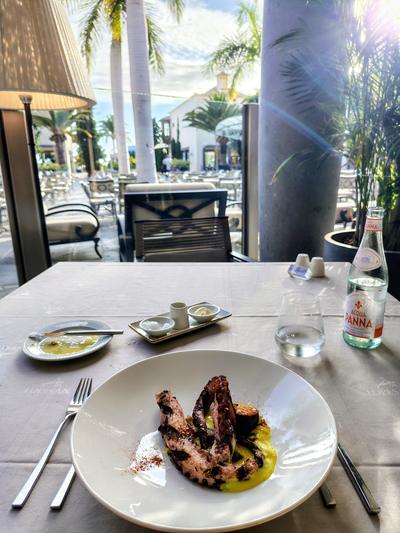
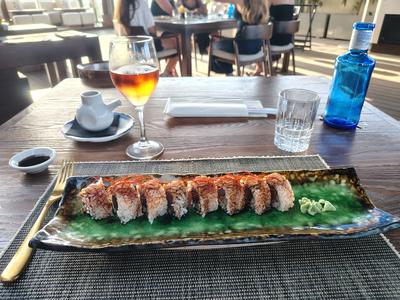
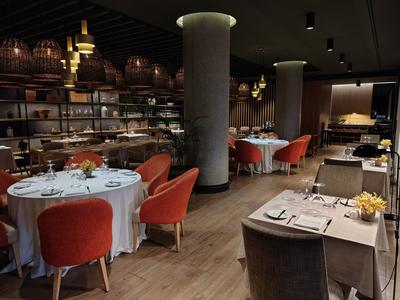
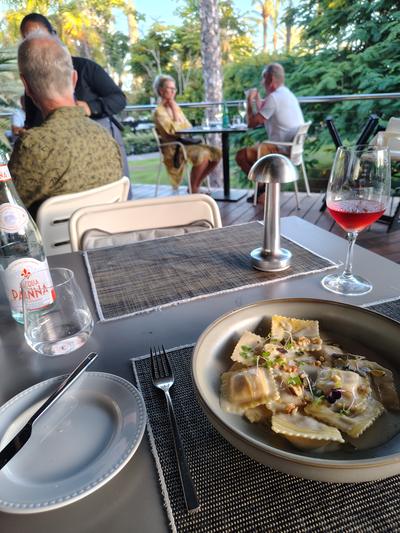
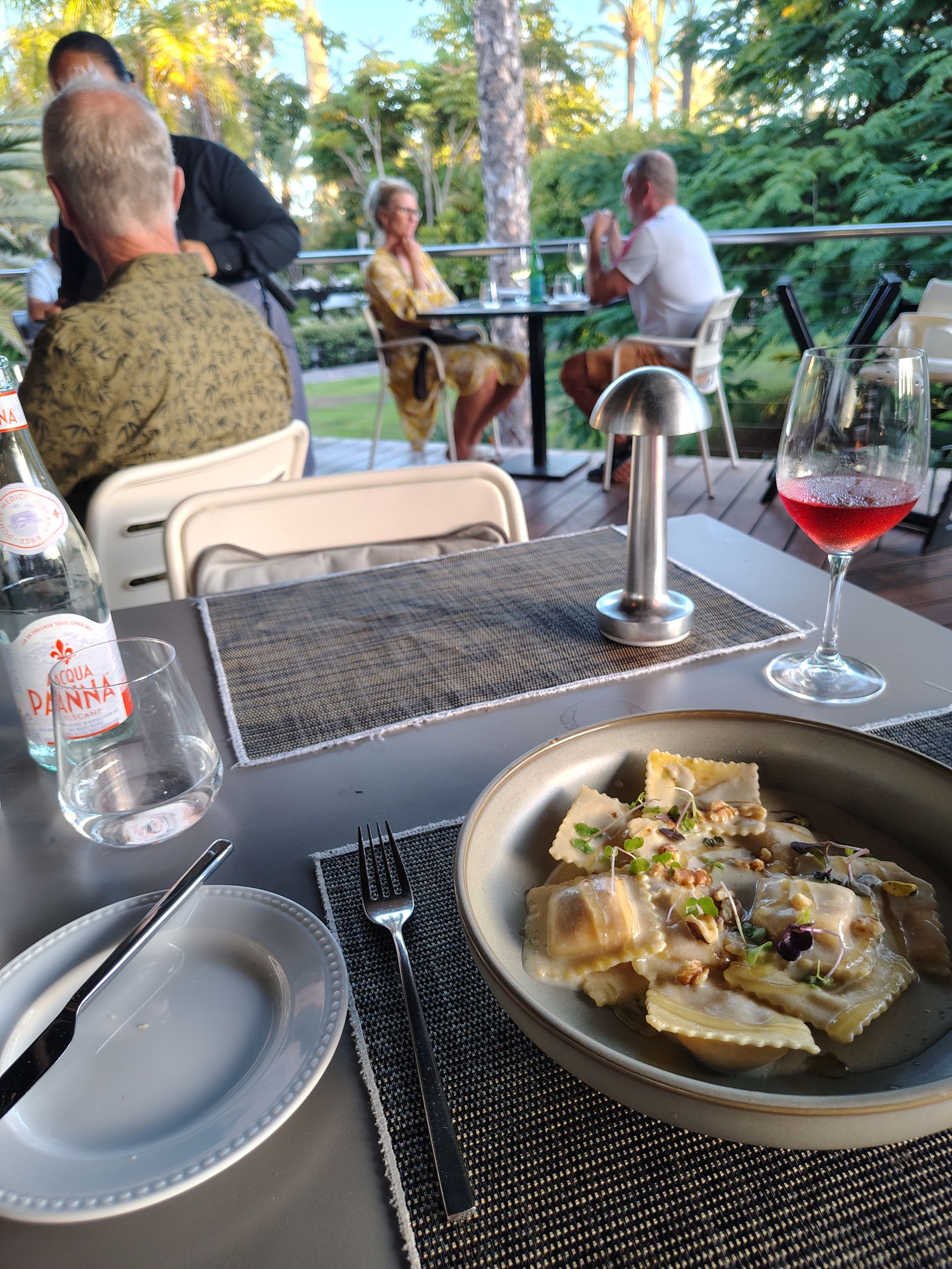
The Italian restaurant at the same resort is outstanding too, and a considerably easier proposition on a night when nobody wants eight courses.
What to watch for when you book
The Lopesan engine runs a permanent percentage promotion, and it displays it in a way that is easy to misread. You will see something like "EUR 200.52 / night" next to "EUR 802.08" next to "−25%". The per-night figure is already discounted; the large number is the undiscounted total. Multiply the small one by your nights - do not pair the two.
The discount depth also moves. It was 30% in August and 25% in September. If a price looks 7% worse than last time you checked, that is usually the campaign changing, not the market.
The island beyond the pool
Gran Canaria is often described as a continent in miniature and for once the cliché holds: it is a volcanic cone roughly 50 km across that runs from Saharan dune fields in the south to laurel cloud-forest in the north, with a 1,949 m peak in the middle (Pico de las Nieves). The south is desert, the north is green and often under cloud, and the drive between the two coasts passes through four or five distinct landscapes in ninety minutes. Most visitors see none of it, because the south coast is very good at keeping people by a pool. Both things can be true.
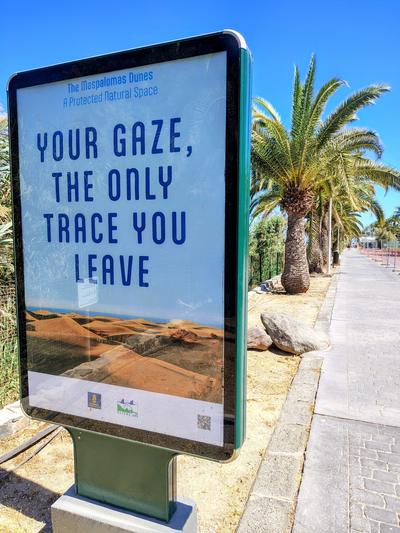
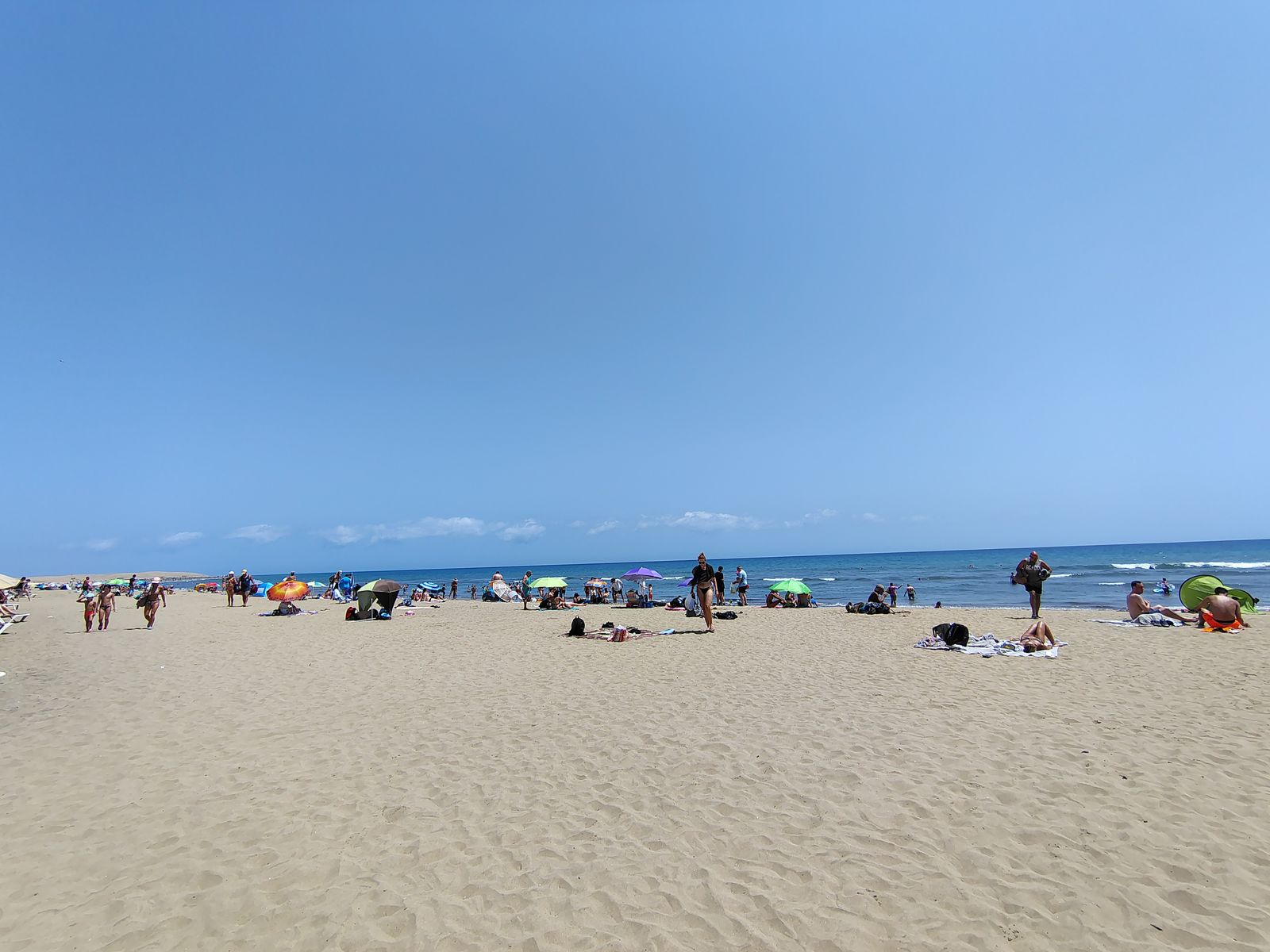
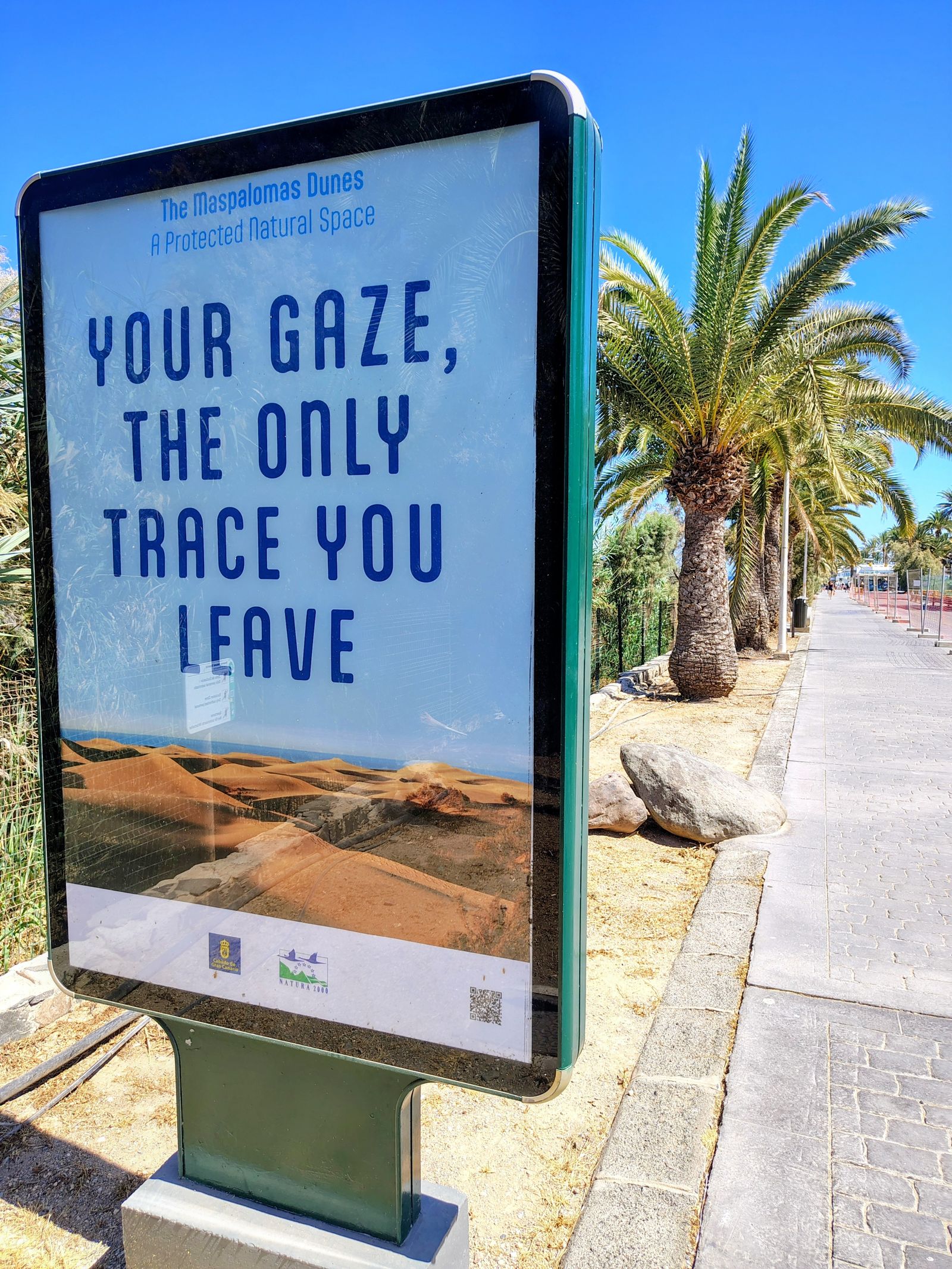
- The Maspalomas dunes - 400 hectares of protected shifting sand between the resorts and
- Roque Nublo, an 80-metre volcanic monolith near the island's centre, sacred to the
- Las Palmas - the capital, an hour north and a proper city of about 380,000 people. The
- Teror is the prettiest of the inland towns, with wooden Canarian balconies along the
- Caldera de Bandama - a volcanic crater 200 metres deep and a kilometre across, with a
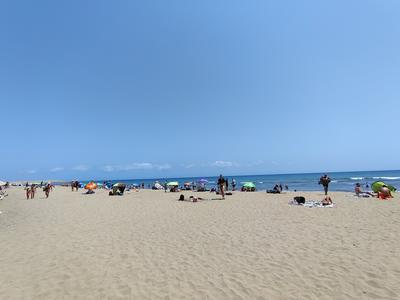
the sea, with a lagoon and the 1889 lighthouse at the western end. It is a nature reserve, not a beach extension: the marked crossings are there because the dune system is alive and moving. Walk it early or late - the light does the work, and the middle of a summer day is genuinely punishing. The lighthouse is 56 metres tall and you can see it from everywhere.
pre-Hispanic Canarii who lived here before the fifteenth-century conquest. A straightforward 1.5 km walk from the car park at La Goleta, and on a clear day Mount Teide on Tenerife floats on the horizon behind it.
Vegueta old town is where Columbus stopped in 1492 to repair the Pinta's rudder; the Casa de Colón occupies the governor's house he stayed in and is now a museum of the crossings, and the cathedral next door took four centuries and shows it. Playa de las Canteras in the same city is three kilometres of beach protected by a natural reef, one of the best urban beaches in Europe and nothing like the resort strip.
main street and a Sunday market. Arucas has a basilica in black volcanic stone and a rum distillery that has been running since 1884.
path down to the floor where a farm still operates.
The drive worth hiring a car for
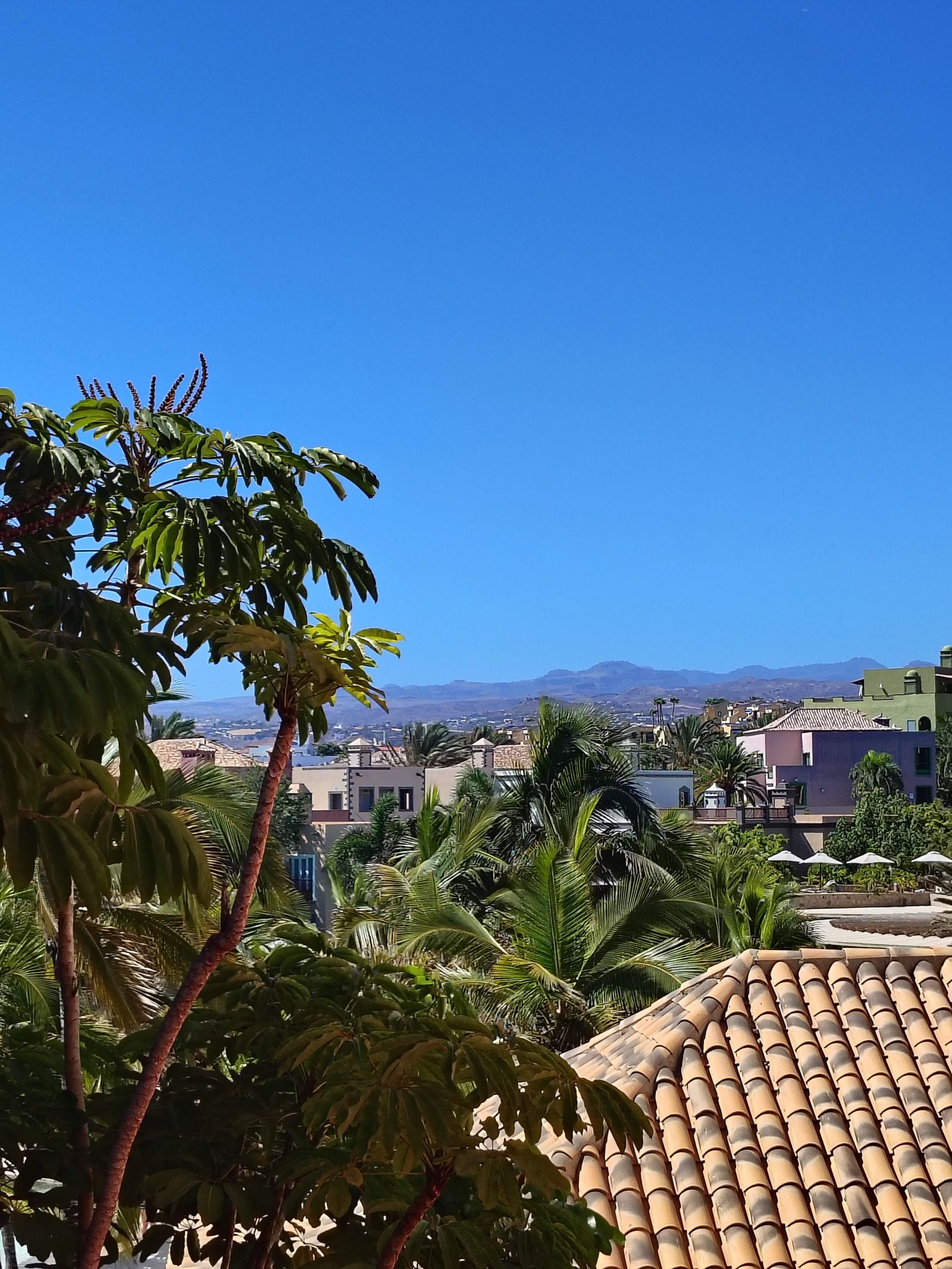
The GC-60 from Maspalomas up to Ayacata and Roque Nublo climbs from sea level into the pine forest in about an hour of switchbacks, passing Fataga - the "valley of a thousand palms" - and the Mirador de la Degollada de las Yeguas on the way. Come back down the west side through Mogán for the coast road. It is the single best day on the island and it costs the price of a hire car.
Go in November
The Canaries barely have a low season in the way northern Europe does - the weather in November is essentially the weather in June. What changes is who else wants to be there.
The cheapest nights we have found cluster in early November and late September, and the difference between those weeks and Christmas is more than a hundred francs a night. Christmas and February half-term are the busy weeks, and priced like it.
The rest of the roll
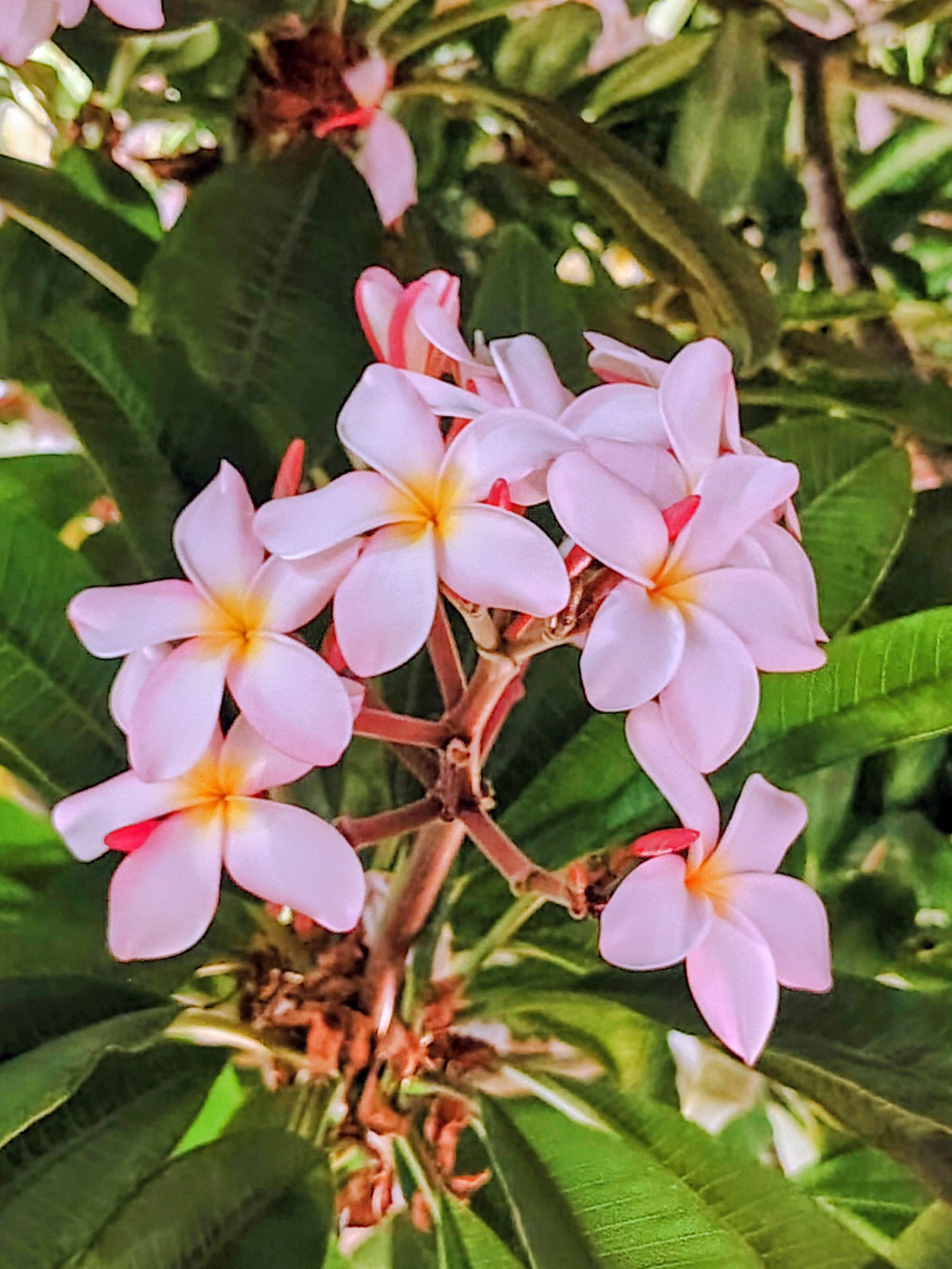
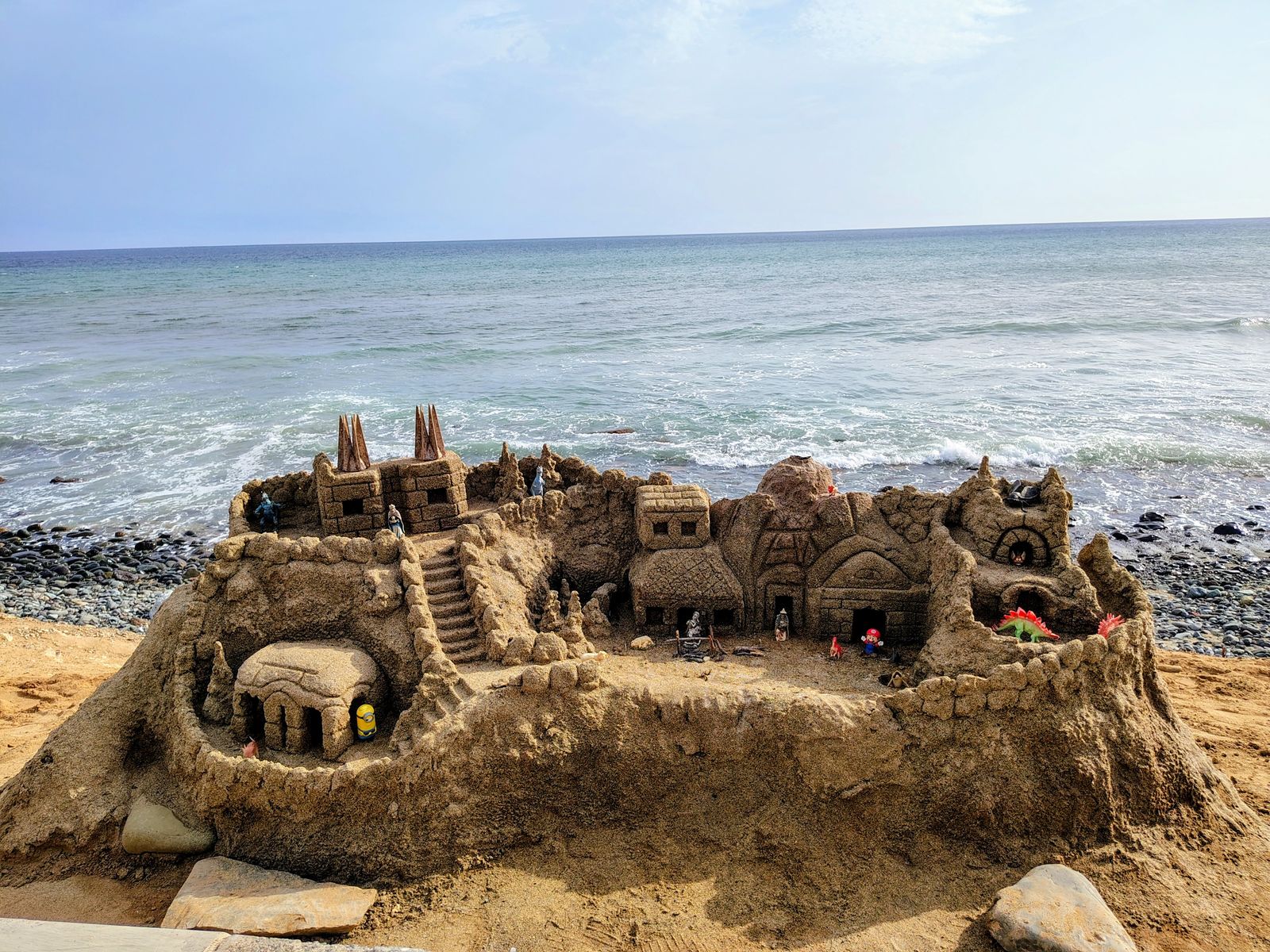
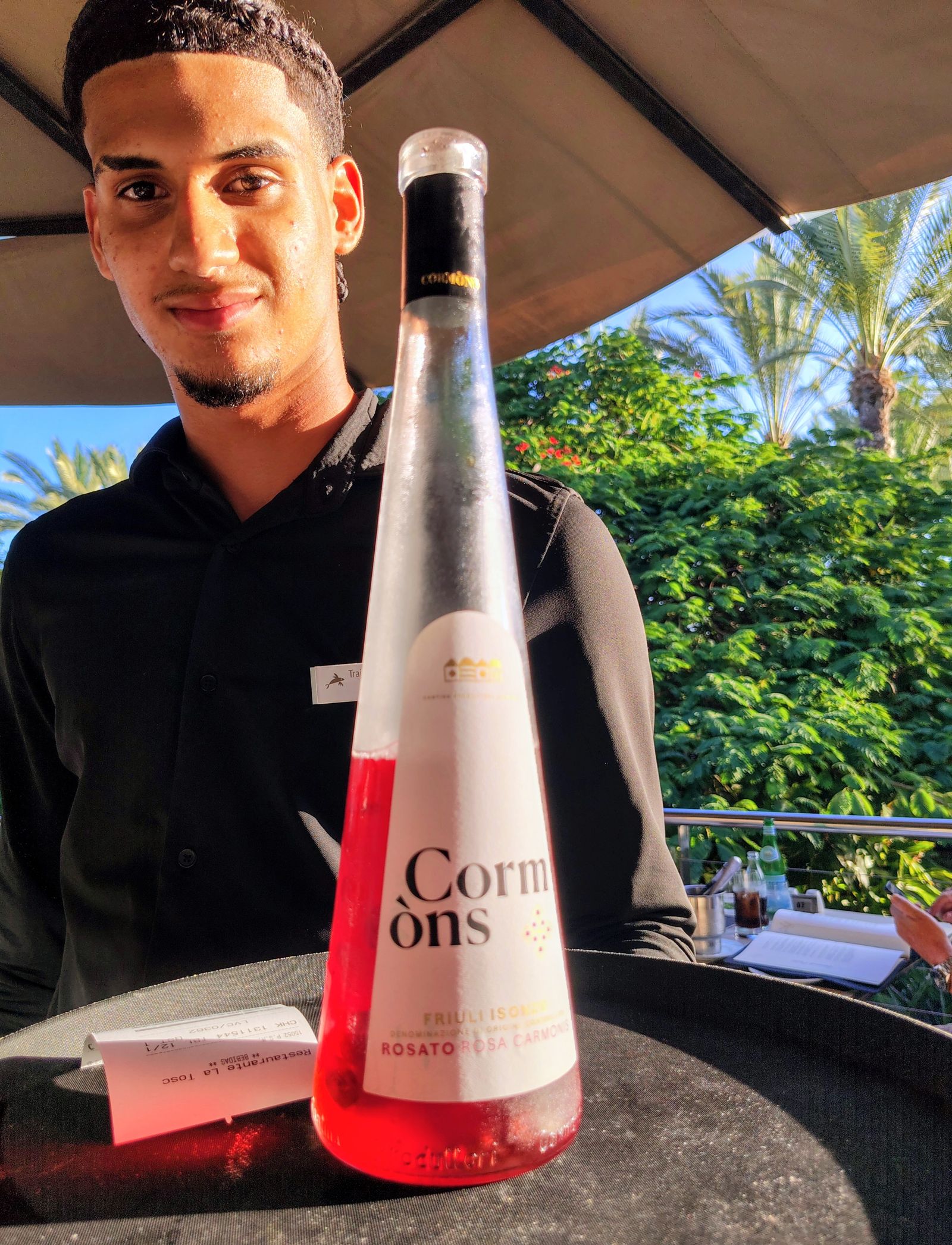
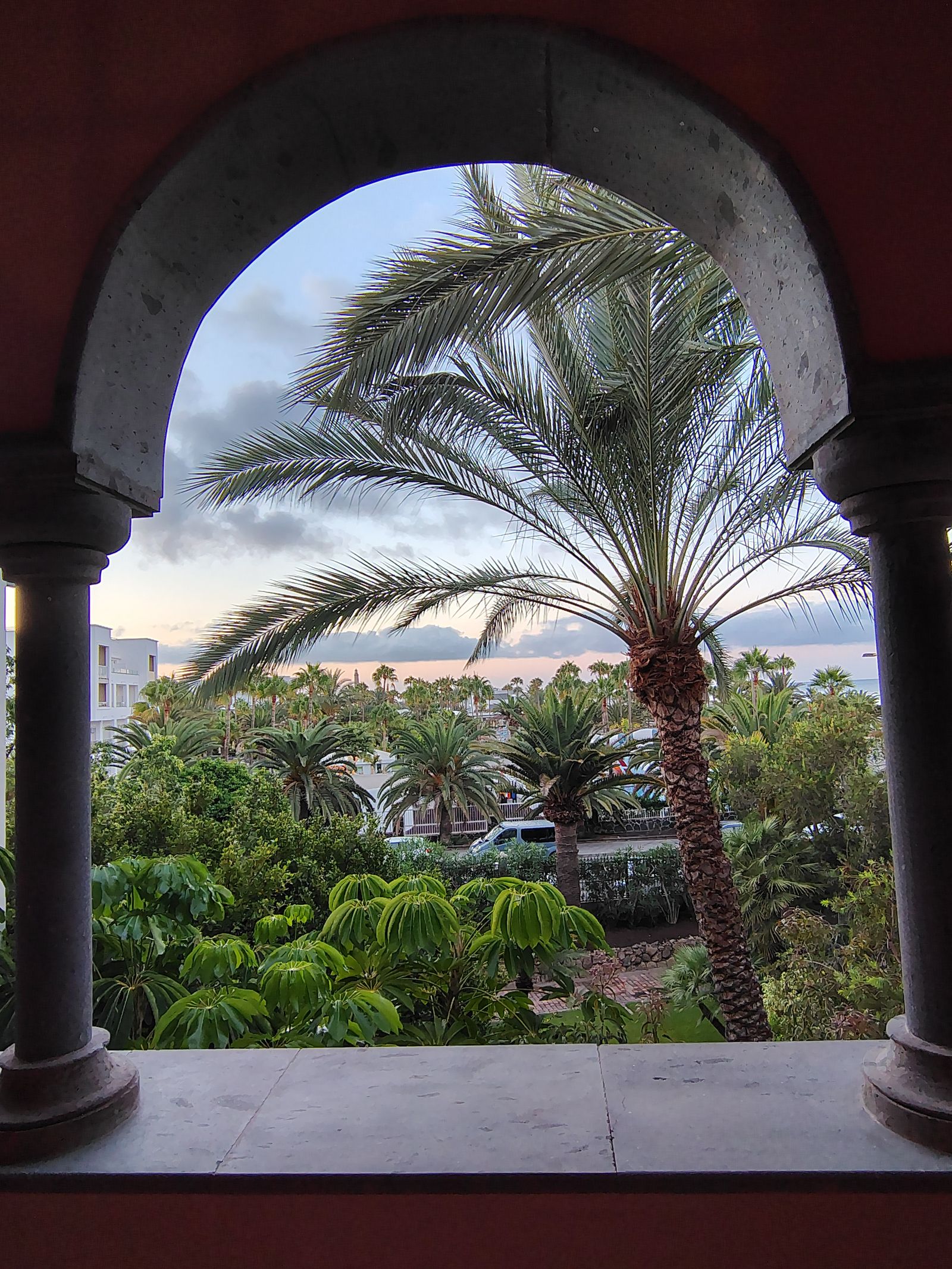
Everything else we came back with from this trip - ours, taken on the days described above. Click any of them to see it properly.