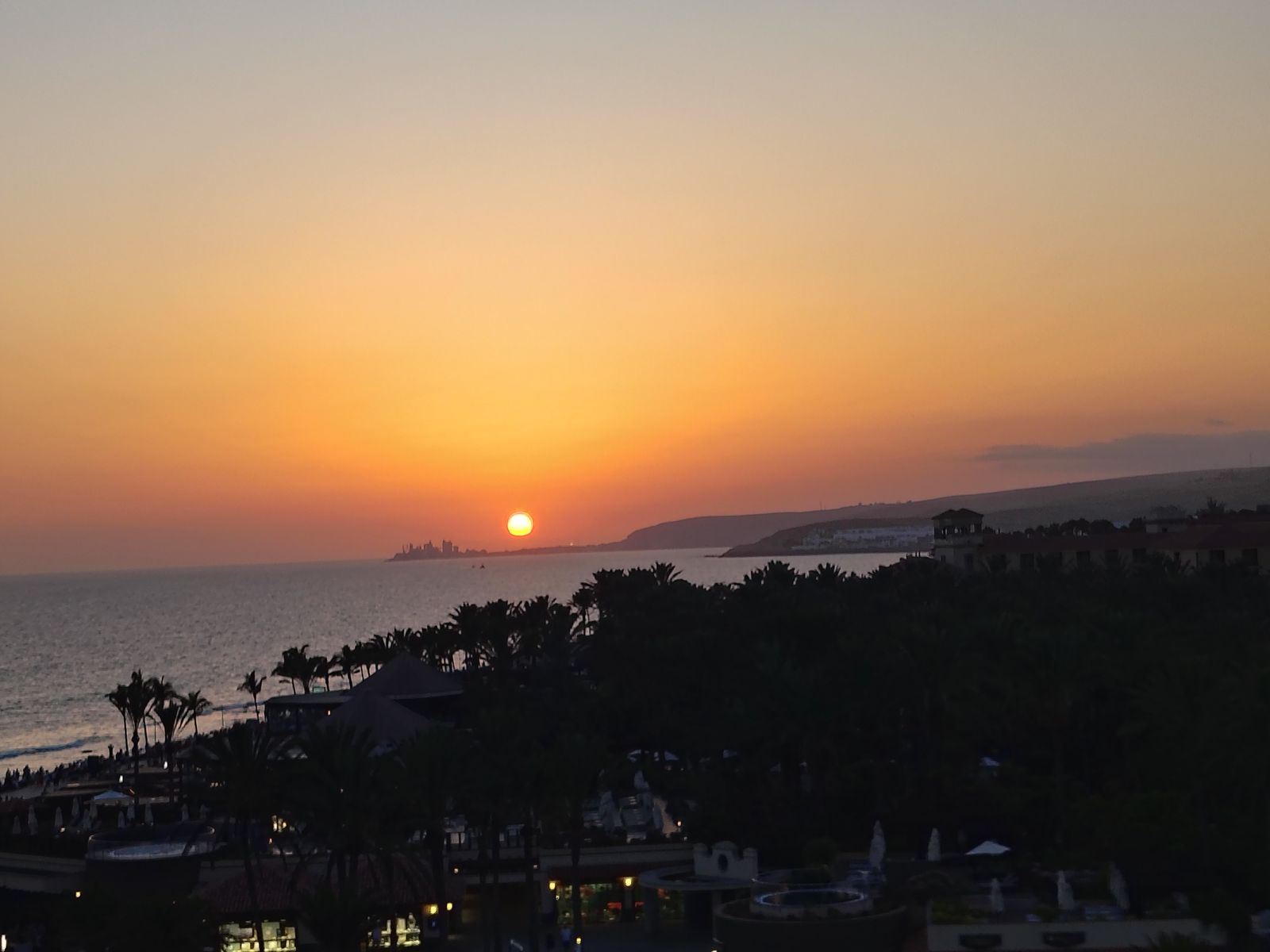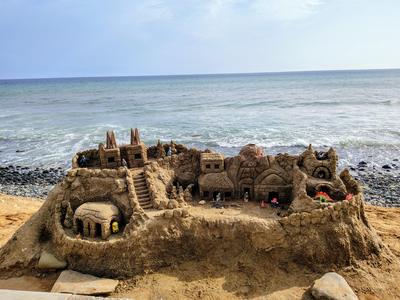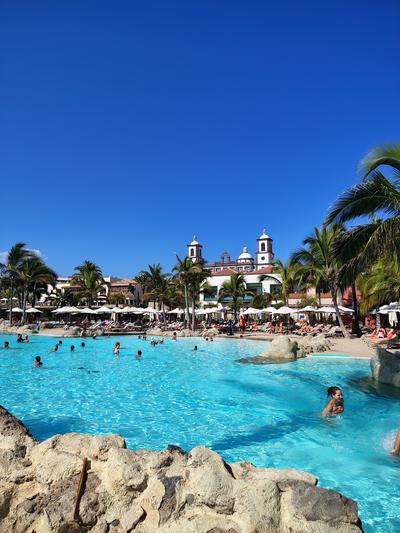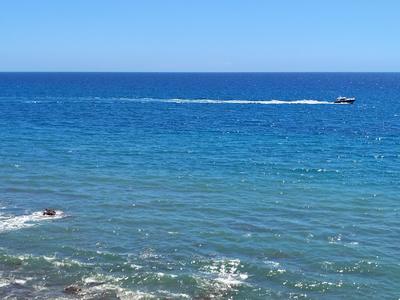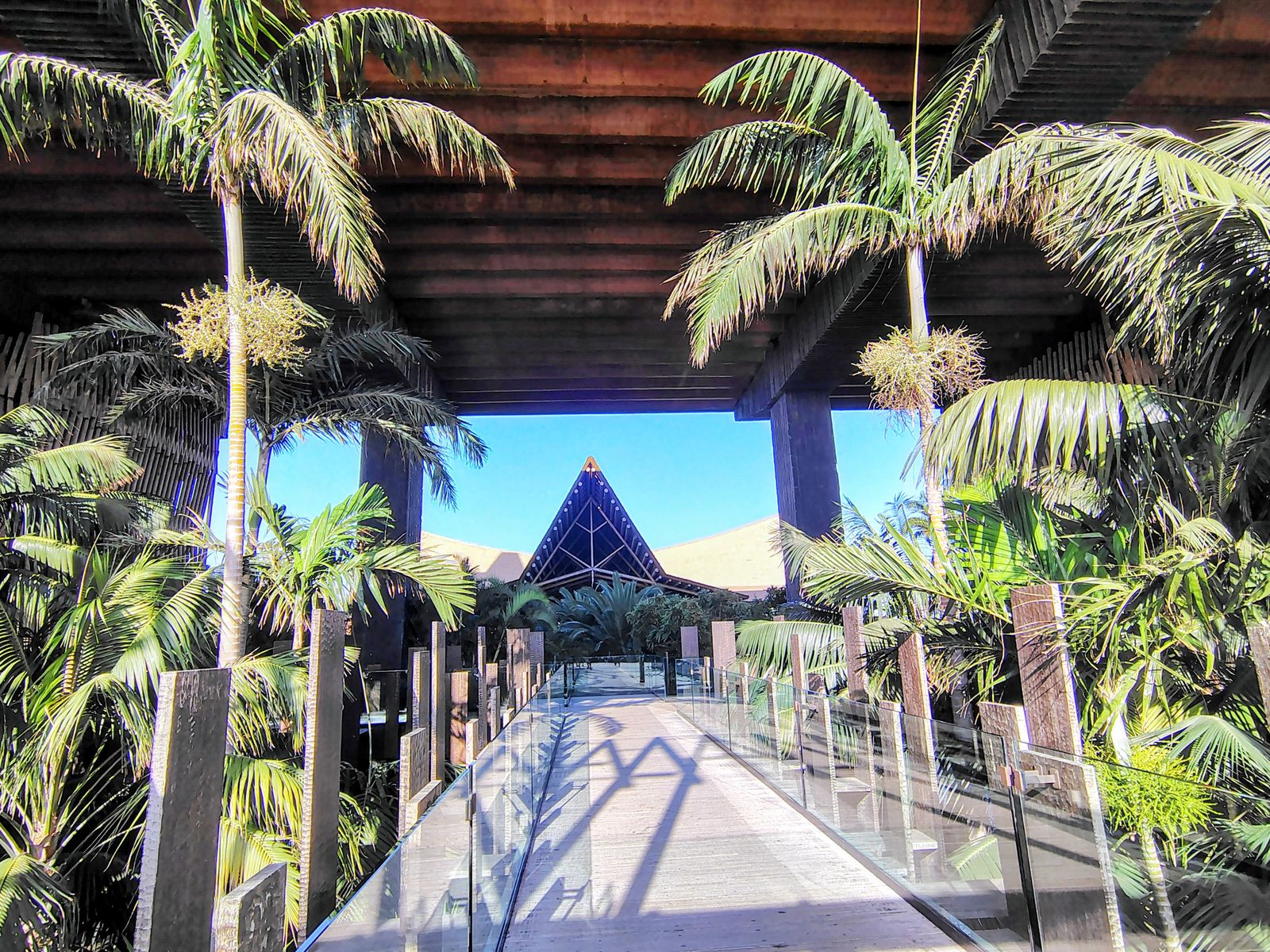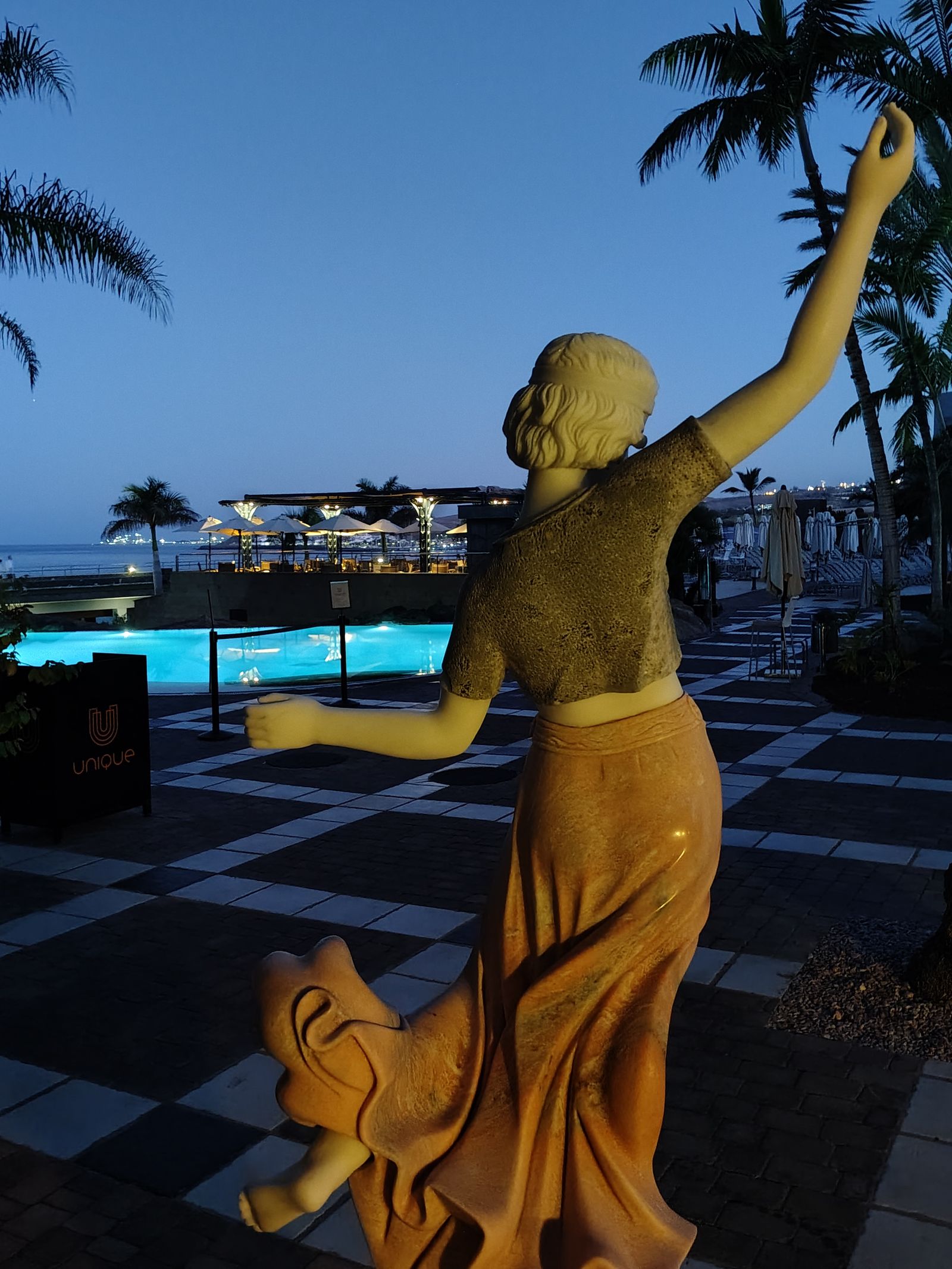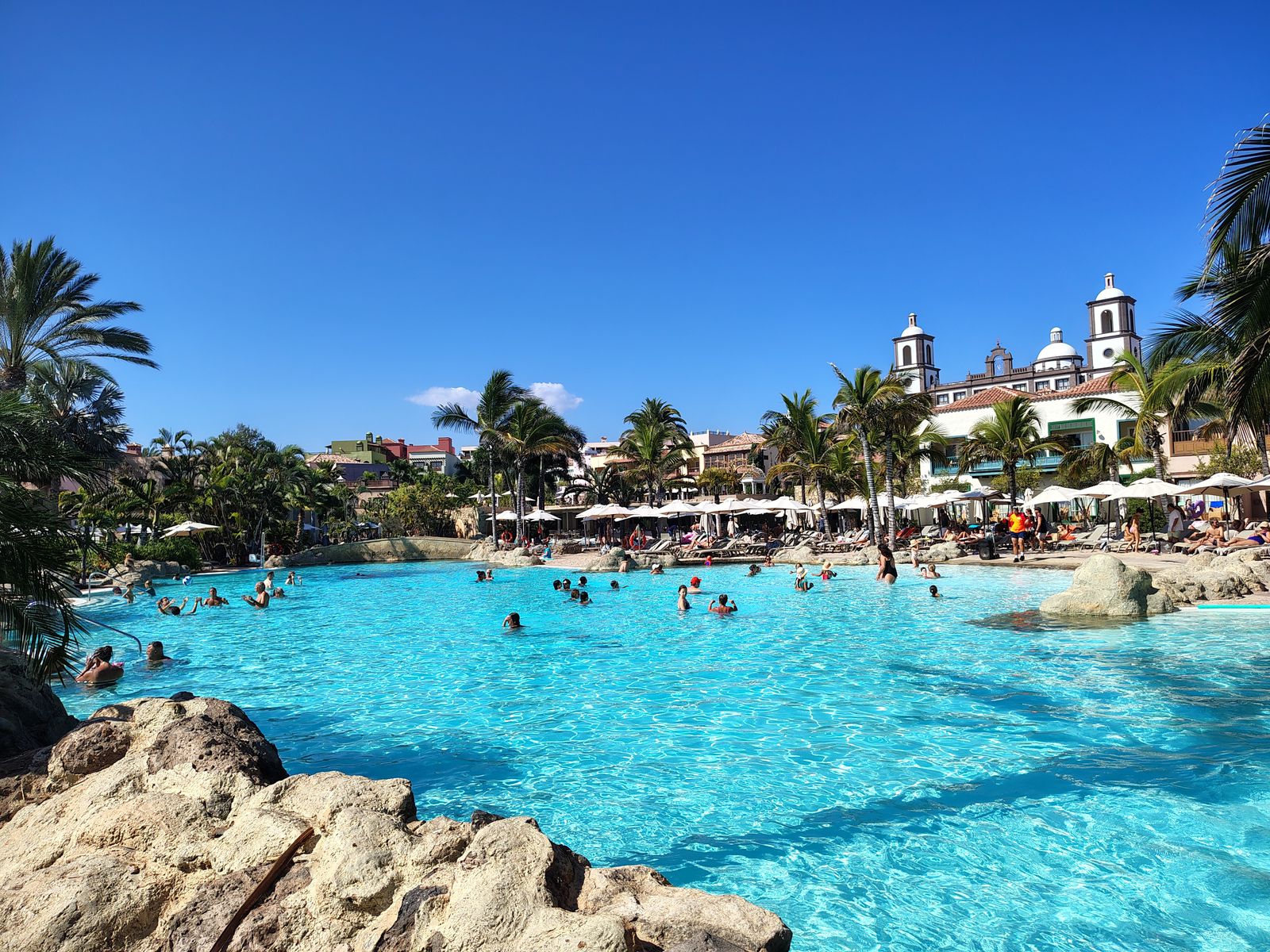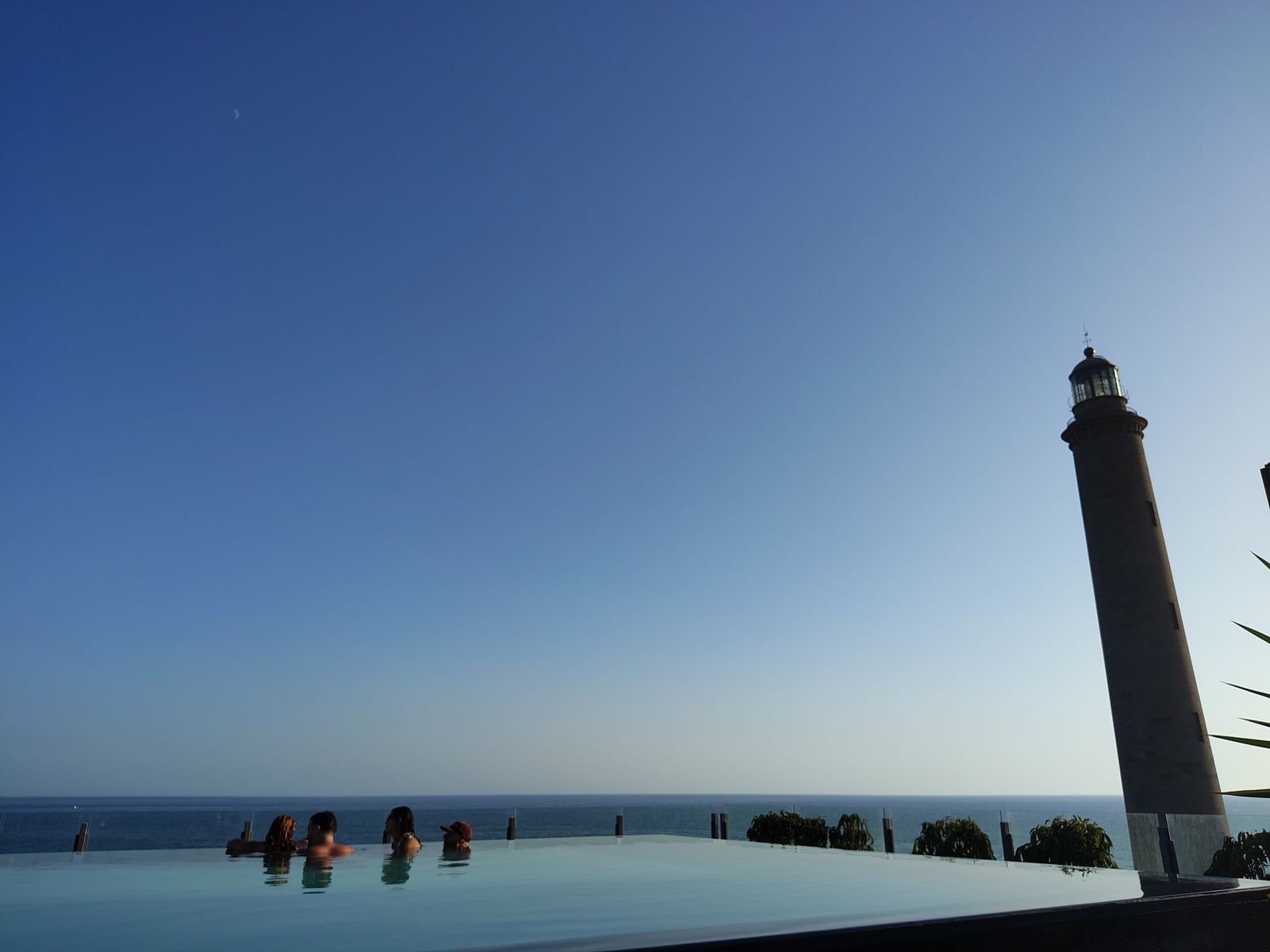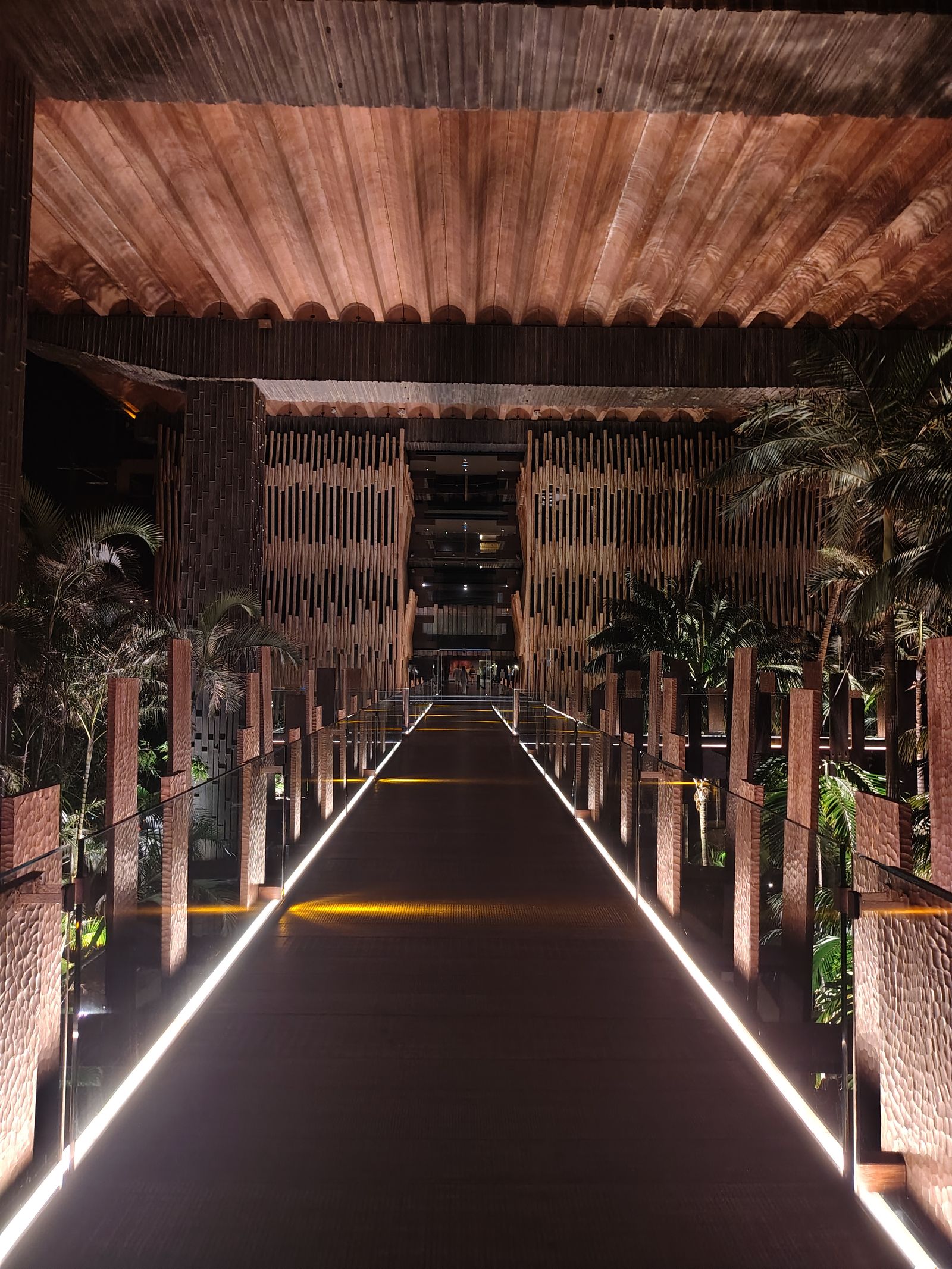
The island is a volcanic cone about 50 kilometres across, and the cliché about it being a continent in miniature happens to be true. The south is desert. The north is green and often under cloud. The middle rises to Pico de las Nieves at 1,949 metres, and the drive between the two coasts passes through four or five distinct landscapes in ninety minutes.
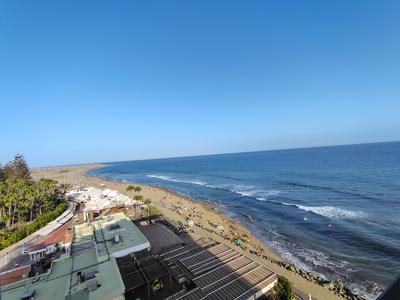
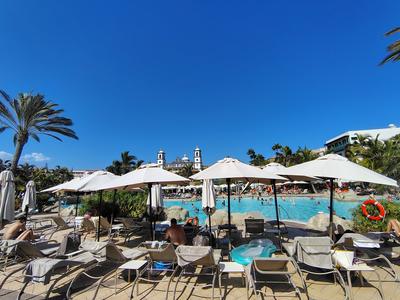
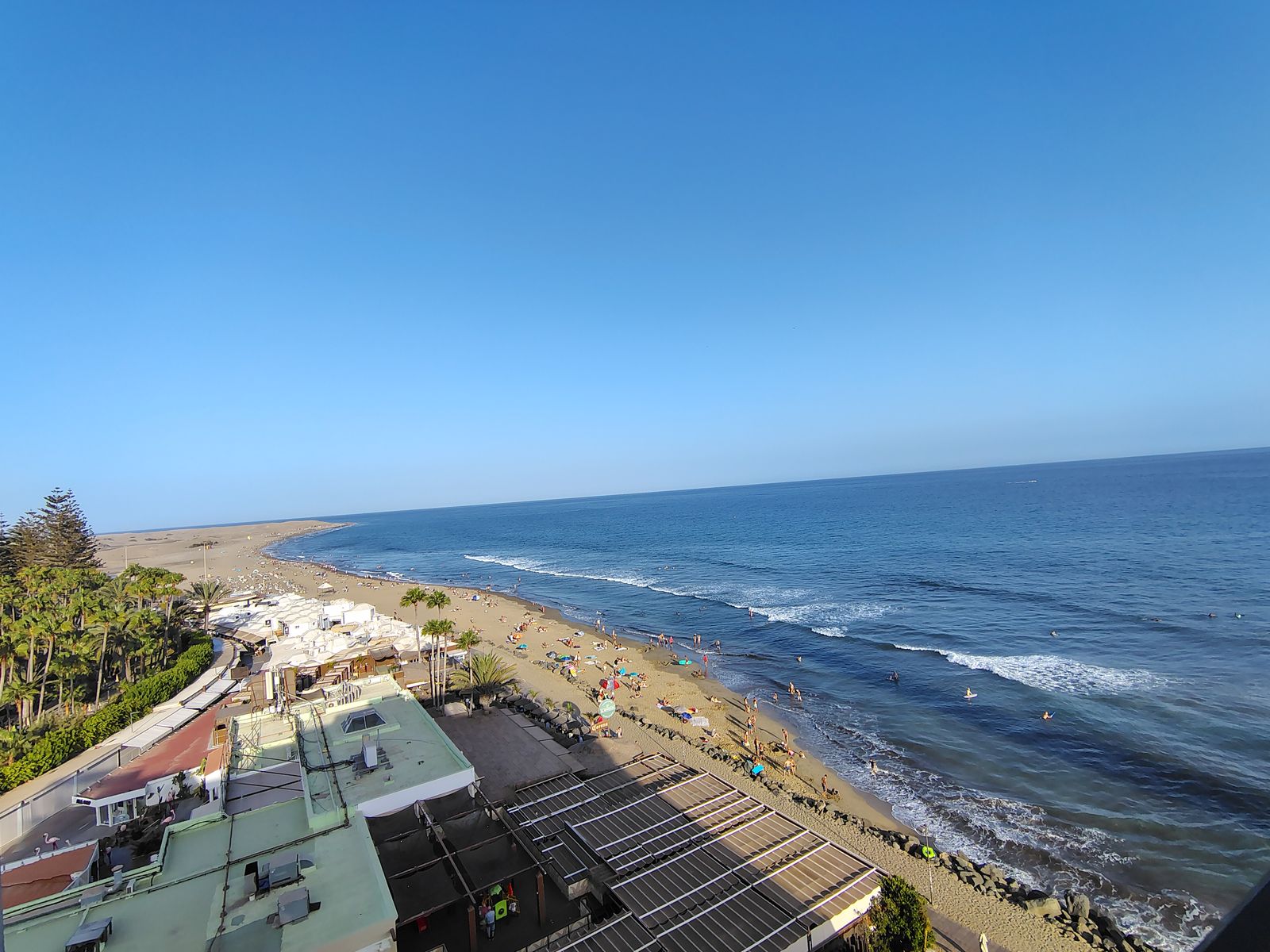
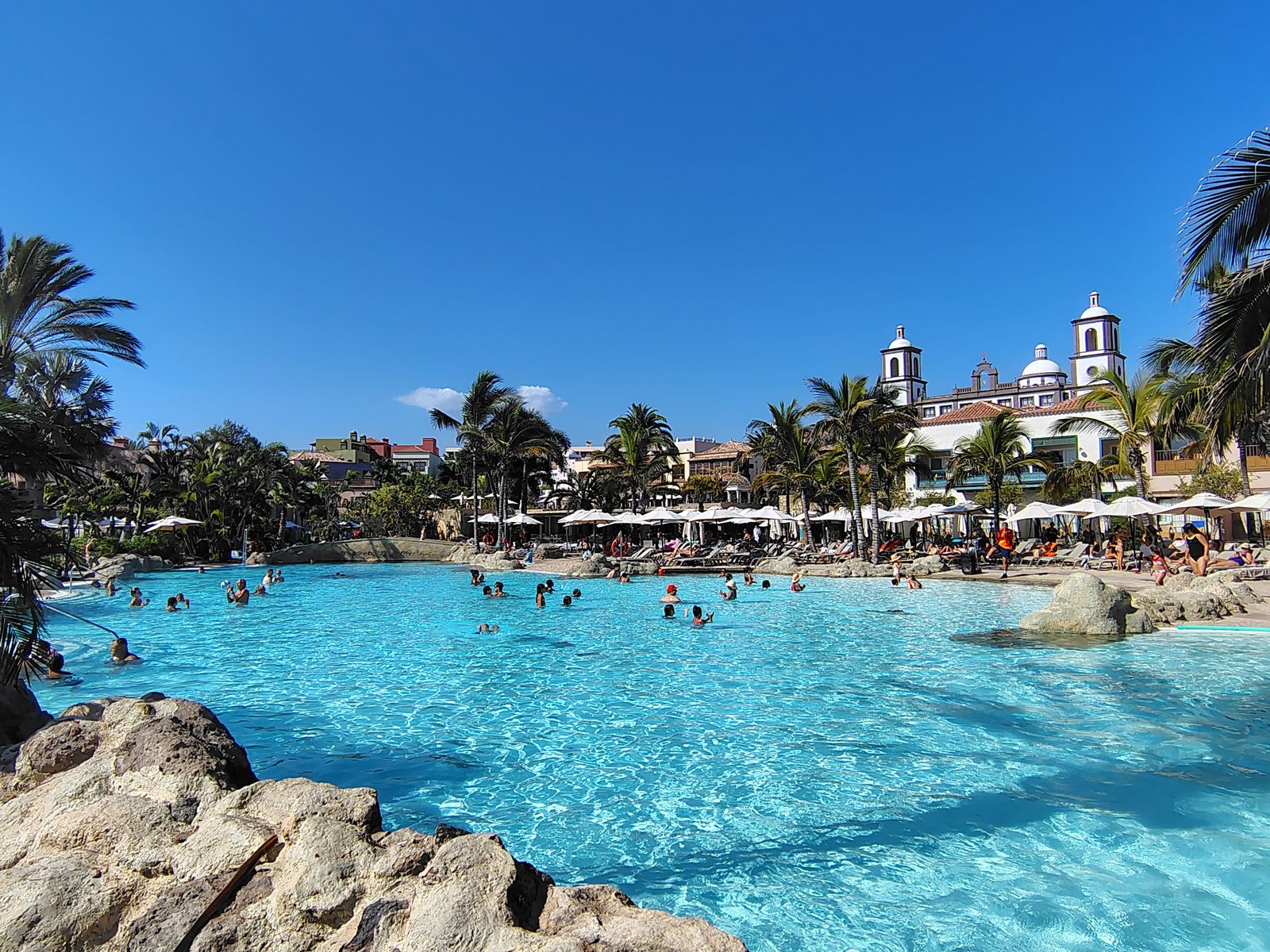
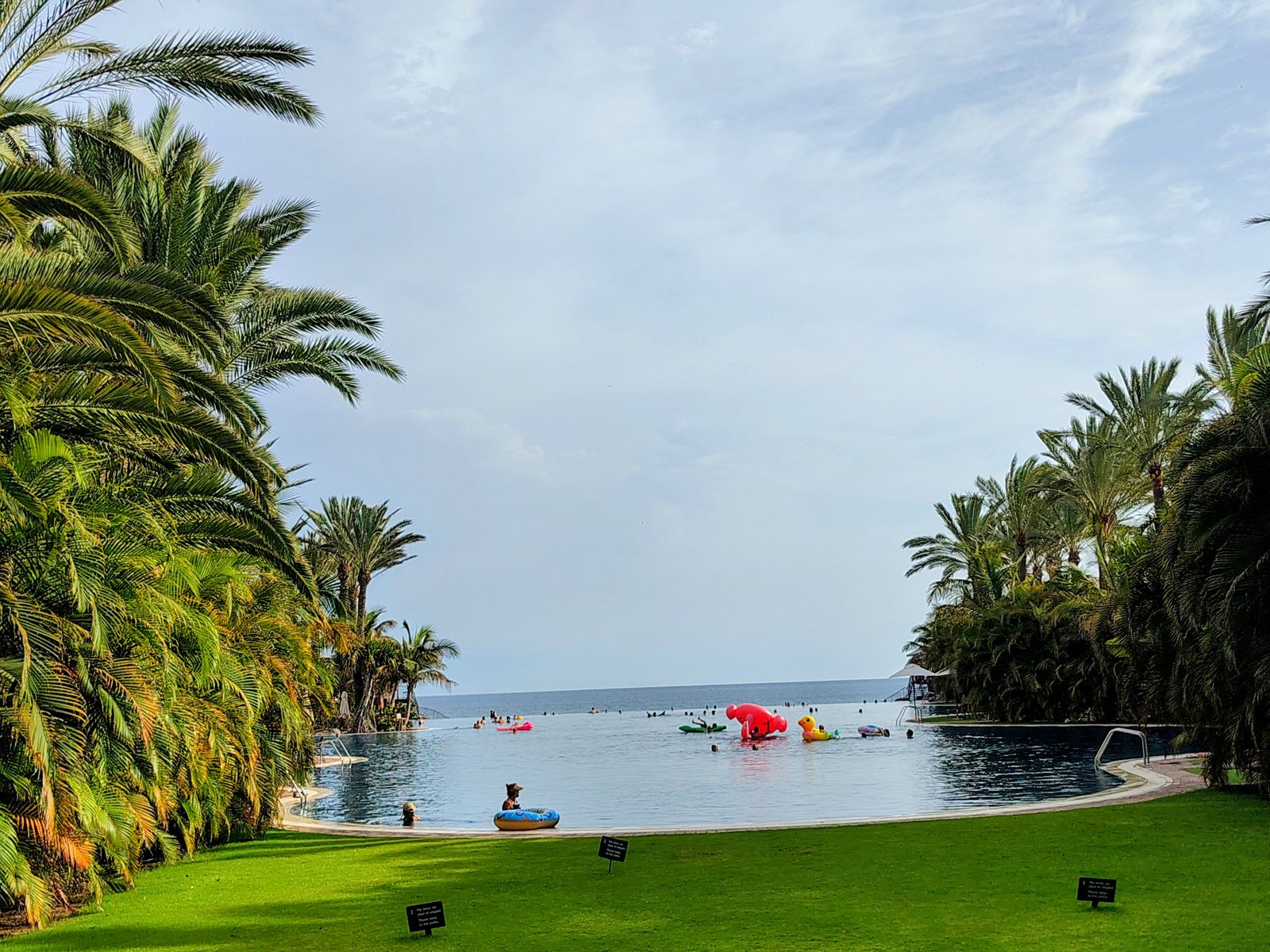
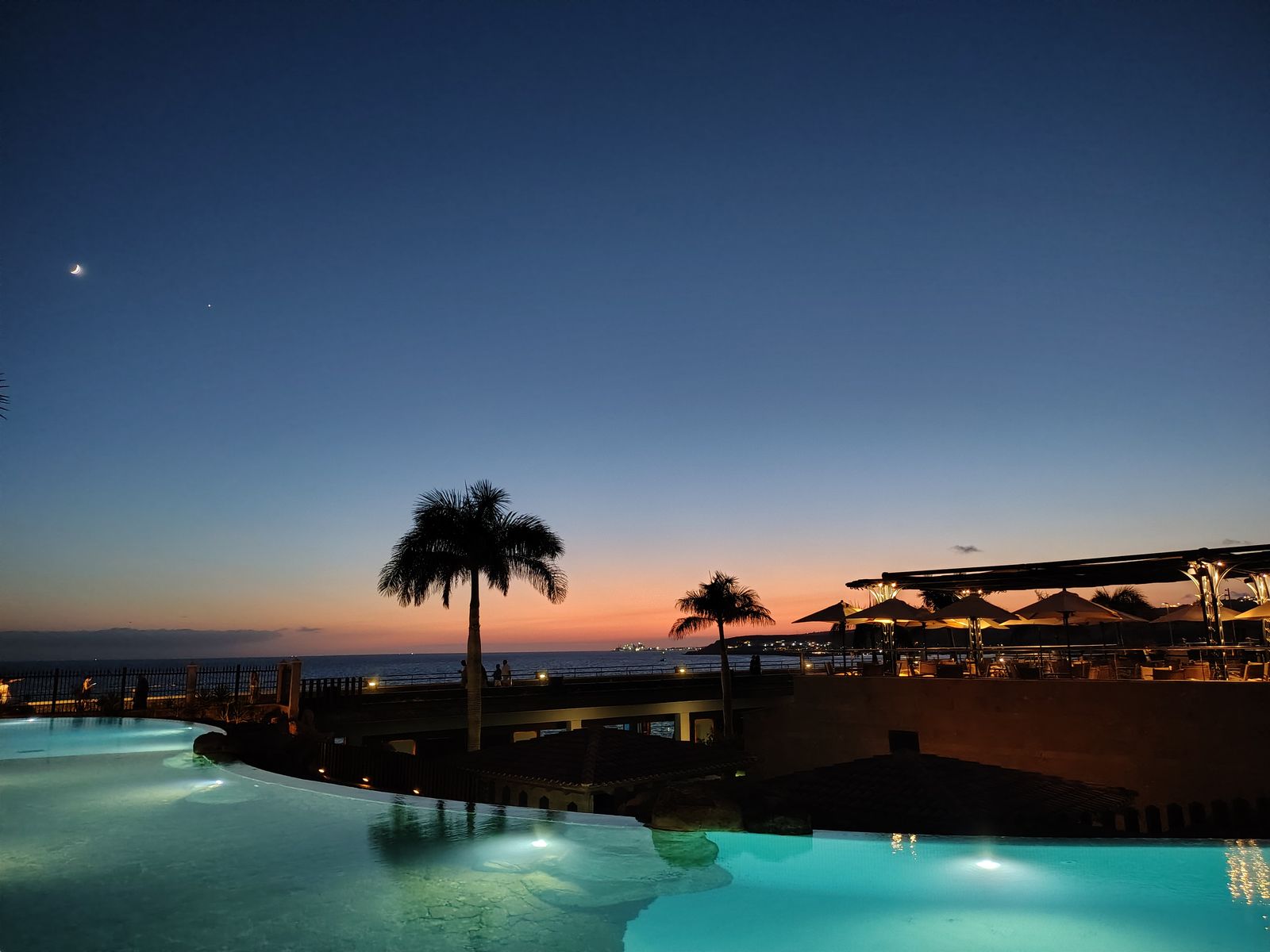
Most visitors see none of it, because the south coast is very good at keeping people by a pool. Both things can be true.
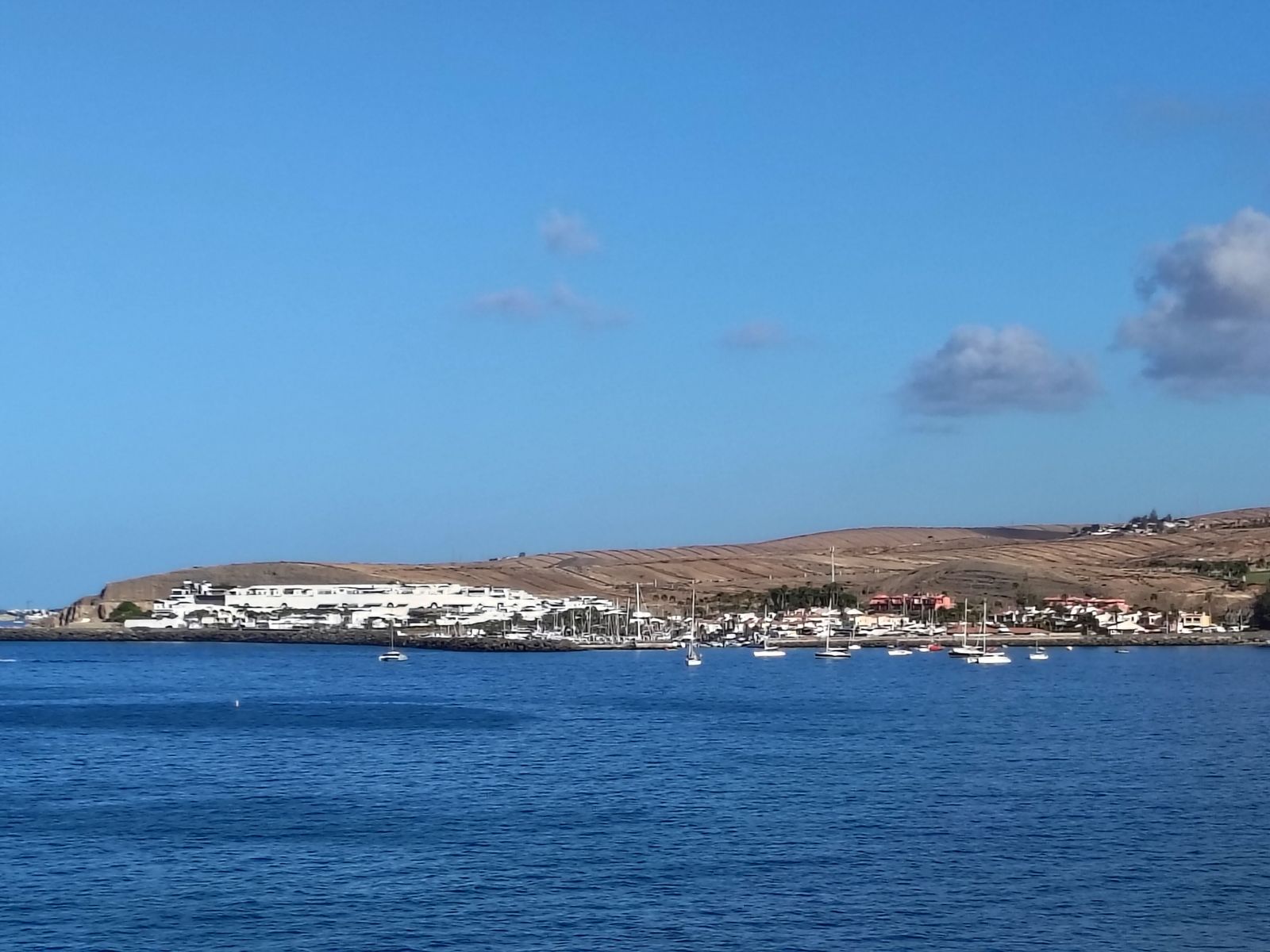
The dunes
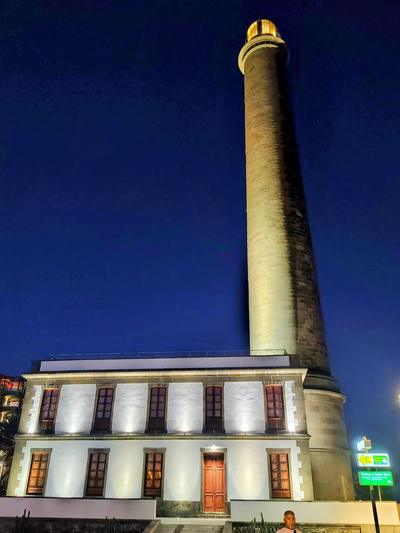
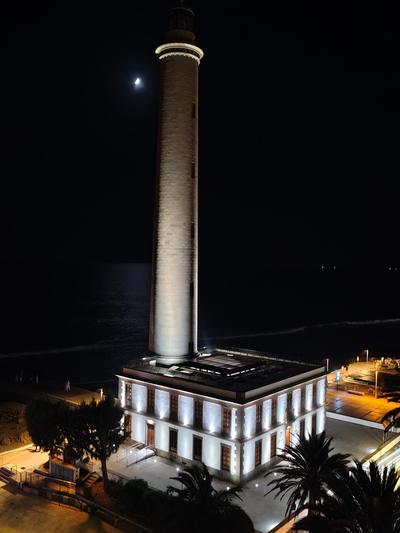
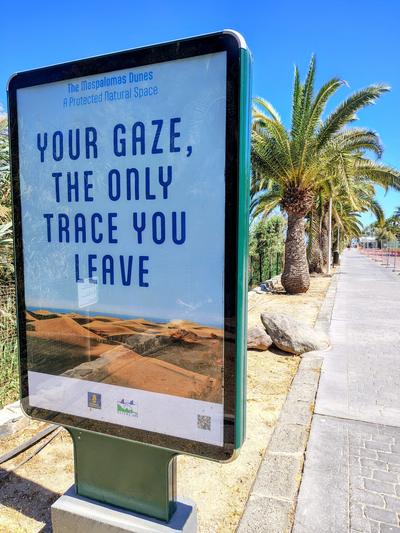
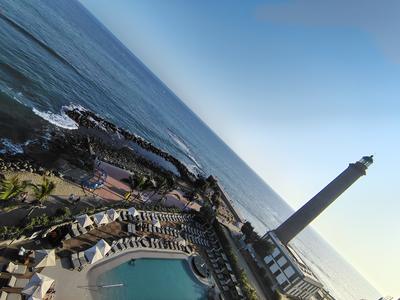
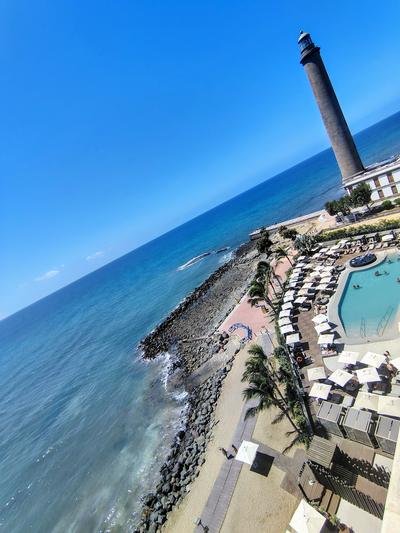
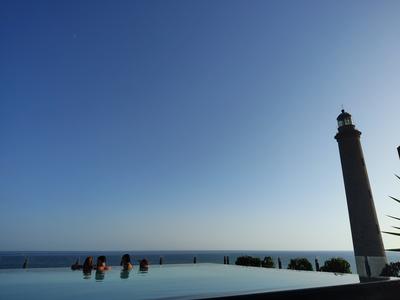
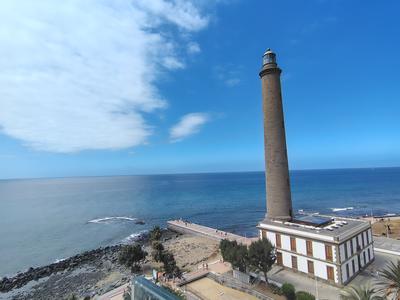
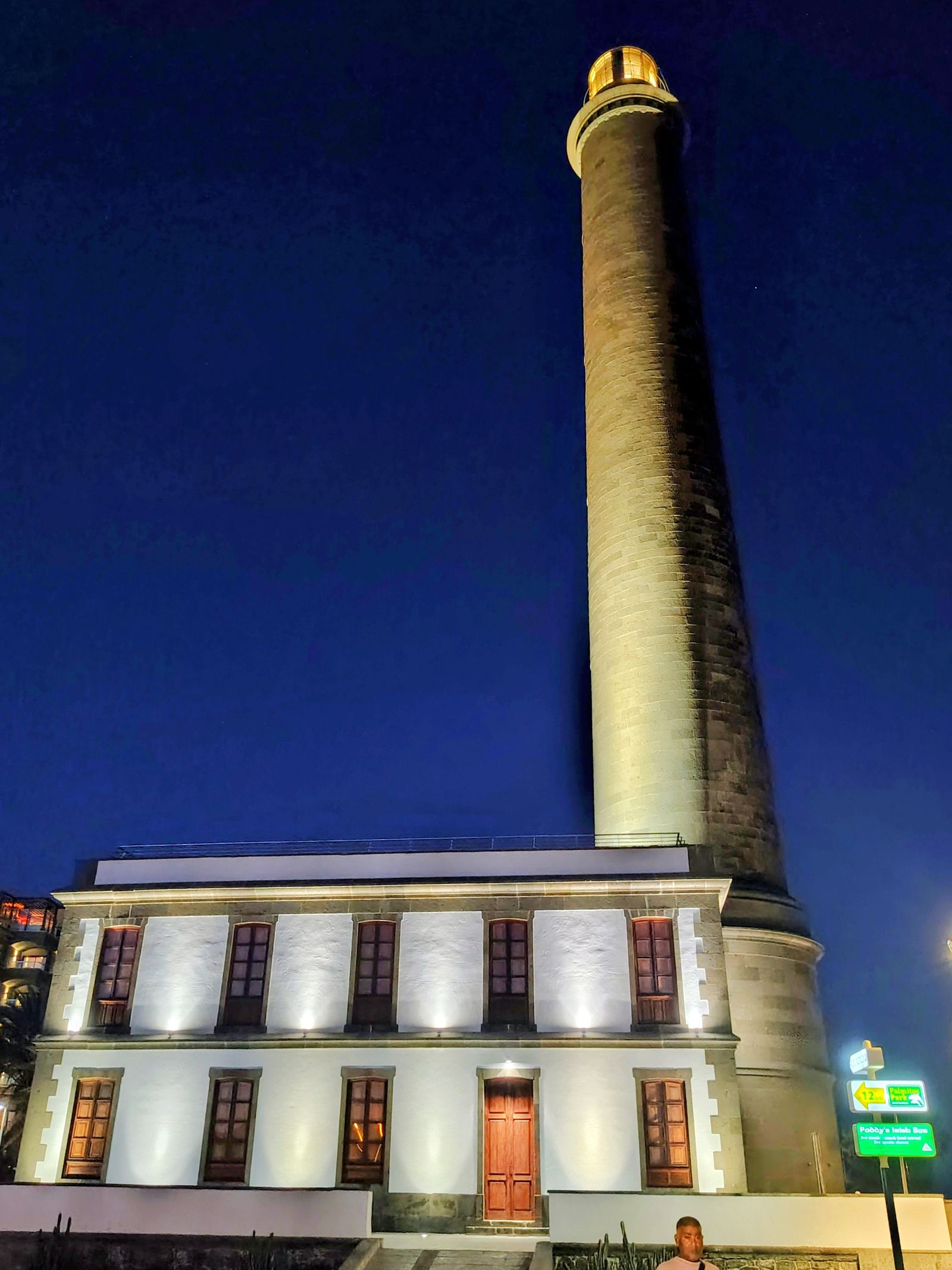
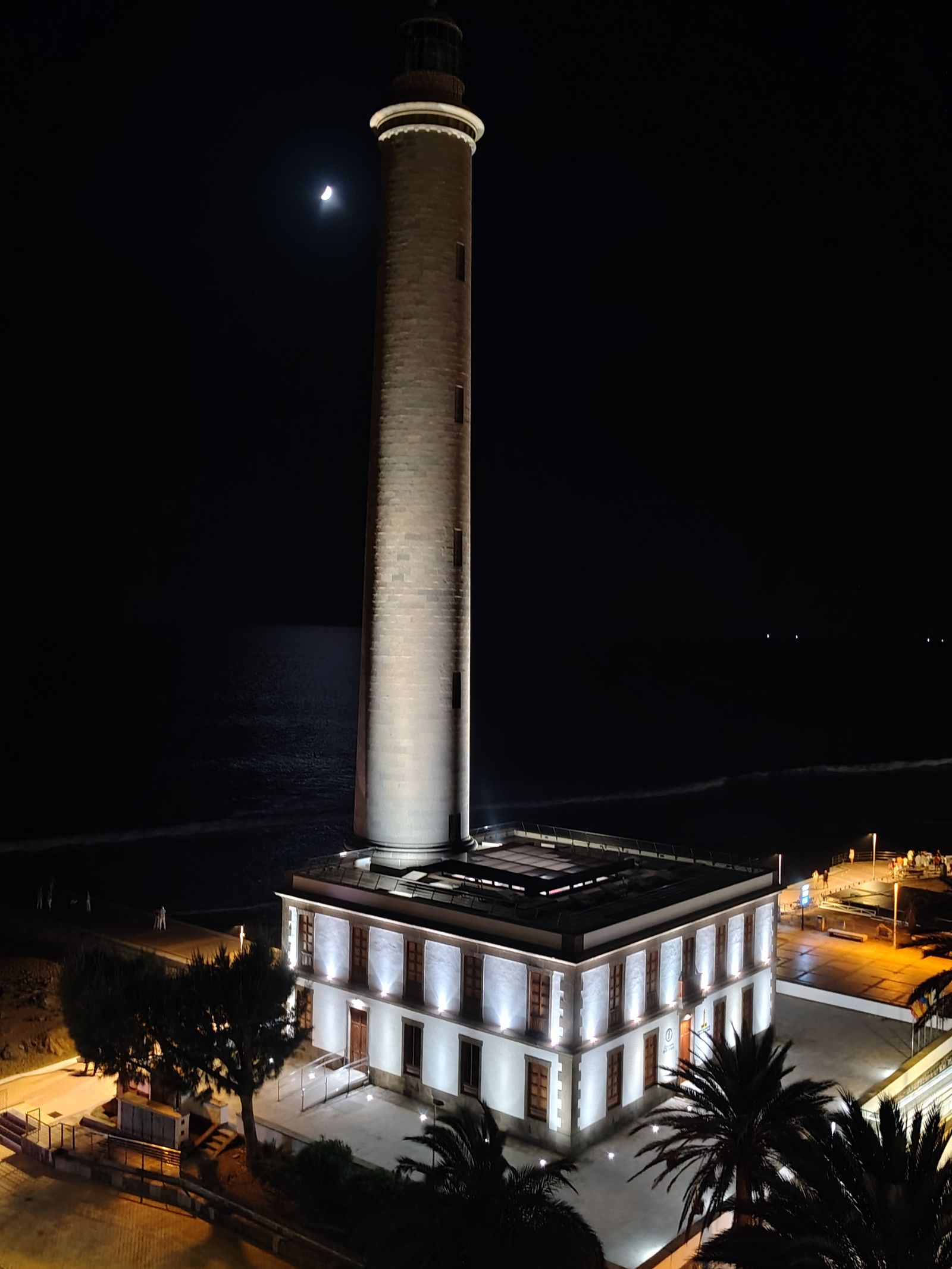
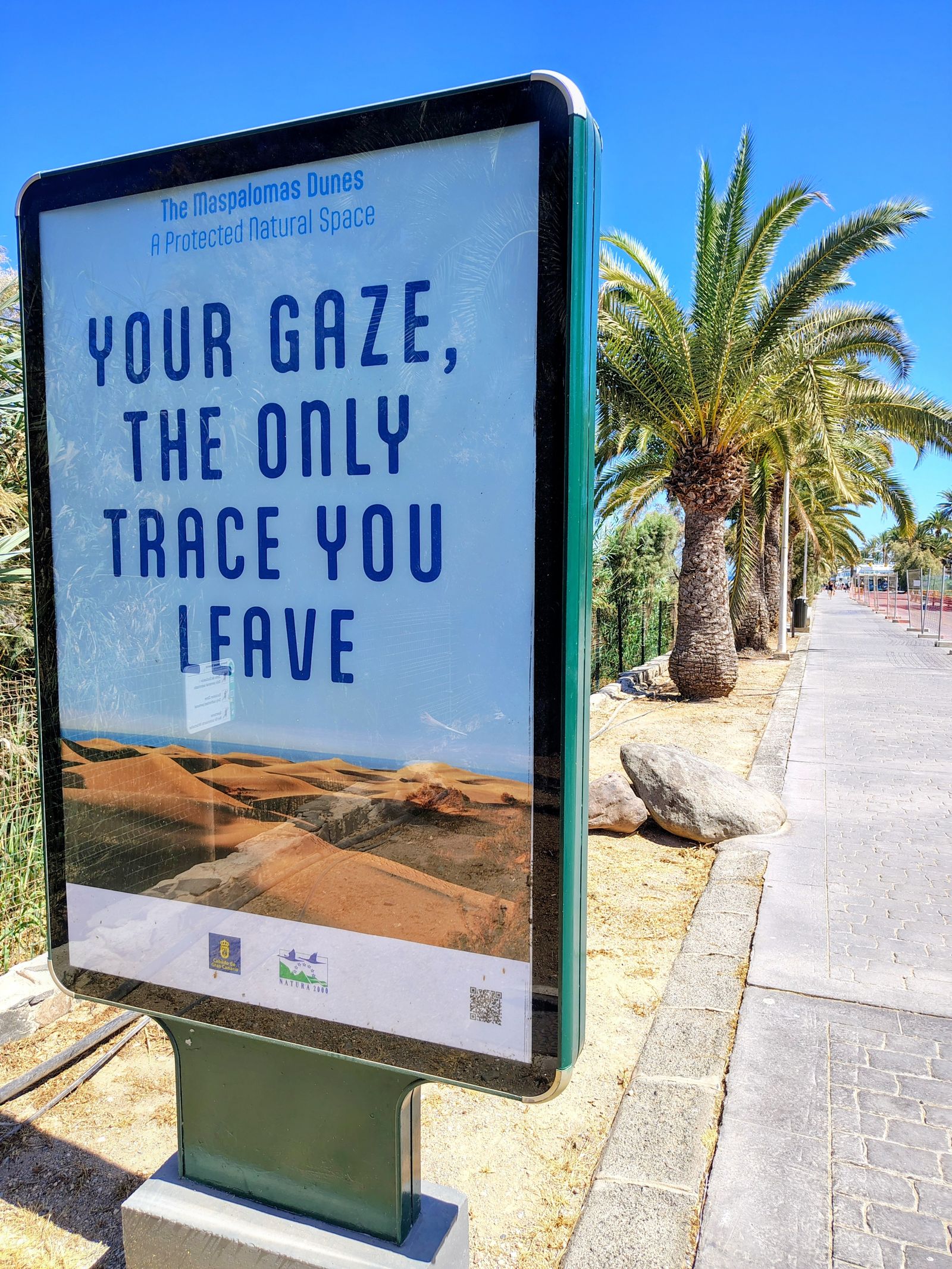
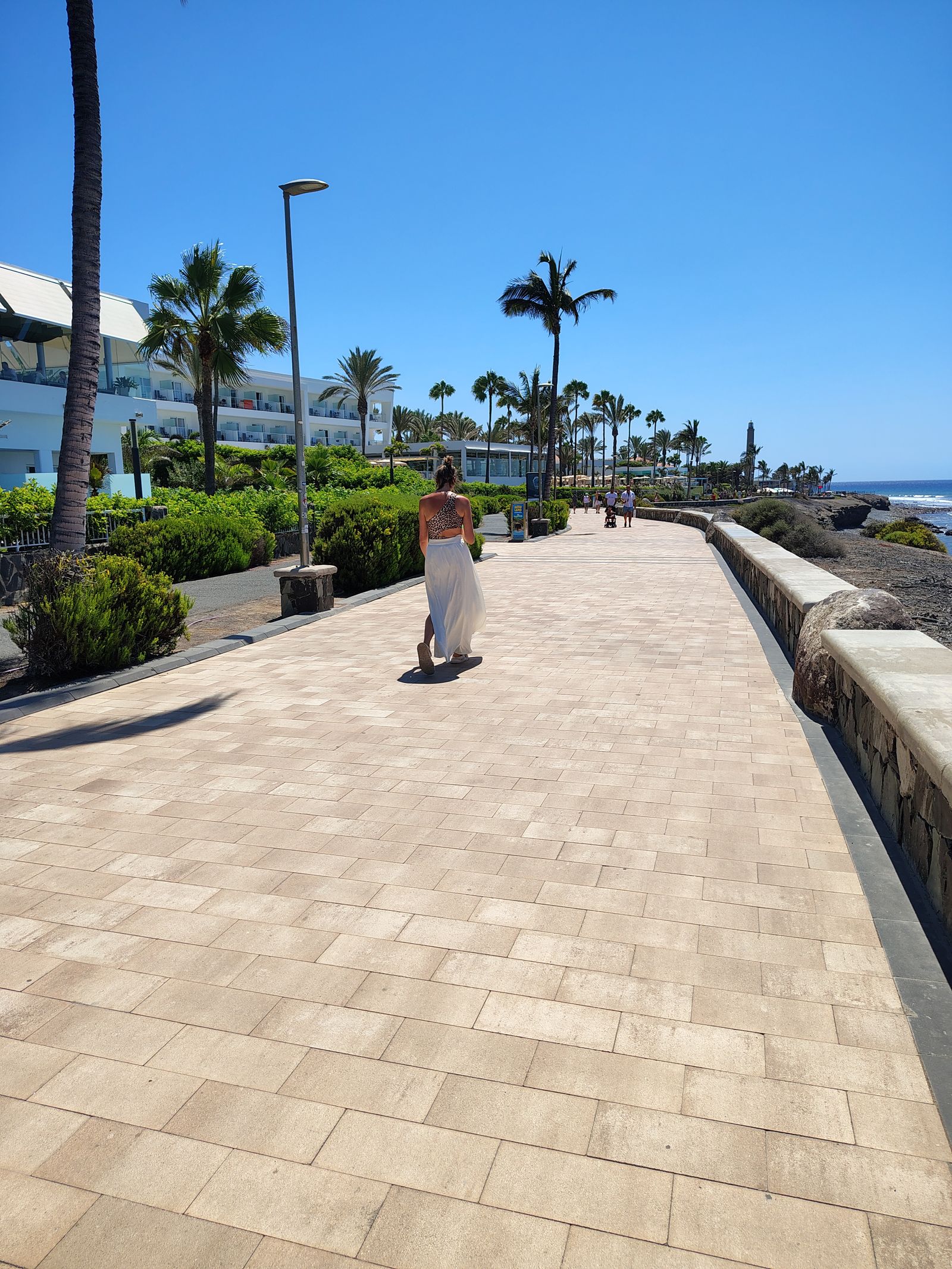
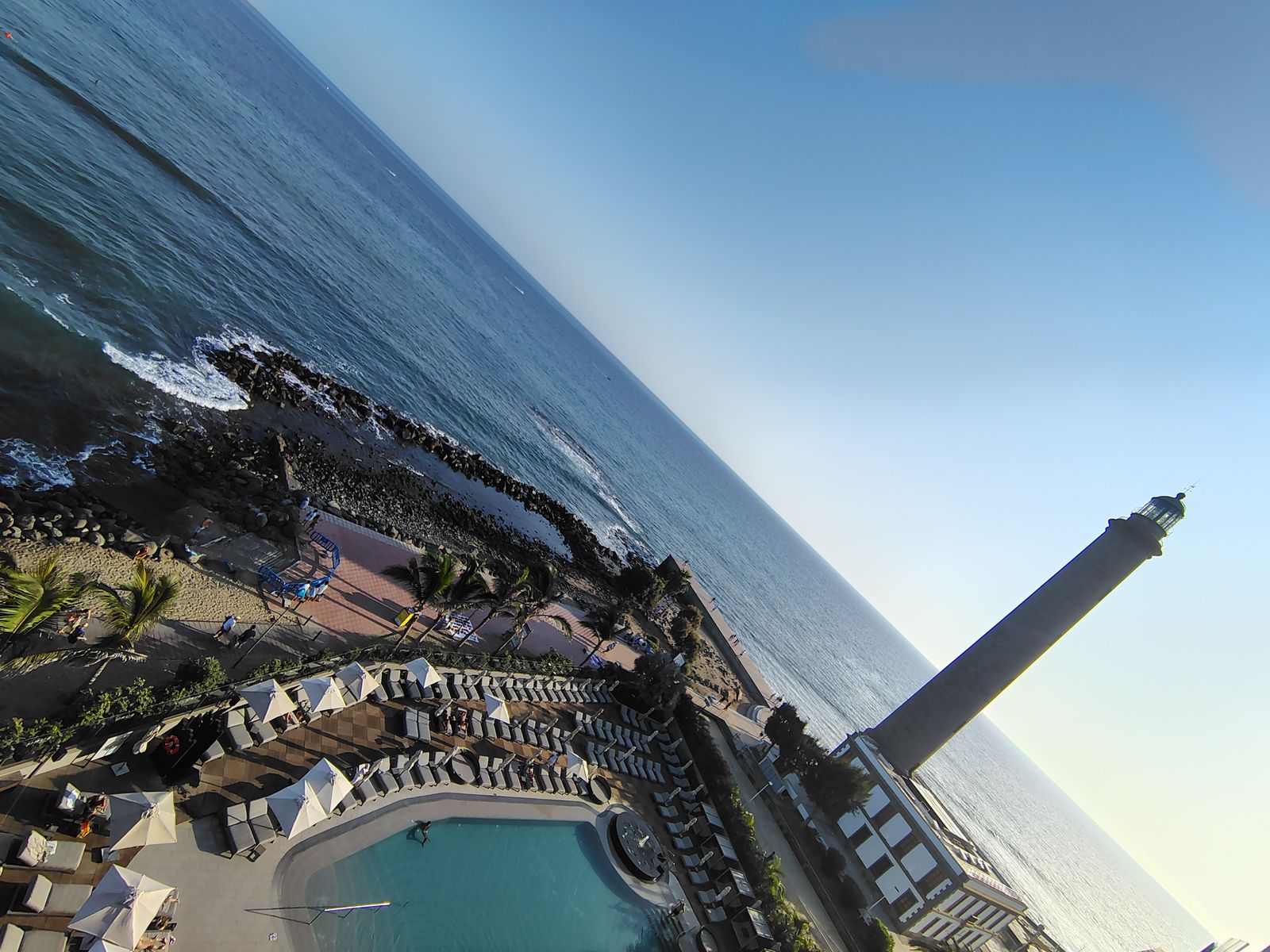
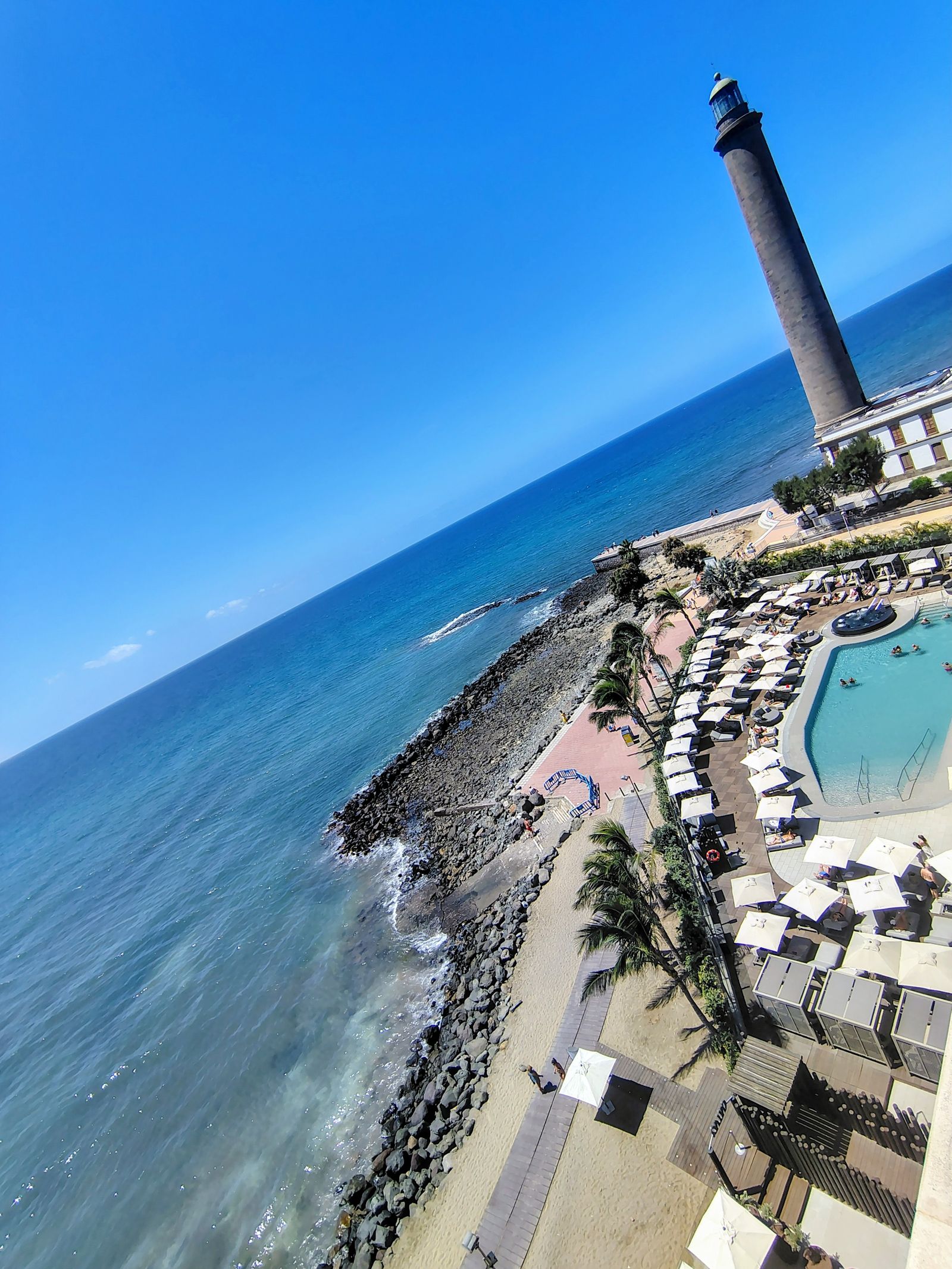
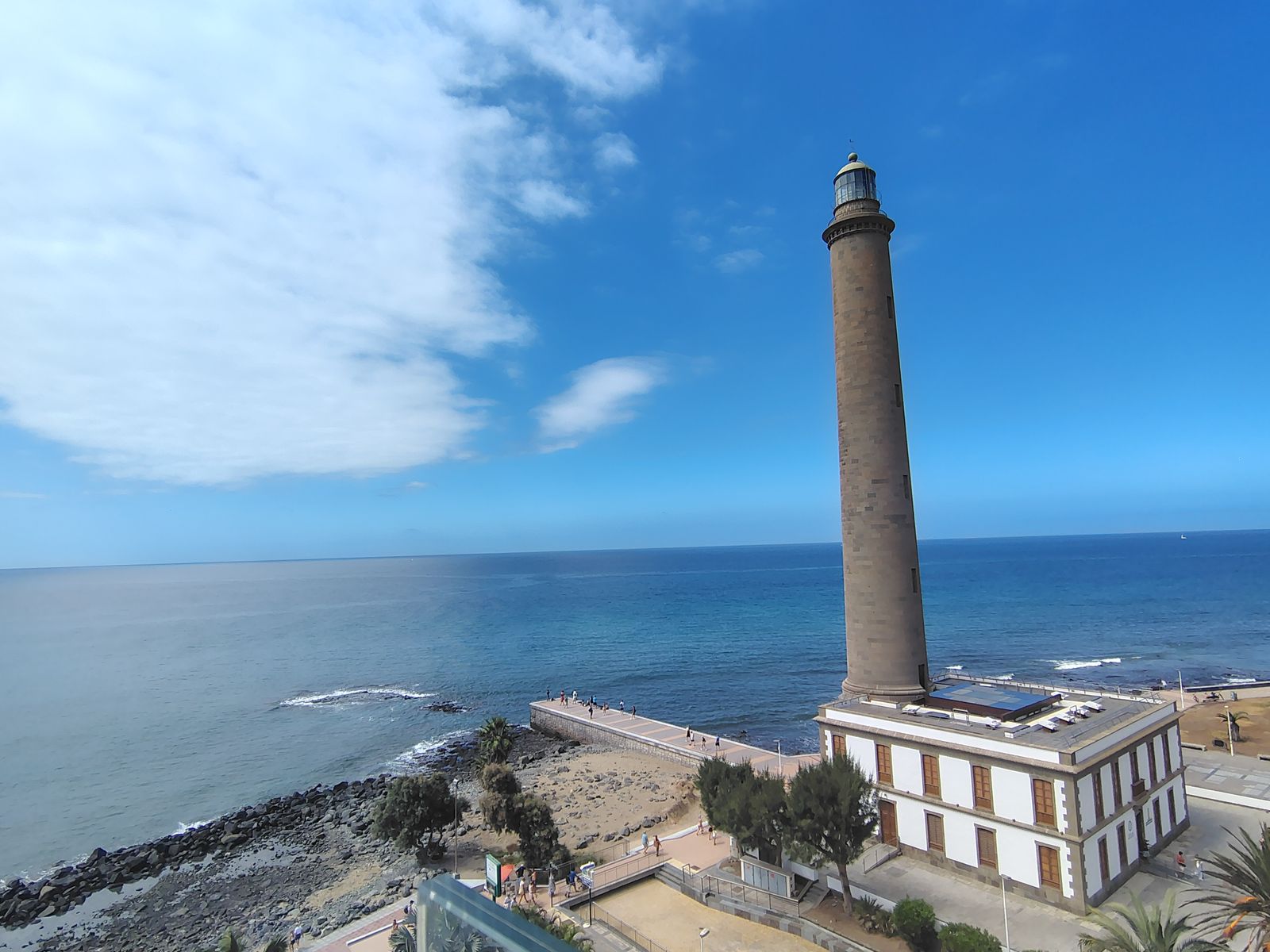
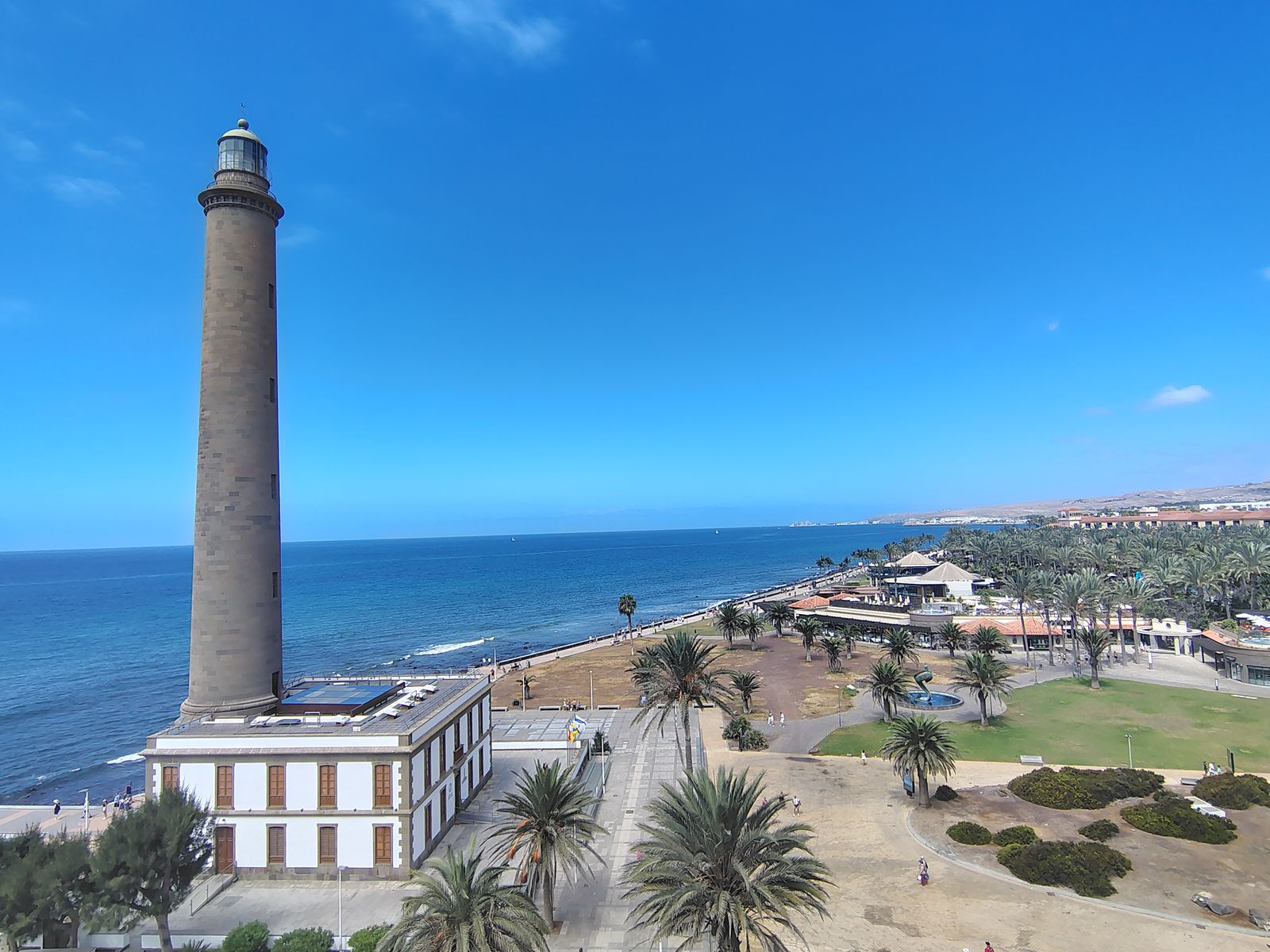
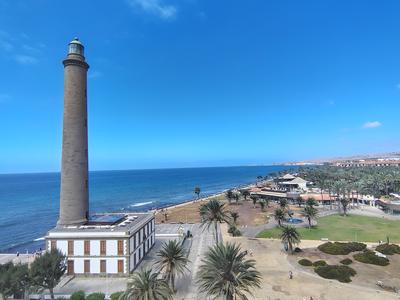
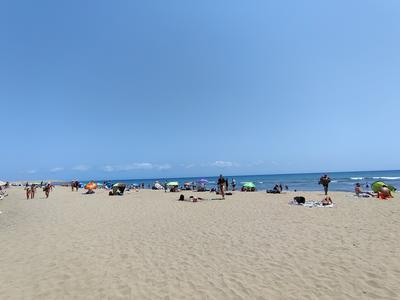
The Maspalomas dunes are 400 hectares of shifting sand between the resorts and the sea, with a saltwater lagoon at one end and an 1889 lighthouse at the other. This is a protected nature reserve rather than an extension of the beach — there are marked crossings, and the point of them is that the dune system is alive and moving.
Walk it early or late. The light does the work, and the middle of the day in summer is genuinely punishing.
Inland
Roque Nublo is an 80-metre volcanic monolith standing on the island's central plateau, sacred to the pre-Hispanic Canarii who lived here before the fifteenth-century conquest. It is a straightforward 1.5-kilometre walk from the car park at La Goleta, and on a clear day Mount Teide on Tenerife floats on the horizon behind it.
Caldera de Bandama, a volcanic crater 200 metres deep and a kilometre across, has a path down to the floor where a farm still operates.
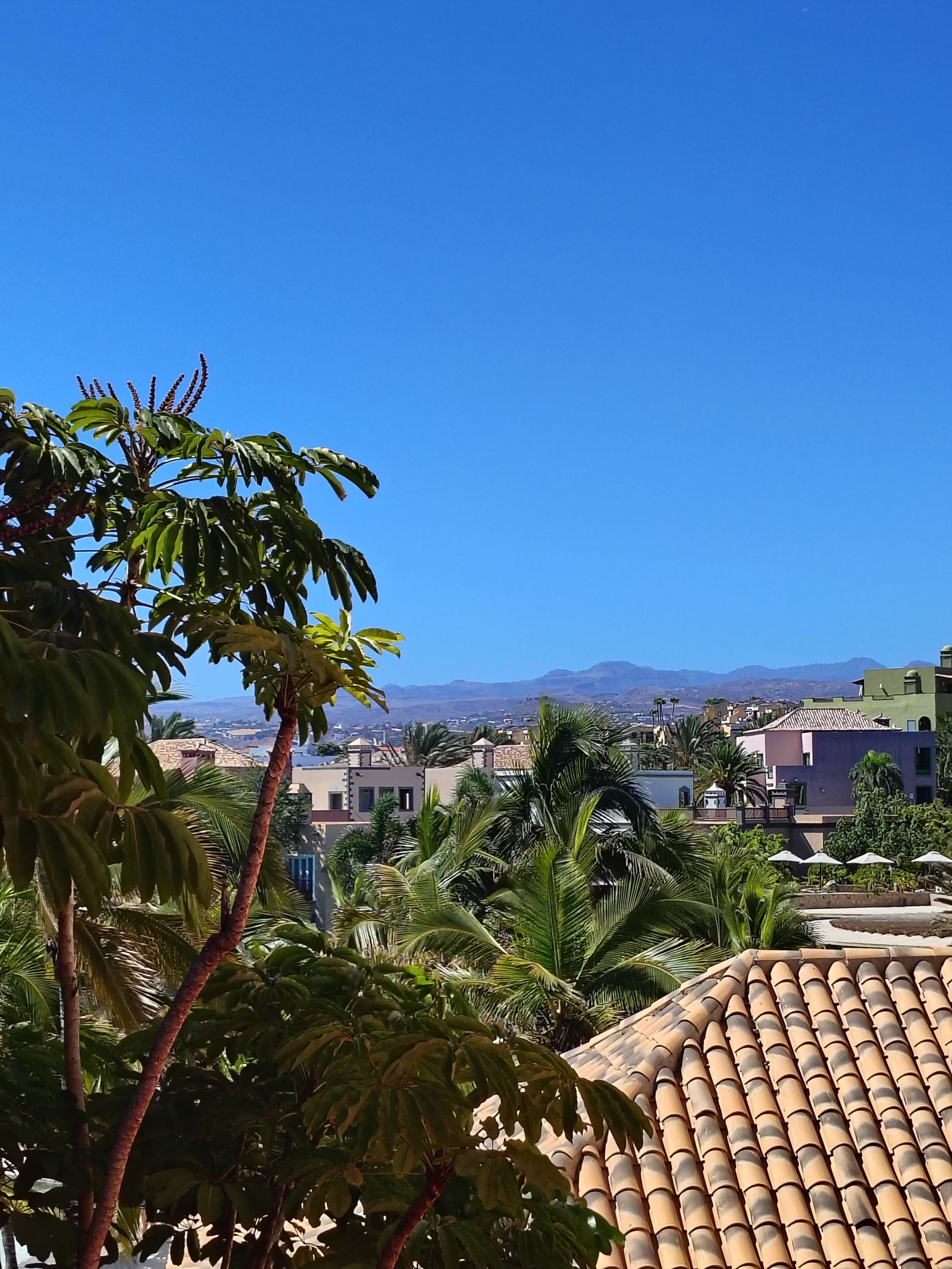
Teror is the prettiest of the inland towns, with wooden Canarian balconies along the main street and a Sunday market. Arucas has a basilica in black volcanic stone and a rum distillery that has been running since 1884.
Where to sleep
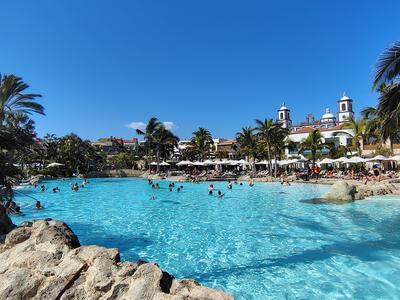
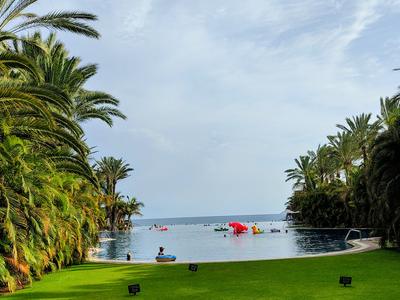
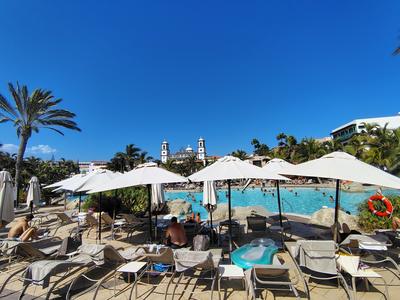
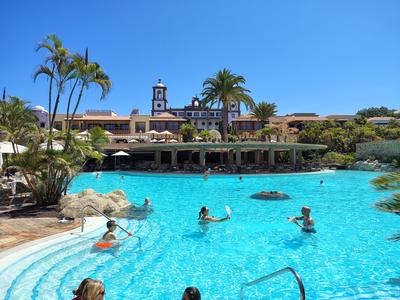
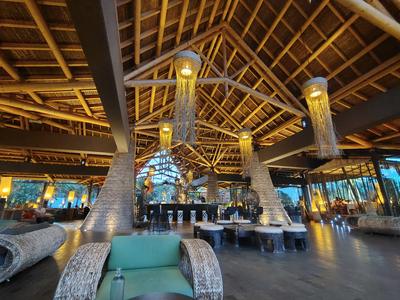
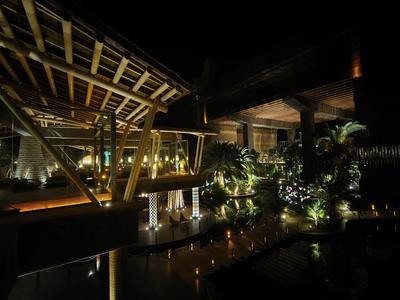
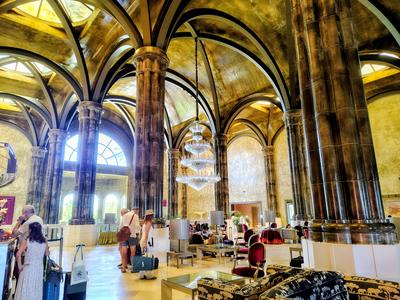
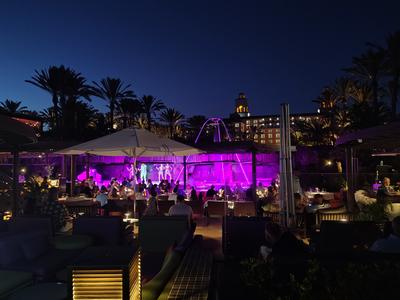
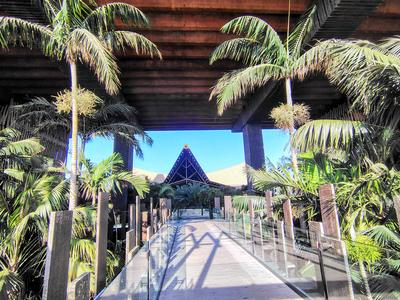
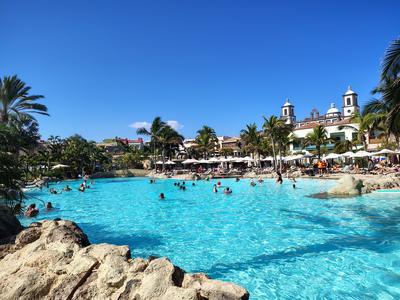
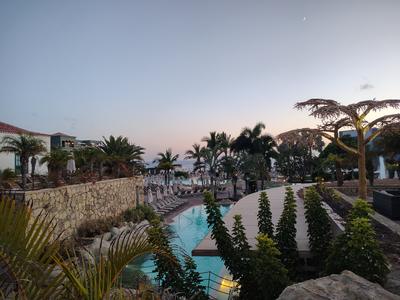
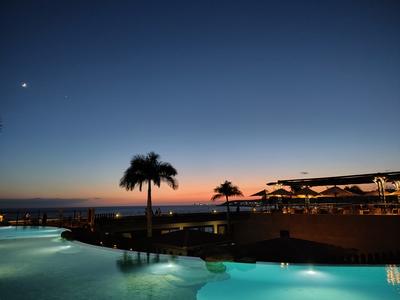
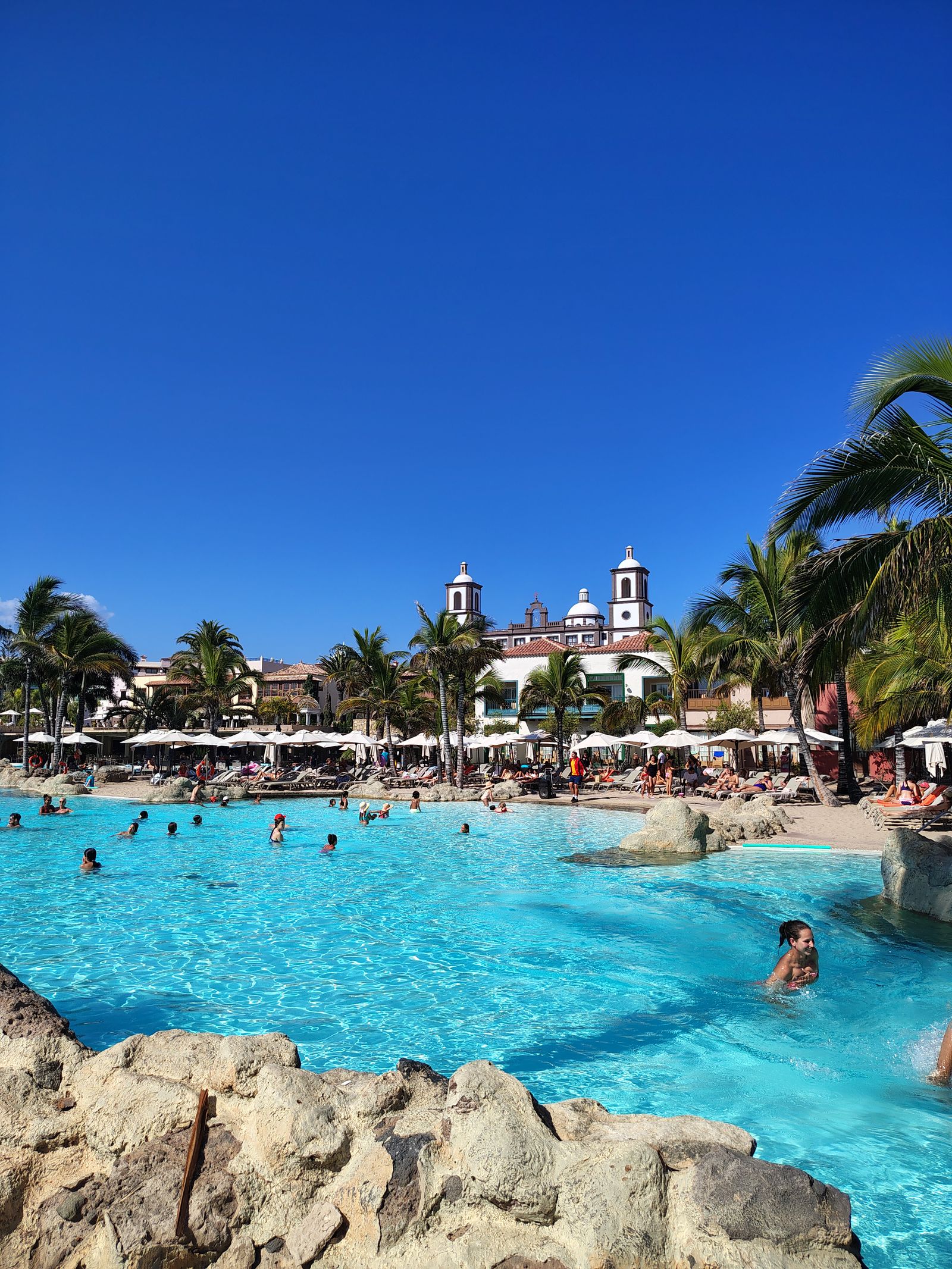
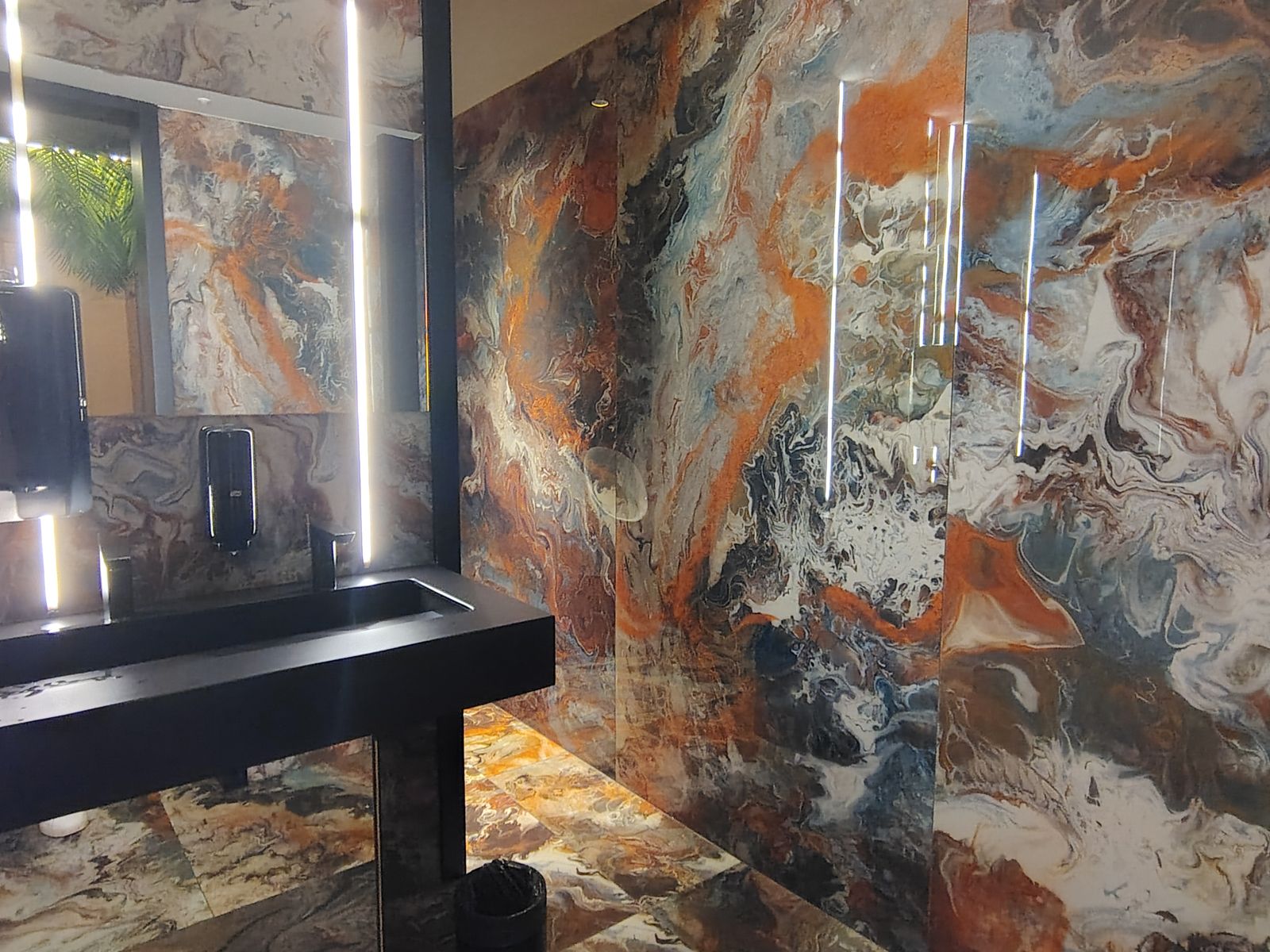
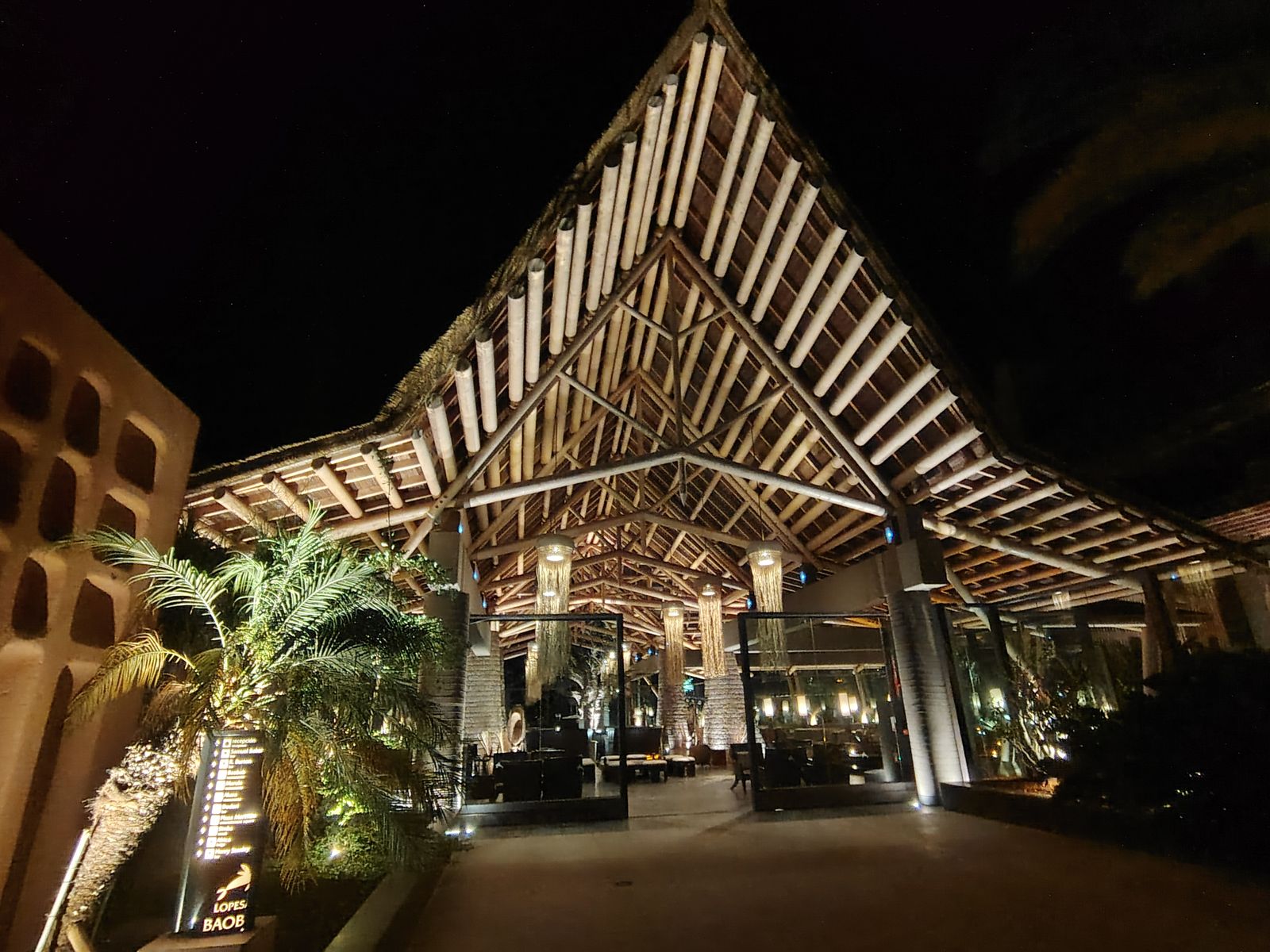
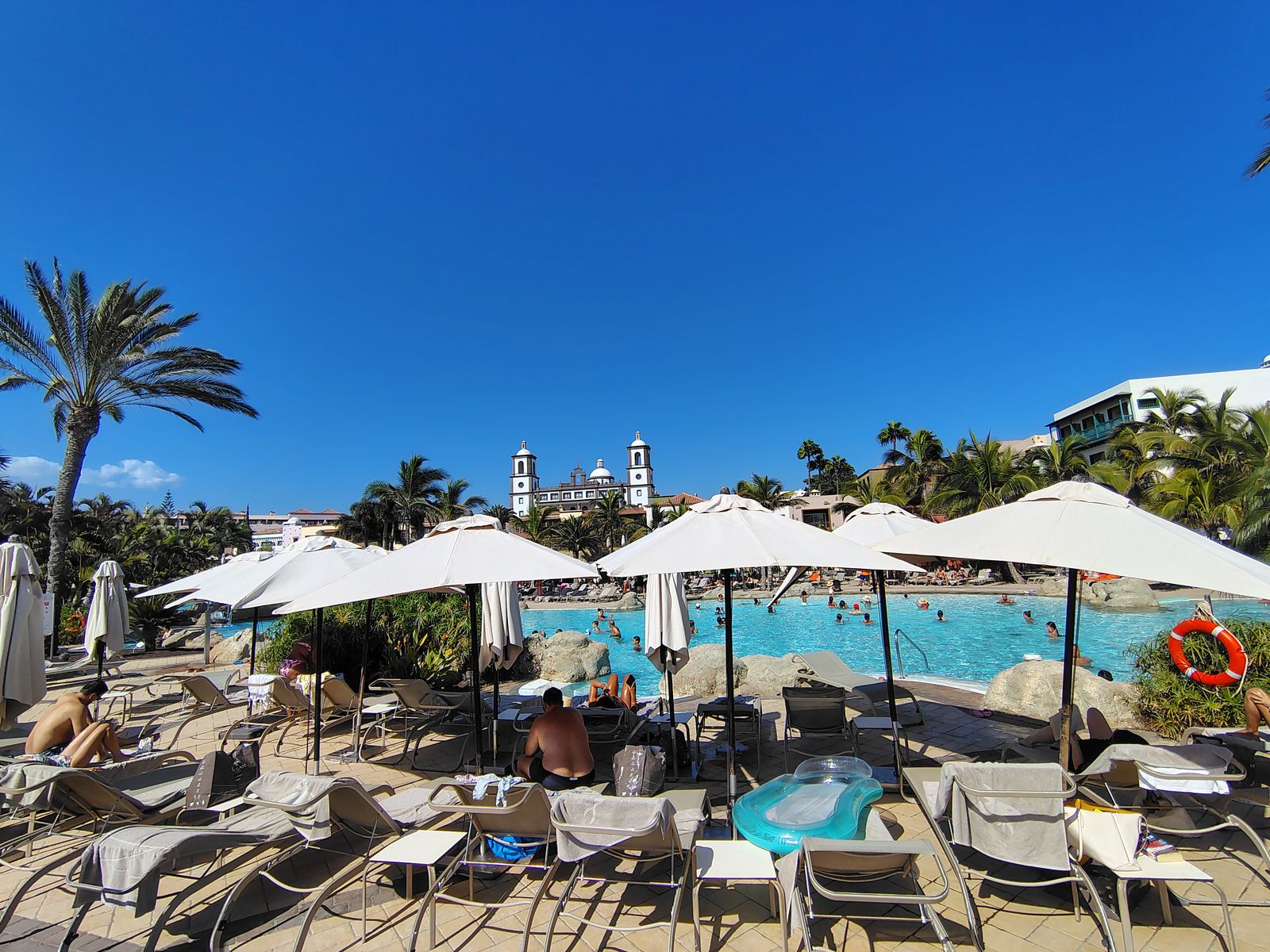
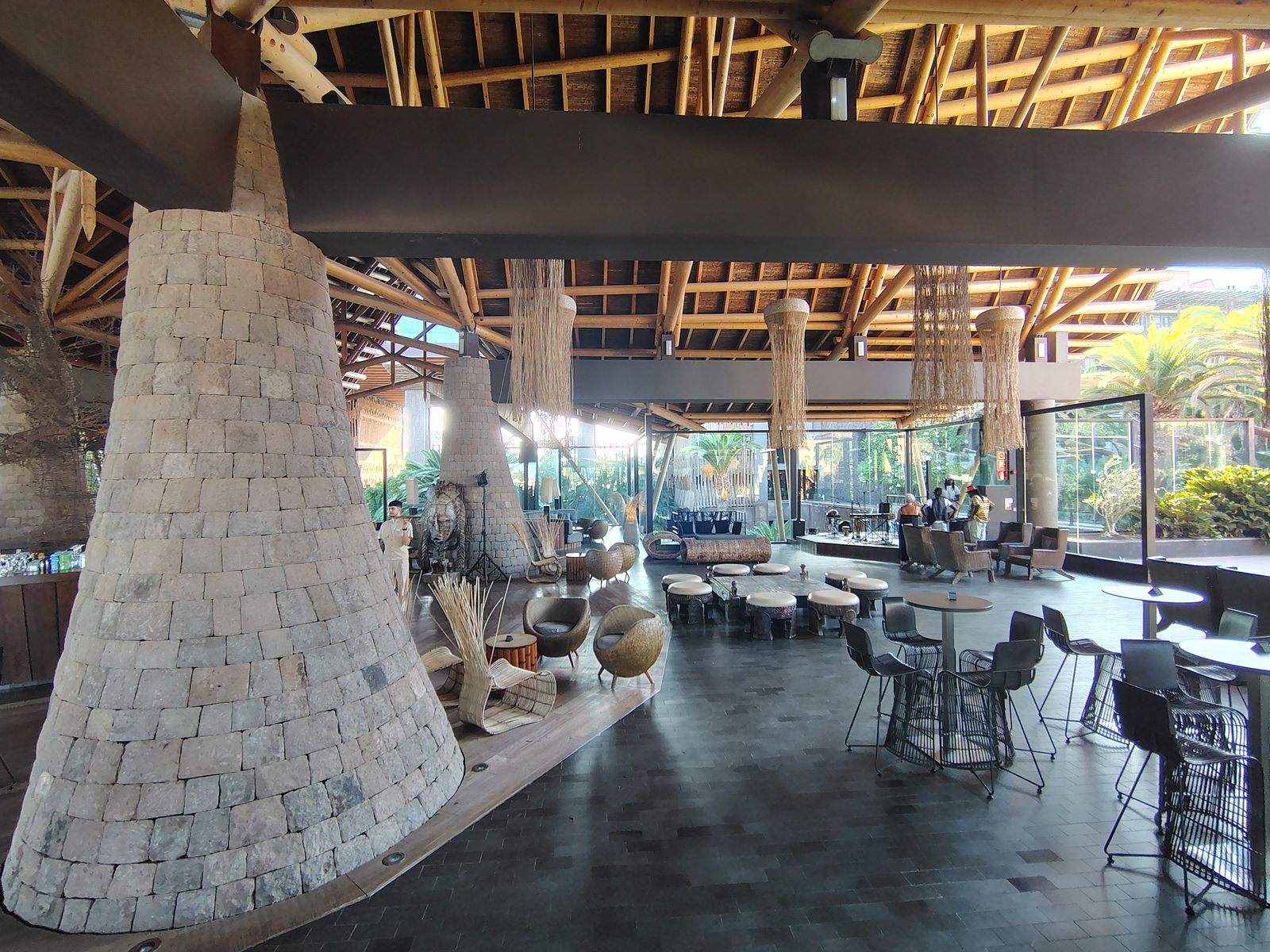
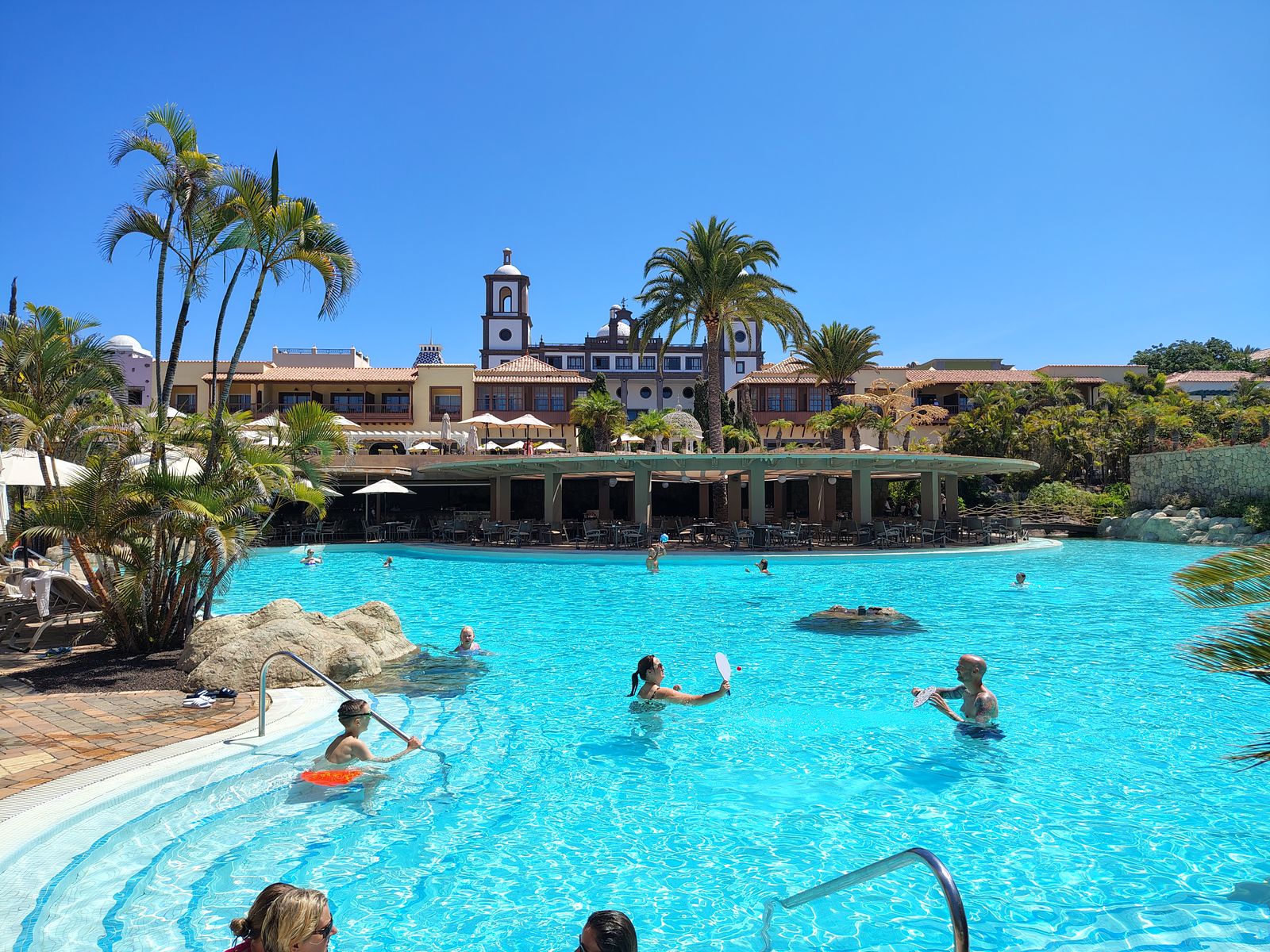
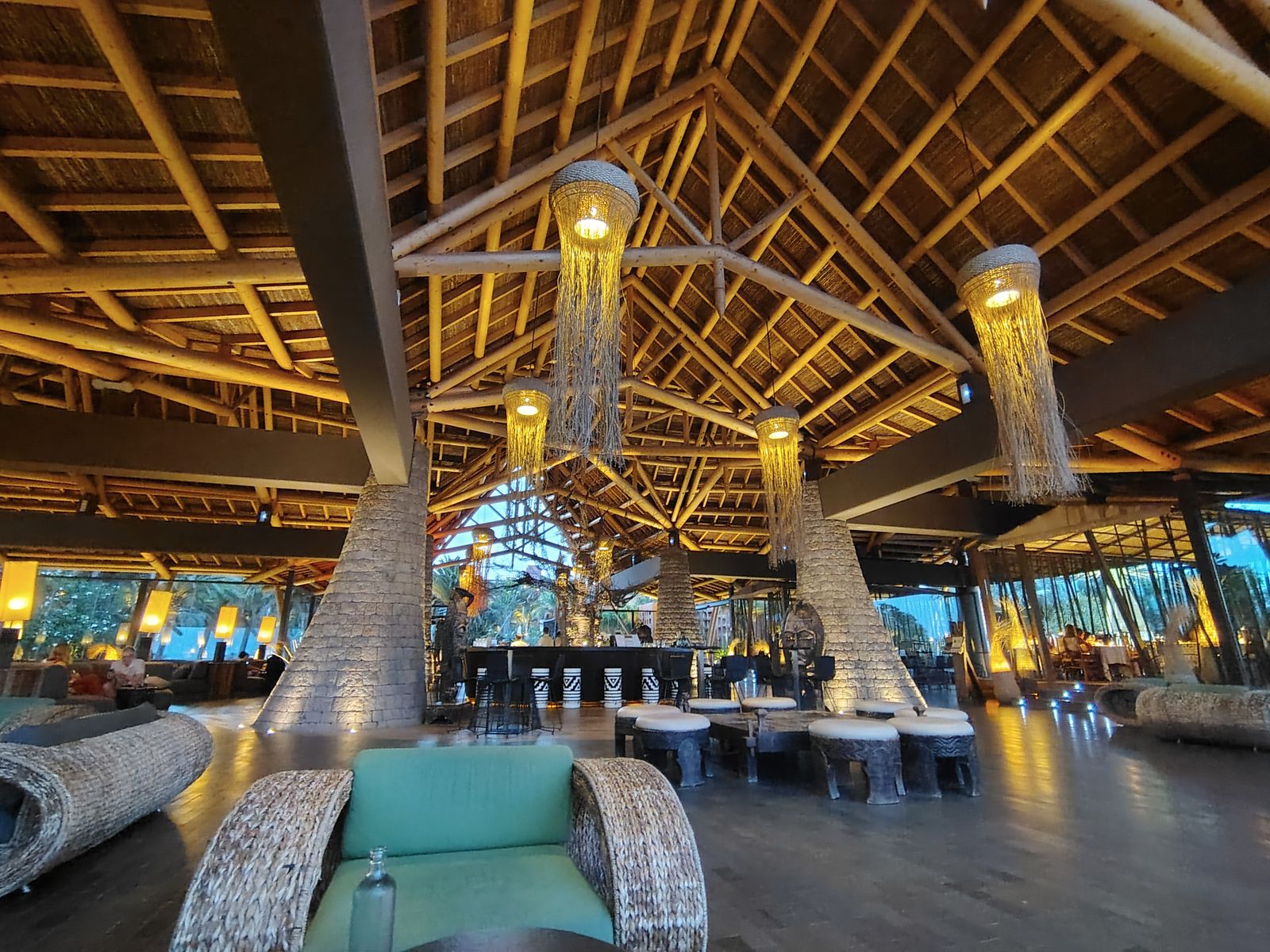
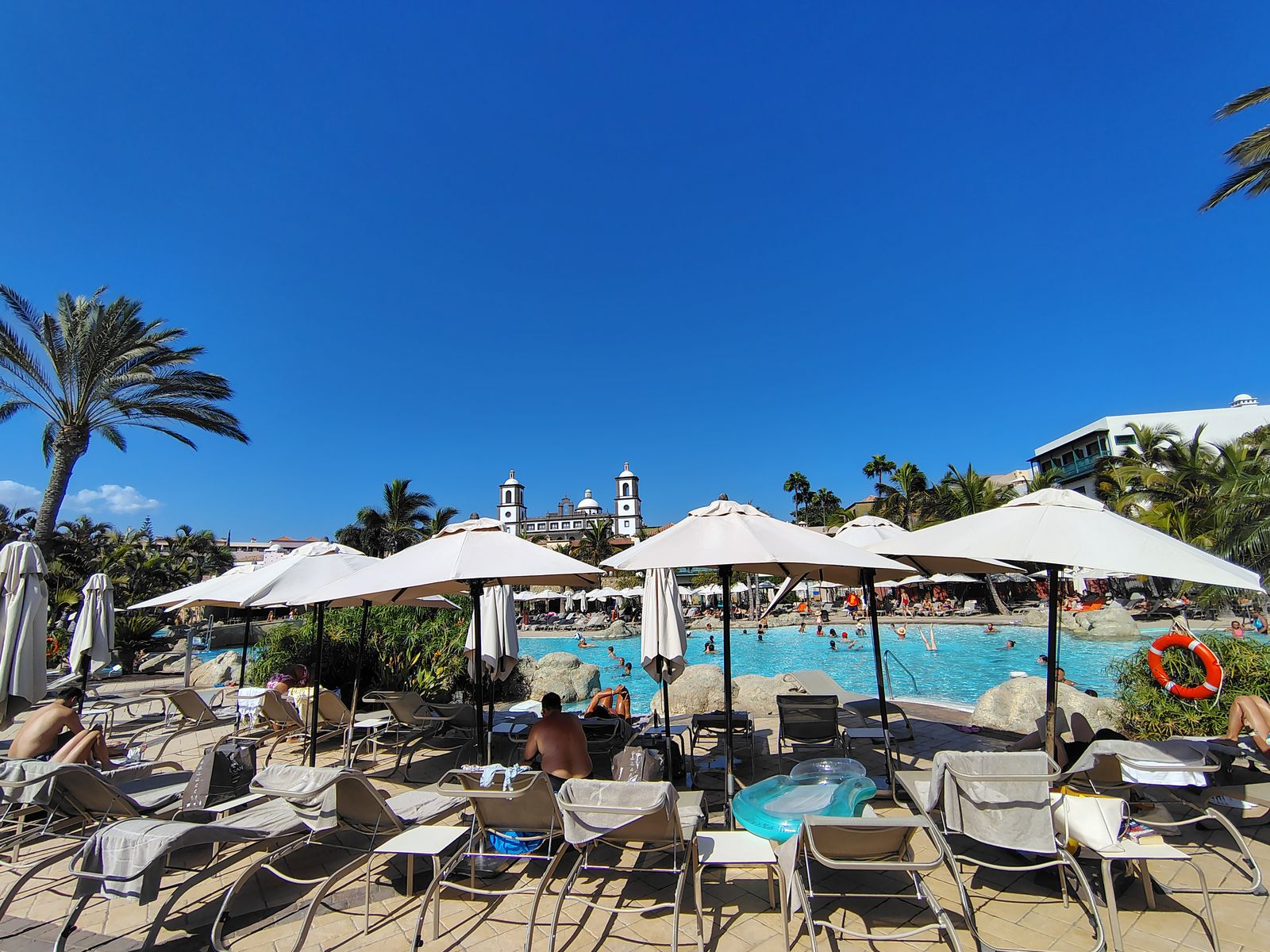
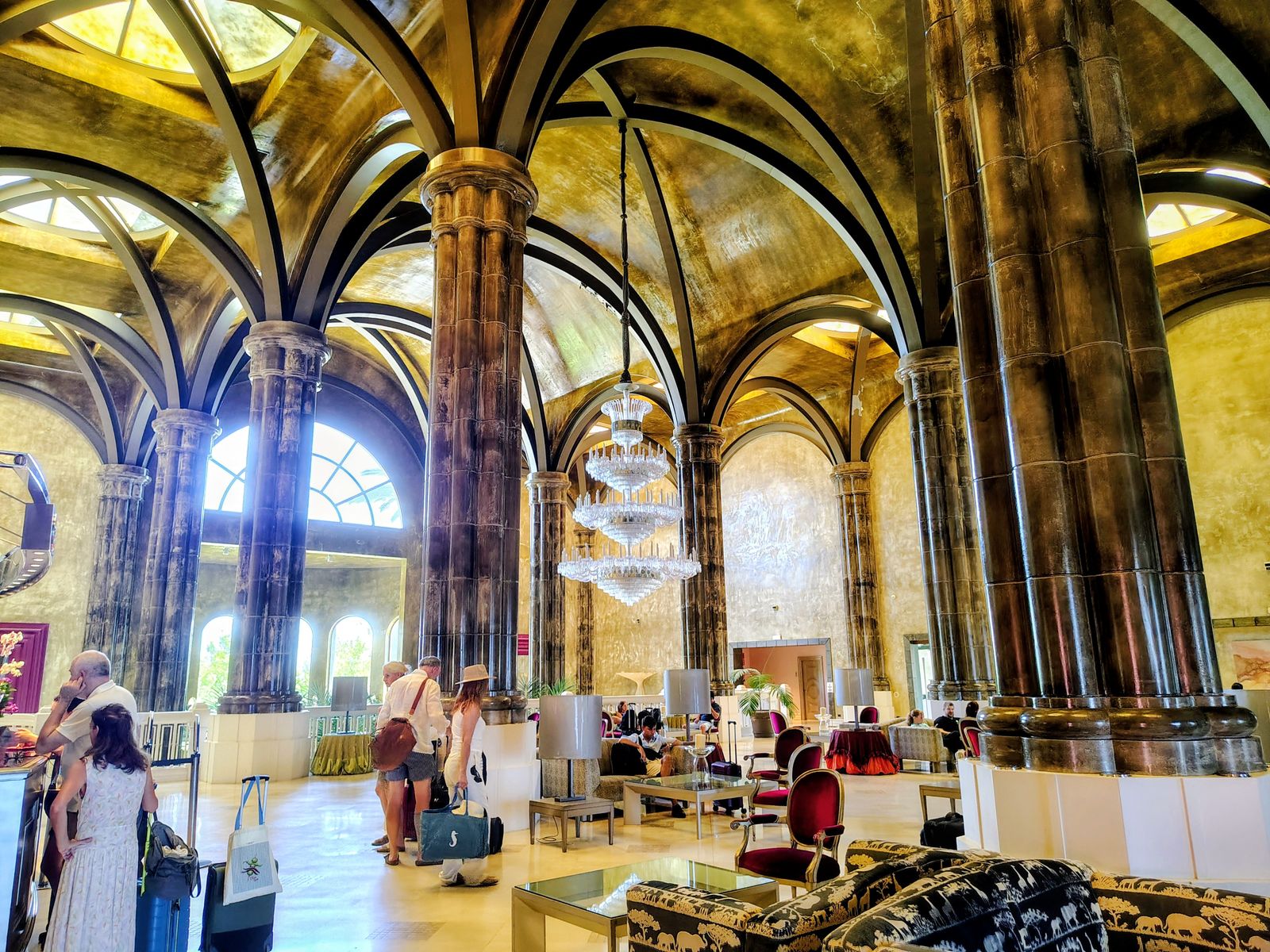
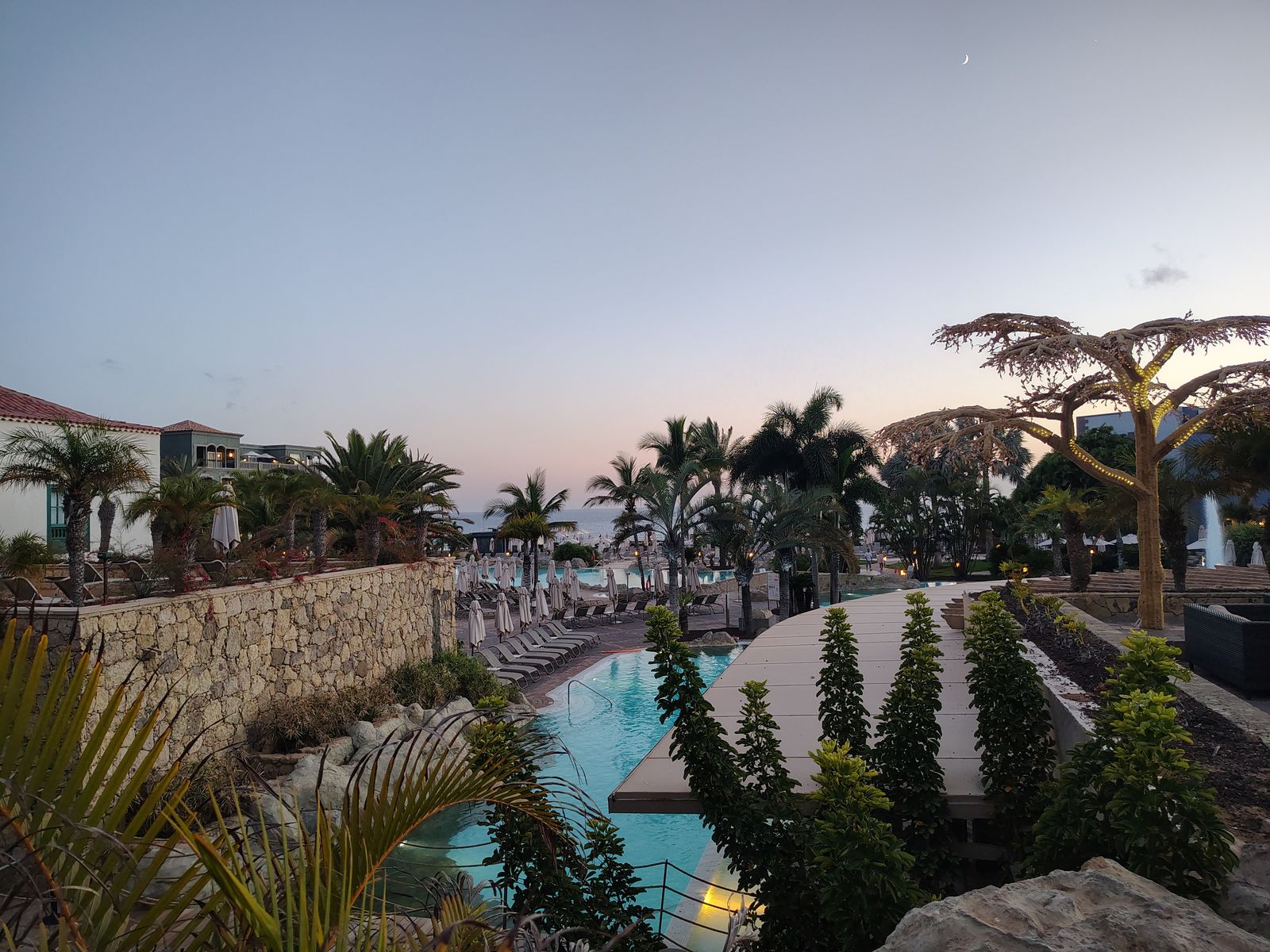
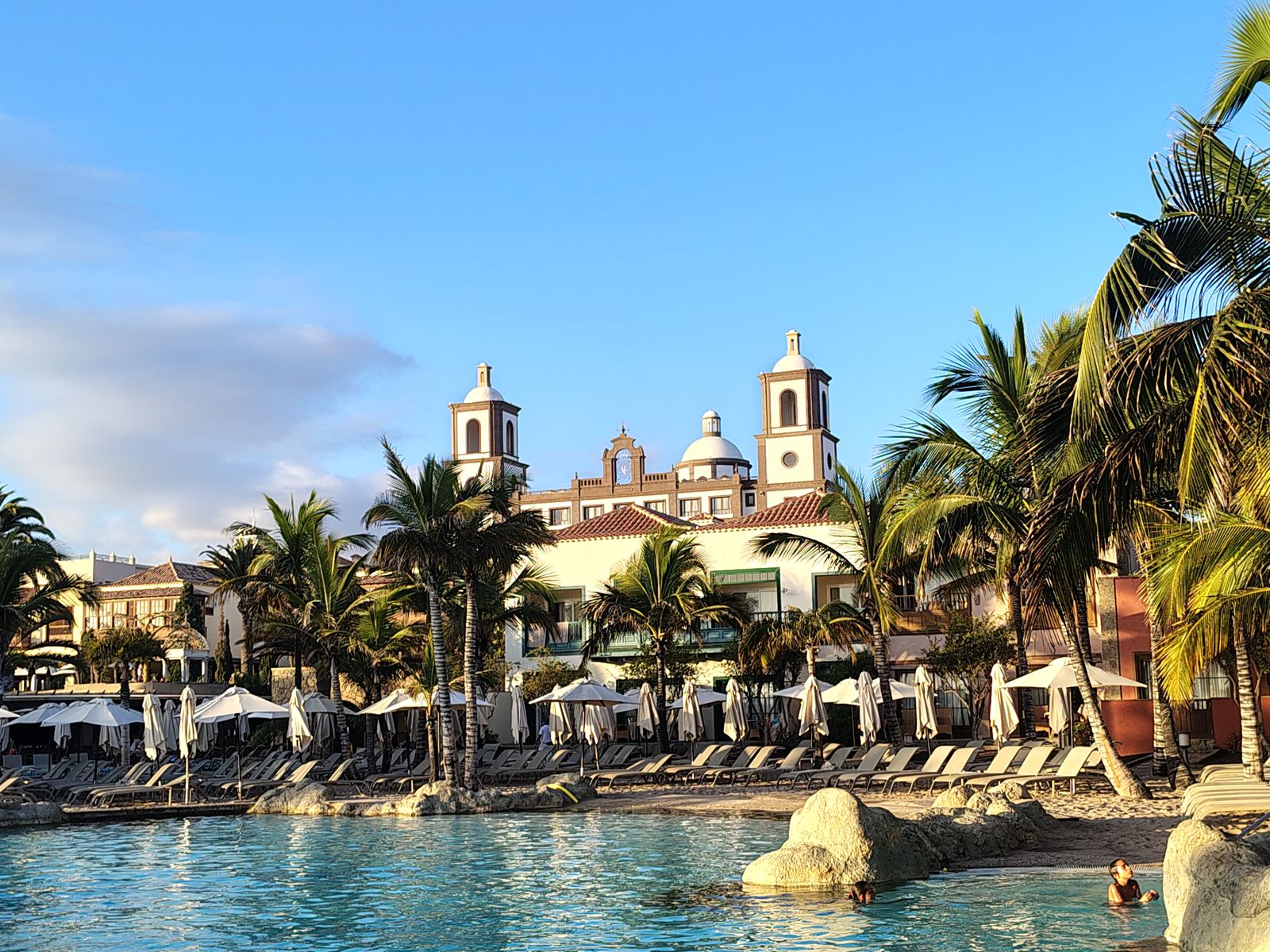
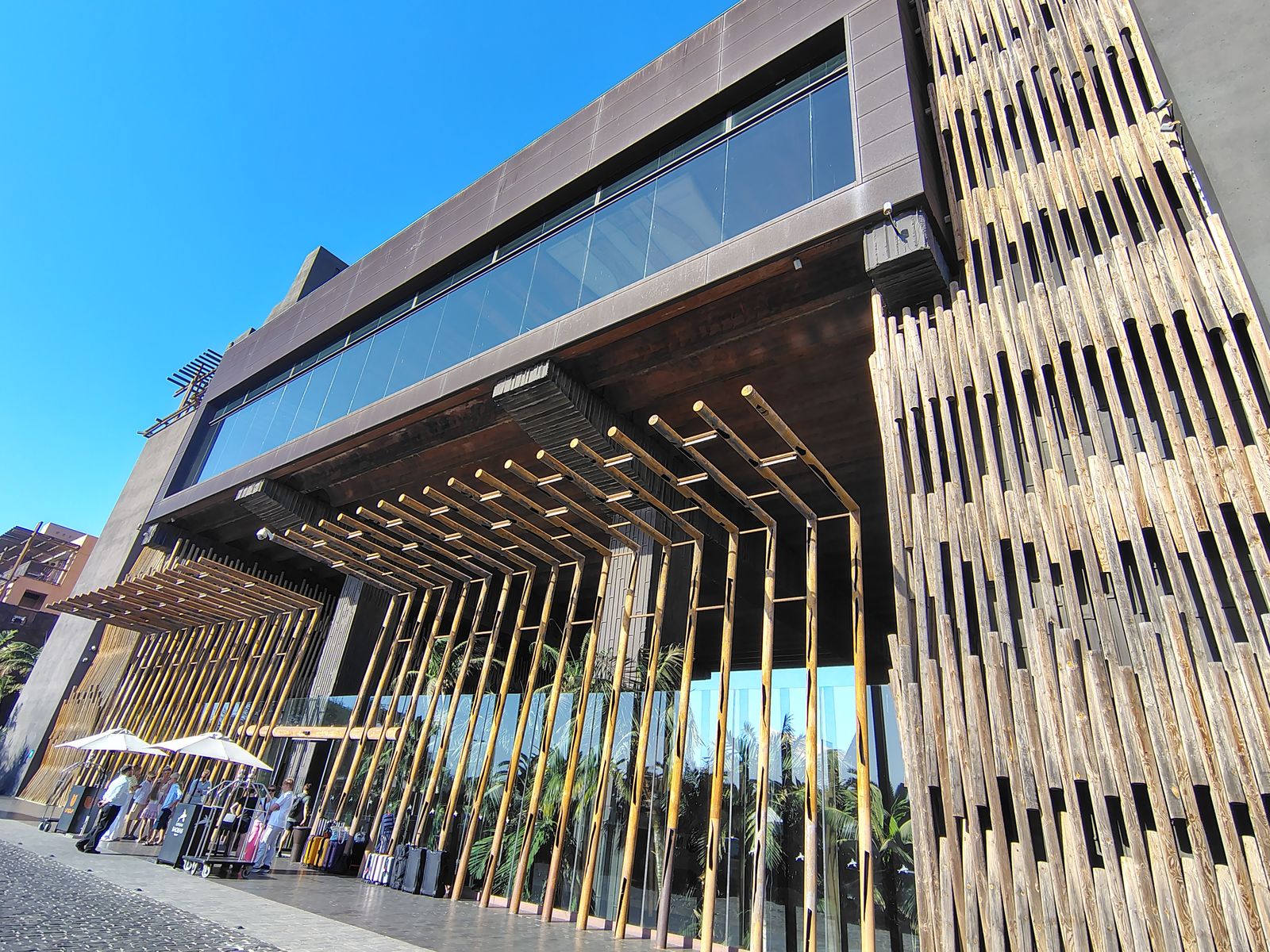
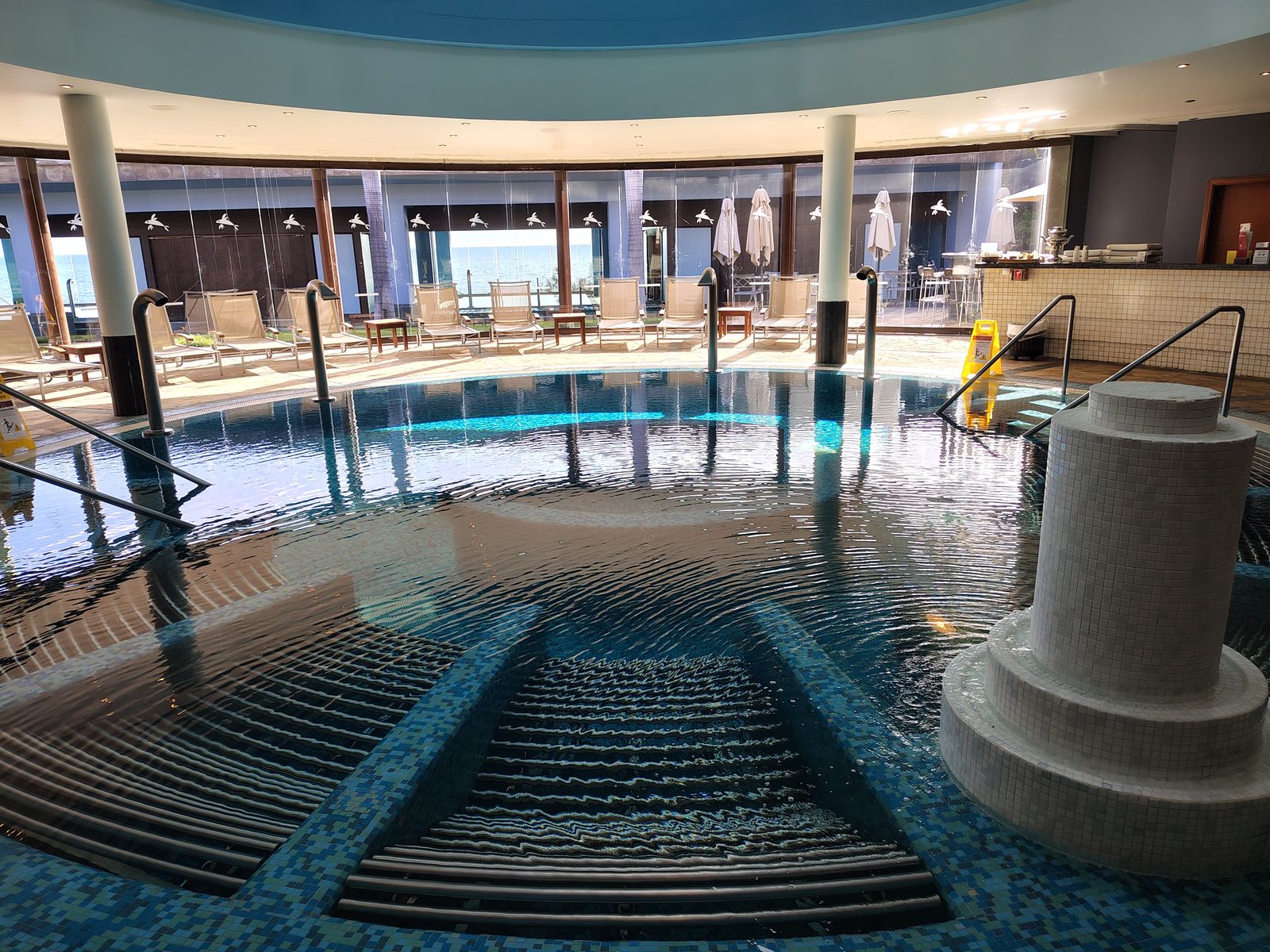
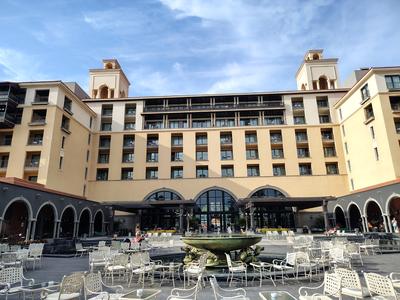
The south coast resorts are the destination here rather than the base, so the amenity list matters more than it does anywhere else on this site: how many pools, how many restaurants, whether the spa is a real thalasso circuit or a treatment room with ambitions.
One hotel on the list runs a rewards club. The big resort group instead runs a permanent site-wide discount of 20–30%, which is already reflected in the prices we show — and which is displayed in a way that is easy to misread, so it is worth reading our Gran Canaria journal entry before you book.
Where to eat, once you are there
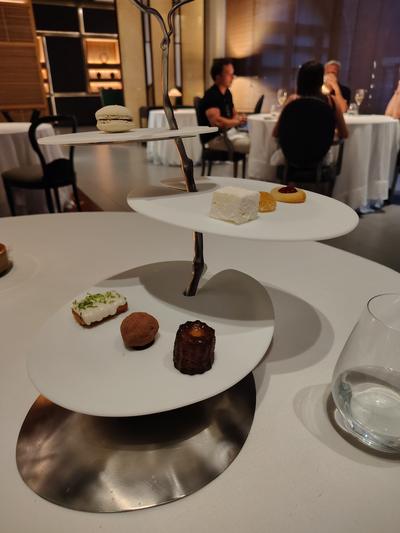
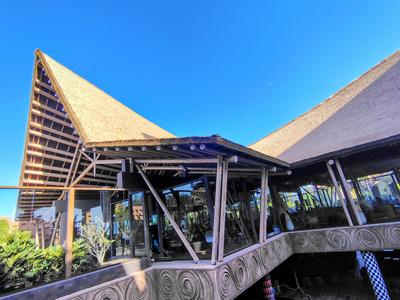
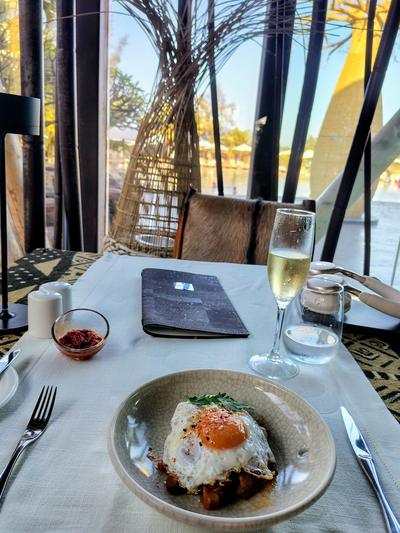
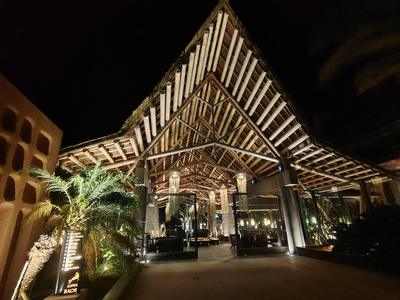
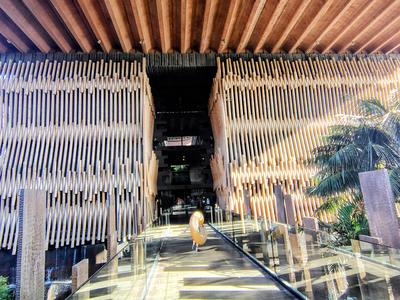
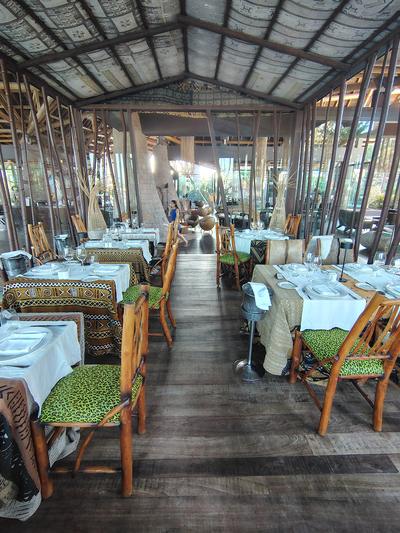
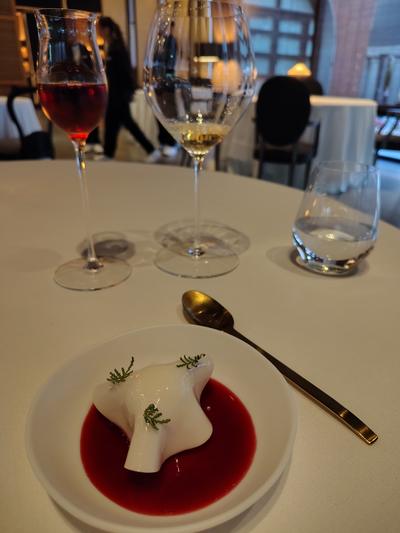
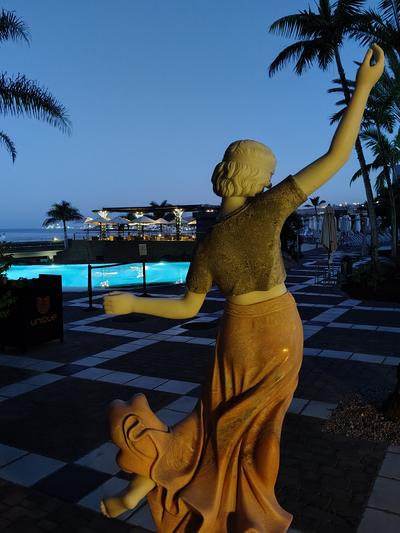
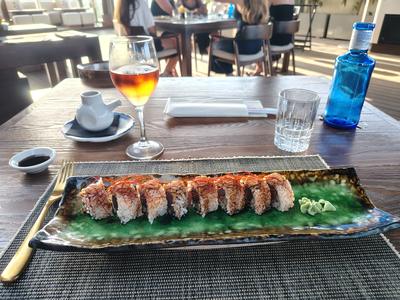
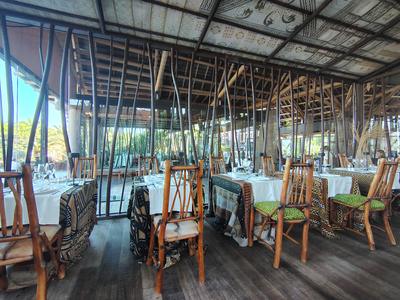
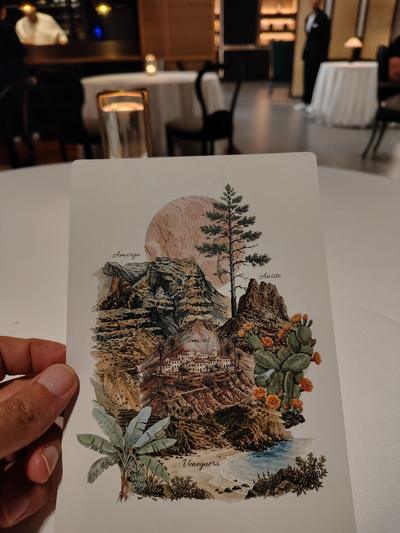
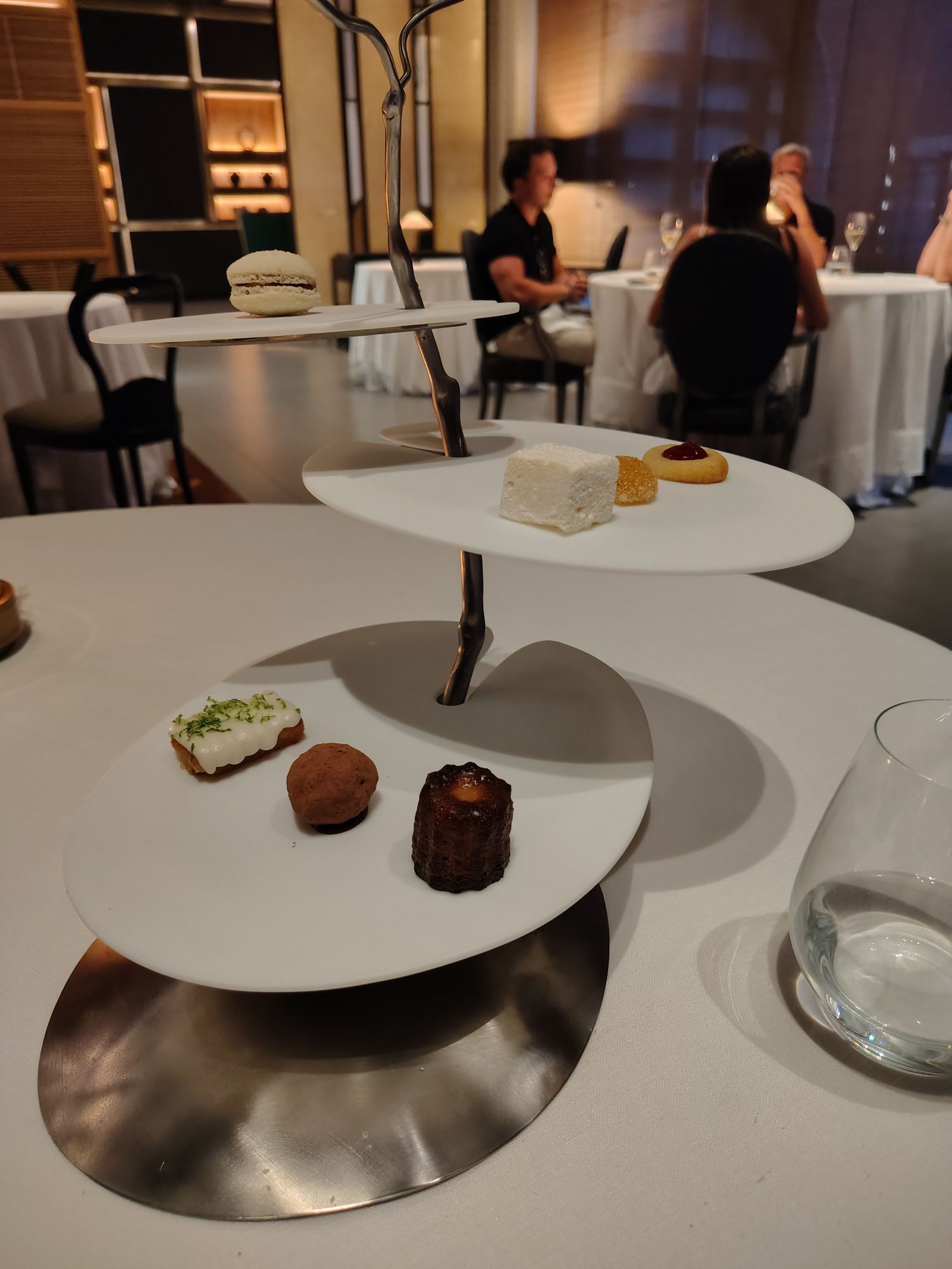
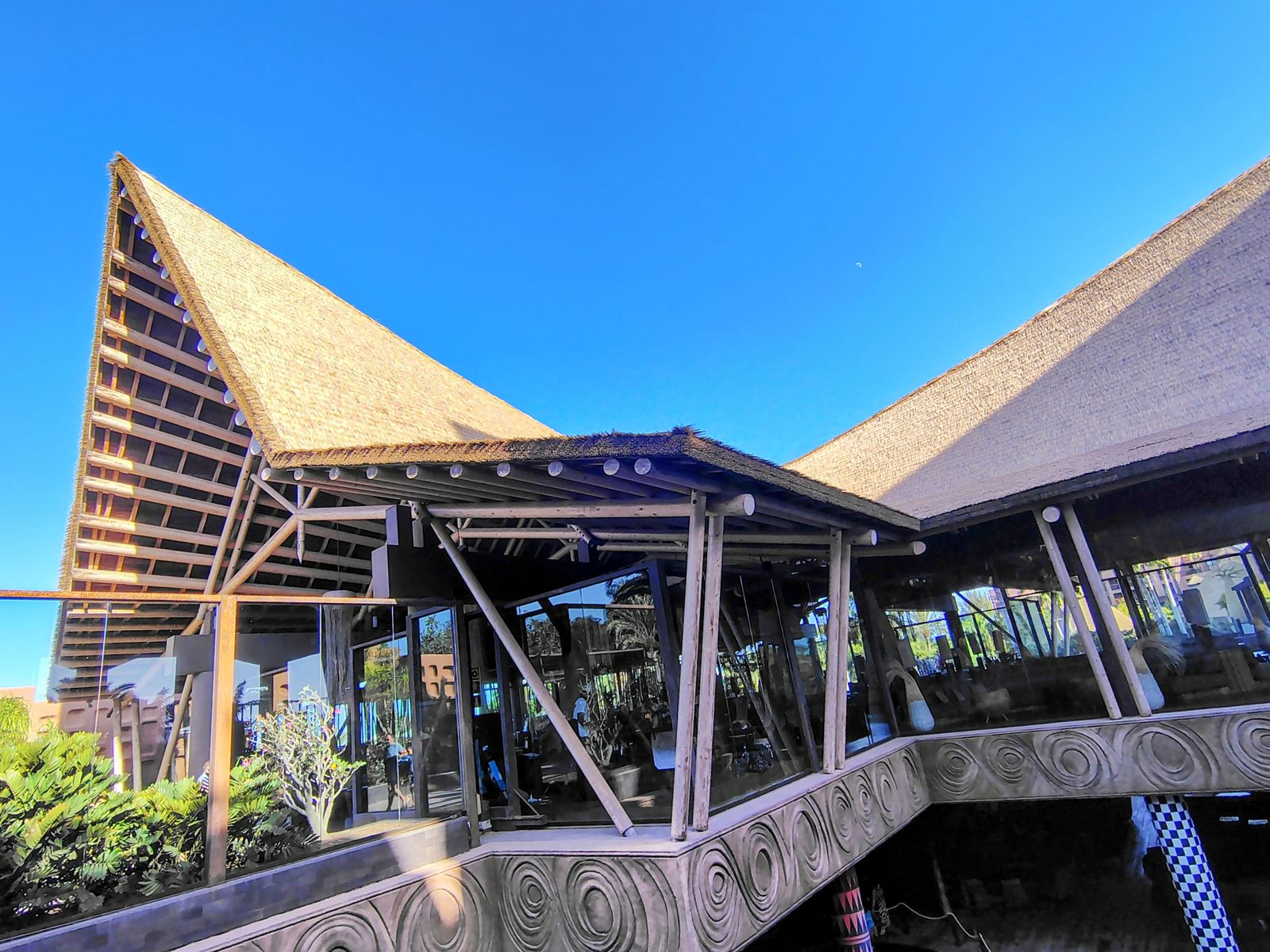
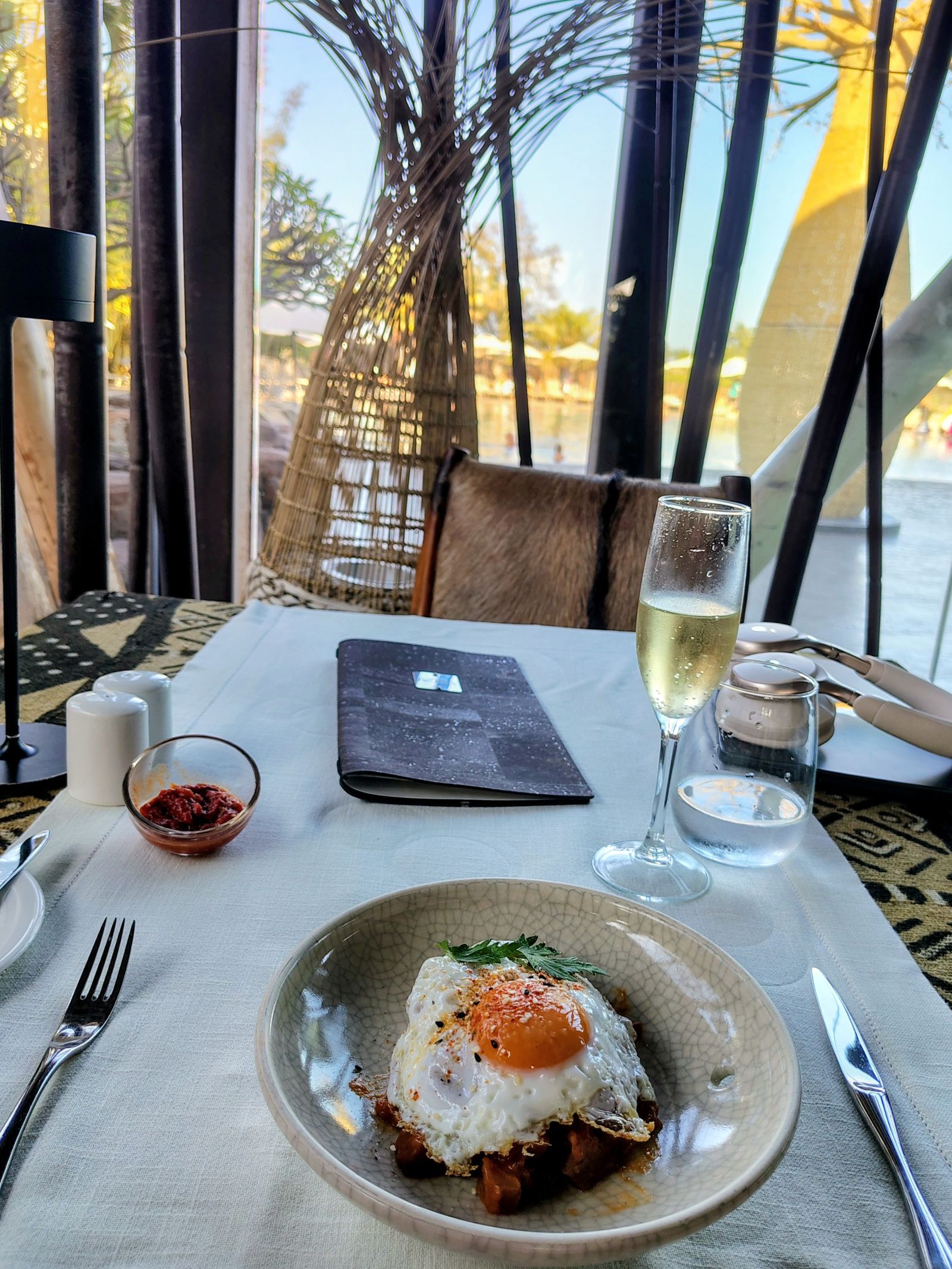
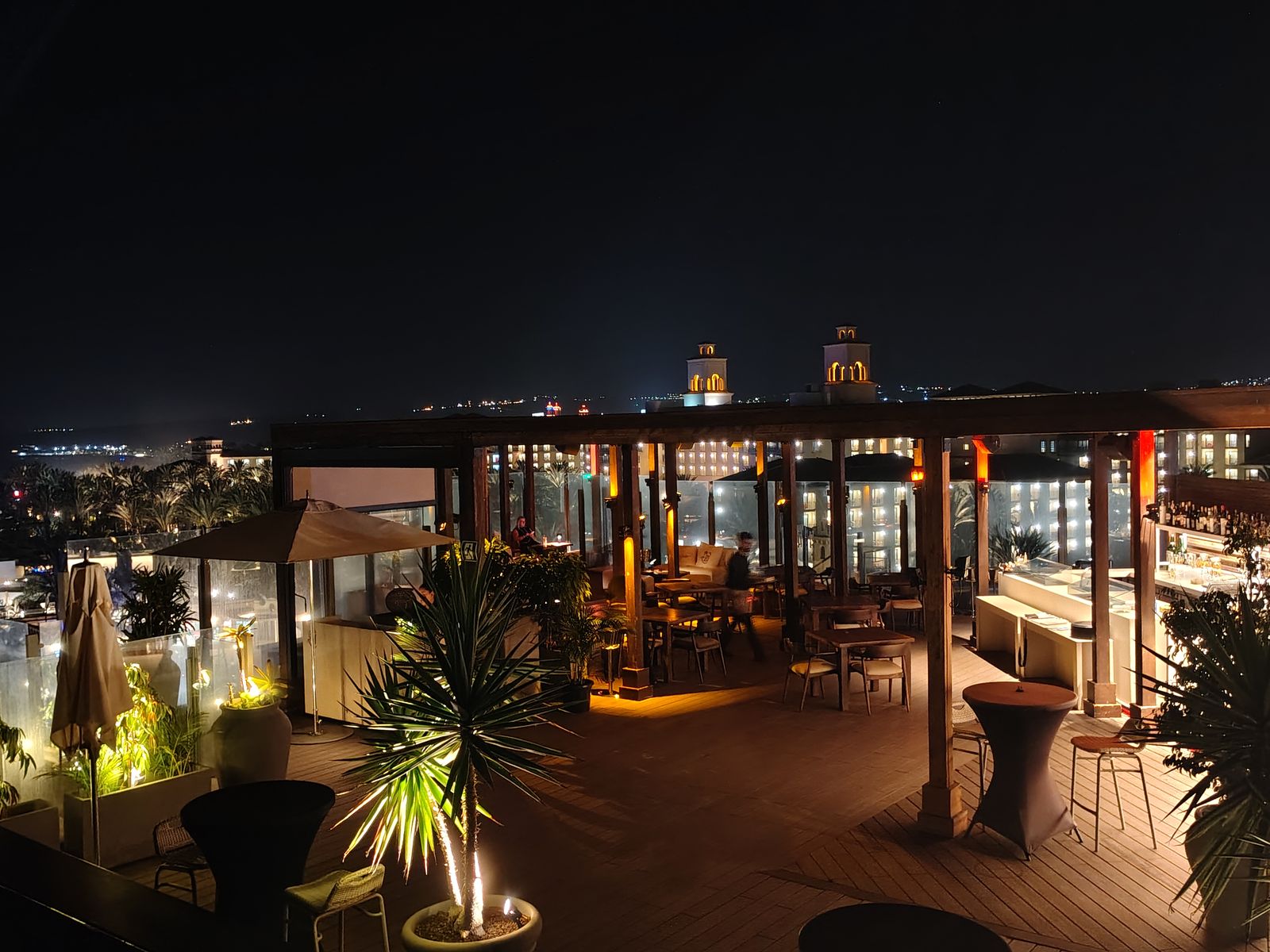
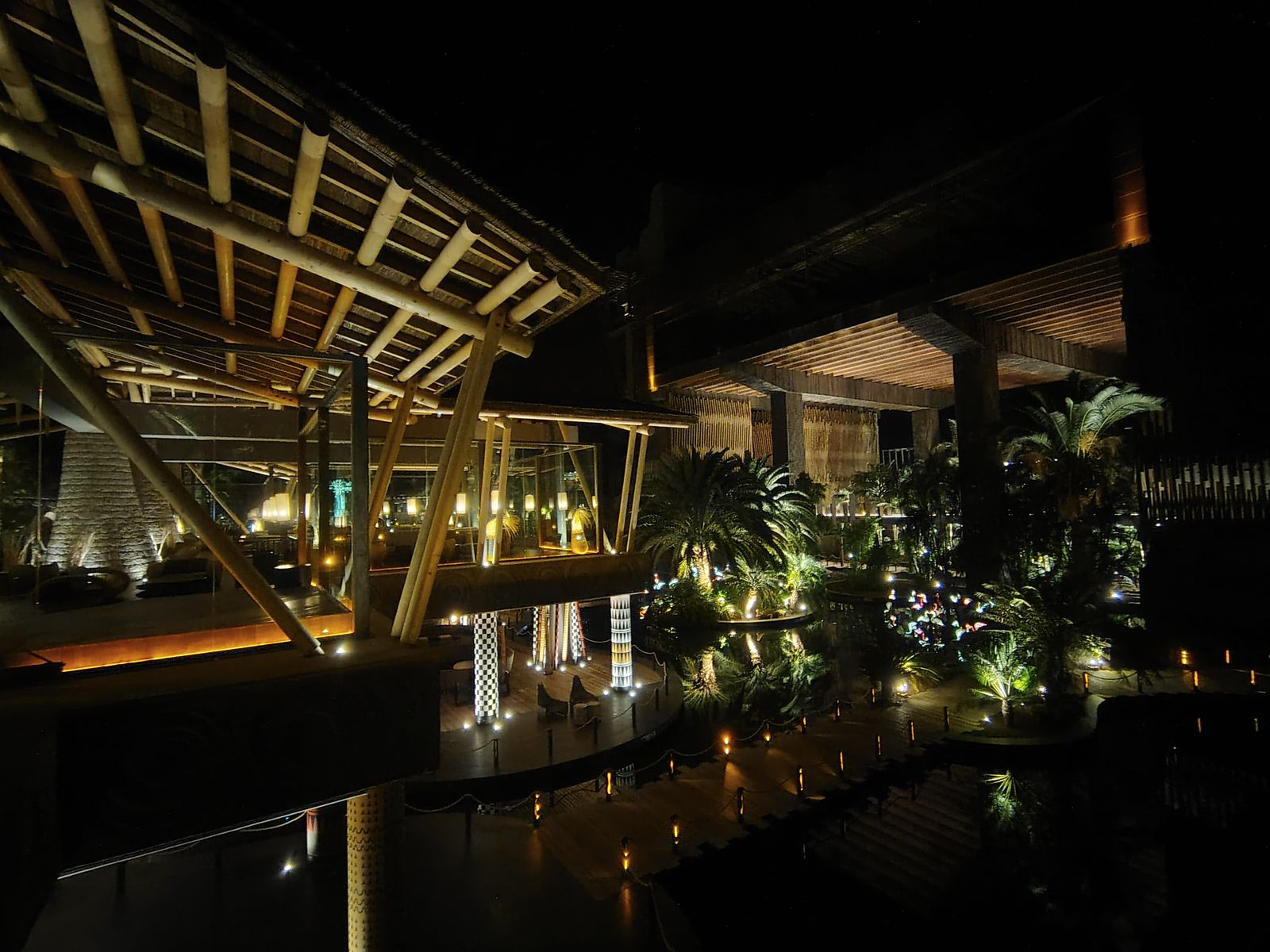
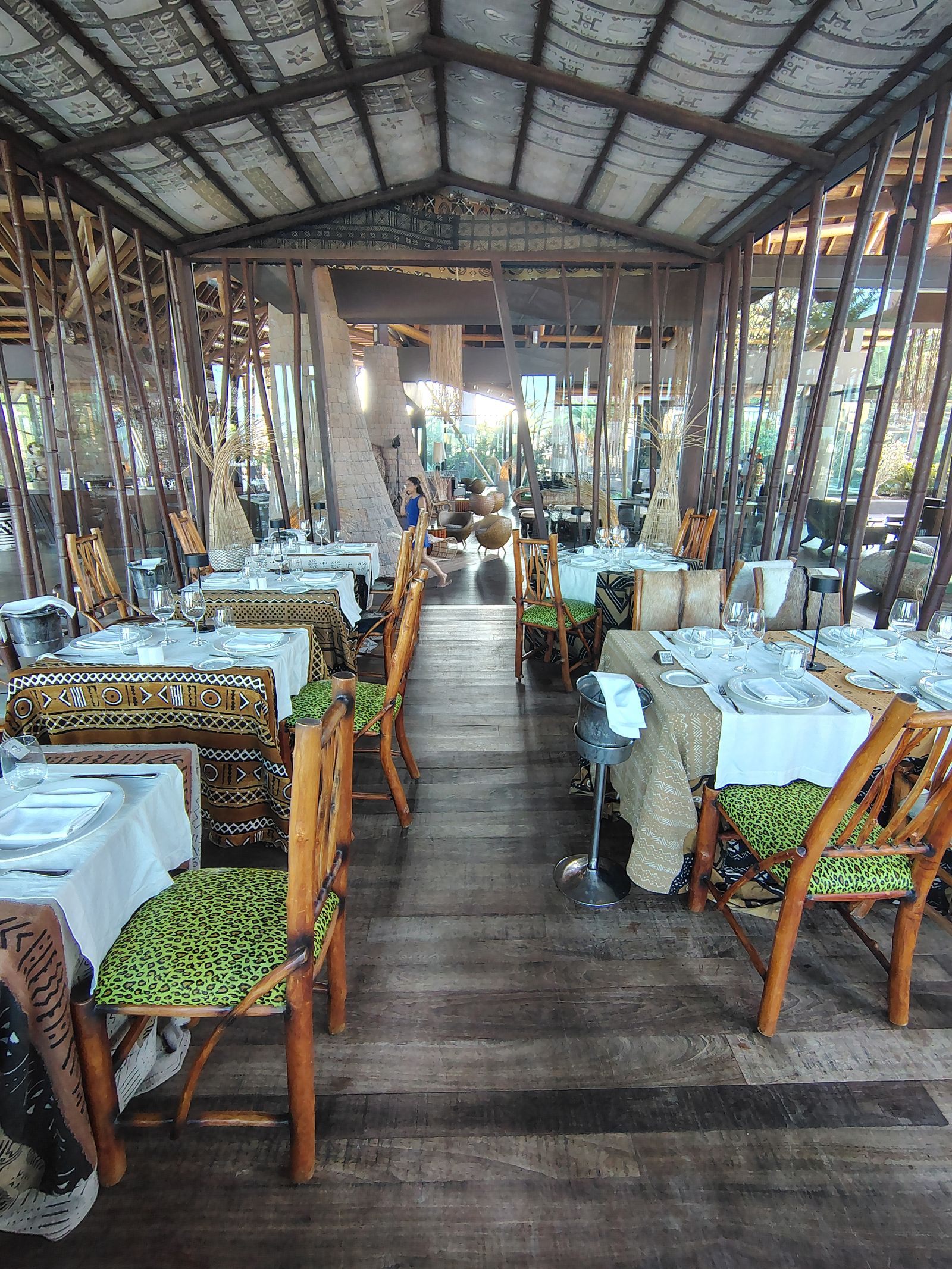
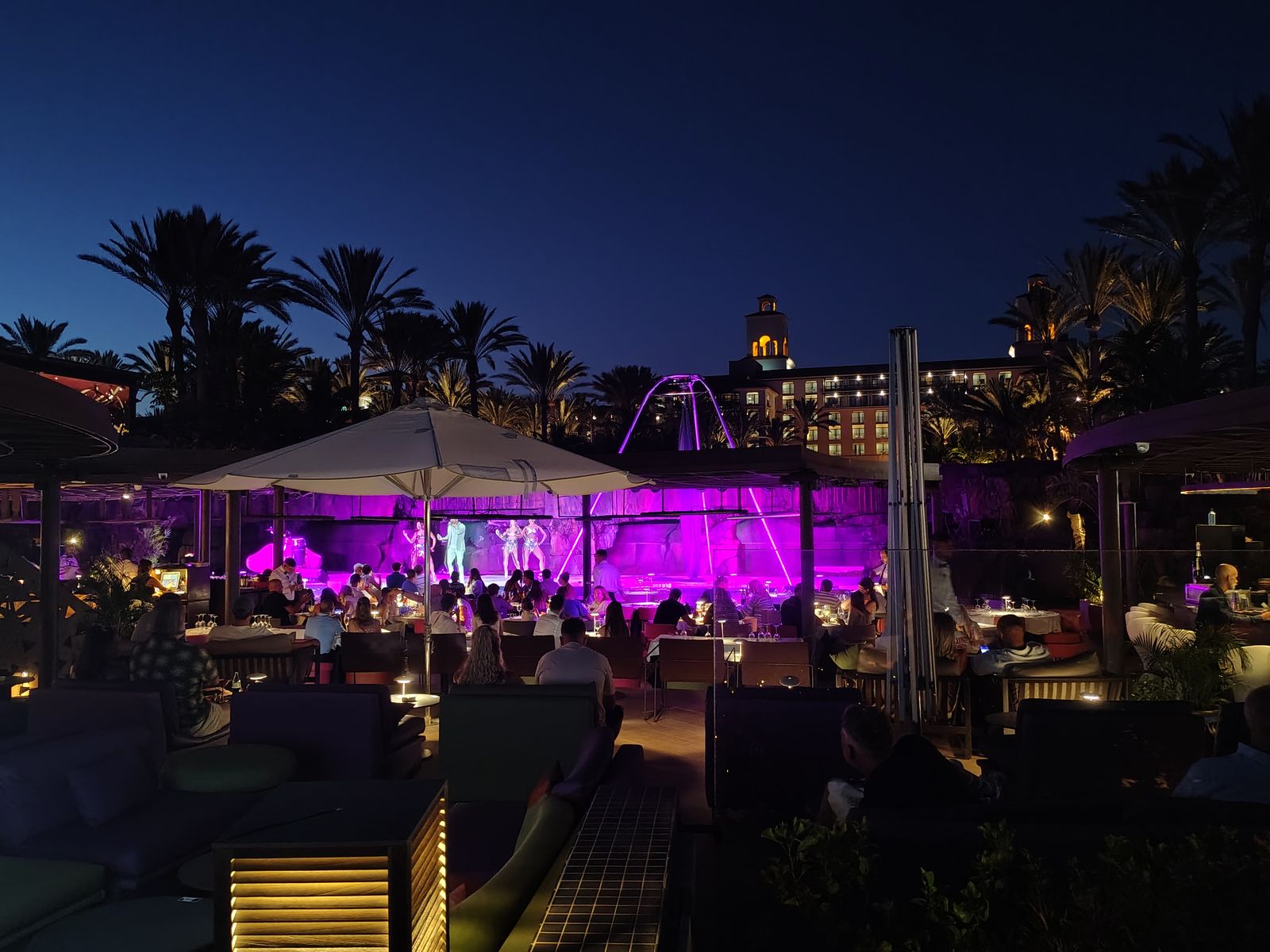
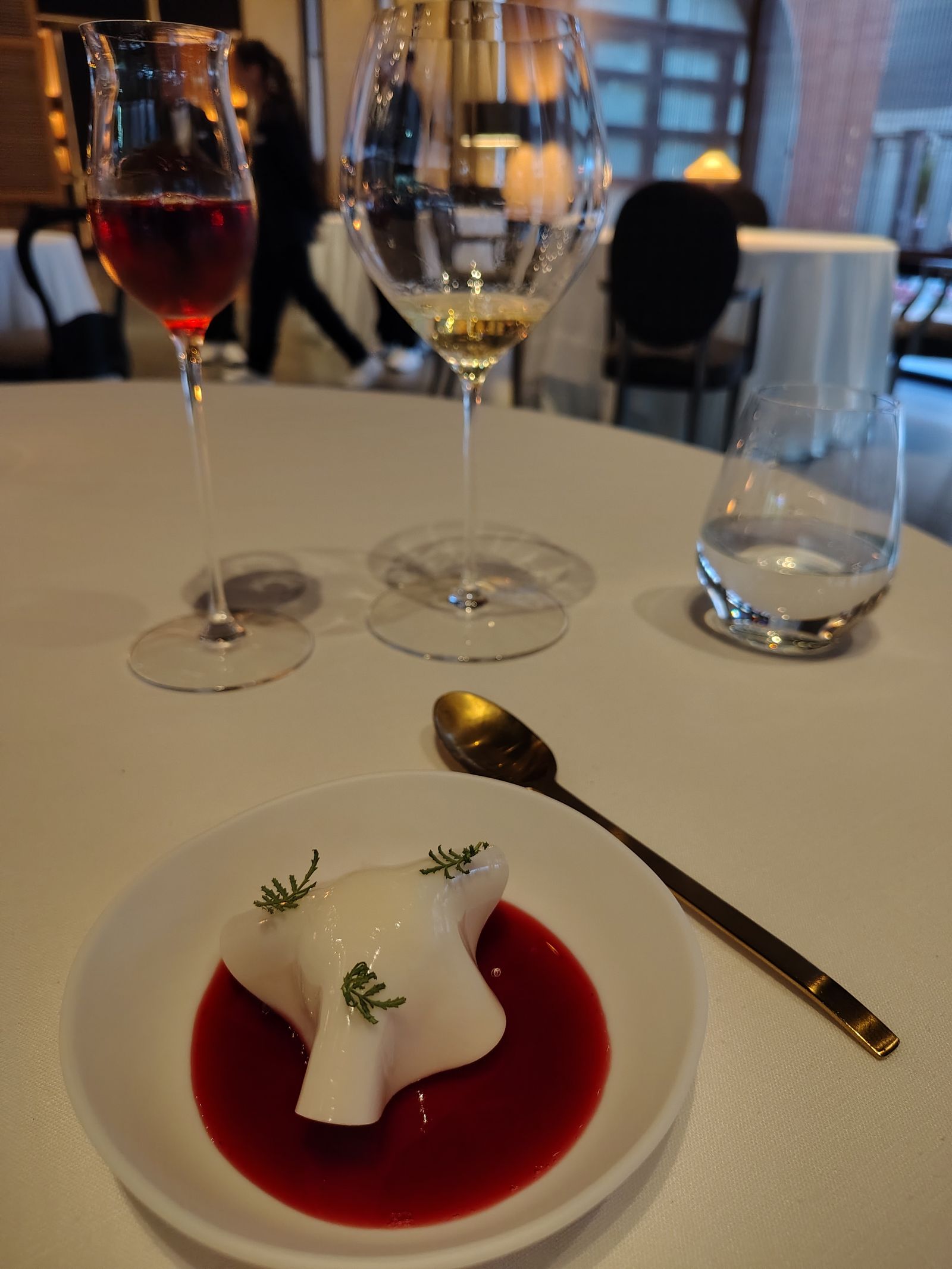
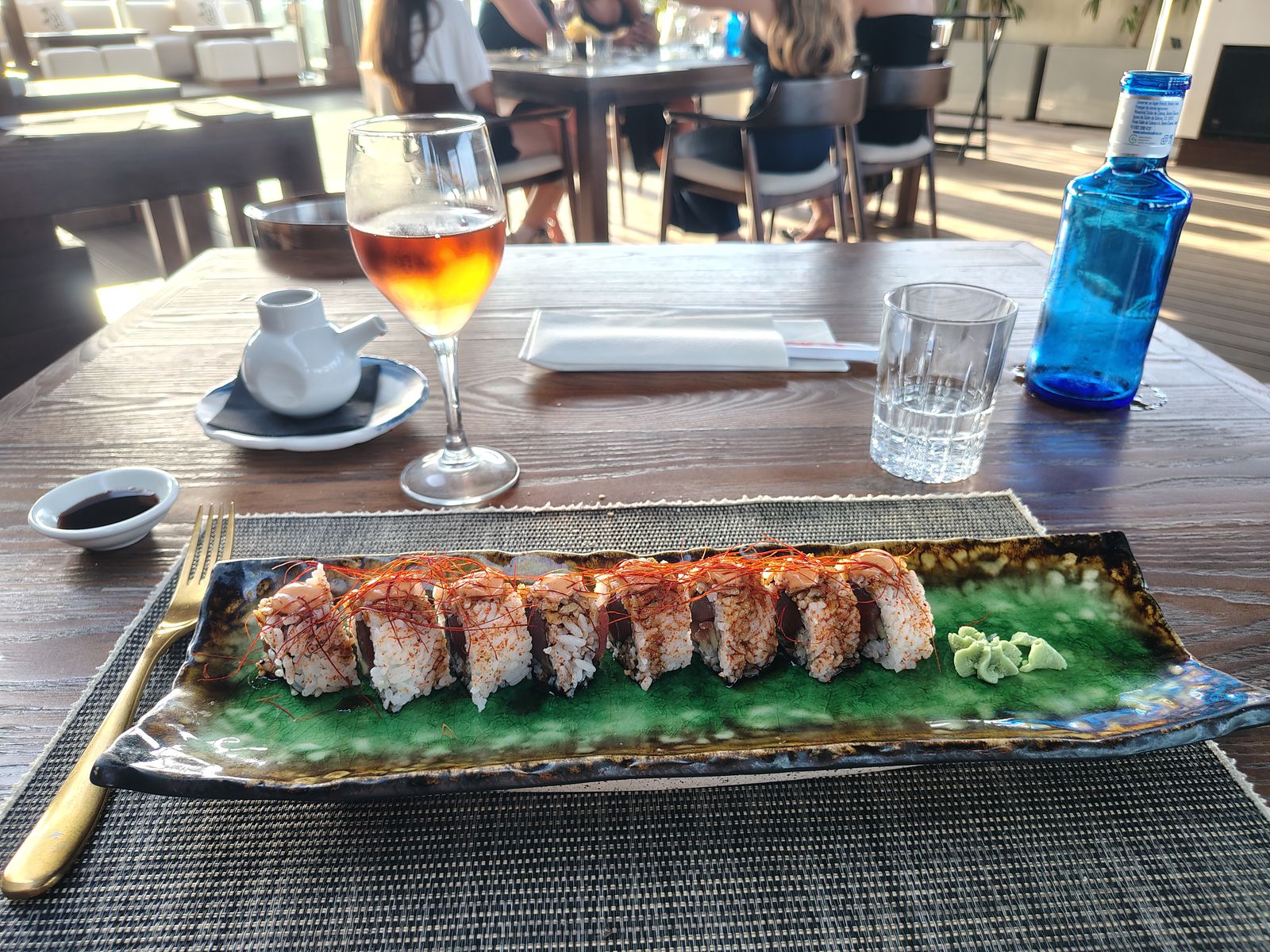
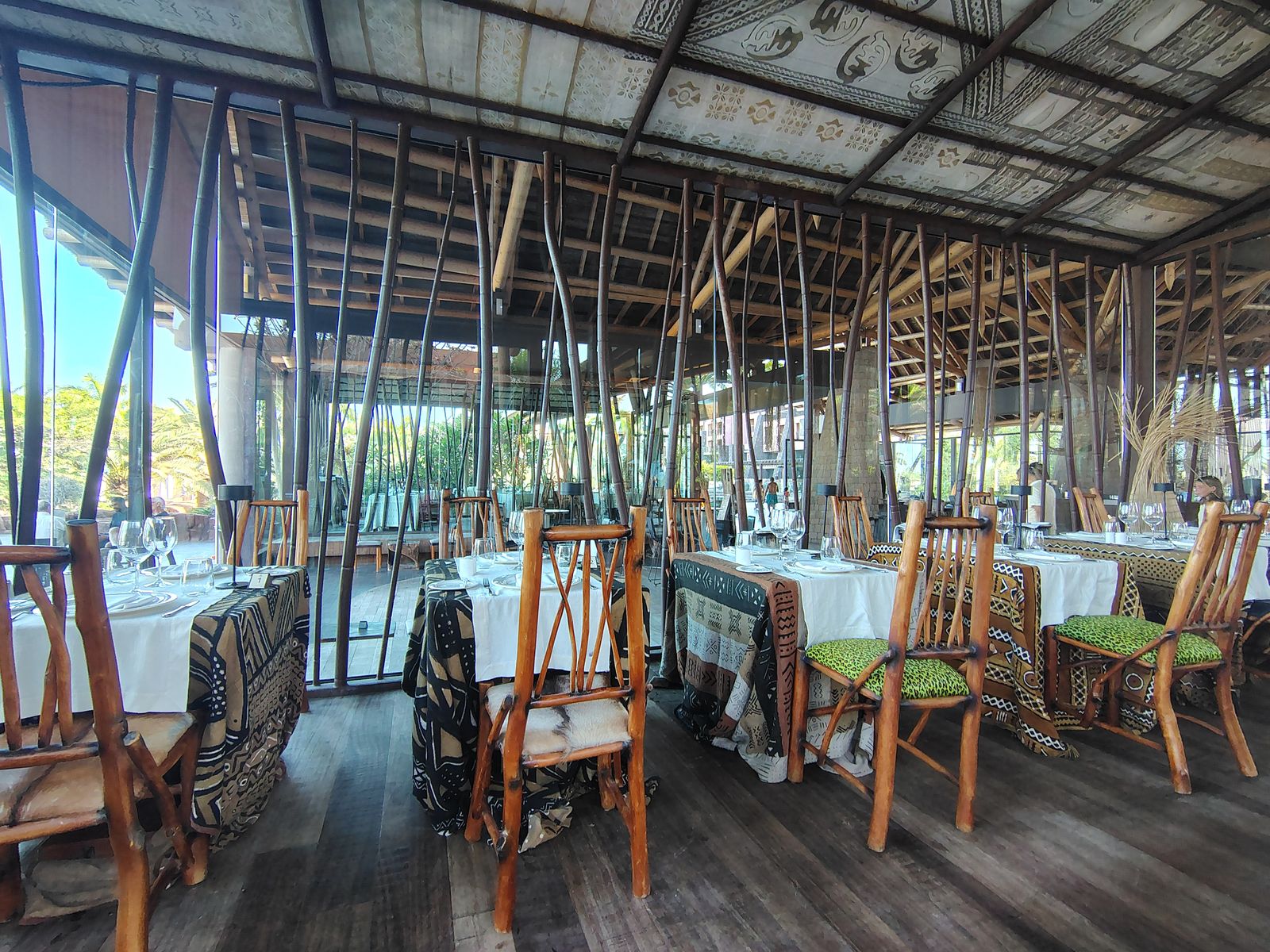
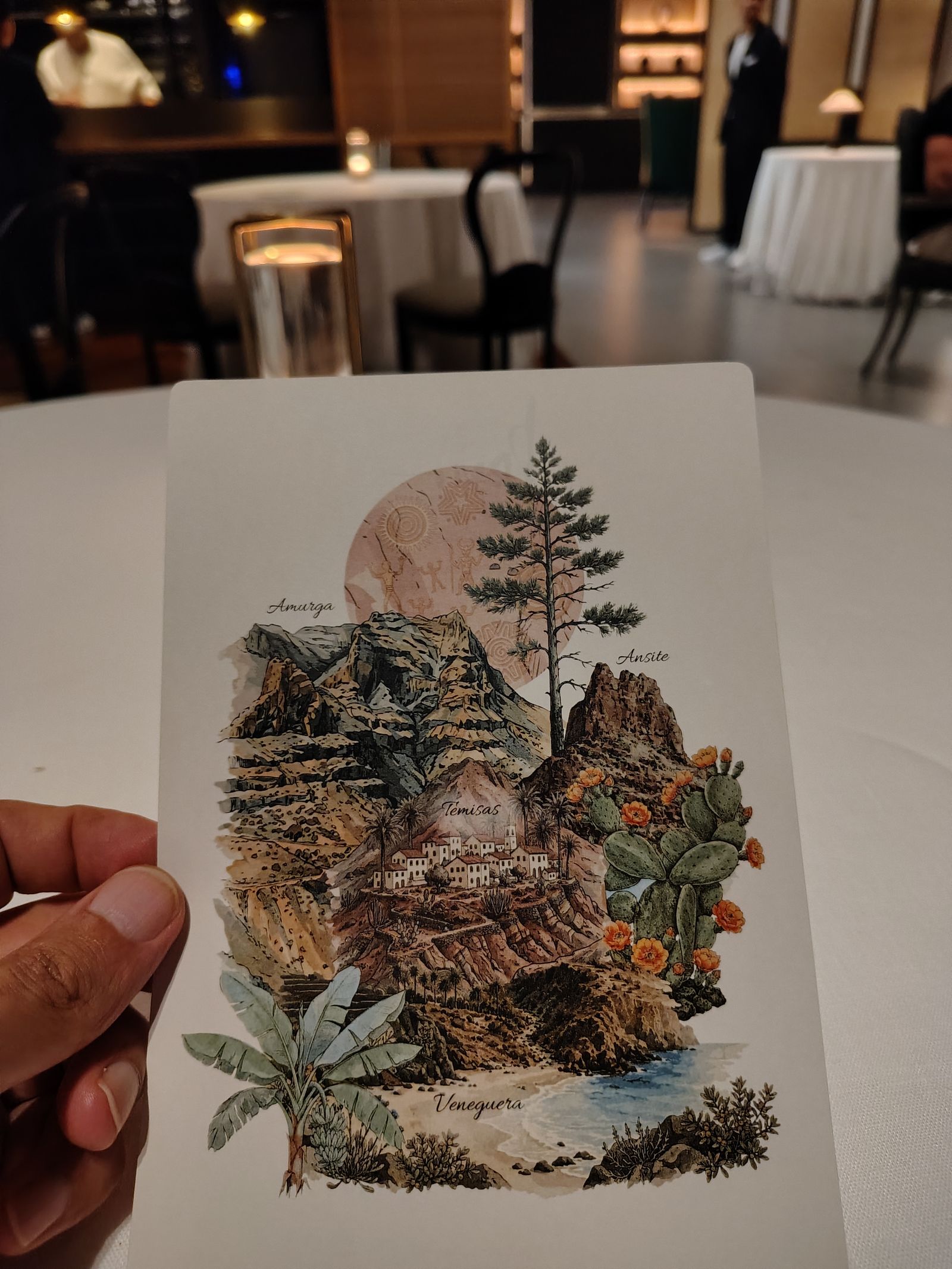
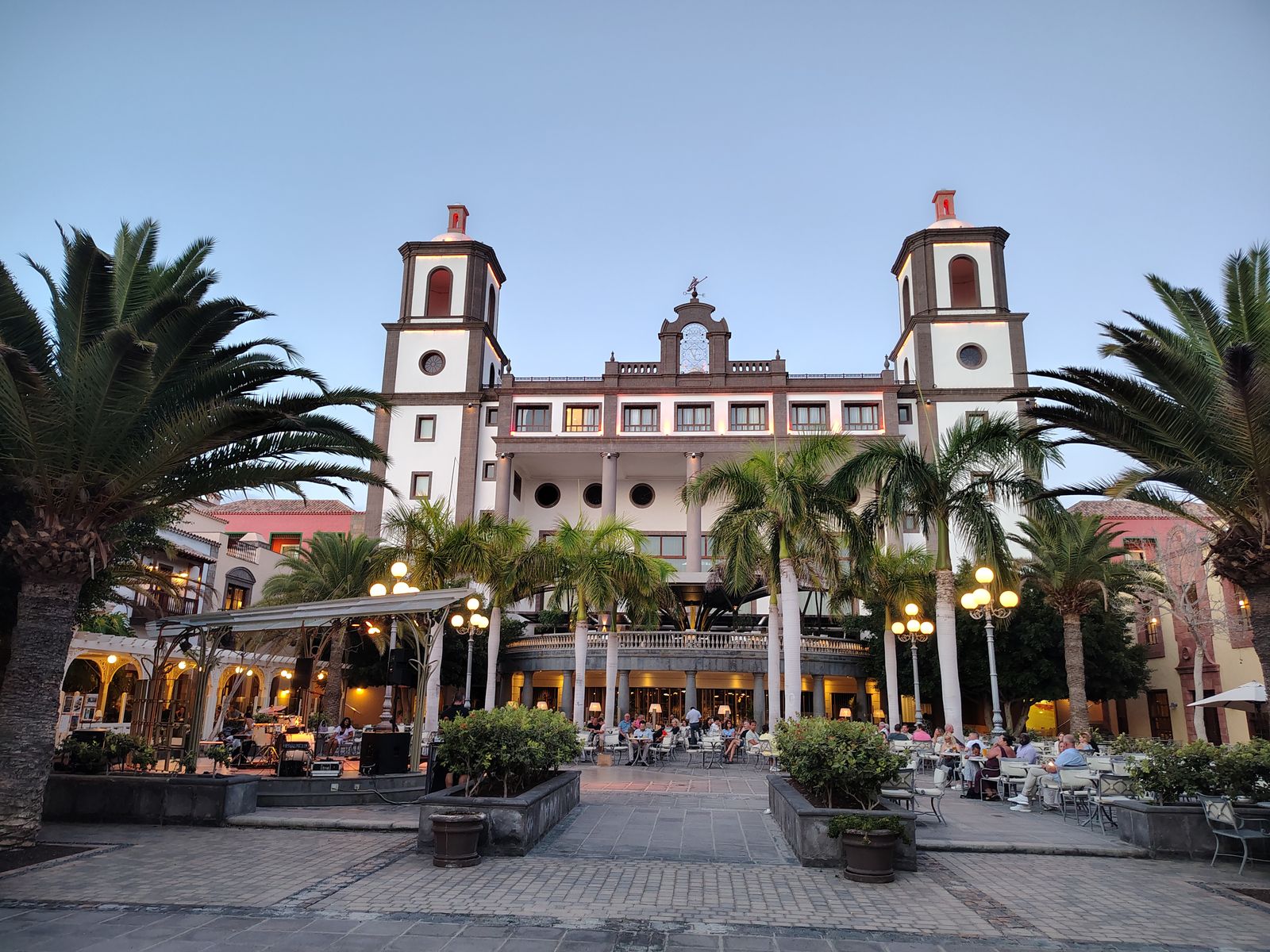
One thing worth planning around: Devir, by Lopesan, at the Costa Meloneras. It is a tasting-menu restaurant rather than a hotel dining room, and we thought it was sensational. The menu we ate — Amurga — ran from Canarian cheeses and a fritter through mackerel, amberjack and mussels, into black pork with figs and mojo, tuna with caviar in a marine broth, and squab soup and suckling lamb before the desserts. Local produce treated seriously: Flor de Guía cheese, gofio, palm honey. Book it before you travel; it is small.
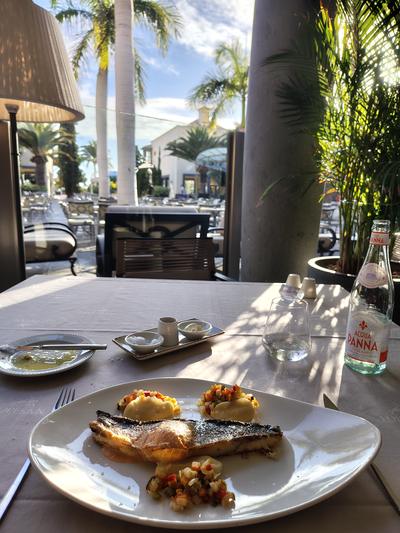
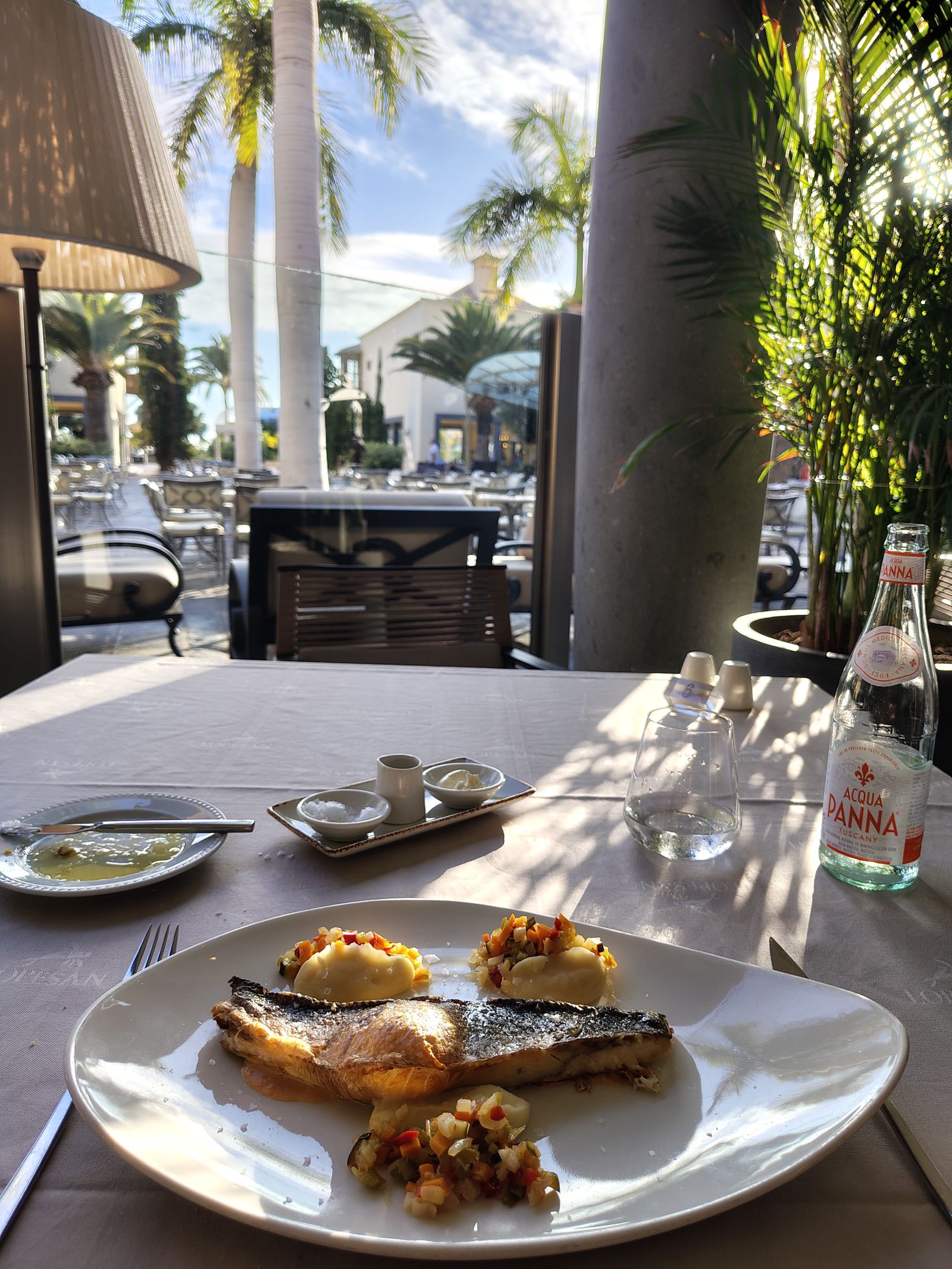
The Italian restaurant at the same resort is outstanding too, and a considerably easier proposition on a night when nobody wants eight courses.
| Hotel | Town | From CHF | Typical | Rewards club |
|---|---|---|---|---|
| Lopesan Villa del Conde Resort & Thalasso | Meloneras | 156≈ €165 · $190 | 242≈ €256 · $294 | — |
| Lopesan Baobab Resort | Meloneras | 143≈ €151 · $174 | 245≈ €259 · $298 | — |
| Radisson Blu Resort, Gran Canaria | Arguineguín | 255≈ €270 · $310 | 266≈ €282 · $323 | Radisson Rewards |
| Lopesan Costa Meloneras Resort & Spa | Meloneras | 193≈ €204 · $235 | 288≈ €305 · $350 | — |
| Seaside Grand Hotel Residencia | Maspalomas | 503≈ €532 · $612 | 712≈ €754 · $866 | Leaders Club |
Las Palmas
The capital is an hour north and a proper city of 380,000 people.
Vegueta, the old quarter, is where Columbus stopped in 1492 to repair the Pinta's rudder before continuing west. The Casa de Colón occupies the governor's house he stayed in and is now a museum of the crossings. The cathedral next door took four centuries and shows it.
Playa de las Canteras is three kilometres of city beach protected by a natural reef — one of the best urban beaches anywhere in Europe, and nothing like the resort strip.
The drive worth a hire car
Take the GC-60 north from Maspalomas. It climbs out of the desert through Fataga, the valley of a thousand palms, stops at the Mirador de la Degollada de las Yeguas for the view back down the ravine, and keeps going up into pine forest to Ayacata and the Roque Nublo trailhead. Come back down the west side through Mogán and along the coast.
It is the best day on the island and it costs the price of a small hire car.
When to come
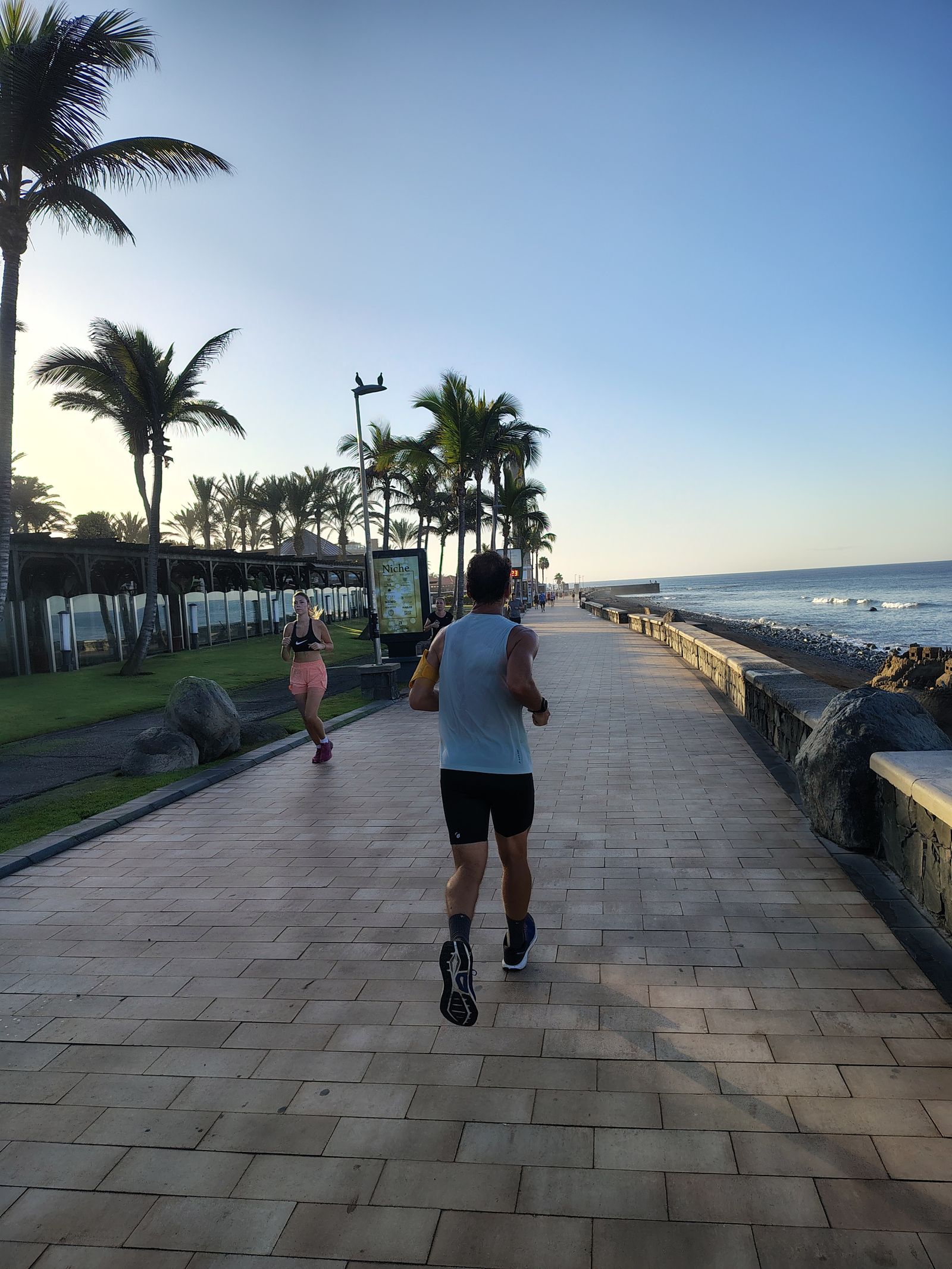
The Canaries barely have a low season in the northern European sense — November weather is essentially June weather. What changes is how many other people want to be there. Late September and early November are the quiet, cheap weeks; Christmas and February half-term are neither.