Munich on foot: three hotels and a Bavarian table
Munich has loosened up. Three good hotels in the centre, the sights worth the walk, the Bavarian dishes to order - and picks from our two Munich experts, Peter and Christina.
Munich is old enough to carry a lot of history lightly. Henry the Lion founded the city in 1158, and for centuries it was the seat of the Wittelsbach family, who ruled Bavaria until 1918. It became the capital of the Kingdom of Bavaria in 1806, and in 1810 a beer festival held to celebrate a royal wedding grew into the Oktoberfest. The city was heavily bombed in the Second World War and rebuilt largely along its old street plan, which is why so much of the centre still feels historic. It hosted the Summer Olympics in 1972.
It is also loosening up. The old conservative image still fits the opera house and the museums, but there is a younger side now, from the Schlachthofviertel nightlife district to the Isar, where a long rewilding project has turned the riverbanks into a place to sunbathe and swim in summer.
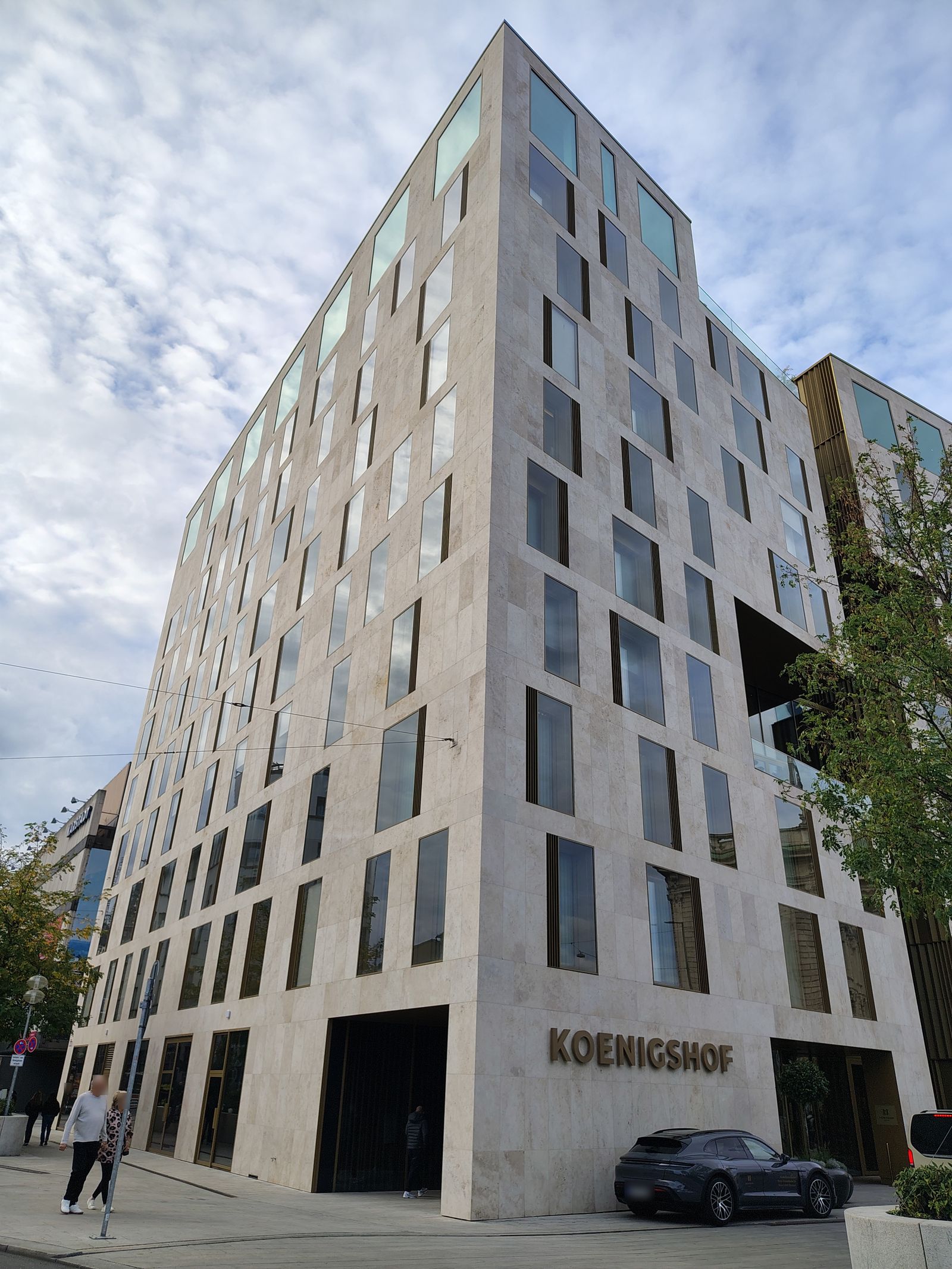
We have three hotels in the centre on our list. Pick your dates with care, and read the caveat about congress events at the Sofitel below.
Where to sleep
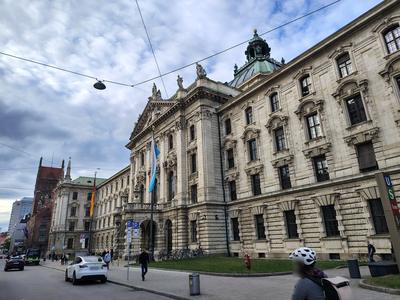
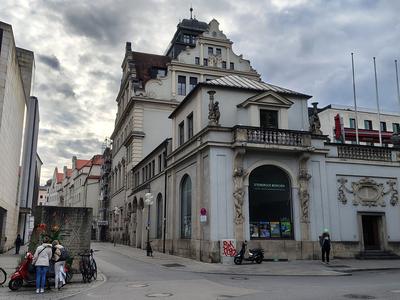
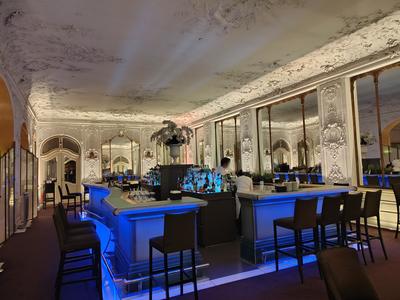
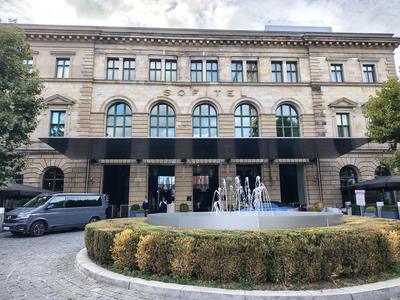
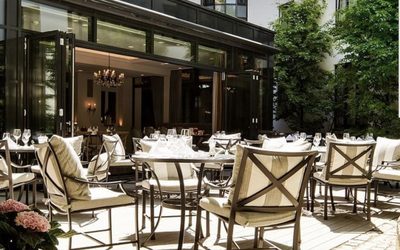
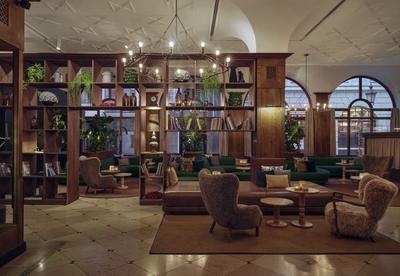
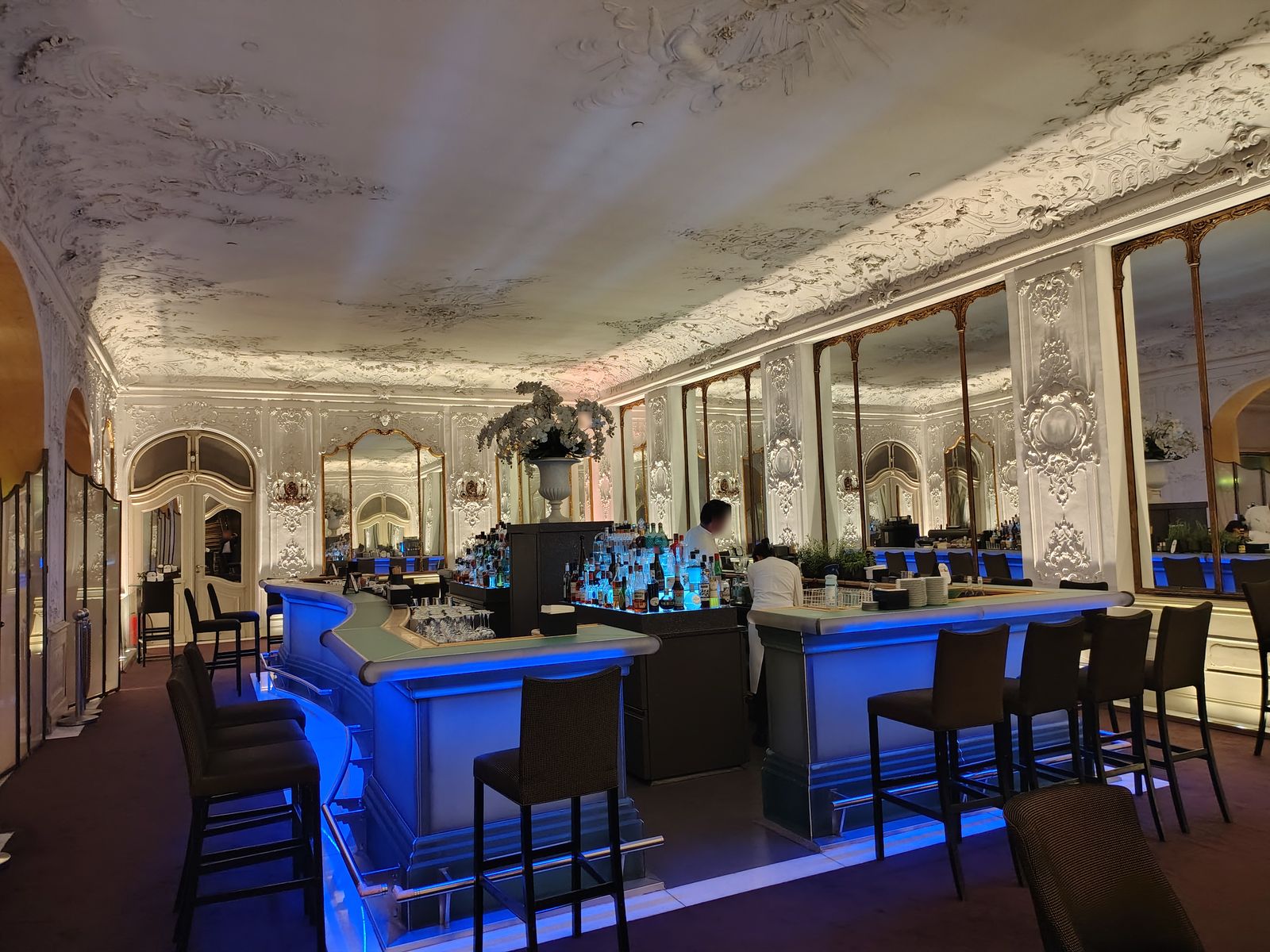
Sofitel Munich Bayerpost from USD 386 is the one with a story: it occupies the former Royal Bavarian Post Office, built between 1896 and 1900, and you can still feel the old hall in the generous volumes, the arched windows and the lounge under the glass roof. The rooms are the first thing to praise - well designed, with an excellent Bluetooth sound system, and remarkably quiet for a hotel beside the main station. The spa has a pool large enough for proper swimming, breakfast has good variety (including a French brut Crémant), and the patisserie's tarts and cakes are available all day. The location is right in the centre and easy to reach by train. One thing to know: the hotel also runs as a congress centre, and during those events the feeling of a five-star stay suffers a little. Our full notes are on the hotel page.
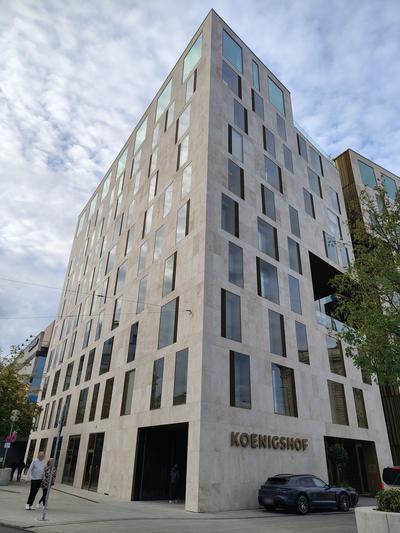
Hotel Muenchen Palace from USD 327 is our second five-star in the city, and Platzl Hotel from USD 233, a four-star in the old town, is the third. We have not written up our own stay at either yet, so the cards at the foot of this page show the price range we have seen. Whichever you choose, the rest of this page works, because everything below is within a short walk or a short ride of all three.
The old centre, on foot
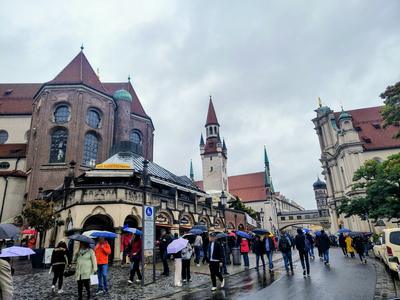
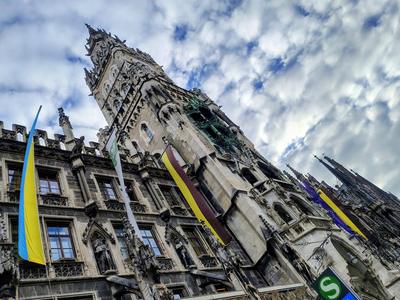
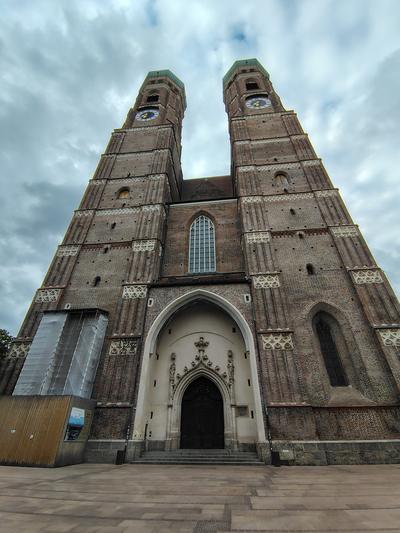
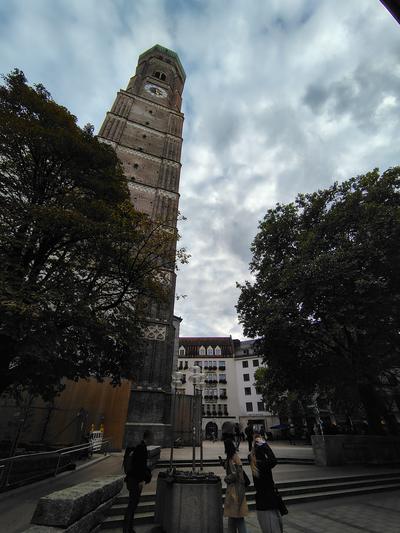
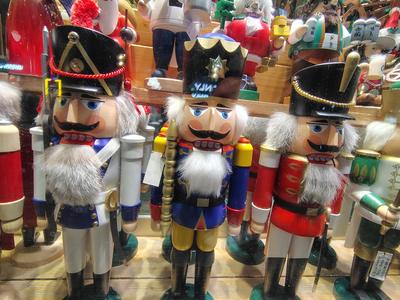
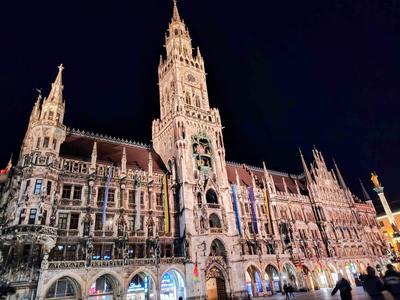
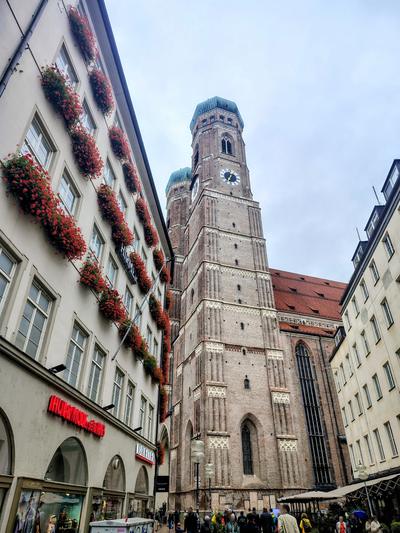
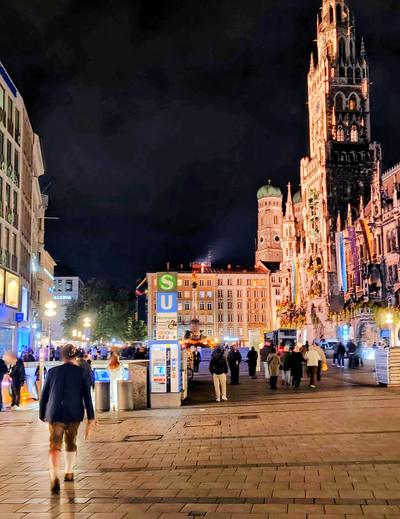
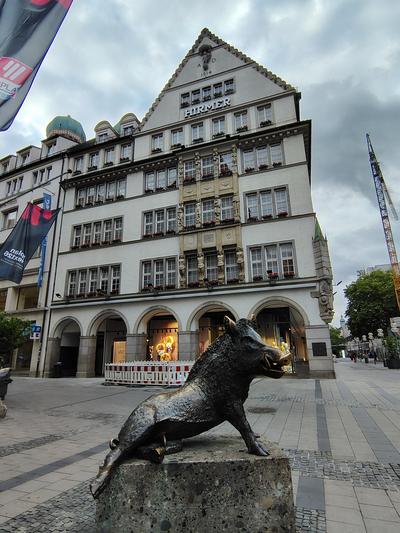
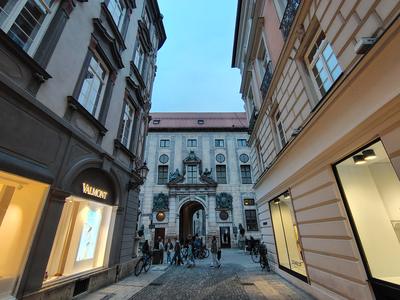
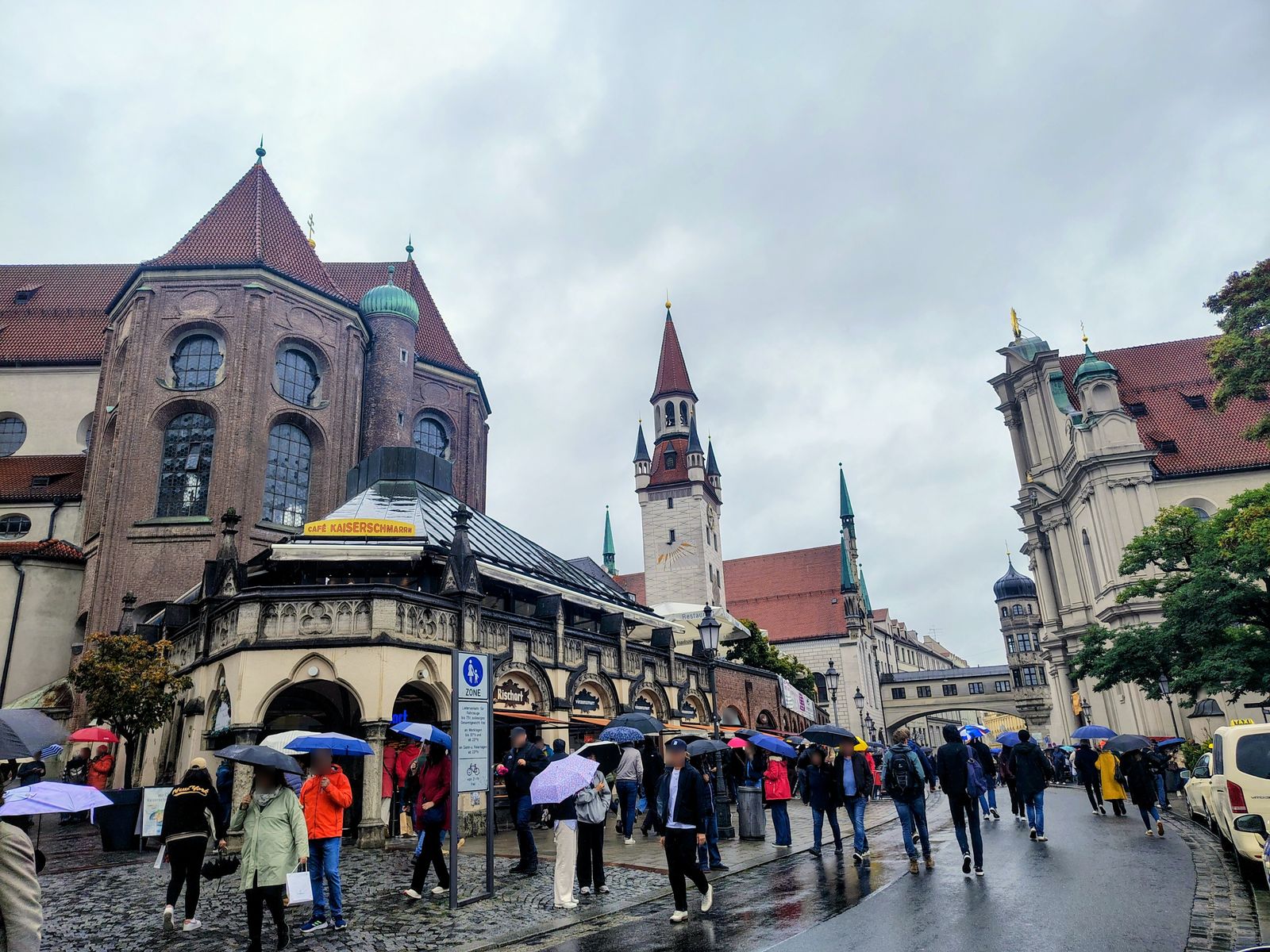
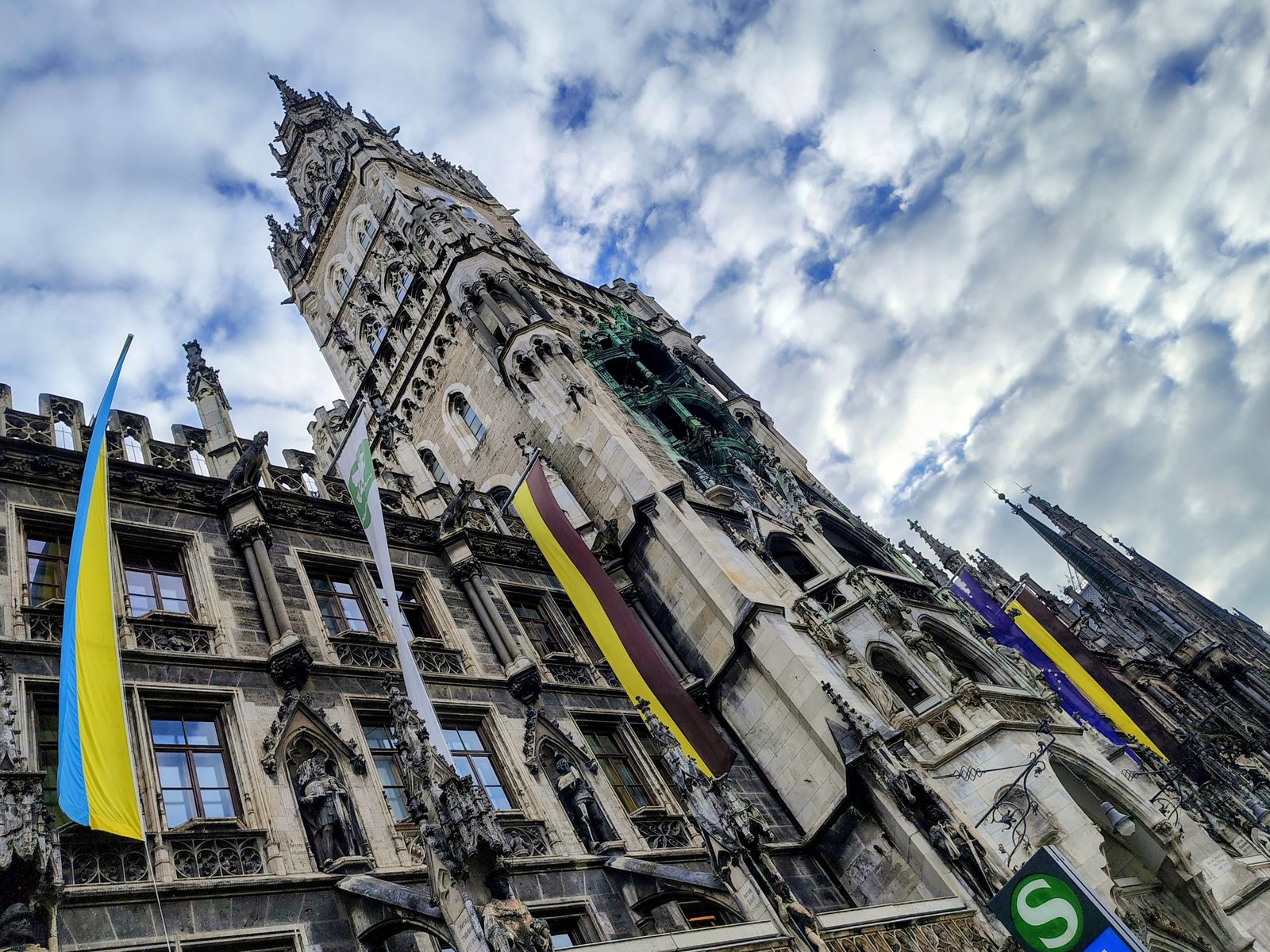
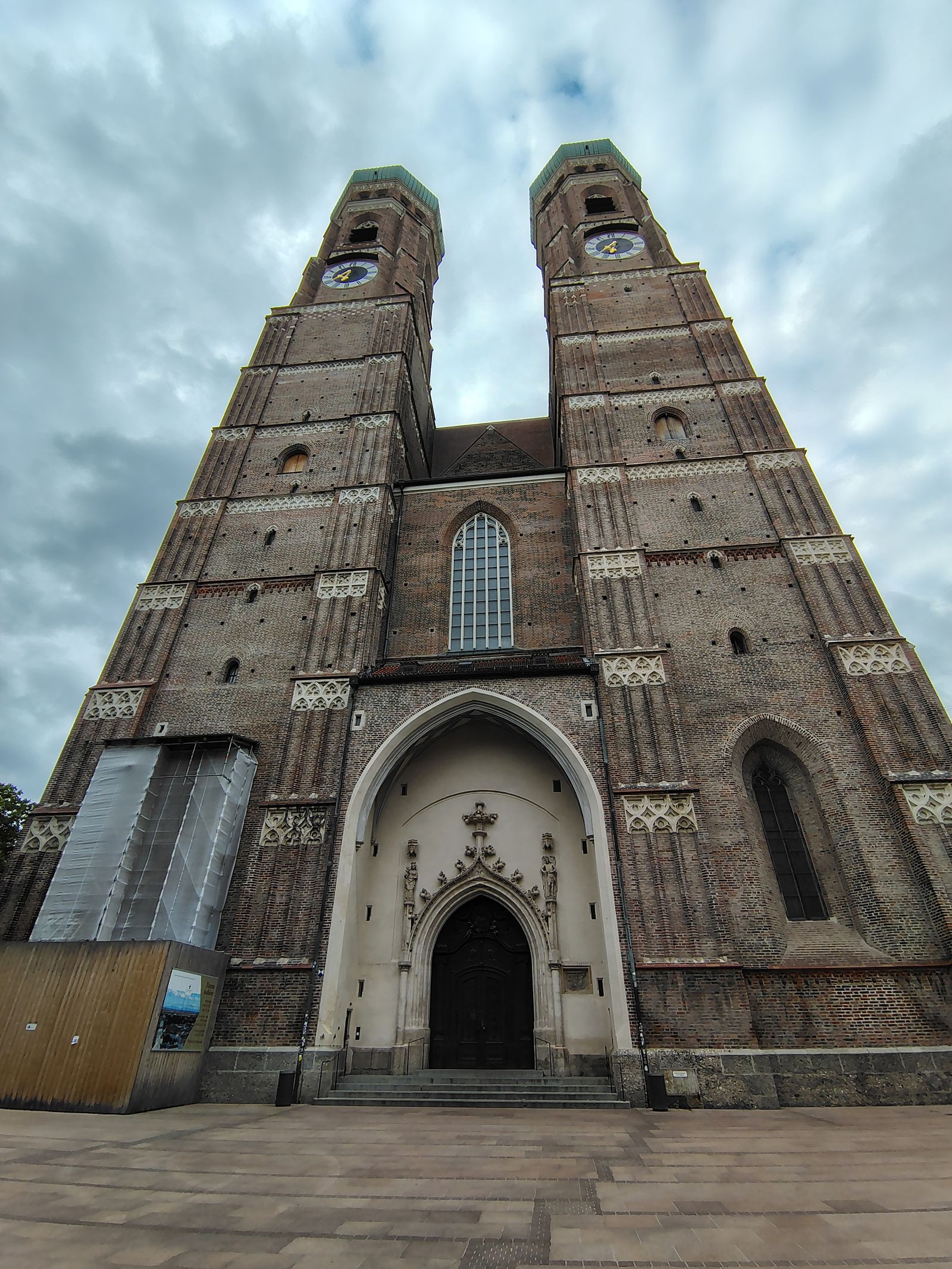
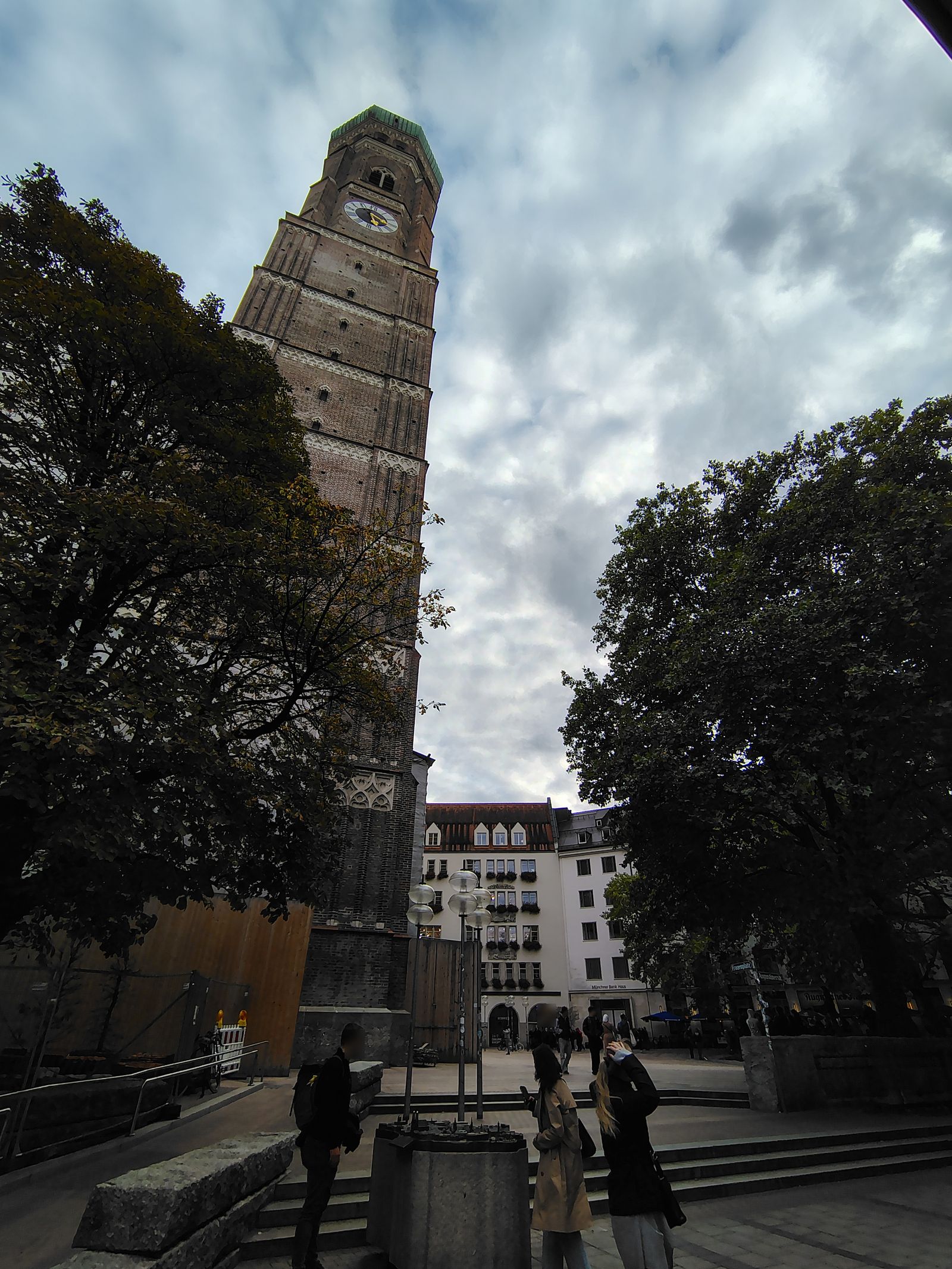
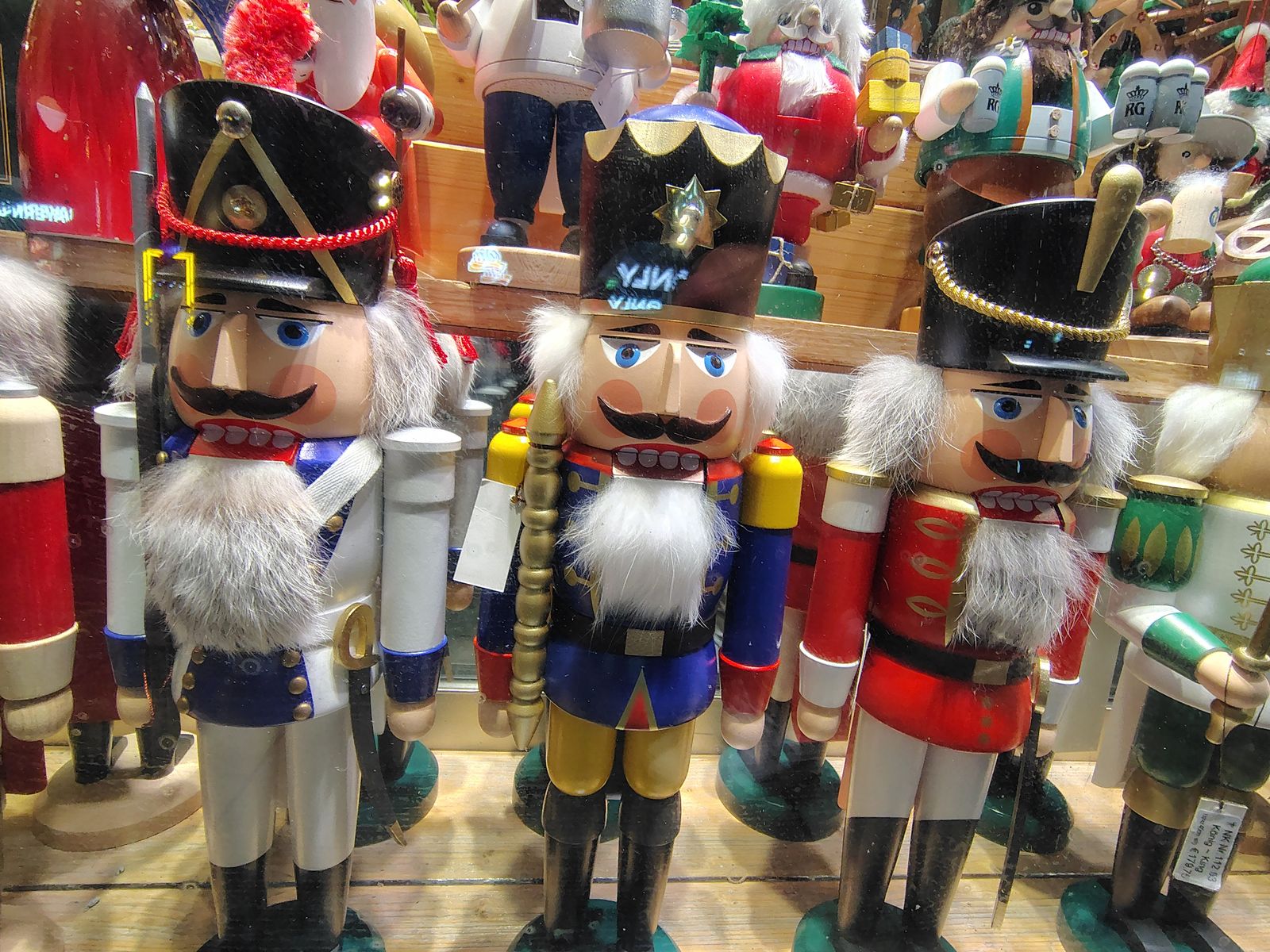
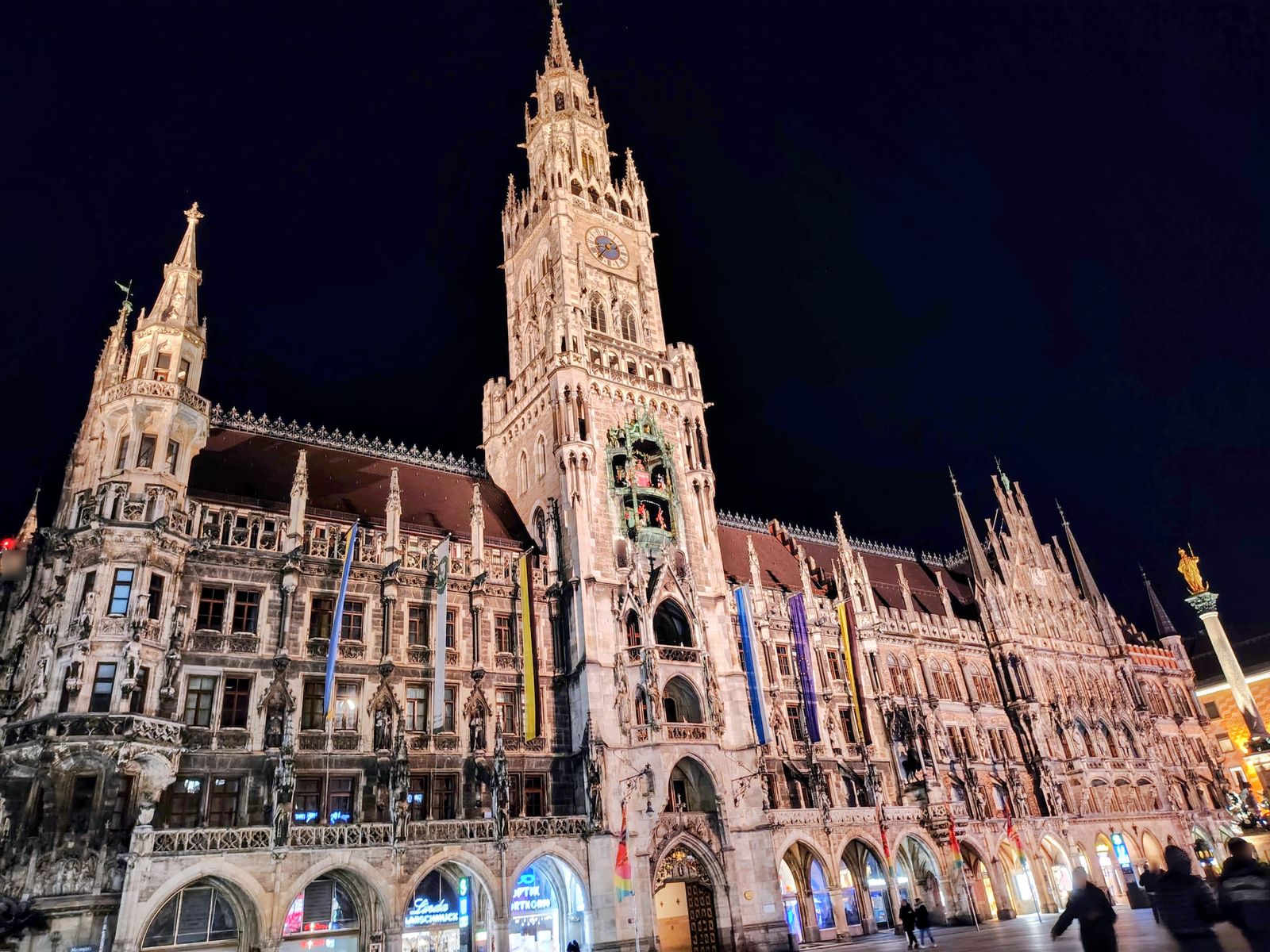
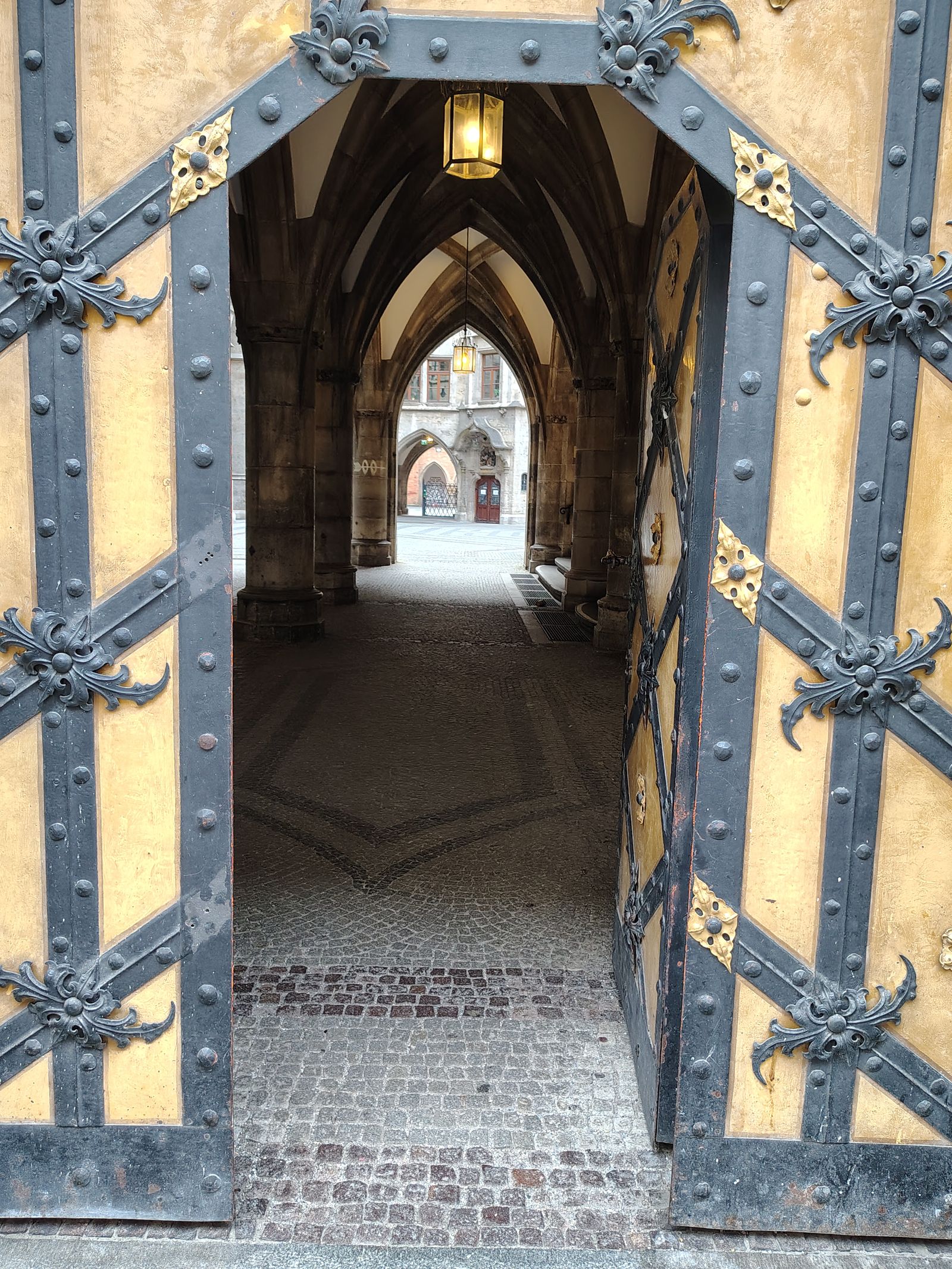
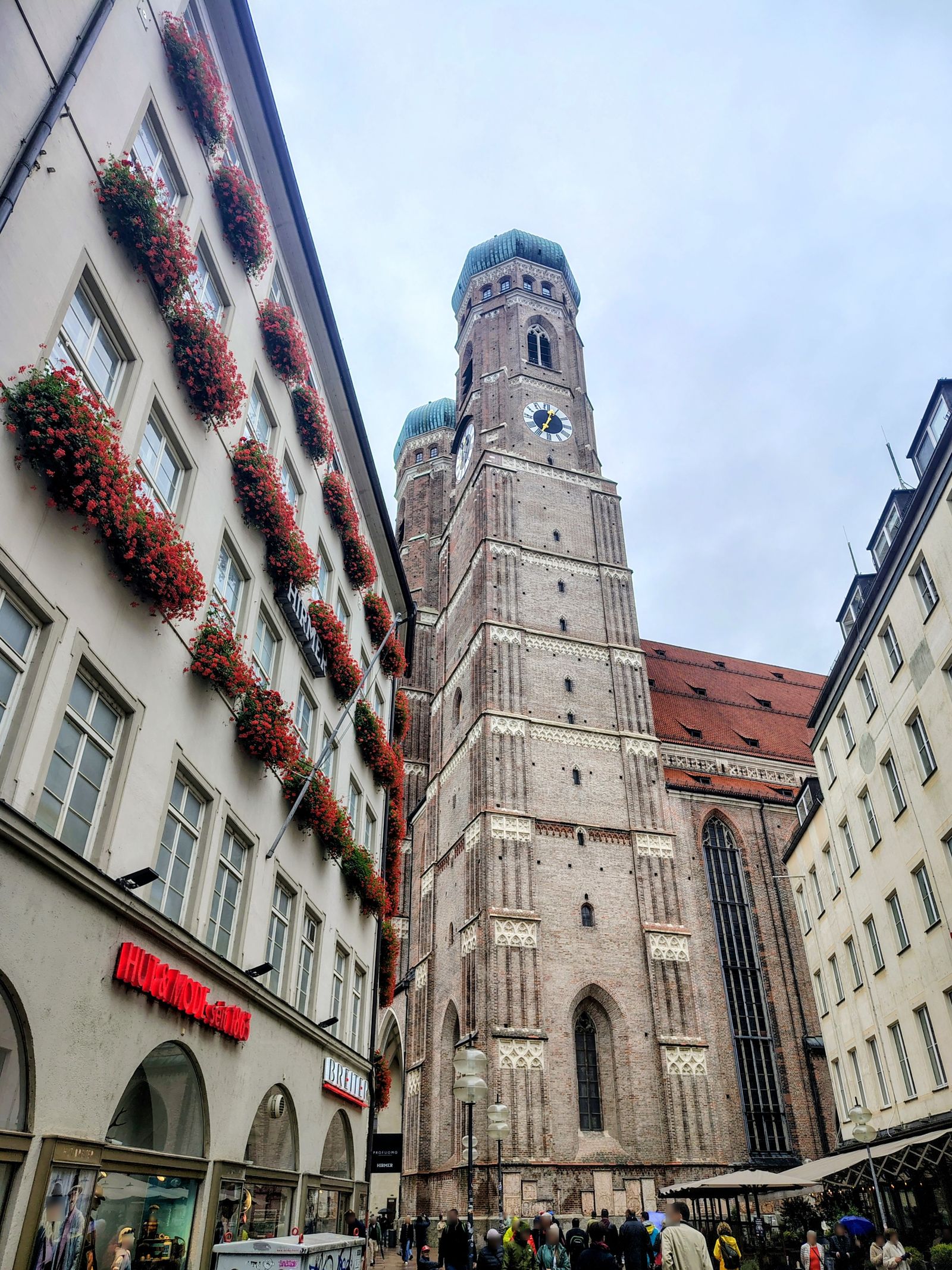
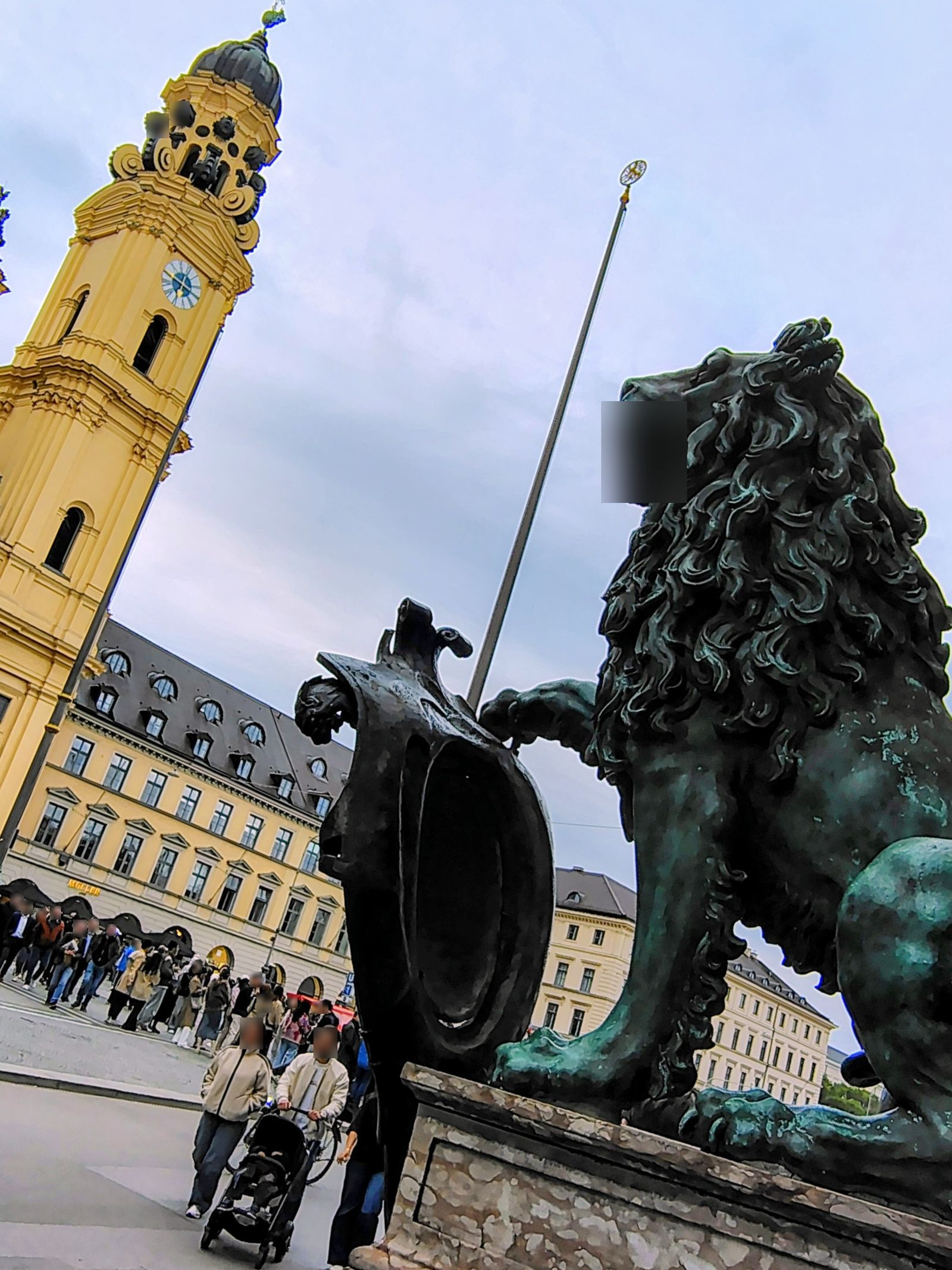
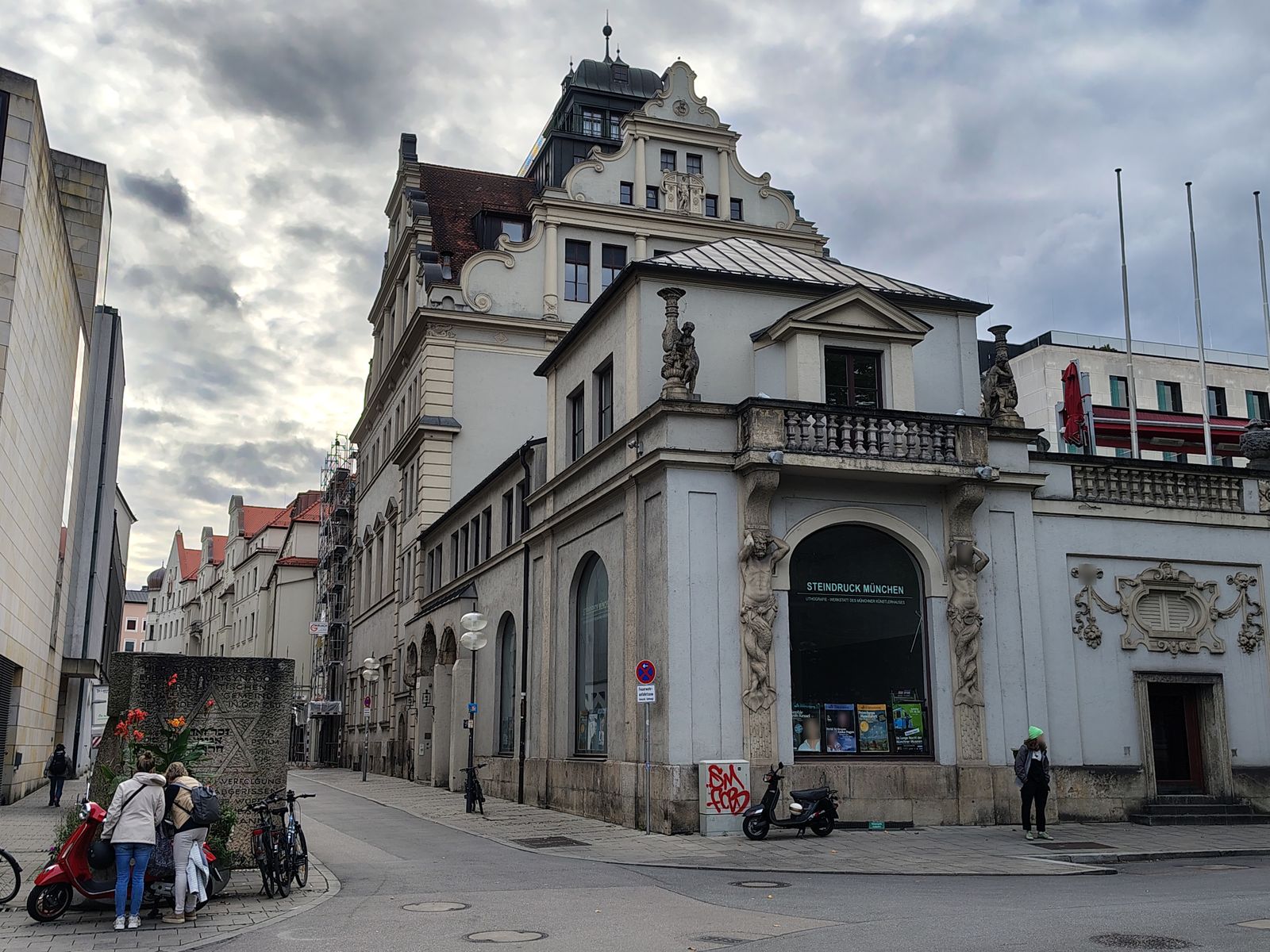
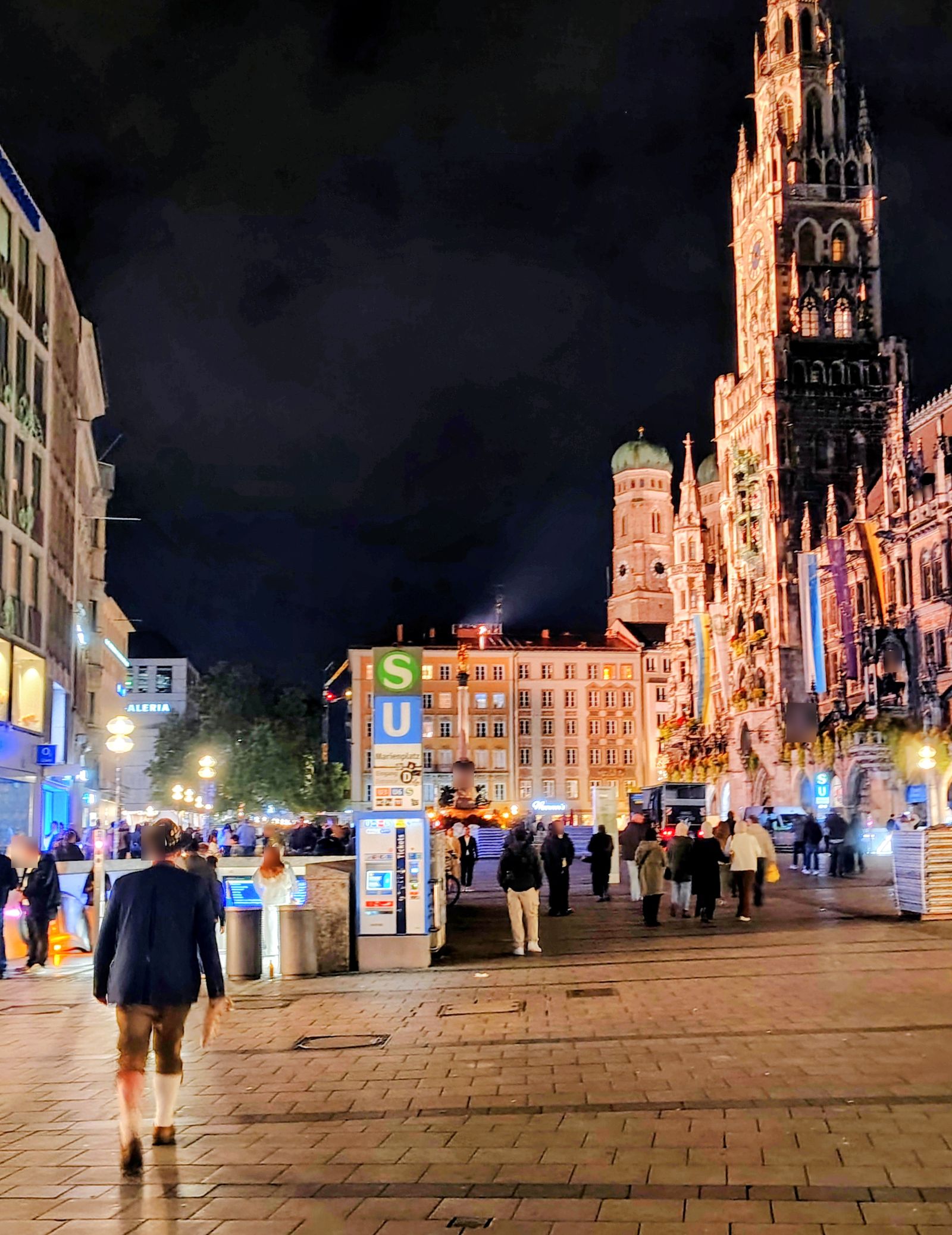
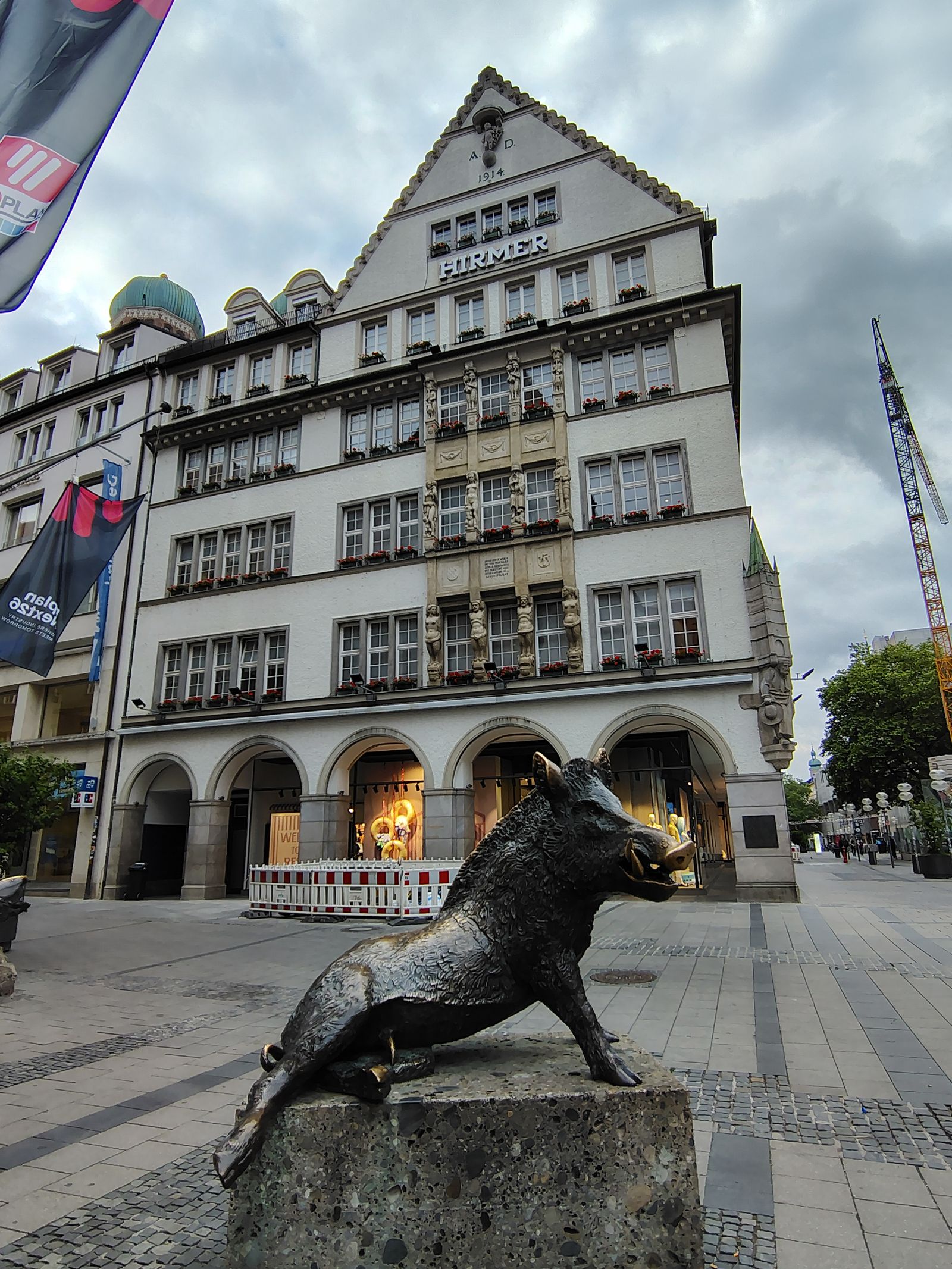
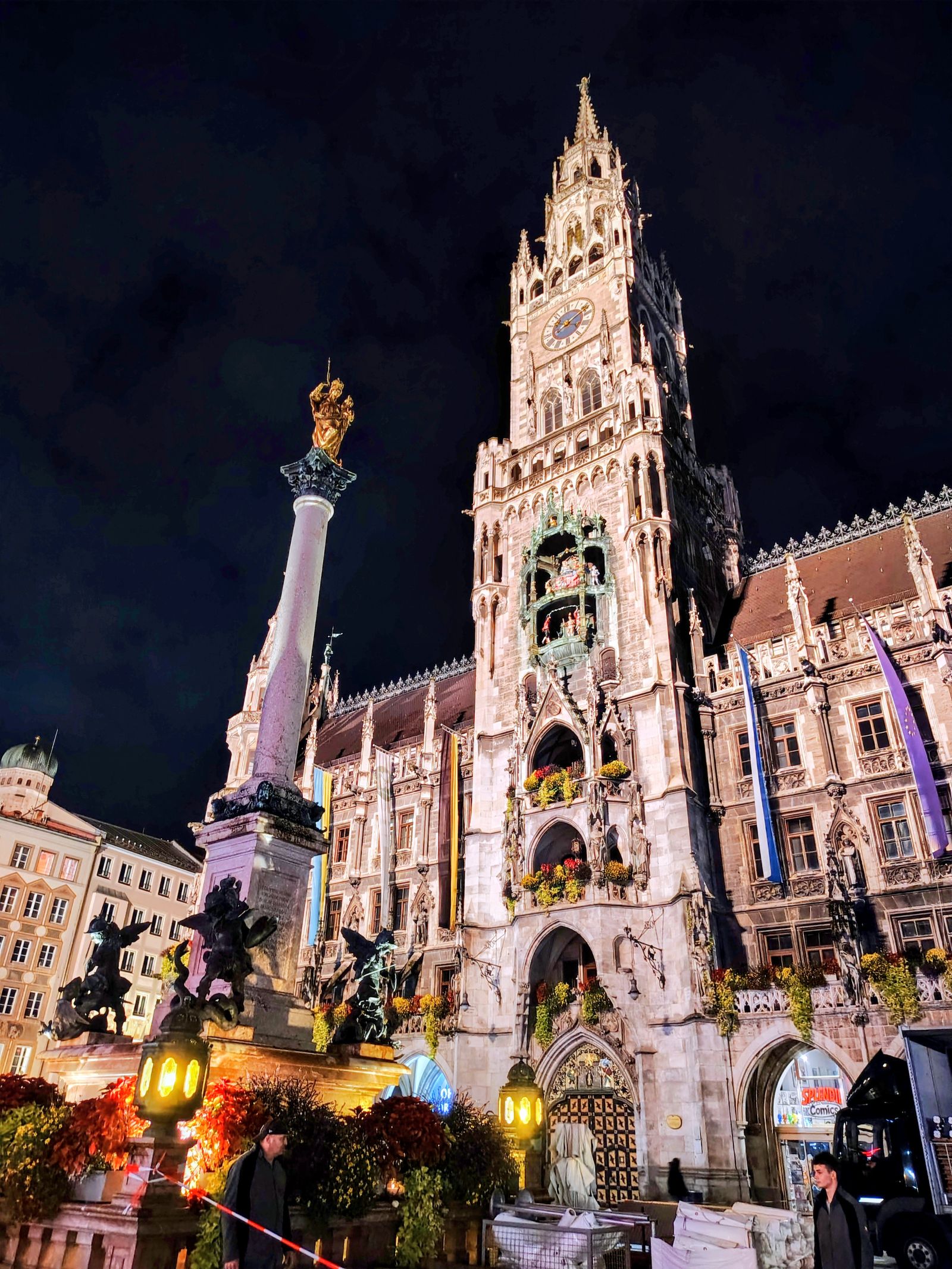
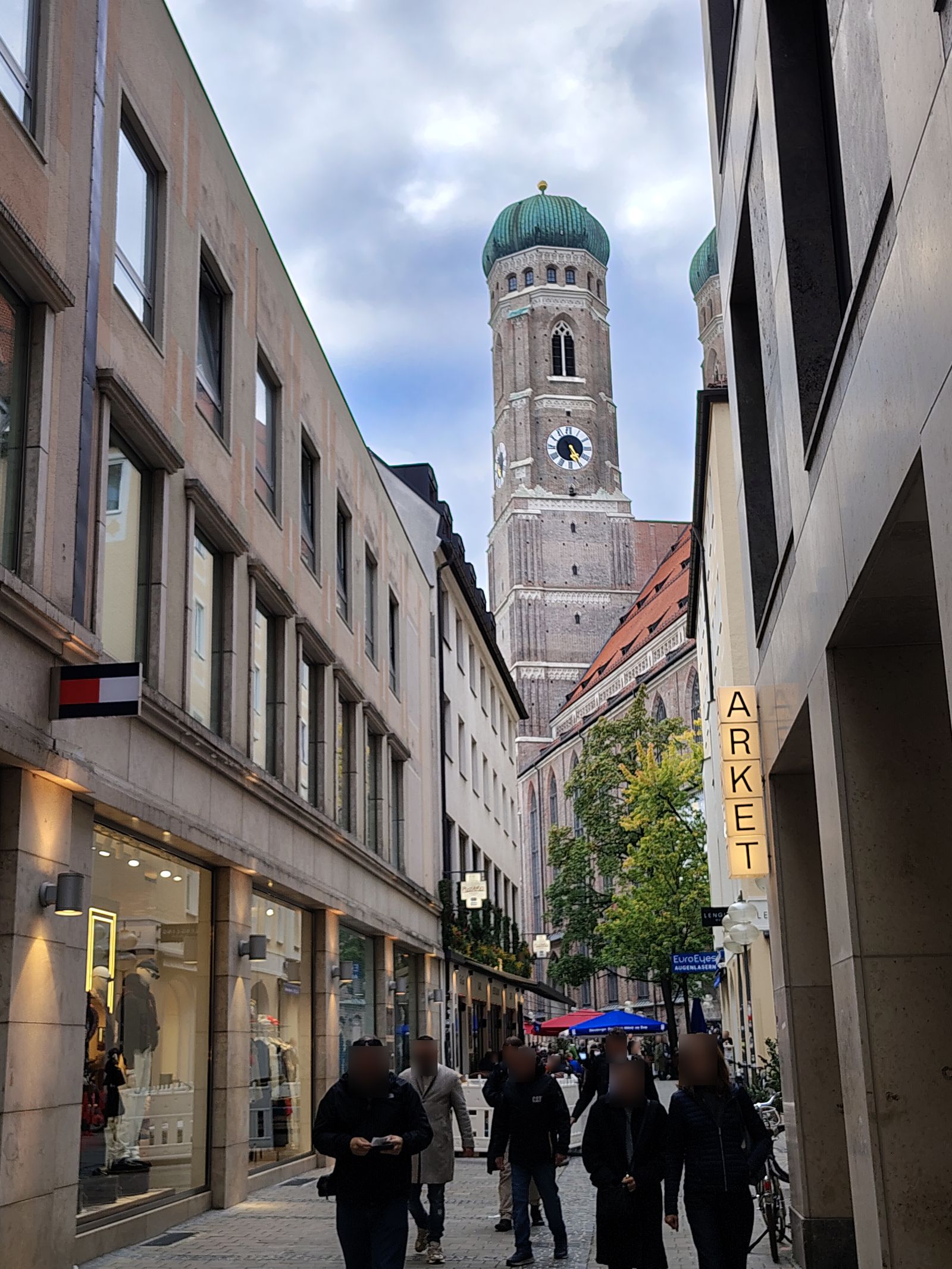
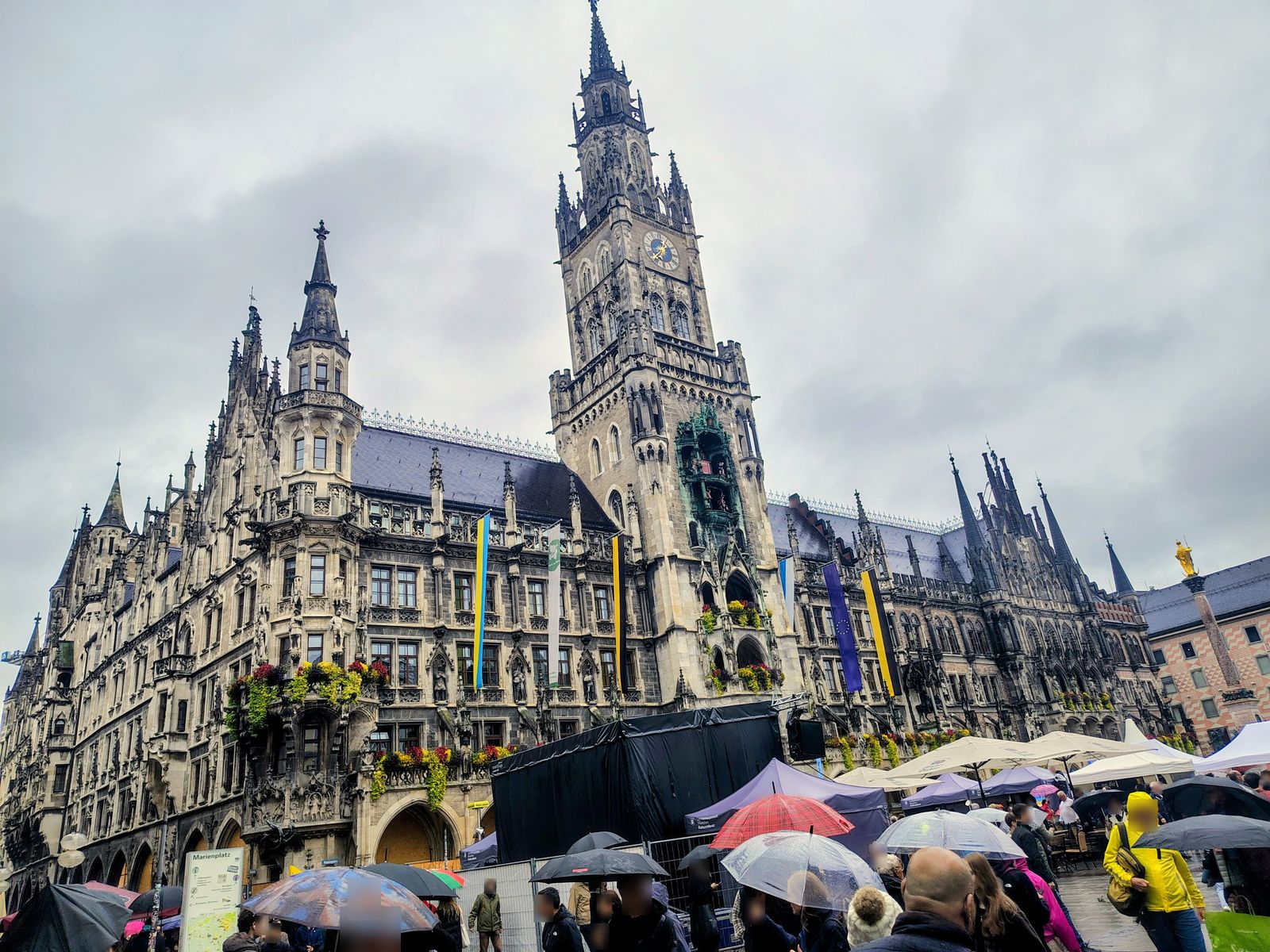
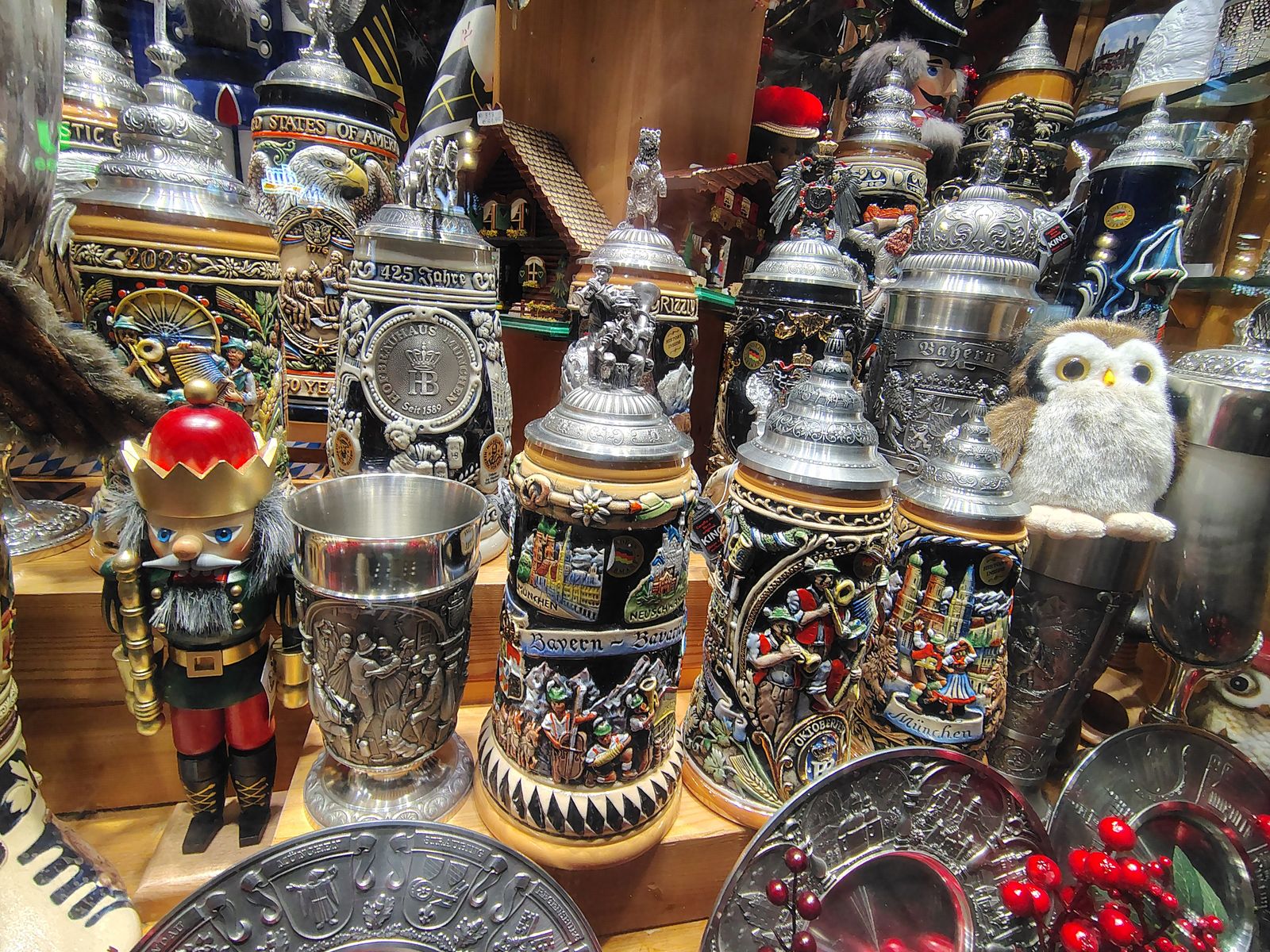
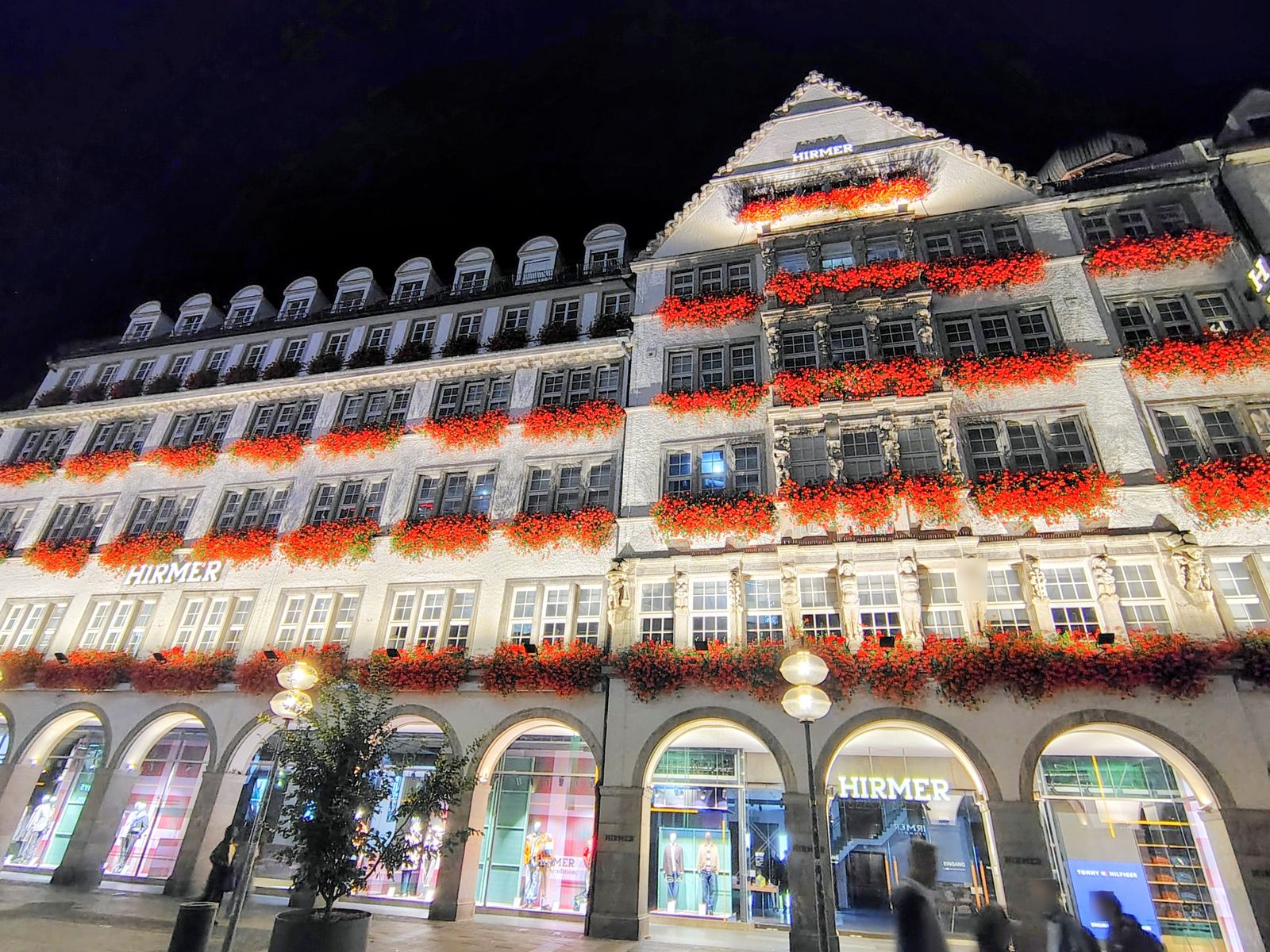
Most of what visitors come for sits within a short walk. From Marienplatz, with the Neues Rathaus on one side and the Frauenkirche's twin towers a few streets away, the pedestrian streets run out in every direction. At night the whole square is lit, and the shop windows along the way go over to beer steins and nutcrackers.
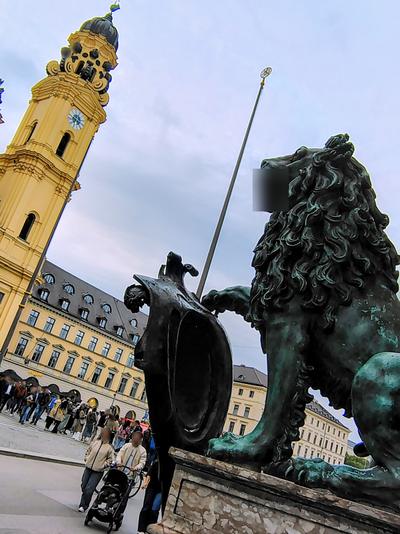
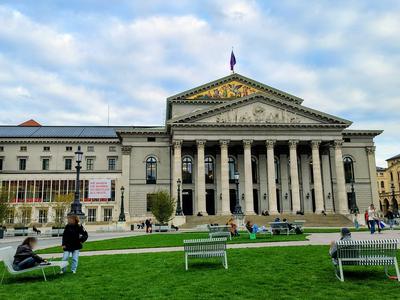
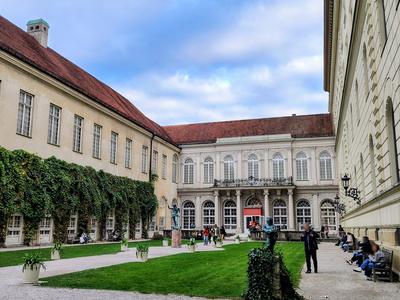
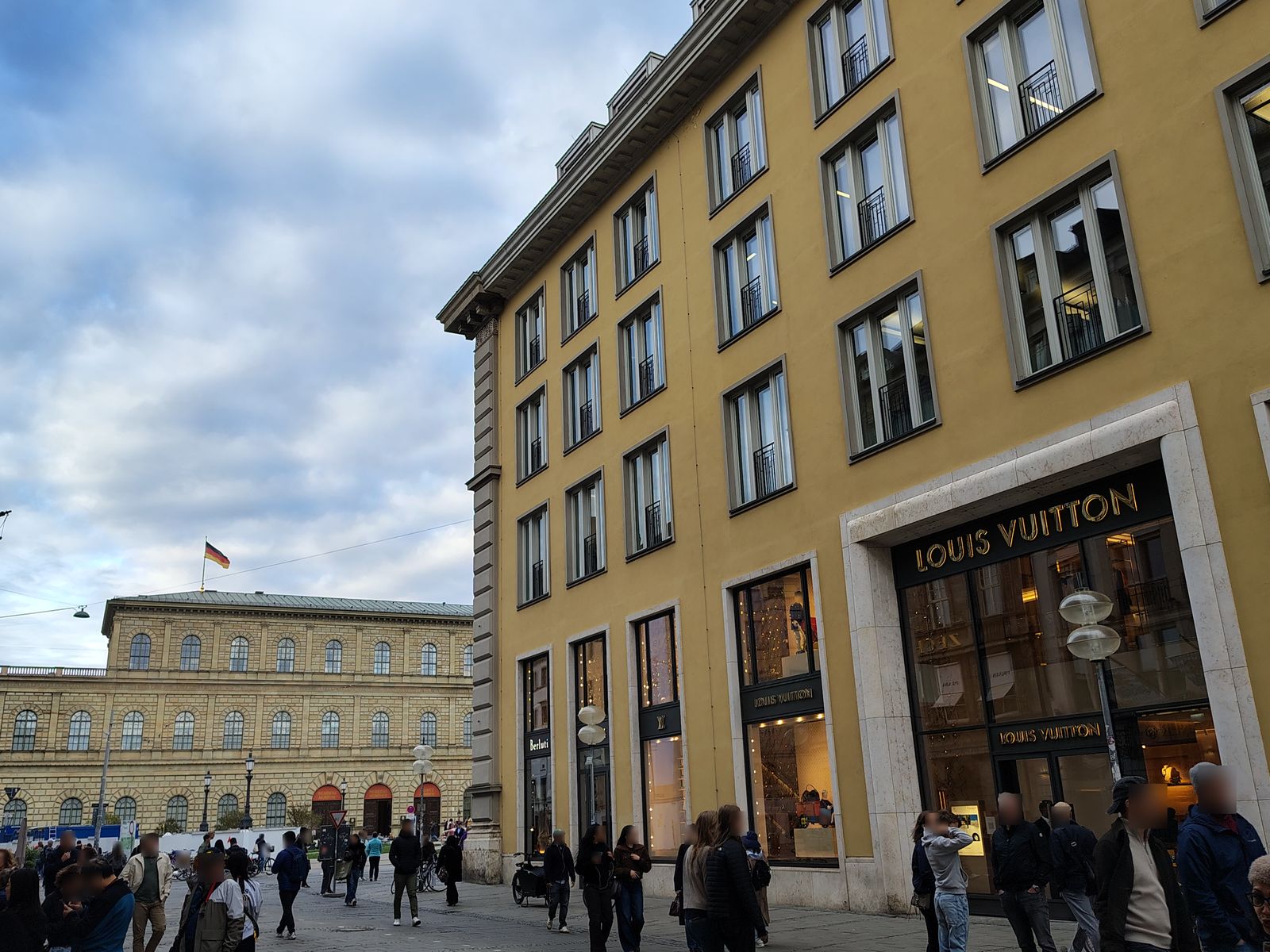
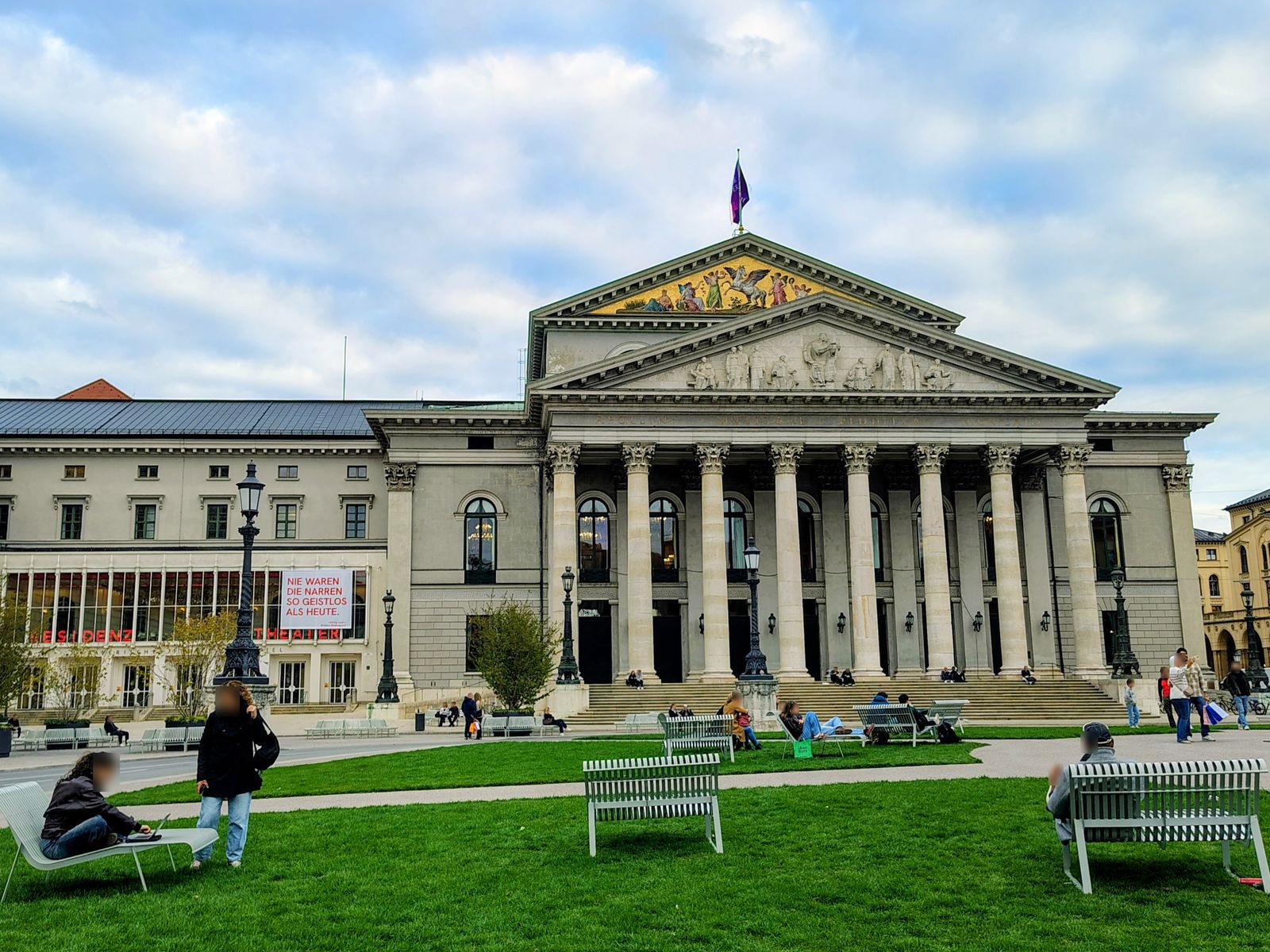
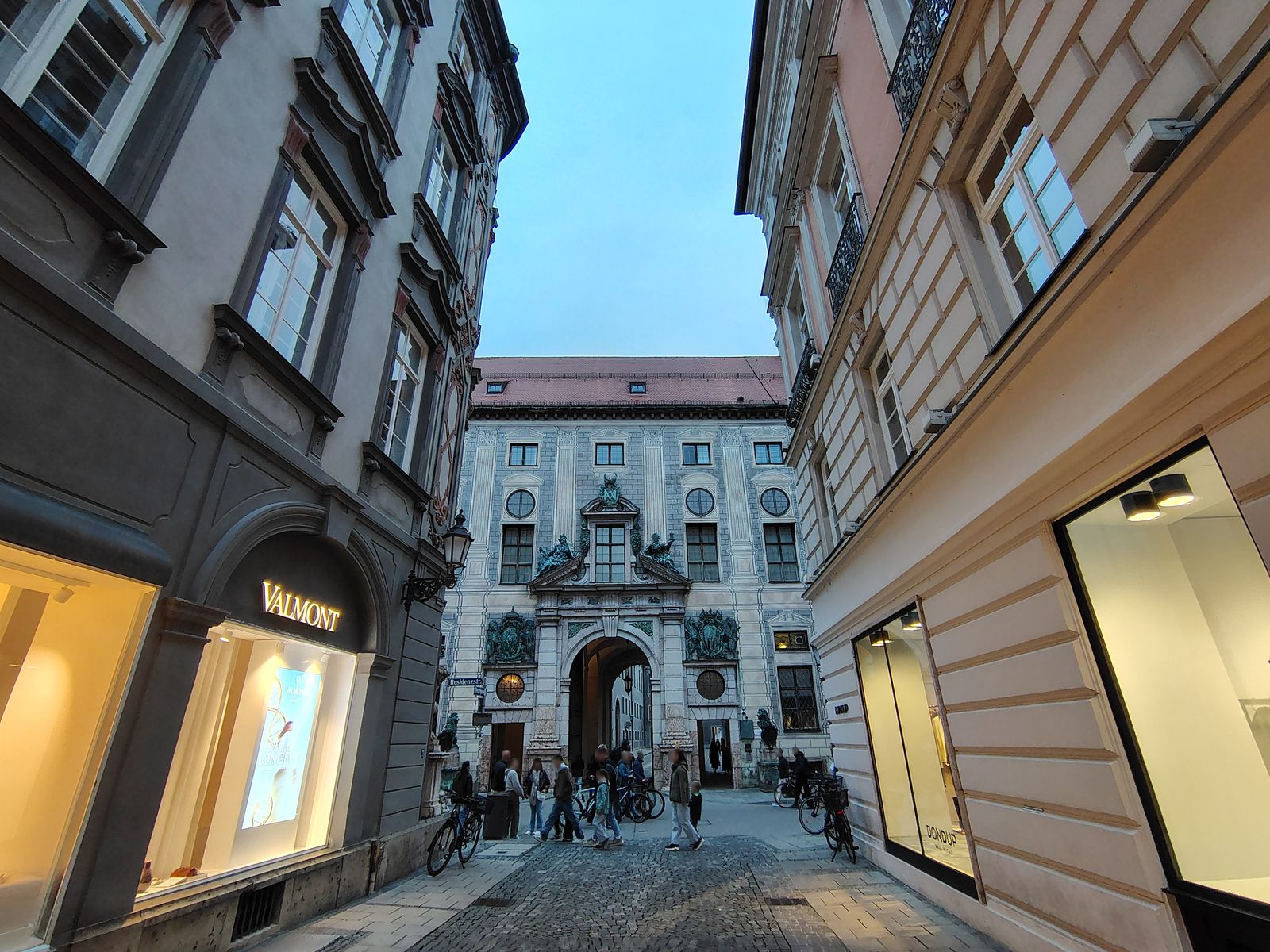
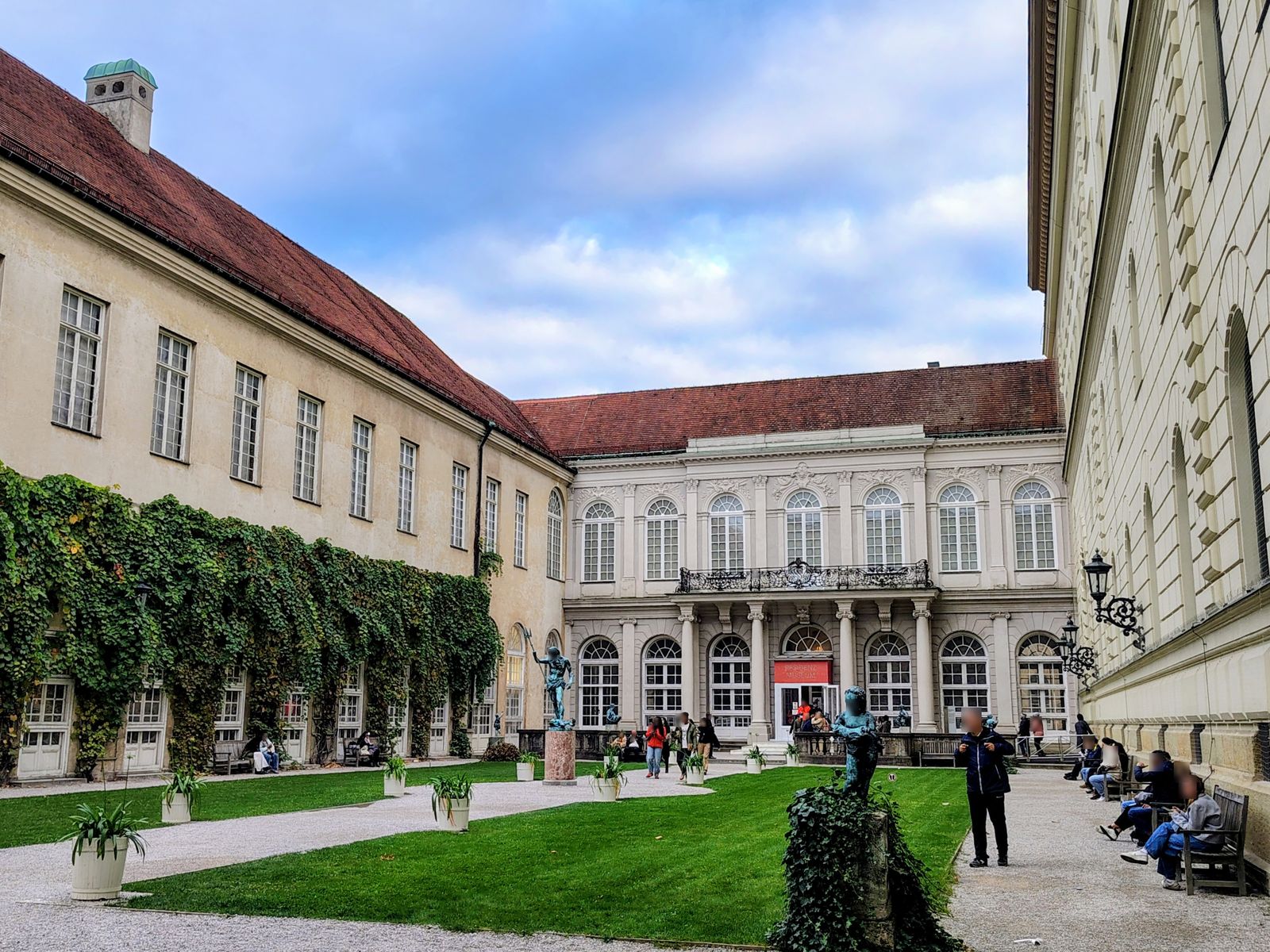
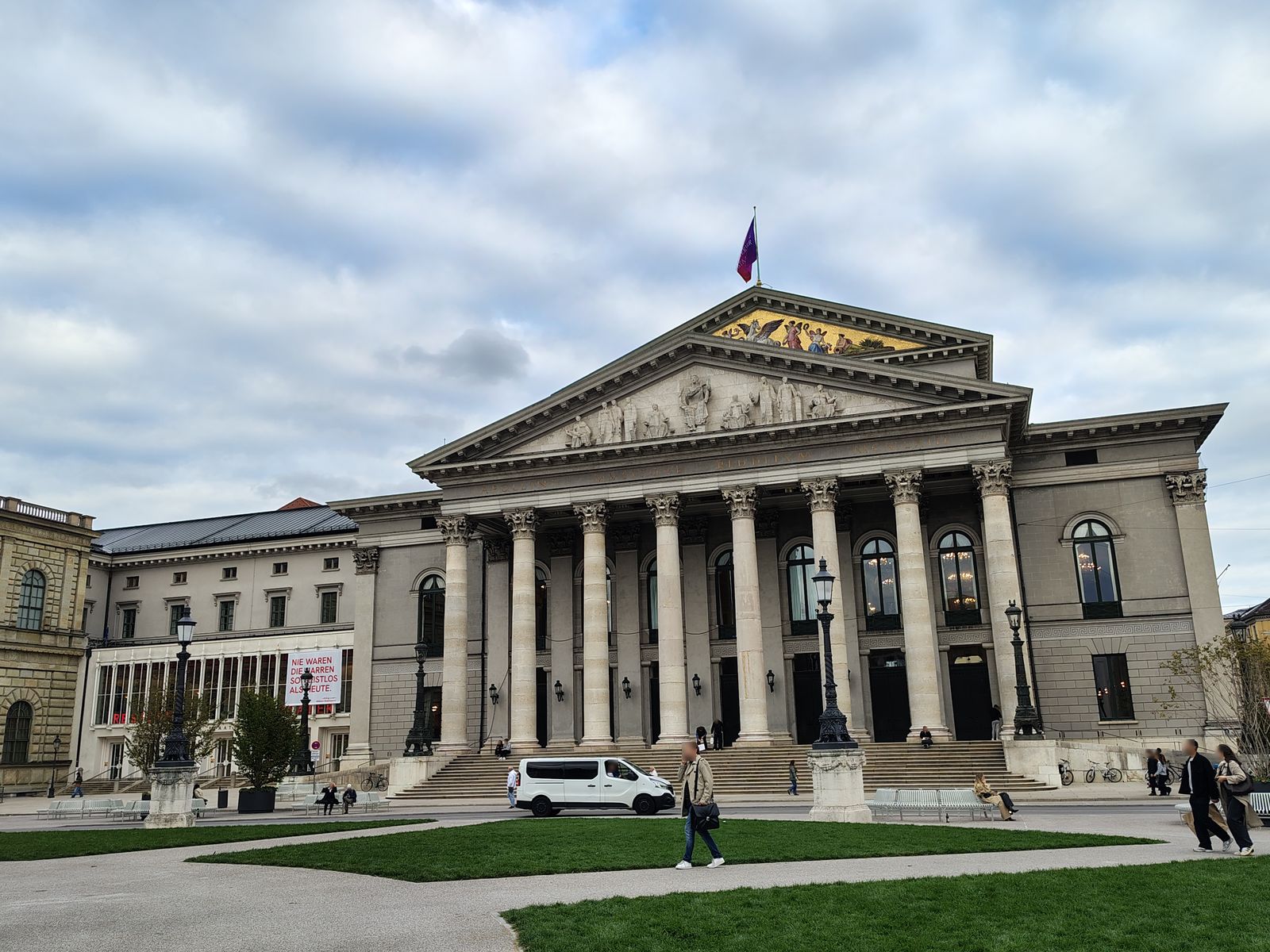
The Residenz and the opera. North of Marienplatz, the Residenz, the former city palace of the Wittelsbachs, and the Nationaltheater on Max-Joseph-Platz are the grand set pieces. Germany is home to more than 80 opera companies, and the Bavarian State Opera, which traces its history back more than 350 years, might be the finest. It has a reputation for a varied repertoire, often in avant-garde productions, and locals still dress up for the nearly 2,000-seat Nationaltheater. Germany's public subsidies mean there are tickets for every budget, including standing-room tickets.
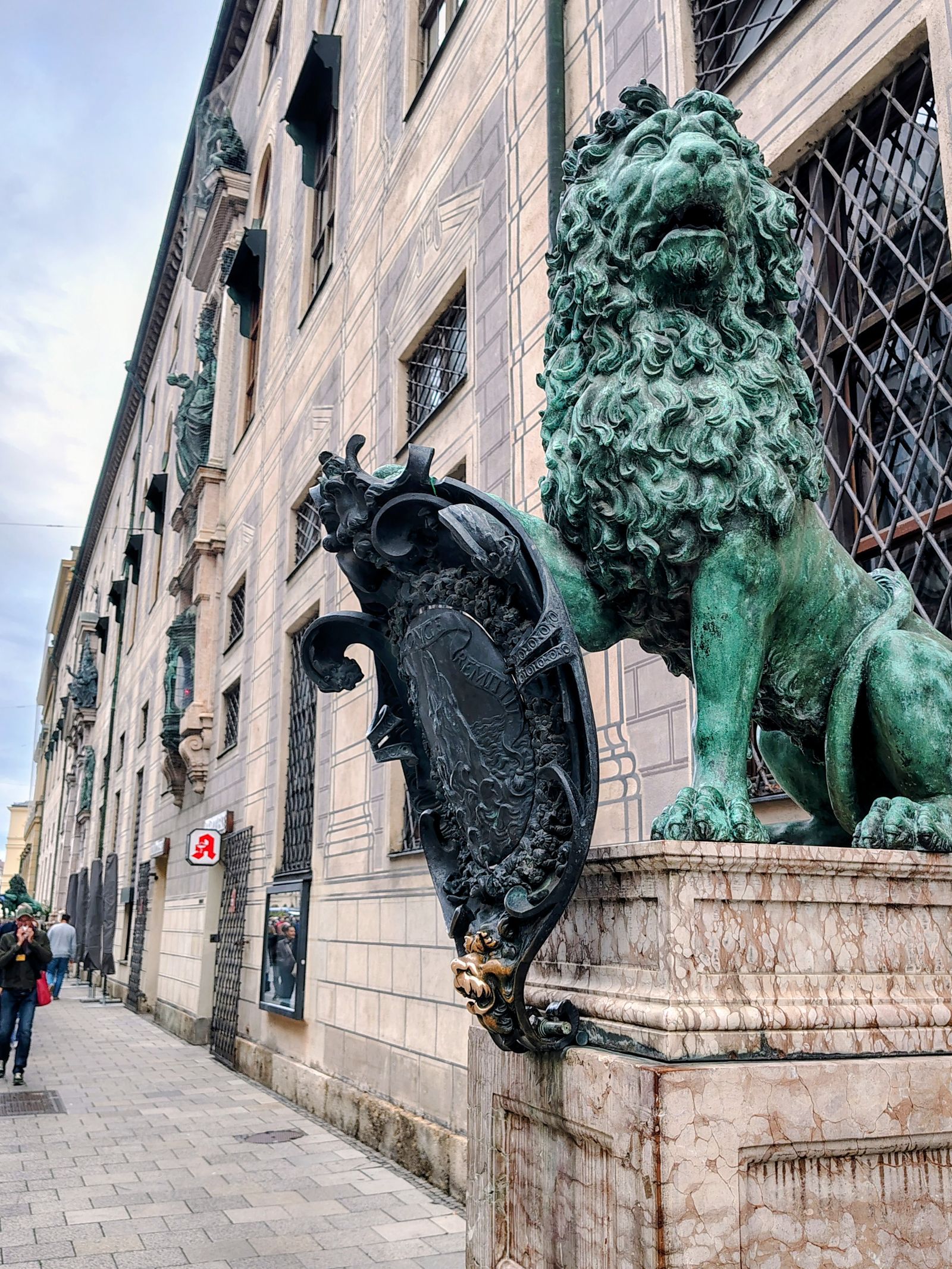
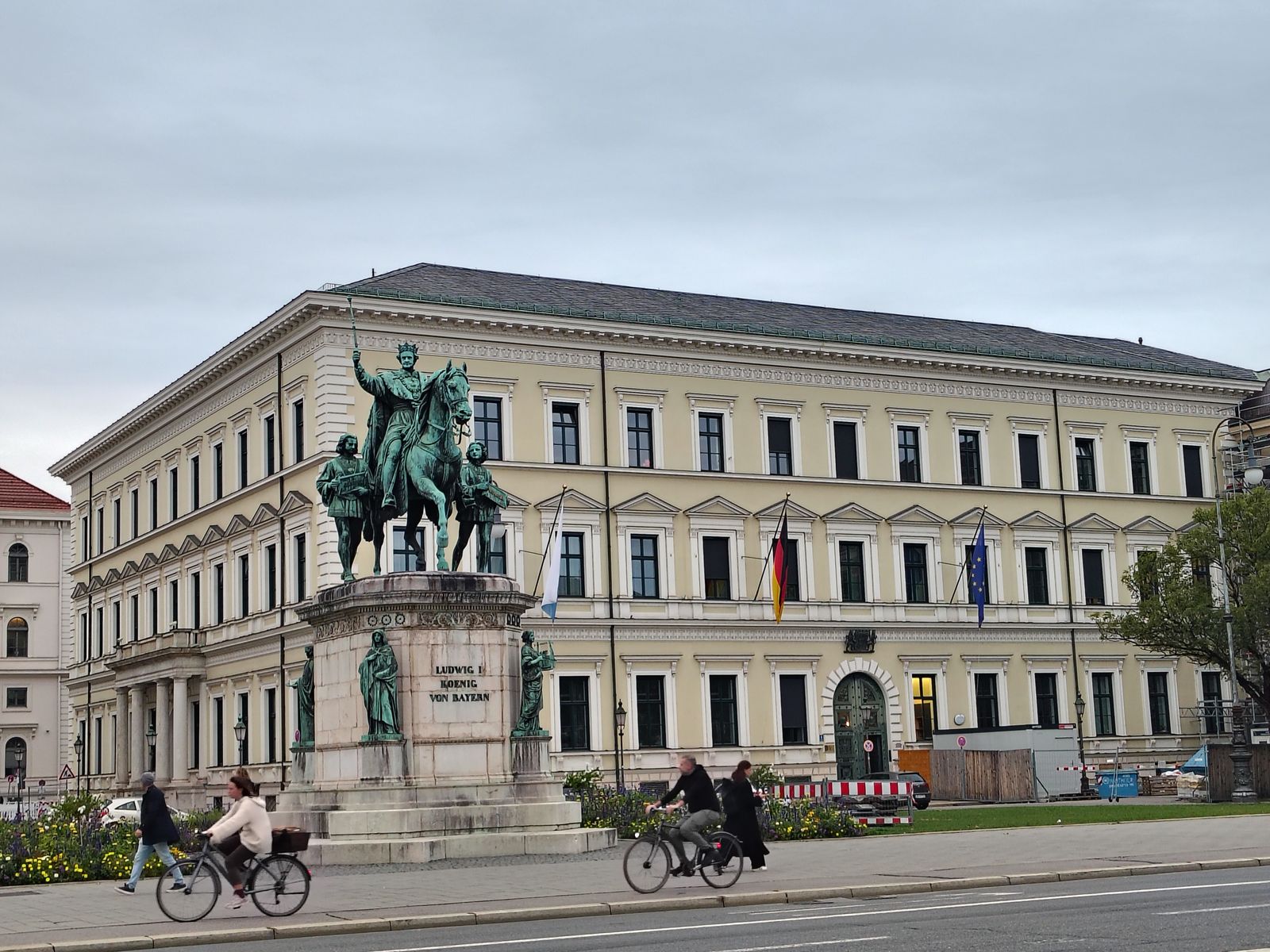
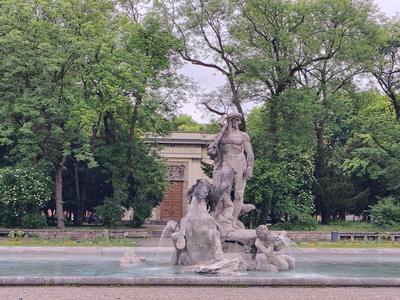
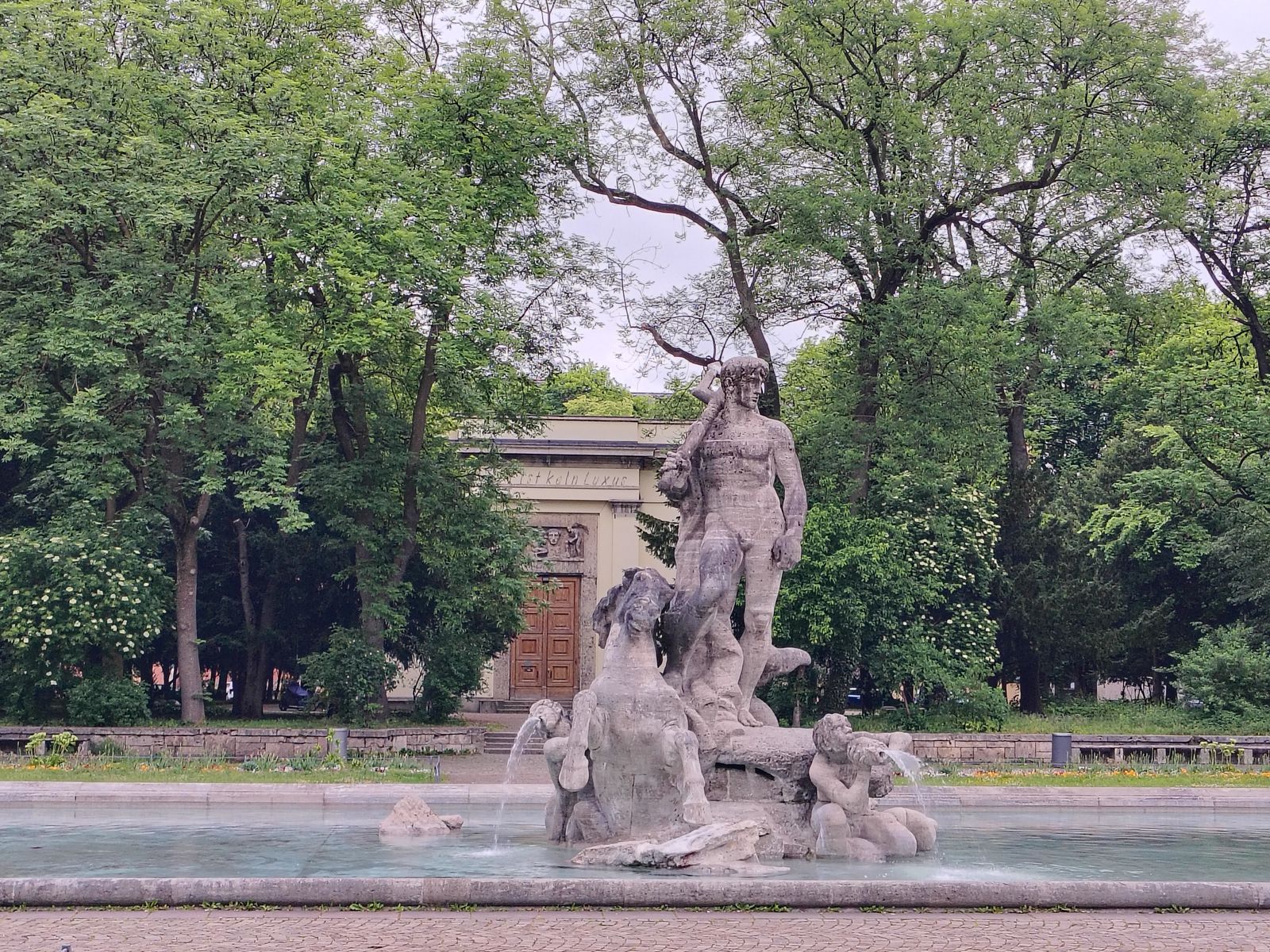
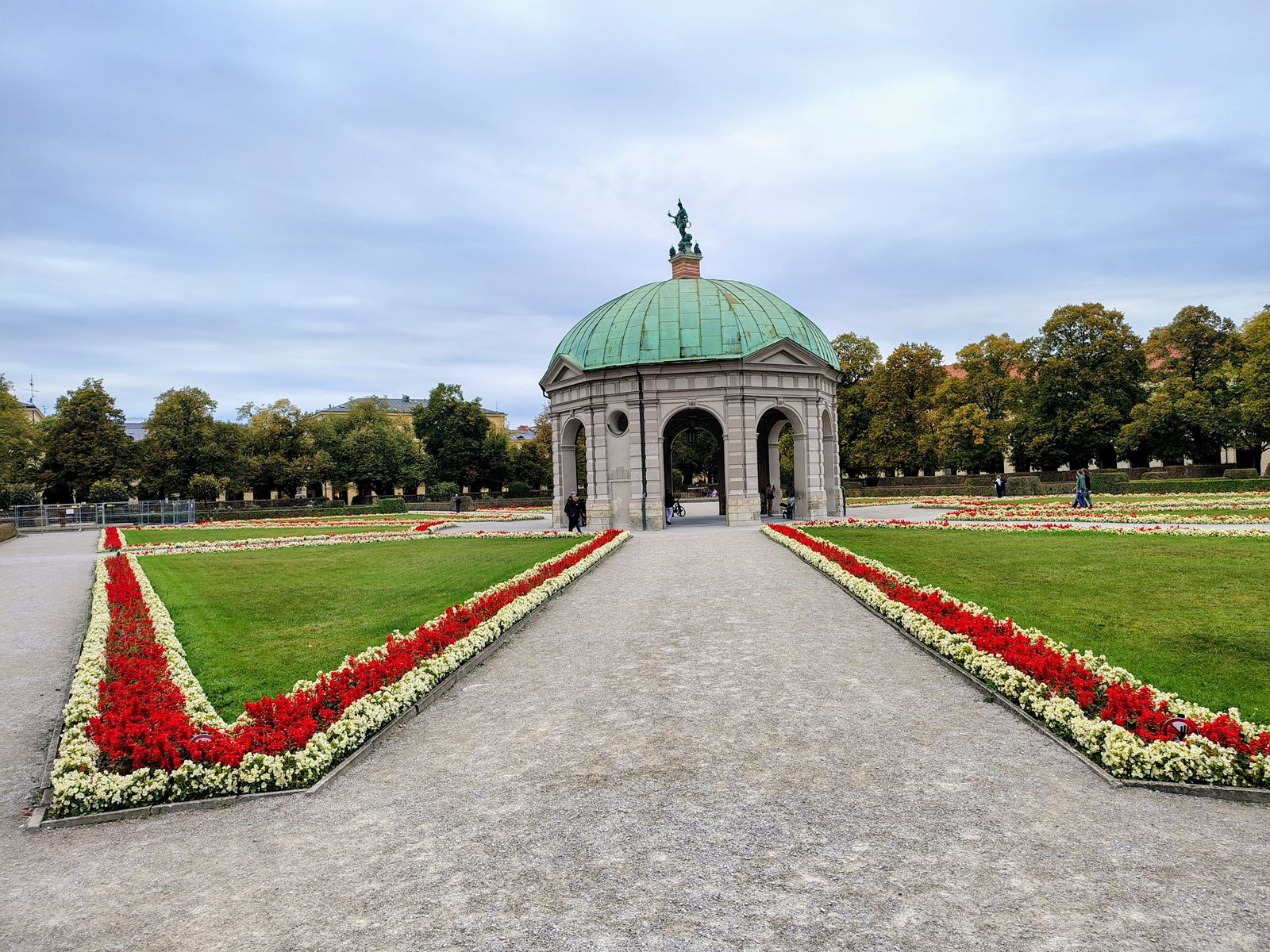
Odeonsplatz and the Hofgarten. From Odeonsplatz, a nineteenth-century square, a short stroll leads into the Hofgarten, a manicured park with hedges and a domed pavilion at its centre. From there you can cross into the Englischer Garten, which is larger than New York's Central Park. Wave to the bathers bobbing in the Eisbach, the cold man-made river that snakes through it, and watch the surfers who ride its wave; stop for a first pint at the beer garden beside the Chinese Tower, a five-storey wooden pagoda; take a boat on the Kleinhesseloher See; or climb to the Monopteros, a nineteenth-century replica of a Greek temple built for King Ludwig I.
Viktualienmarkt, and what to order
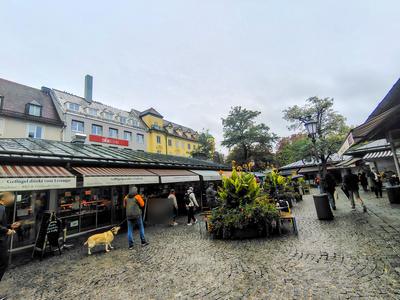
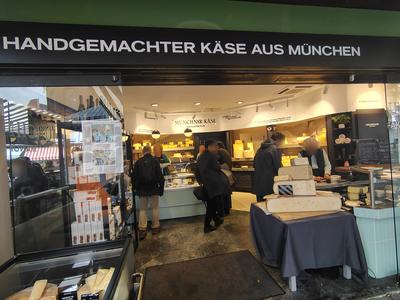
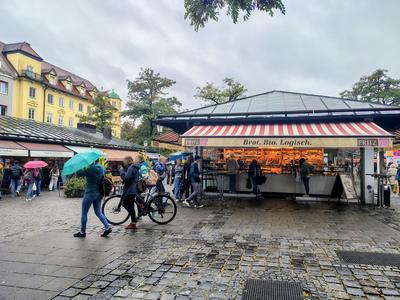
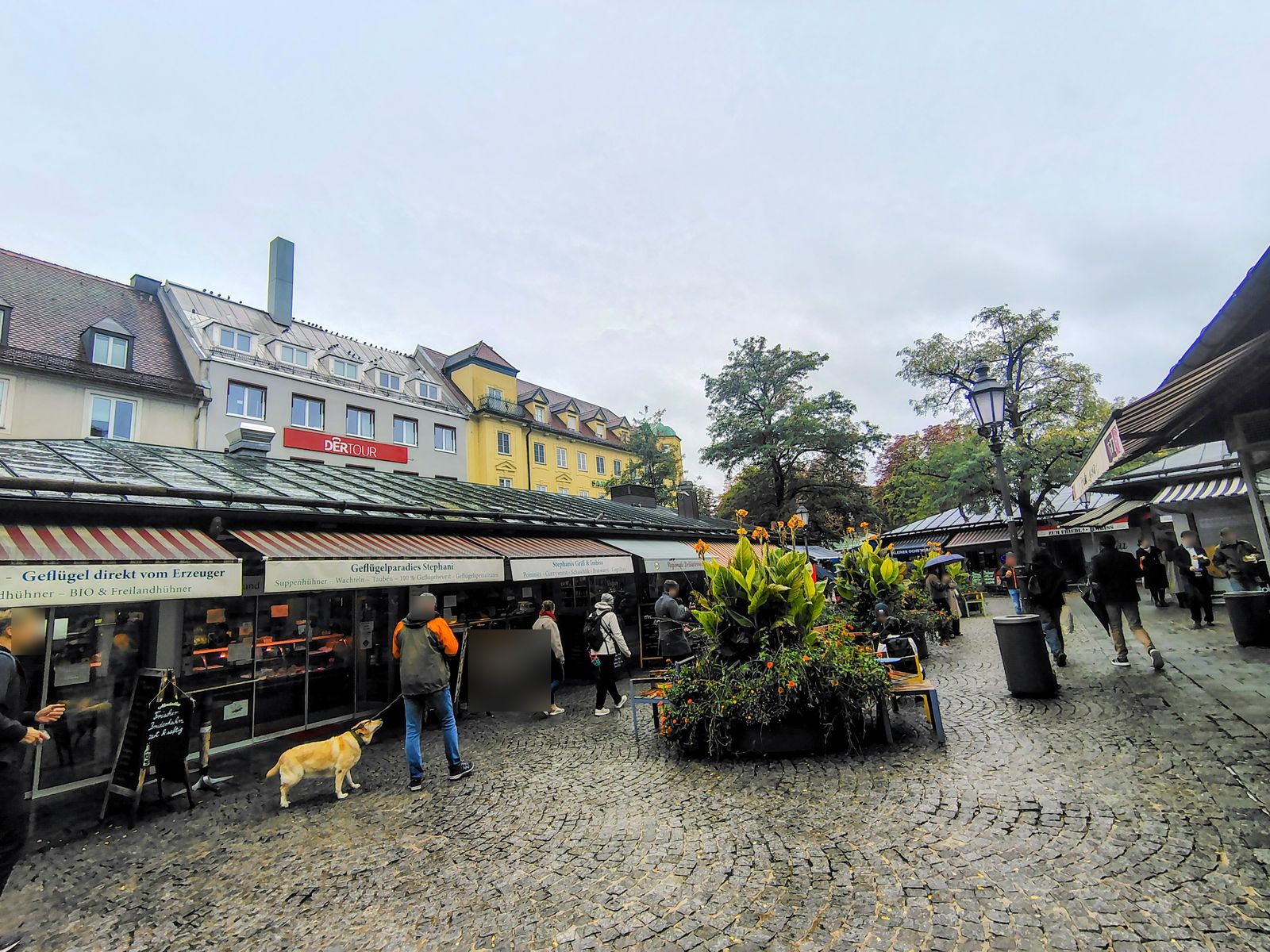
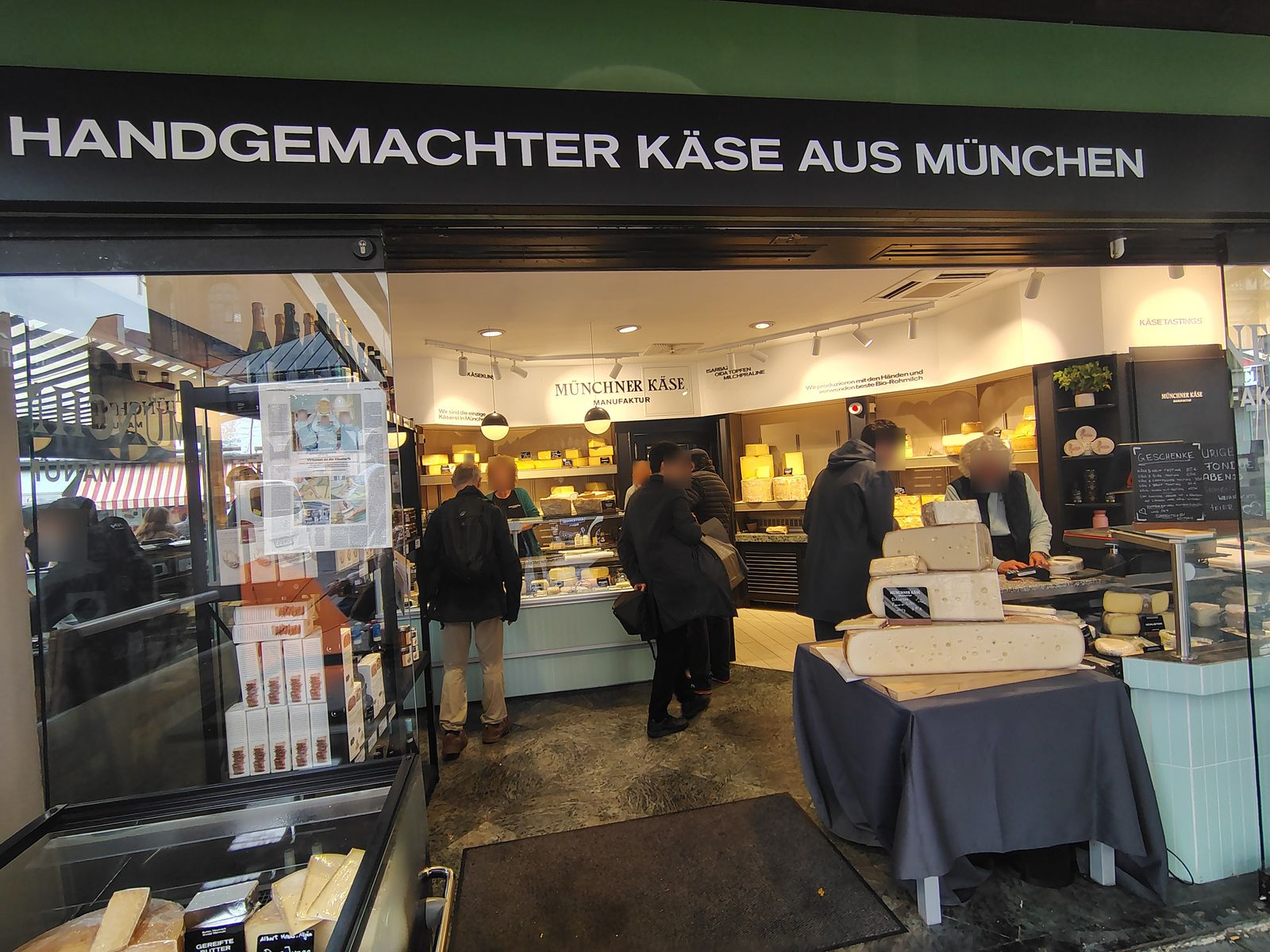
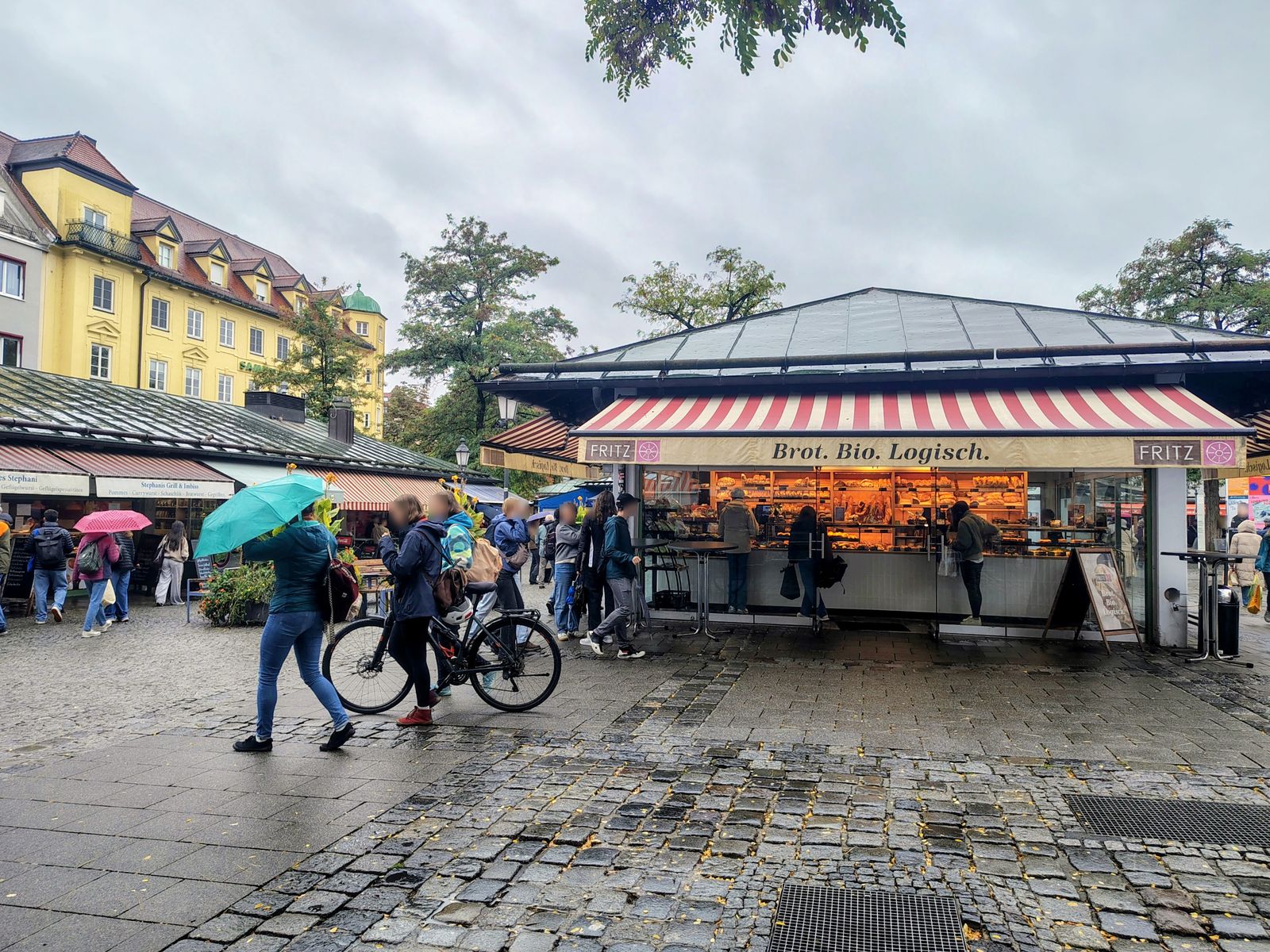
For the food of the region, go to the Viktualienmarkt, Munich's open-air food market in the old town. It is the easiest way to try the different foods of Bavaria in one walk: grilled sausages, bread and pastries, cheese, and stalls where you can eat standing up. The New York Times also points to the pressed sandwiches at Luiginos Bio Feinkost, the stuffed baked potatoes at Caspar Plautz, freshly fried schmalznudels (Bavarian doughnuts) at Café Frischhut, cakes at Lea Zapf, and house-roasted coffee at the Kaffeerösterei, which it says may be the best in town. If the weather turns, Eataly is directly next door.
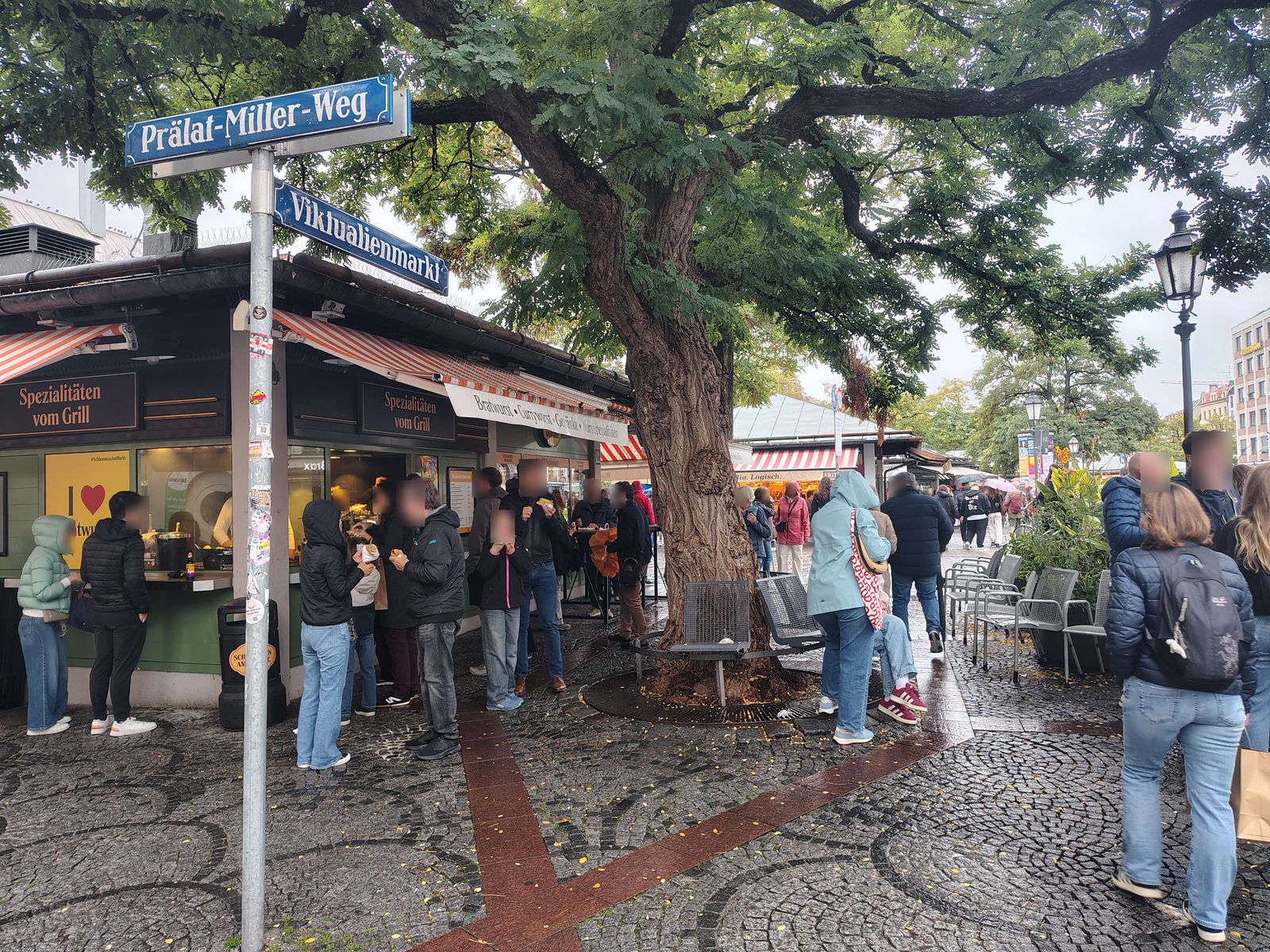
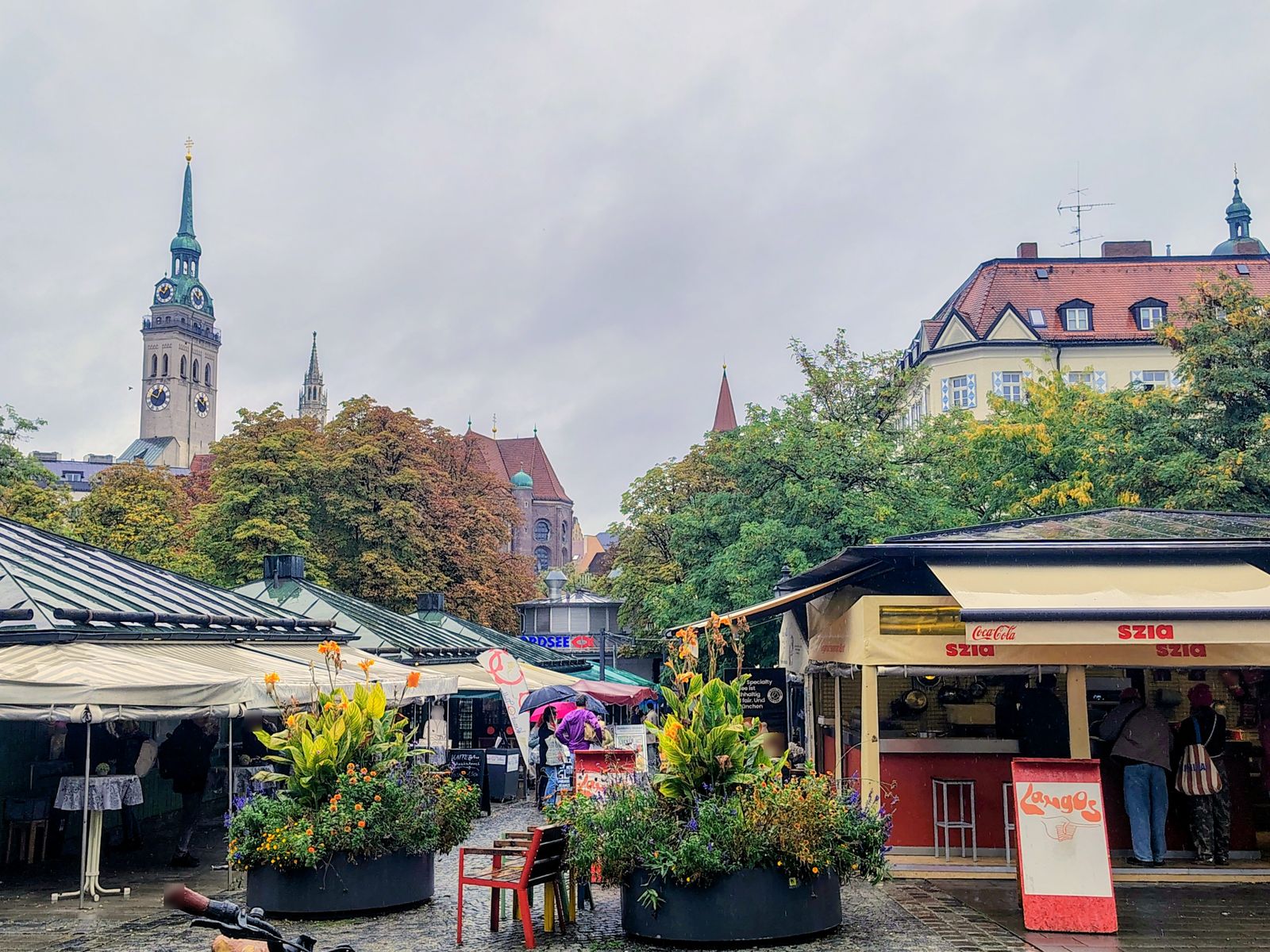
Beyond the market, these are the traditional dishes worth ordering. Weisswurst, the white veal-and-pork sausage, comes with sweet mustard and a pretzel, and tradition says it should be eaten before noon, though many restaurants now serve it all day. The Times recommends Drei Mühlen for the full Weisswurstfrühstück, with a half-litre of Augustiner lager included, and says it is a bustling locals' place that is worth booking. For something cold, order a Brotzeit platter of sausage, ham, cheese, radishes and pickles, or Obatzda, a spread of soft cheese with butter and onion, with a fresh pretzel. For the main course, the classics are Schweinshaxe (roast pork knuckle with crisp skin), Schweinsbraten (roast pork cooked in dark beer, with dumplings) and Hendl (half a spit-roasted chicken); Leberkas in a roll is the quick version, and Kasspatzn, baked cheese spaetzle with fried onions, is the vegetarian one. The Hofbräuhaus and Augustiner are the beer halls most often named for all of this. For dessert, try Kaiserschmarrn, Dampfnudeln with vanilla sauce, or Apfelstrudel.
Peter's table
Peter is our Munich expert, and he knows the city's restaurants well. We asked him where he would send a visitor.
Brenner Grill. Peter's first call. It is, as he puts it, a fantastic location: food grilled fresh over charcoal in the dining room itself, with an extractor above the grill, in a former horse stable done in Roman style. It sits beside Maximilianstraße, behind the Hotel Vier Jahreszeiten, so it is easy to fit into a walk through the old town. The prices are very moderate for Munich. The example he gave was the lunch menu, served until 14:00 for EUR 17.50, with a salad, bread rolls, olive oil and a choice between a fish and a meat dish. He calls it absolutely fantastic, with an atmosphere you will not find elsewhere. (Prices as Peter gave them; check the menu when you book. brennergrill.de)
Taverna Limani. By some distance the best Greek restaurant in Munich, in his view, tucked away in a small residential area rather than on a tourist street, and run by a family he has known from the start. It has an outstanding wine list and a varied kitchen, and on request the family will track down and prepare unusual things. What he loves most is the welcome: every guest is taken in as if they were part of the family. (taverna-limani.de)
Tambosi. The one to choose if you want to sit in the middle of the city and watch it. It is on Odeonsplatz, where the avenue from Schwabing runs into Brienner Straße. It is touristy, Peter says, and still very popular with Munich people, because you can have a drink and take in the atmosphere of the square. The Hofgarten is right next door, so the park walk above fits straight in. (tambosi-odeonsplatz.de)
Christina's picks
Christina is our second Munich expert. Her list starts with the view and then goes wherever the food is good, which is not always where it looks best.
Café Glockenspiel. Her choice for the best view. It sits on the upper floors at Marienplatz 28, with a roof terrace, and the food is fine too, so it works as a meal and not only as a coffee stop. (cafe-glockenspiel.de) She names the Buffet Kull Bar as the alternative: a little expensive, she says, but really that good. It is at Marienstraße 4, a French bistro with a New York steakhouse menu, and it is wise to book. (buffet-kull.de)
Pars. A Persian restaurant she calls super tasty, down a flight of stairs at Dachauer Straße 19. (pars-restaurant.de)
Grill Slemani. Middle Eastern, at Dachauer Straße 7 and plain to look at; the food is properly good. When you leave, take fresh flatbread from their döner stand downstairs. It is made on the spot and, in her words, always tastes right.
Fuyuan. A very good Chinese restaurant at Augustenstraße 21, with Sichuan-style dishes and Peking duck. Christina's test is the best one: a great many Asian diners eat there, which is how she found it, and she calls that always a good sign.
May. Her insider tip, and a very good Vietnamese at Bergmannstraße 50 in the Westend. (mayrestaurant.de) The food is excellent and the service is careful in an earnest way. If you are lucky, they are running an event on the night and you can learn for free how to make summer rolls at home.
Our own favourite: the Schreiberei and its Bar Tatar
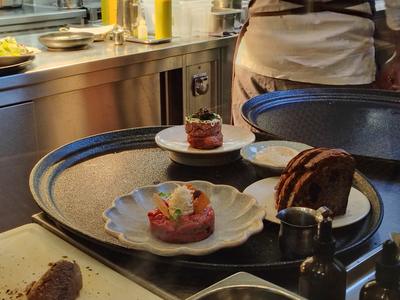
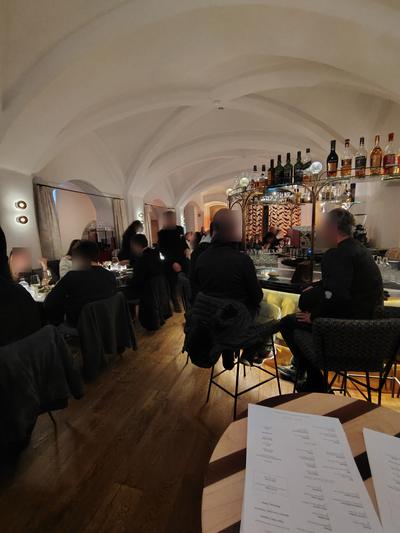
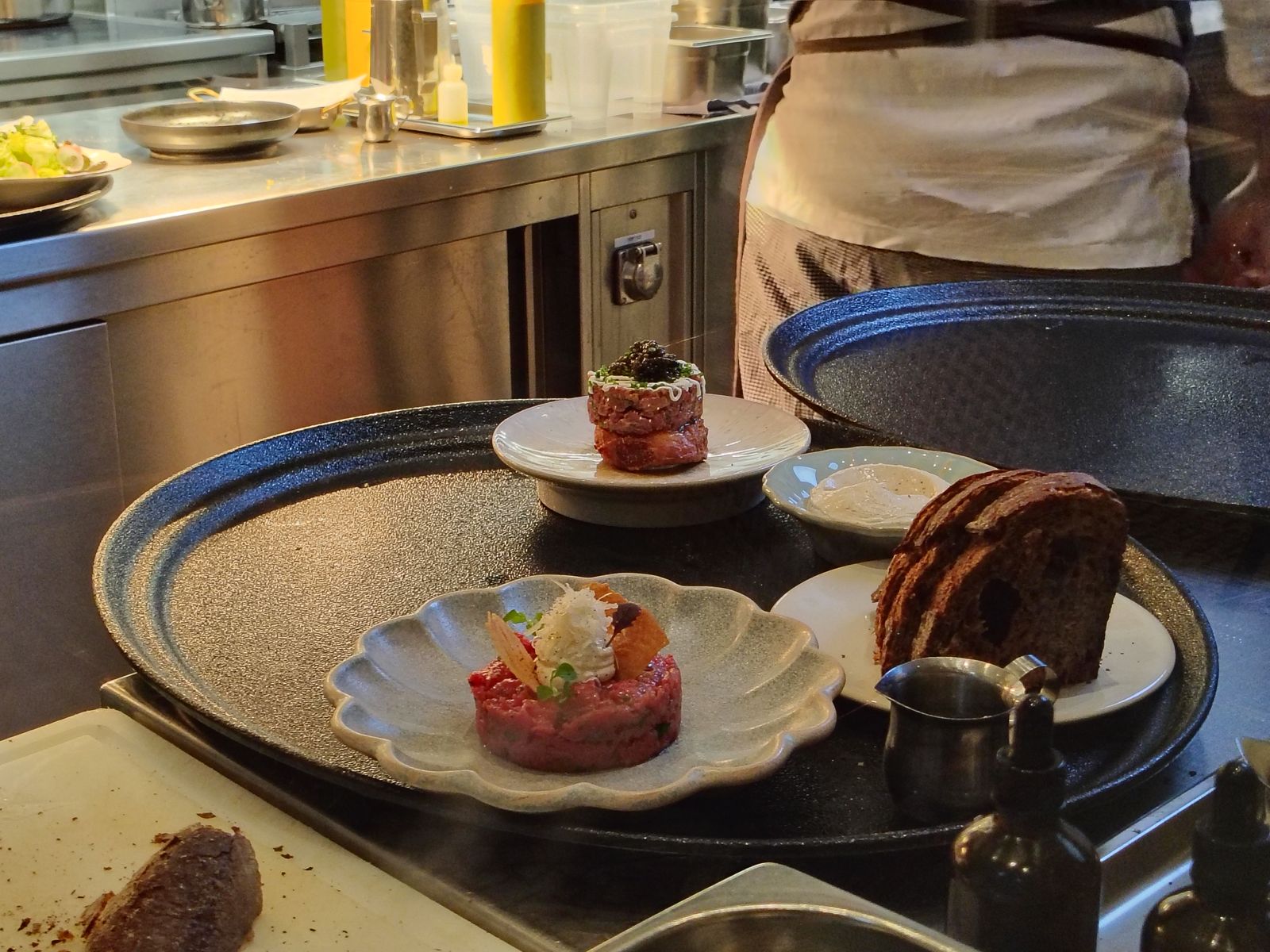
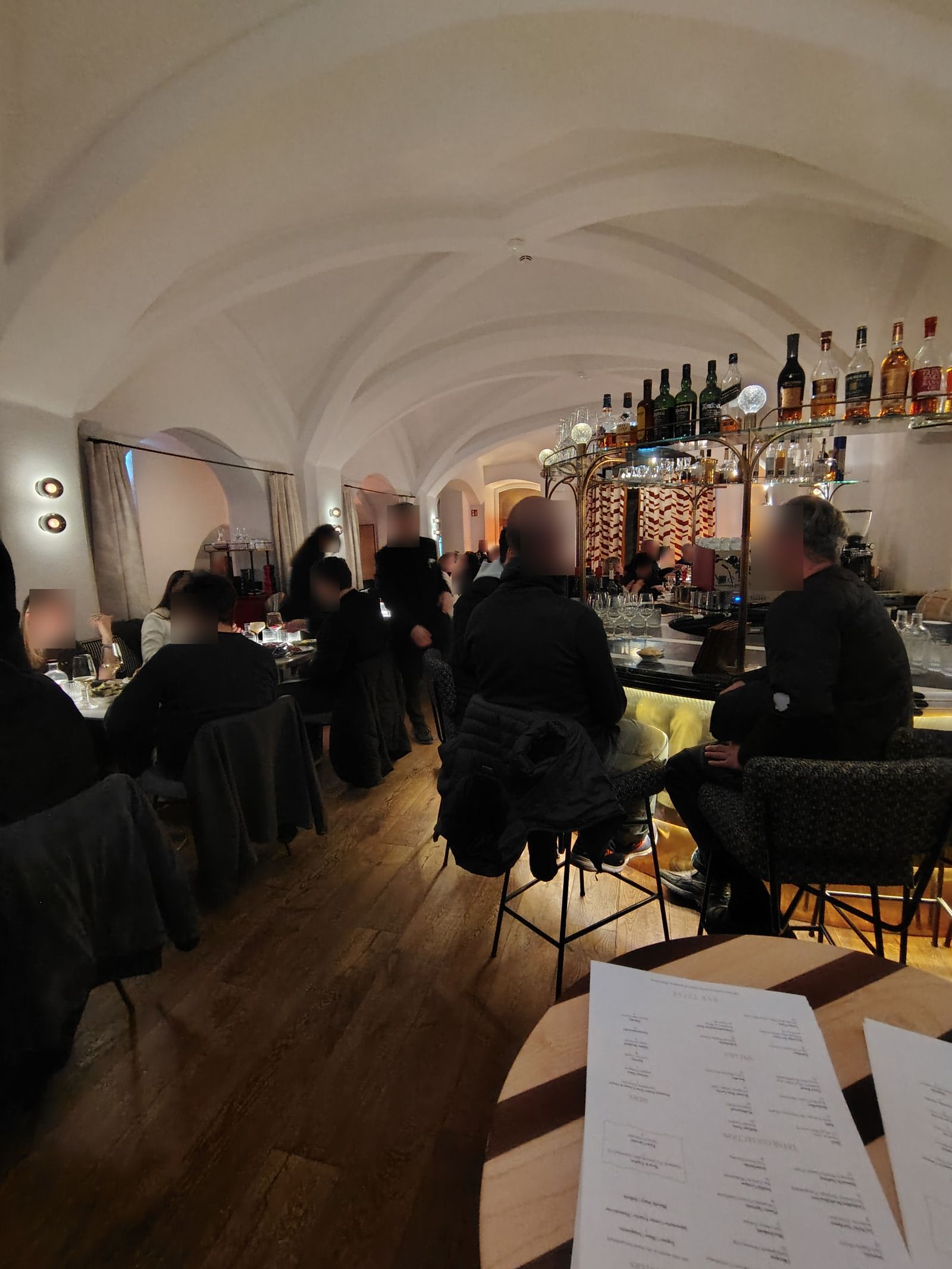
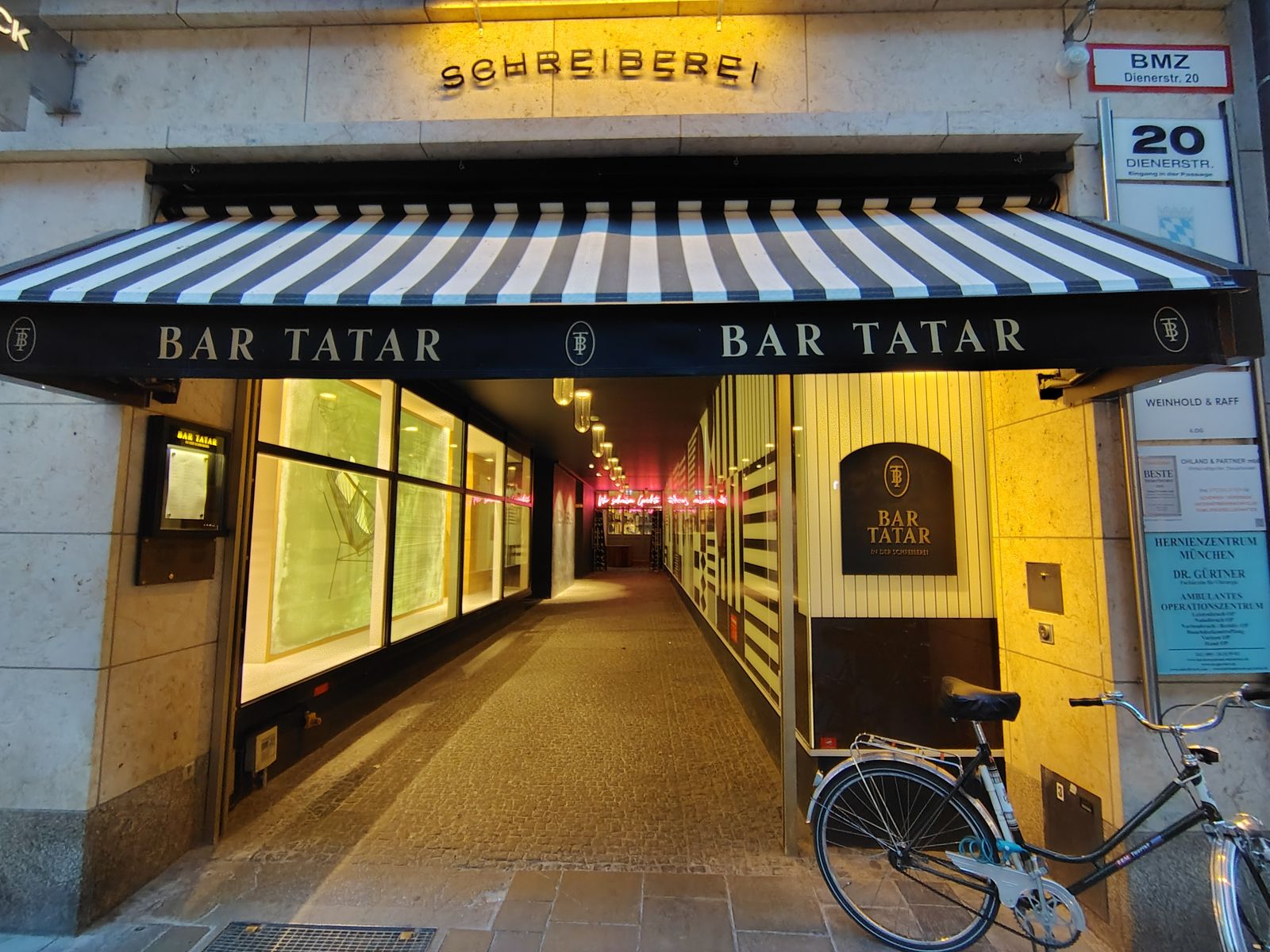
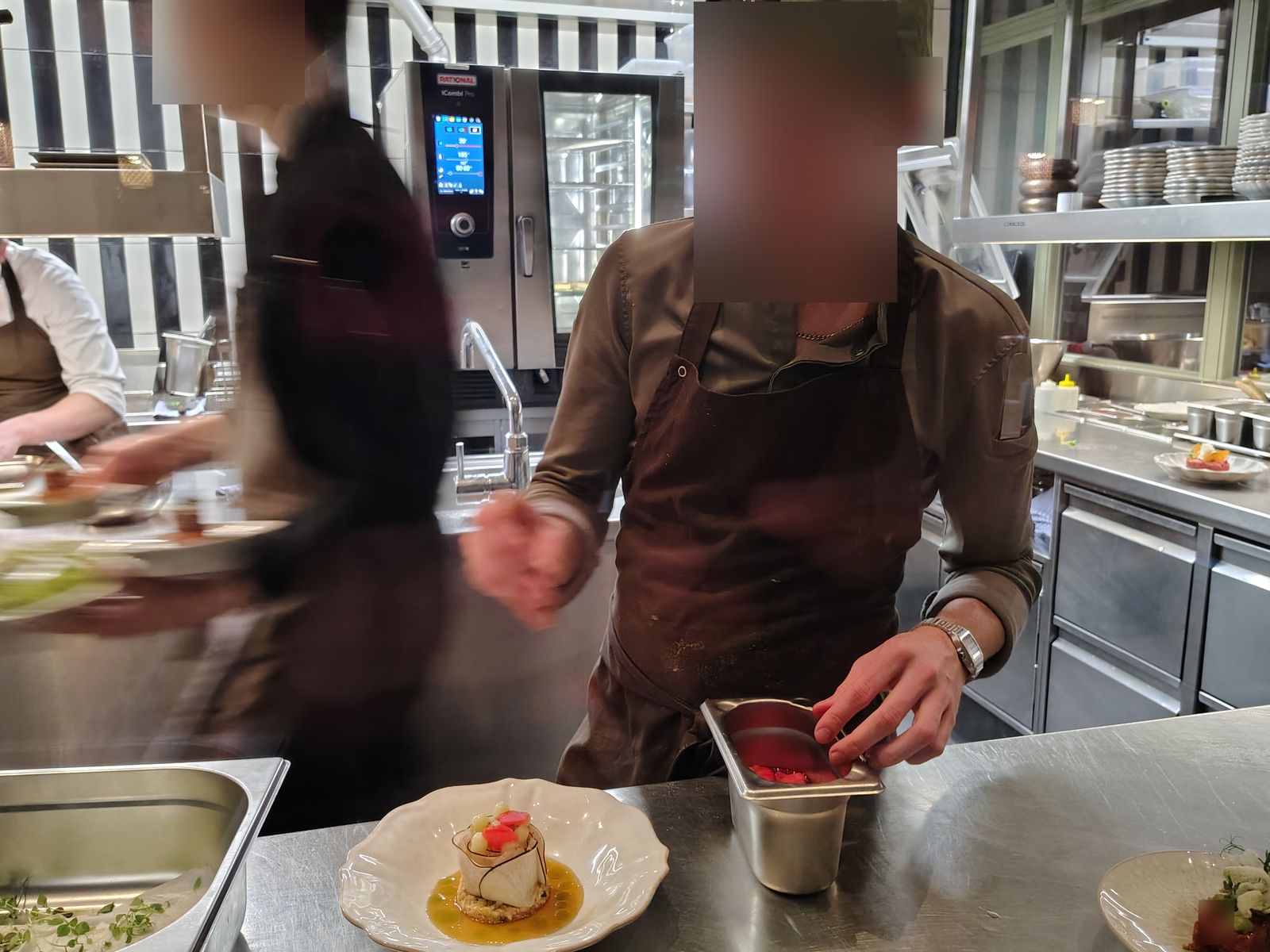
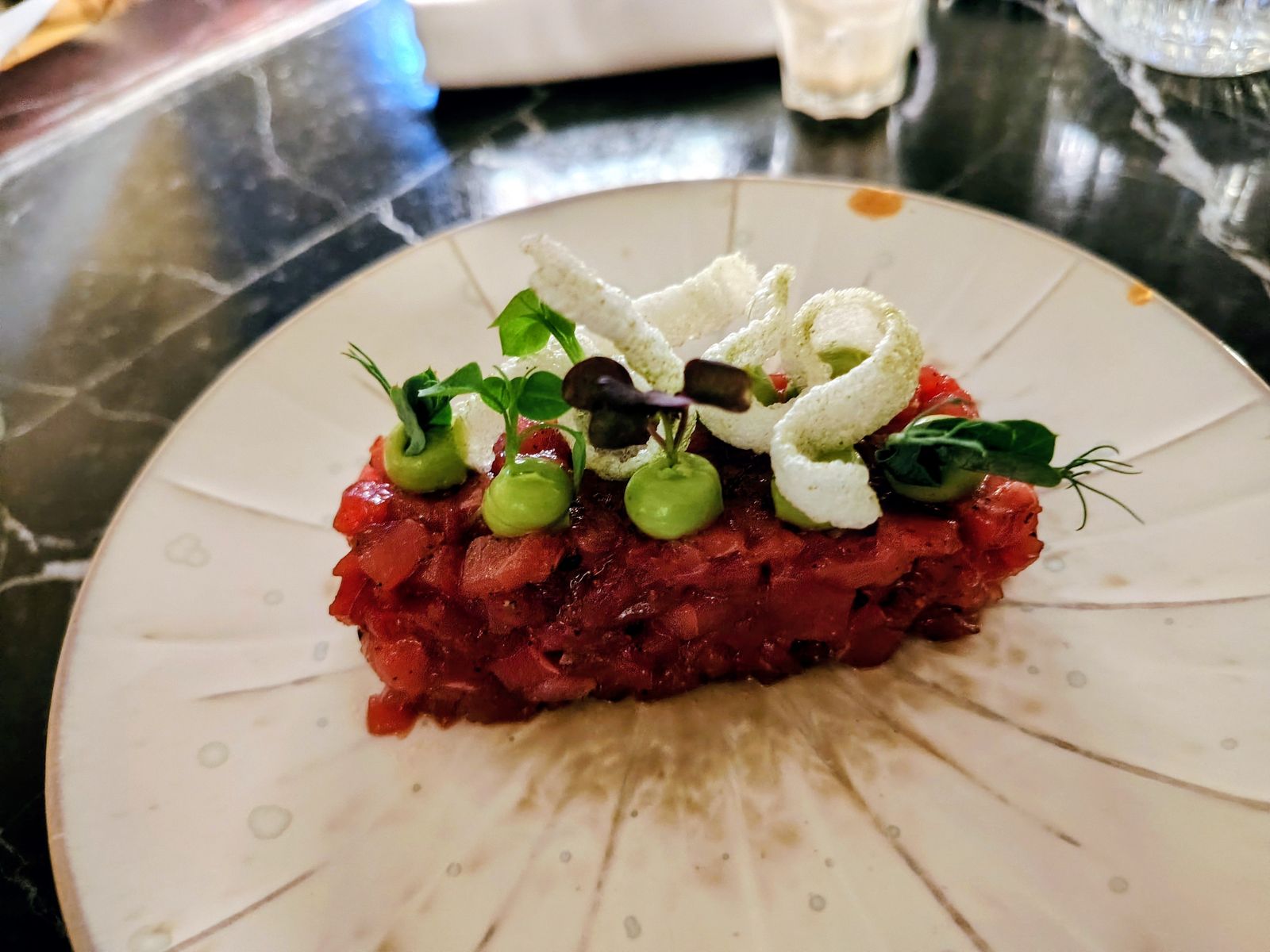
Our favourite place in Munich is the Schreiberei, and in particular its Bar Tatar. The tartare in the photographs is from there, and it is worth a visit in its own right, whichever of the hotels you choose.
Along the Isar
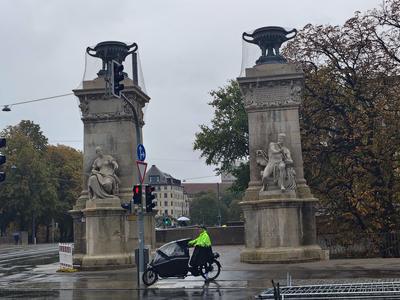
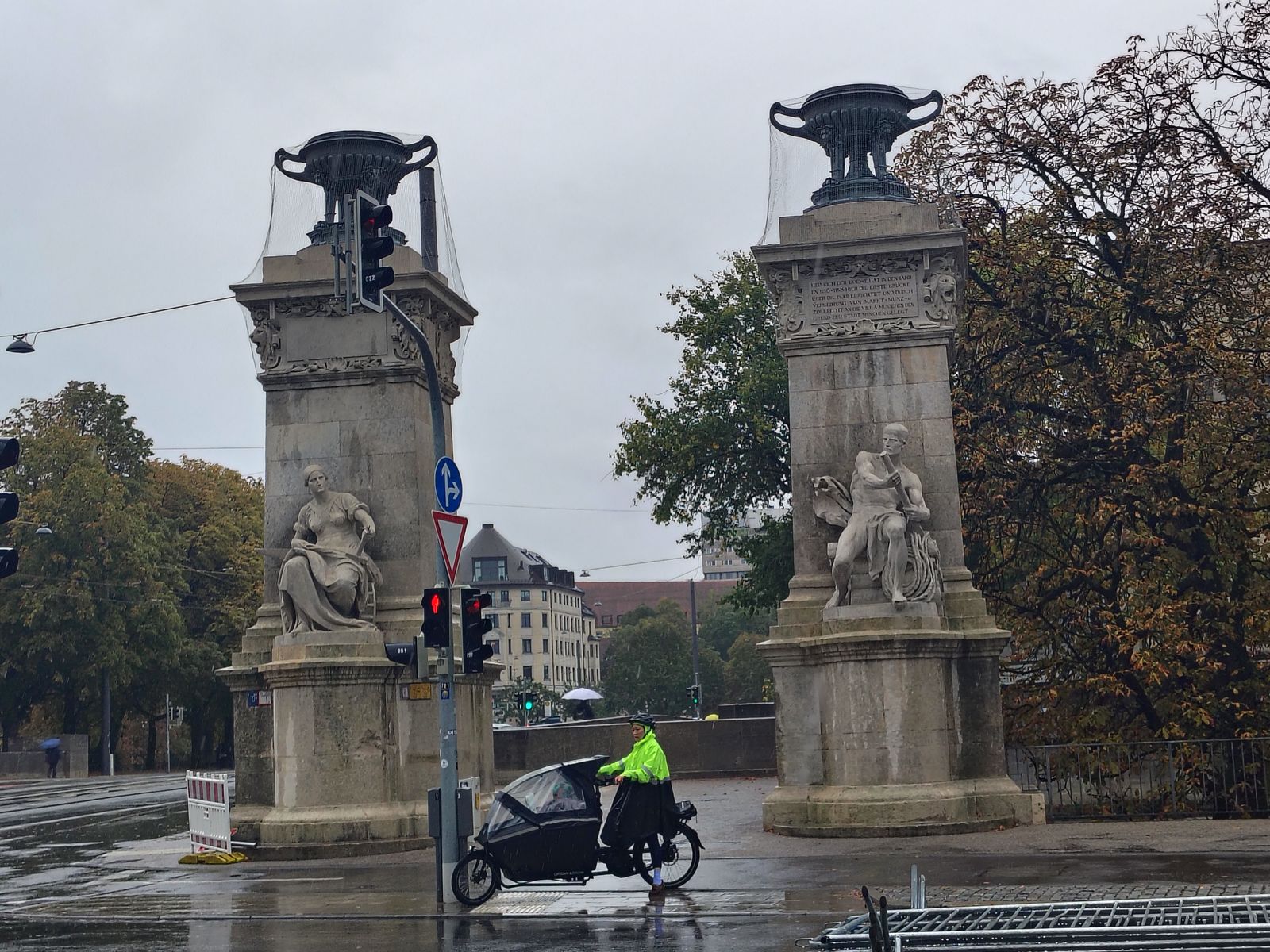
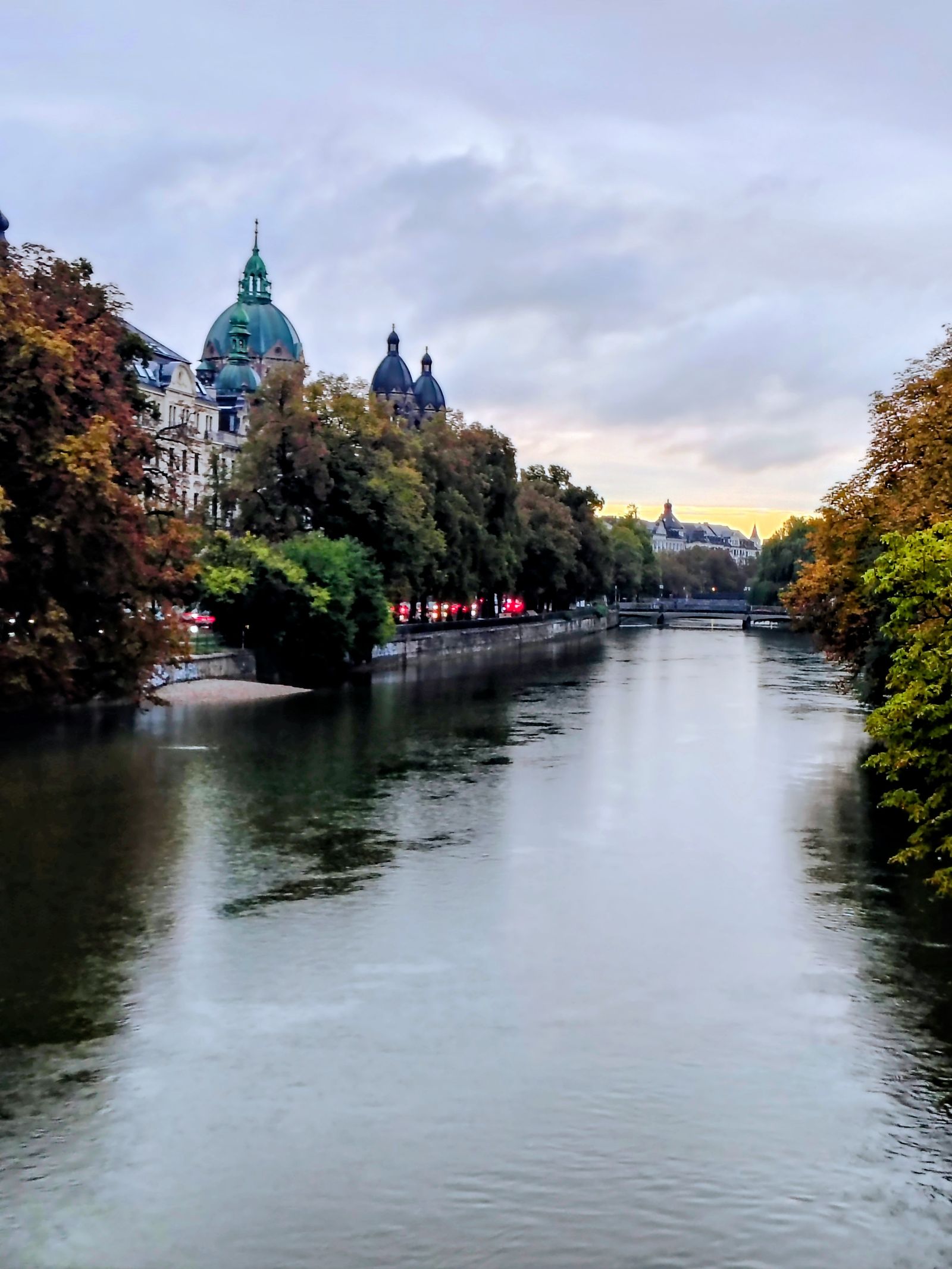
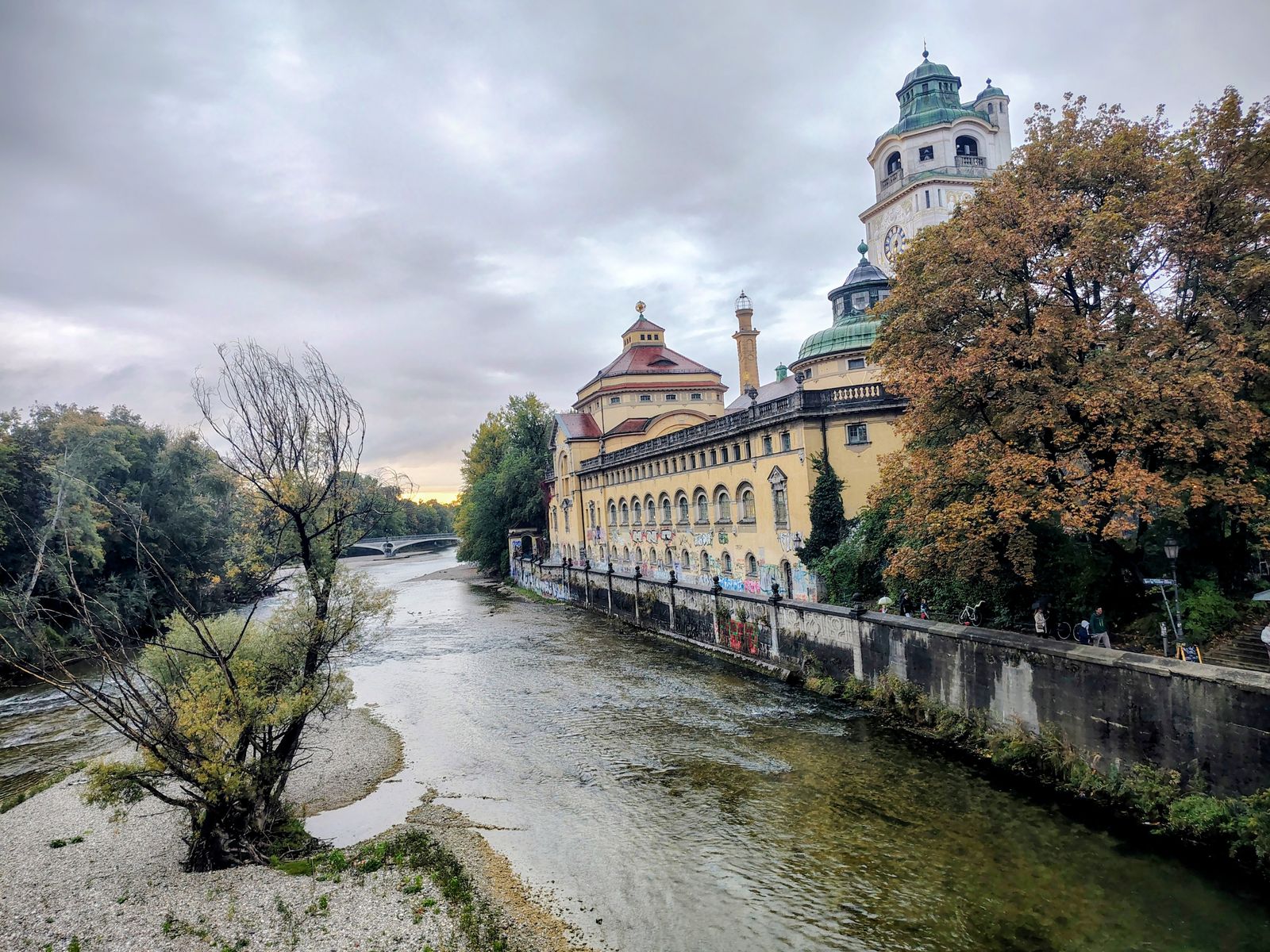
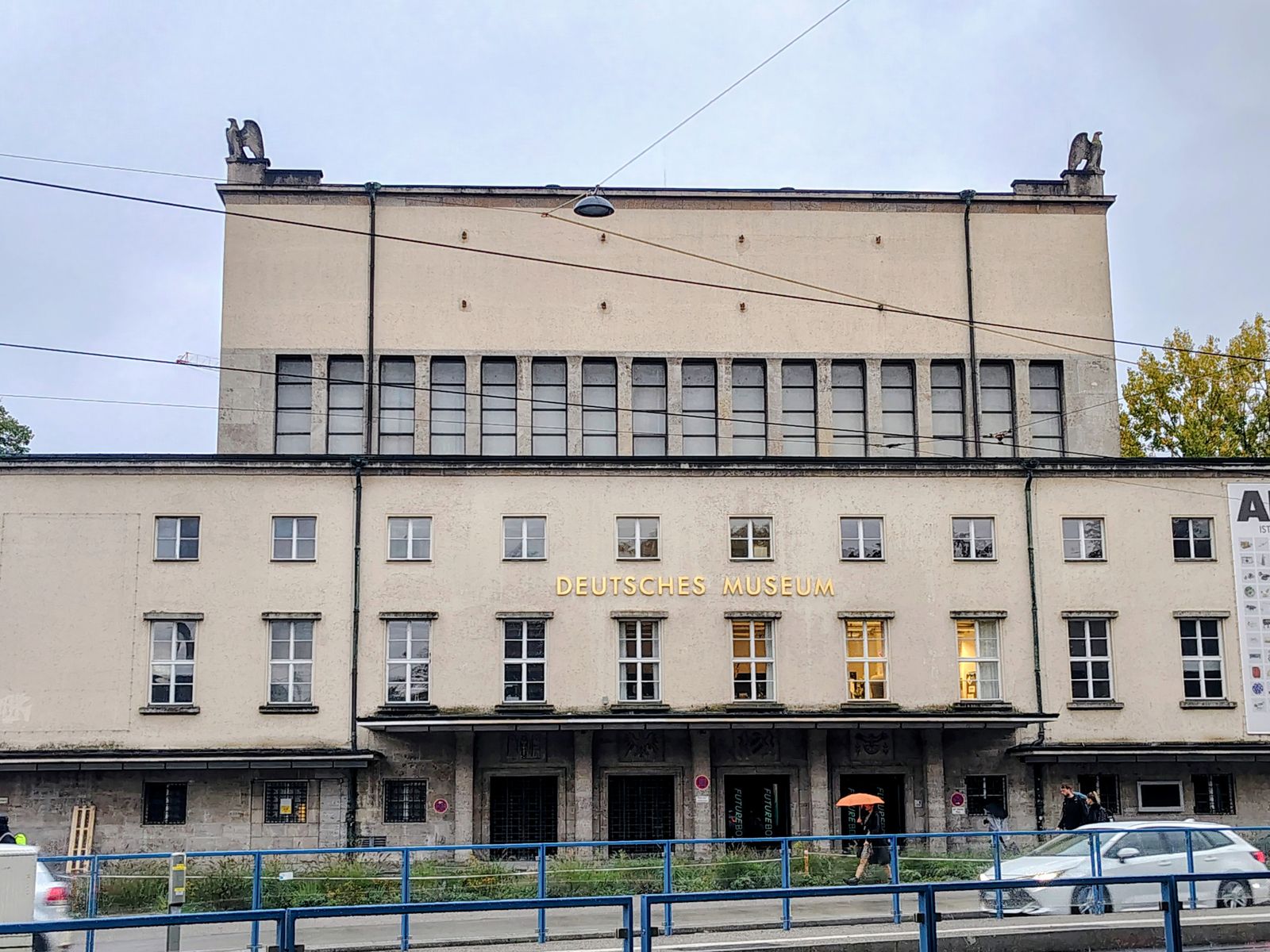
The Isar is the other half of the city. A decade-long rewilding project, completed in 2011, widened the river, cleaned the water and added gravel paths along its banks. Cross the Wittelsbacherbrücke and walk the grassy bank; watch, and maybe join, the swimmers carried by the current around the Weideninsel. To keep going, walk south past the Rosengarten to the Flaucher, a series of pebbled beaches connected by an elevated walkway, where families barbecue and, on their own shores, nudists sunbathe. Closer to the centre, the Müller'sches Volksbad stands above the river, and the Deutsches Museum sits on its own island in it.
Museums, history and a few good detours
- Sunday is the day for the state museums. They charge EUR 1 for their permanent
- Lenbachhaus has the world's largest collection of work by Der Blaue Reiter, the
- The Munich Documentation Centre for the History of National Socialism opened in 2015 on
- Hirschgarten, founded in 1791, is one of the world's largest beer gardens, with
- Gärtnerplatz is the centre of the gay scene, and Freddie Mercury lived nearby between 1979
- After dark, the Schlachthofviertel has the city's edgier side: the Bahnwärter Thiel
collections on Sundays (the Times, 2024). If you can only choose one, make it the Alte Pinakothek, one of the world's finest collections of European painting, with a richly varied collection of Rubens. The Pinakothek der Moderne across the road holds the twentieth and twenty-first centuries.
Expressionist group that came together in Munich in 1911, with Kandinsky, Marc and Klee. It exists largely because Gabriele Münter donated more than 1,000 works in 1957.
the site of a former Nazi party headquarters. It traces the rise of the movement in the city where it began, and the persecution of Munich's Jews. Entry is free.
self-service tables, Augustiner on tap and about 7,000 seats. Nymphenburg Palace, the former summer residence of the rulers of Bavaria, is a stroll from it, and its façade is longer than Versailles'.
and 1985. The Deutsche Eiche, now a hotel and restaurant with a rooftop terrace, was one of his haunts.
cultural space, built from old subway cars and freight containers, and the Alte Utting, a bar in a decommissioned passenger steamship perched on a disused railway bridge.
When to go
We have not yet watched Munich's prices through a full year the way we have for the lakes and the islands, so we will not name a bargain month. The Oktoberfest weeks are the obvious ones to avoid if price matters, and so is any week when the Sofitel is hosting a large congress; the summer, by contrast, is when the Isar and the beer gardens are at their best. We will add the numbers as the history builds.
Credit
Peter and Christina, our two Munich experts, recommended the restaurants in the "Peter's table" and "Christina's picks" sections, and we thank them for their time. The sights, museums and many of the food stops draw on The New York Times, 36 Hours in Munich by A.J. Goldmann (April 2024); prices and opening details quoted from it were current in 2024. The hotel details come from our own stay at the Sofitel Munich Bayerpost. Photographs are ours.
The rest of the roll
Everything else we came back with from this trip - ours, taken on the days described above. Click any of them to see it properly.