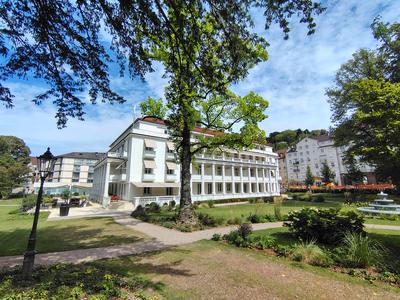
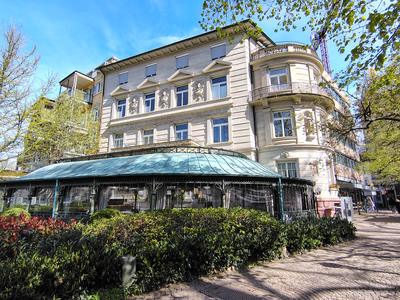
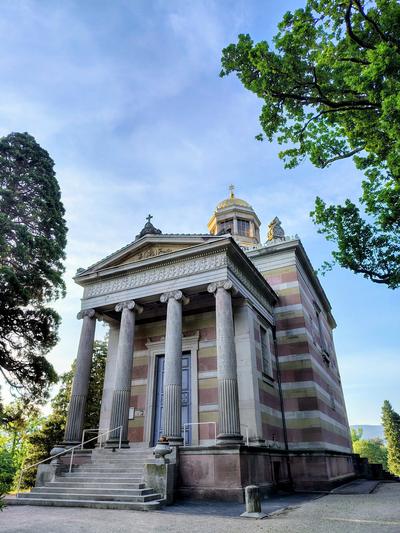
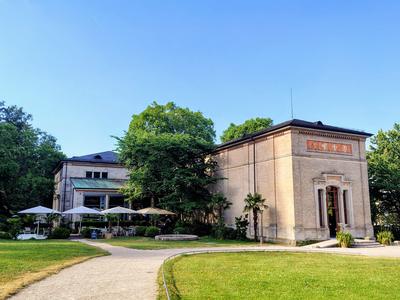
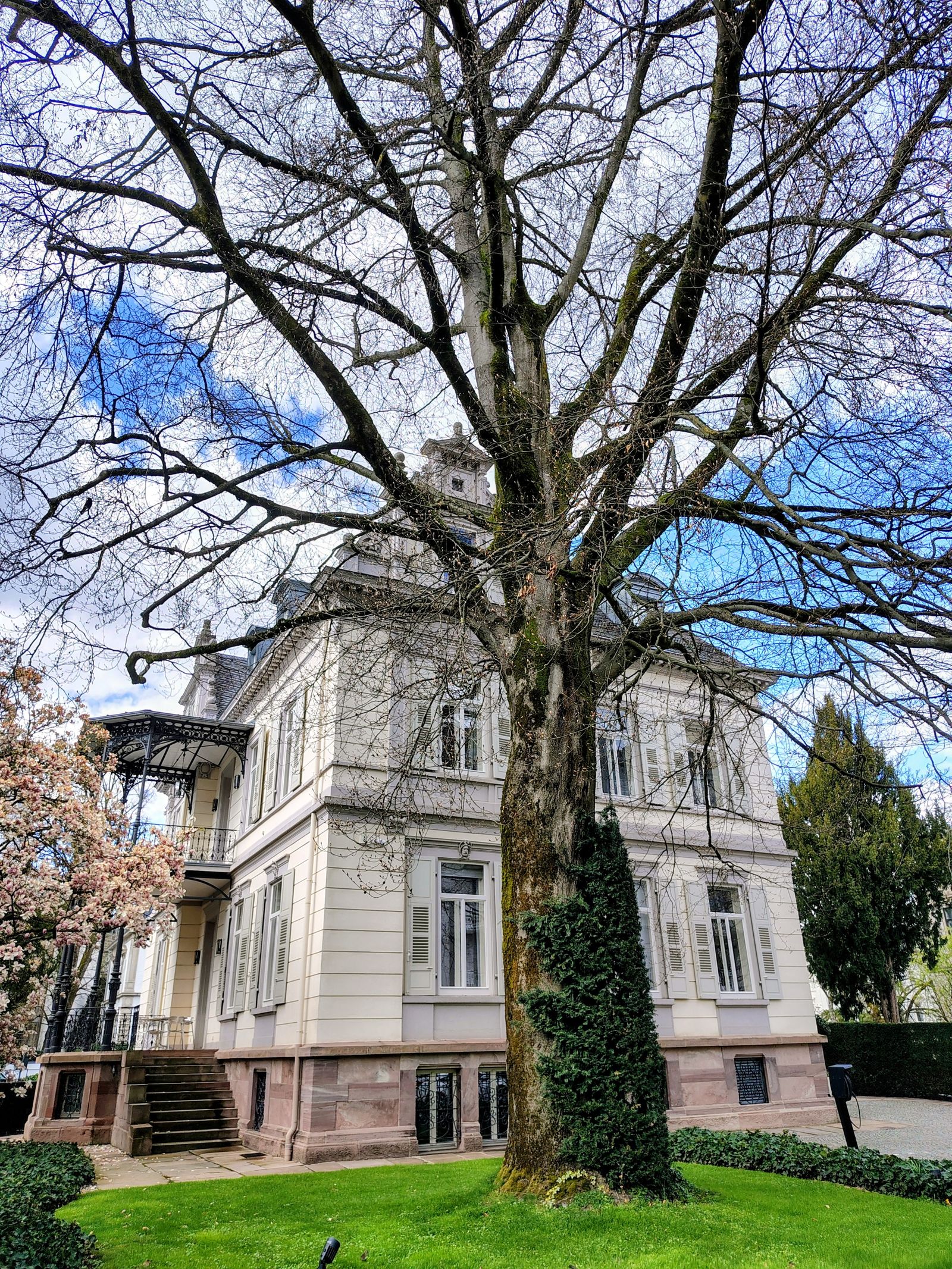
The calm oasis in the southern part of Germany
A grand-tour spa town where the good hotel costs USD 182 in its low season - and where a free loyalty club knocks another tenth off, on every single online booking.
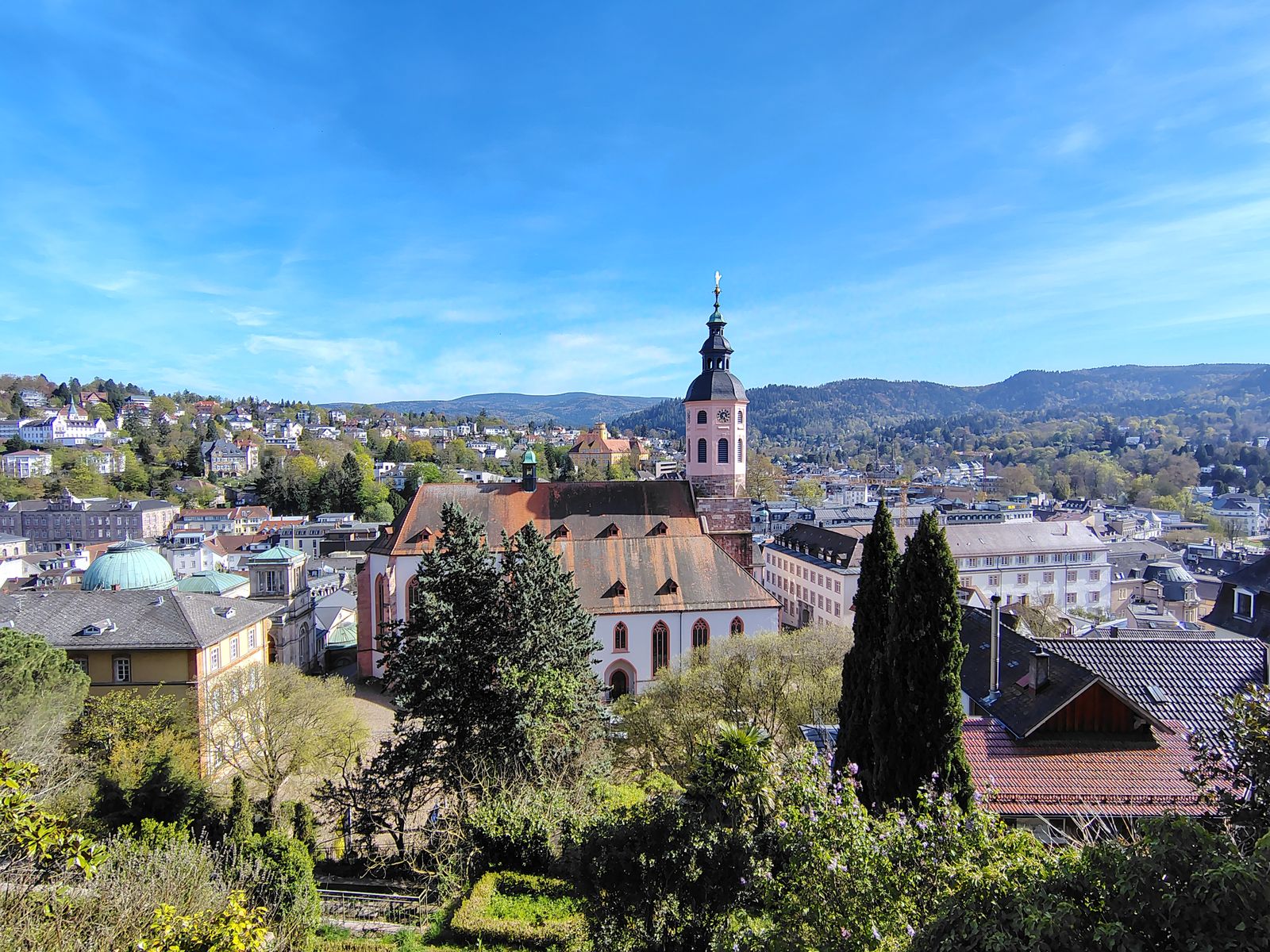
Baden-Baden is a proper grand-tour spa town - Brahms wrote here, Dostoevsky lost money here - and its hotels run from grand to good value.
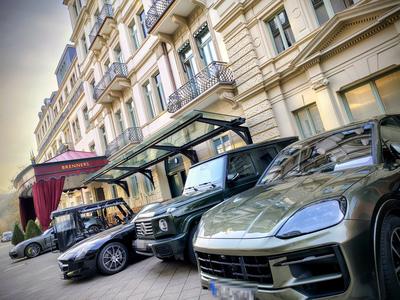
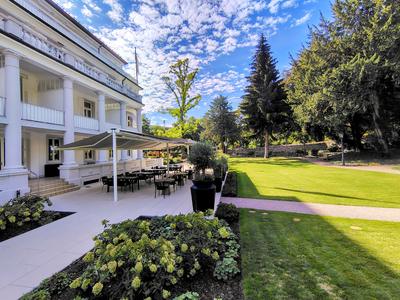
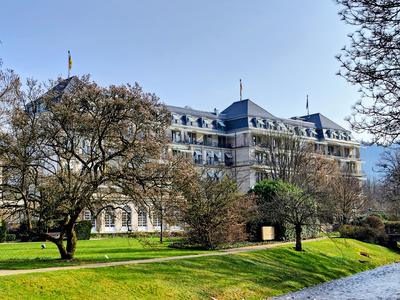
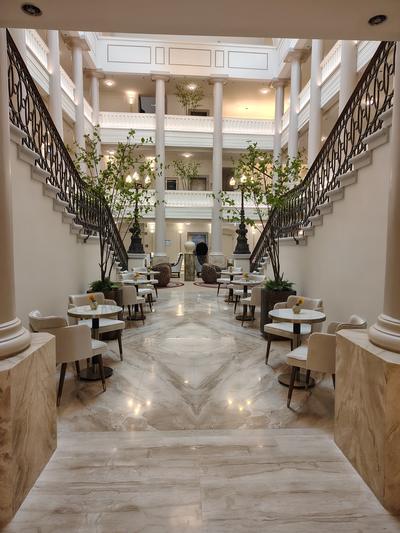
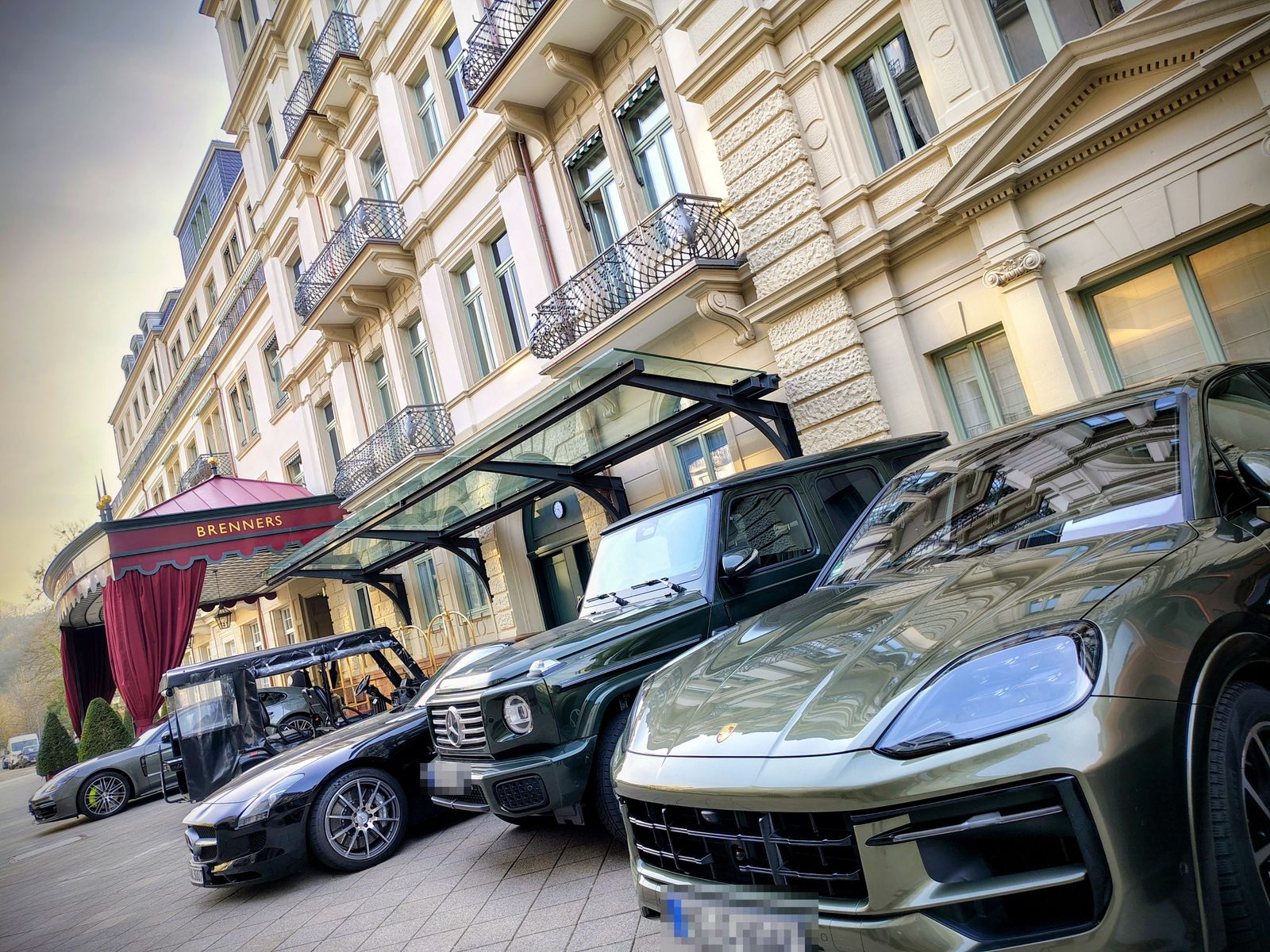
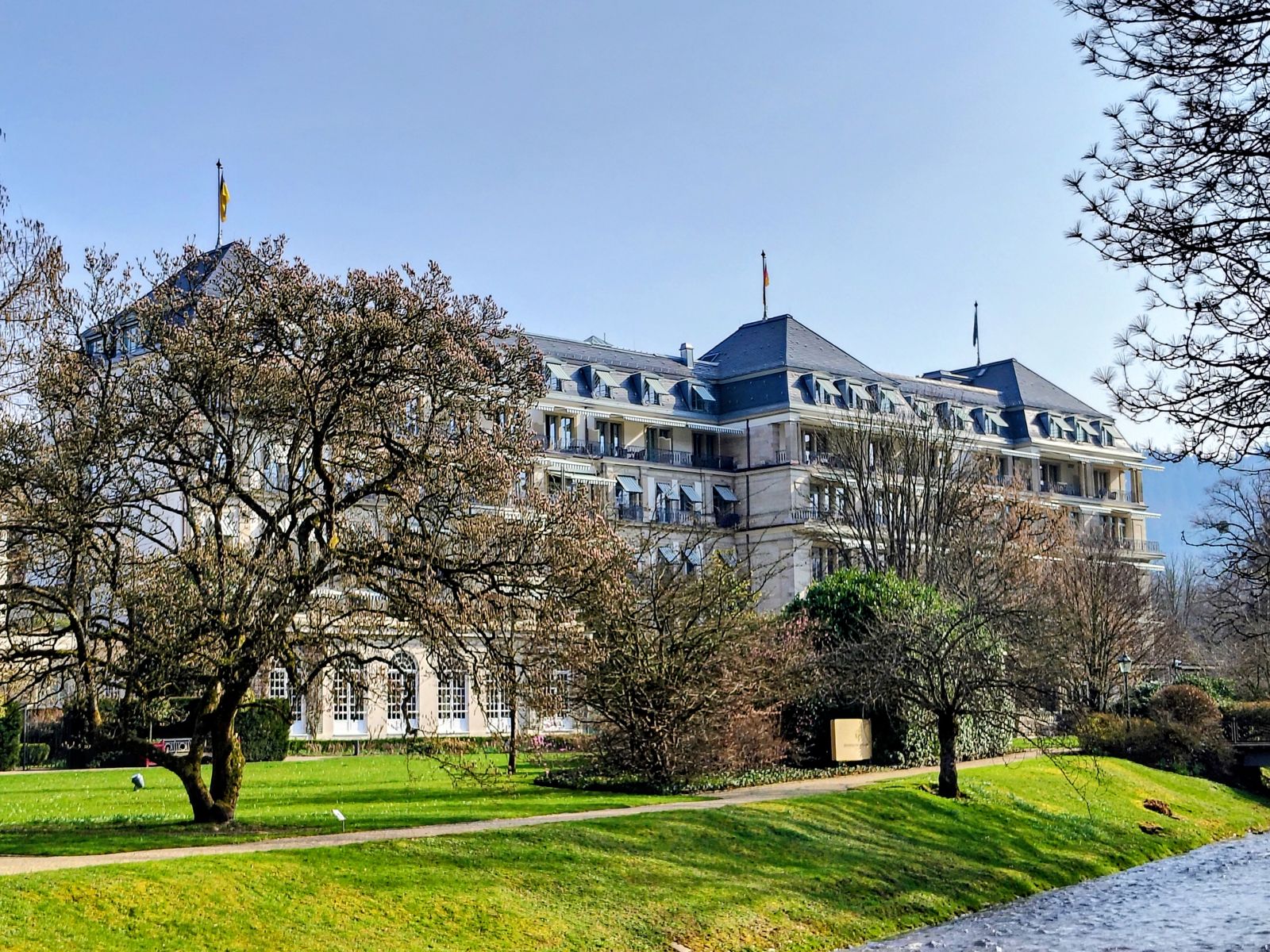
At the top, Brenners Park-Hotel & Spa from USD 577: USD 577 ≈ €516 at its cheapest, USD 708 ≈ €633 typical. It is the real thing and it is priced like it.
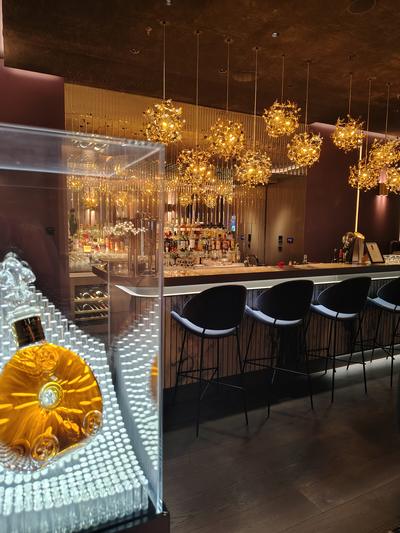
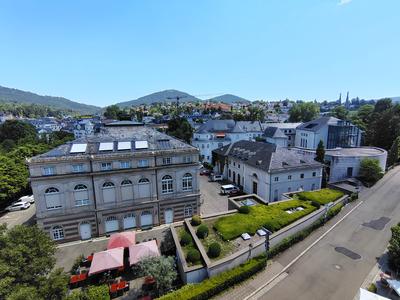
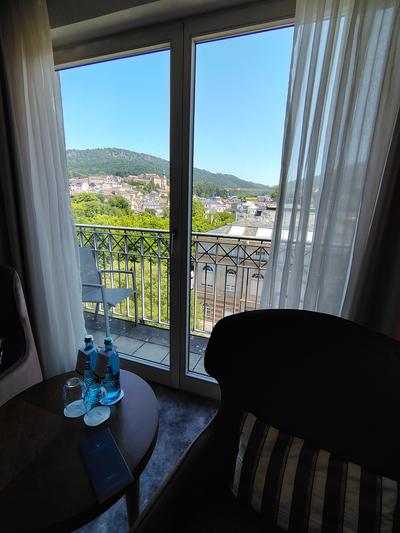
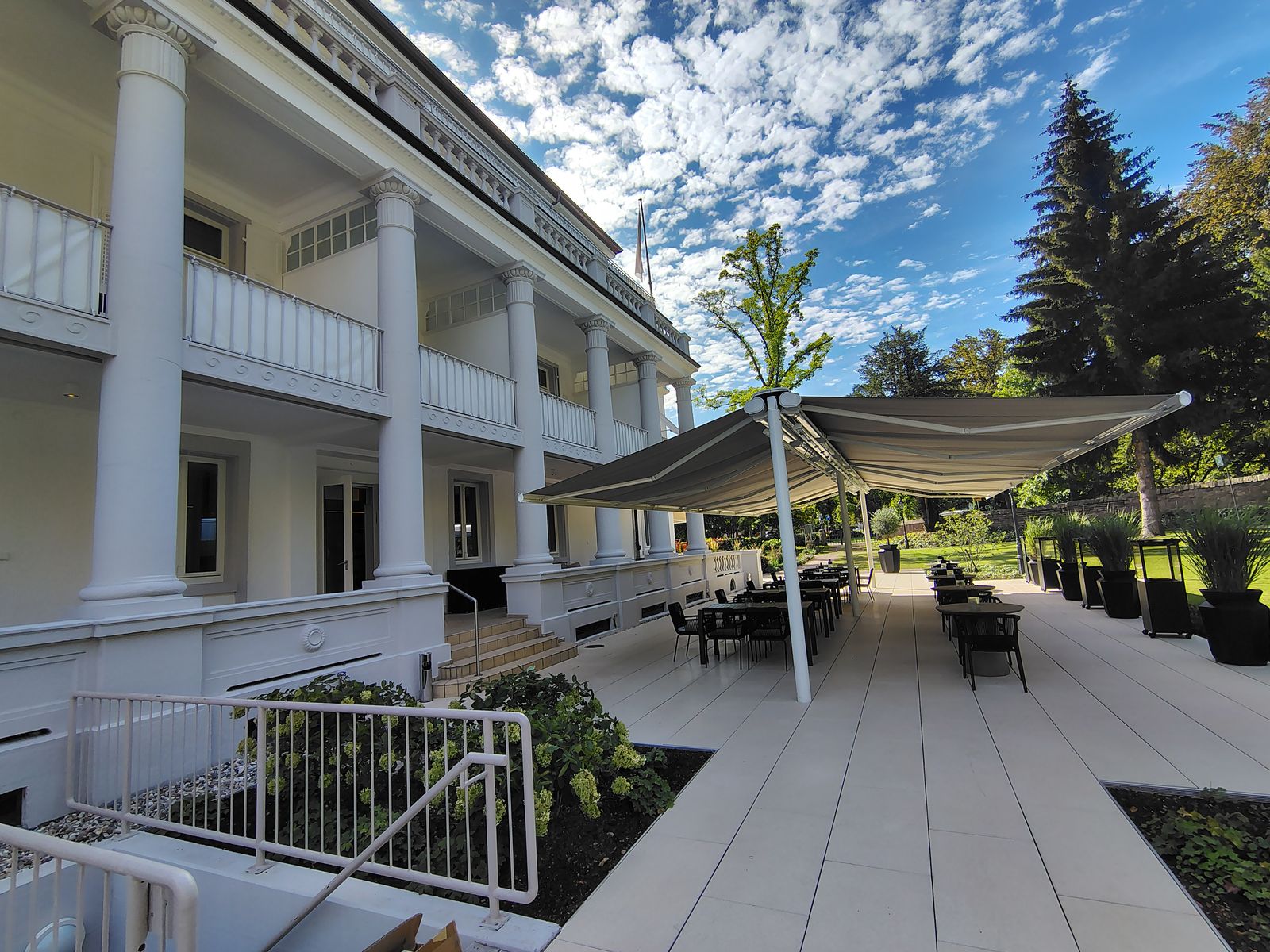
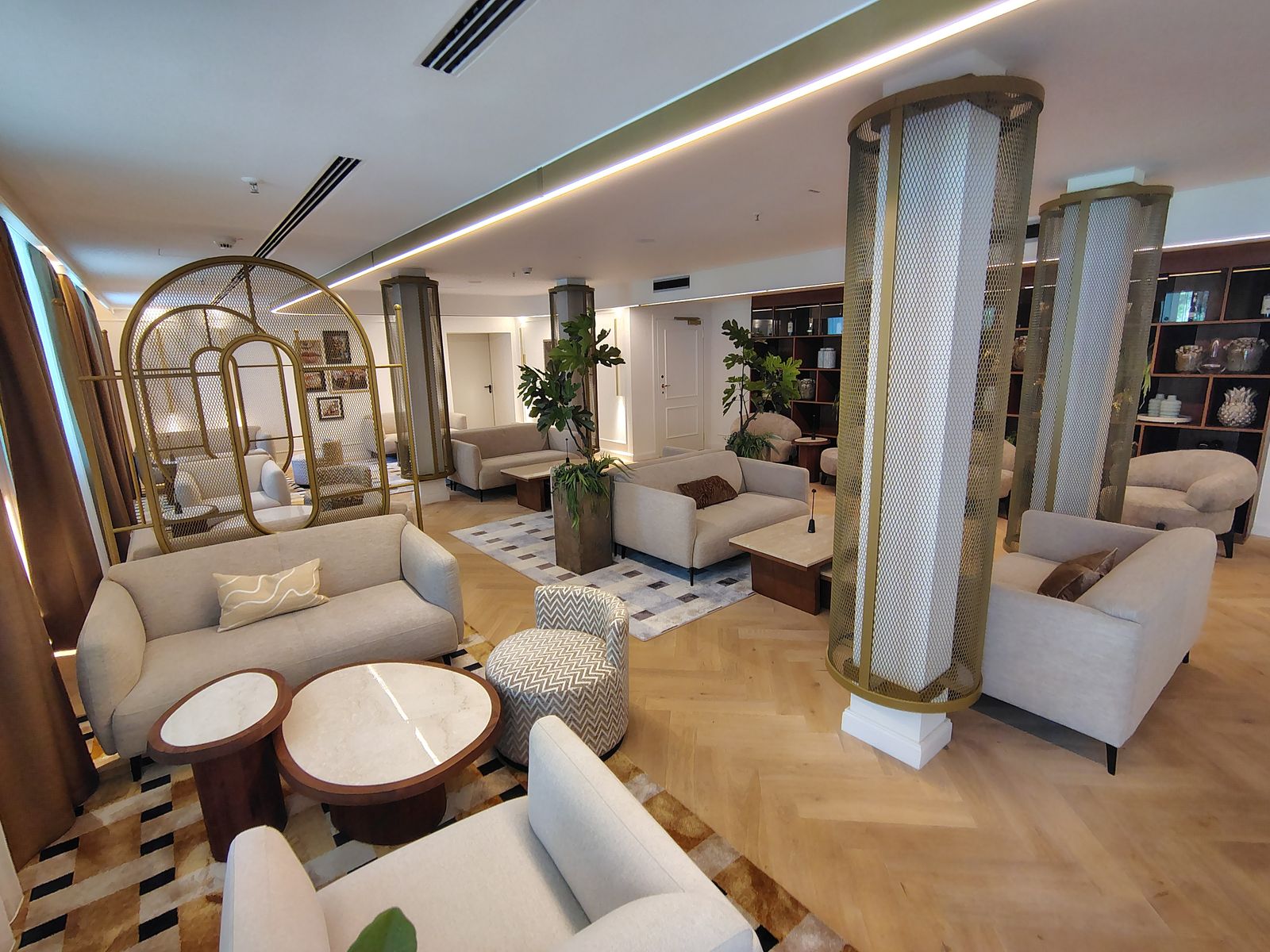
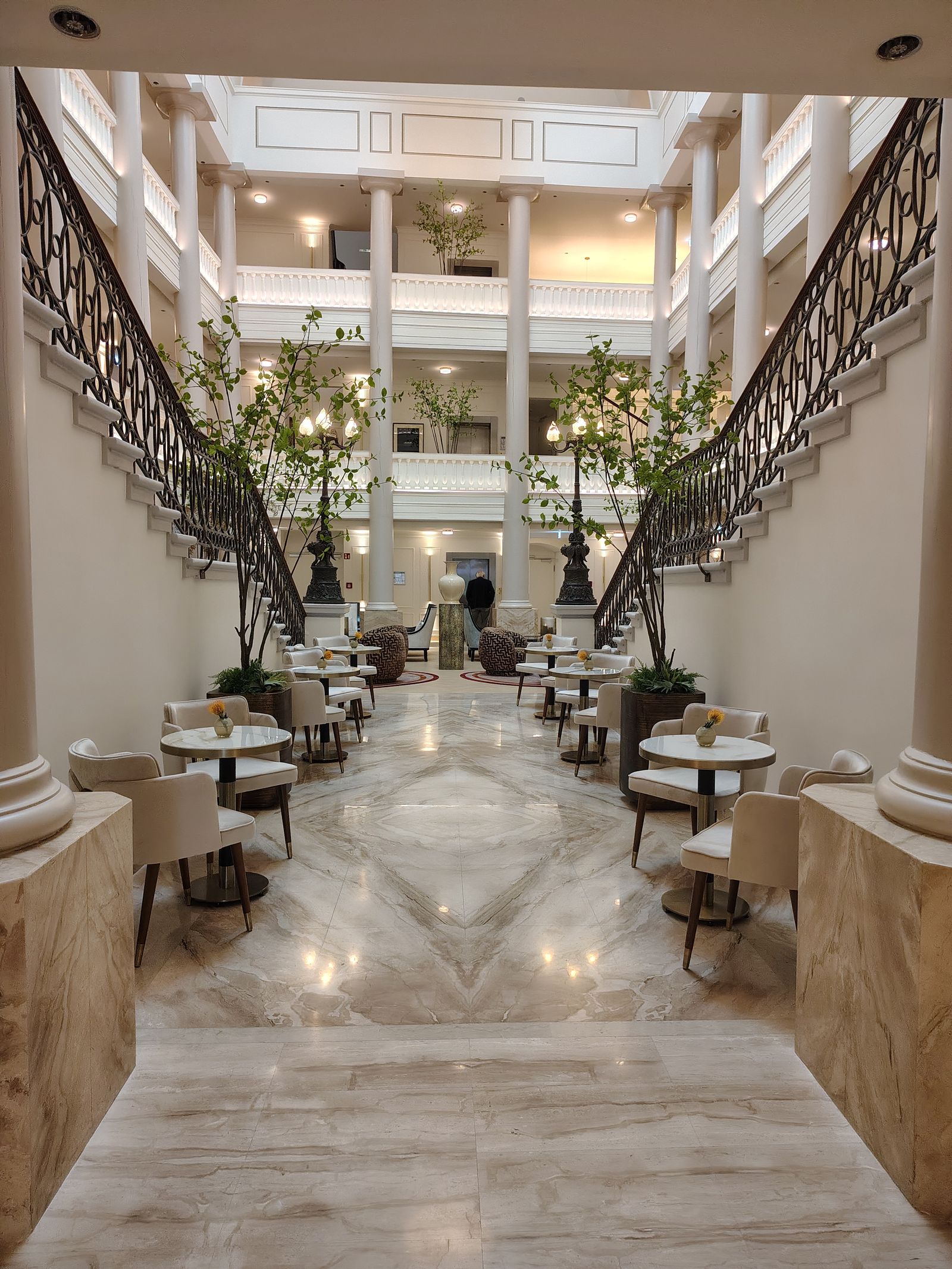
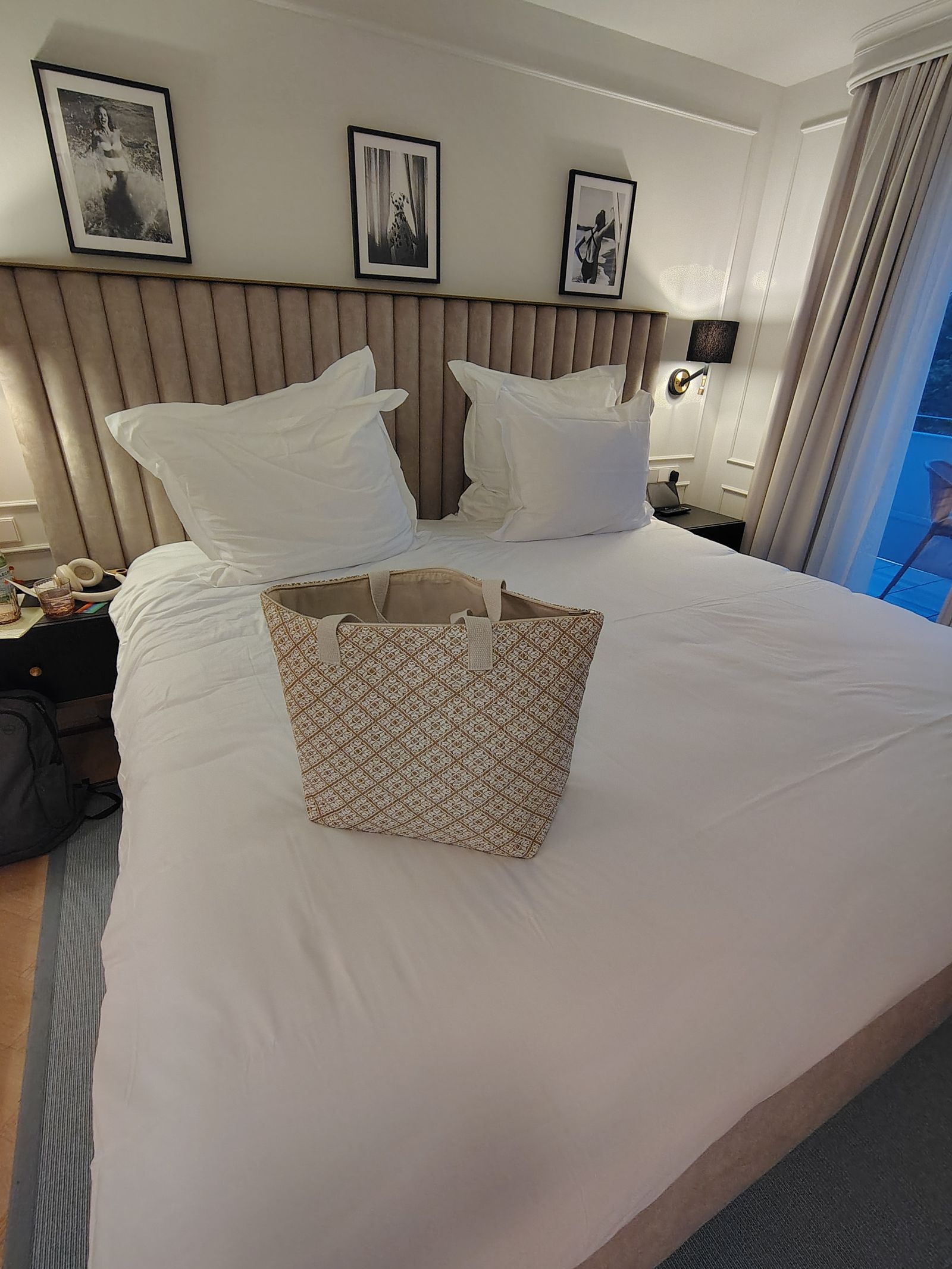
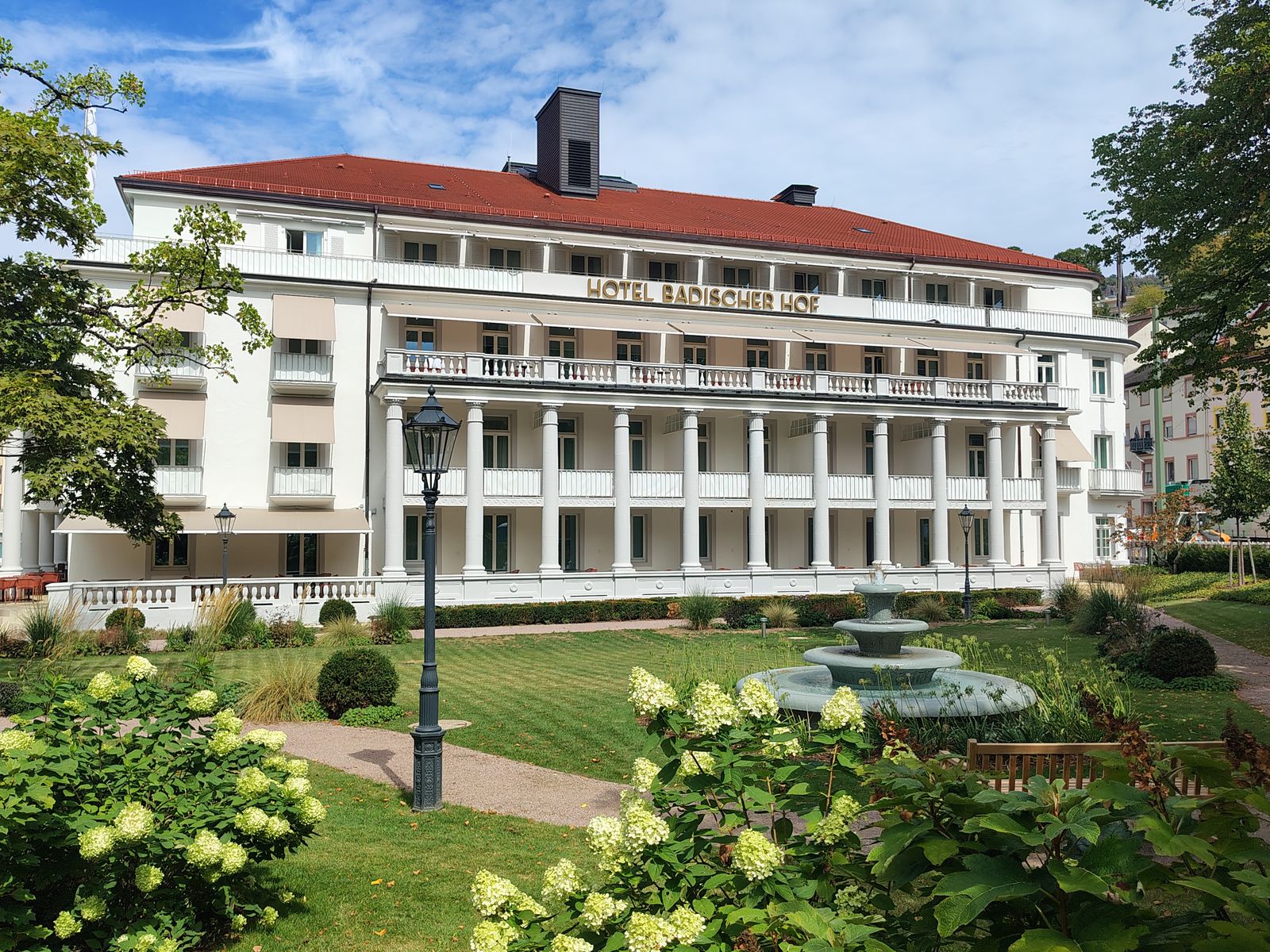
At the other end, Badischer Hof Baden-Baden from USD 182 - USD 182 ≈ €163 at its floor, USD 244 ≈ €218 typical. An eighteenth-century building with thermal water piped into the house, reopened under Leonardo's Limited Edition label after a full renovation.
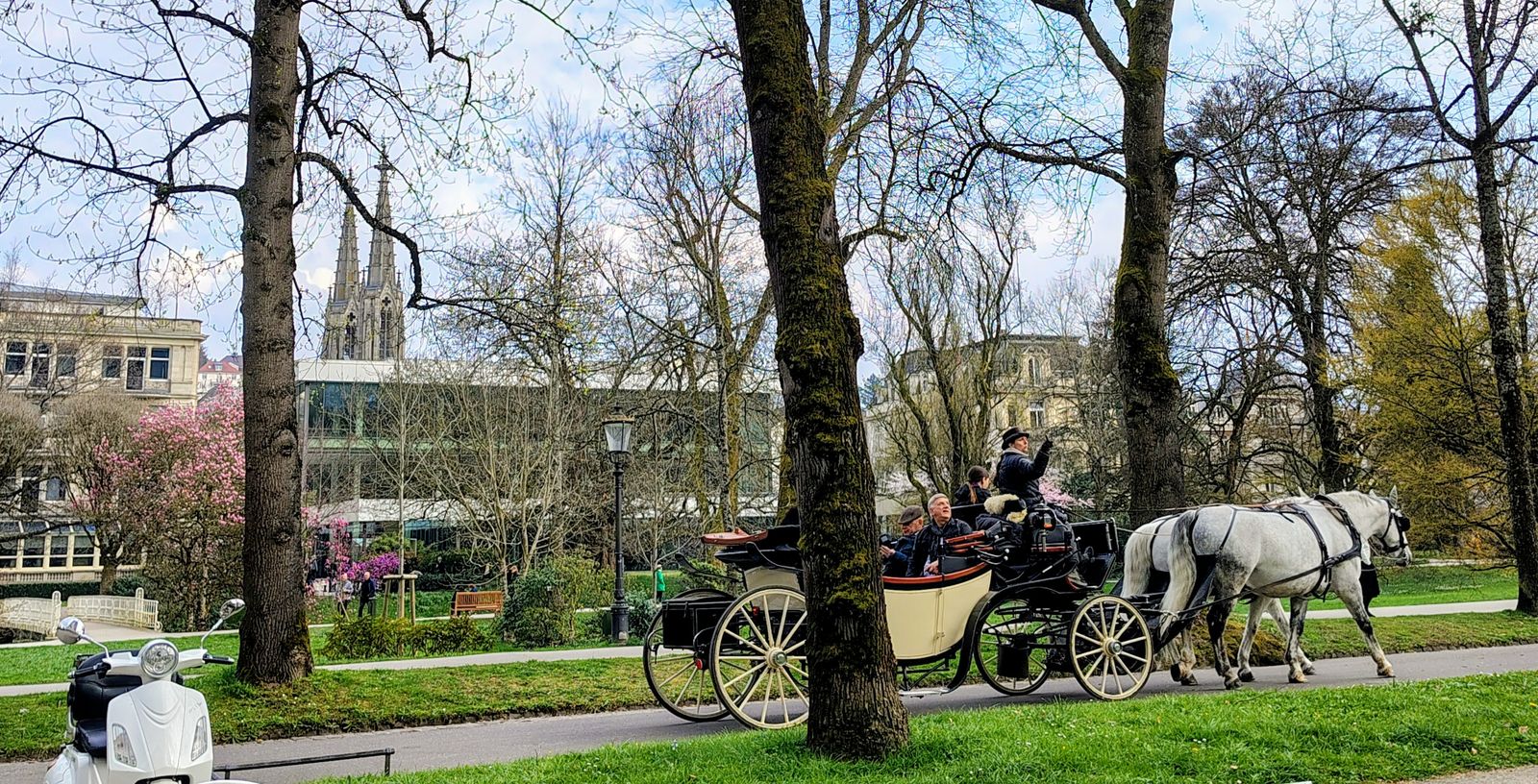
The middle option
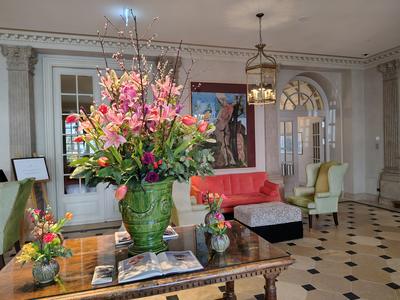
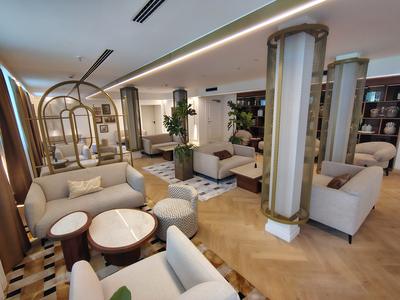
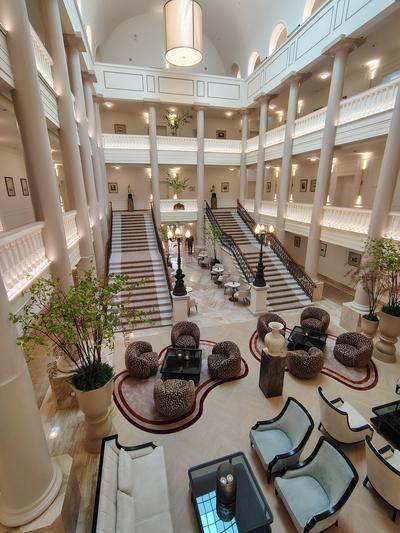
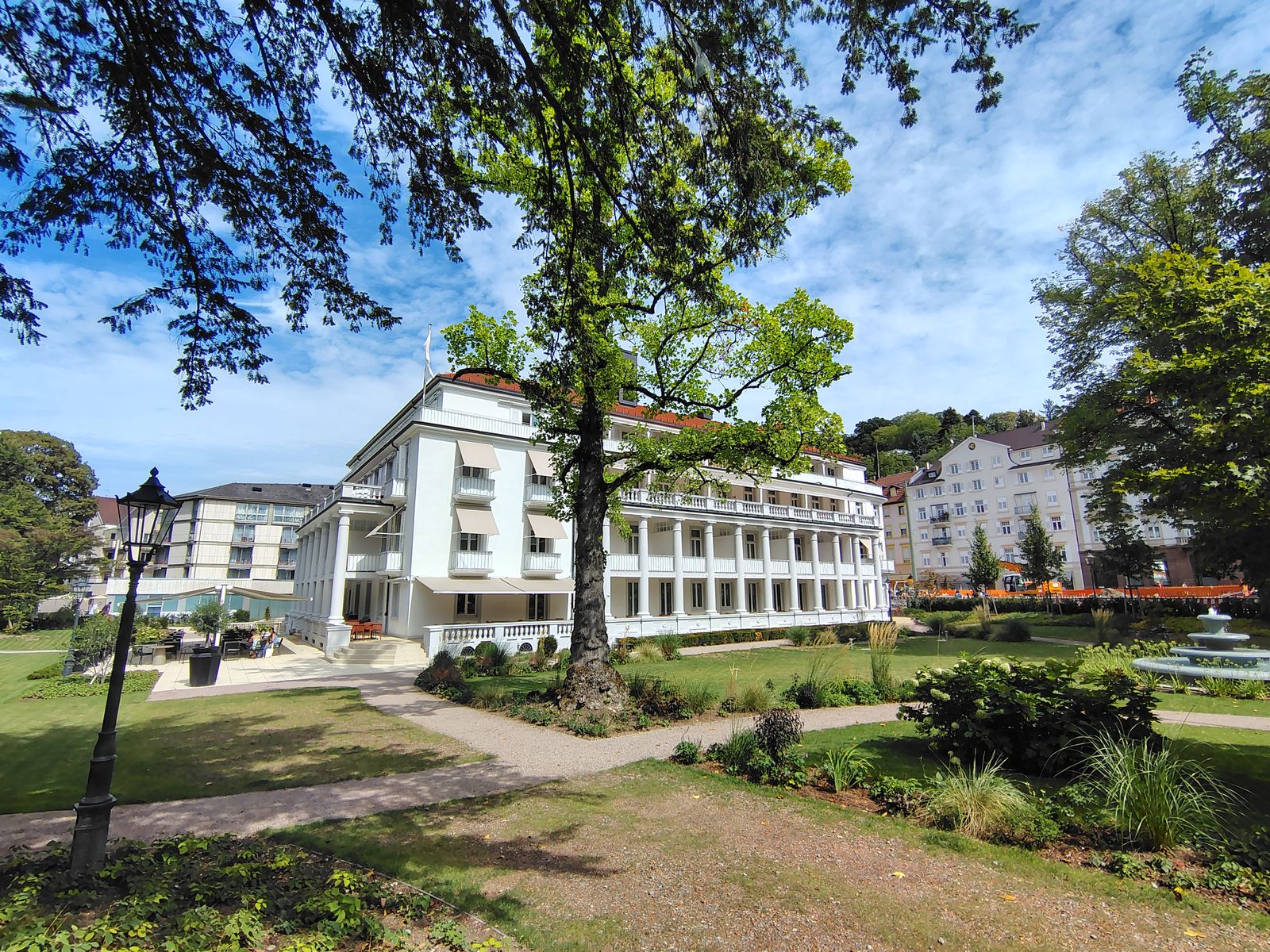
Steigenberger Icon Europäischer Hof Baden-Baden from USD 195 sits between them at USD 195 ≈ €174 low, USD 274 ≈ €245 typical - a much smaller gap over Badischer Hof's USD 182 ≈ €163 floor than the star ratings would suggest - the Europäischer Hof of the name, on the Kaiserallee, and part of the H Rewards programme, which also shows a member rate on its own engine. We have not yet measured what that one saves. When we do, it will appear on the hotel page.
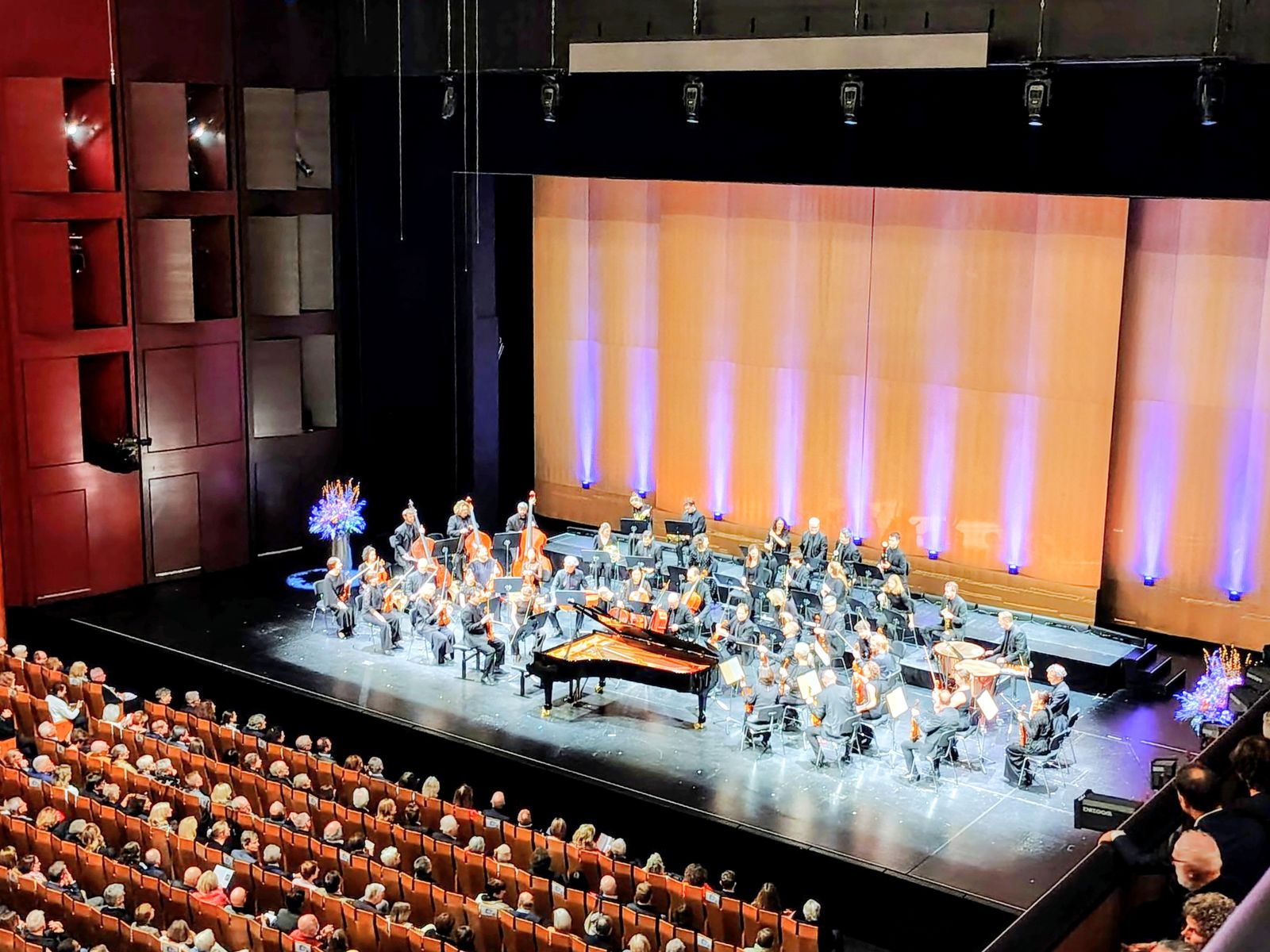
Two clubs in one small town
Two Baden-Baden hotels run a free rewards programme with a visible member rate:
- Leonardo Advantage Club at Badischer Hof - free, and a flat **10% off every online
- H Rewards at the Steigenberger Icon - also free, also showing a member rate on the
booking**. Measured: USD 724 ≈ €647 public against USD 652 ≈ €583 member on the same three nights.
brand's own engine. We have not yet measured what it saves here.
Brenners has no equivalent scheme.
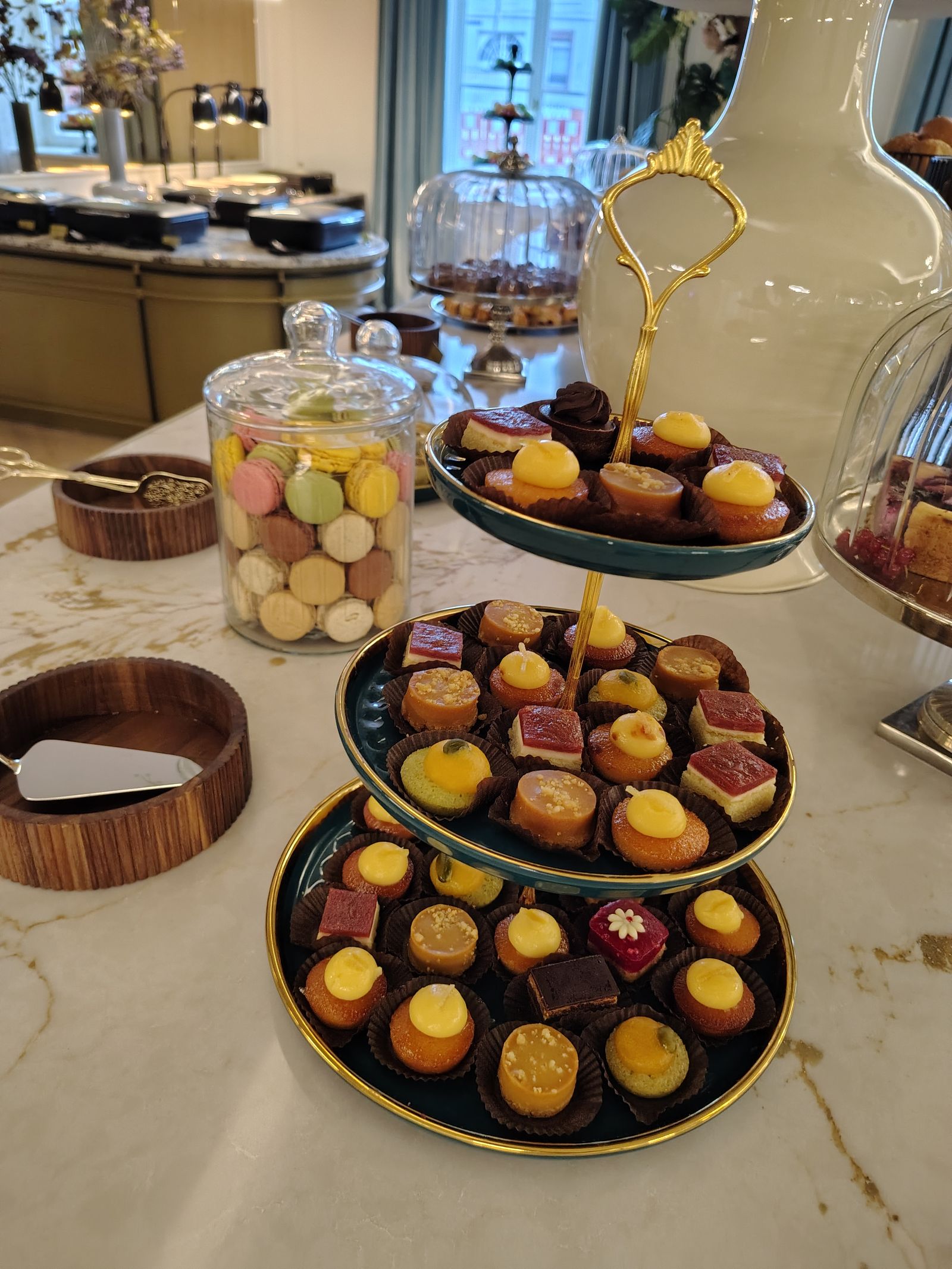
What the town is, and why it looks like that
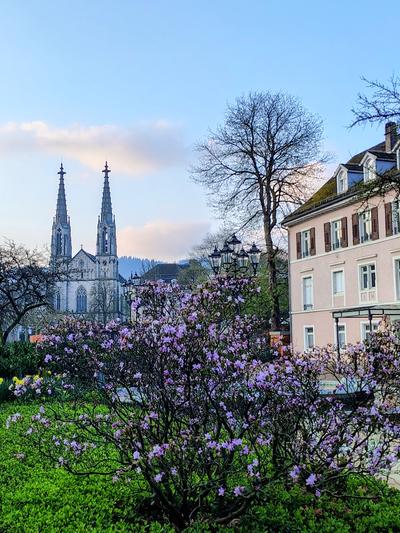
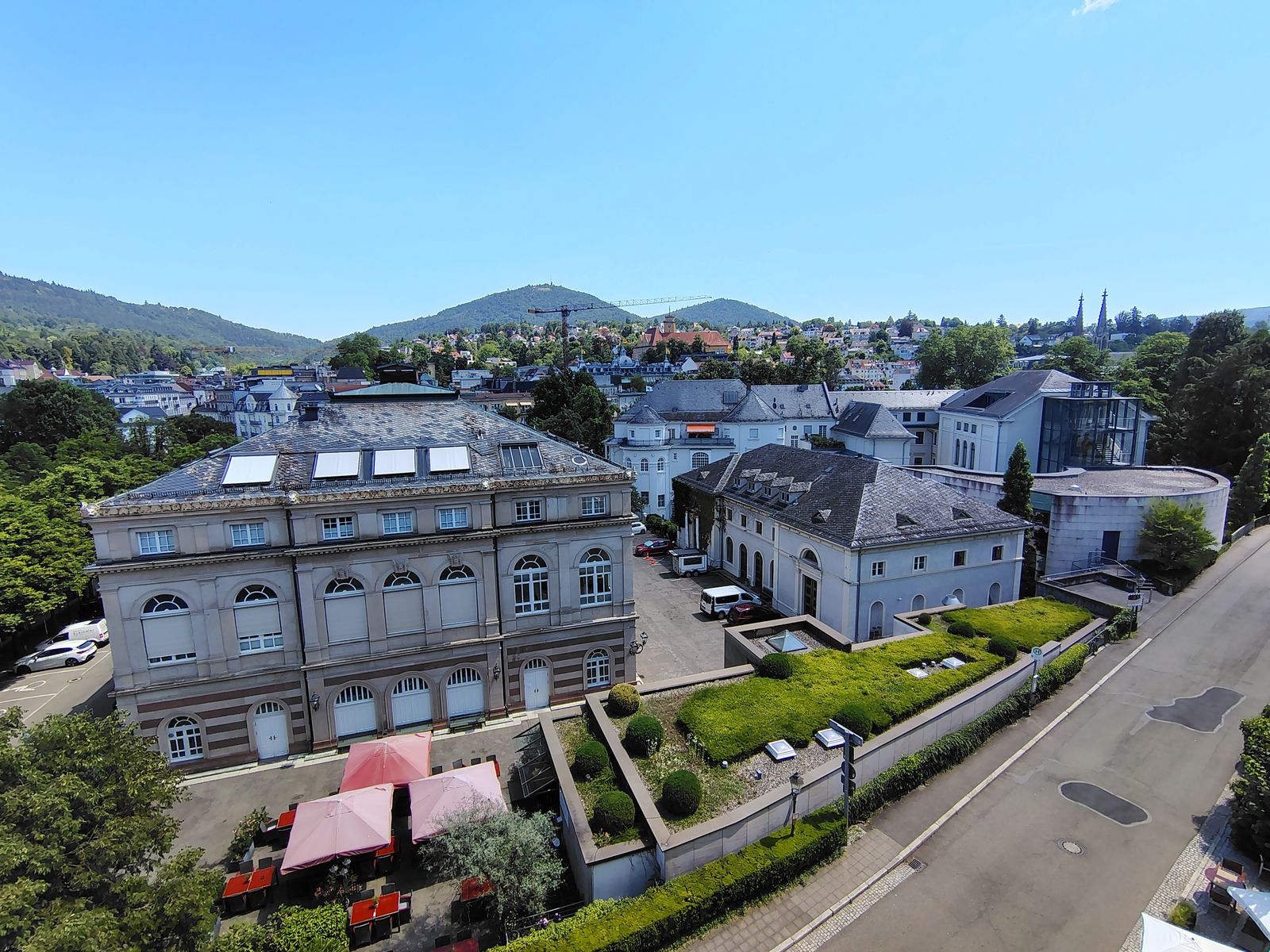
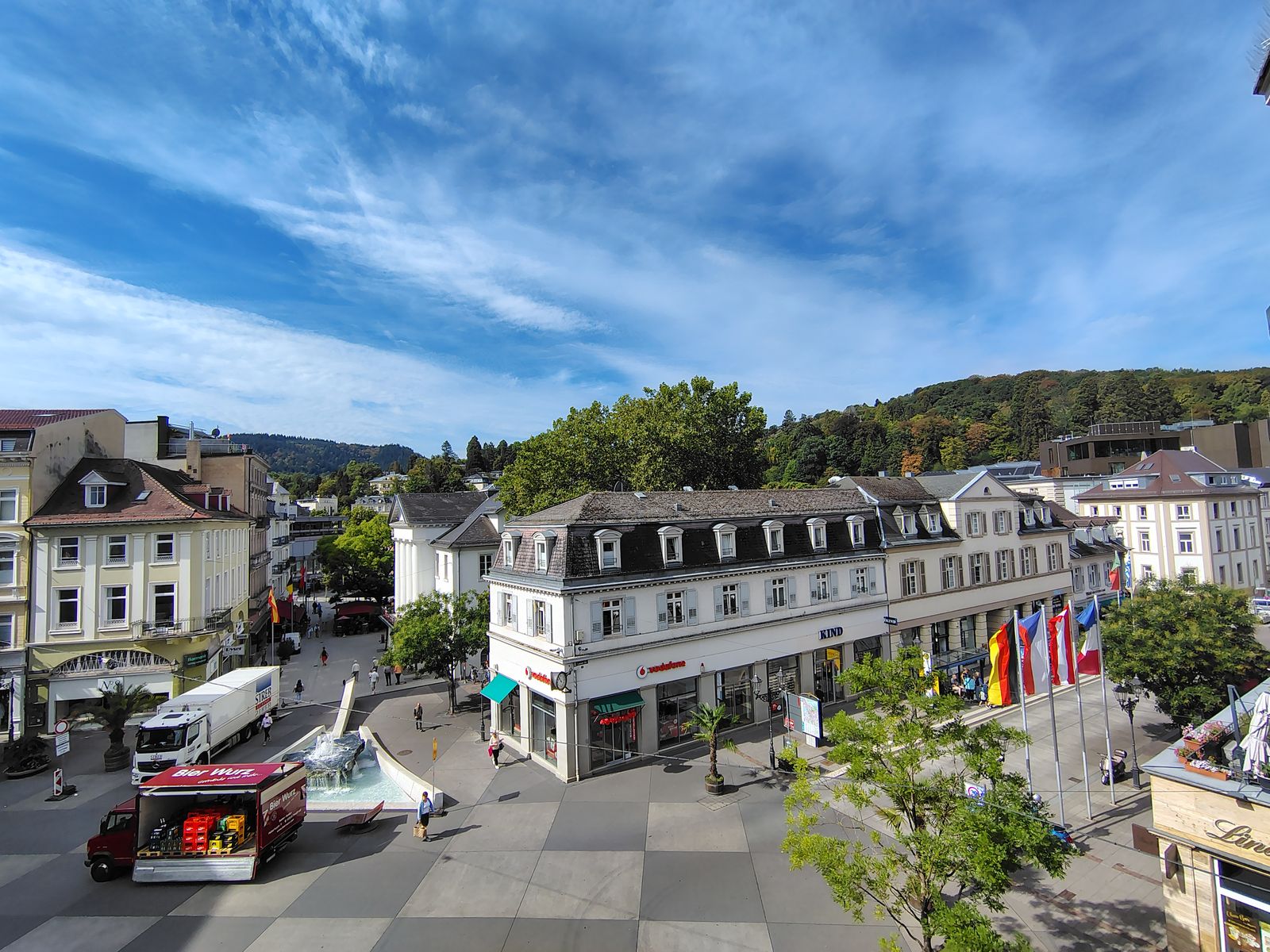
Baden-Baden is a Roman spa that became the summer capital of nineteenth-century Europe. The Romans built baths over the hot springs under Emperor Caracalla around AD 213; the ruins are still under the Marktplatz and you can walk through them.
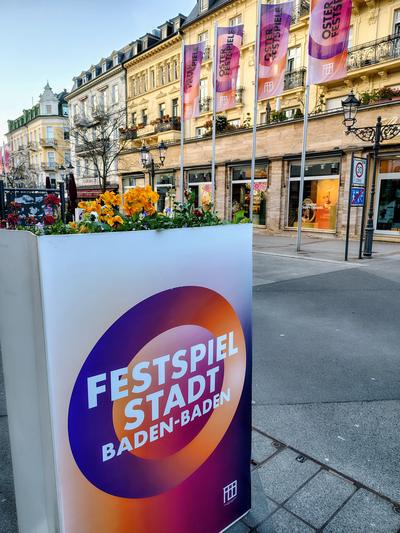
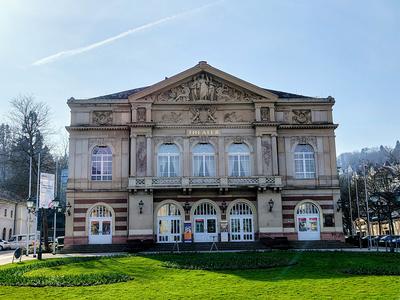
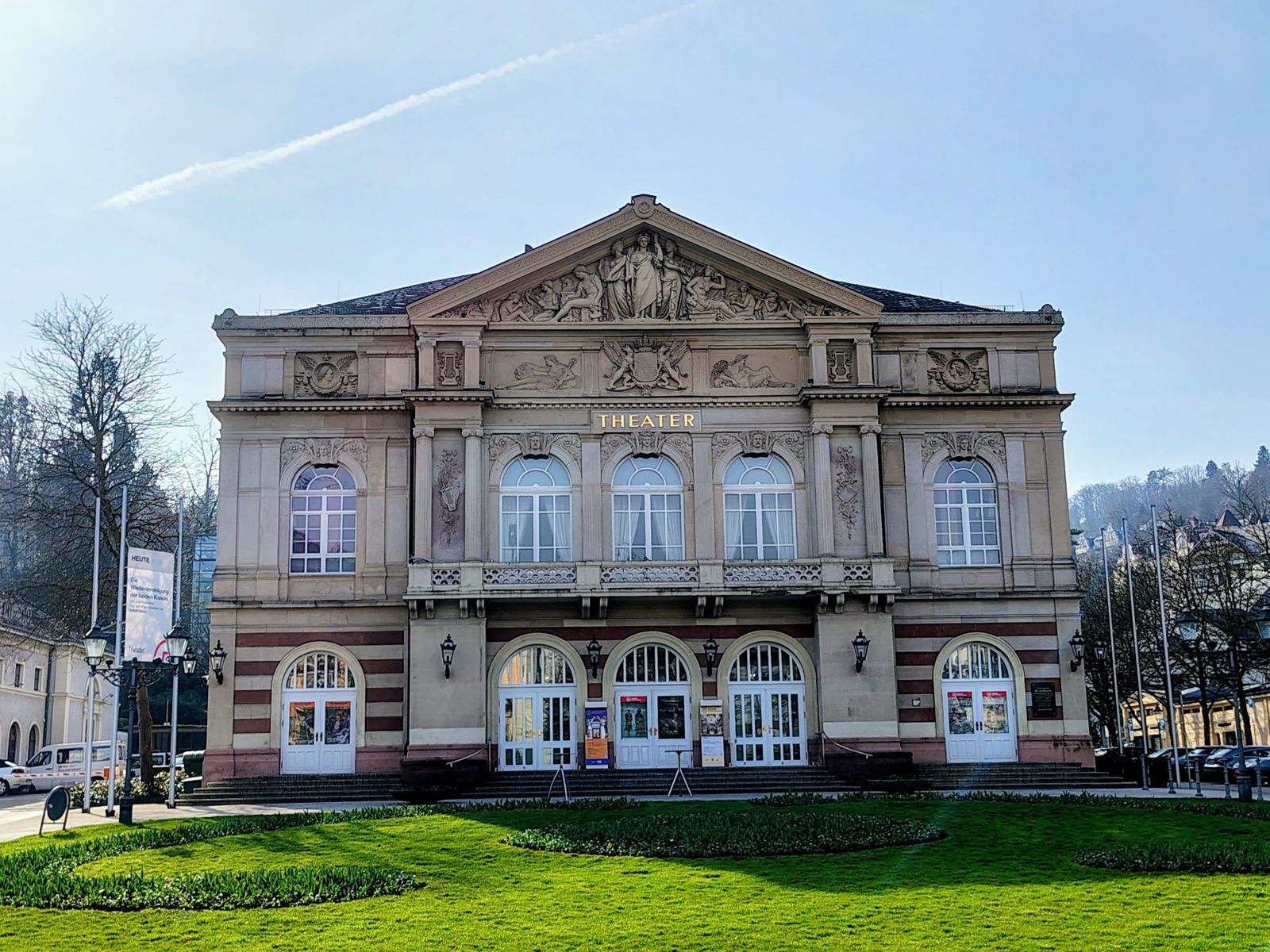
Its second life began in the 1830s, when France banned gambling and the casino operator Jacques Bénazet moved the whole business across the Rhine. Within a generation the town had become what Marlene Dietrich later called the most beautiful casino in the world, and the guest list ran from Queen Victoria to Bismarck to Mark Twain. Dostoevsky lost heavily at the tables here in 1867 and wrote The Gambler out of it. Brahms spent summers composing in nearby Lichtental, a twenty-minute walk up the river.
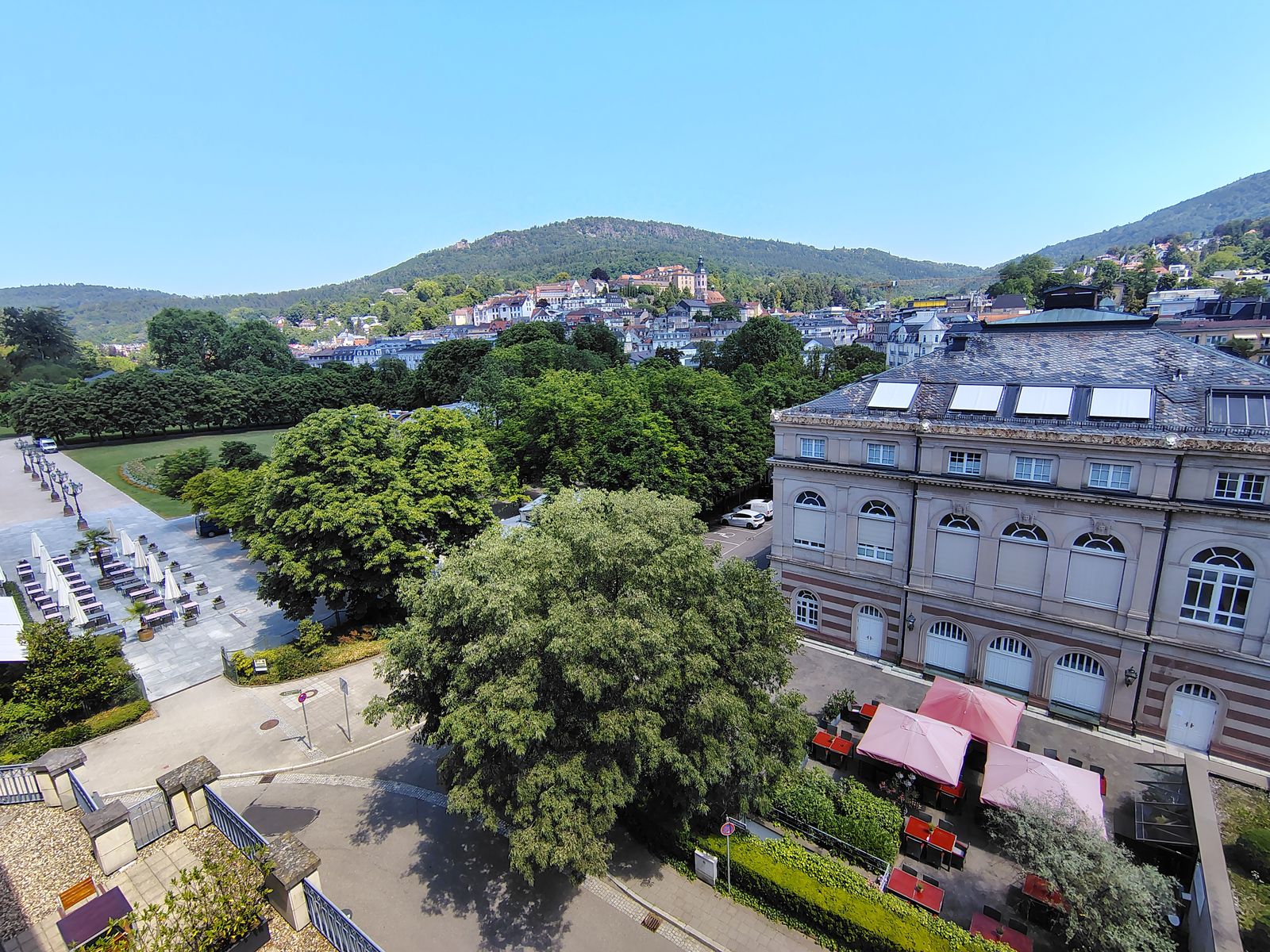
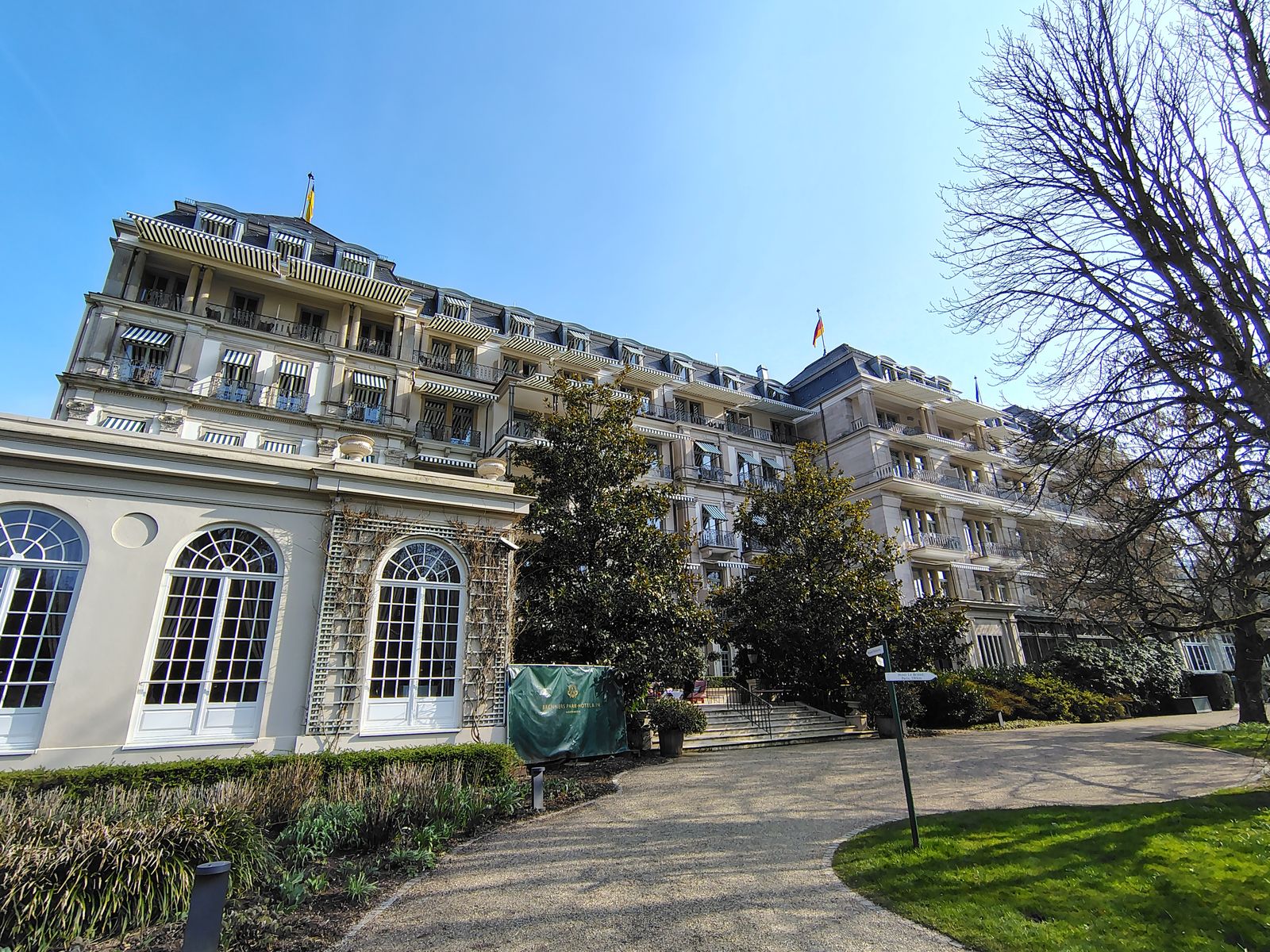
- Friedrichsbad, 1877 - the Roman-Irish circuit: seventeen stations from hot air and
- Caracalla Therme - the modern one next door: swimwear, indoor and outdoor thermal pools,
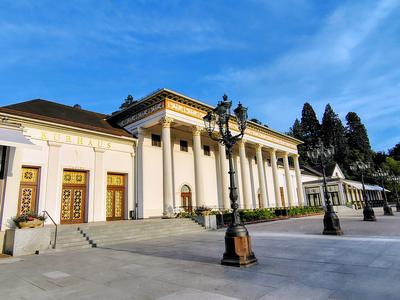
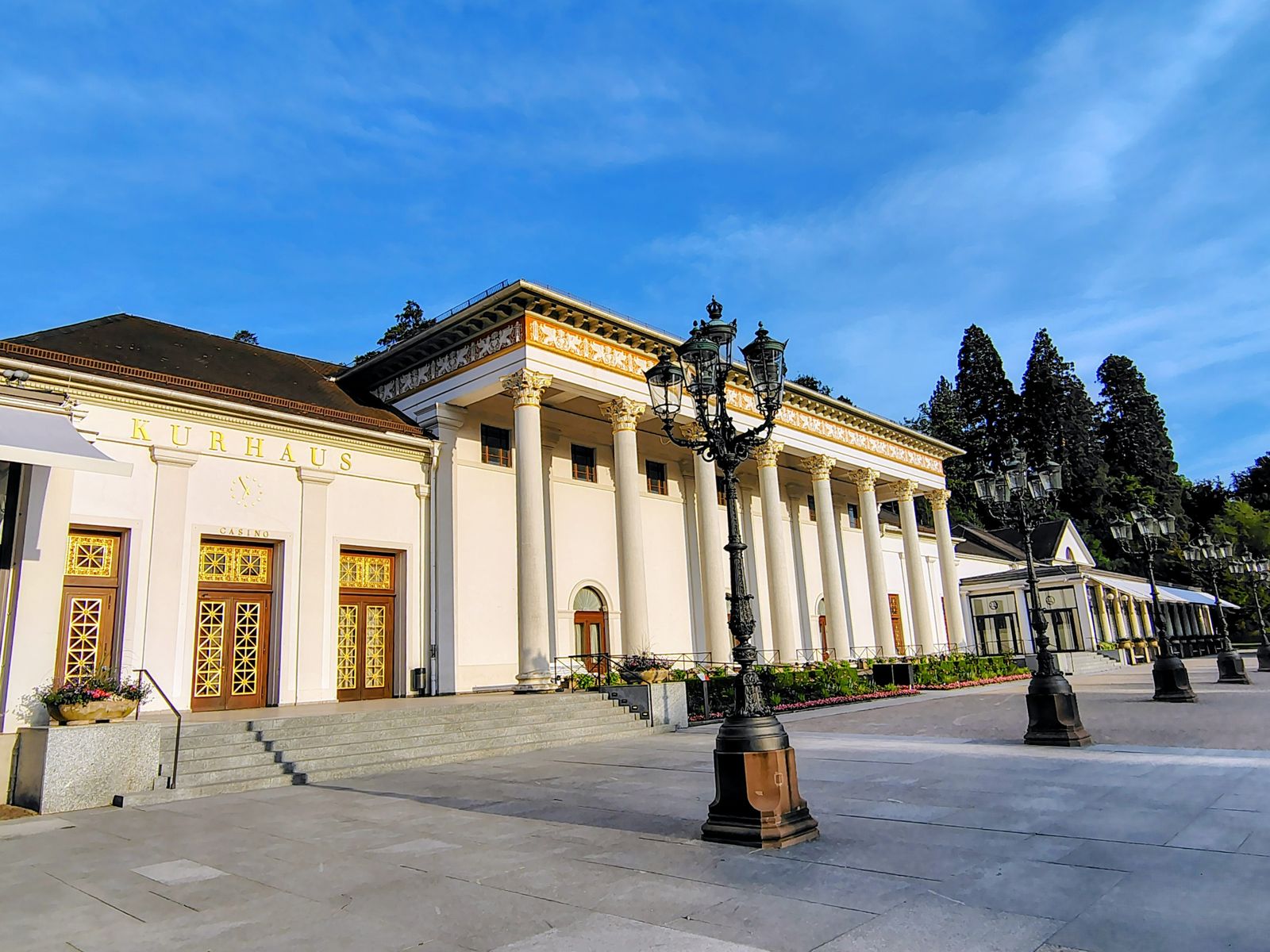
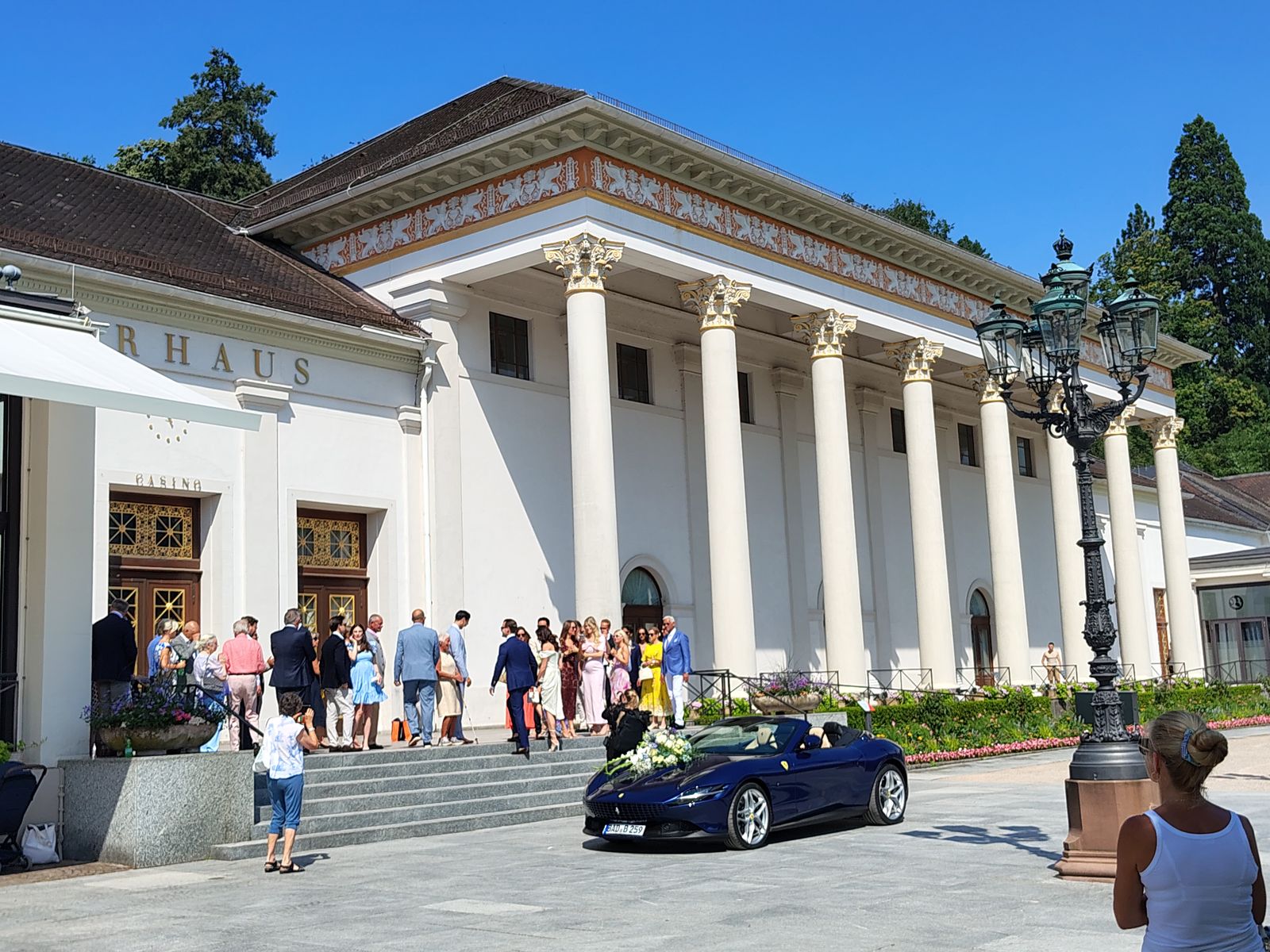
- Kurhaus and Casino - the gaming rooms are shown on guided tours each morning before
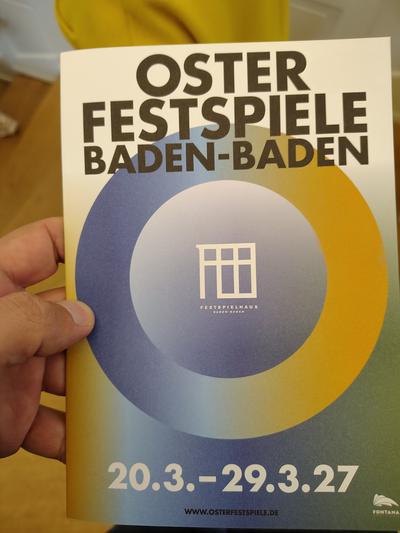
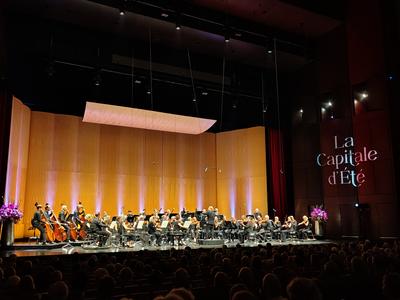
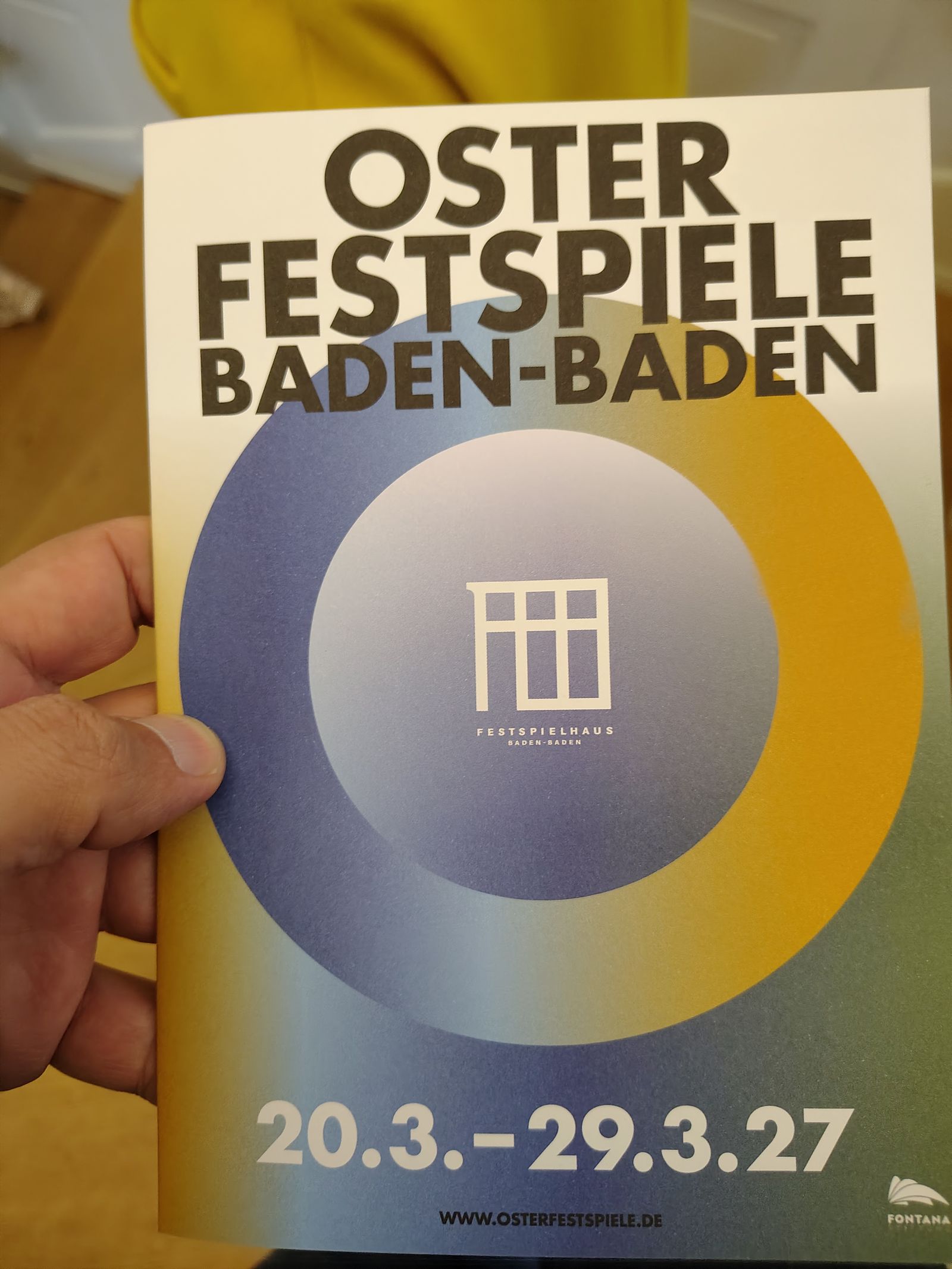
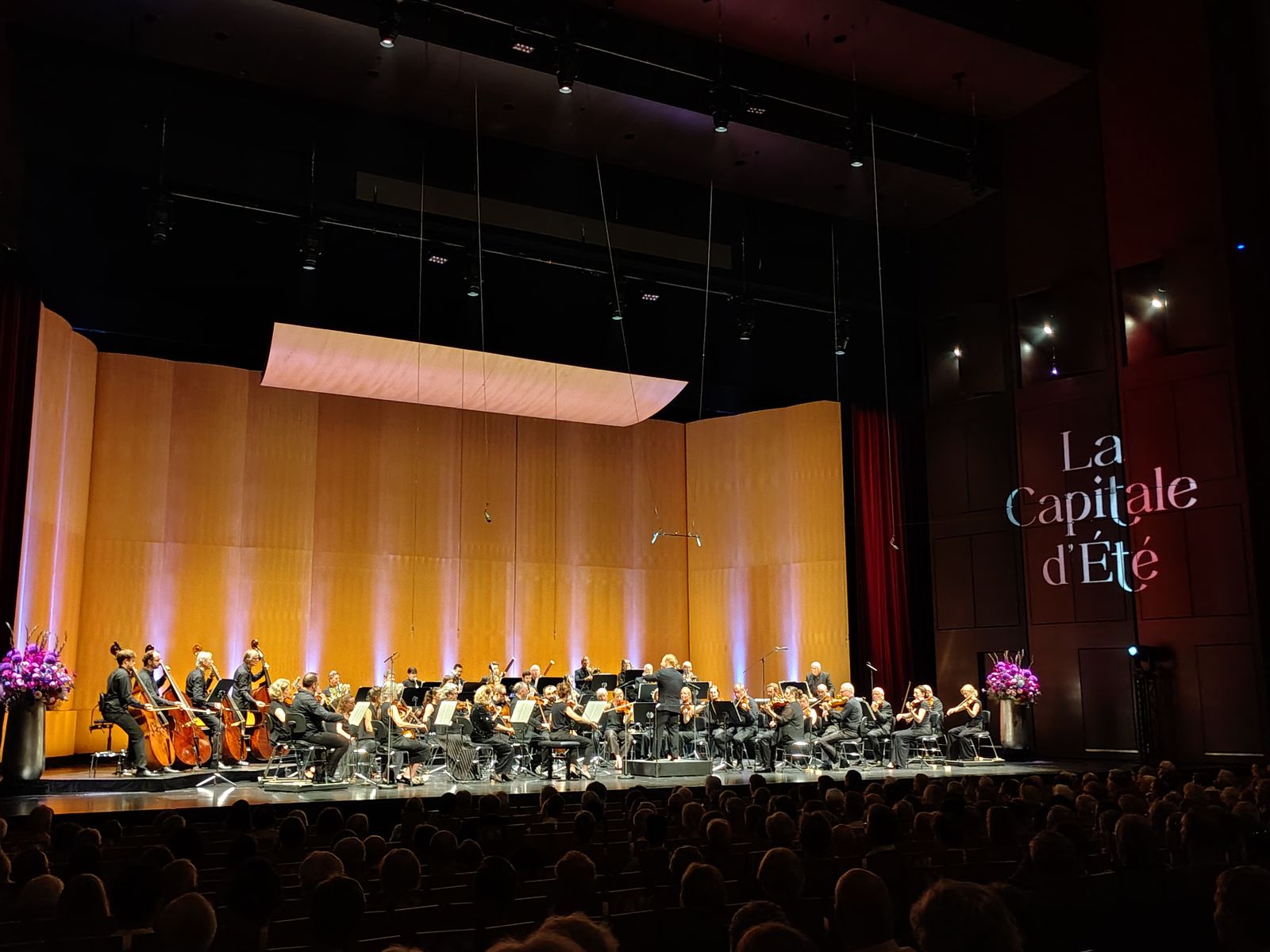
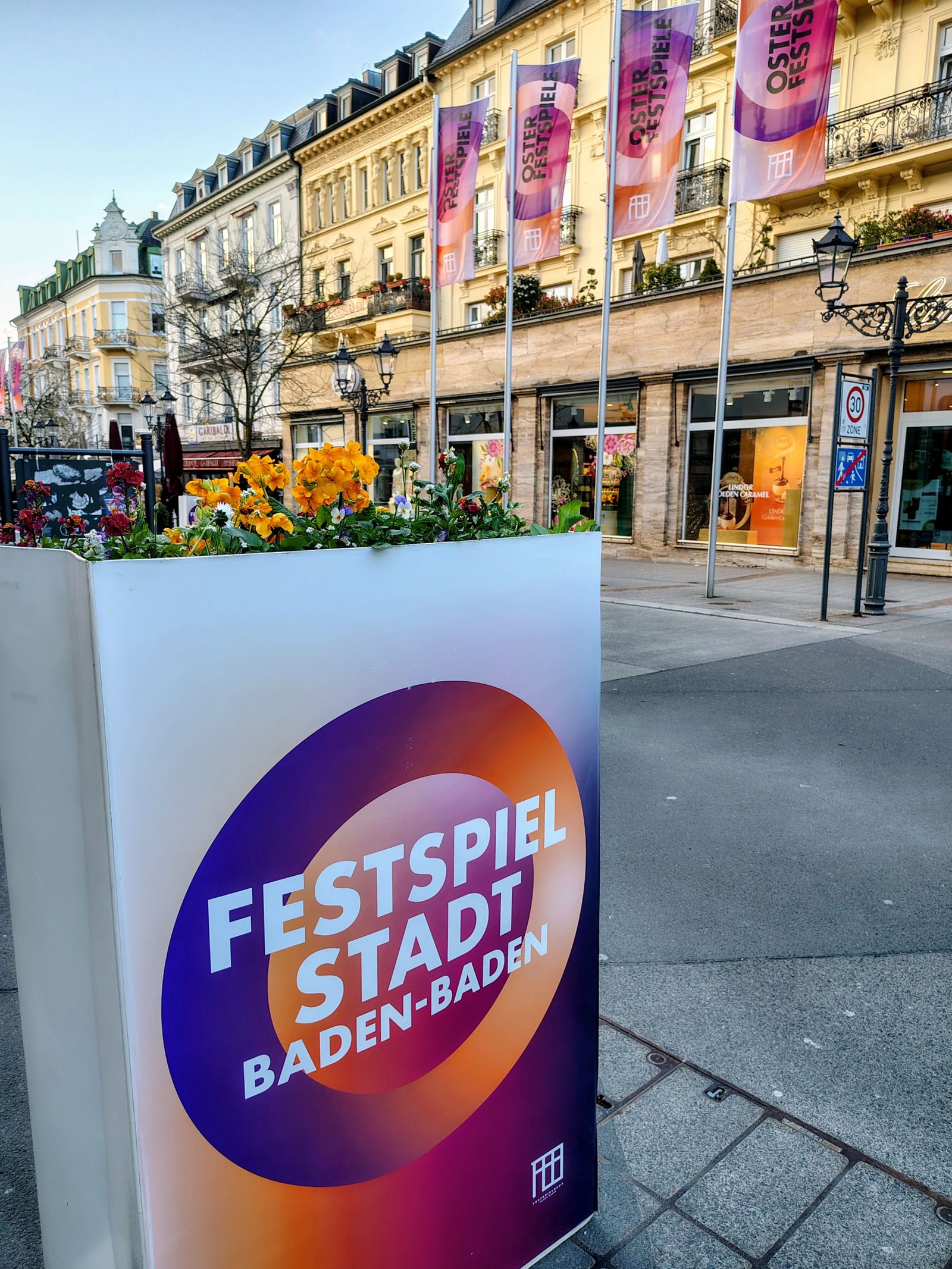
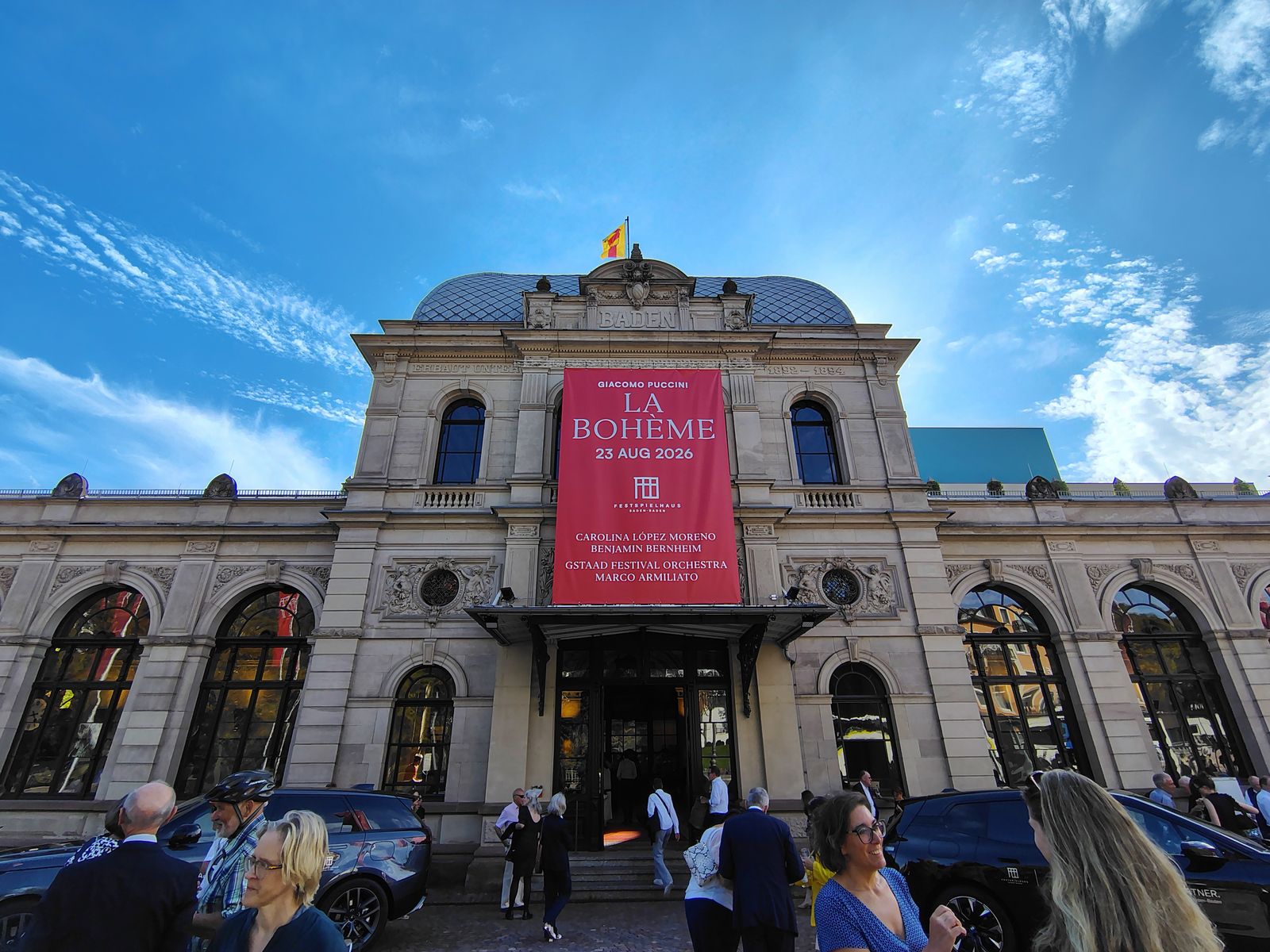
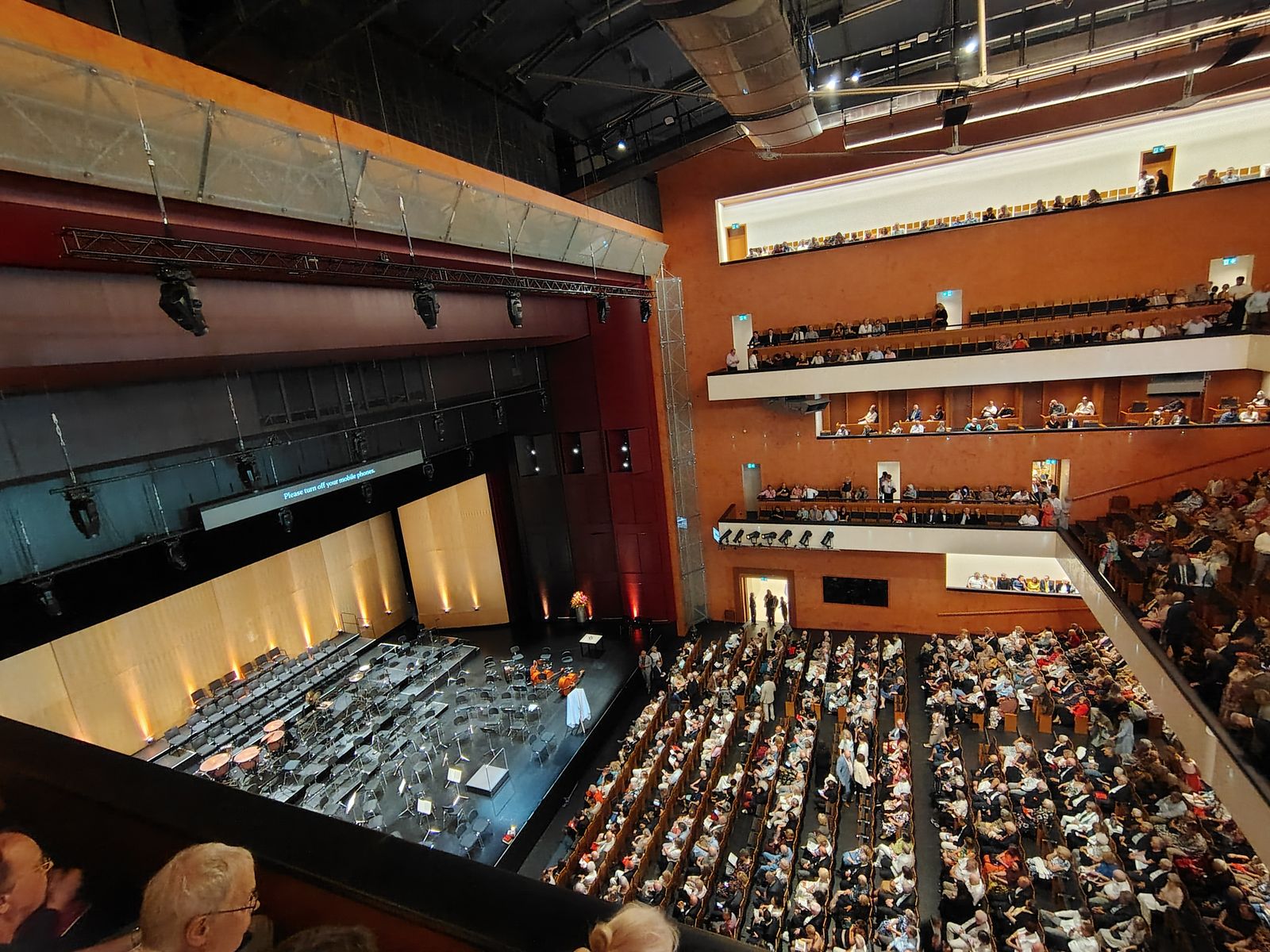
- Festspielhaus, in the shell of the old railway station, is the largest opera and
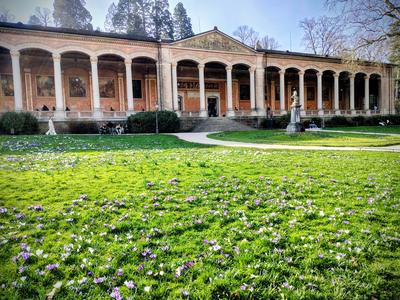
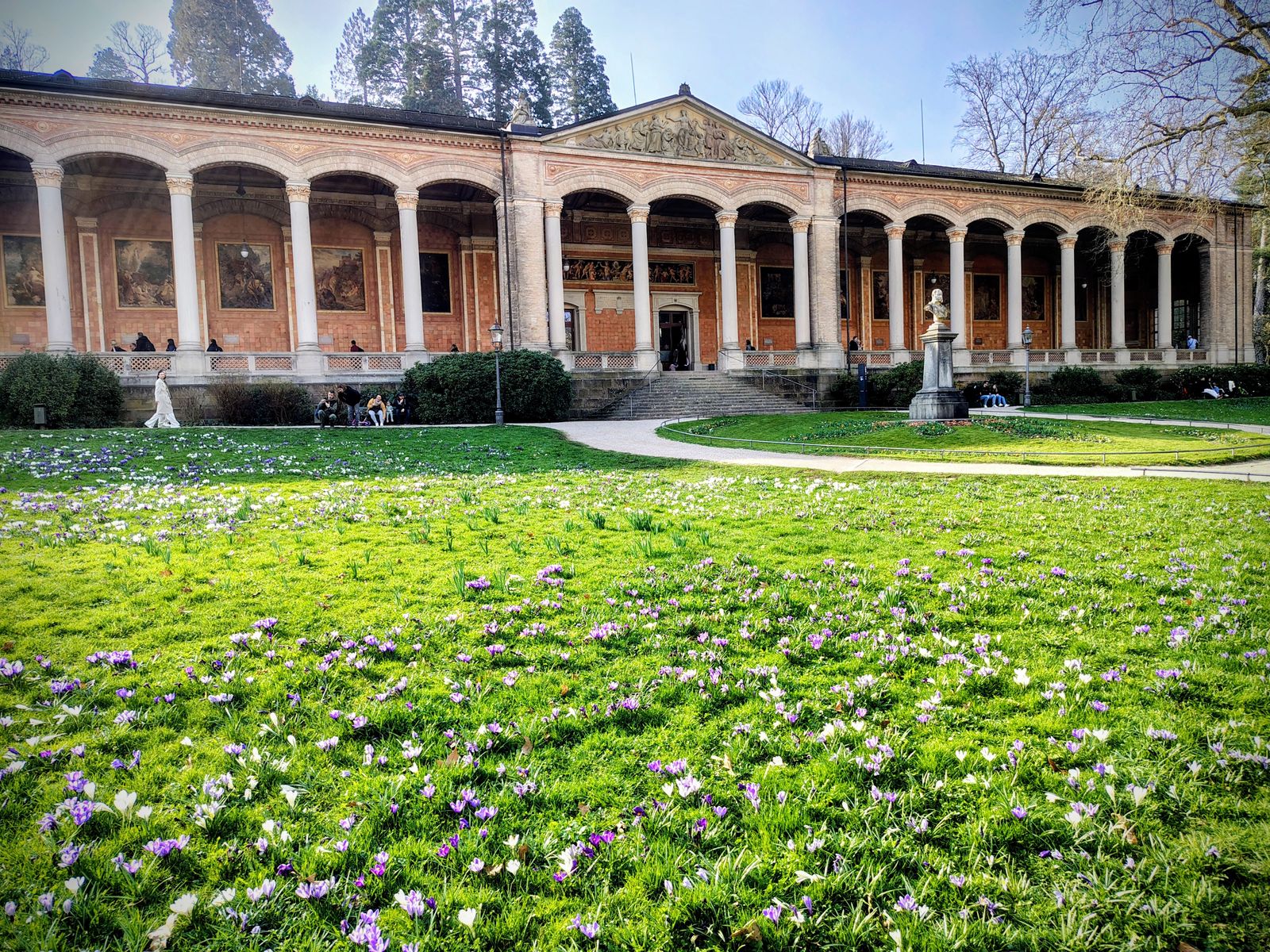
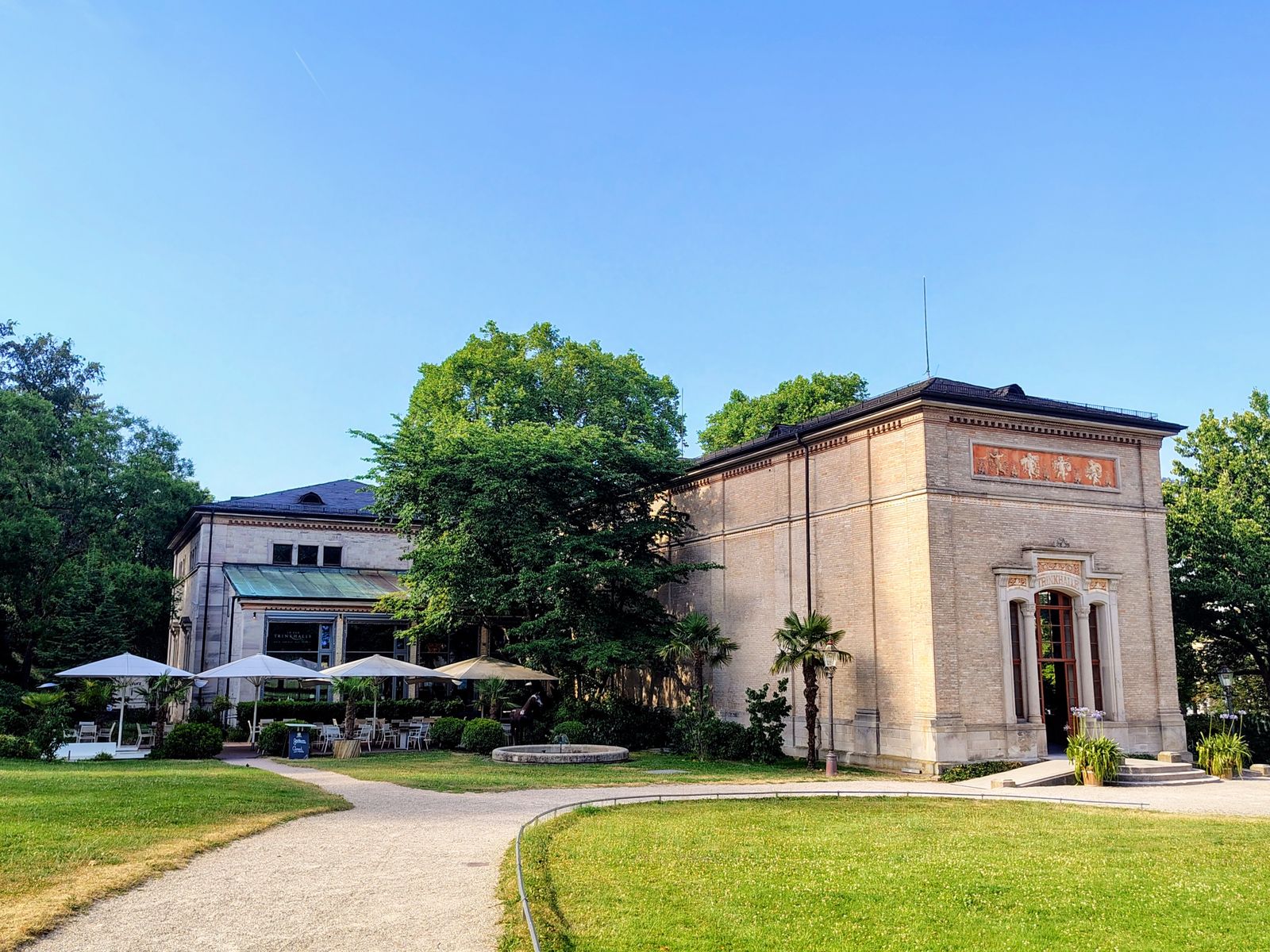
- Trinkhalle, the 90-metre colonnade with fourteen frescoes of Black Forest legends and
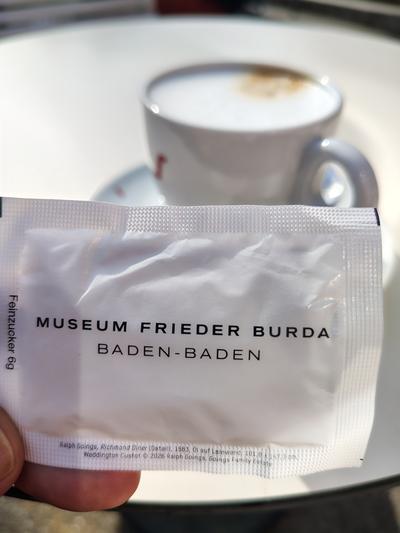
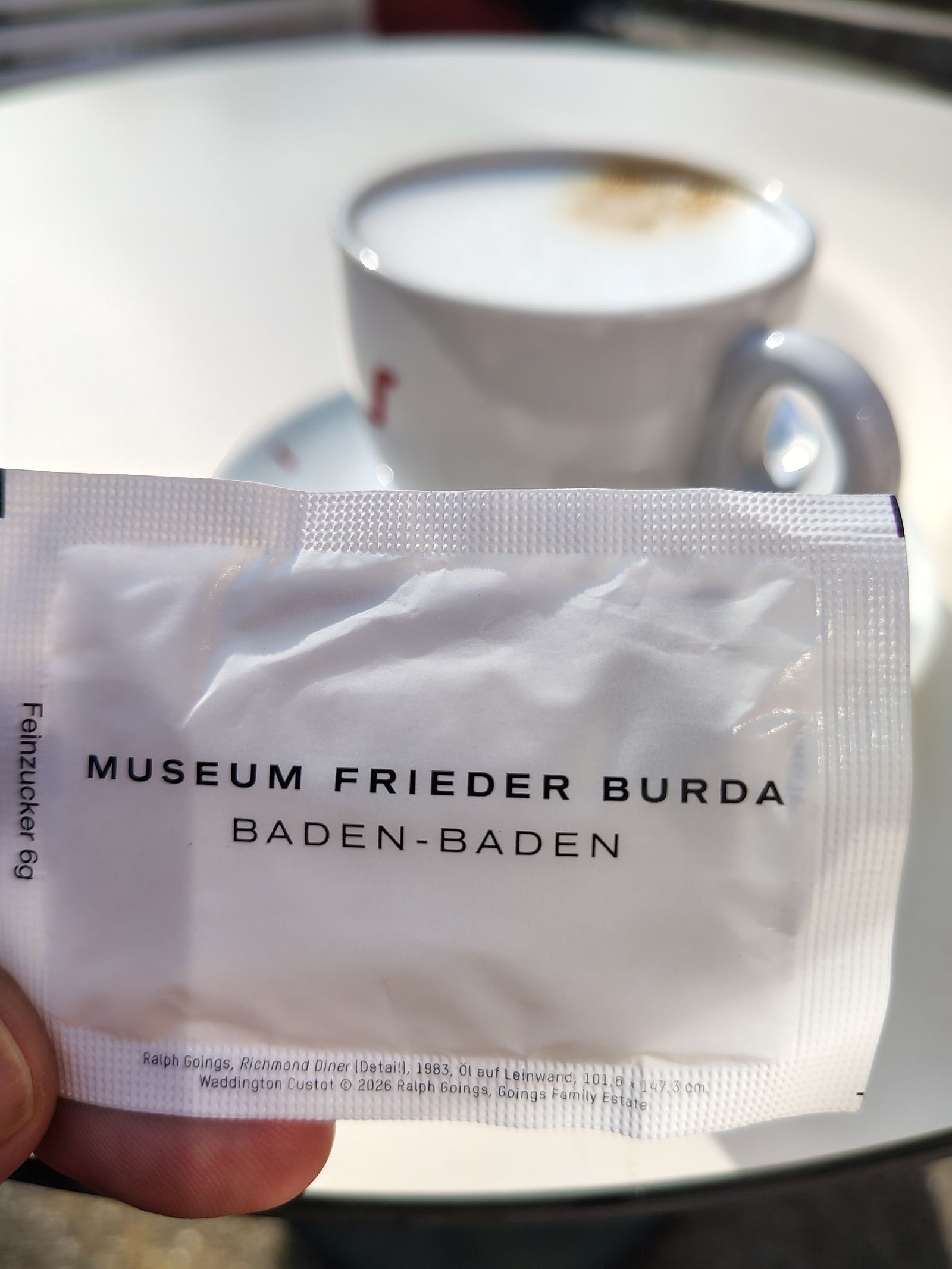
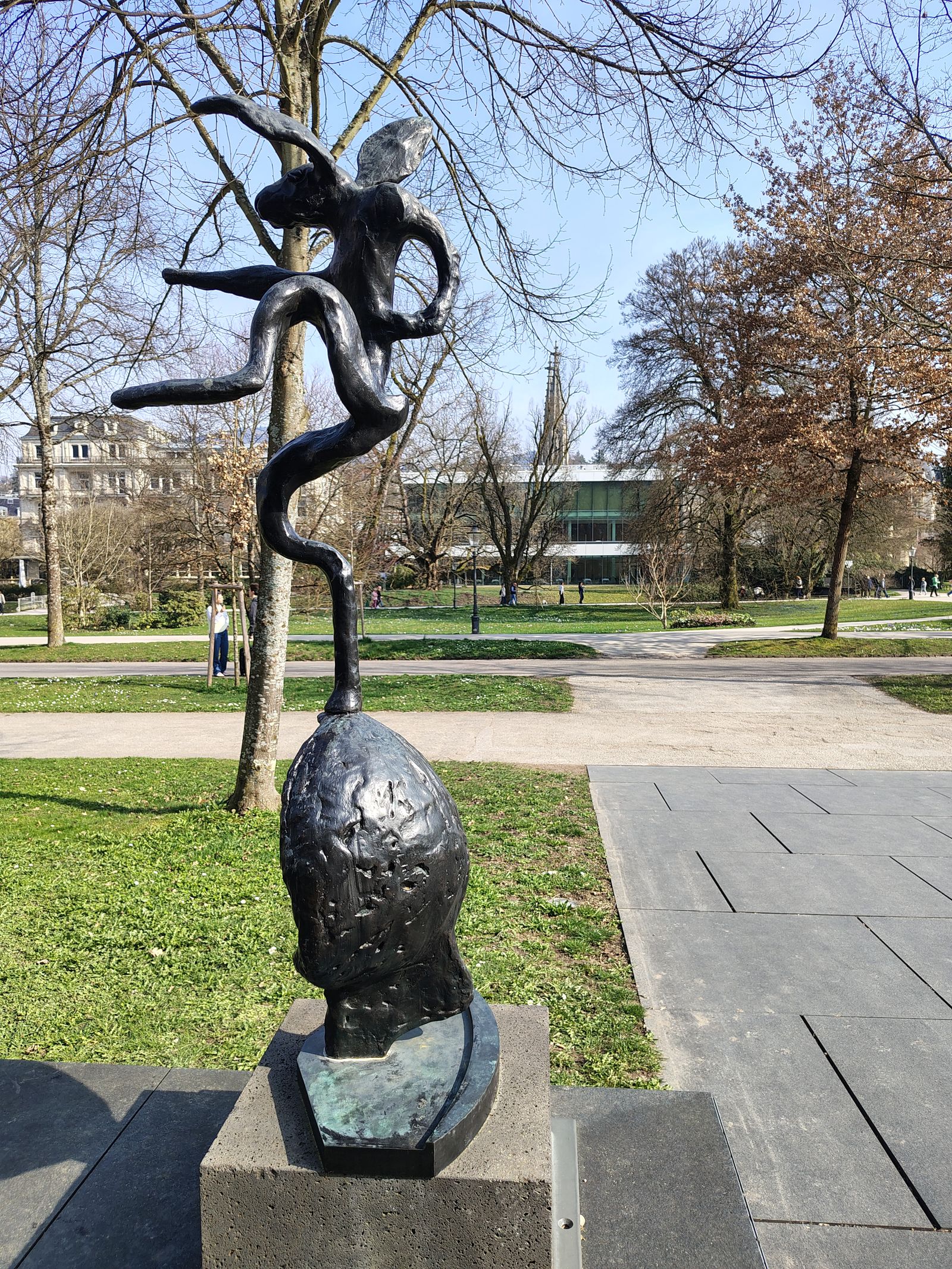
- Museum Frieder Burda, a Richard Meier building beside the park, holds a serious modern
steam through brush massage and thermal pools to a cold plunge and a silent room at the end. It is textile-free and mixed on most days, the sequence is fixed rather than wandered, and it takes about three hours. Twain's line about forgetting time after ten minutes is on the wall.
grottos and saunas, and you come and go as you like. Easier if the above sounds like a lot. Know which one you have booked - people find out at the door.
play begins, which is the cheap way to see the interiors.
concert house in Germany and the reason to check the calendar before you pick dates.
the drinking fountain still running.
collection.
Scenic routes
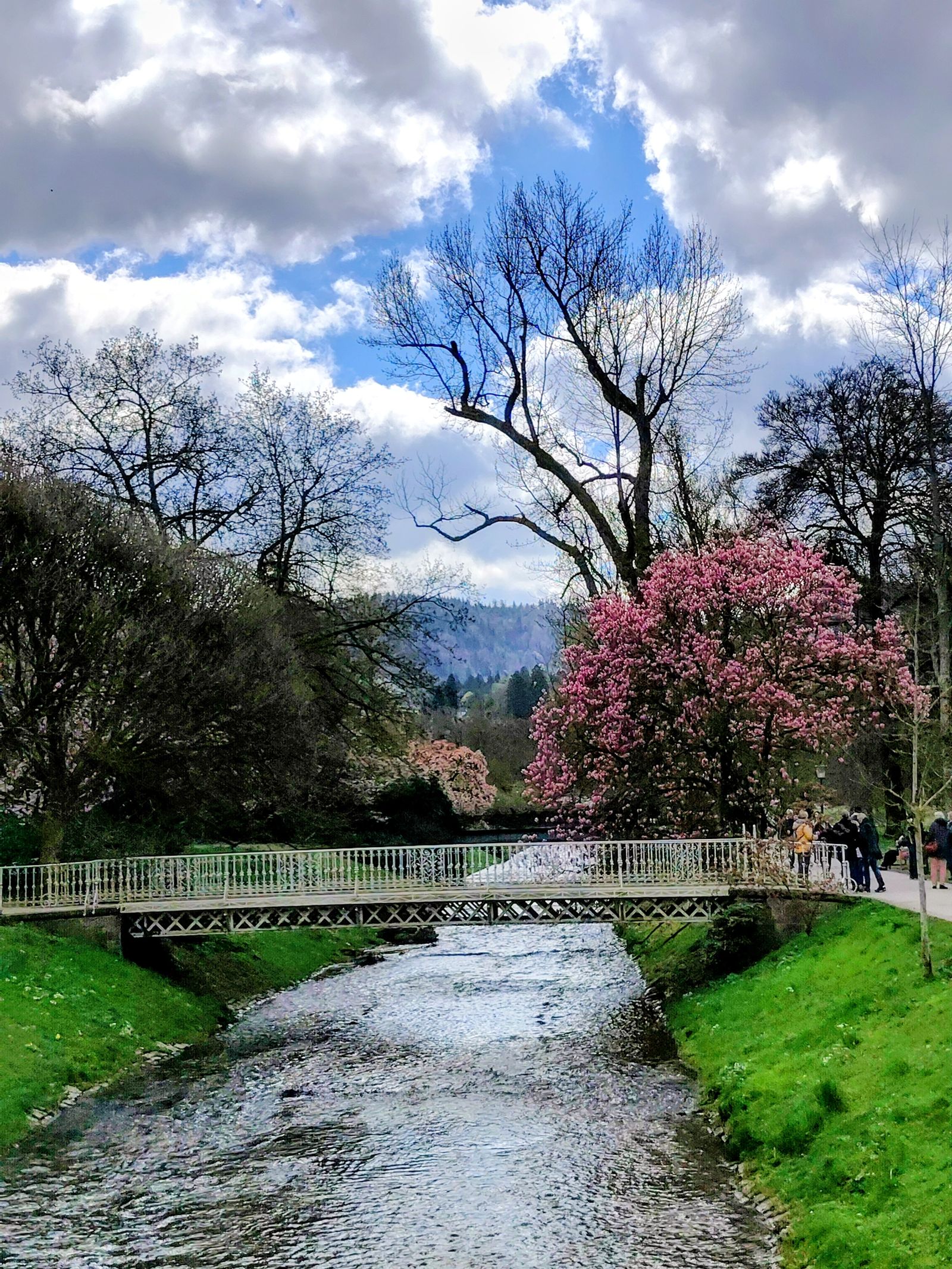
- Lichtentaler Allee - a two-kilometre arboretum along the Oos, planted from 1655, the
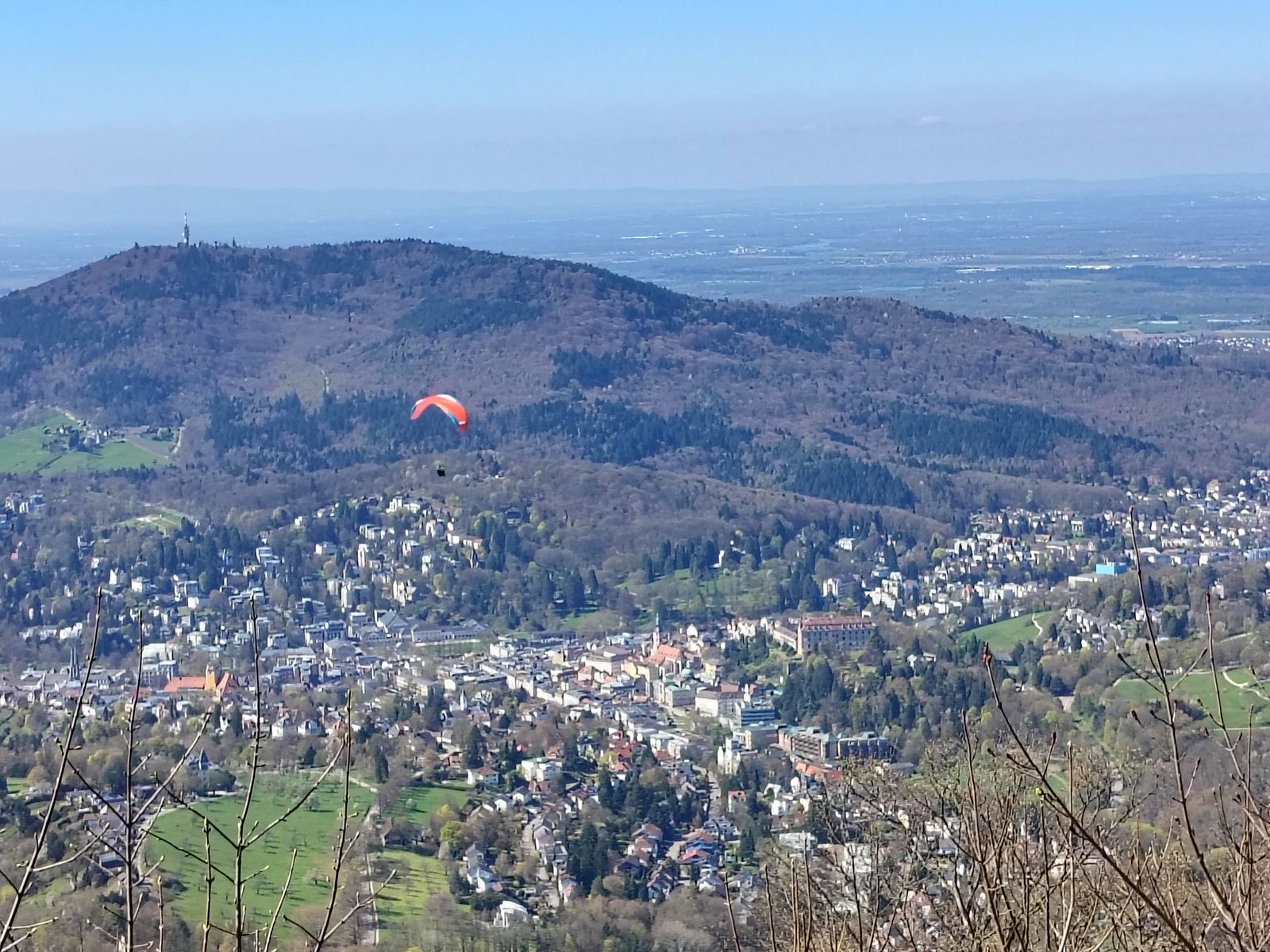
- Merkur funicular - up to 668 m for the view across the Rhine plain to the Vosges.
- Schwarzwaldhochstraße, the Black Forest High Road, runs 60 km south from town along
- Yburg and Altes Schloss, two ruined castles above the vineyards, both walkable.
walk everyone in town does daily. It ends at the Cistercian abbey of Lichtenthal, founded 1245 and still occupied by nuns.
the ridge past Mummelsee - the classic drive, and worth a car for a day.
Where to eat
Four tables for the year, two of them our own tips and two chosen because Google's reviewers rate them highest in town, plus one that only exists in winter.
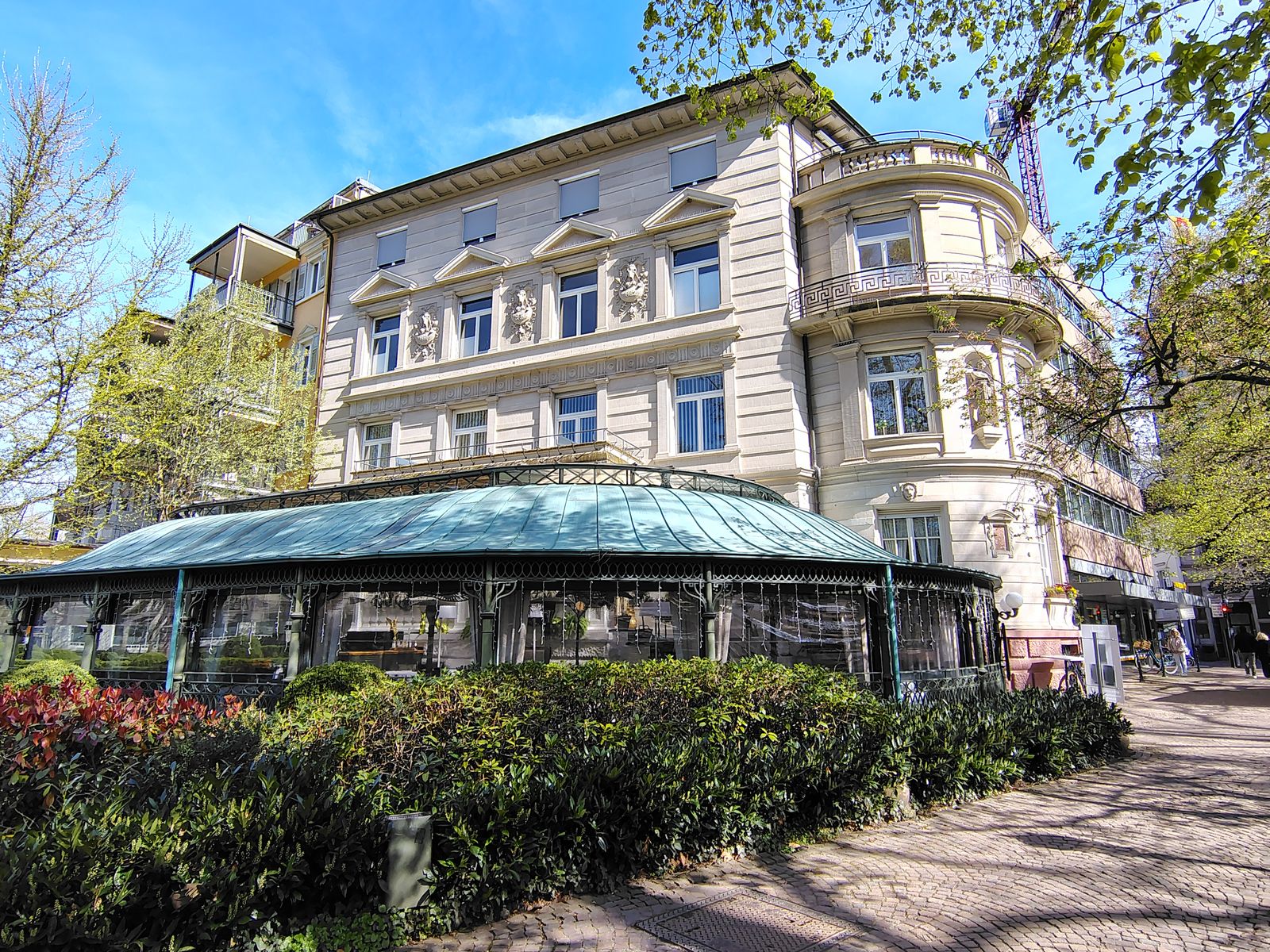
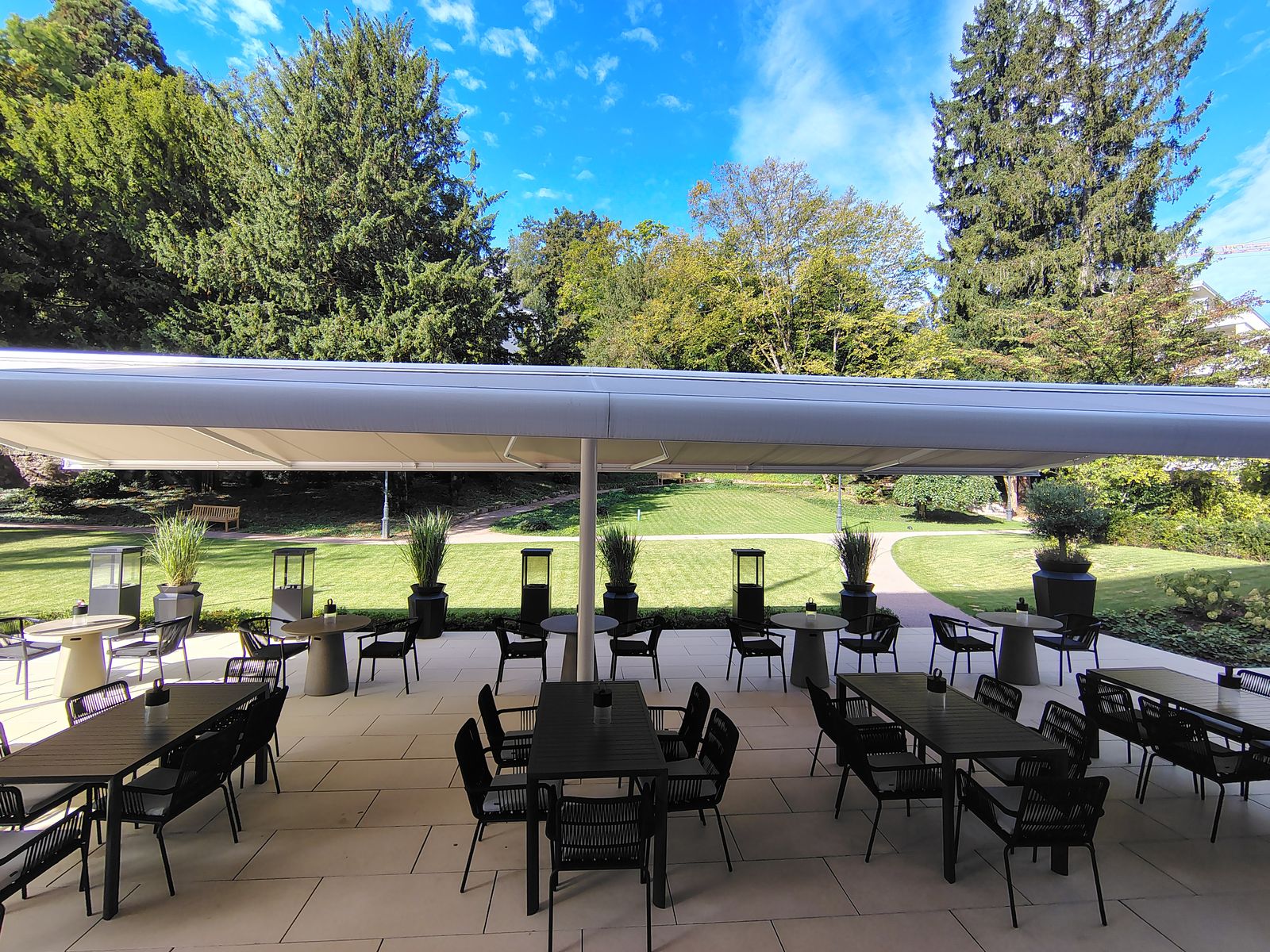
- Rizzi, Augustaplatz 1, on the edge of the spa quarter. Our own tip: a Mediterranean kitchen with Asian touches, very good cooking and service that keeps up with it. It sits in a nineteenth-century building, and in summer you want a table on the terrace, looking over the park. One warning: there is no air conditioning, so a hot evening is warm indoors. The food more than makes up for it. Open daily, lunch to late.
- Maltes Hidden Kitchen, Gernsbacher Straße 24. A small fine-dining room with a tasting menu, and a rating of 4.9 on Google from more than 230 reviews. Guests single out the intimate room, the service and the wine pairings. Evenings only, Wednesday to Saturday, and you need to book. Expect it to be expensive.
- All Blue, Seilerstraße 1, a fish and sushi restaurant, also 4.9 on Google, from more than 320 reviews. Fresh seafood is not easy to find this far from the sea, and the owner explains the concept to the table. Open for lunch and dinner, Tuesday to Saturday. It is not cheap, and a few reviewers found the lunch portions small for the price, so the set menu is the safer order.
- Theaterkeller im Maison Messmer, Werderstraße 1, the cellar restaurant of the Maison Messmer hotel, a few steps from the Kurhaus. Our tip here is the Flammkuchen: thin, crisp and properly Alsatian, which makes it the right order when you want something lighter than a full dinner, or a late bite after the opera. The rest of the menu is French-leaning (guests praise the foie gras and the bouillabaisse), and the kitchen serves from midday until late evening. Book for Friday and Saturday.
In winter: the Gourmet Igloos. During the Christkindelsmarkt, the Christmas market around the Kurhaus, the Gourmet Igloos at Kaiserallee 1 put heated glass igloos on the market's edge and serve fondue and raclette inside, with vegetarian and vegan choices. It scores 4.9 on Google from about 120 reviews, and guests like the warm igloo against the cold outside. The Christkindelsmarkt is worth a visit in its own right at Christmas time, with or without an igloo (the town's tourist office has this year's dates): the stalls, the lights and the Kurhaus behind them make the town at its most festive. The igloos are a seasonal pop-up, so check the igloo site for this year's dates and book a table before you come.
Ratings are from Google Maps in November 2026 and move, as do opening hours; check both before you walk over.
When to go
Avoid the summer festival weeks and the deep winter spa rush. Late October is the sweet spot and it is when we caught the numbers above: the Lichtentaler Allee is turning, the Friedrichsbad is blissfully quiet, and the hotels are a third off their peak. Spring is the other good window, before the festival season fills the town.
One more thing worth deciding before you book: whether to spend your days in the baths or in the town. Friedrichsbad and Caracalla Therme are both a walk from any of these three hotels, so it is not a reason to pick one over another - just decide which circuit you want and allow the three hours Friedrichsbad actually takes.
The rule for this town is simple. Pick the shoulder, then join the free club before you press book.
The rest of the roll
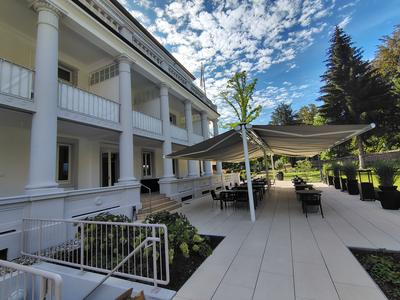
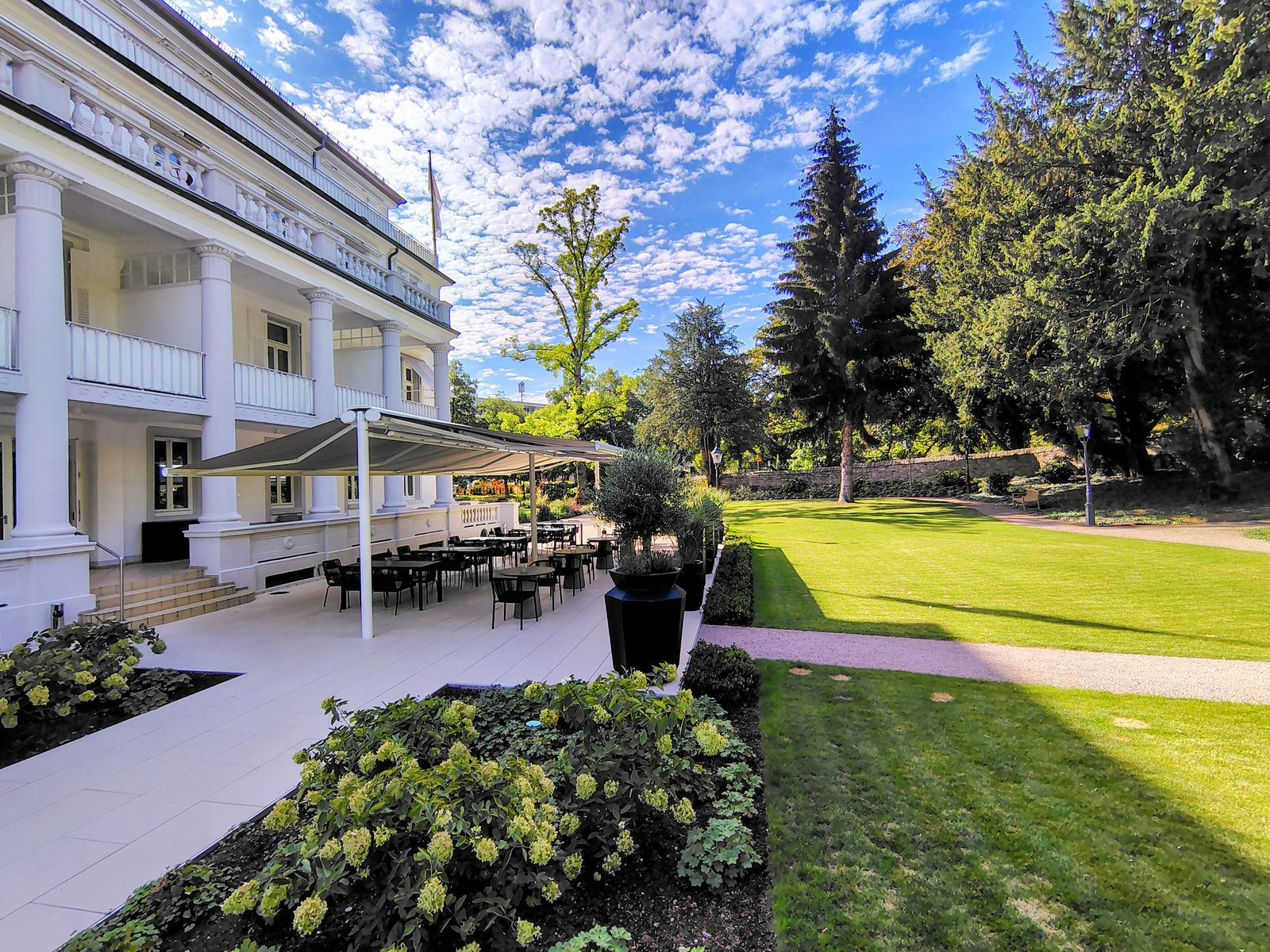
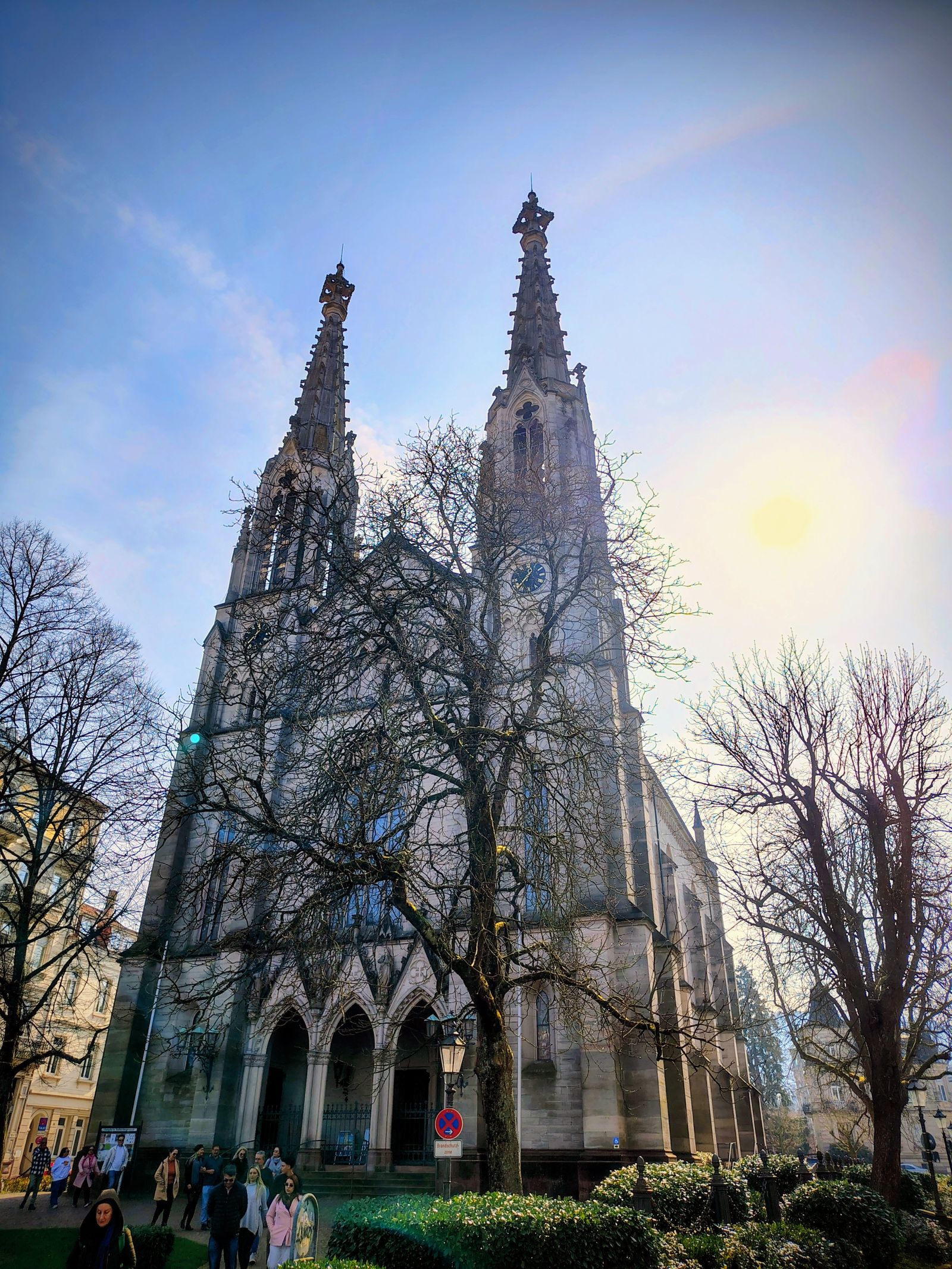
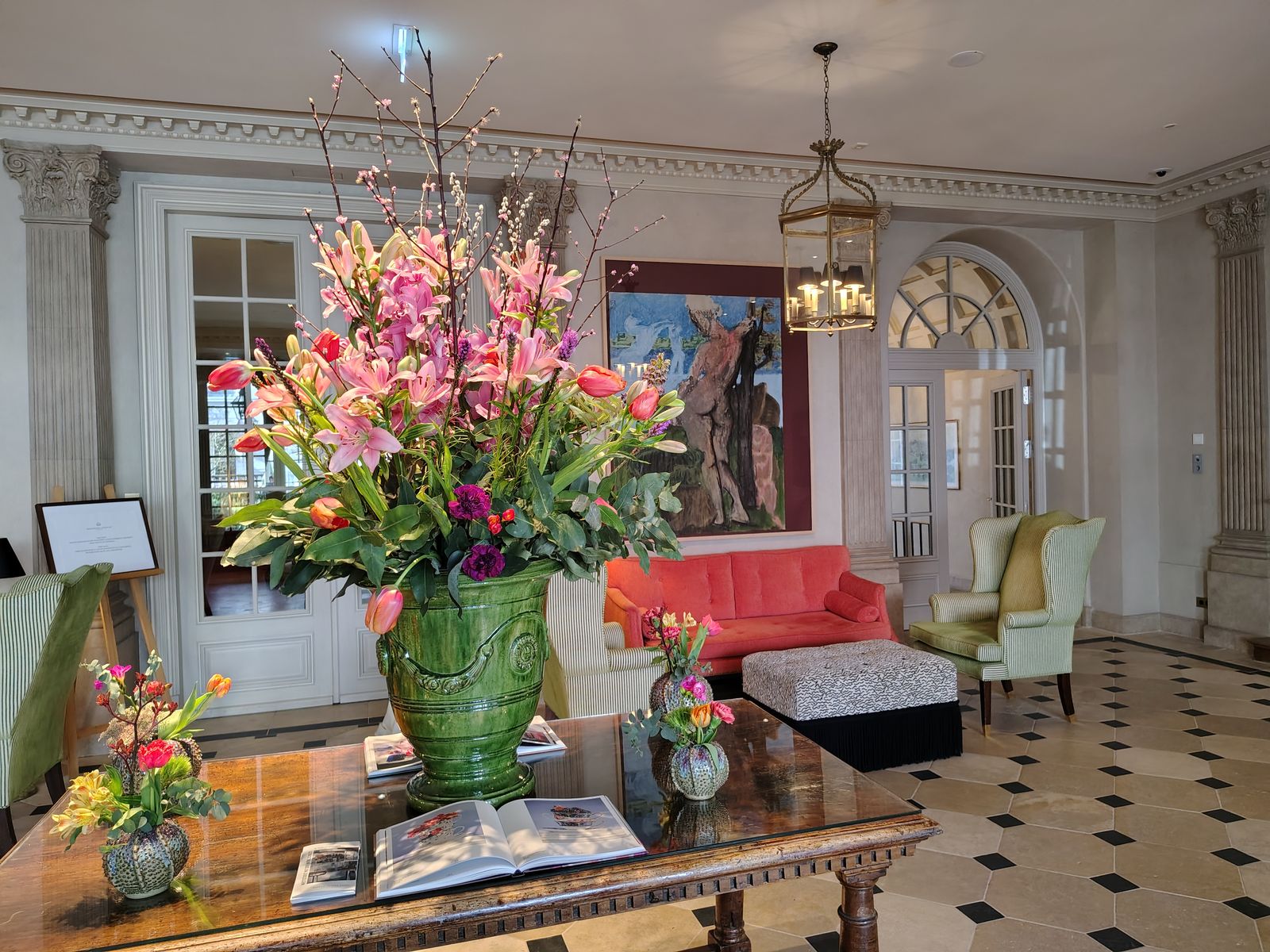
Everything else we came back with from this trip - ours, taken on the days described above. Click any of them to see it properly.