The Chedi Muscat
Muscat, Oman · 5-star Hotel
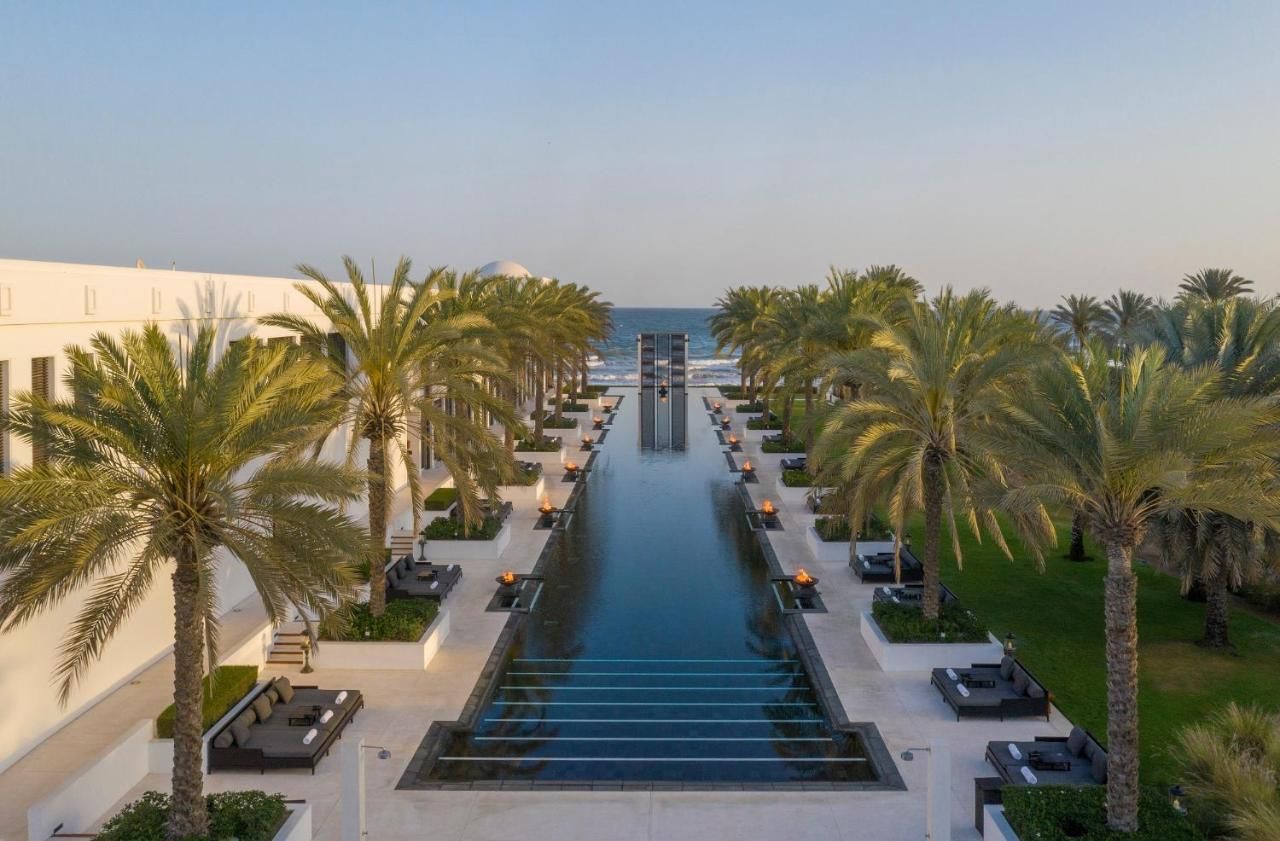
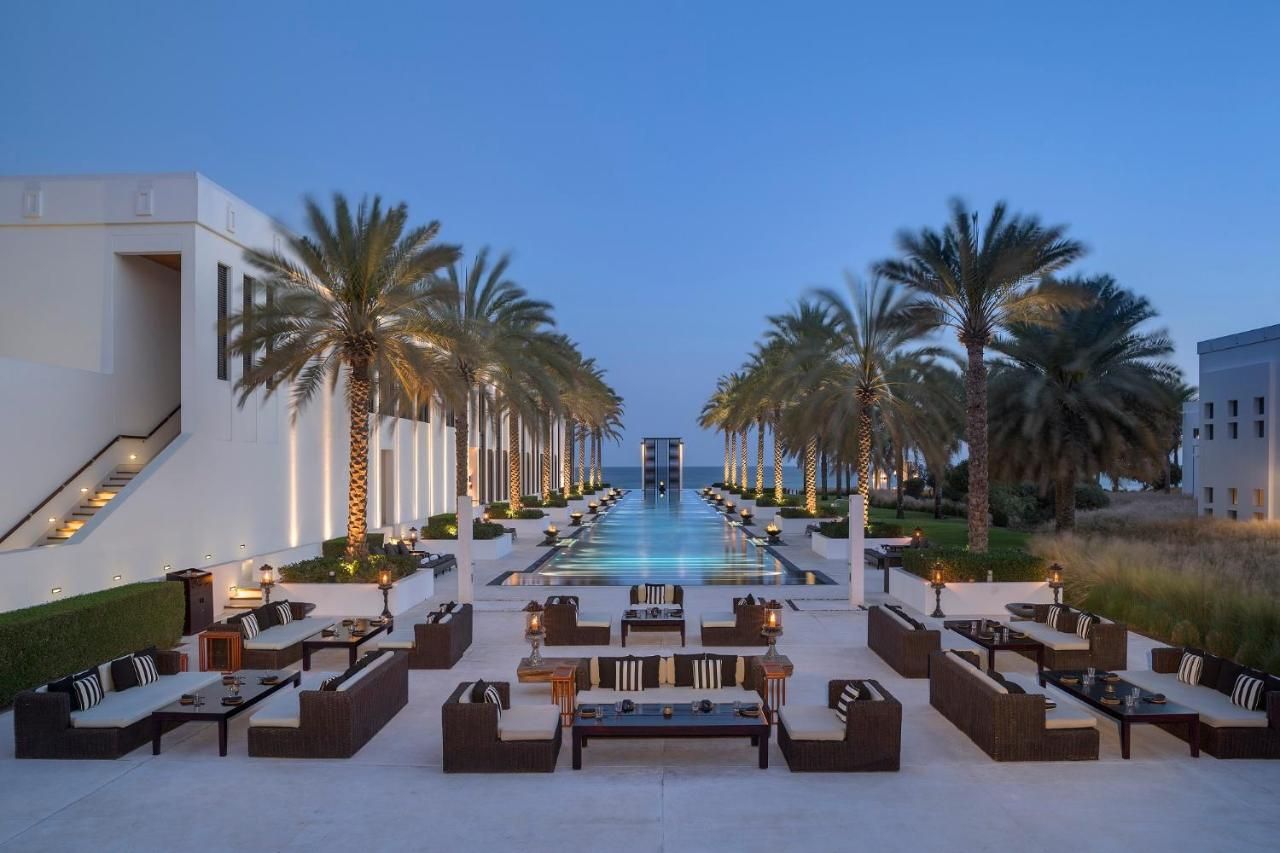
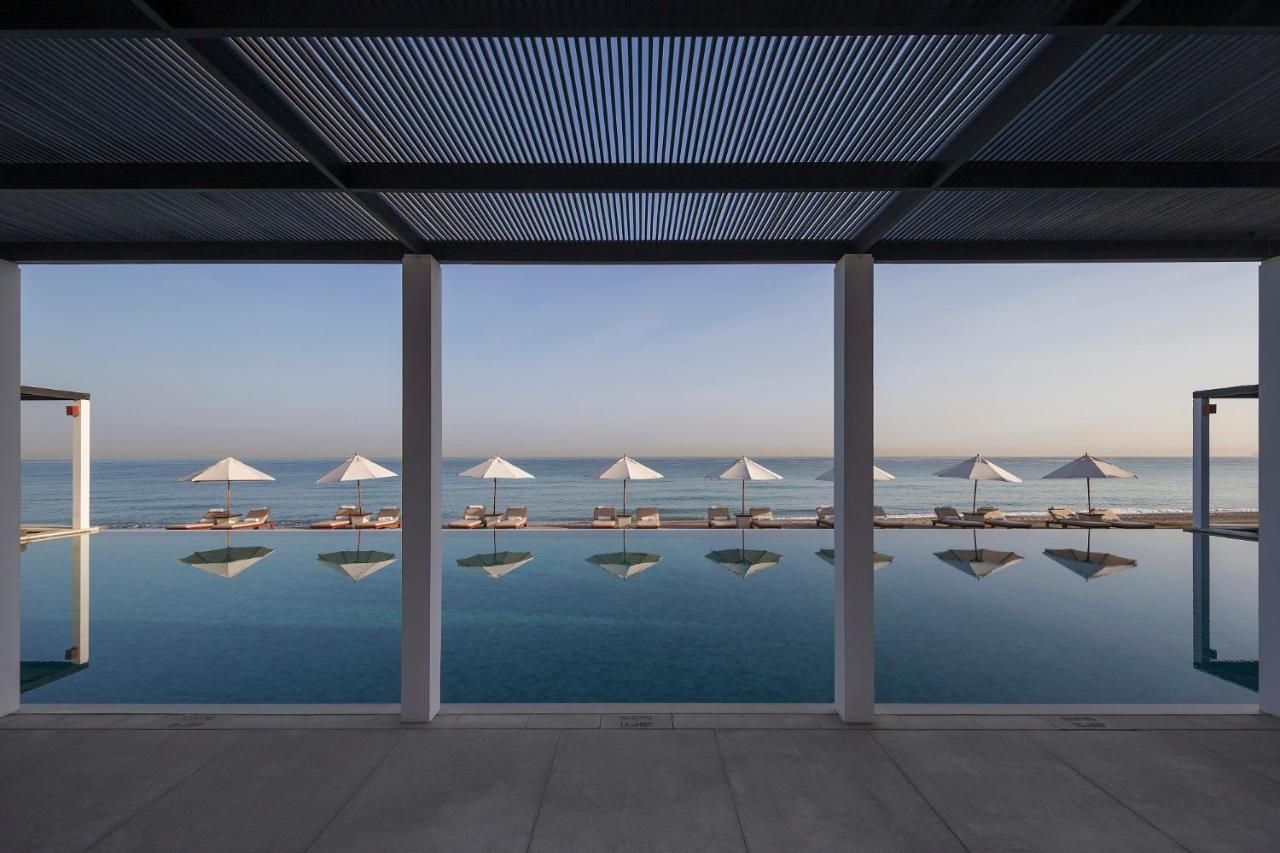
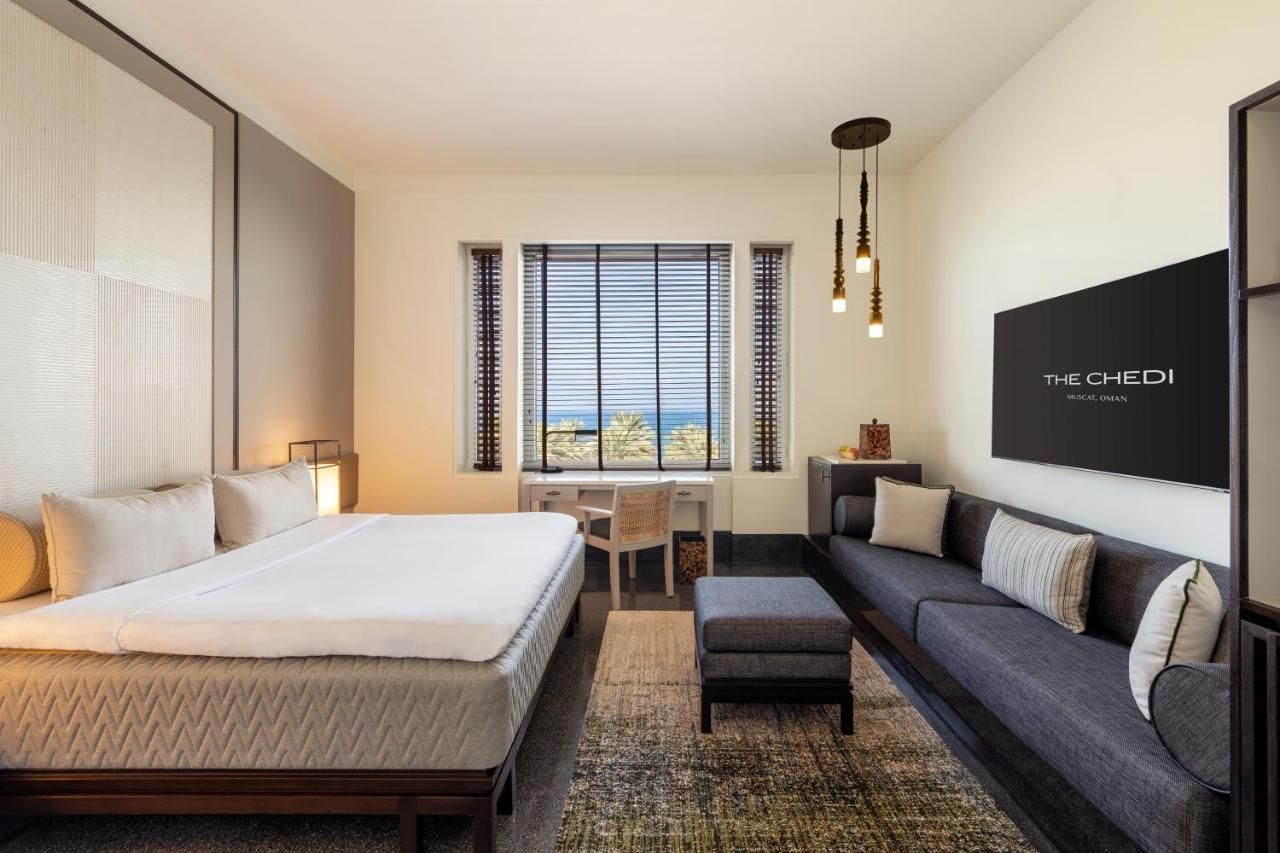
The Chedi Muscat in photographs
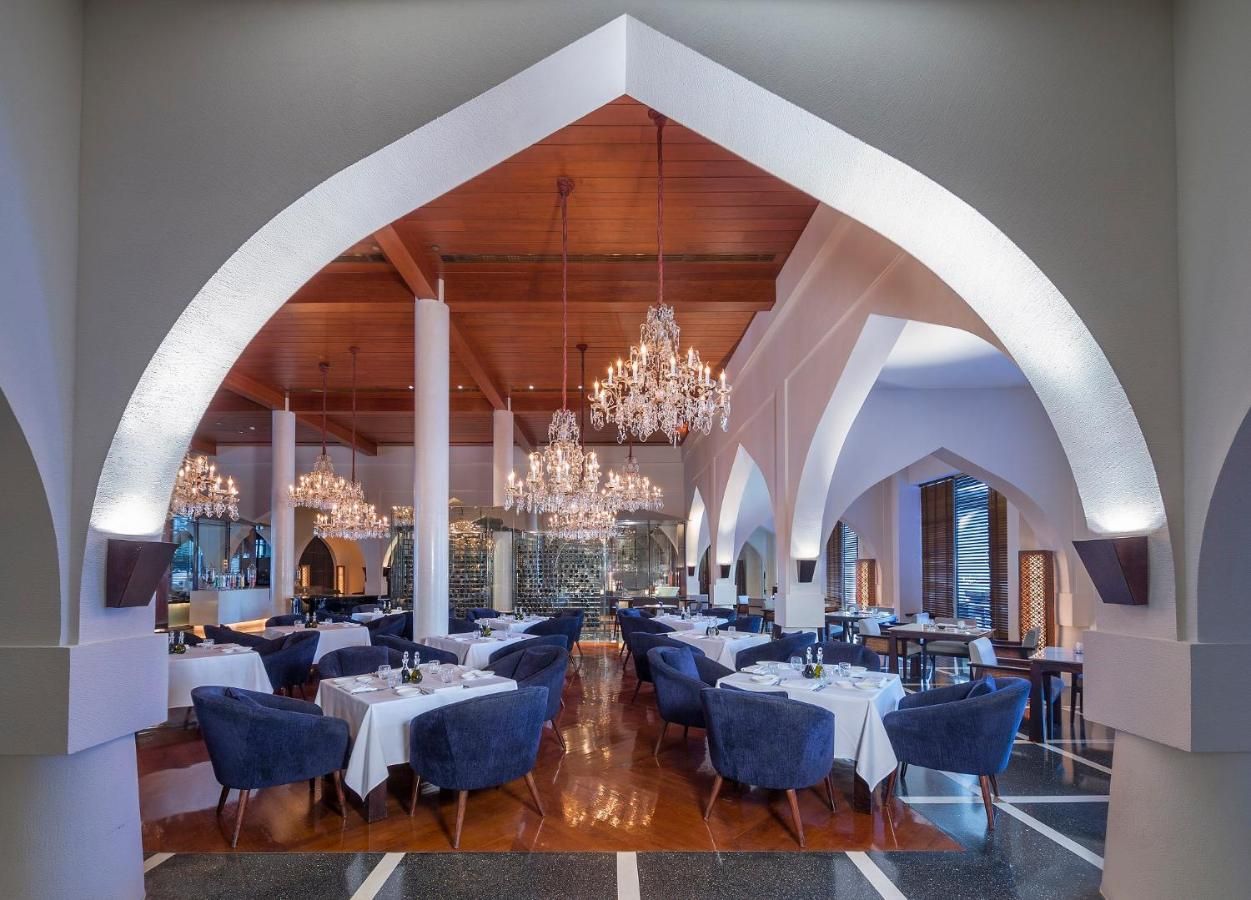
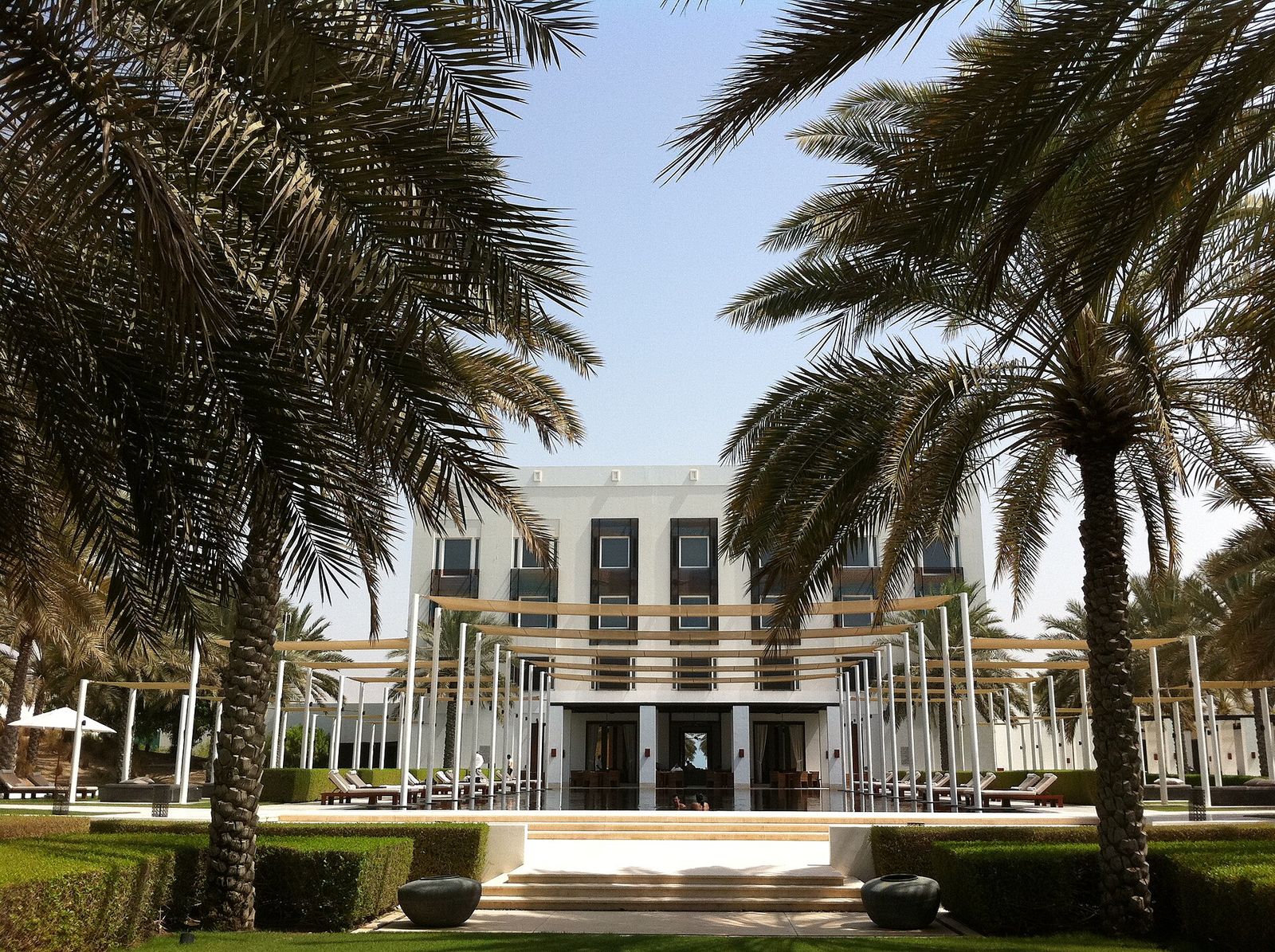

When to go
The cheapest month we have found is August, at around USD 279 a night - -16% against what this hotel usually asks.
Where to book
- Book on Booking.com - Free cancellation options, guest reviews and a familiar checkout.
- Hotel website - Photos, facilities and location.
Our notes
The Chedi Muscat
The Chedi Muscat is a five-star beachfront resort on a private beach in the Ghubra district of Muscat, about a 15-minute drive from Muscat International Airport. According to its Booking.com listing it stands in a 21-acre landscaped garden with 162 Omani-influenced guestrooms and villas, three swimming pools (including the 103-metre Long Pool, an infinity pool and a children's pool), a 700-square-metre health club, a 13-suite Balinese-style spa and six restaurants and lounges serving Middle Eastern, Asian, Mediterranean, Japanese and international cooking. Rooms have high ceilings, large windows, a sitting area and a work desk. Booking.com showed 9.2 from 1,376 reviews (Superb) when the page was read on 24 October 2026. The hotel's own website could not be read for photographs, so the photographs on this page come from its Booking.com listing.
The Chedi Muscat opened in 2003 as Oman's first contemporary beach hotel, and it was built to look like nothing else on this coast. The architect, Jean-Michel Gathy, laid out twenty-one acres of white stucco, arches and domes that borrow as much from Omani tradition as from the wider Indian Ocean trade routes Muscat itself grew rich on, with grounds set out in strict geometric symmetry by the landscape architect Karl Princic. Its centrepiece is the Long Pool - 103 metres of it, reportedly the longest hotel pool in the Arabian Peninsula - running the length of the property toward the sea with the bare rock of the Al Hajar mountains behind it.
Muscat's own history goes back a great deal further than the hotel's two decades. The Greek geographer Ptolemy already knew it in the first century AD as "the hidden port," a natural harbour tucked behind headlands that made it a trading link between the Gulf, East Africa and India for two thousand years. The Portuguese arrived in 1507 looking for a foothold on that trade and held the city, on and off, for more than a century against Persian and Ottoman pressure; the two forts they built to guard the harbour entrance, Al Jalali and Al Mirani, still stand on the rock either side of Old Muscat's waterfront, floodlit at night and visible from the water. The modern city is largely the work of one man - Sultan Qaboos bin Said, who took power in a bloodless palace coup in 1970 and spent the following decades building the roads, port, airport, schools and hospitals that had barely existed before him. The Sultan Qaboos Grand Mosque, inaugurated in May 2001 after six years of construction and still holding the record for the world's largest single- piece carpet, is the clearest single monument to that transformation - and, along with the pastel-washed old town and the two Portuguese forts, the natural day trip from a stay at the Chedi.
What it costs through the year
| Cheapest we have seen | USD 263 ≈ €235 |
|---|---|
| What it usually costs | USD 333 ≈ €298 |
| Dearest we have seen | USD 447 ≈ €400 |
| Times we looked | 6 |
| Gap between the two | 55% |
| Last checked | 2026-08-01 |