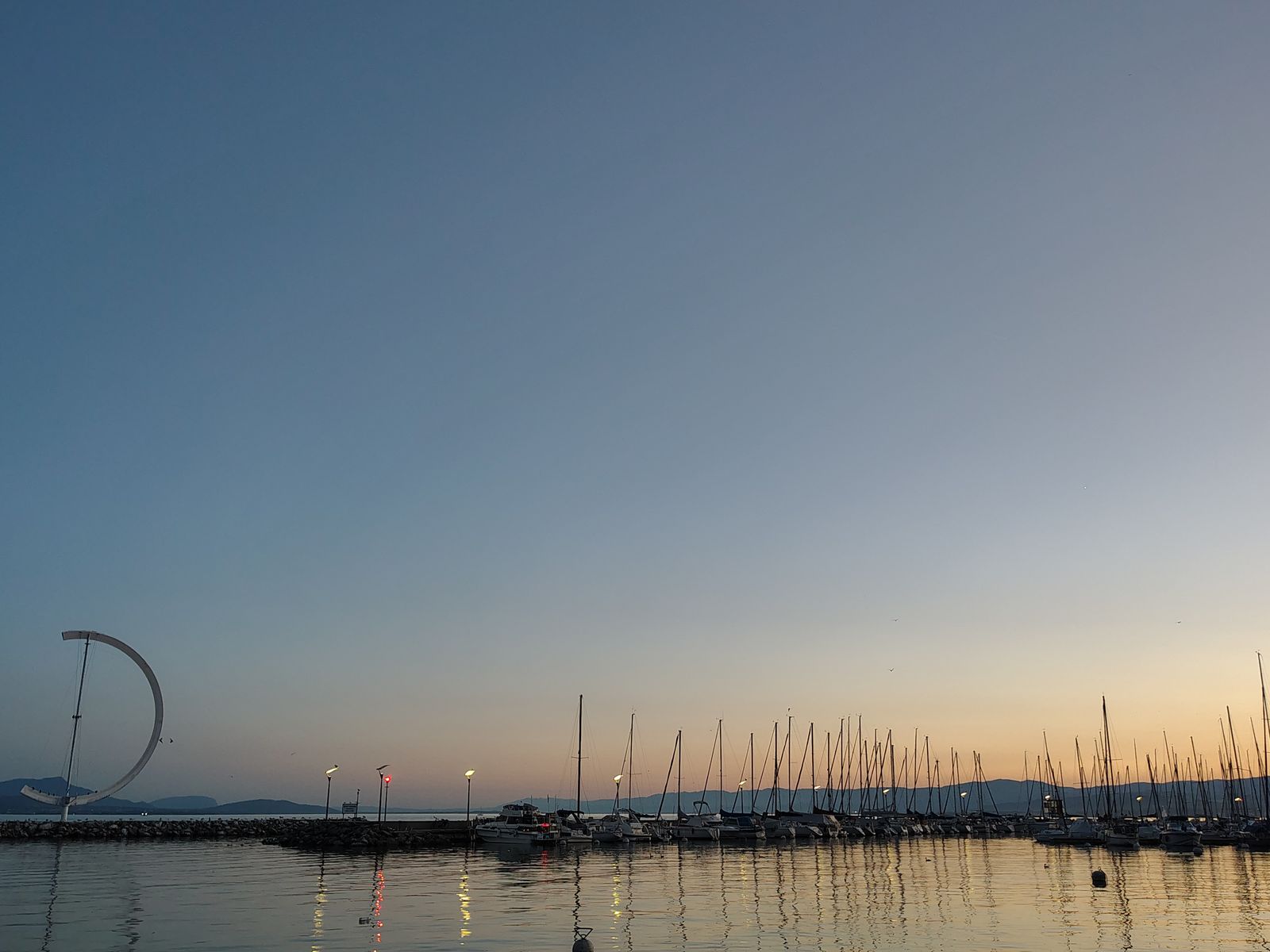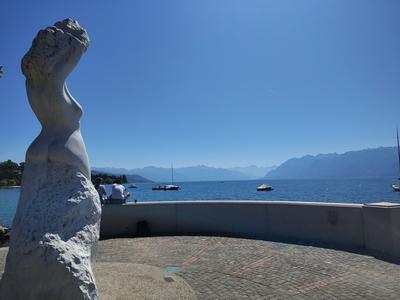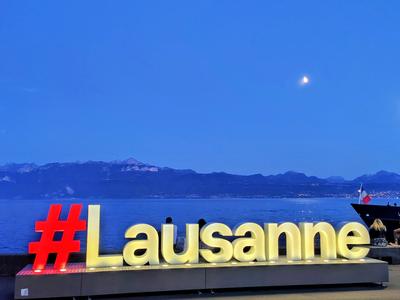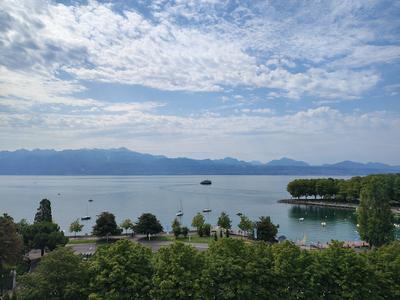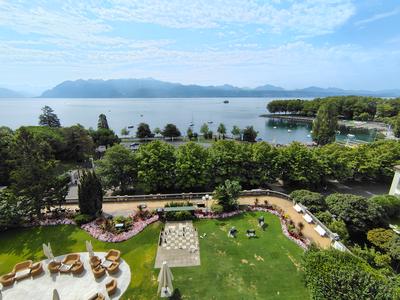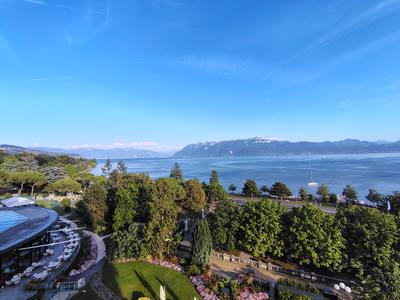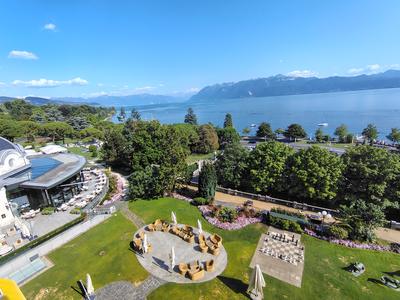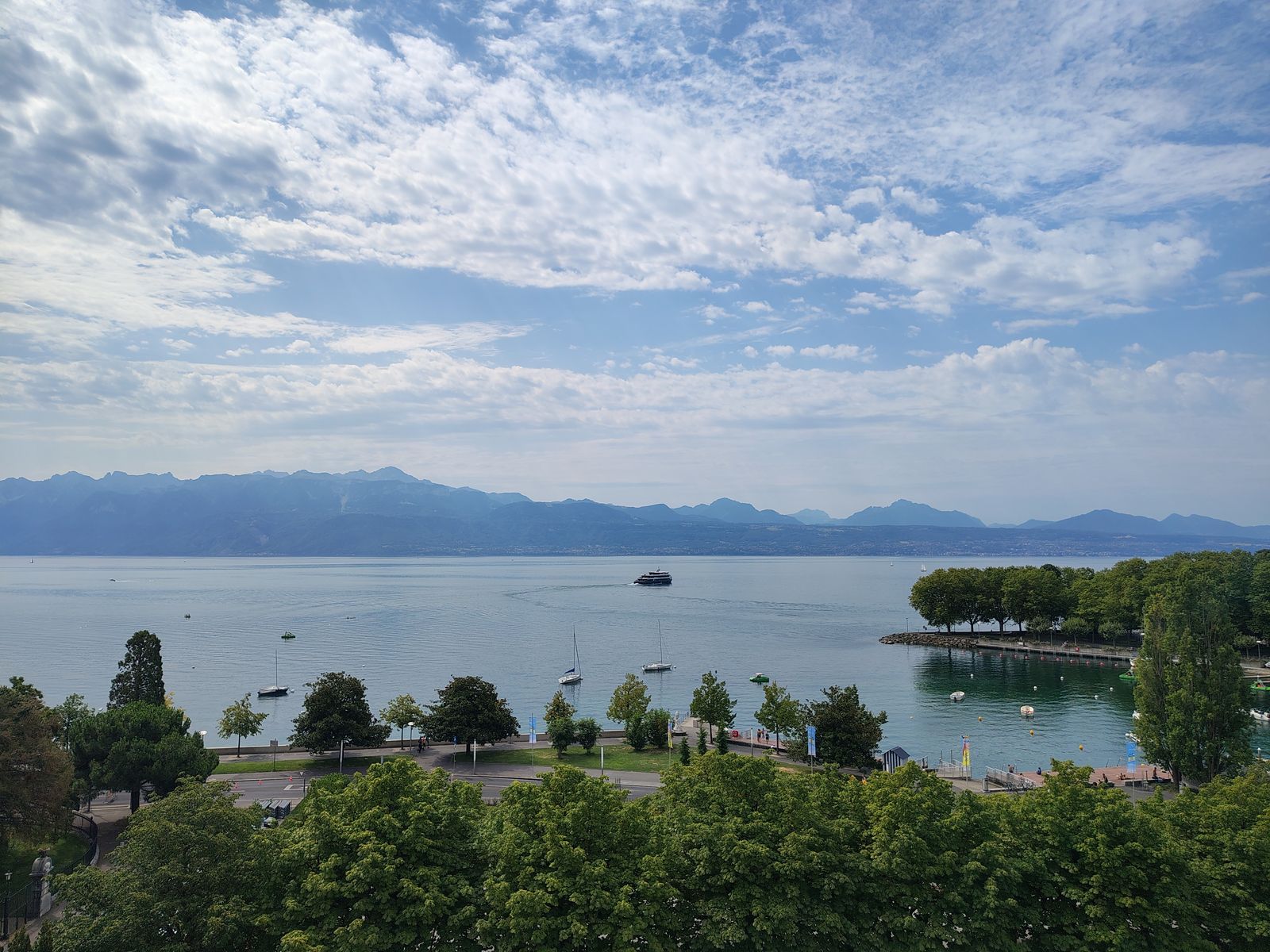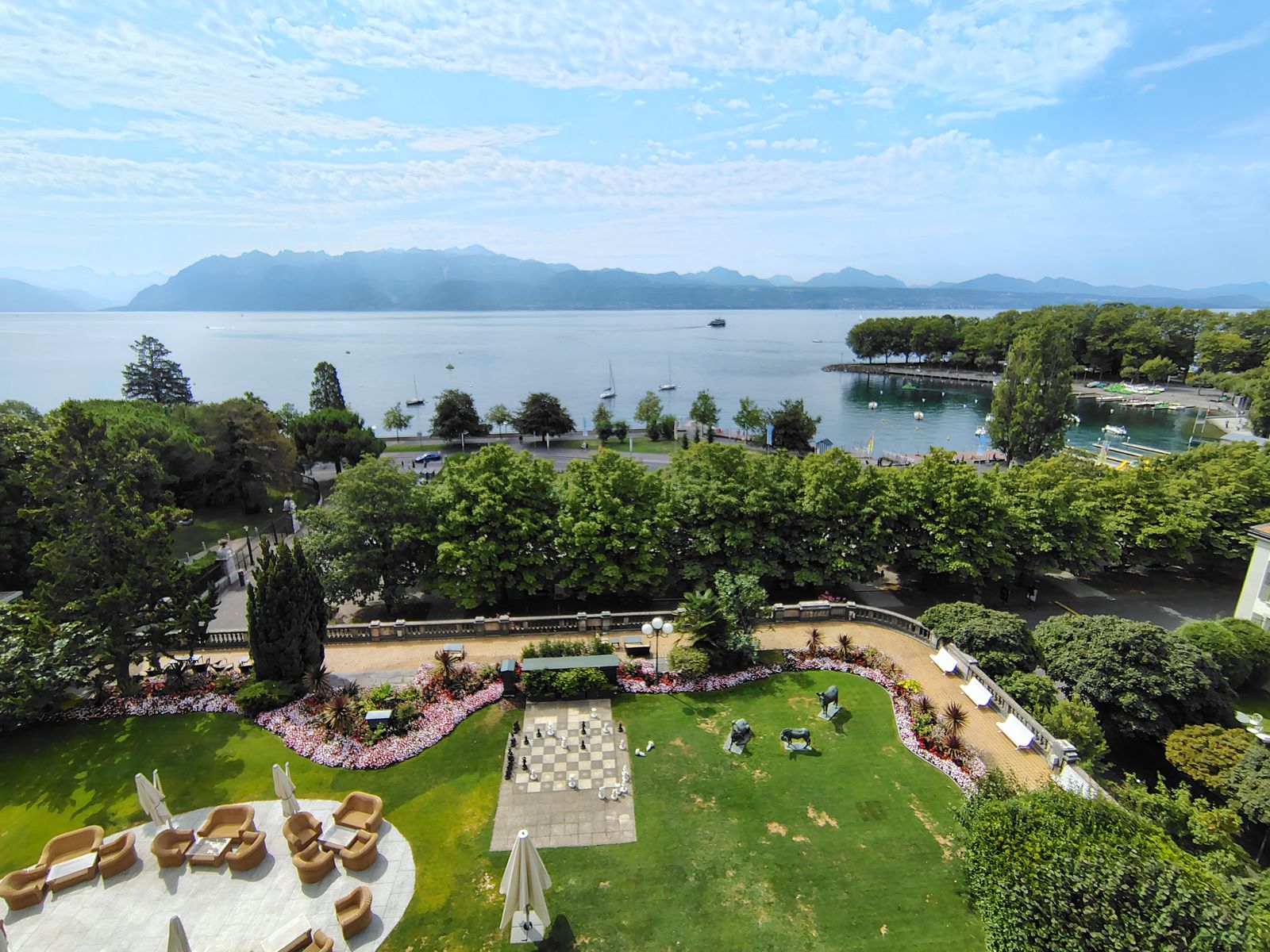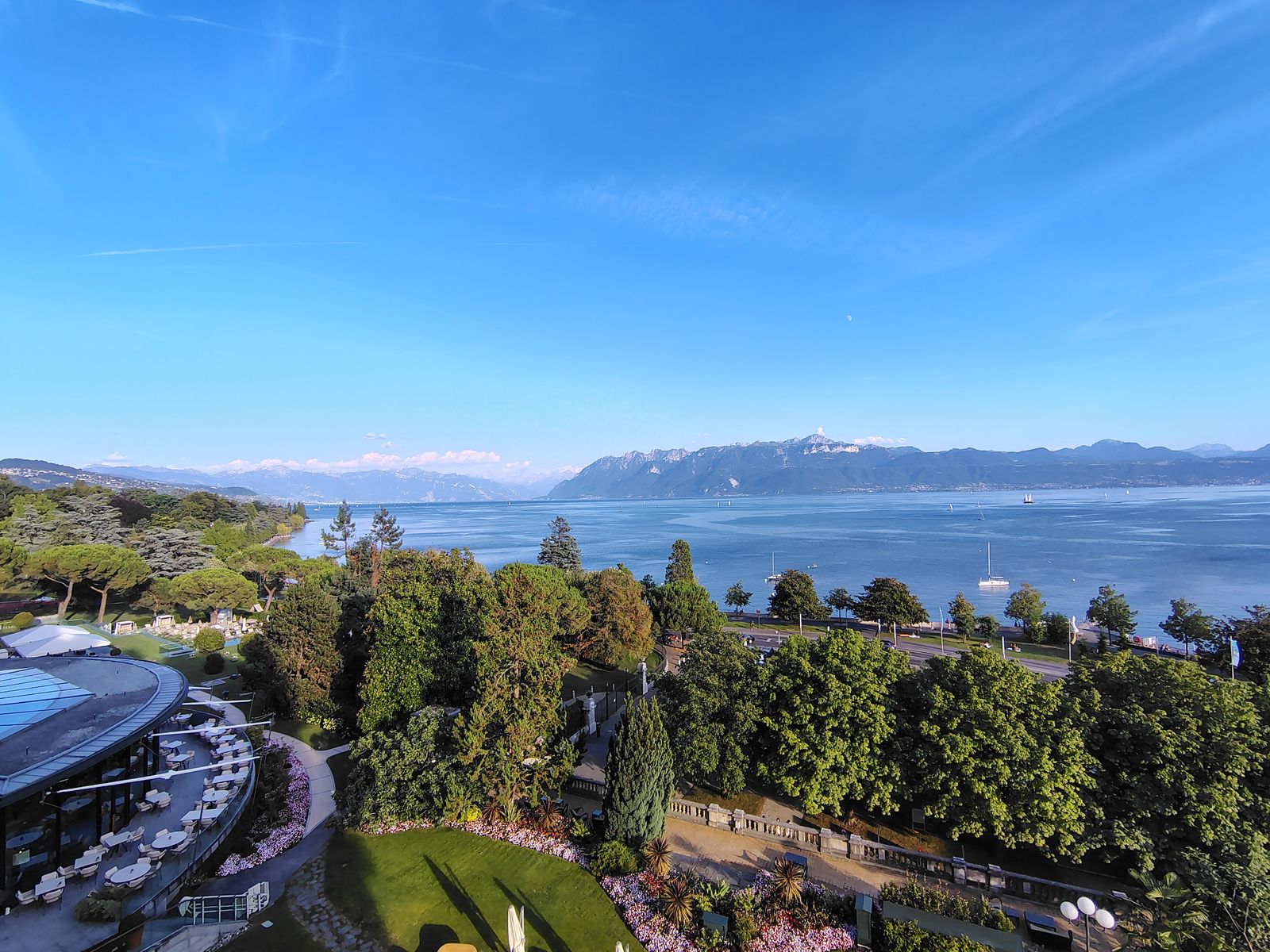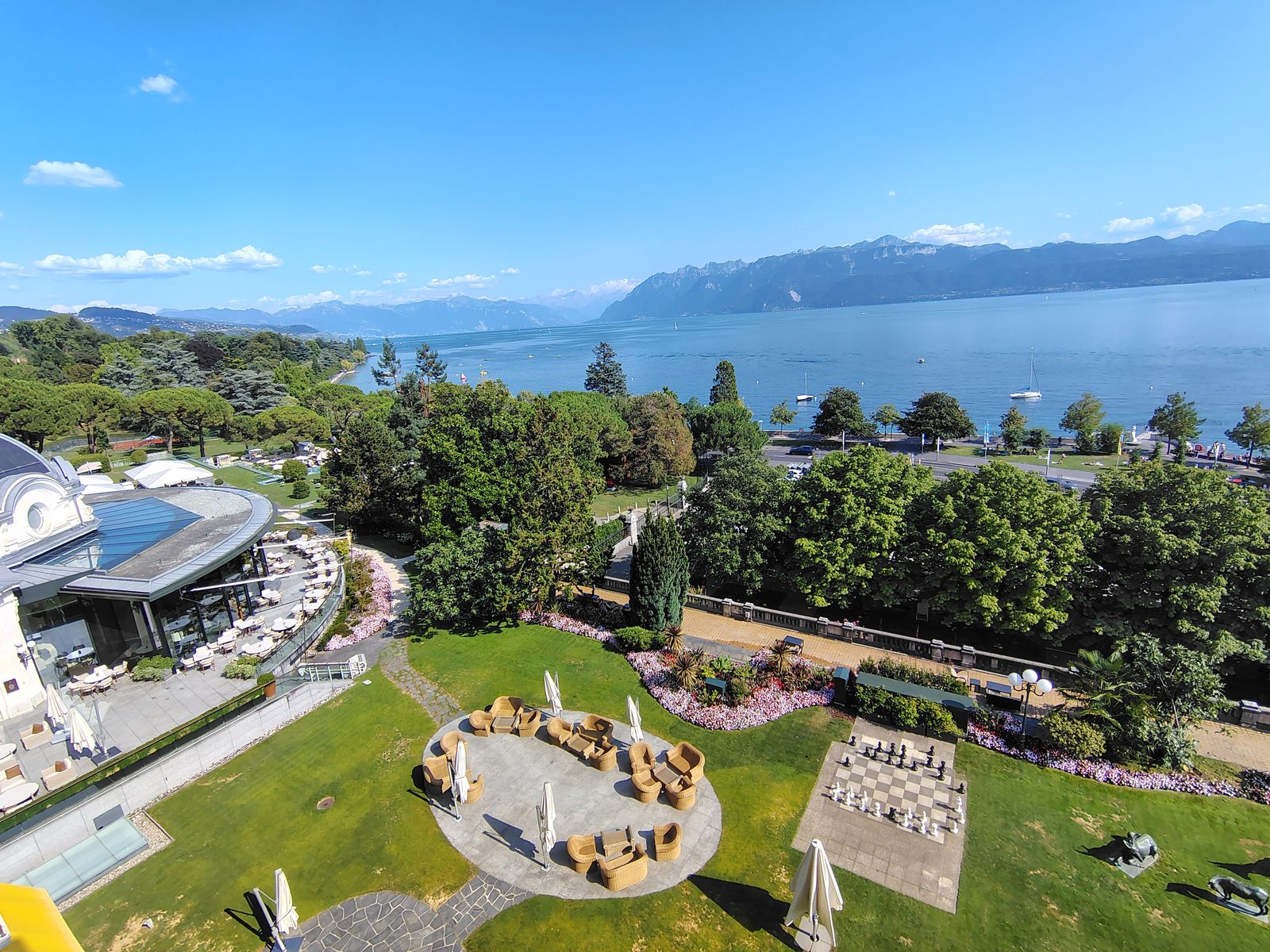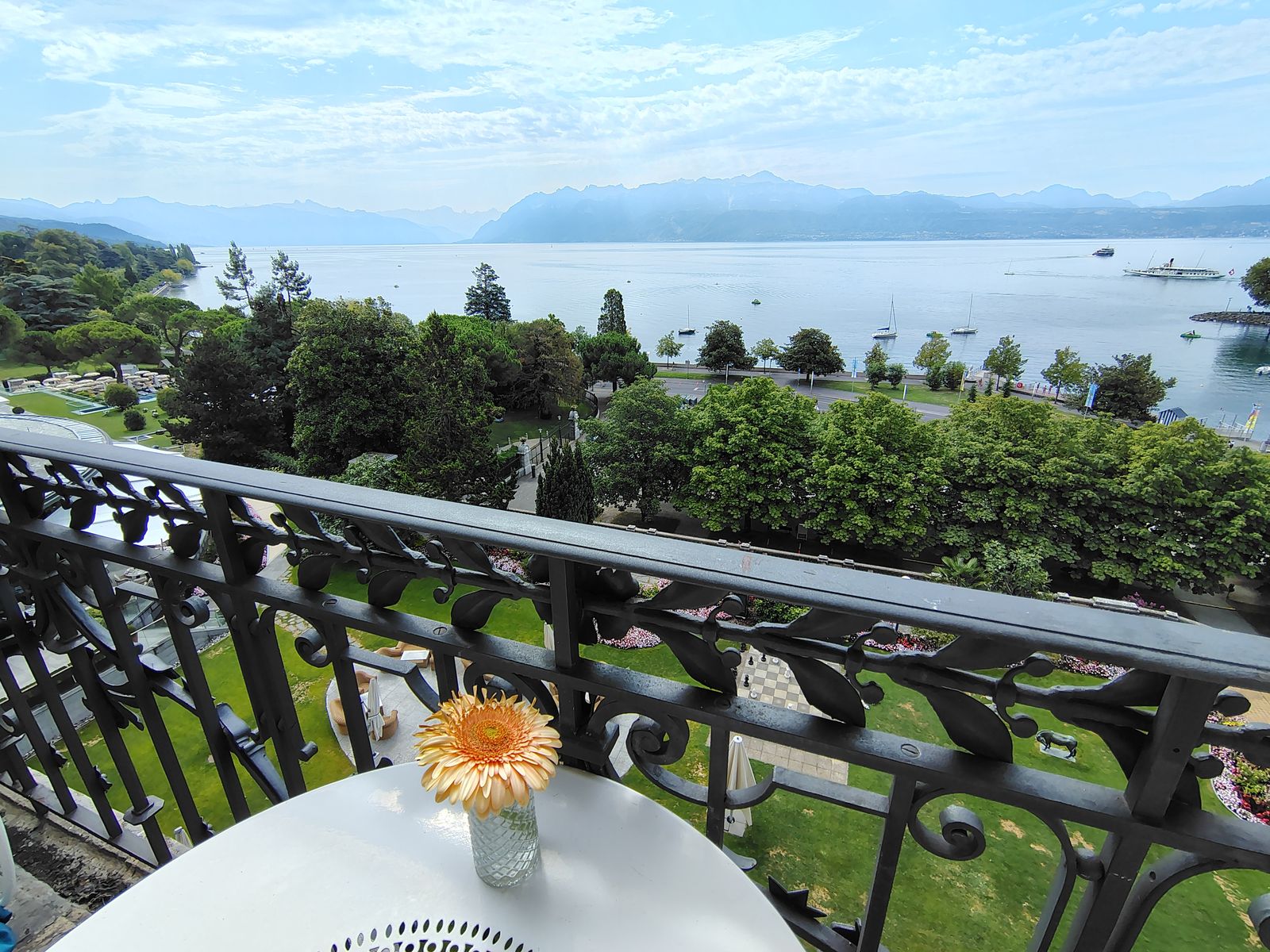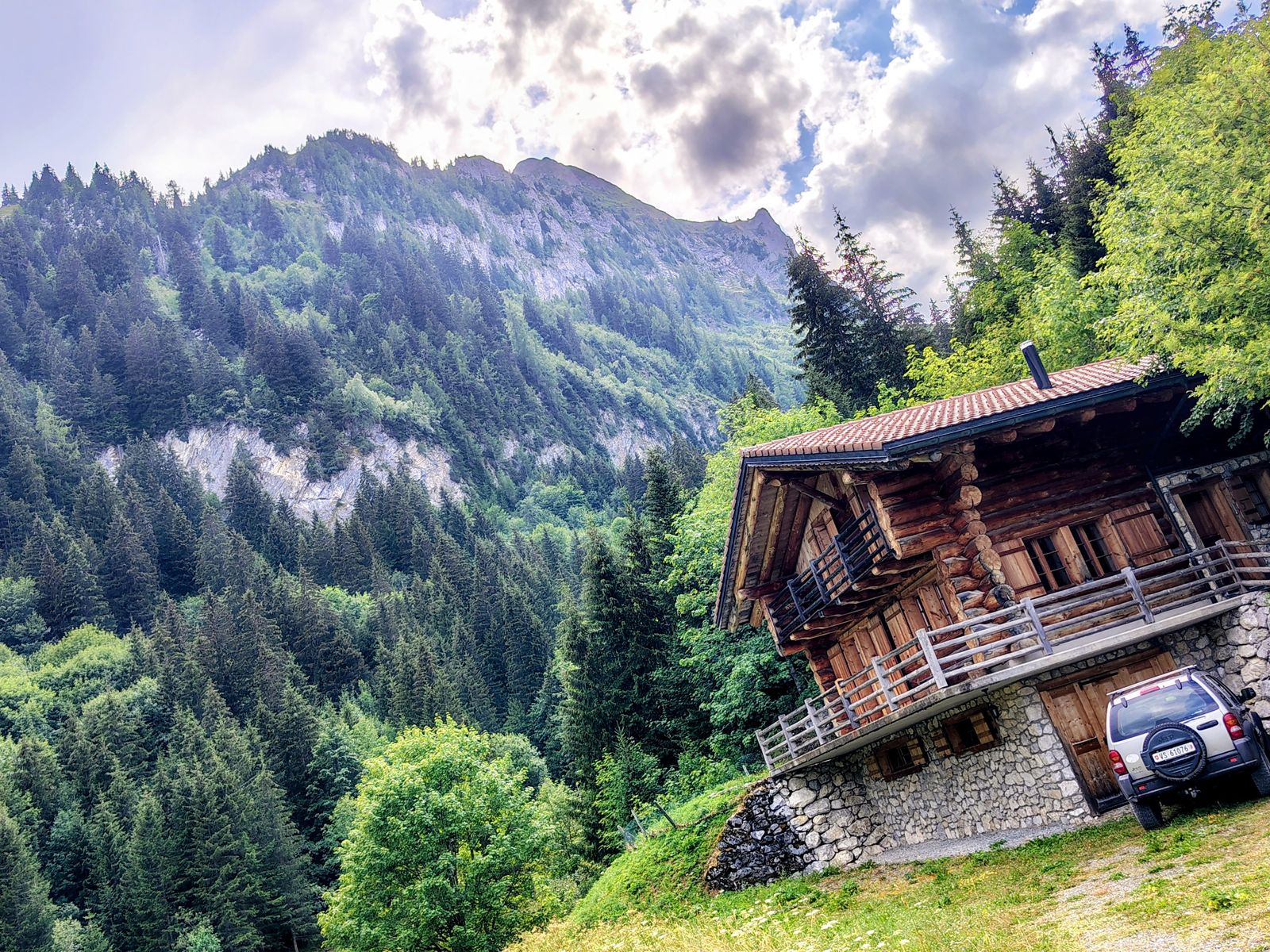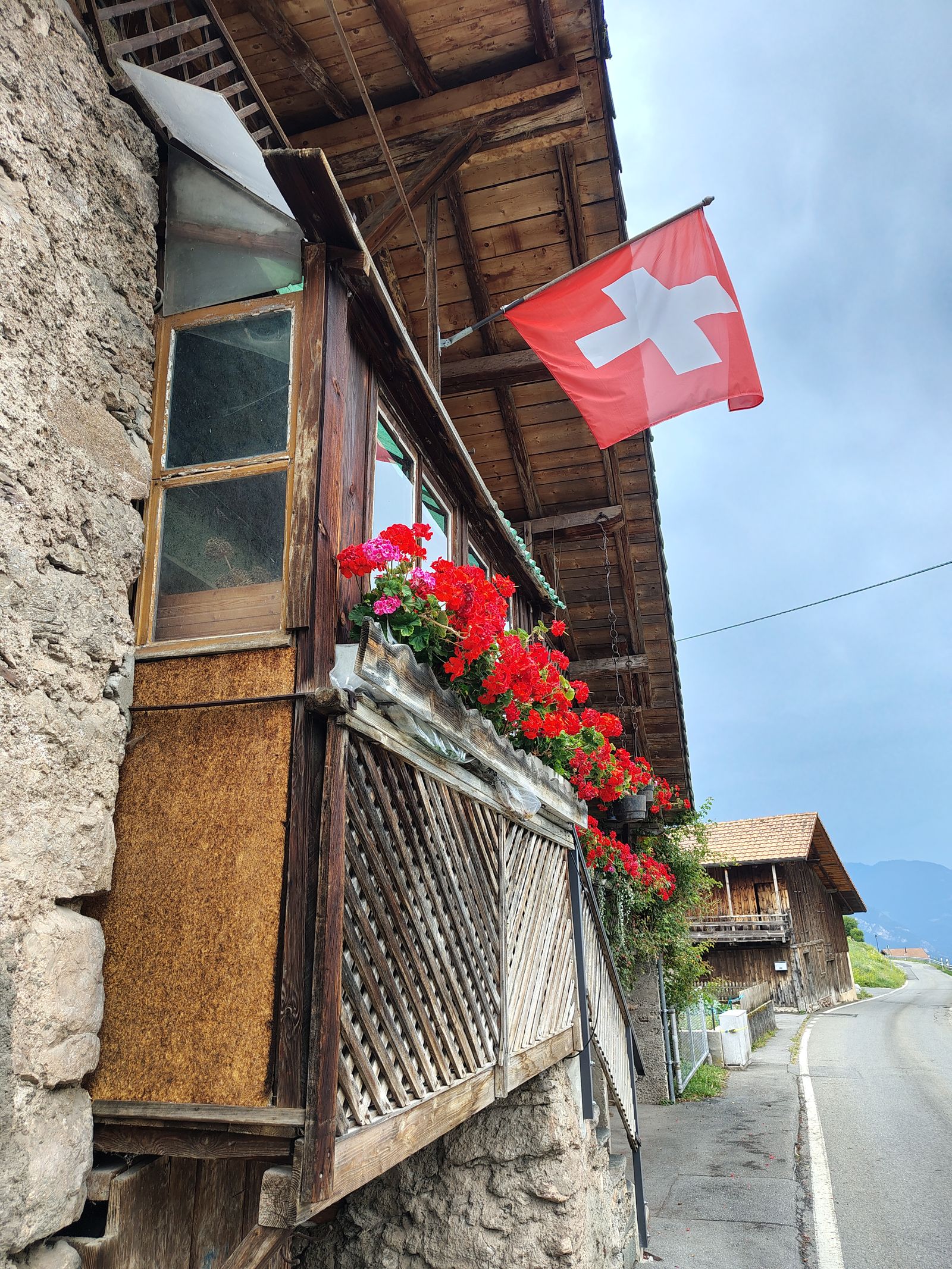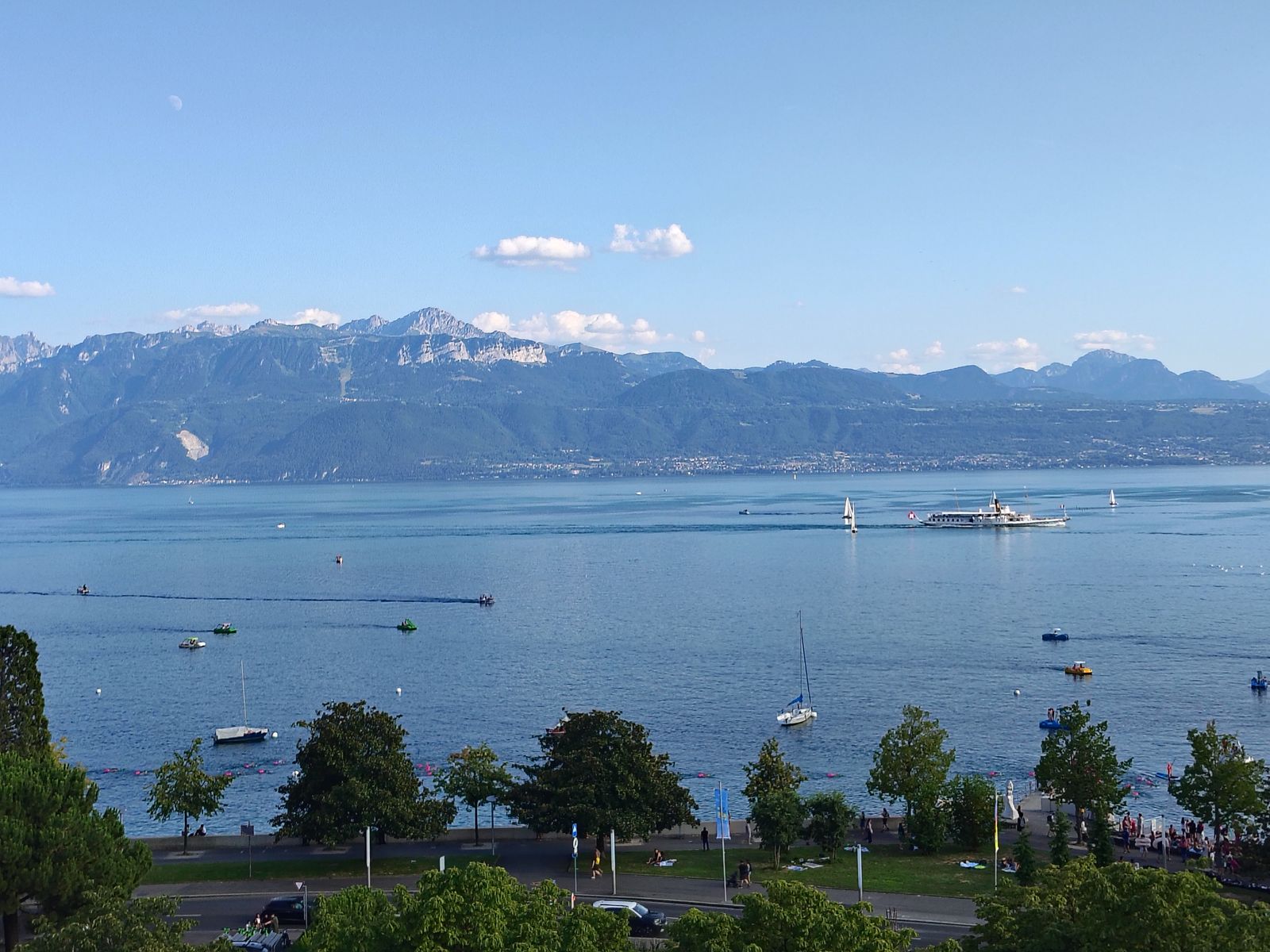
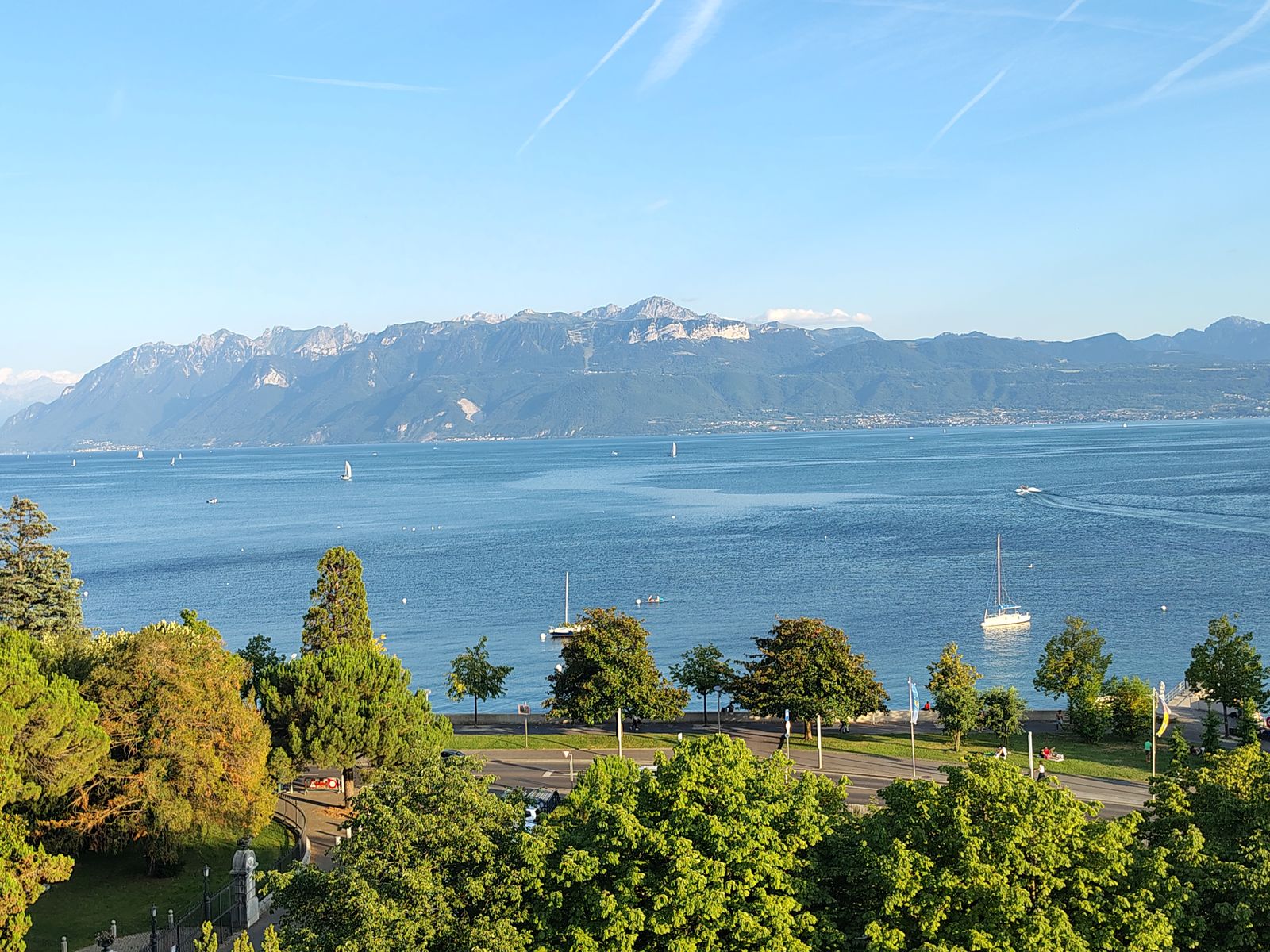
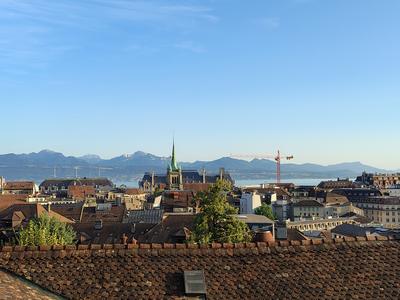
Lausanne is built on a hill that could not decide how steep to be. It rises about 400 metres from the harbour at Ouchy to the cathedral on the ridge, which is why its metro is effectively a funicular with ambitions, and why every view in the city points downhill at water.
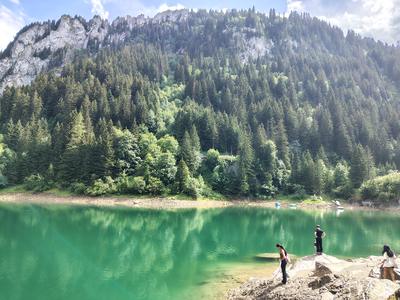
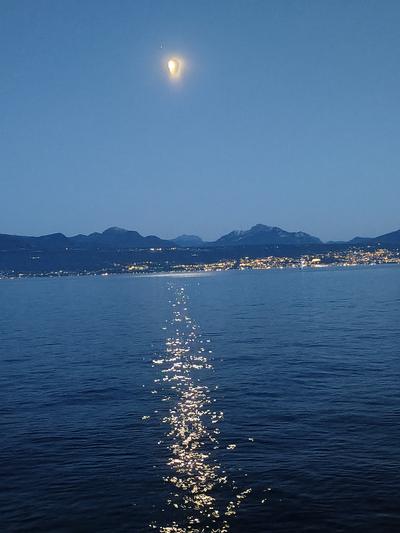
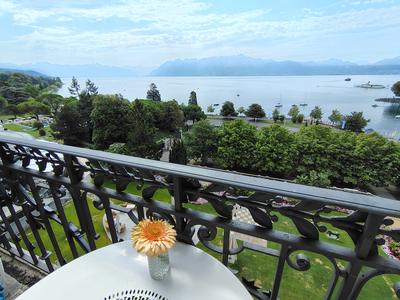
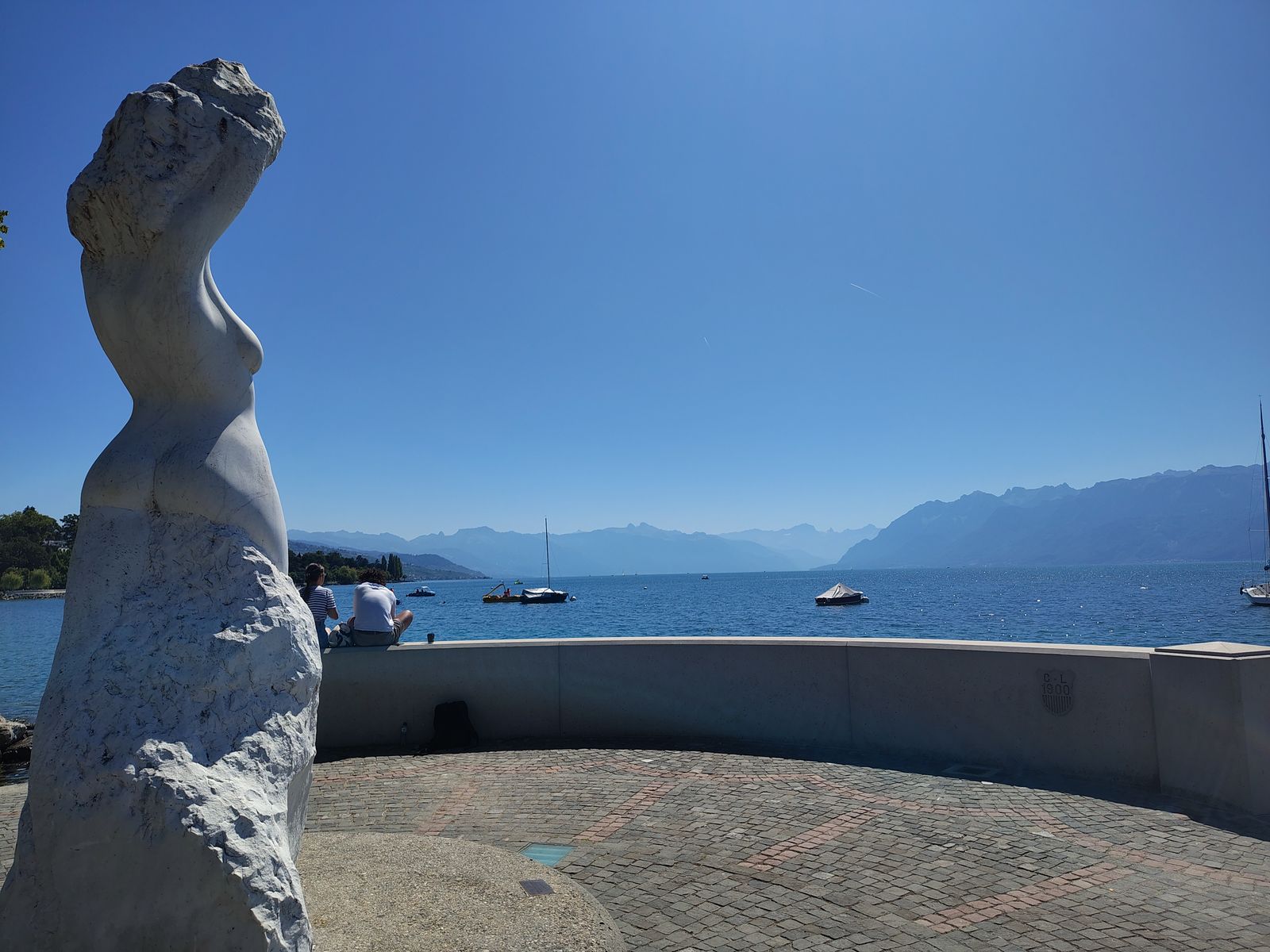
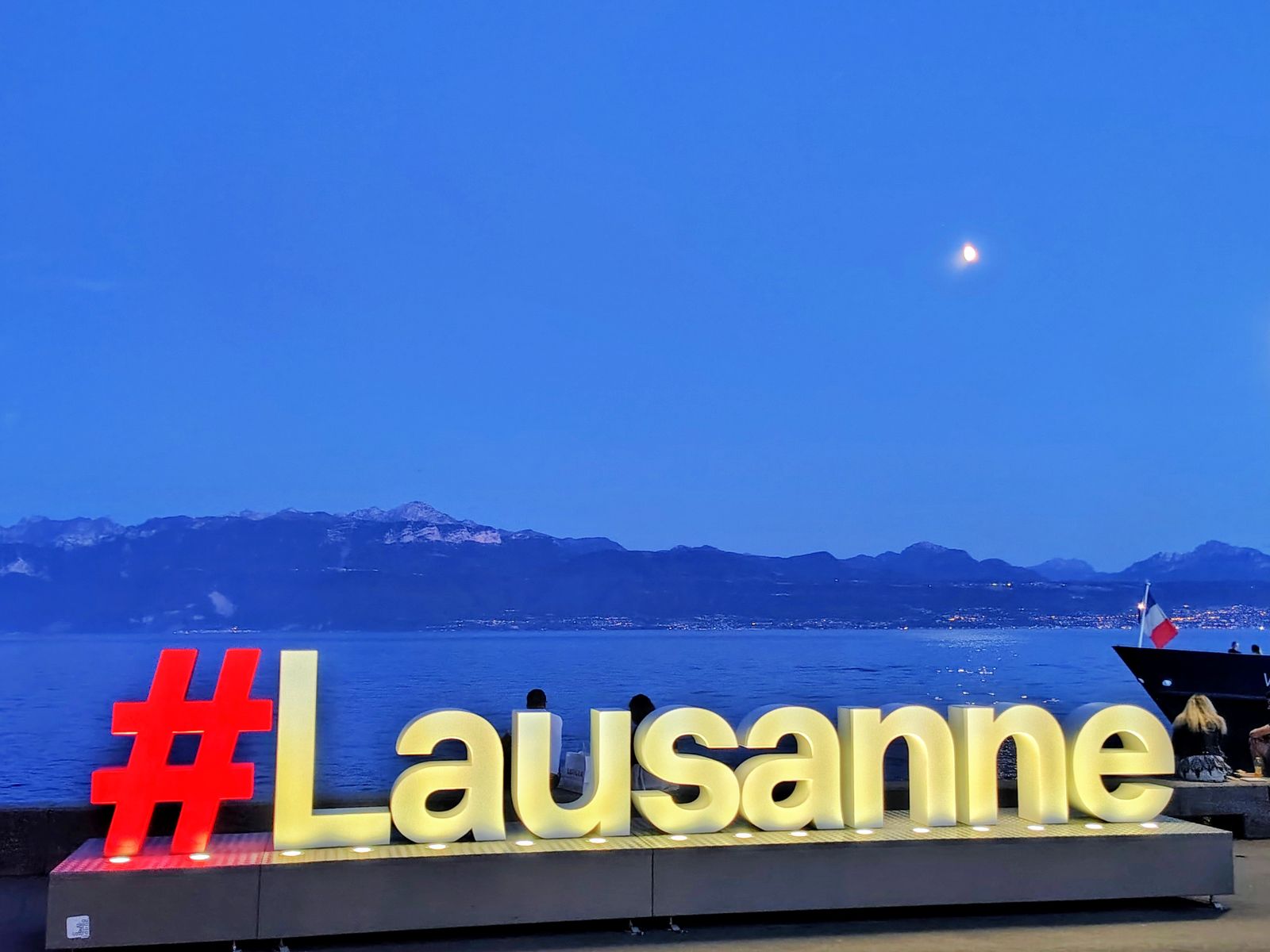
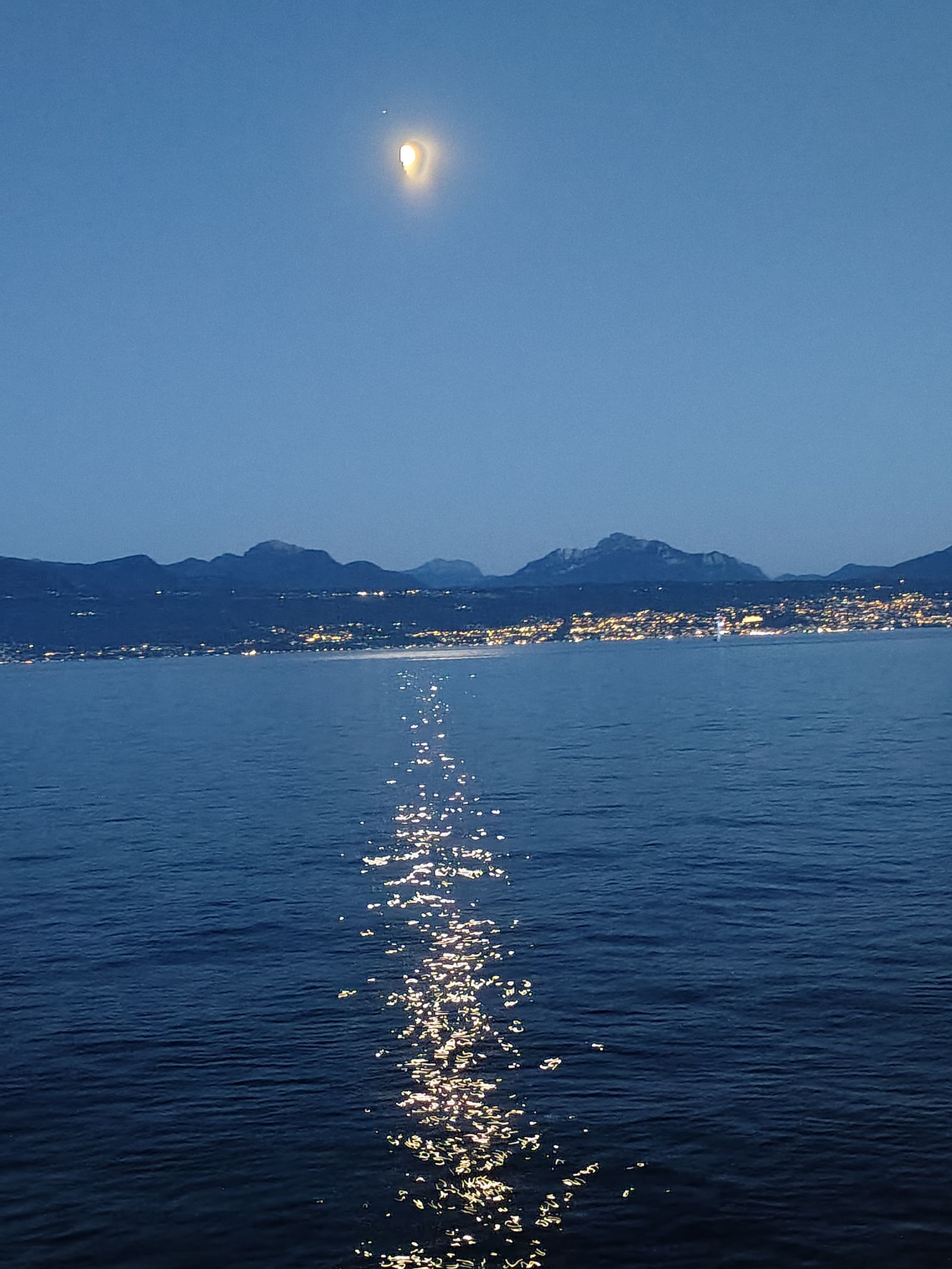
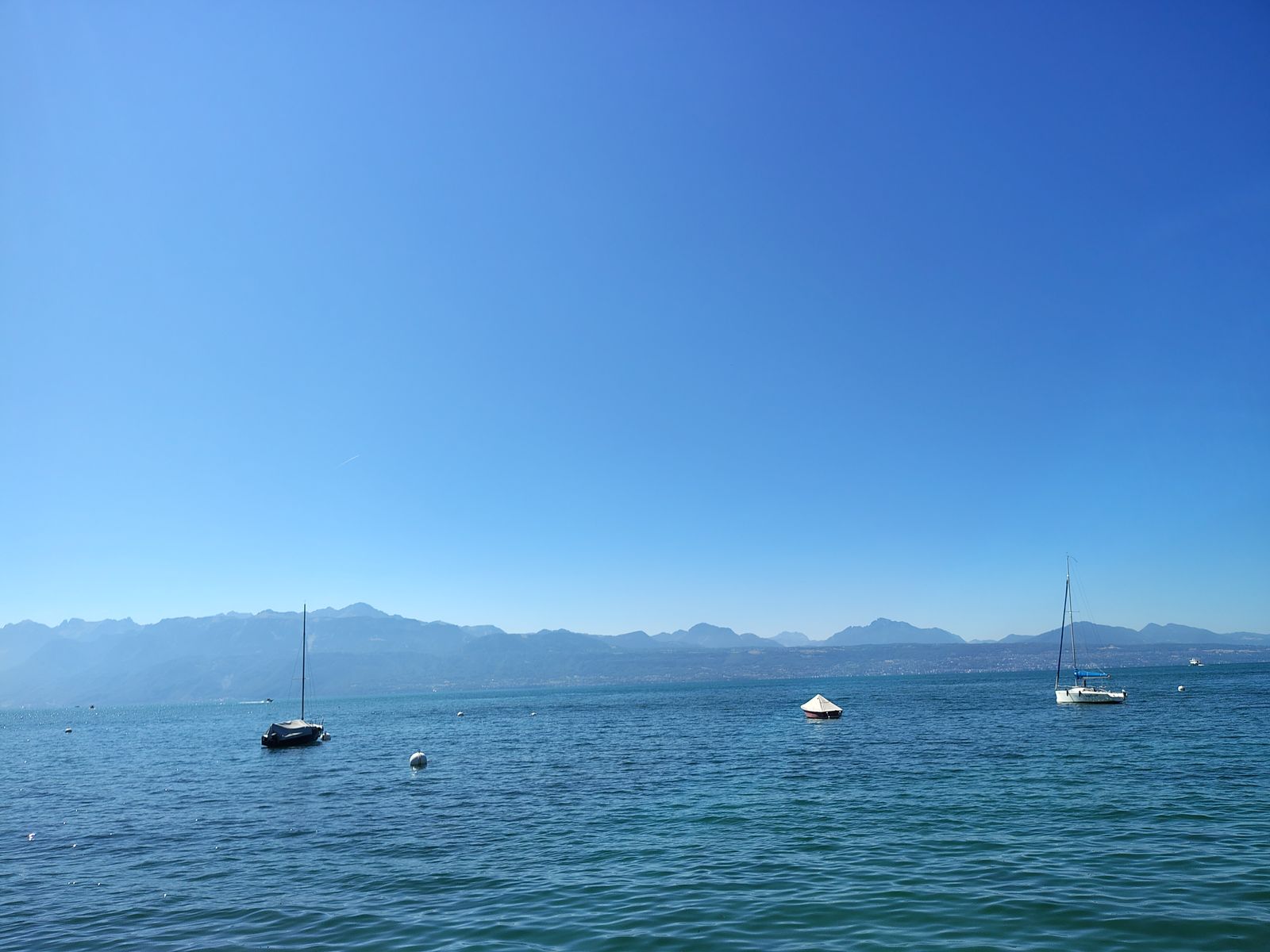
Across that water is France — the Savoy Alps rise straight out of the far shore, and on a clear evening they turn pink about twenty minutes before the city does.
The cathedral
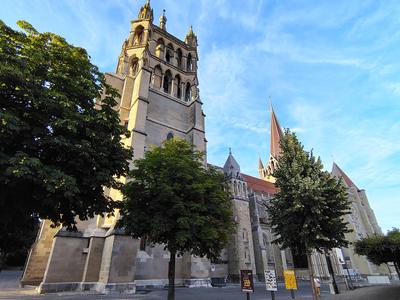
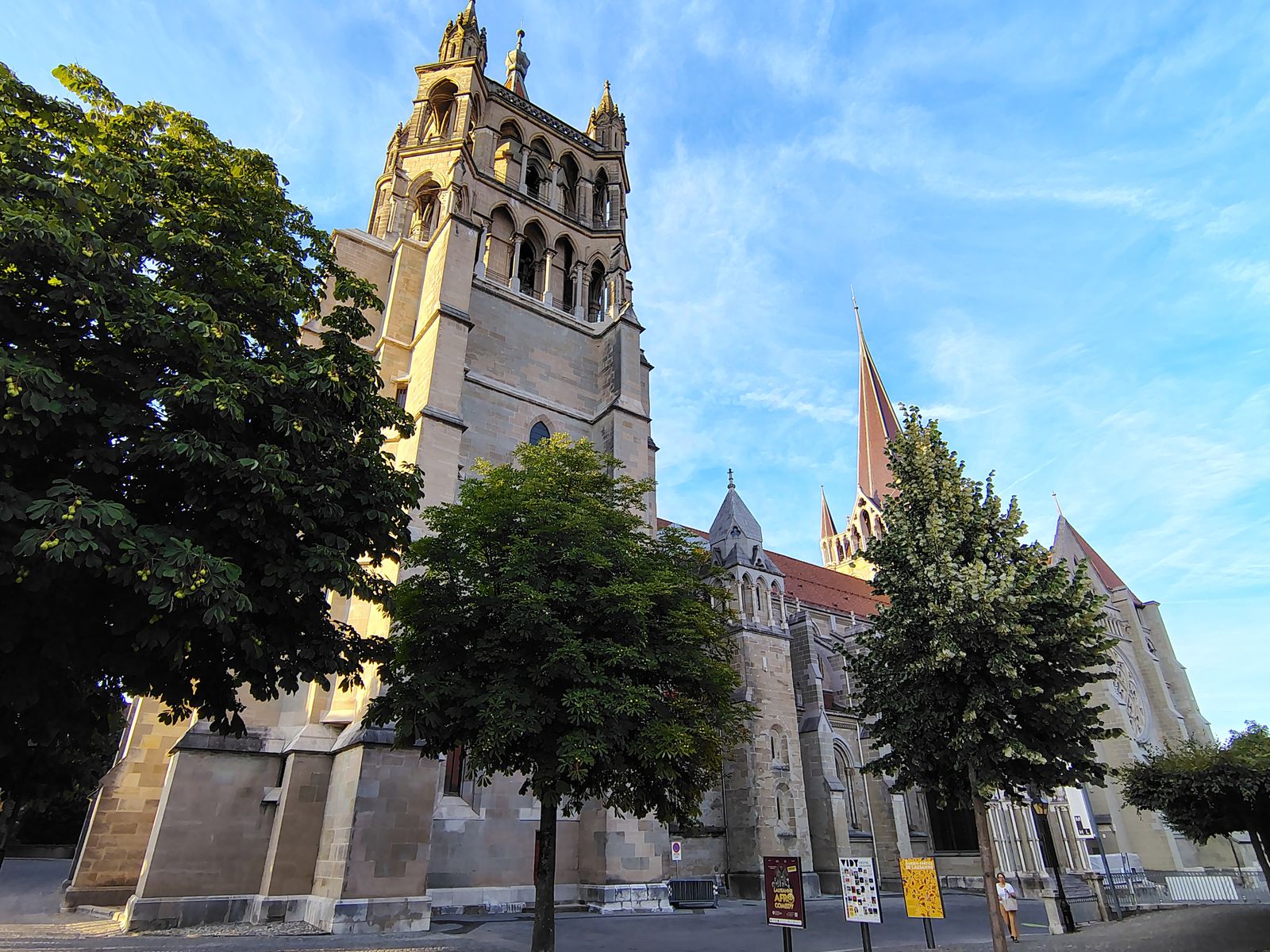
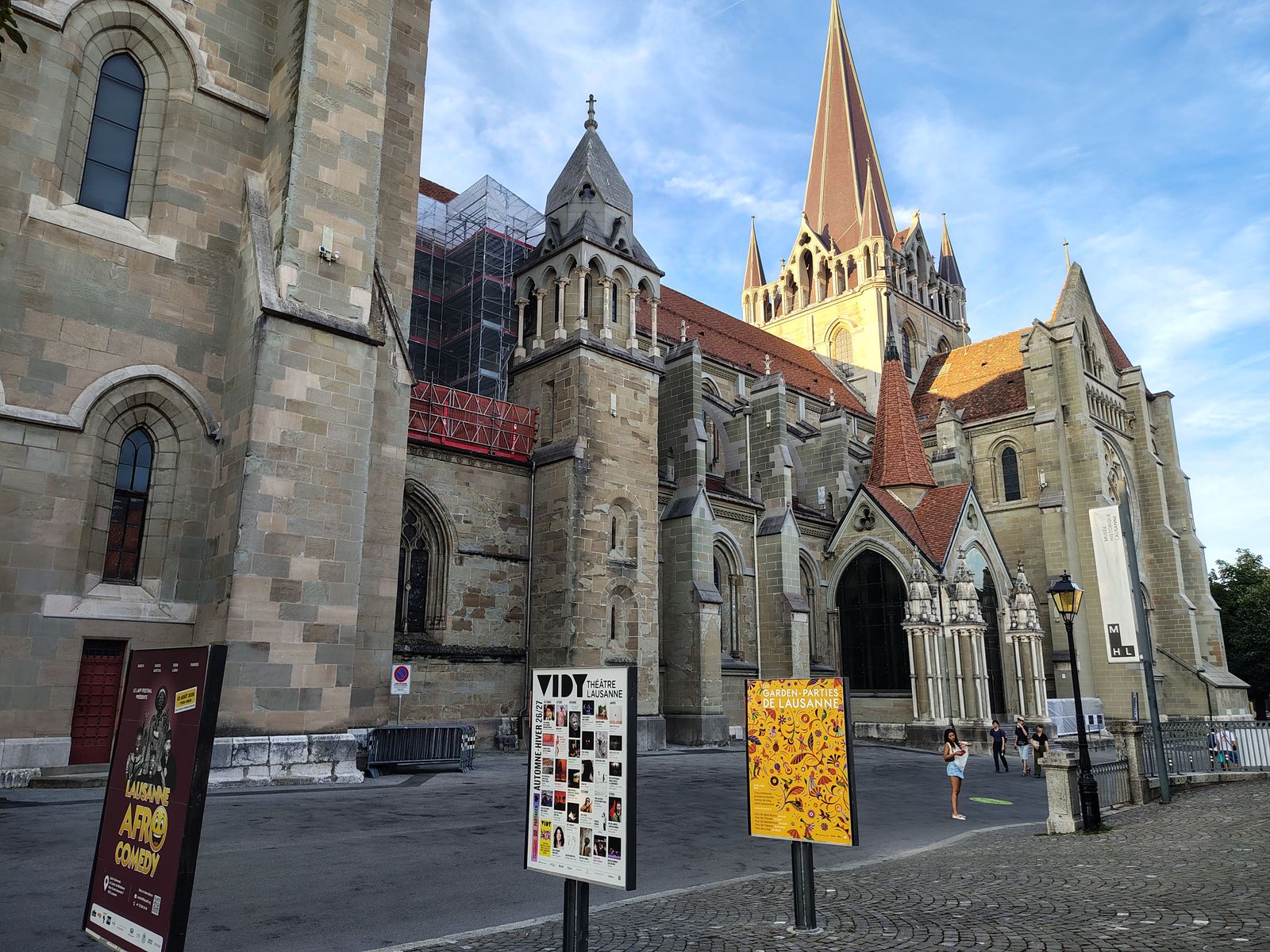
Notre-Dame de Lausanne, consecrated 1275, is the finest Gothic building in Switzerland. Two things make it unusual.
The first is the painted portal, restored to its medieval polychrome — a reminder that Gothic cathedrals were not the grey stone we imagine but violently colourful.
The second is that the cathedral still employs a night watchman. Since 1405, someone has climbed the belfry and called the hours aloud between ten at night and two in the morning. It has not stopped. You can hear it from the streets below, and in daylight you can climb the 224 steps for the view over the roofs to the lake.
Museums
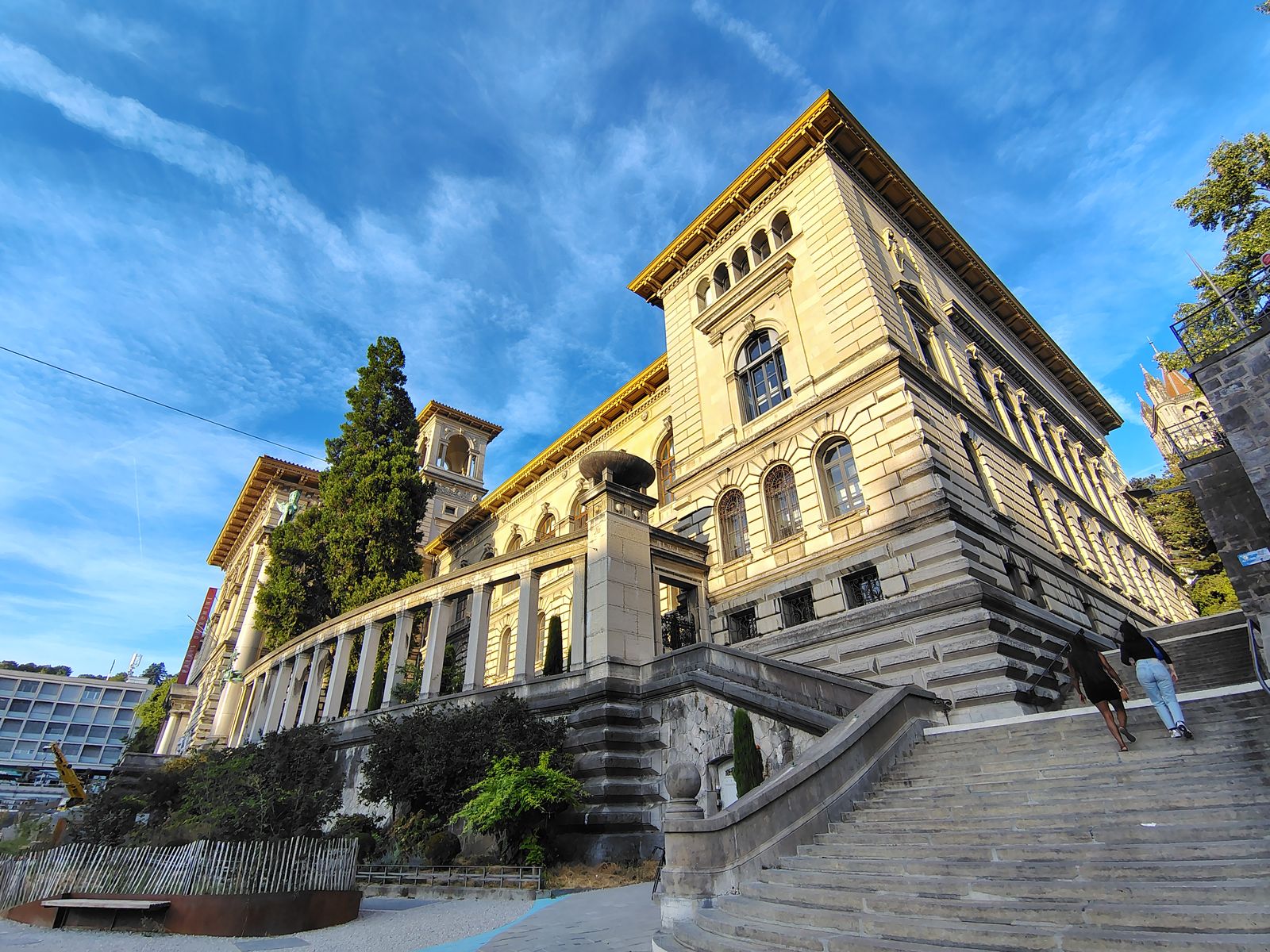
Palais de Rumine on Place de la Riponne is a Florentine-revival pile holding several cantonal museums at once — archaeology, geology, fine arts. Free on the first Saturday of the month.
Plateforme 10 is the modern counterweight: three art museums grouped beside the railway station in converted industrial halls, opened in stages through the early 2020s.
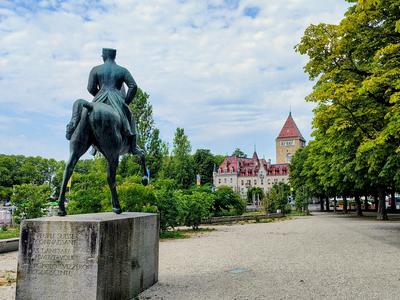
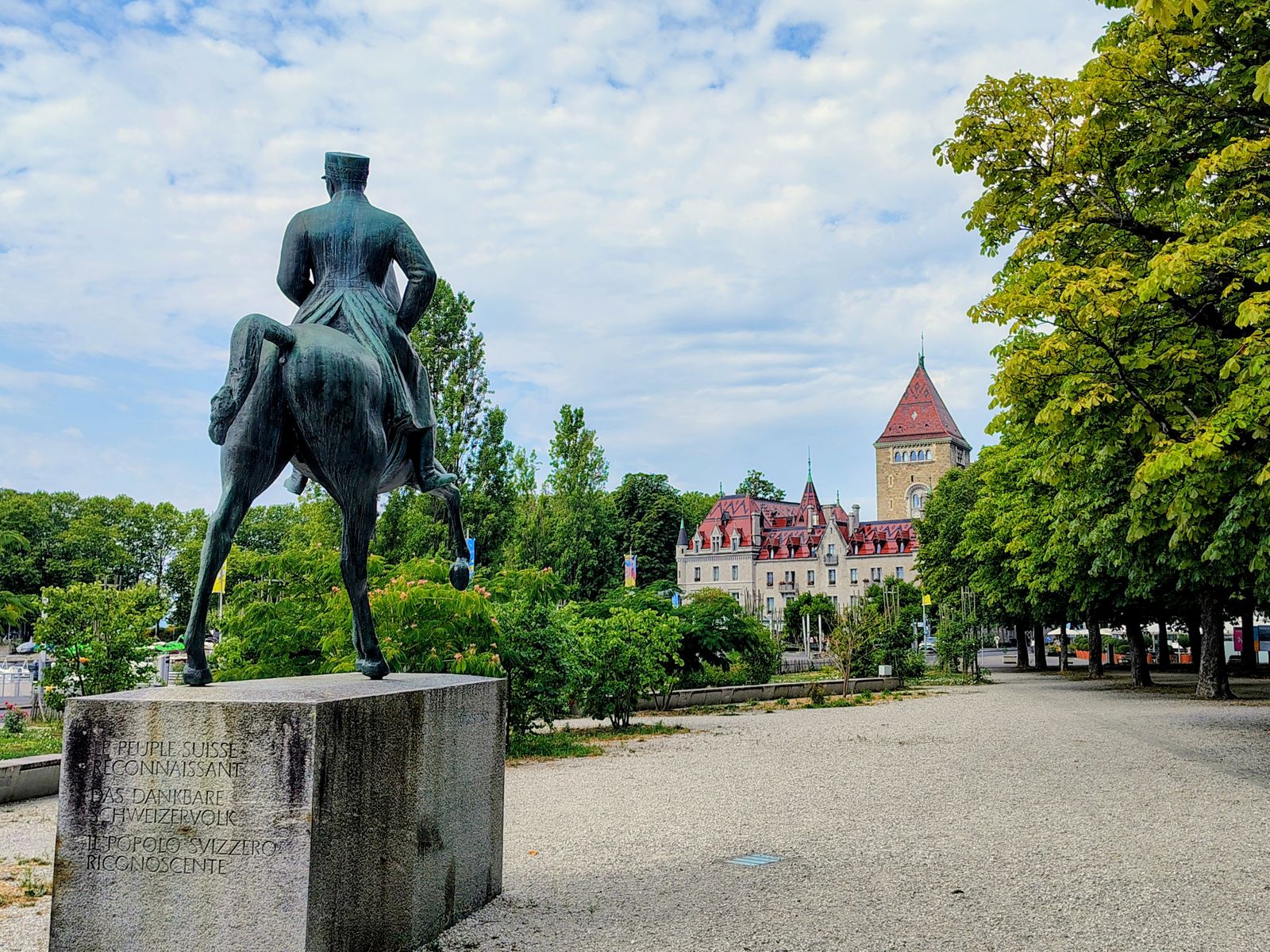
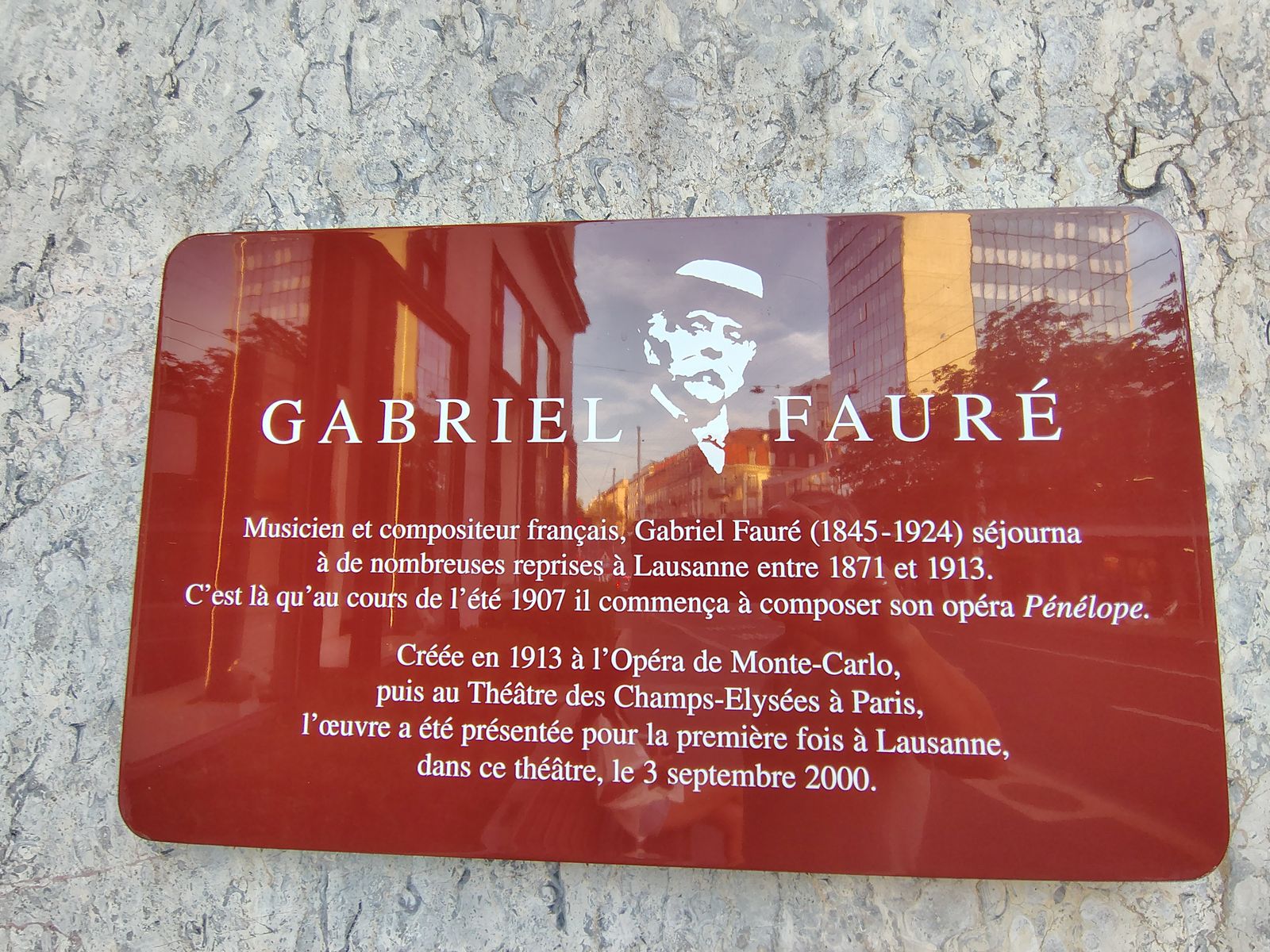
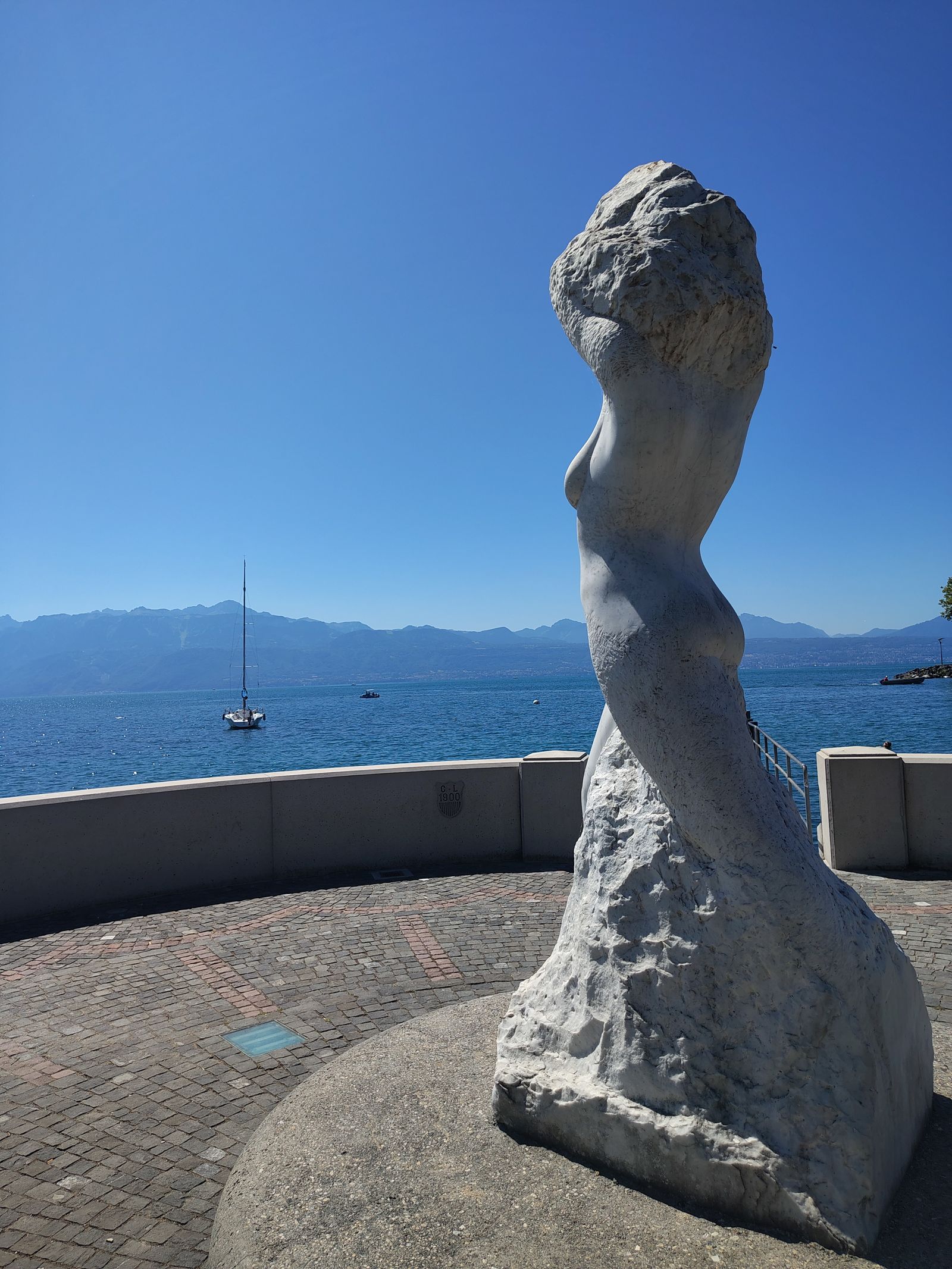
The Olympic Museum at Ouchy. Lausanne has been home to the International Olympic Committee since 1915, which is why the city calls itself the Olympic Capital and why the waterfront is lined with sculpture.
Where to sleep
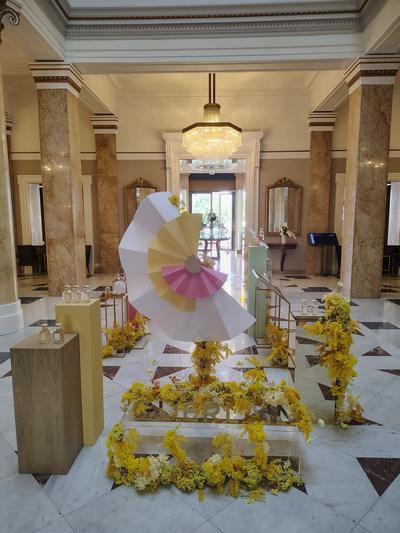
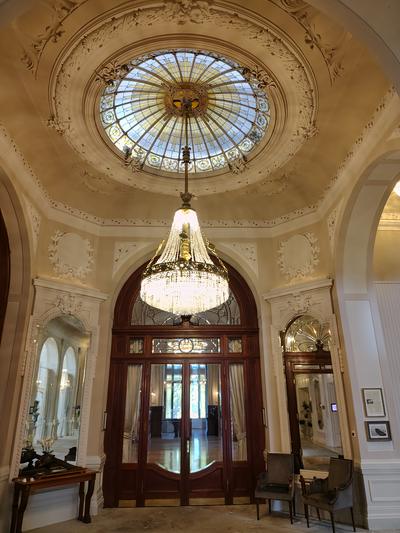
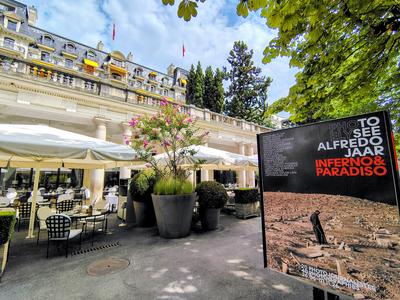
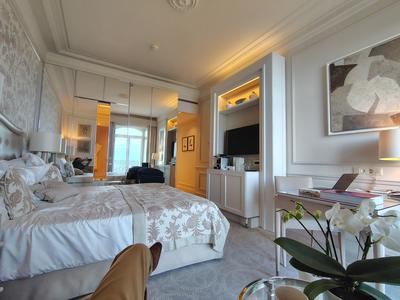
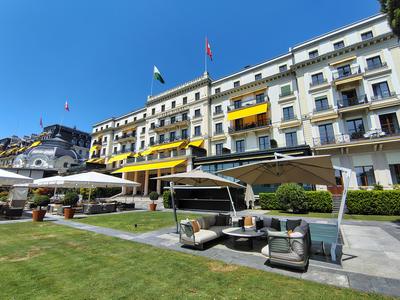
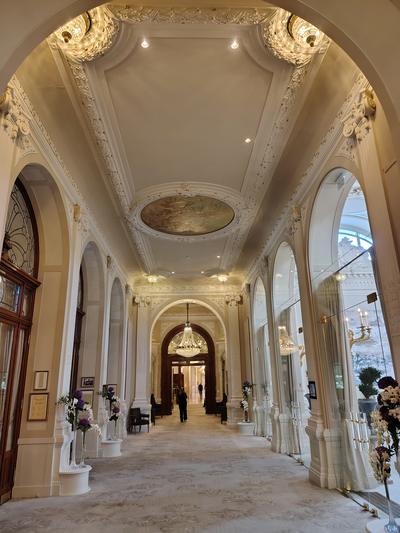
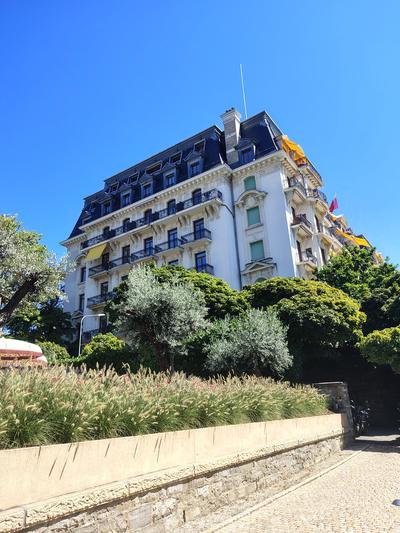
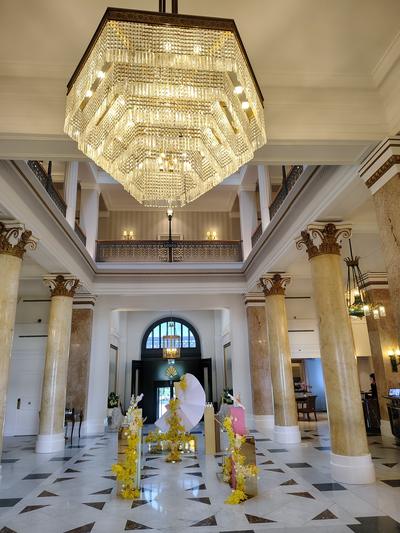
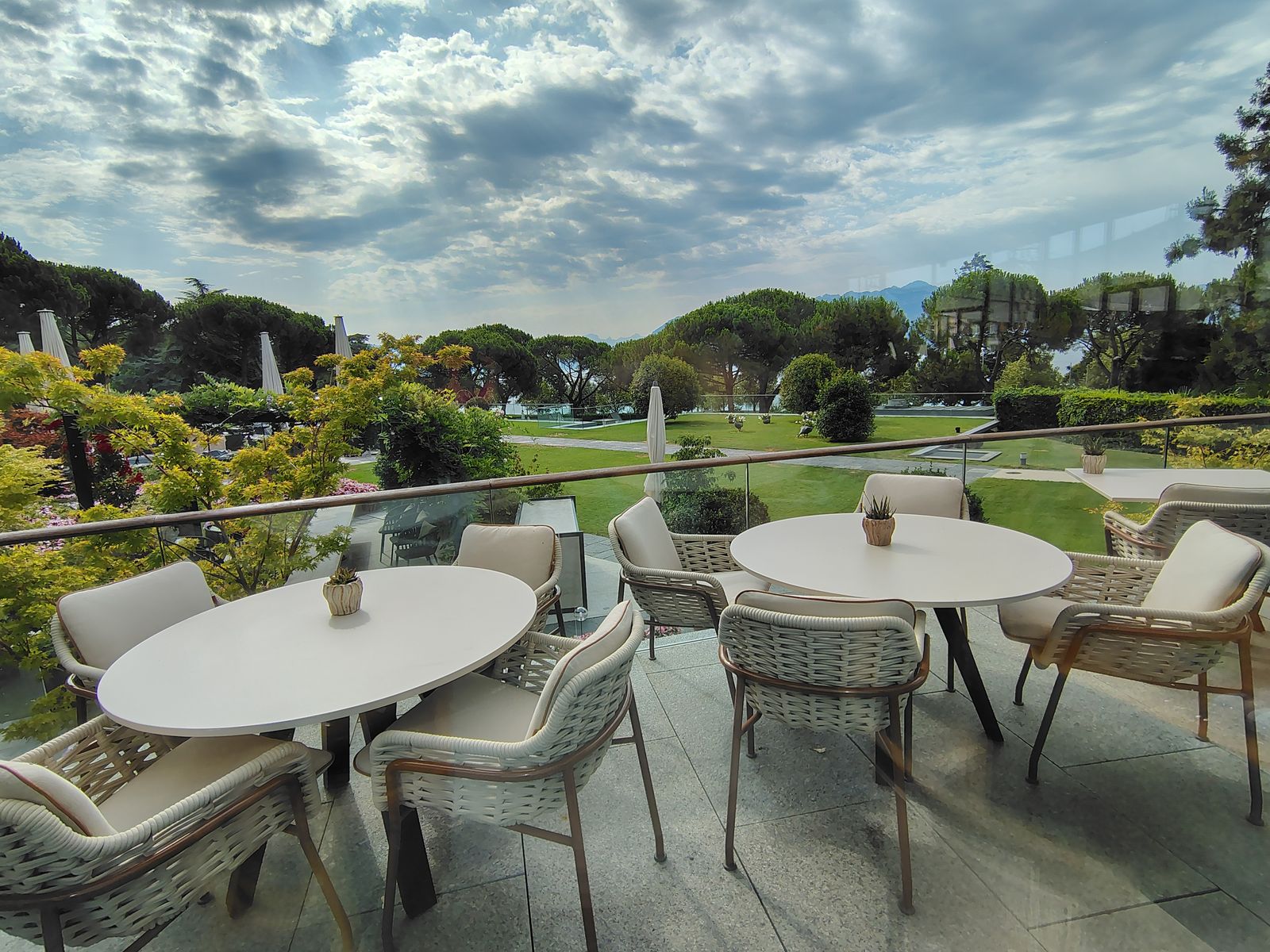
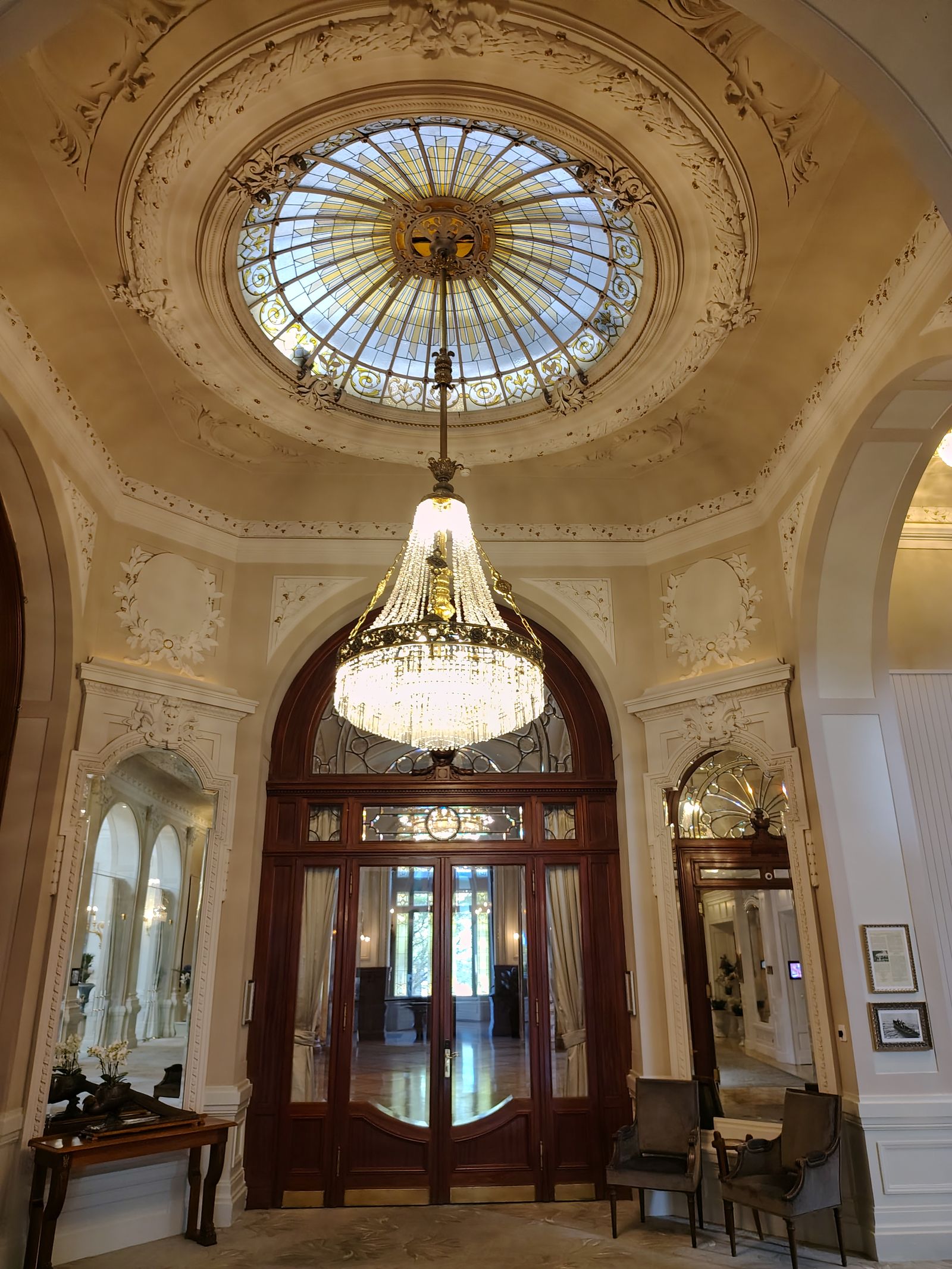
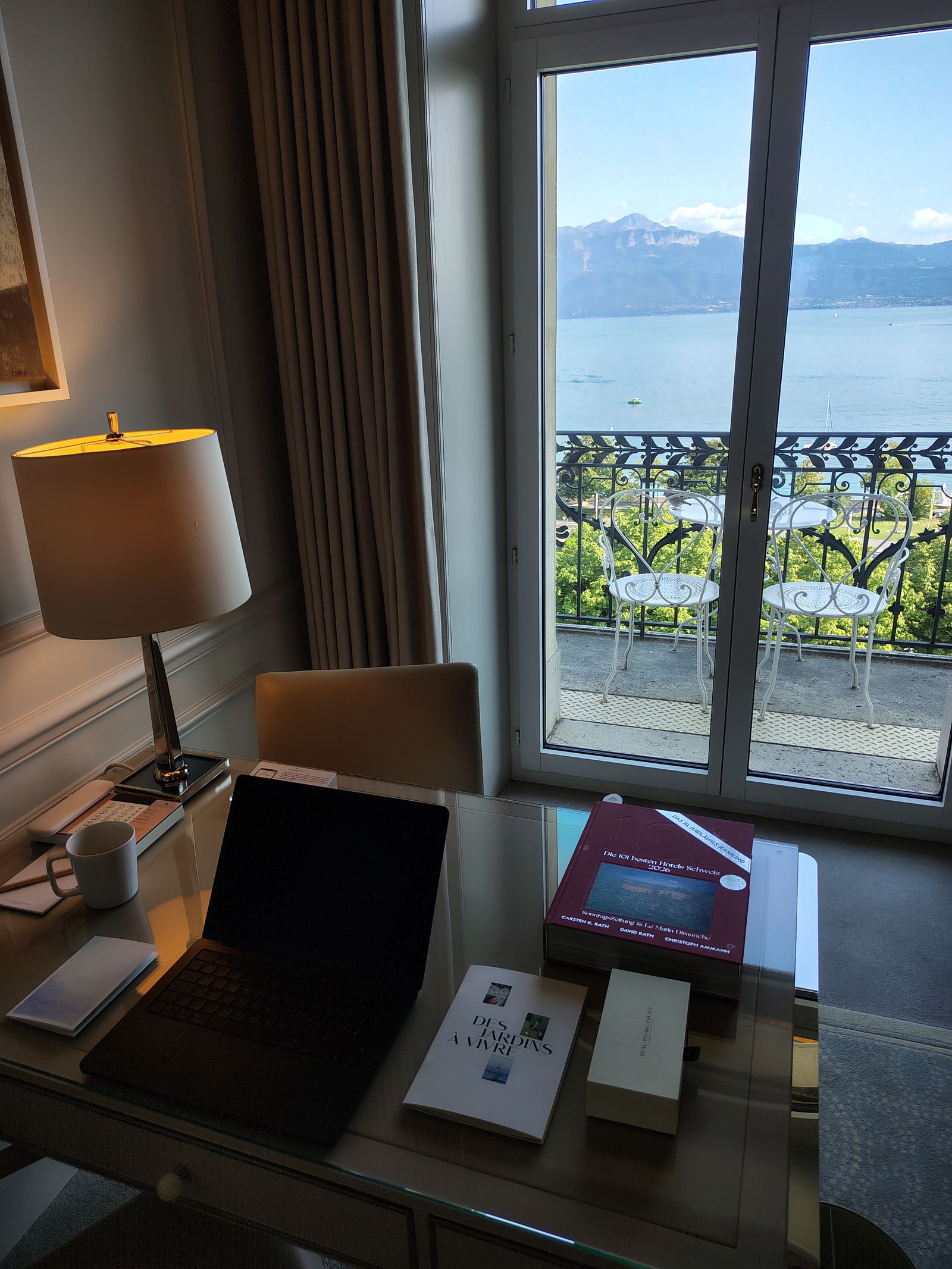
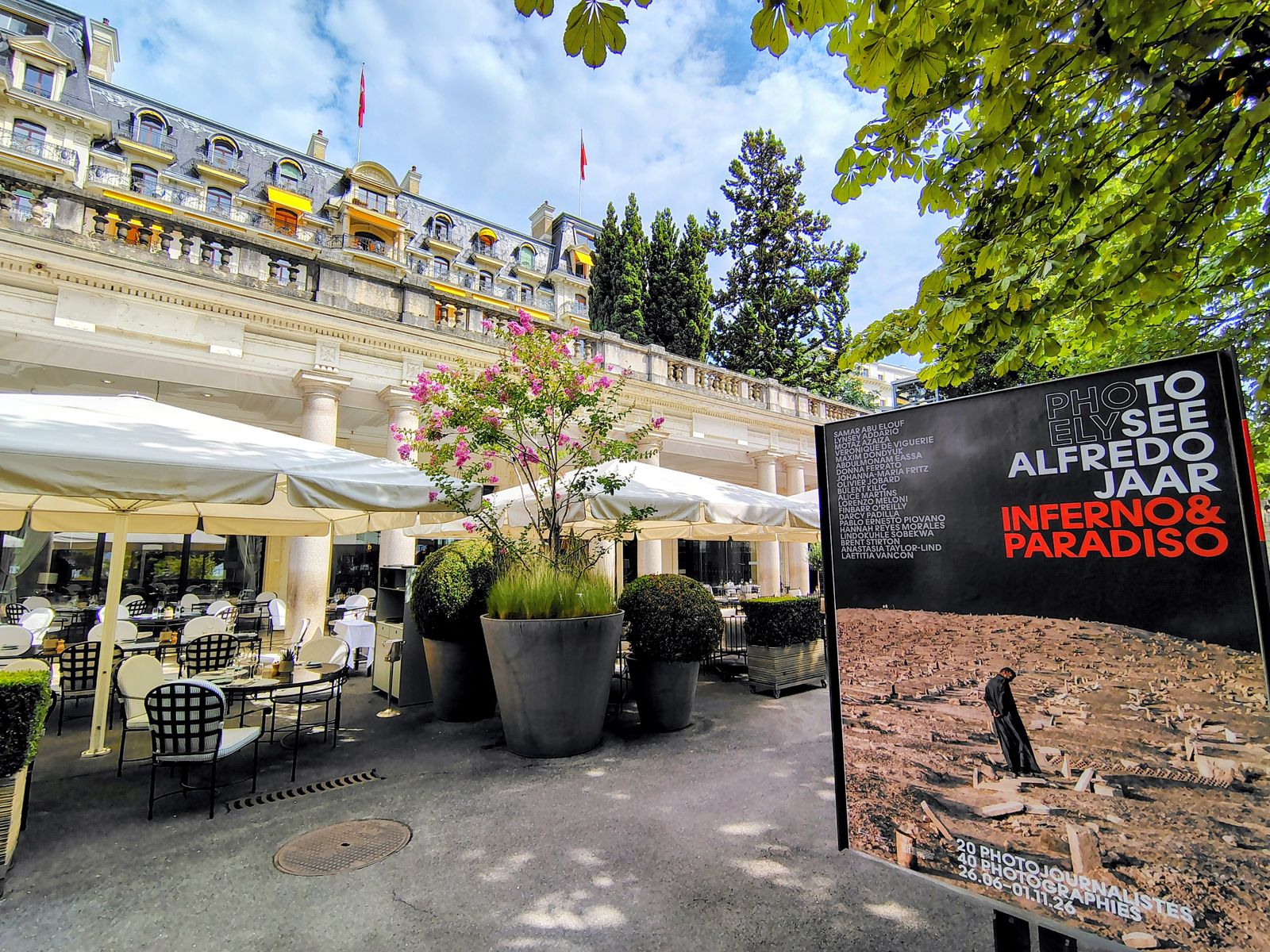
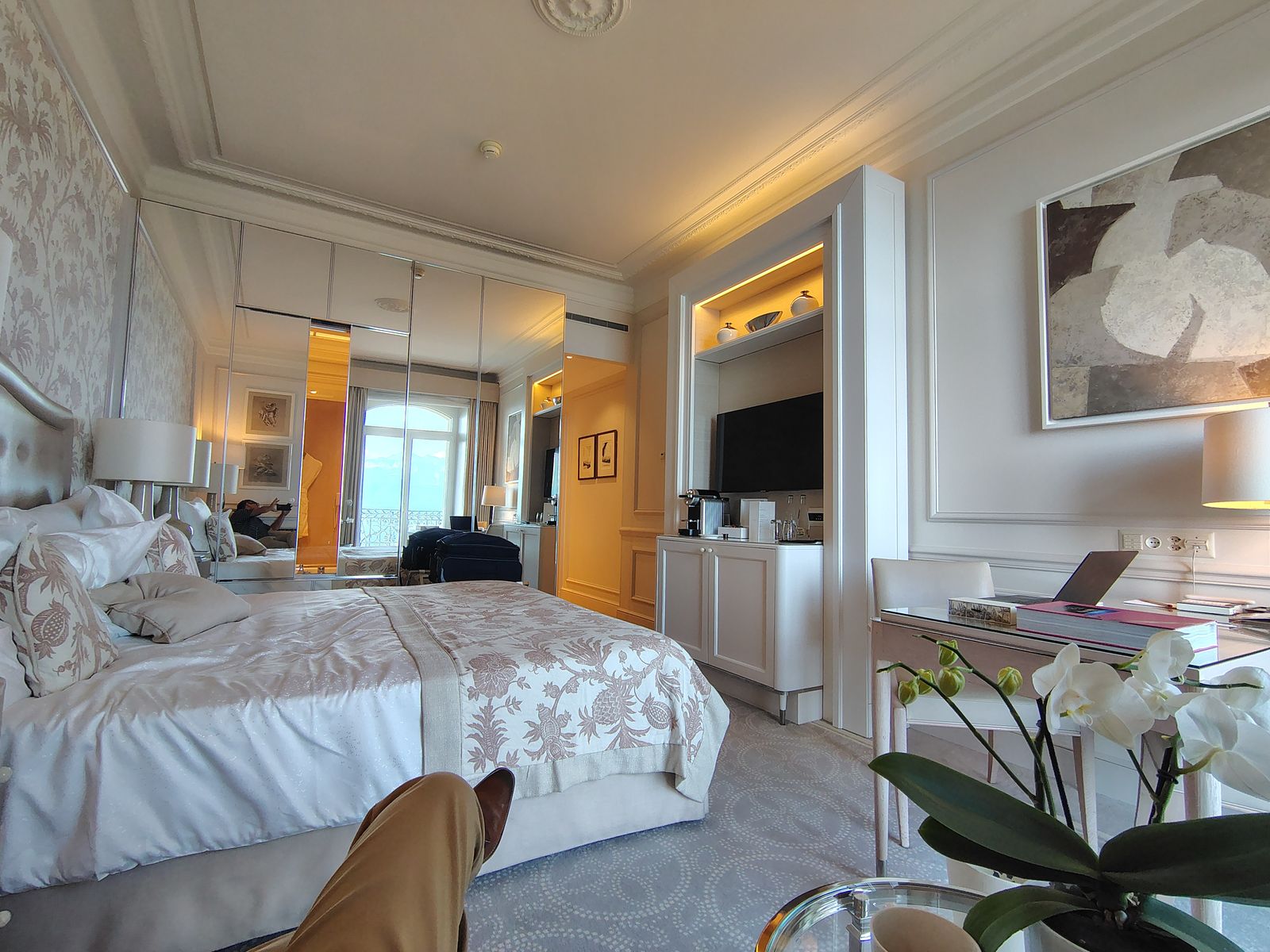
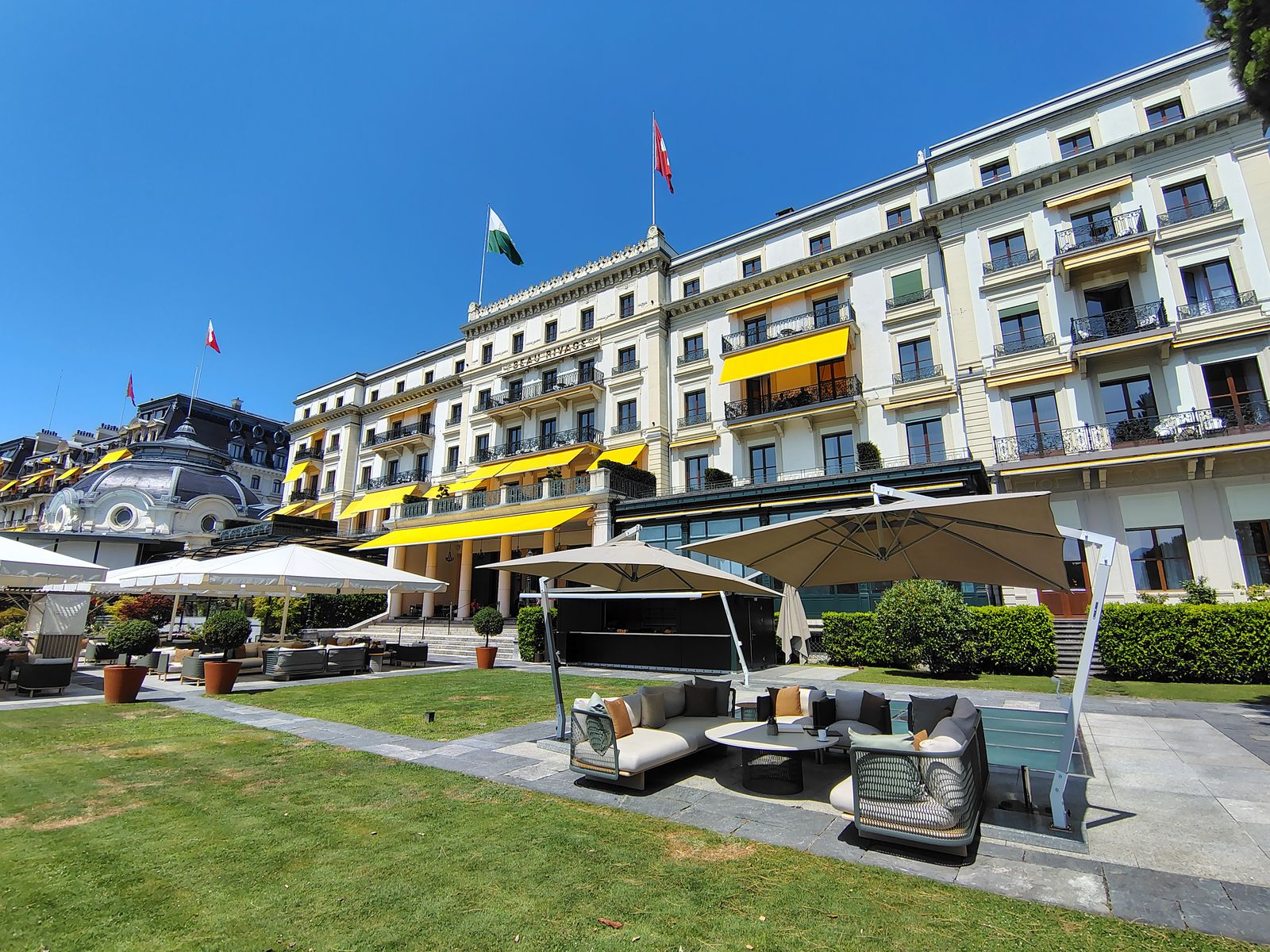
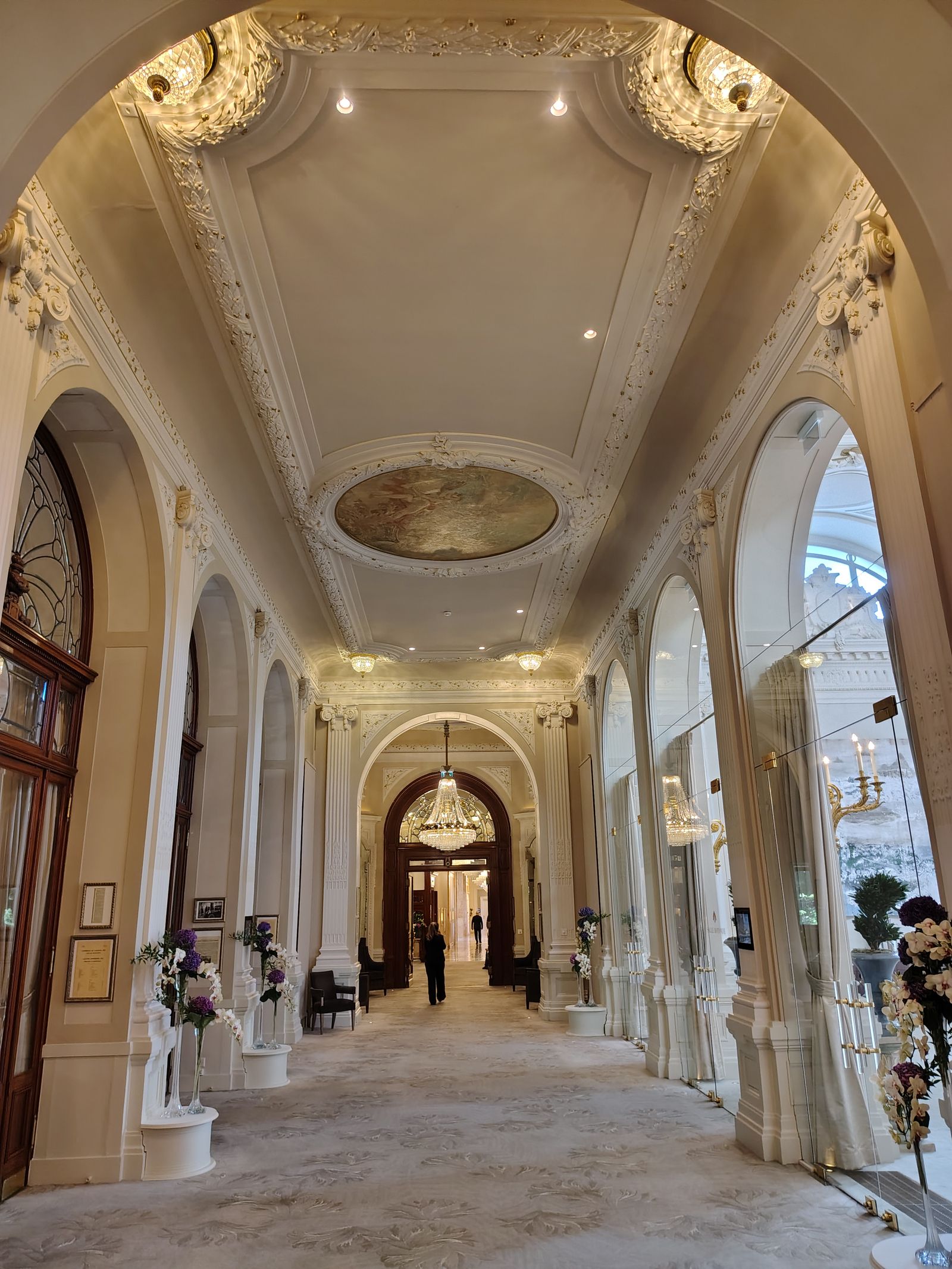
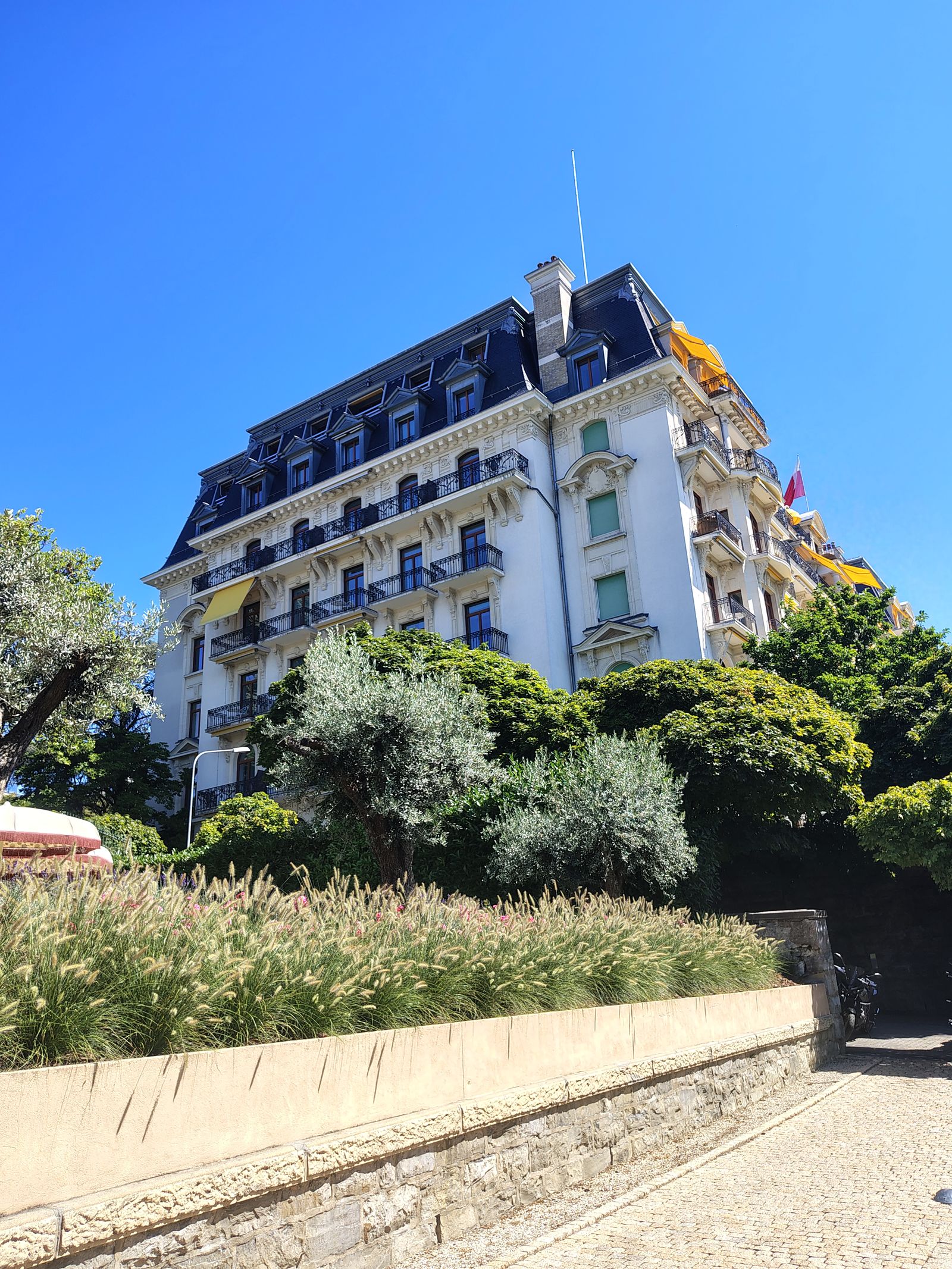
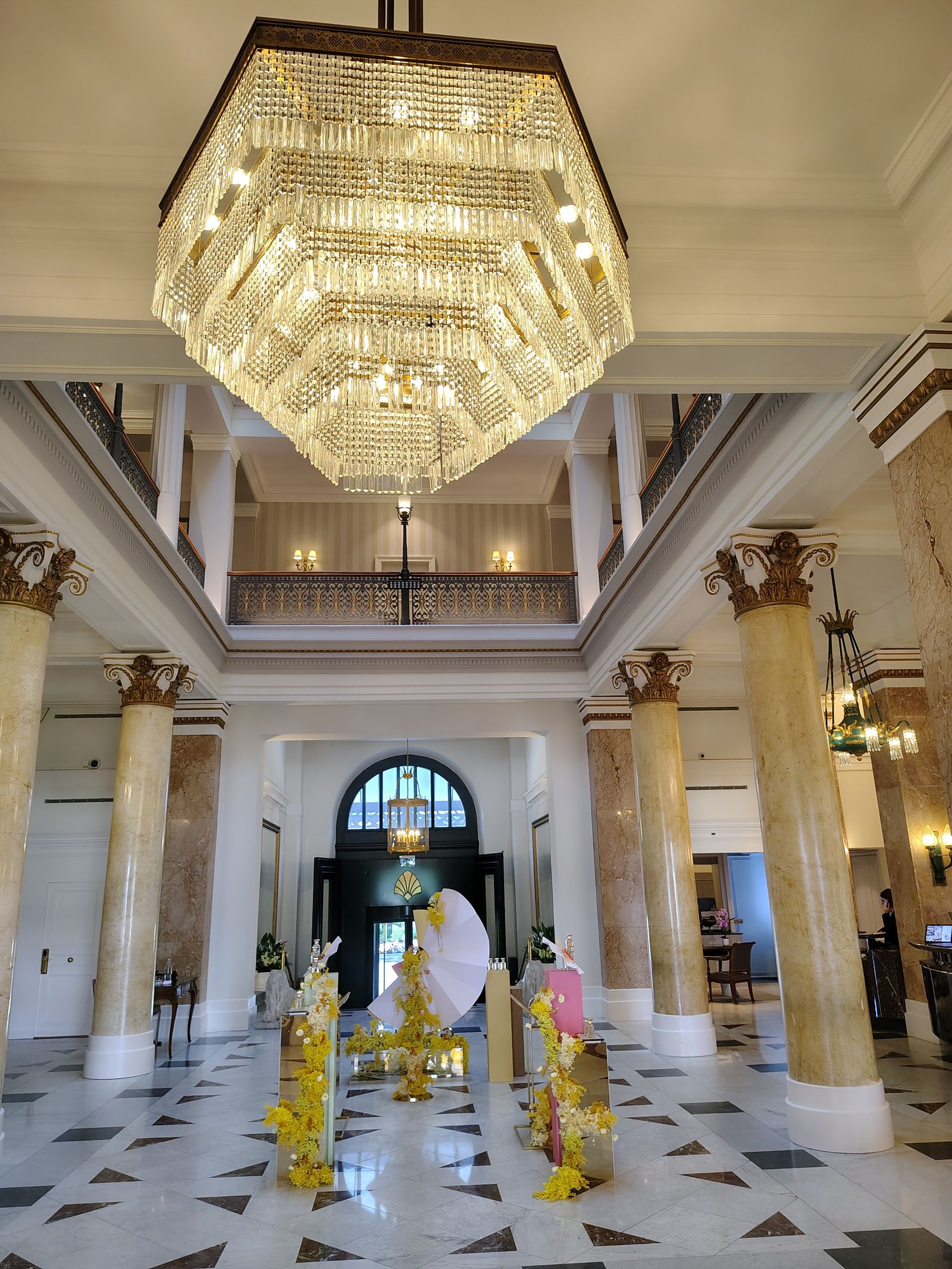
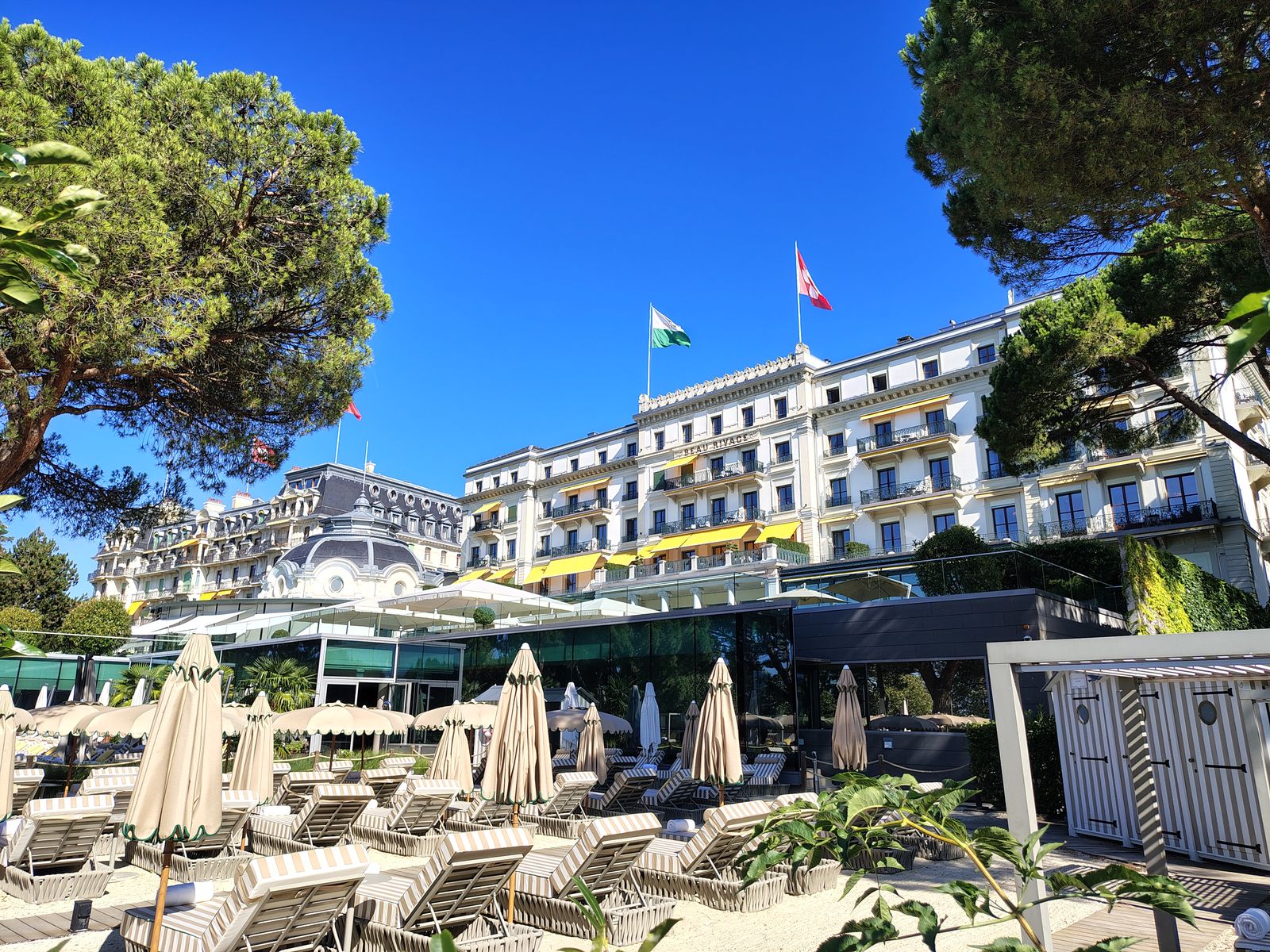
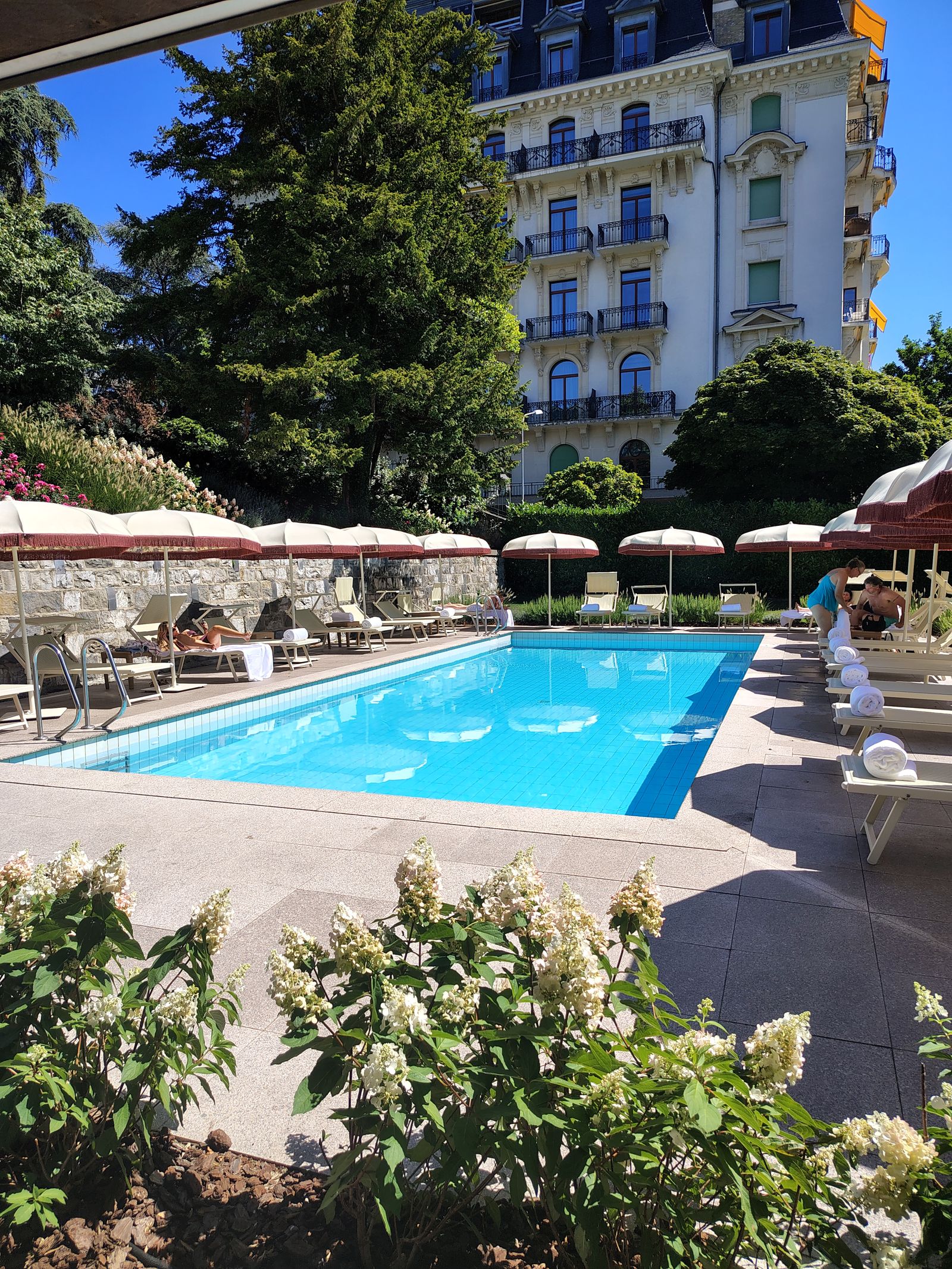
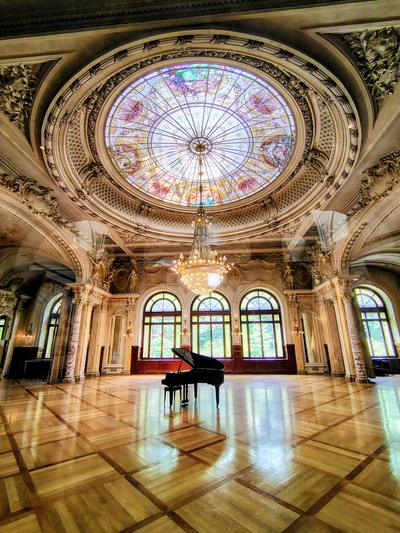
Four hotels on the list call themselves palaces and sit within two kilometres of each other. The gap between the cheapest and the dearest is wider than anyone expects — and the cheapest of them occupies the building where **Byron wrote The Prisoner of Chillon in 1816**, on the same quay as the grandest.
All four belong to Leading Hotels of the World, whose free tier shows a member rate right on the booking page. We have measured it saving between 5 and 11 per cent. Join first, then book.
| Hotel | Town | From CHF | Typical | Rewards club |
|---|---|---|---|---|
| Hôtel Angleterre & Résidence | Lausanne | 173≈ €183 · $210 | 285≈ €302 · $347 | Leaders Club |
| Lausanne Palace | Lausanne | 311≈ €329 · $378 | 325≈ €344 · $395 | Leaders Club |
| Royal Savoy Hotel & Spa | Lausanne | 324≈ €343 · $394 | 399≈ €422 · $485 | Leaders Club |
| Grand Hôtel du Lac | Vevey | 427≈ €452 · $519 | 480≈ €508 · $584 | — |
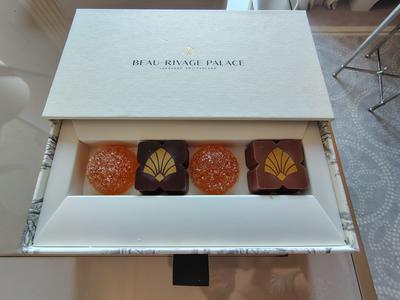
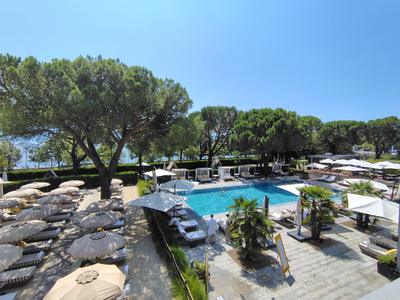
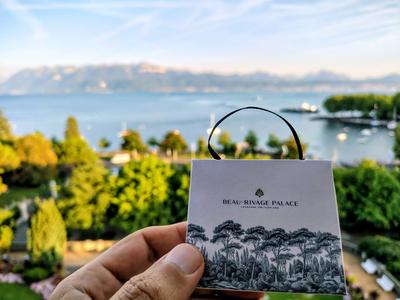
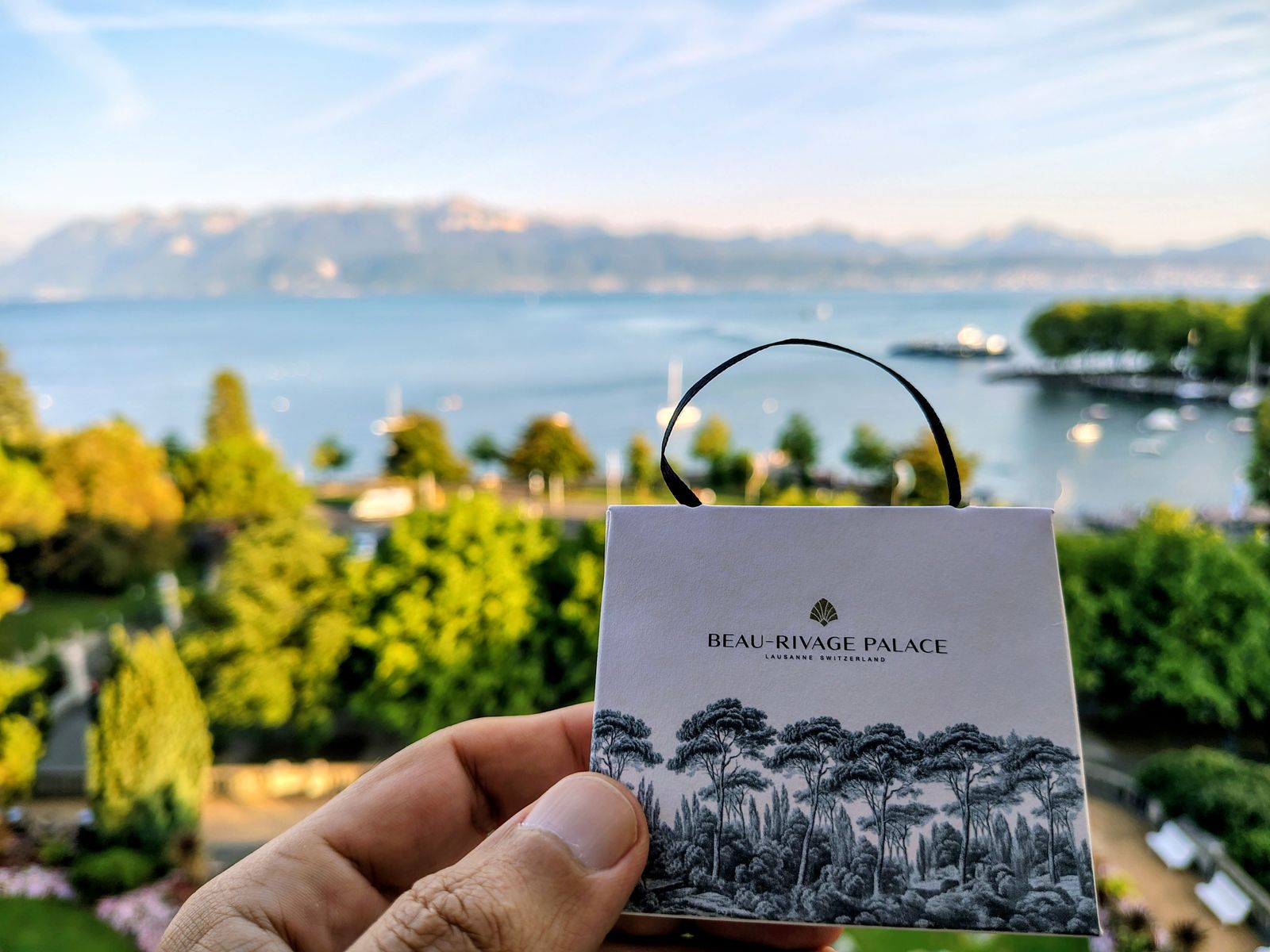
| Beau-Rivage Palace | Lausanne | 470≈ €497 · $571 | 548≈ €580 · $666 | Leaders Club |
The Lavaux
This is the reason to come.
Between Lausanne and Vevey the south-facing slope above the lake is terraced in dry-stone walls and planted with vines, all the way down to the water — roughly 800 hectares, UNESCO World Heritage since 2007, worked continuously since Cistercian monks cut the first terraces in the eleventh century. The locals say the vines get three suns: the sky, the reflection off the lake, and the heat held overnight in the walls.
The path from Lutry to St-Saphorin takes three to four hours through the vineyards, with cellar doors open along the way and villages every couple of kilometres. The regional train runs below the terraces, so you can walk one direction and ride back.
On the lake
CGN operates the largest fleet of Belle Époque paddle steamers in the world — eight of them, some over a century old, several still steam-driven and all restored. They run scheduled services, not excursions: Ouchy to Chillon, or across to Évian on the French shore. The Swiss Travel Pass covers them.
Château de Chillon near Montreux is an island fortress on a rock in the lake, the subject of Byron's poem and the most-visited historic building in Switzerland. An hour by boat, and the approach from the water is the right way to arrive.
Further out
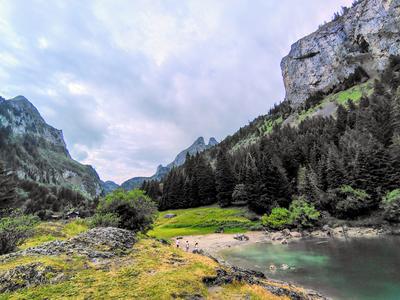
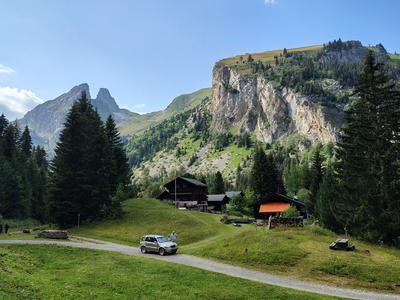
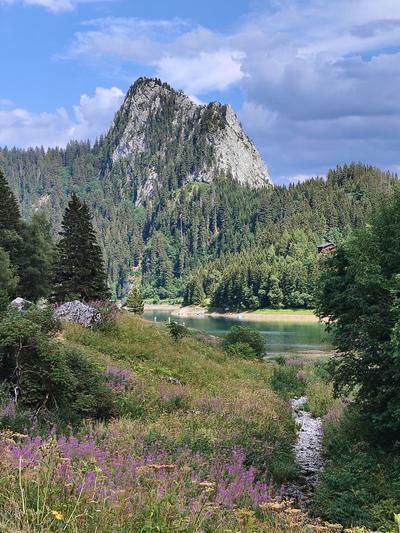
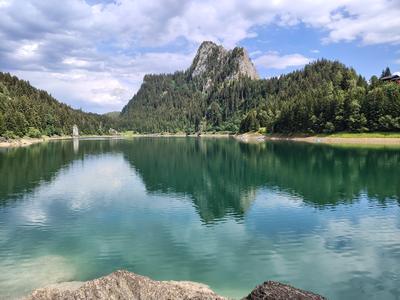
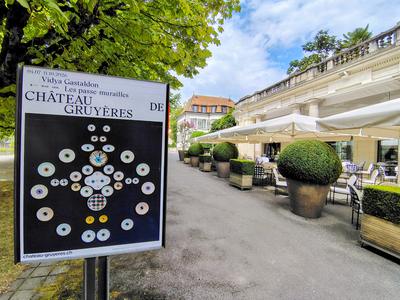
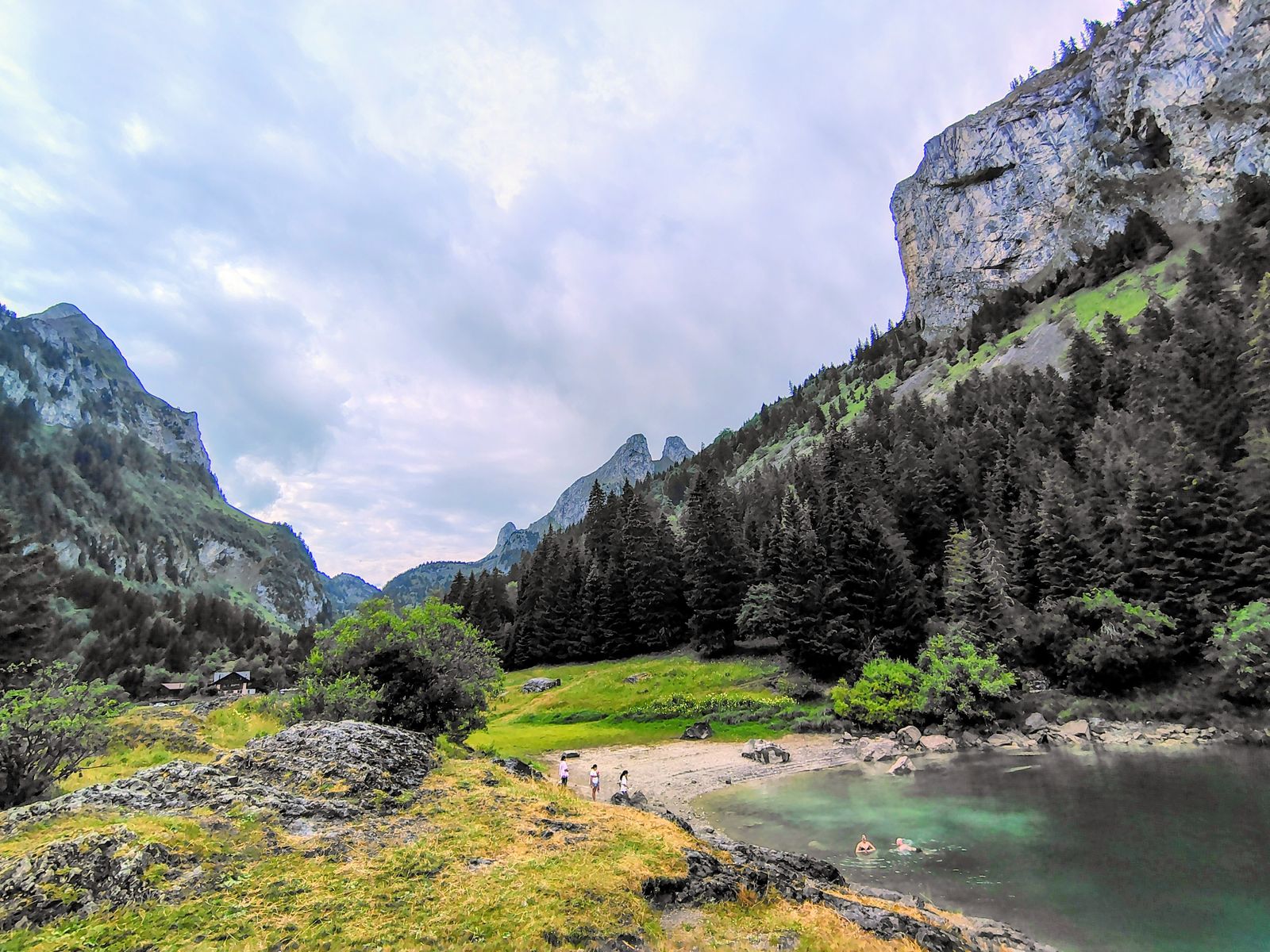
Gruyères for the cheese and the castle, the Rochers-de-Naye cog railway above Montreux for the 2,042-metre view, and the lakes of the Fribourg pre-Alps — all within ninety minutes.
When to come
Late May and September. The lake is at its best, the Lavaux harvest runs through late September into October, and the city empties in a way it never does in midsummer. Avoid July and August, and check the conference calendar.