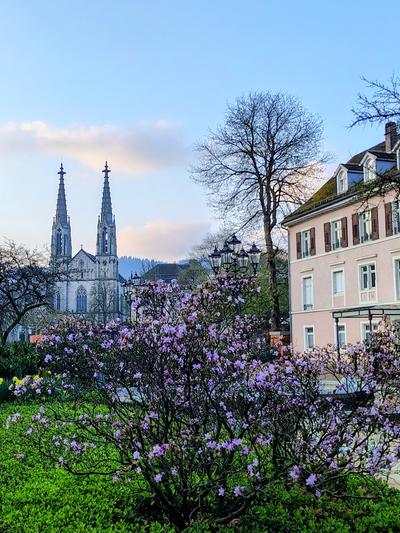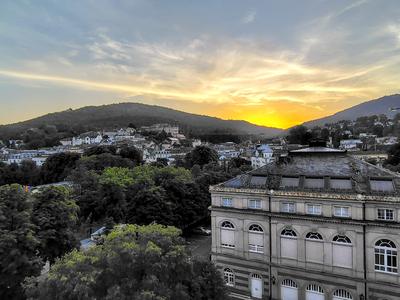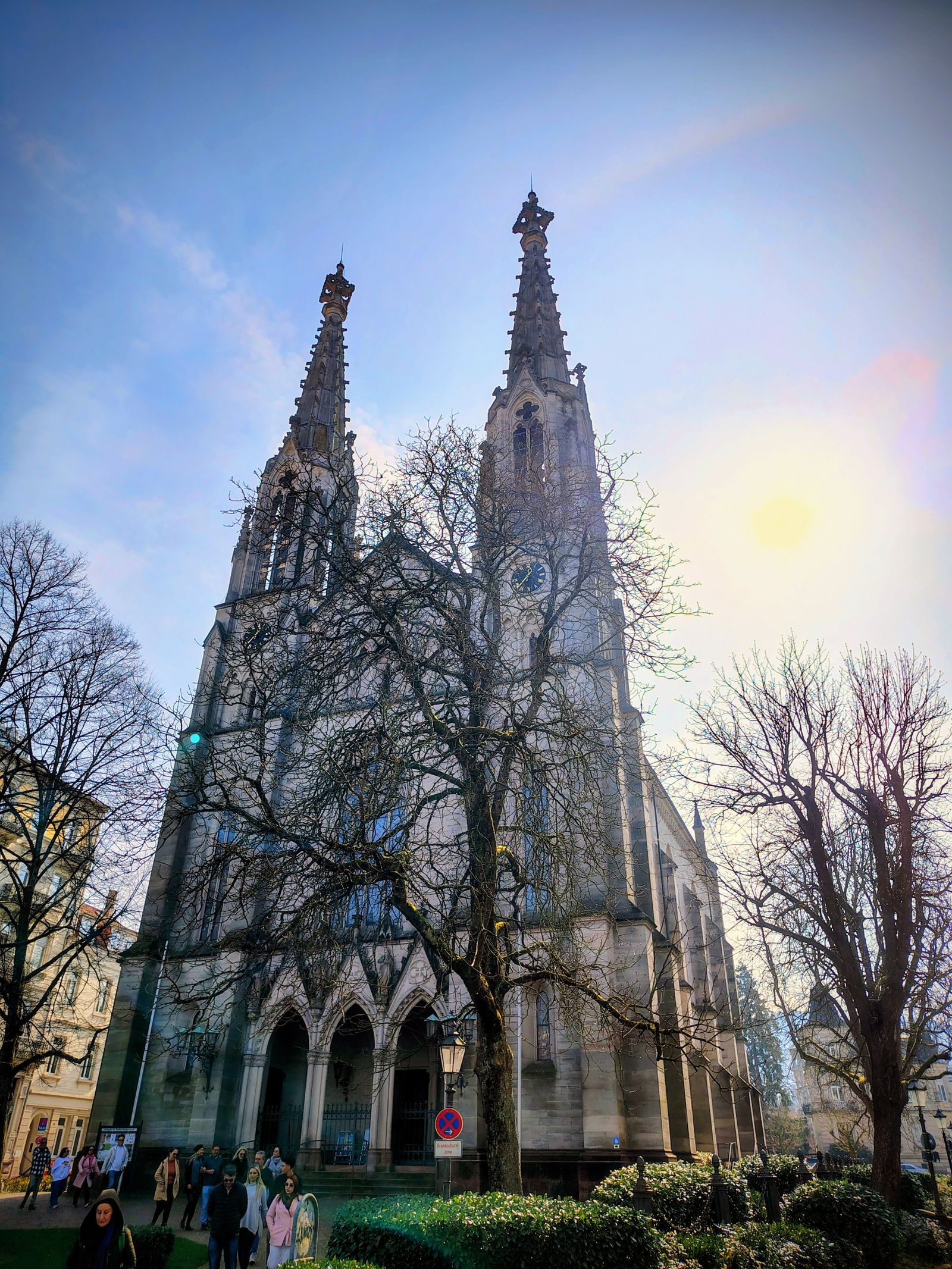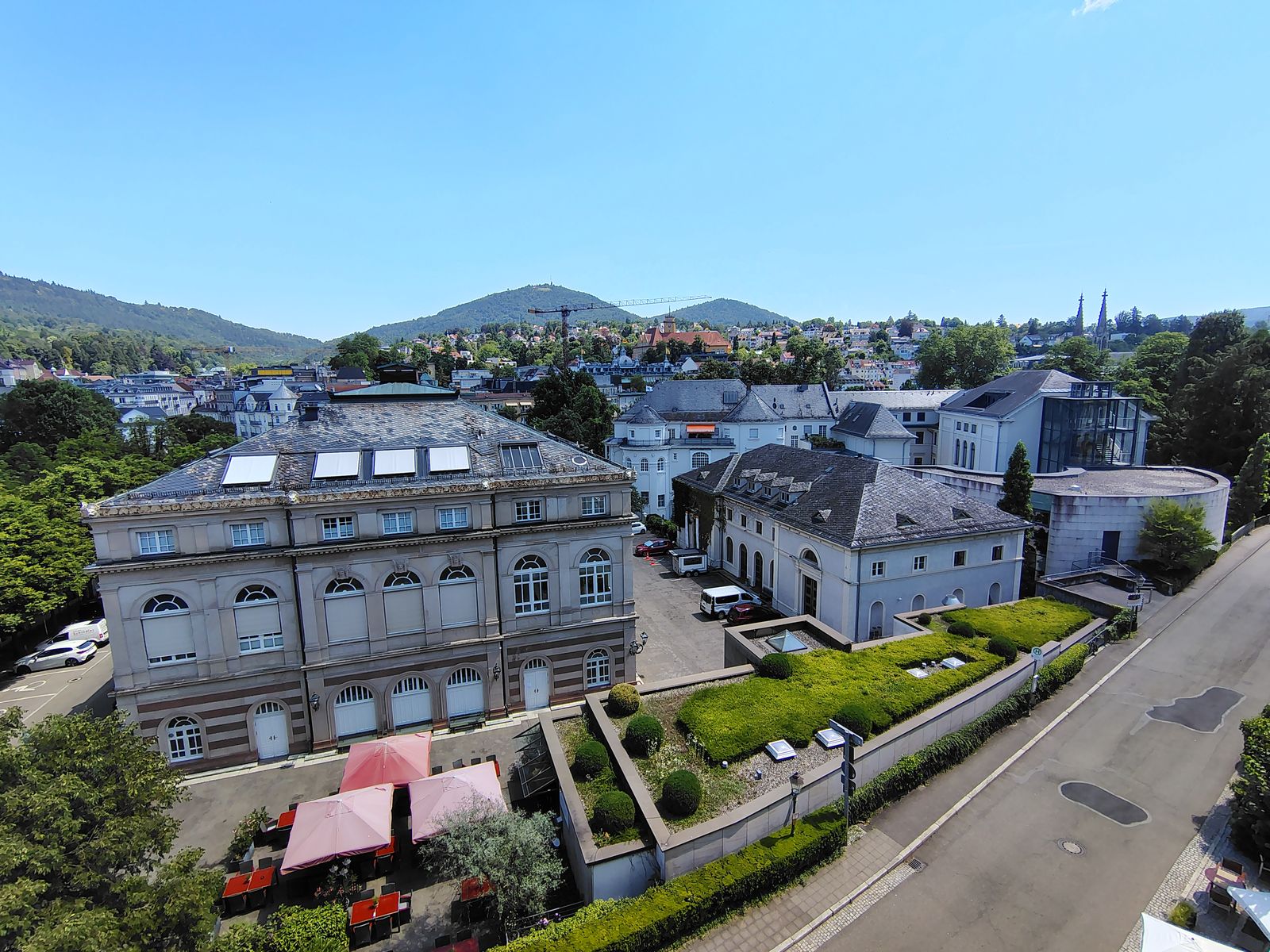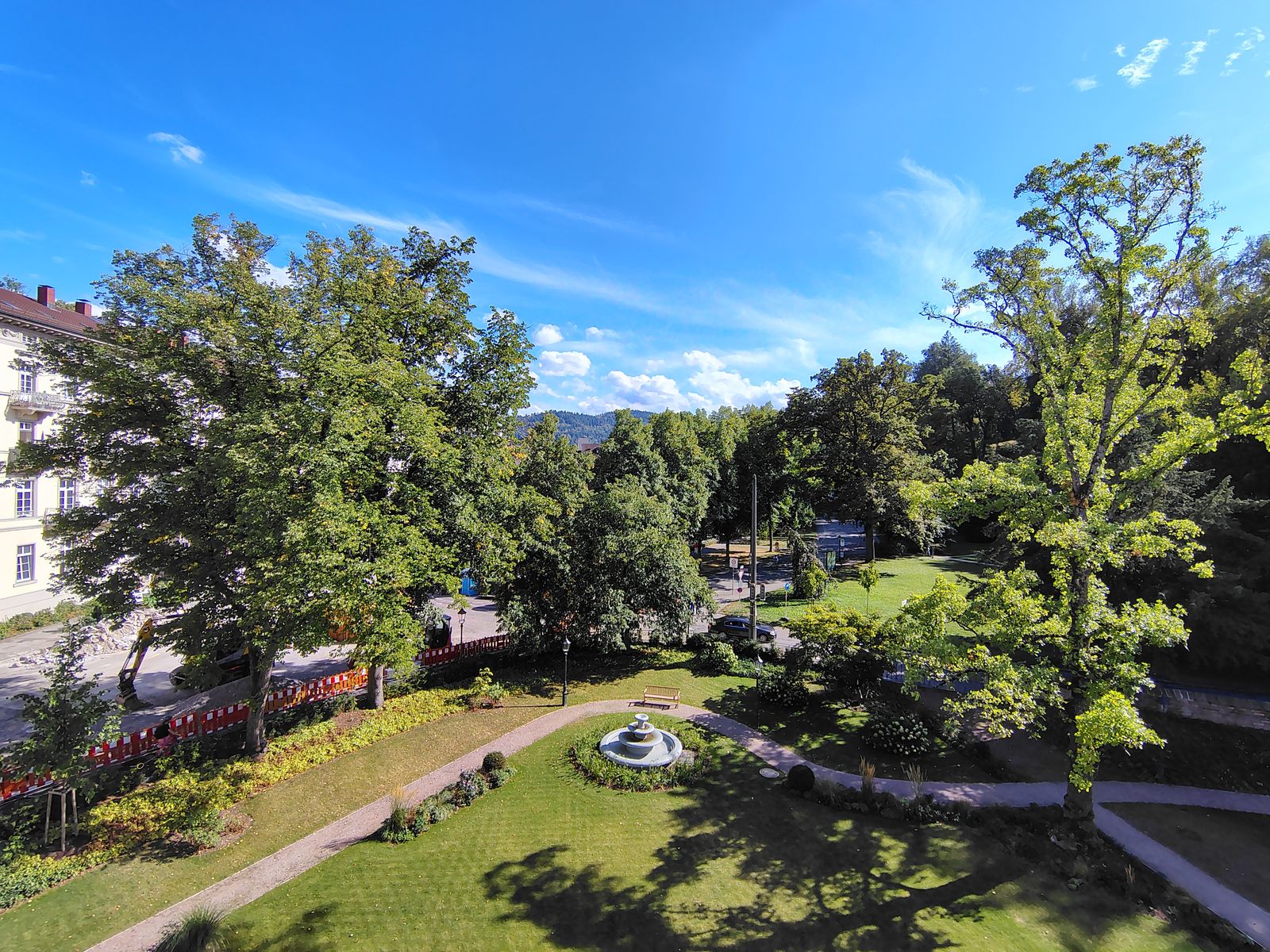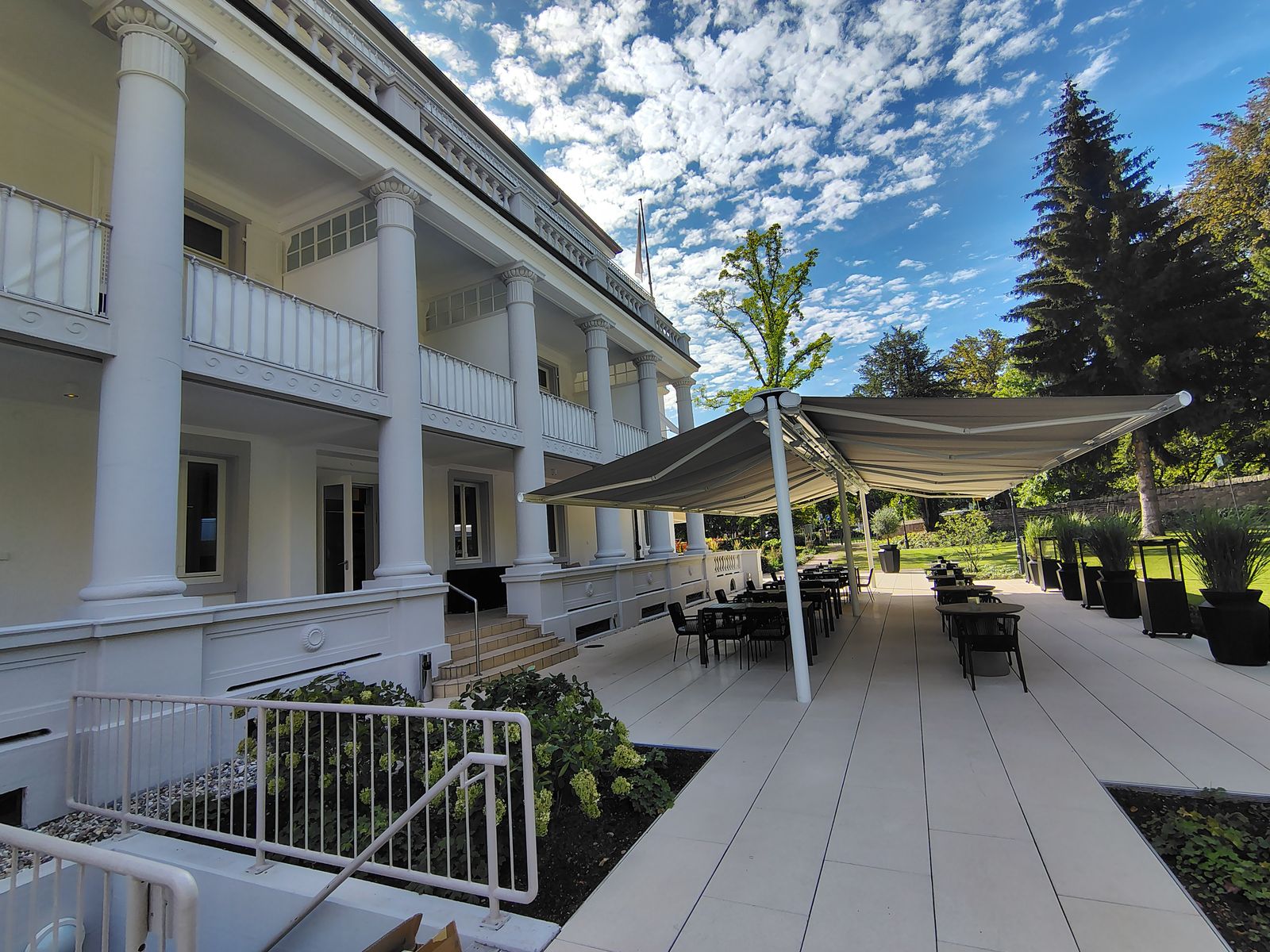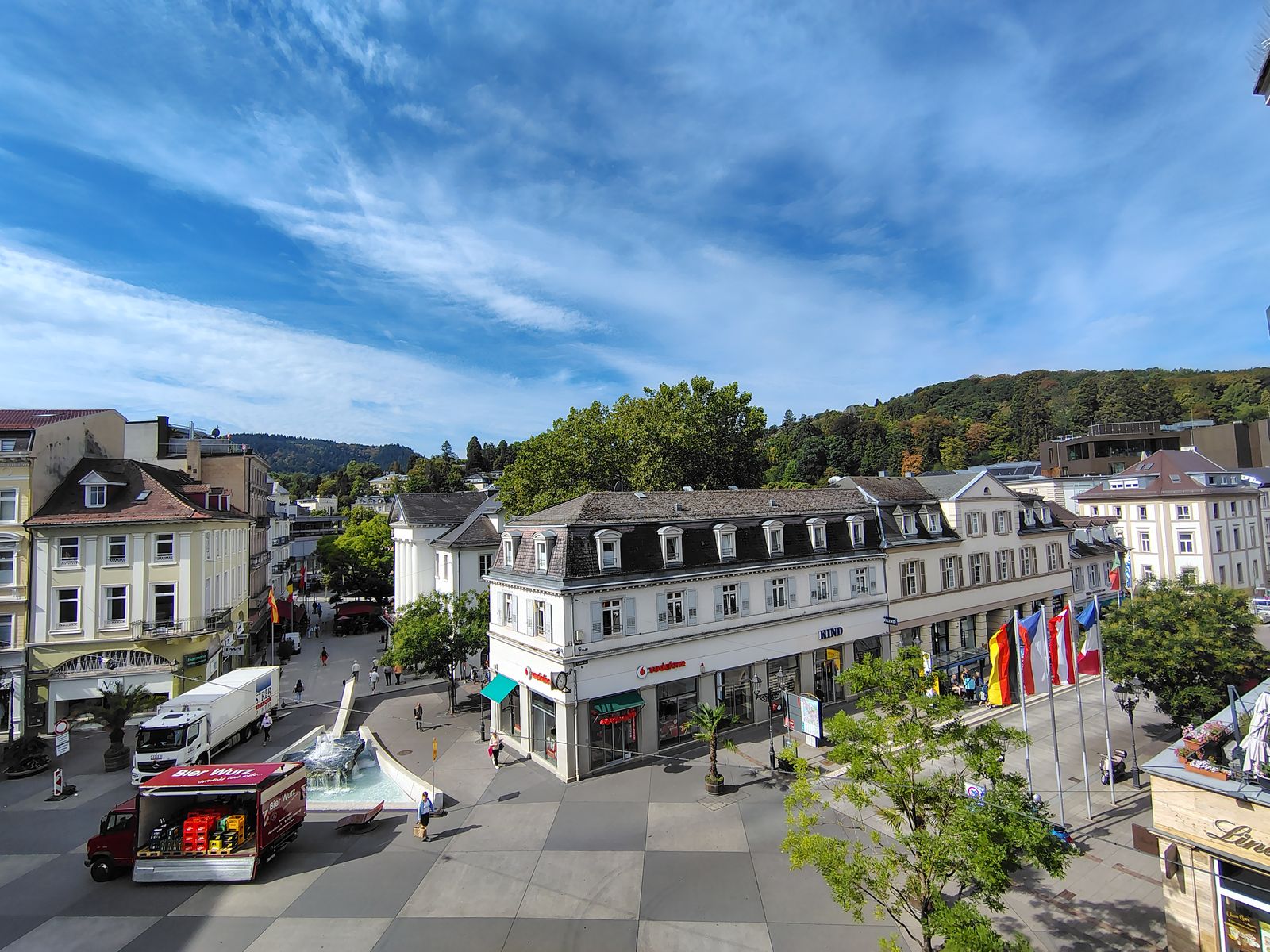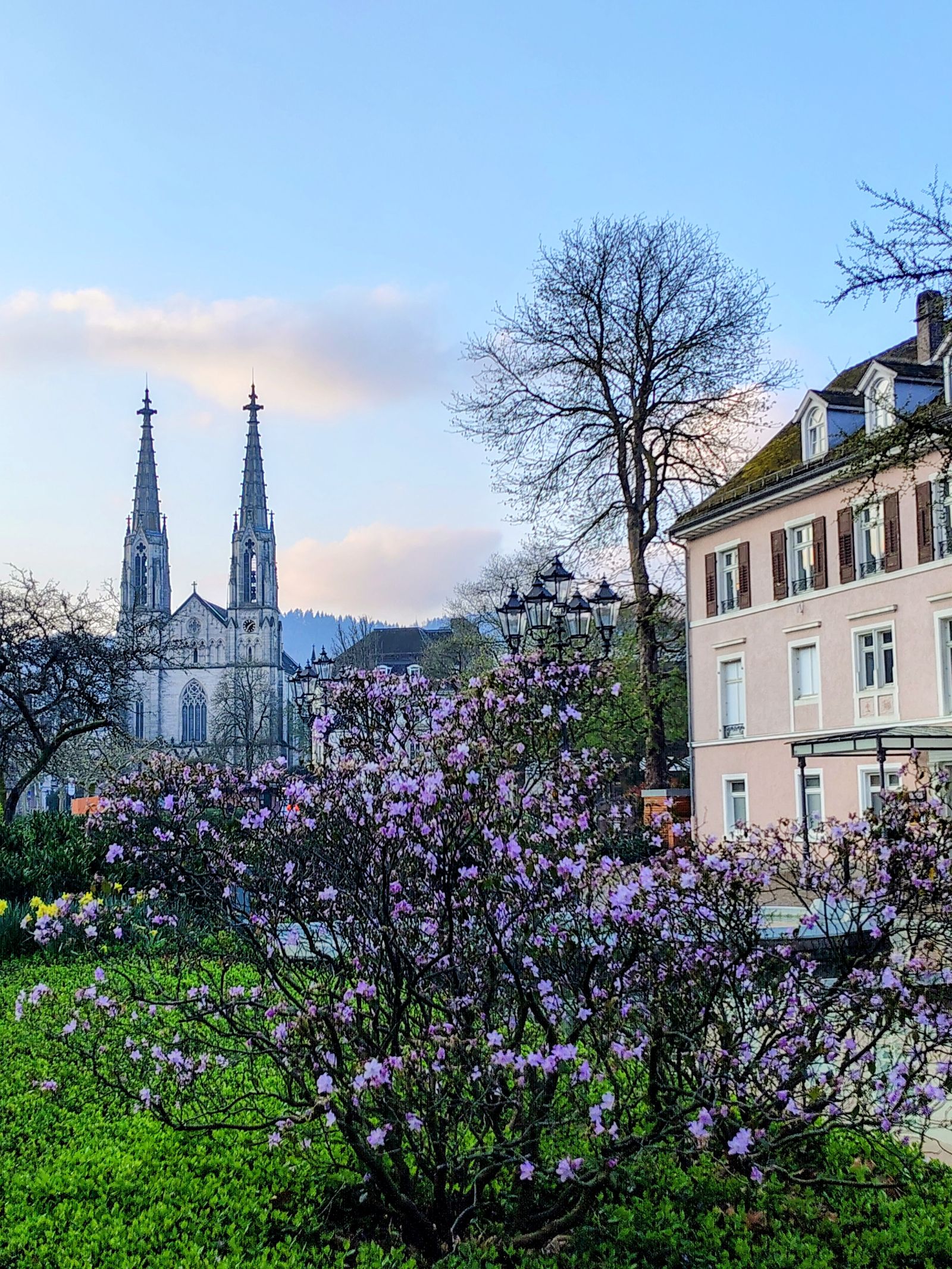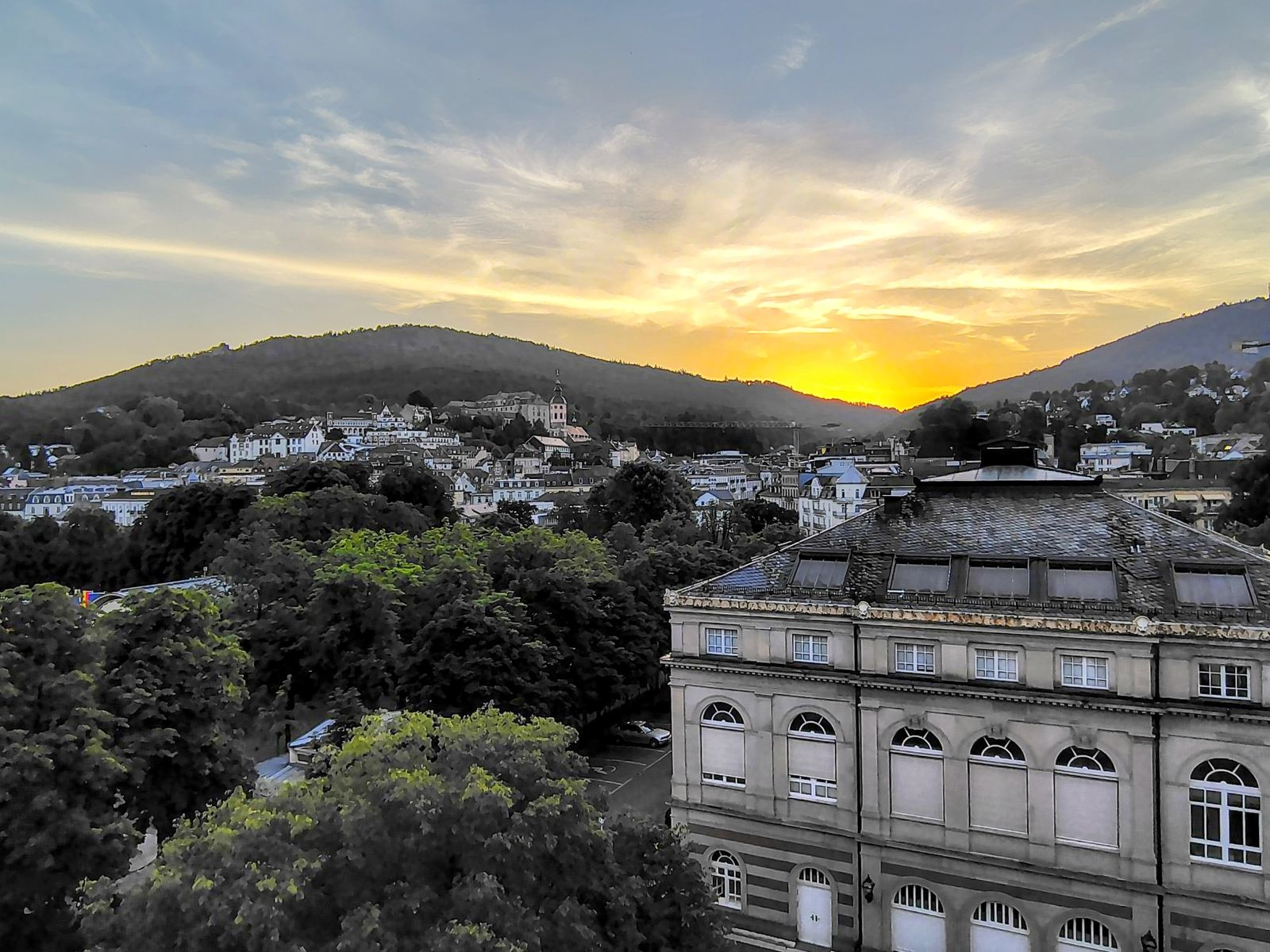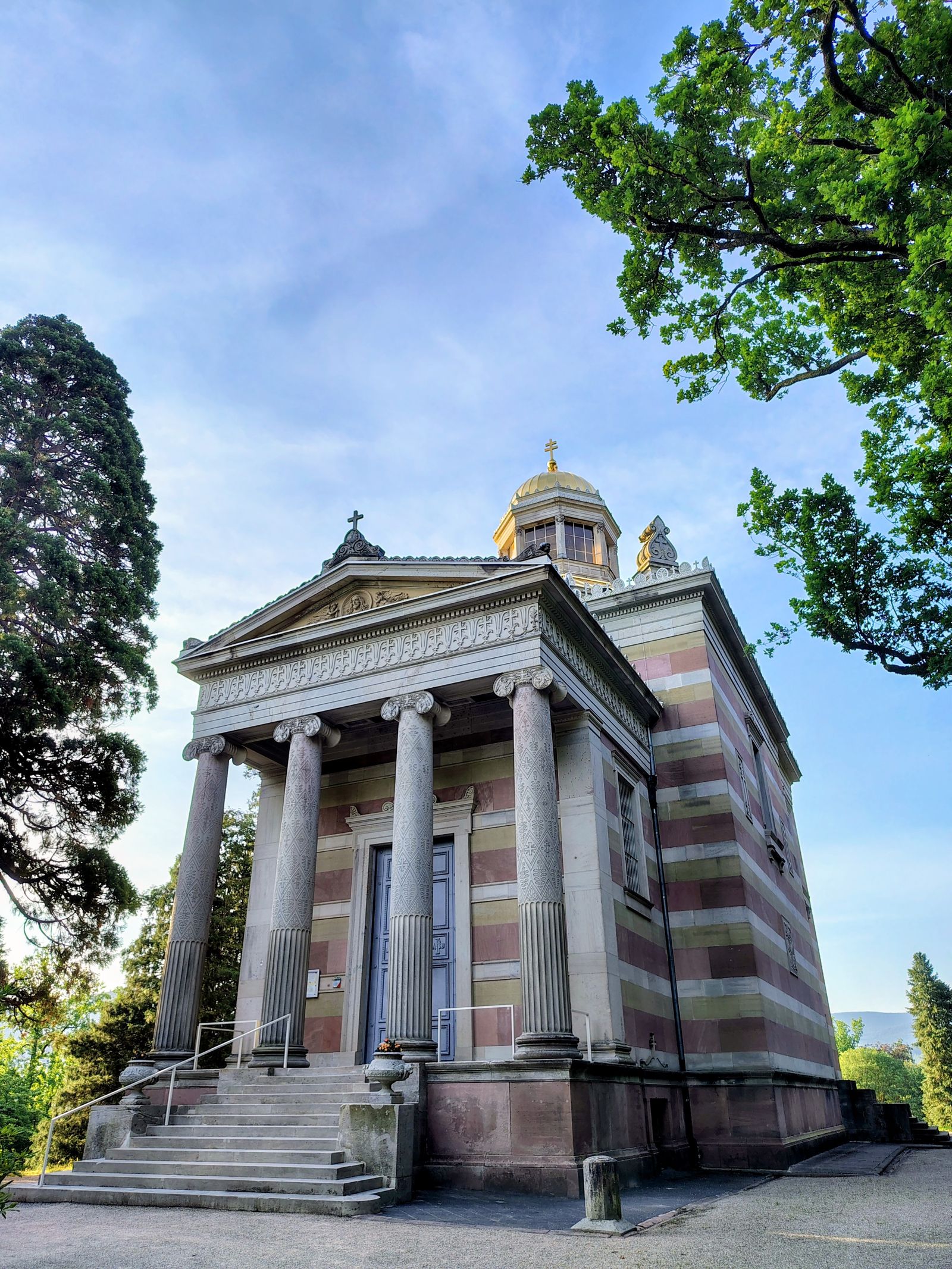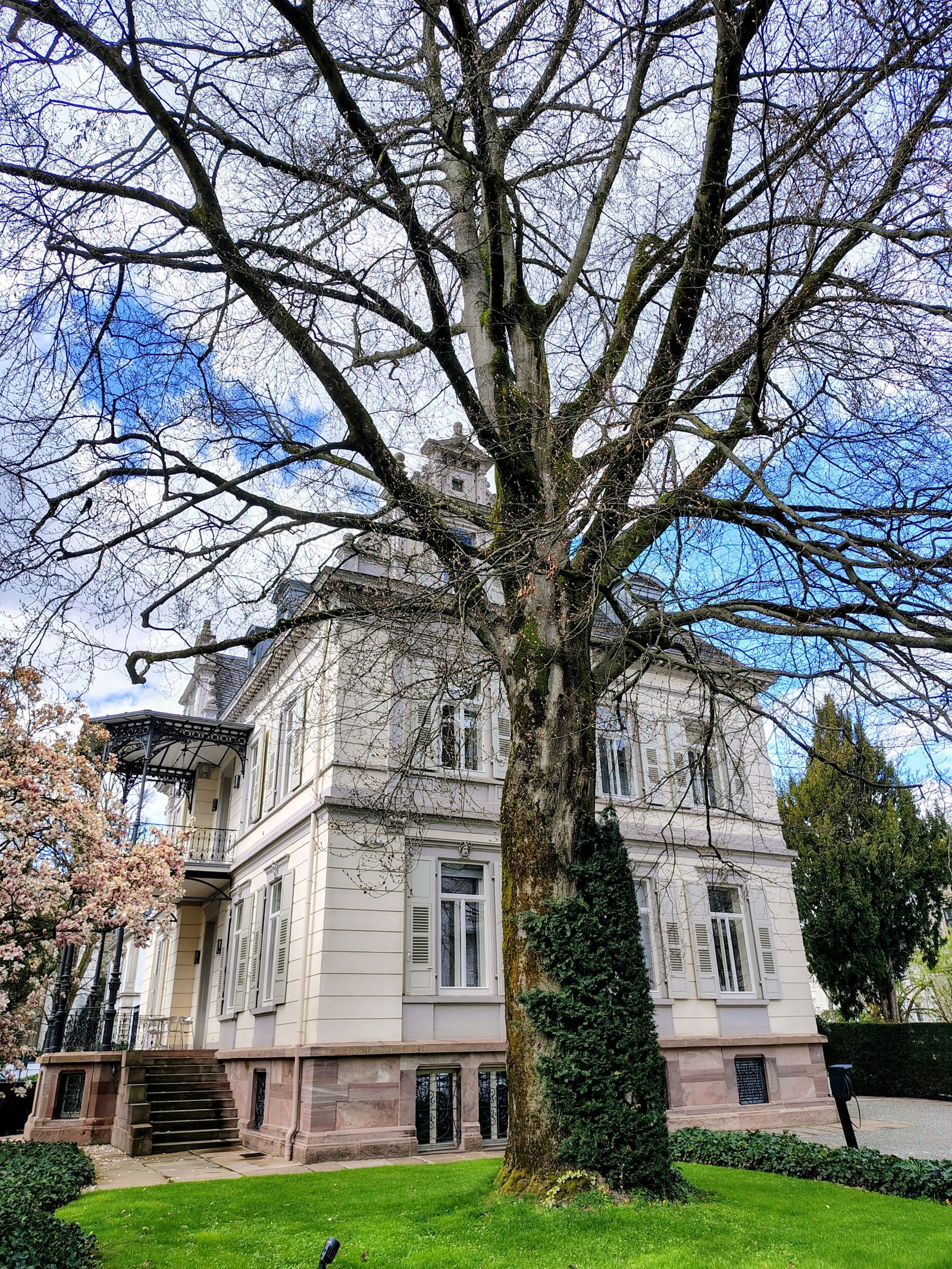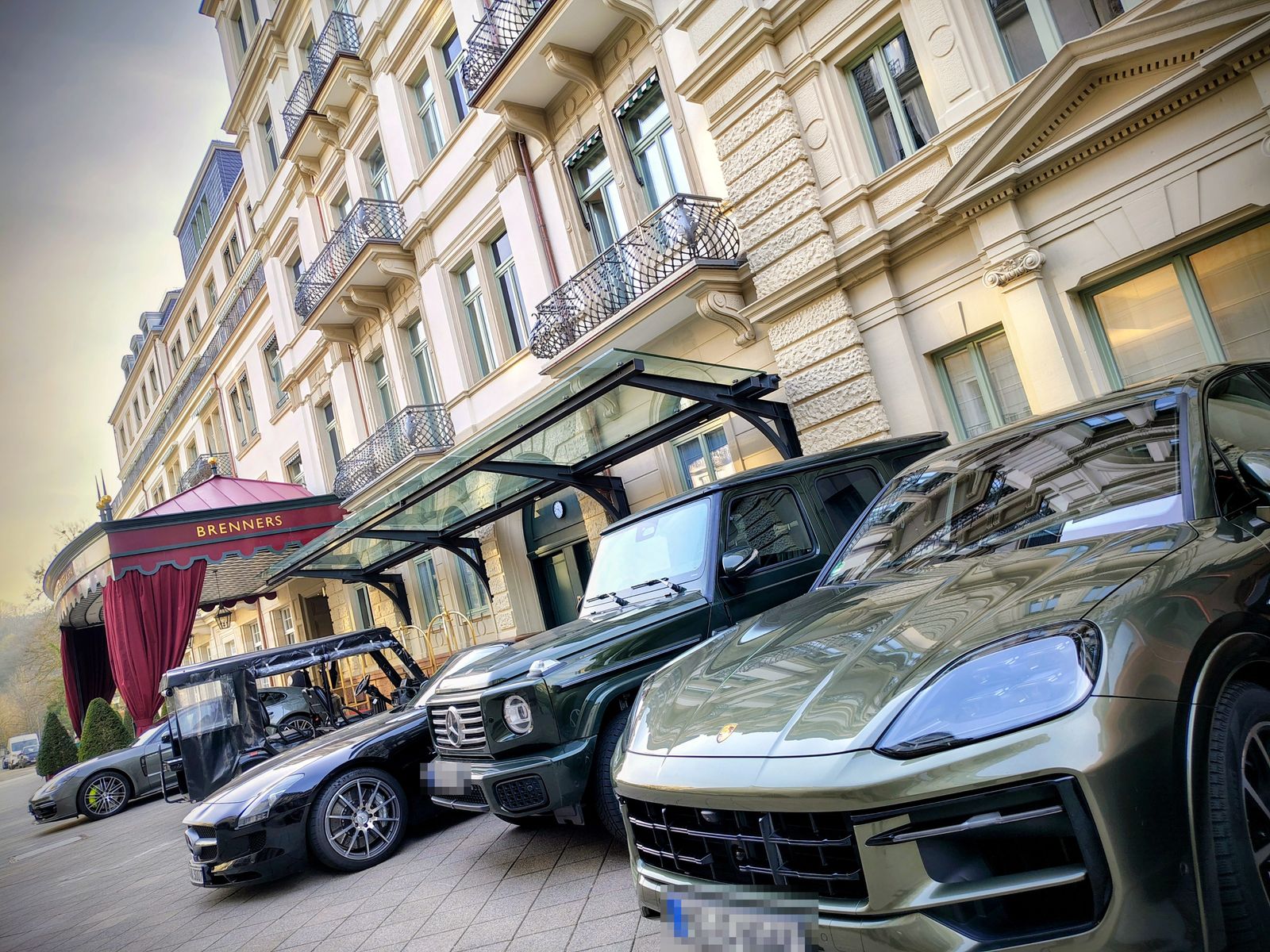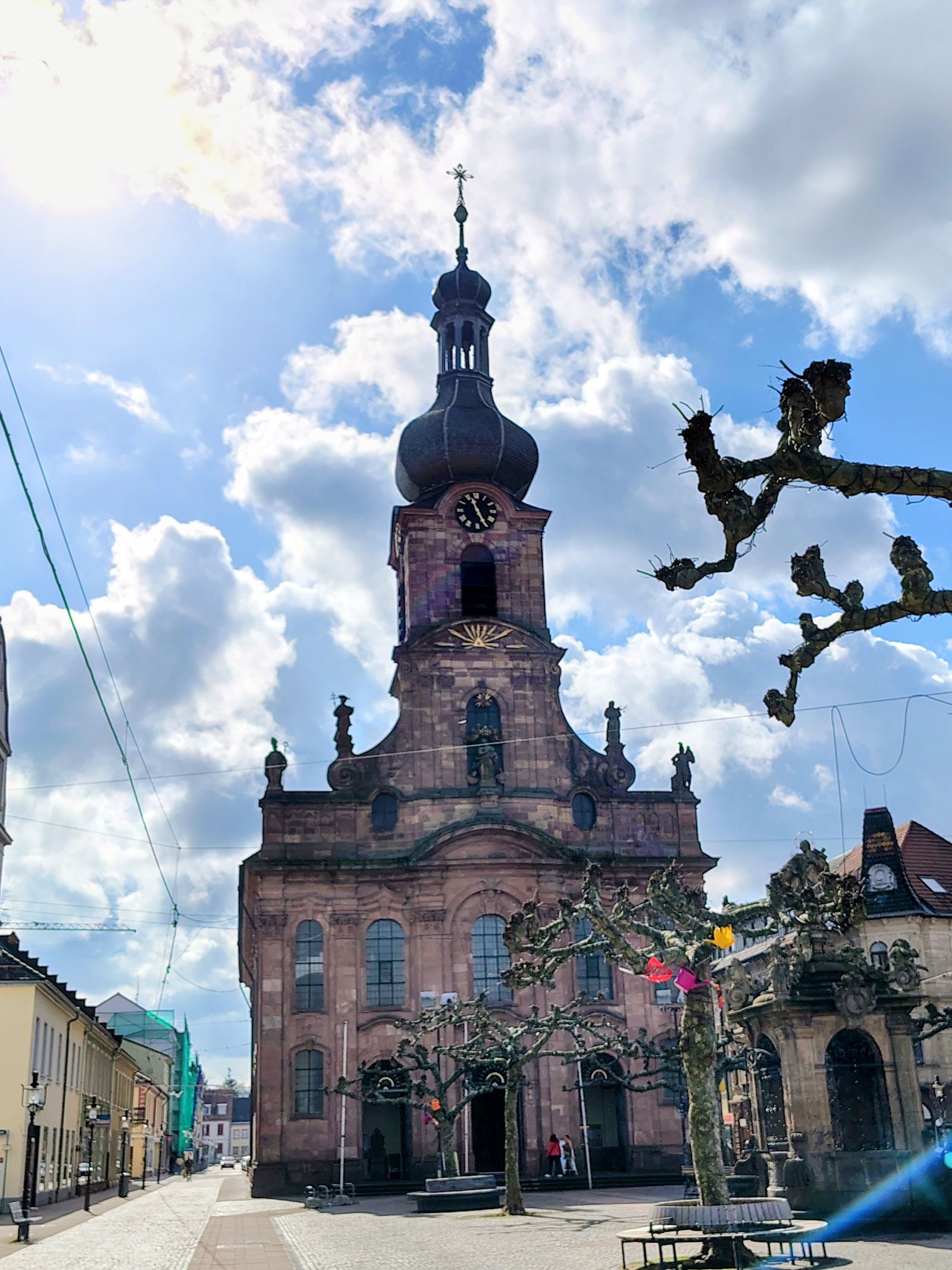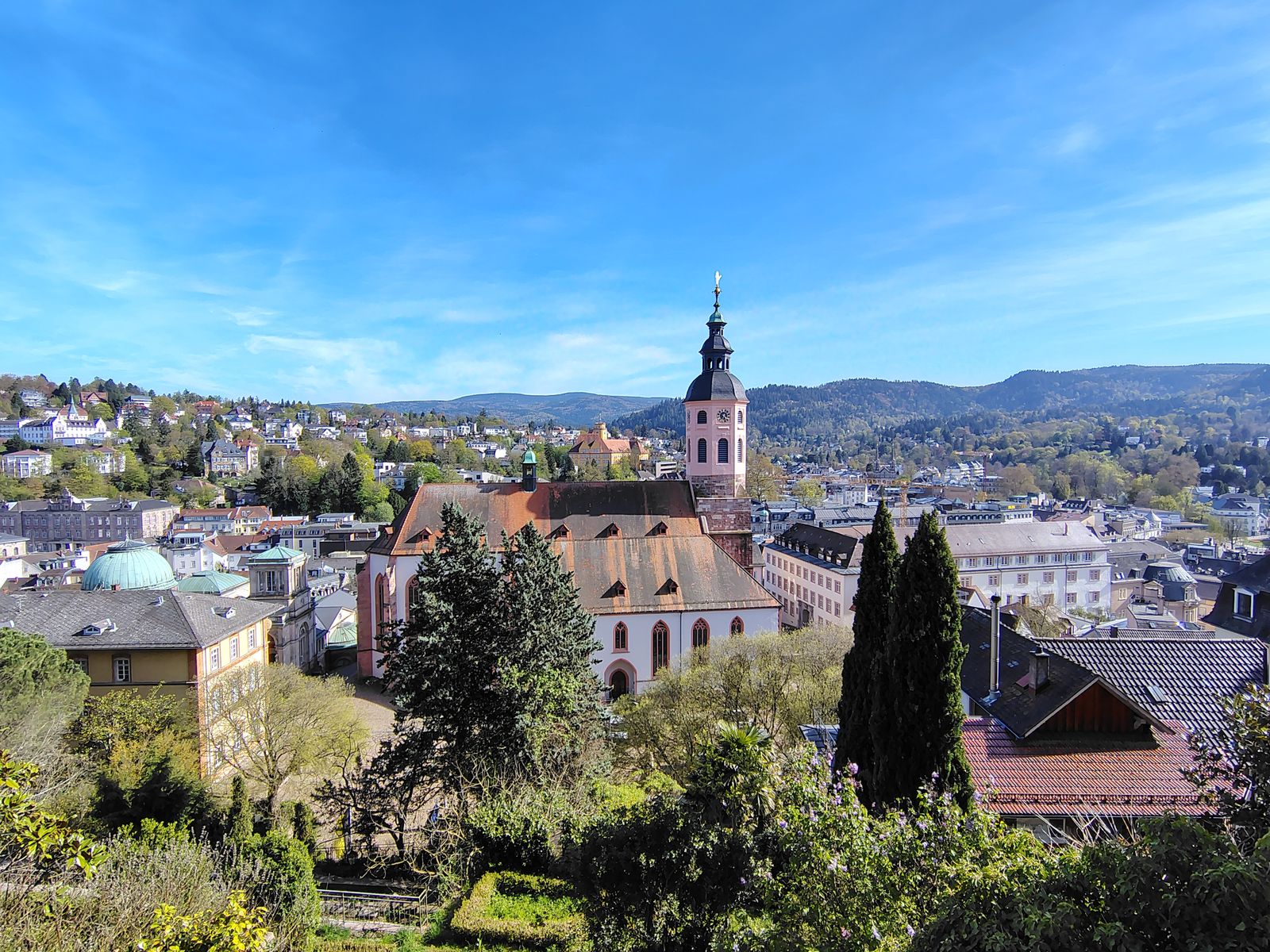
Hot water comes out of the ground here at 68°C, and has been doing so for as long as anyone has lived in the valley. The Romans built baths over the springs under Caracalla around AD 213 — you can walk through the excavated ruins beneath the Marktplatz — and the town has been doing essentially the same thing ever since.
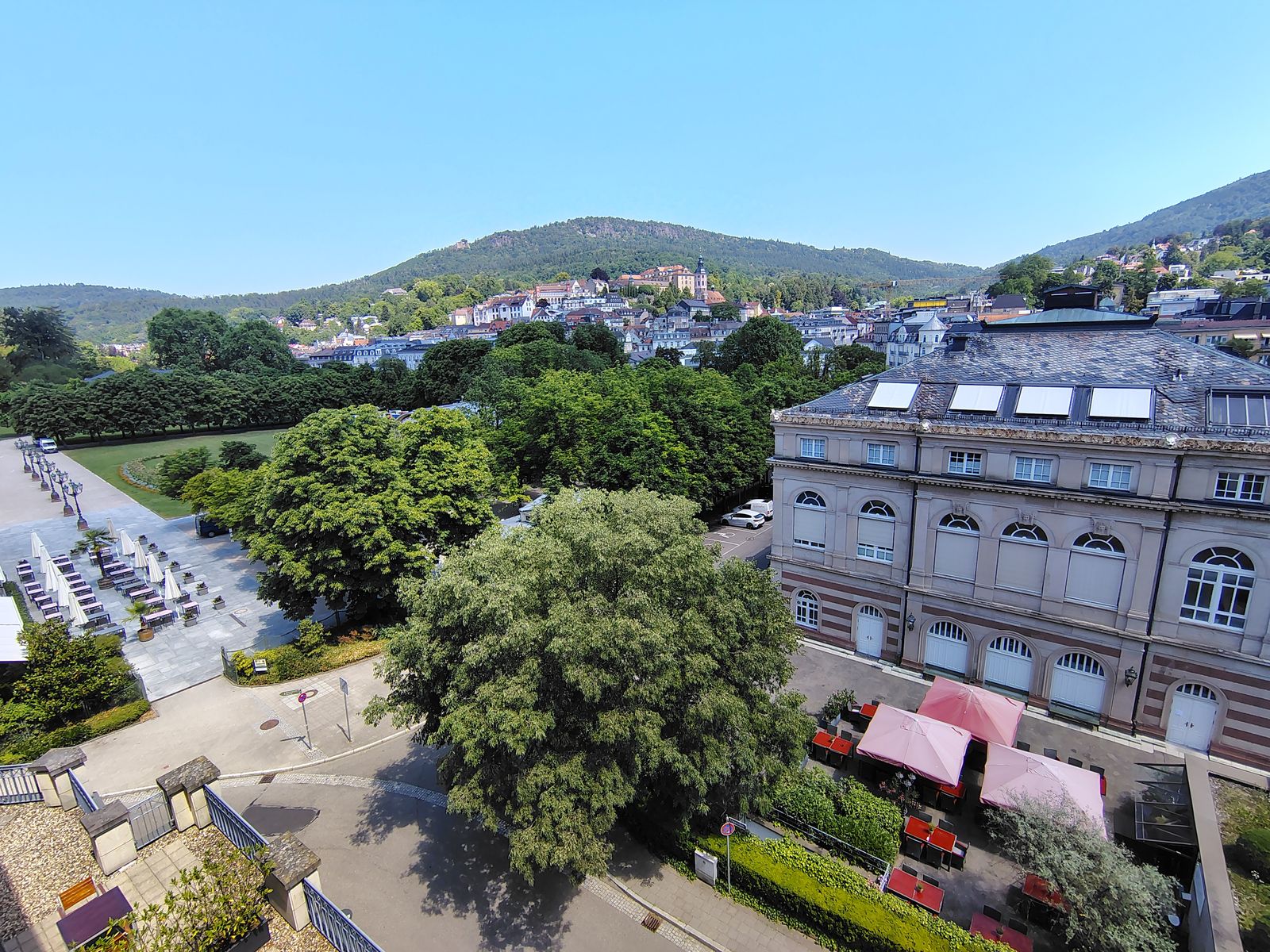
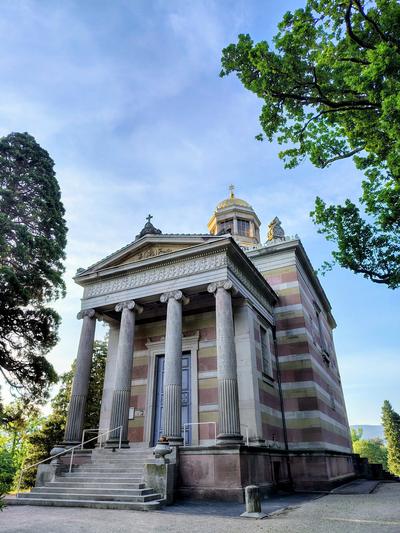
Its second, stranger life began in the 1830s. France banned gambling, the casino operator Jacques Bénazet moved the entire business across the Rhine, and within a generation this small valley town had become the summer address of half of Europe. Queen Victoria came. Bismarck came. Dostoevsky lost badly at the tables in 1867 and wrote The Gambler to pay the debt. Brahms spent his summers composing in Lichtental, a twenty-minute walk up the river.
The baths
Two of them, and they are not interchangeable.
Friedrichsbad, opened 1877, is a seventeen-station Roman-Irish circuit — hot air, steam, brush massage, thermal pools, cold plunge, and a silent room at the end. It is textile-free and mixed on most days, the sequence is fixed rather than wandered, and it takes about three hours. Mark Twain's line about forgetting time after ten minutes is painted on the wall.
Caracalla Therme next door is the modern alternative: swimwear, indoor and outdoor thermal pools, grottos and saunas, come and go as you like.
Know which one you have booked. People find out at the door.
The town
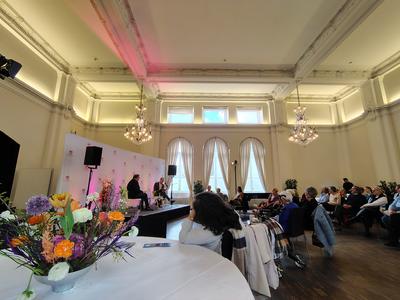
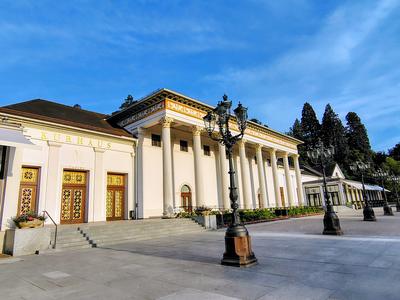
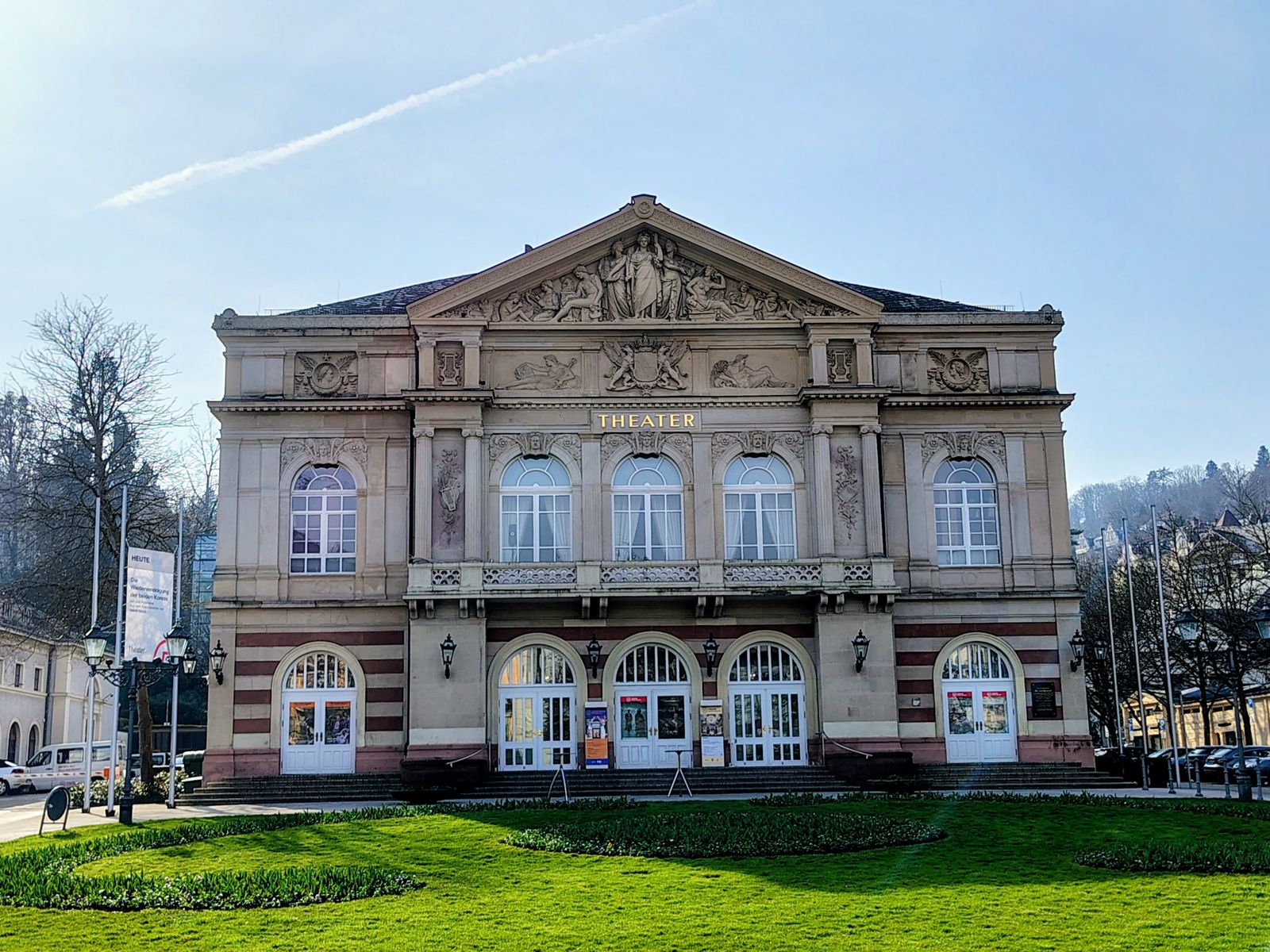
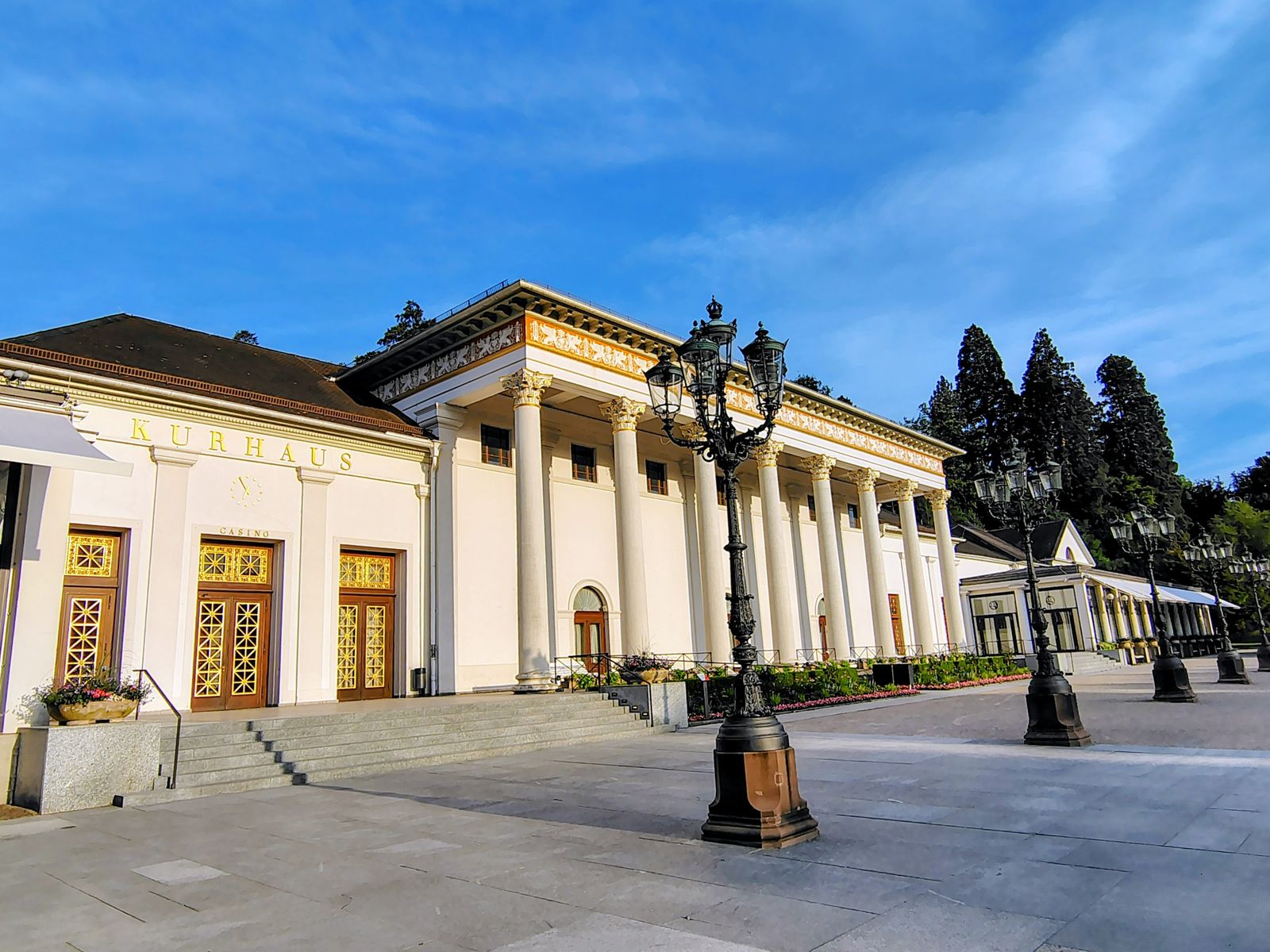
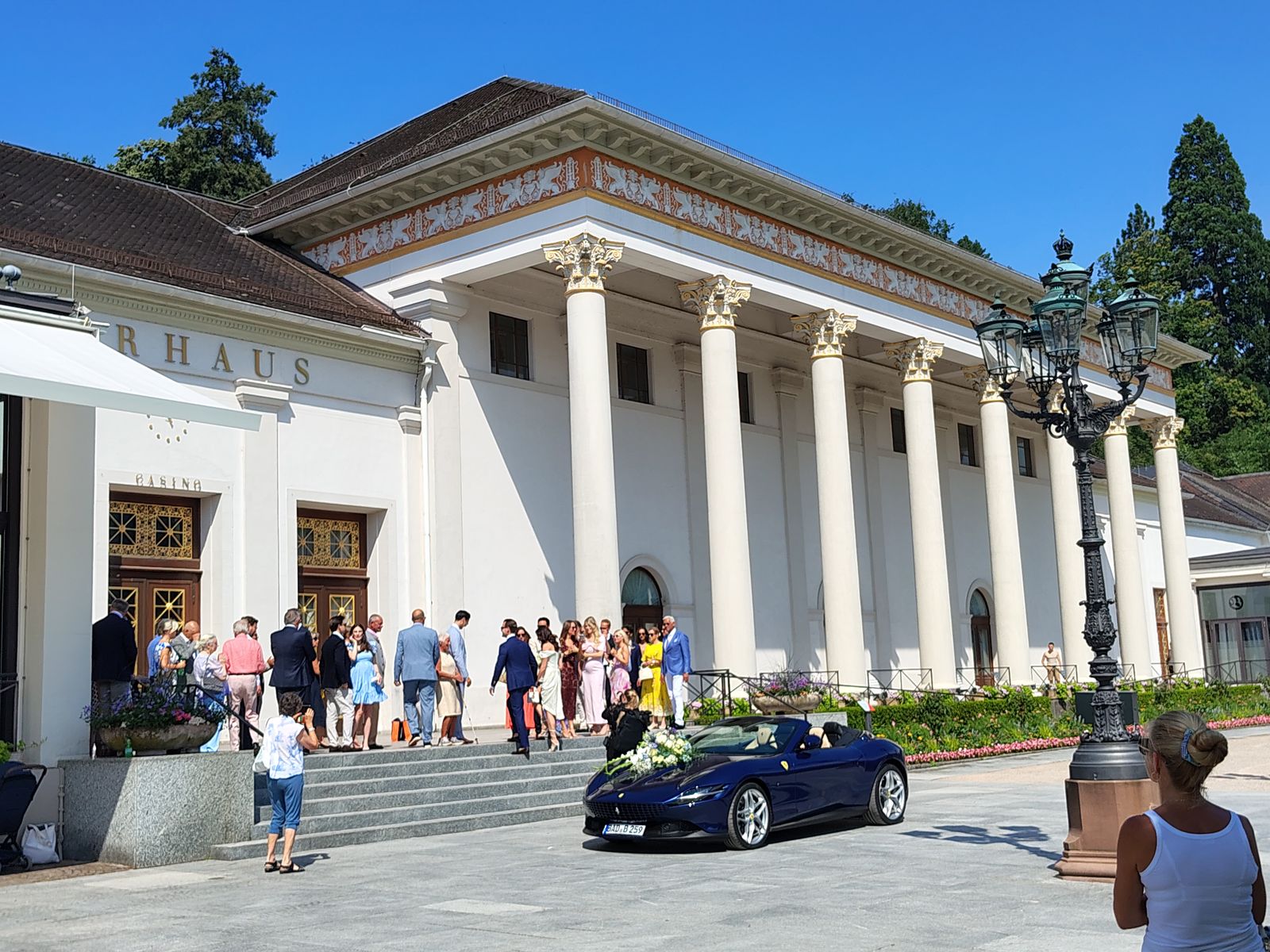
The Kurhaus and Casino — Marlene Dietrich called it the most beautiful casino in the world and it is hard to argue. The gaming rooms are shown on guided tours each morning before play begins, which is the inexpensive way to see the interiors.
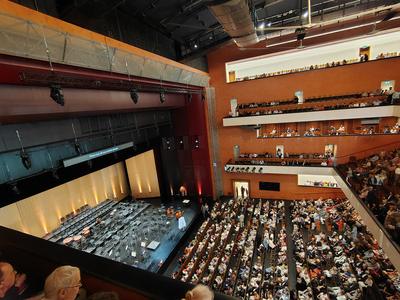
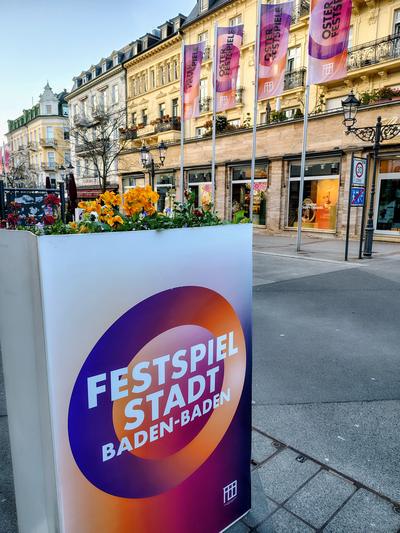
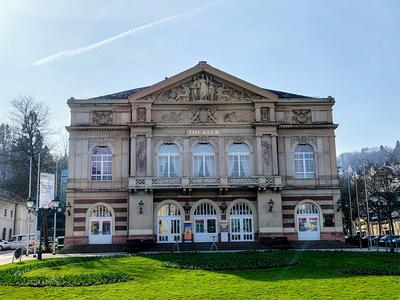
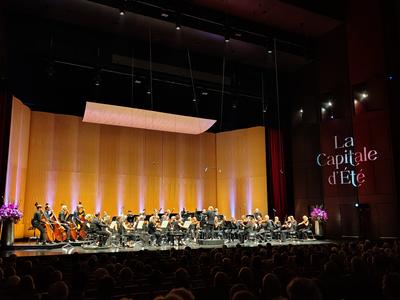
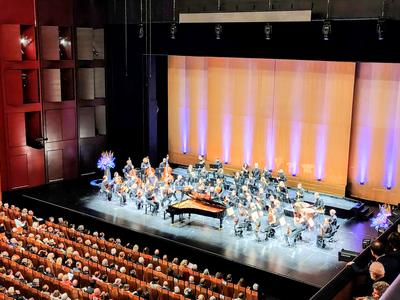
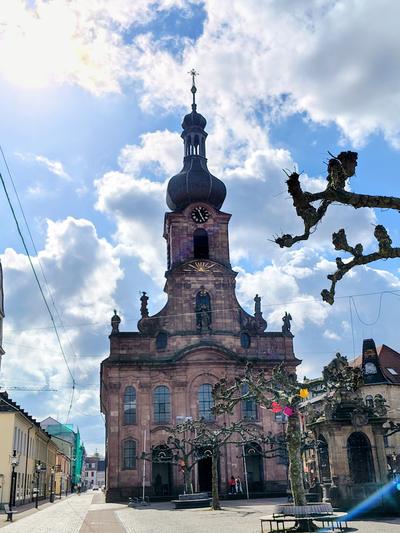
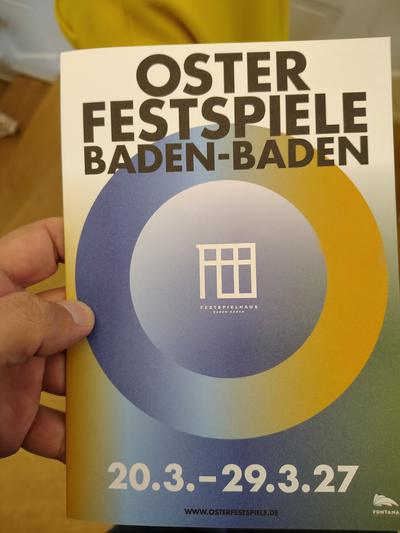
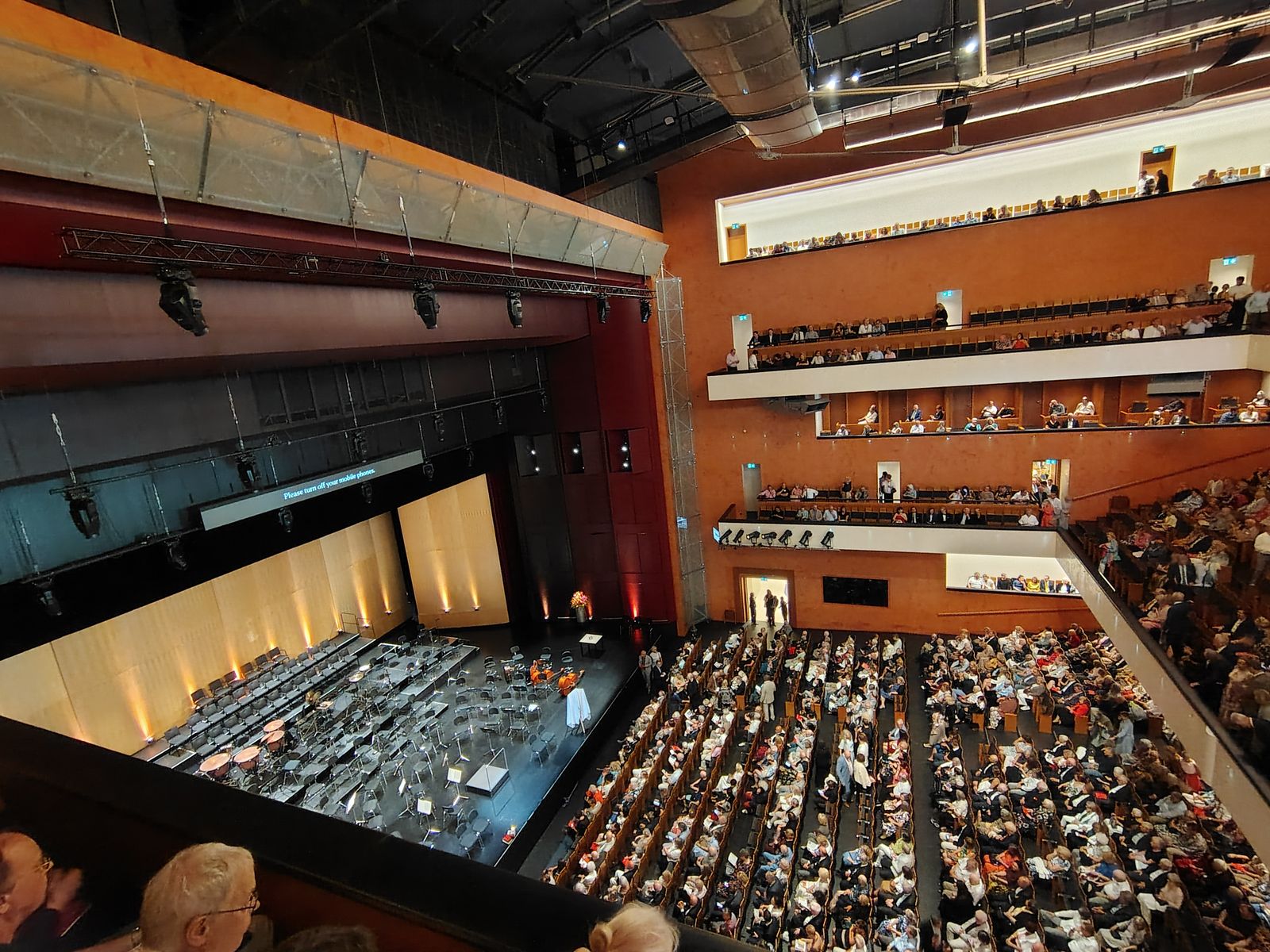
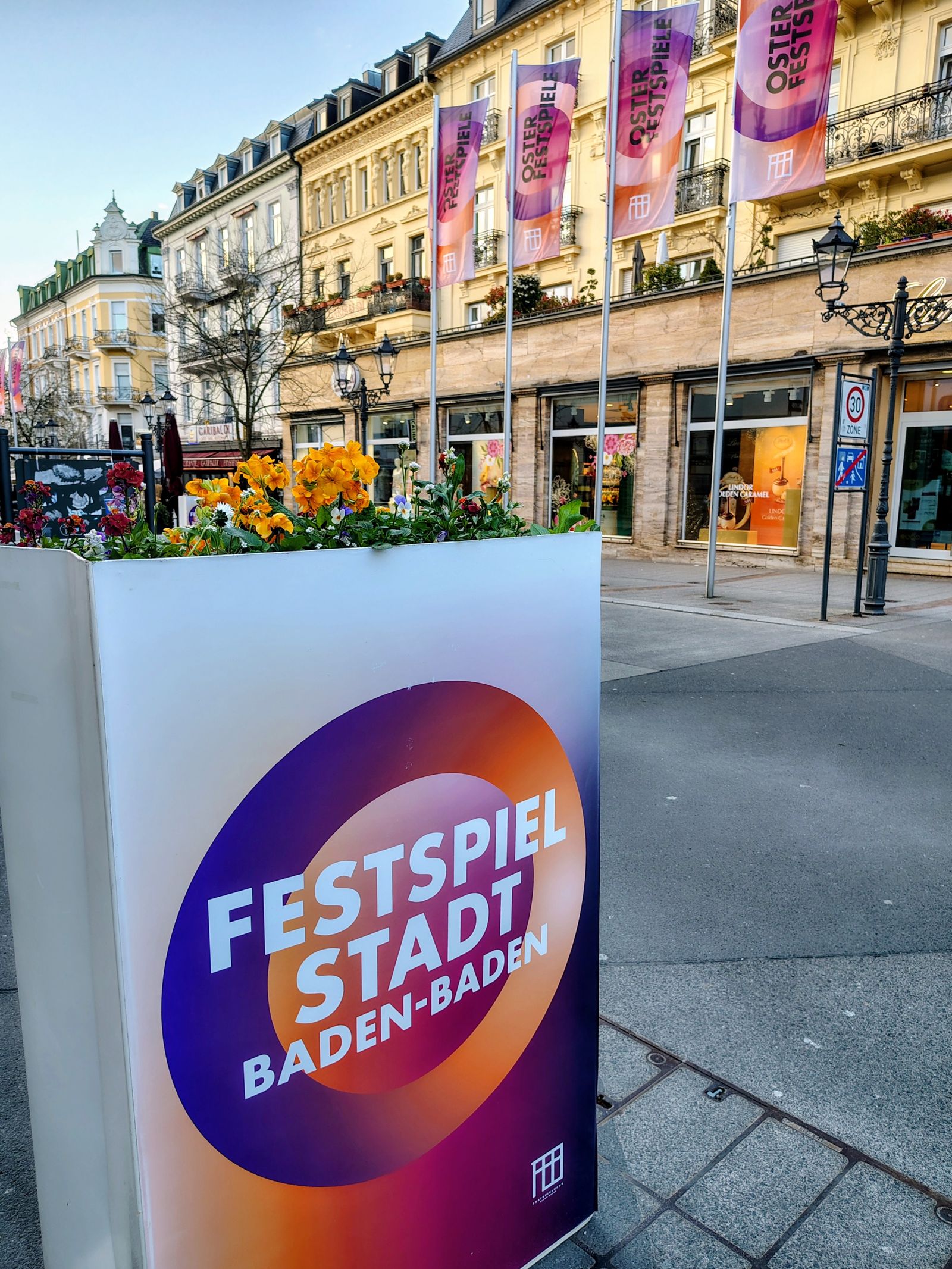
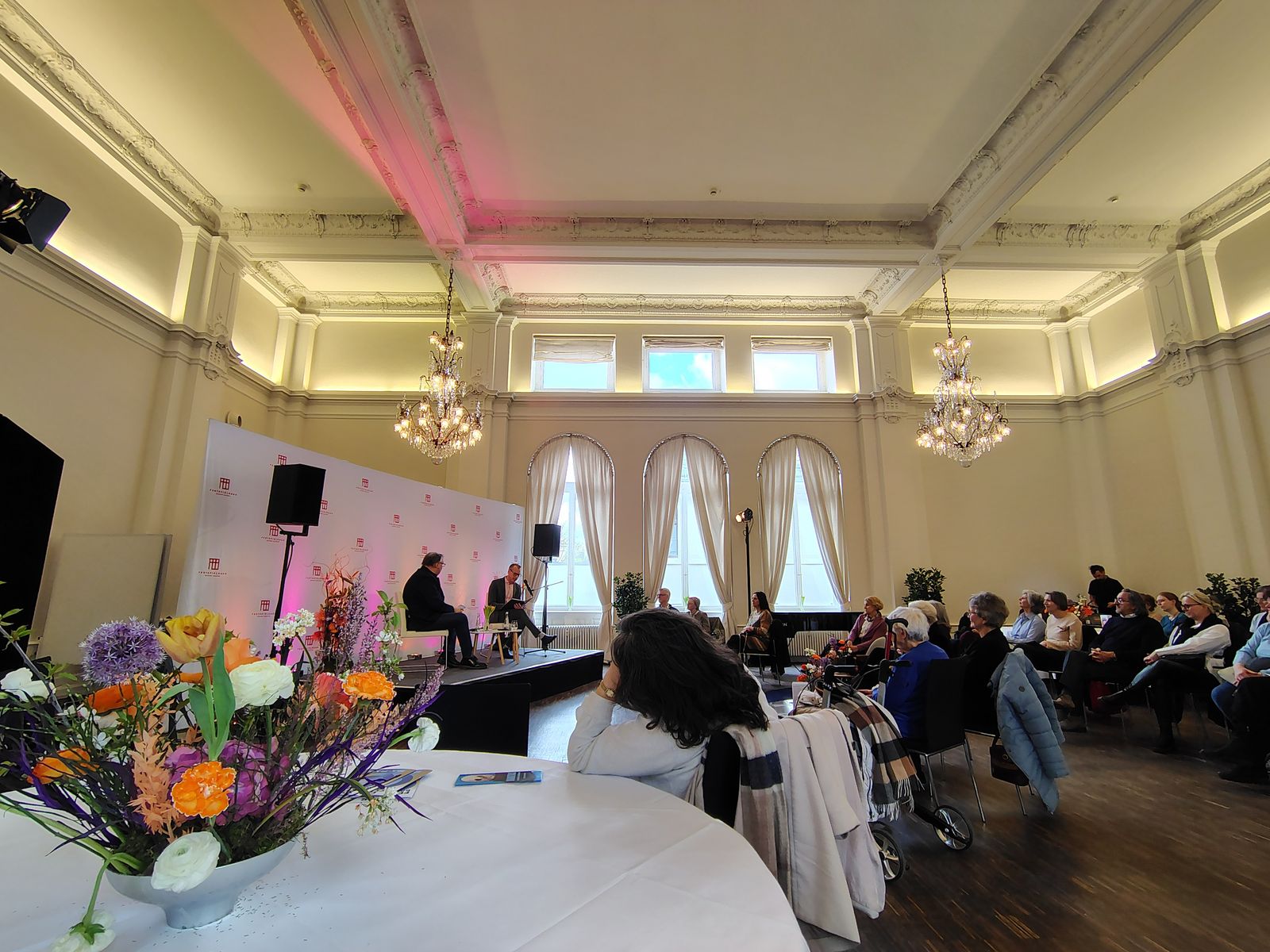
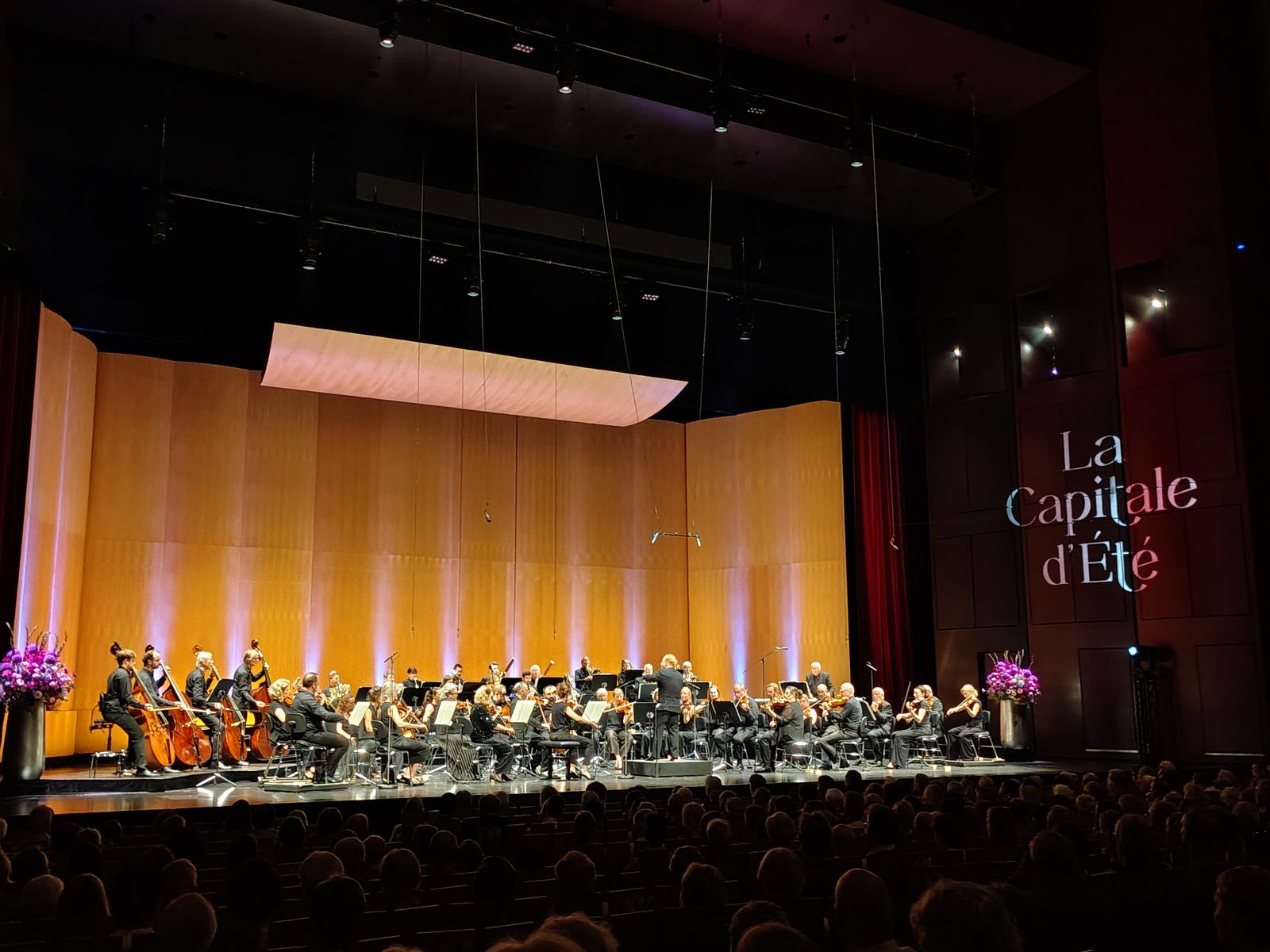
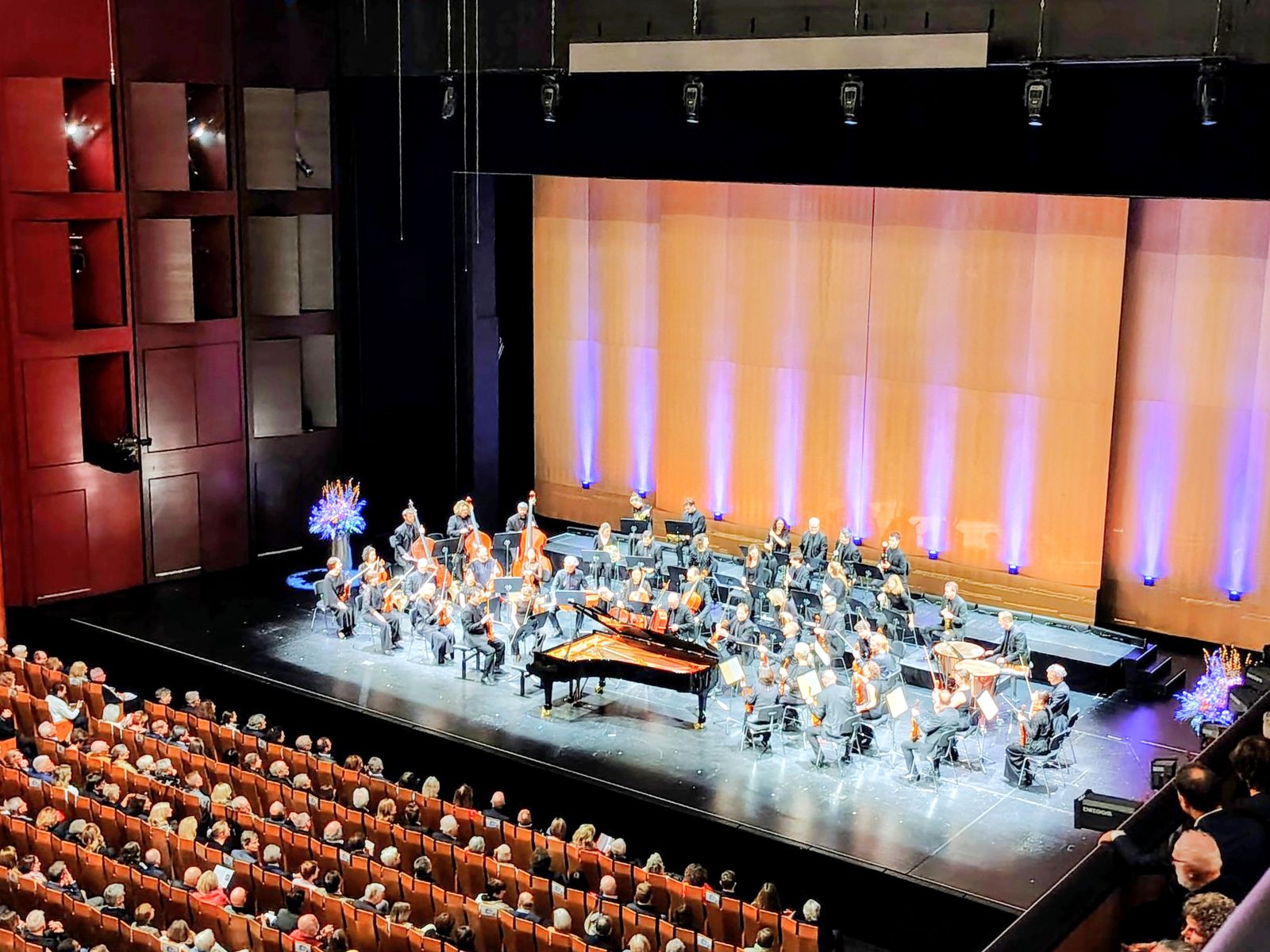
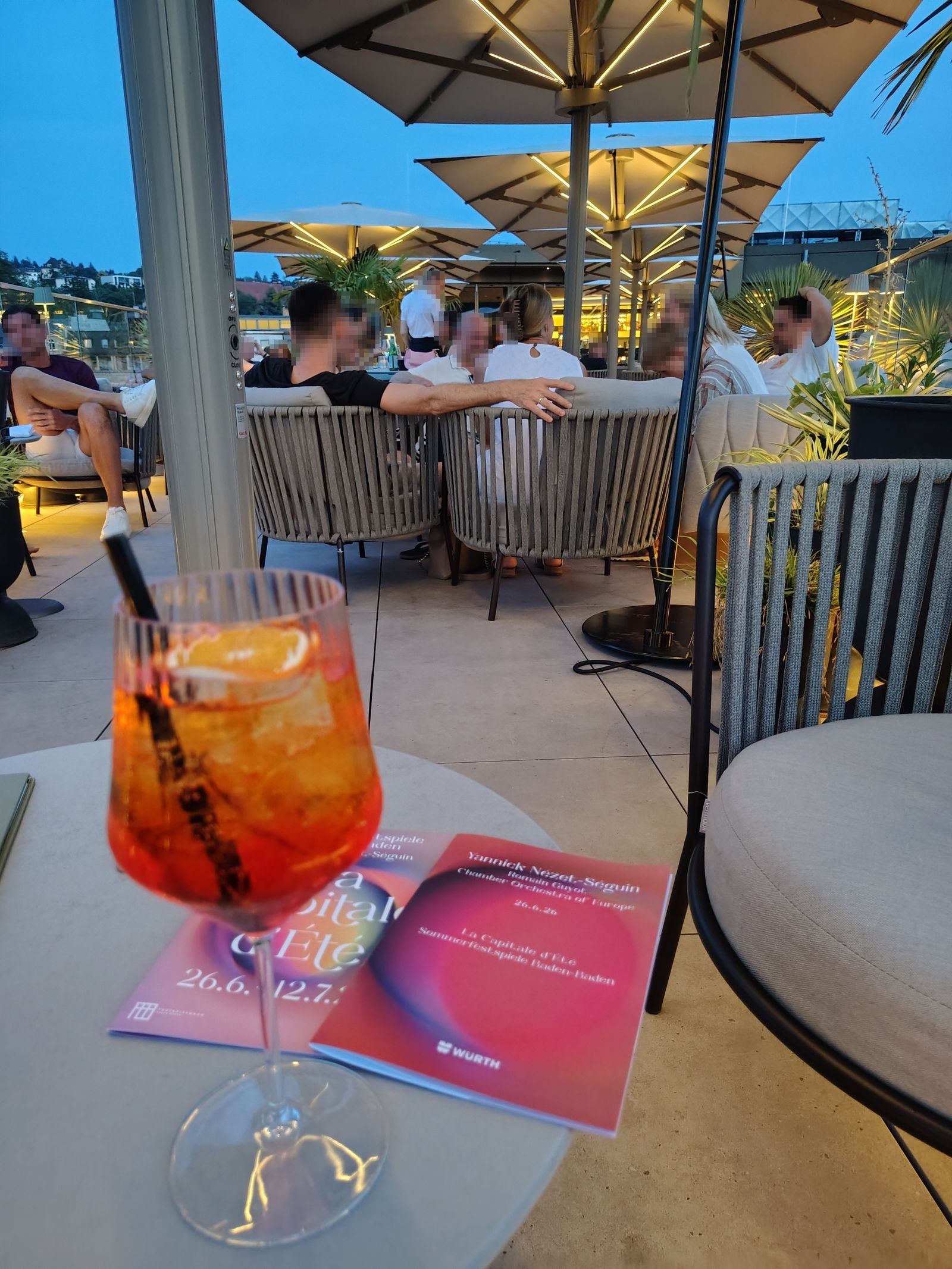
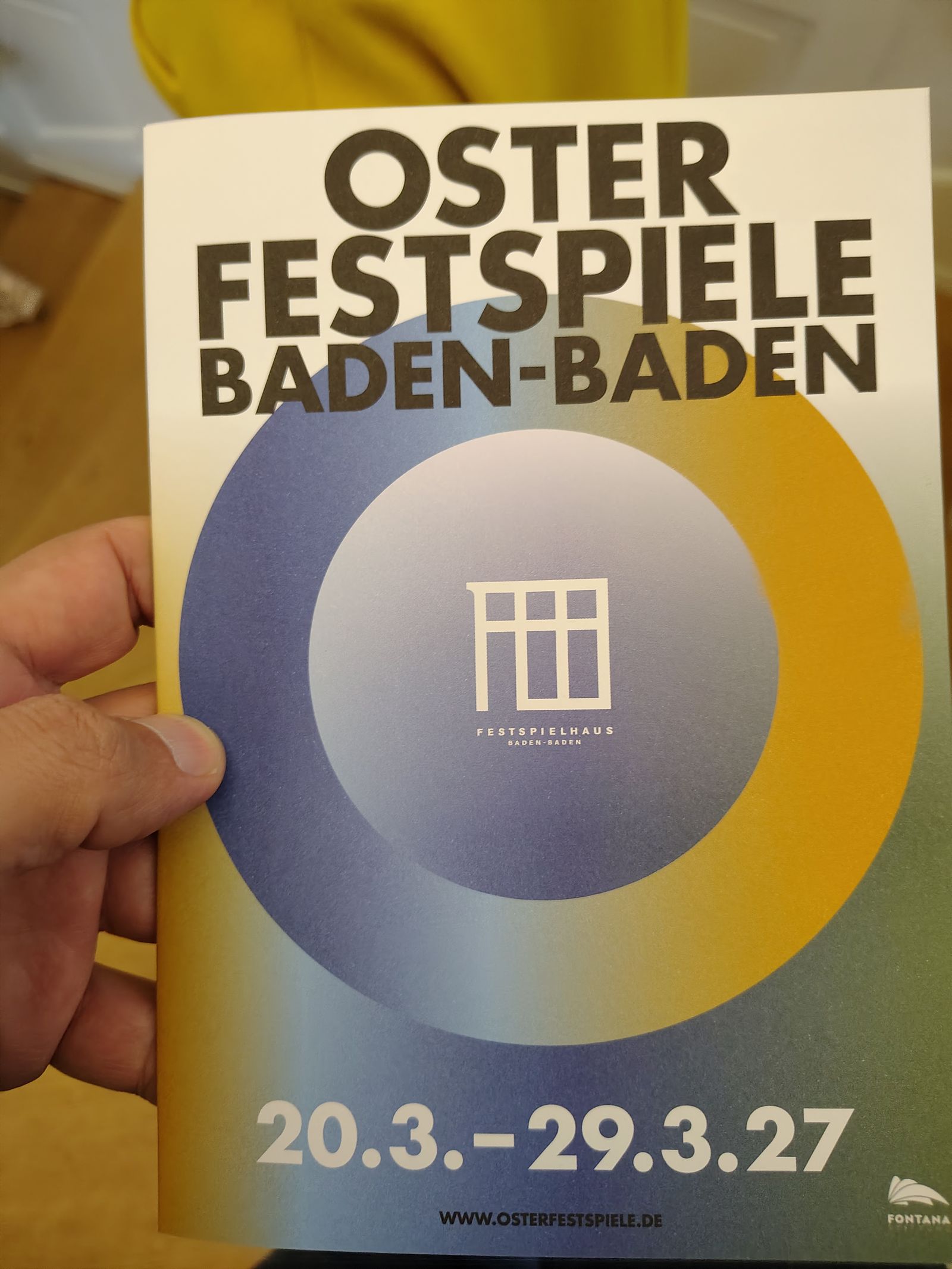
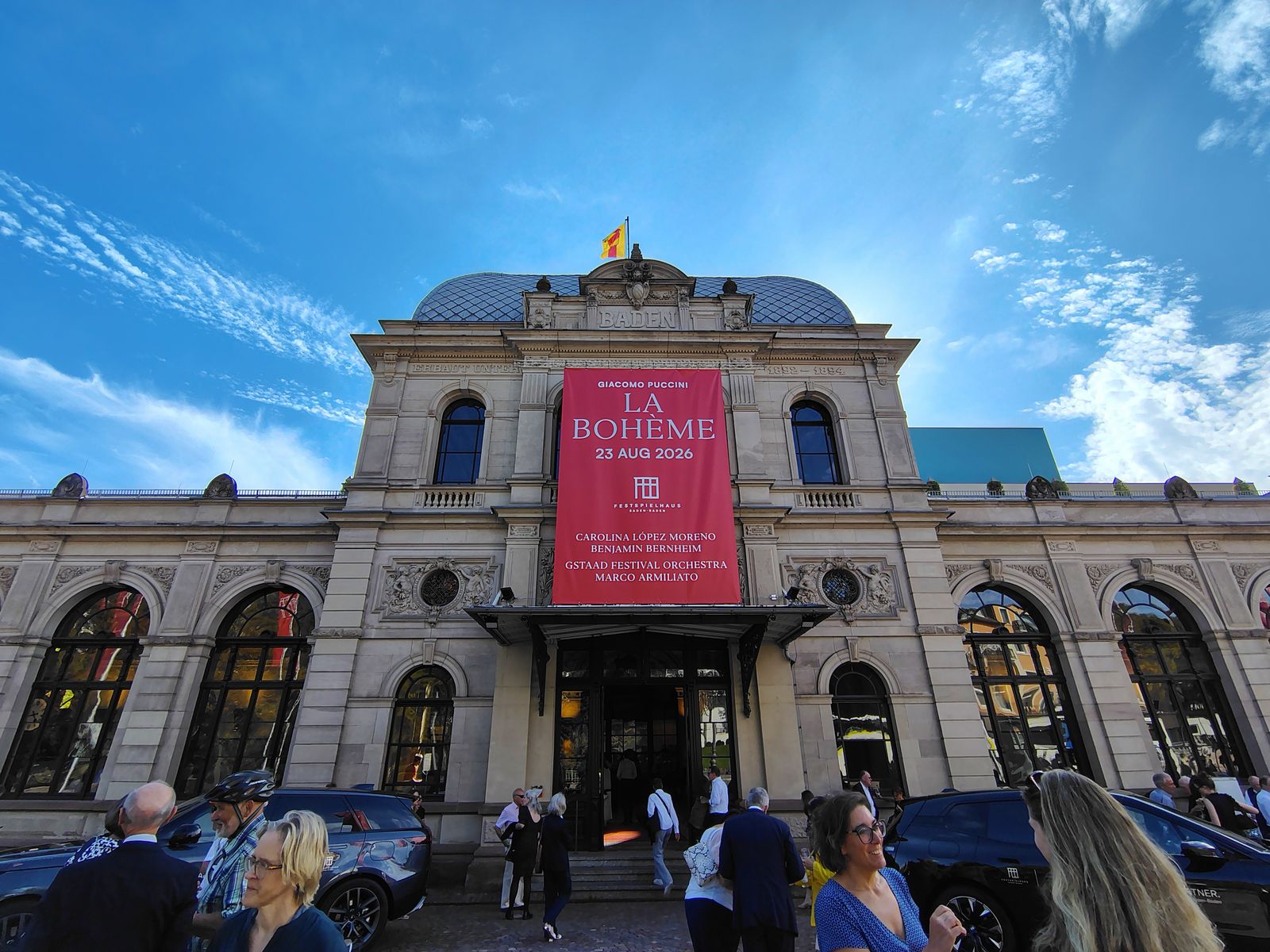
Festspielhaus, built into the shell of the old railway station, is the largest opera and concert venue in Germany. Check its calendar before you fix your dates — it is the difference between a quiet spa week and a weekend with an orchestra in it.
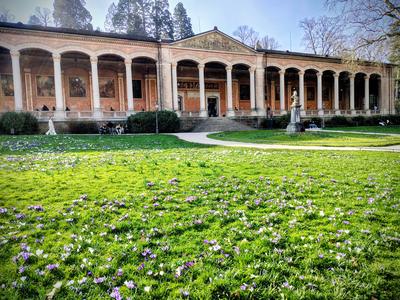
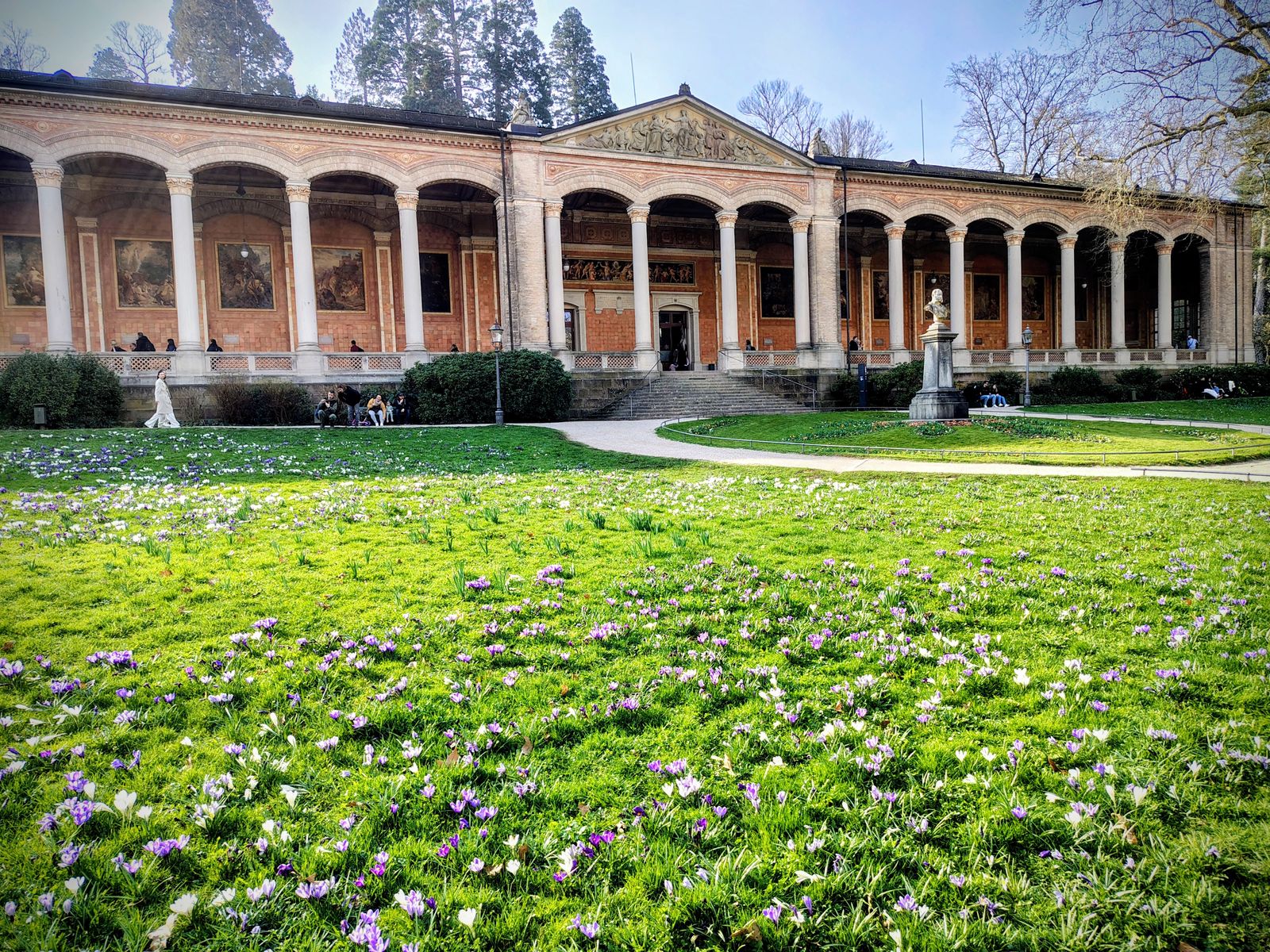
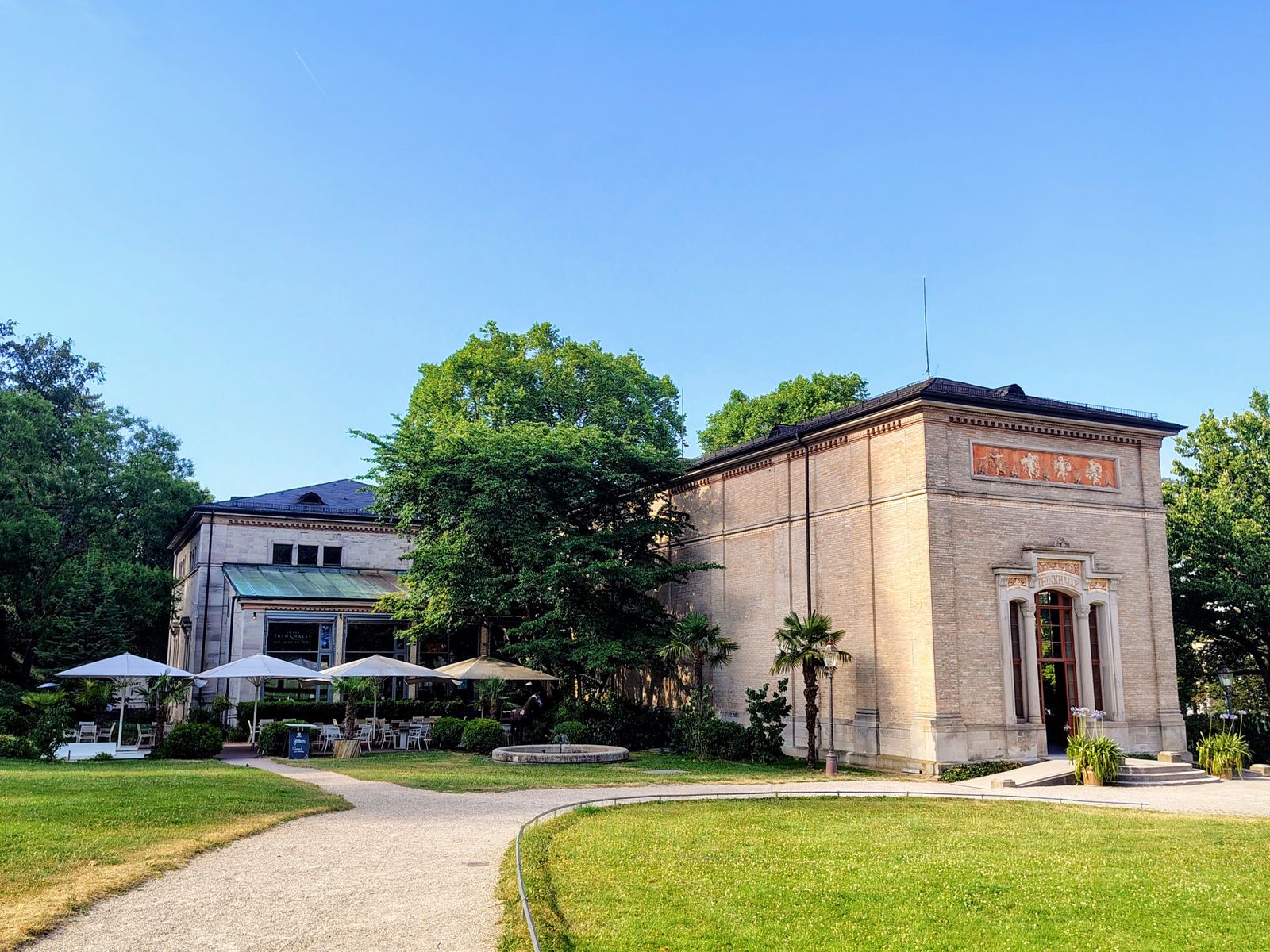
Trinkhalle, a 90-metre colonnade lined with fourteen frescoes of Black Forest legends, with the drinking fountain still running.
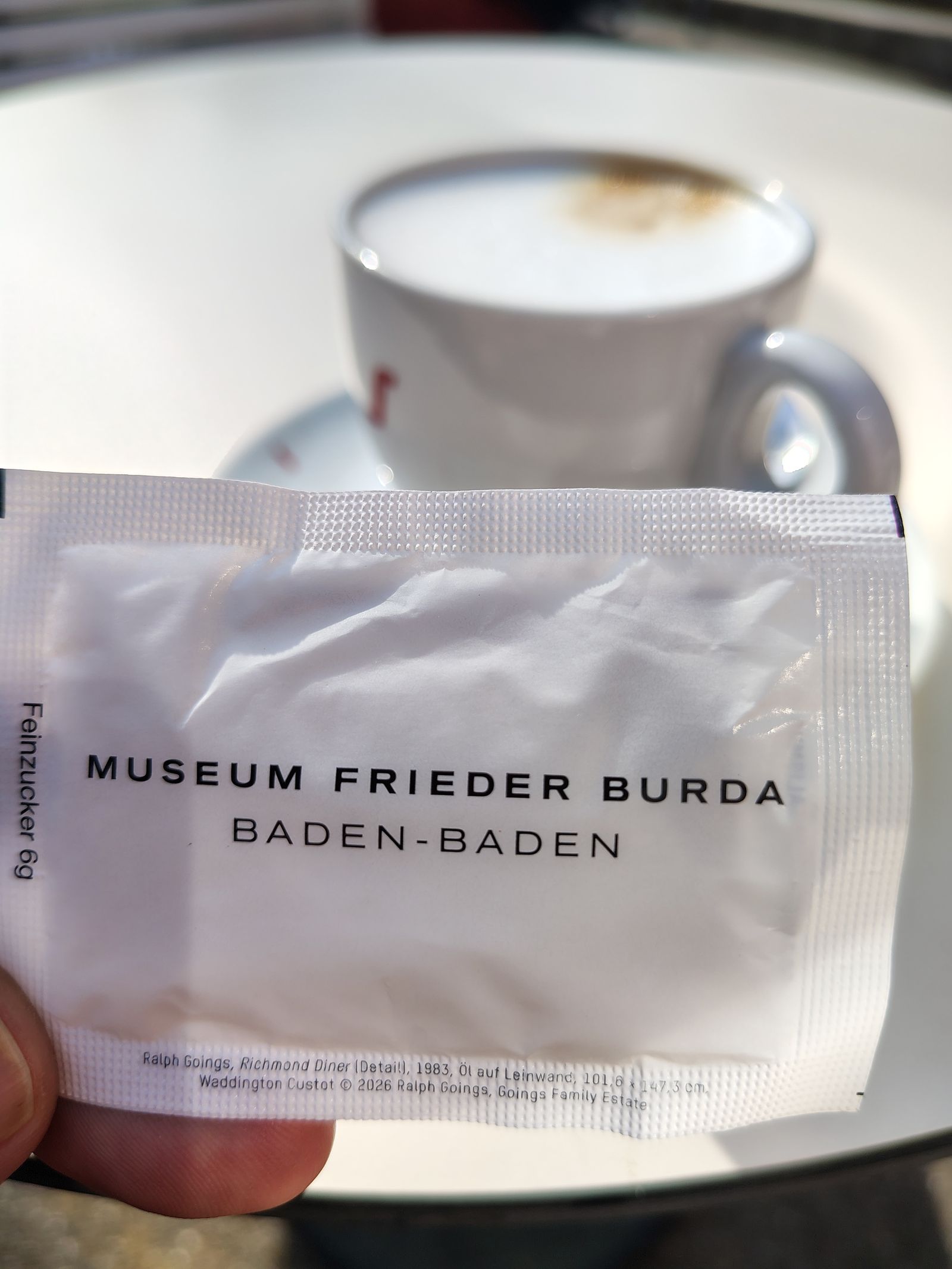
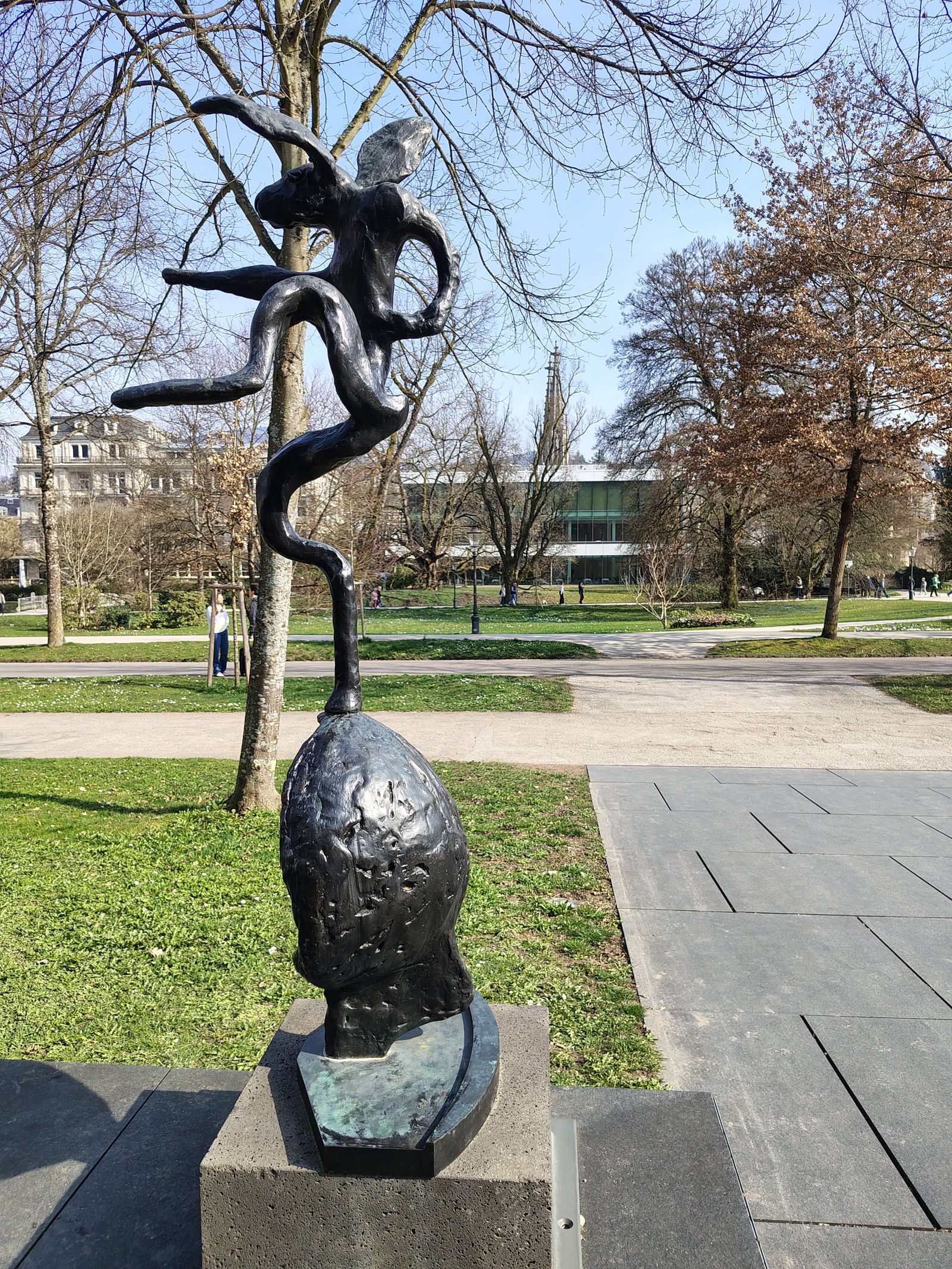
Museum Frieder Burda, a Richard Meier building beside the park, holds a serious modern collection.
Where to sleep
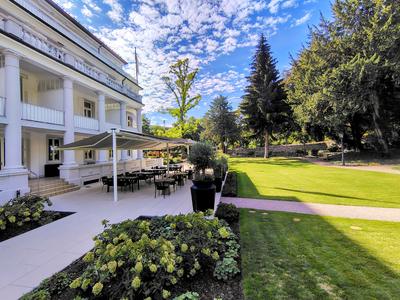
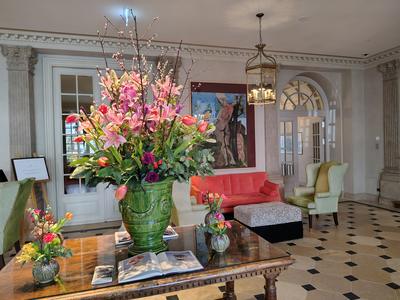
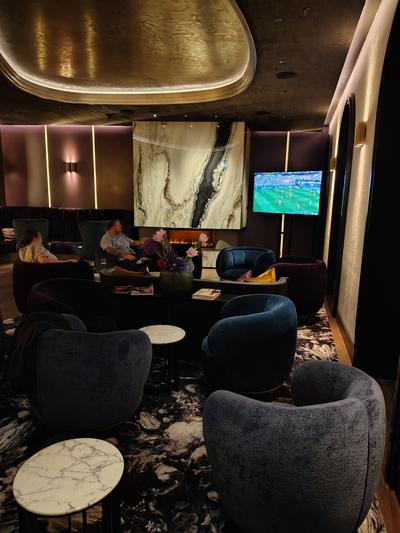
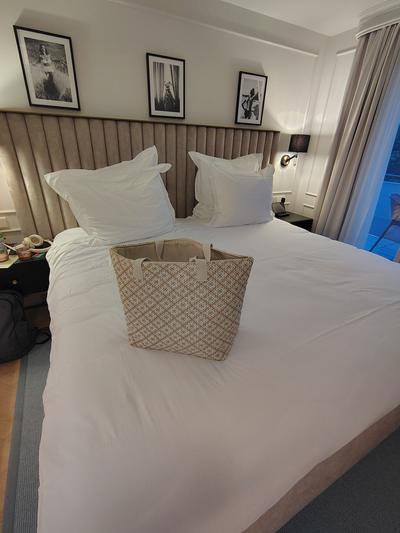
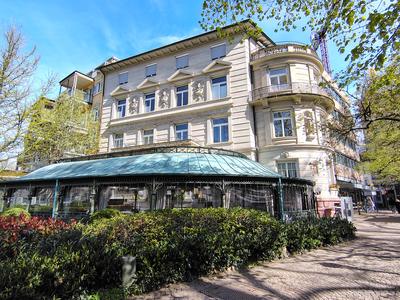
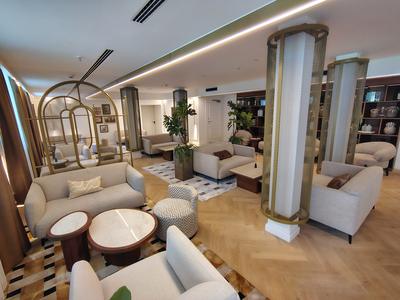
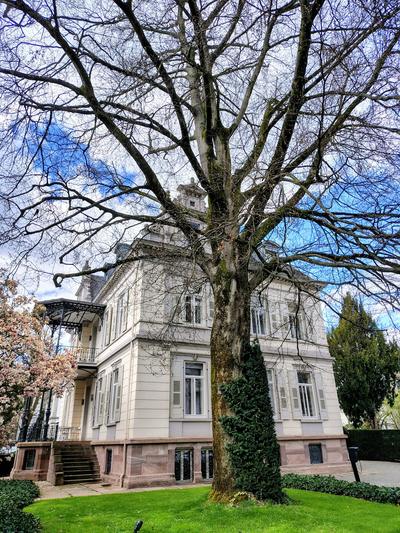
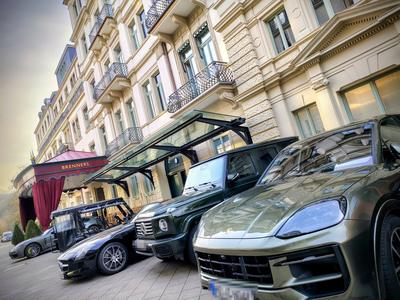
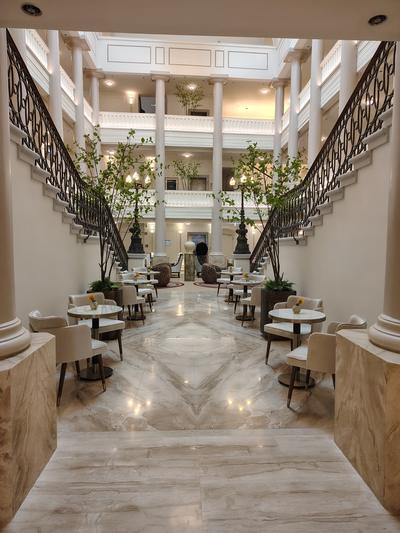
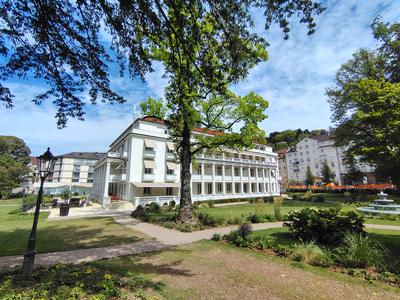
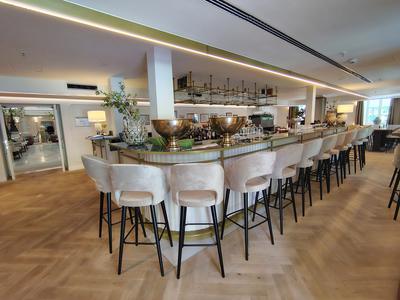
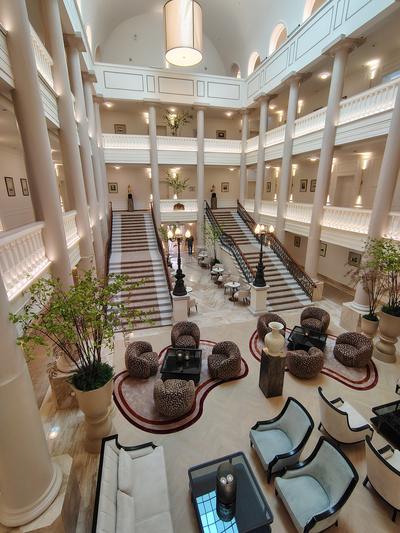
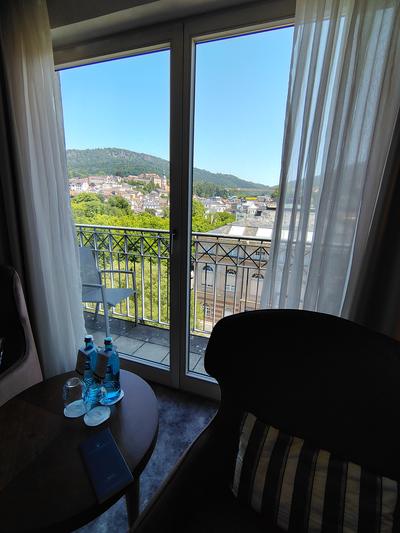
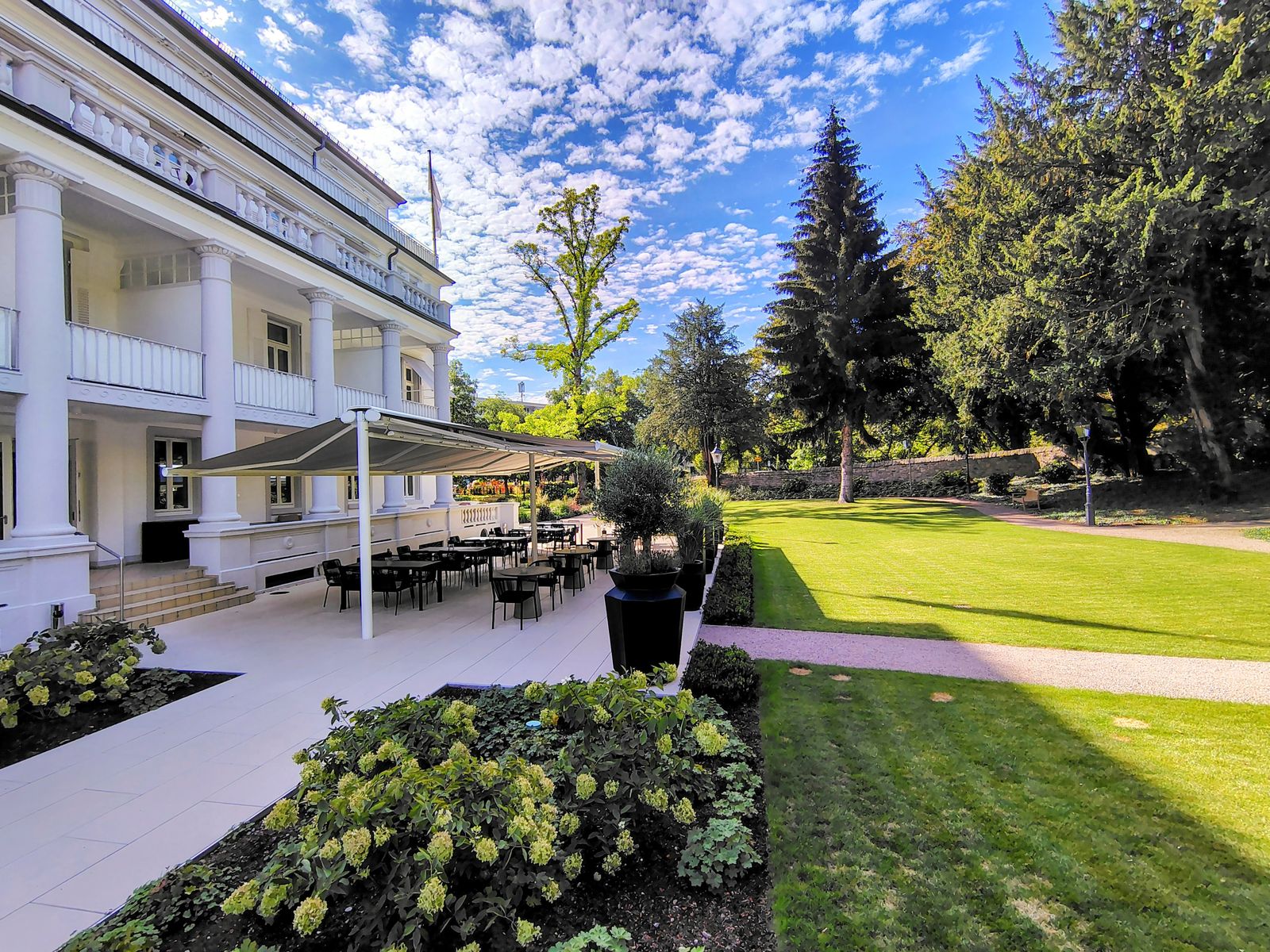
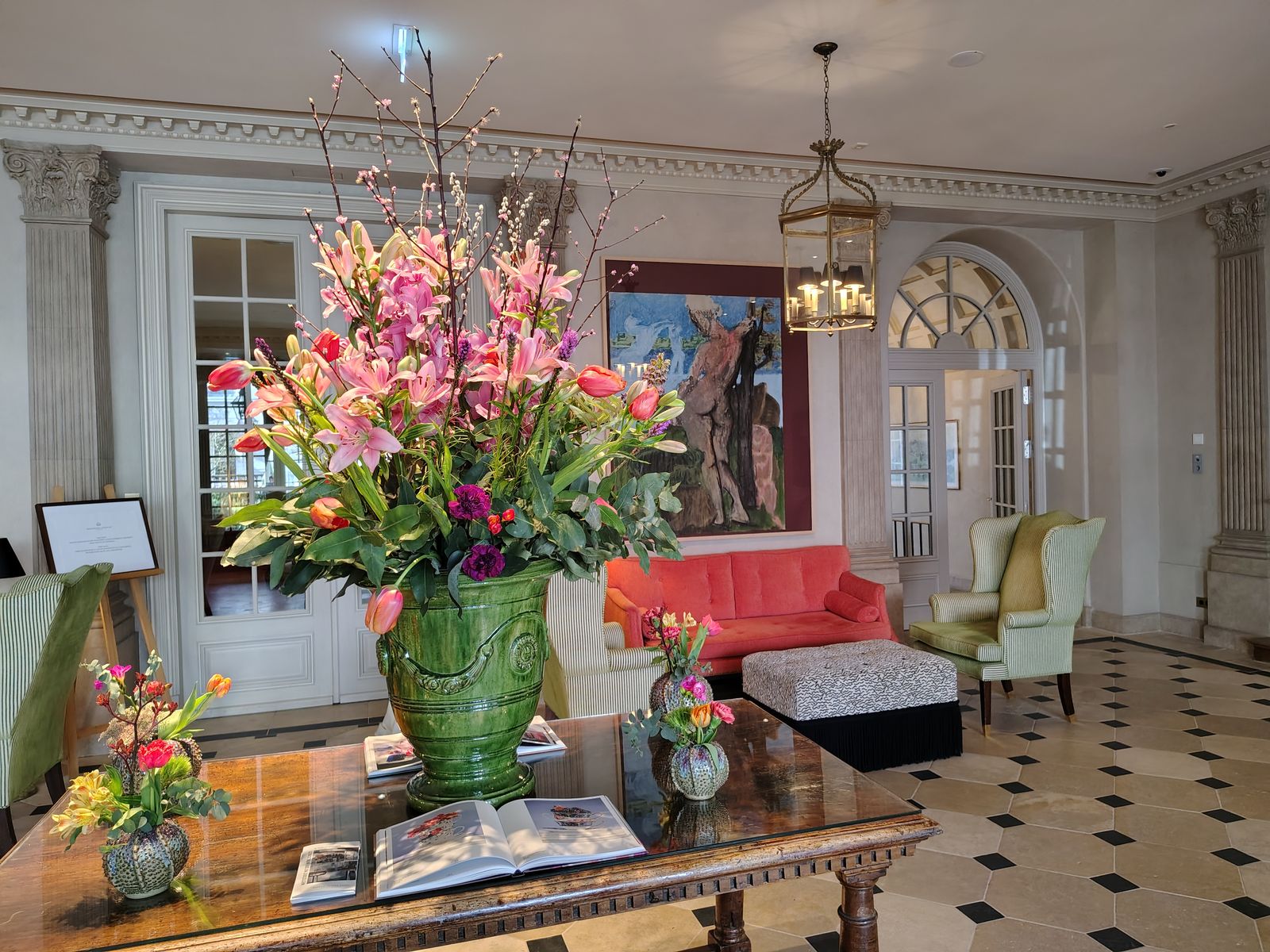
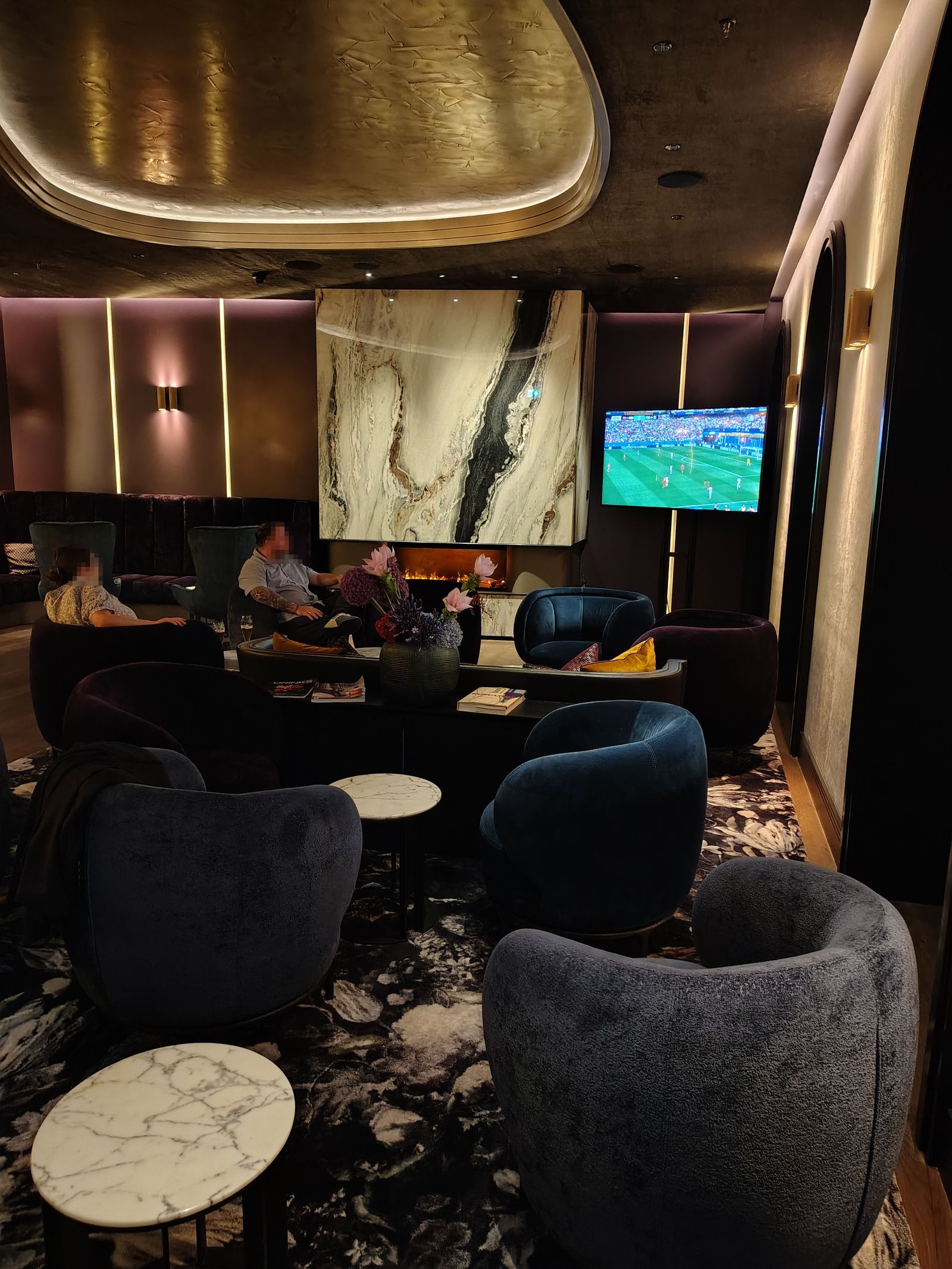
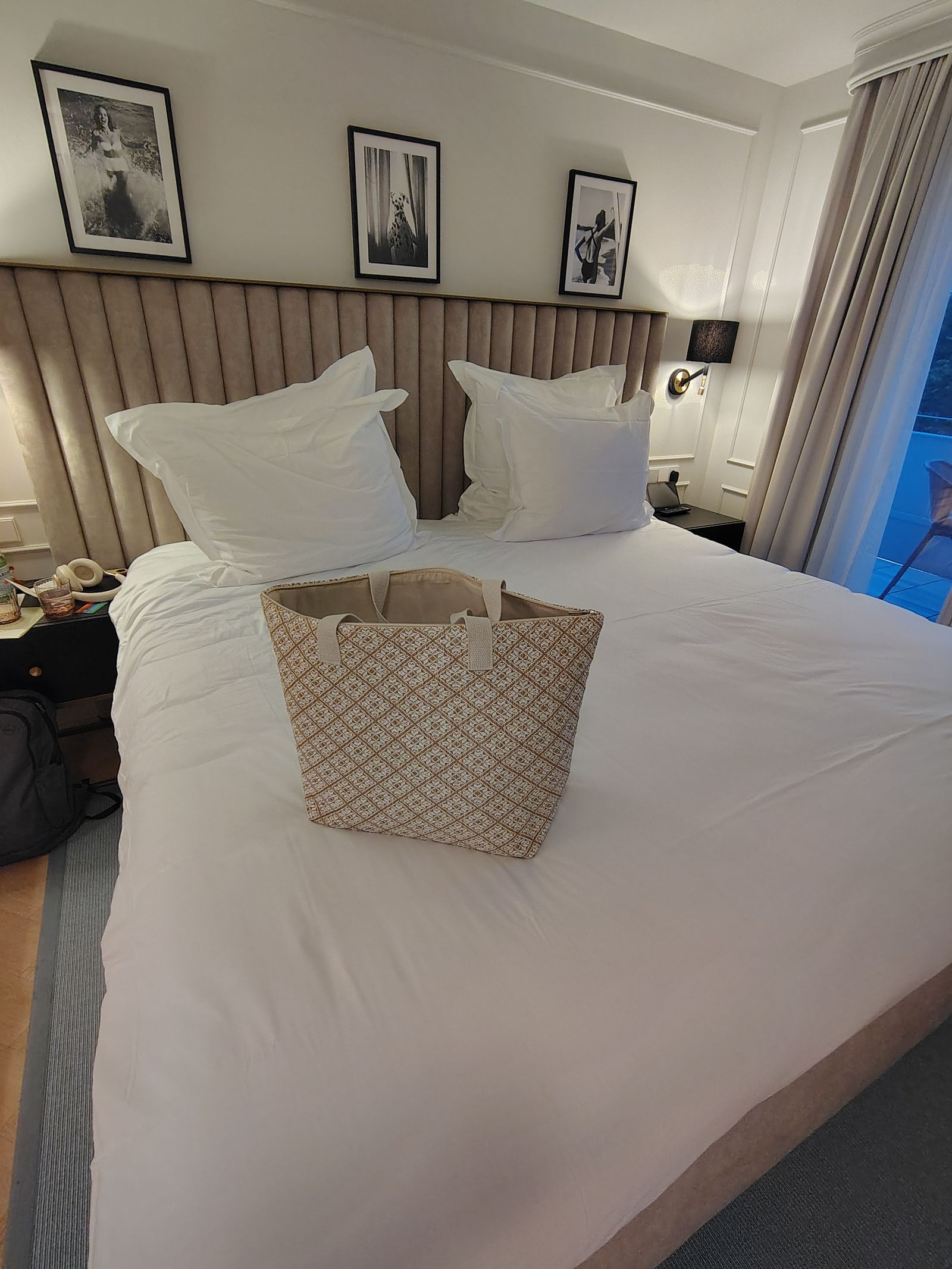
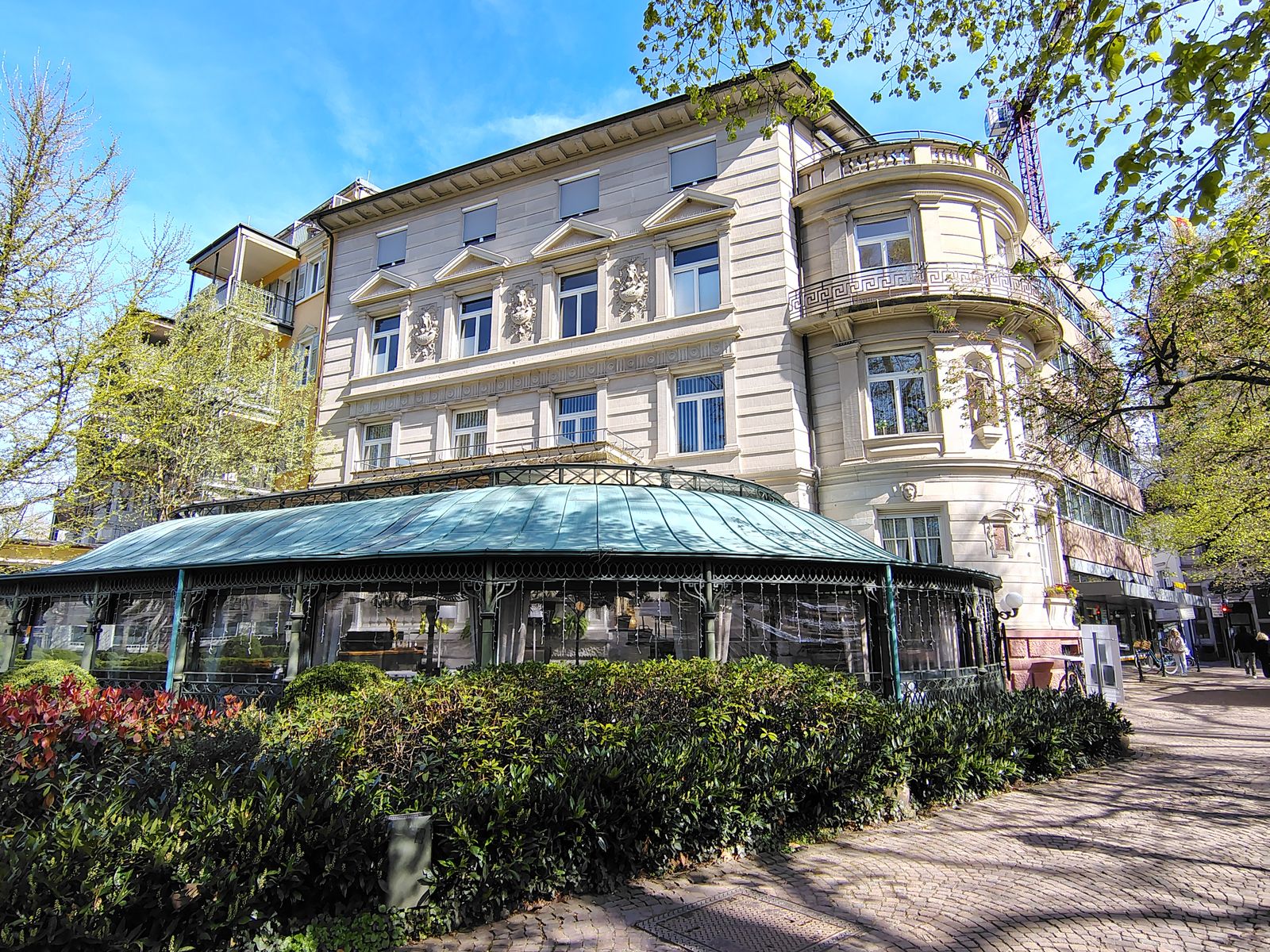
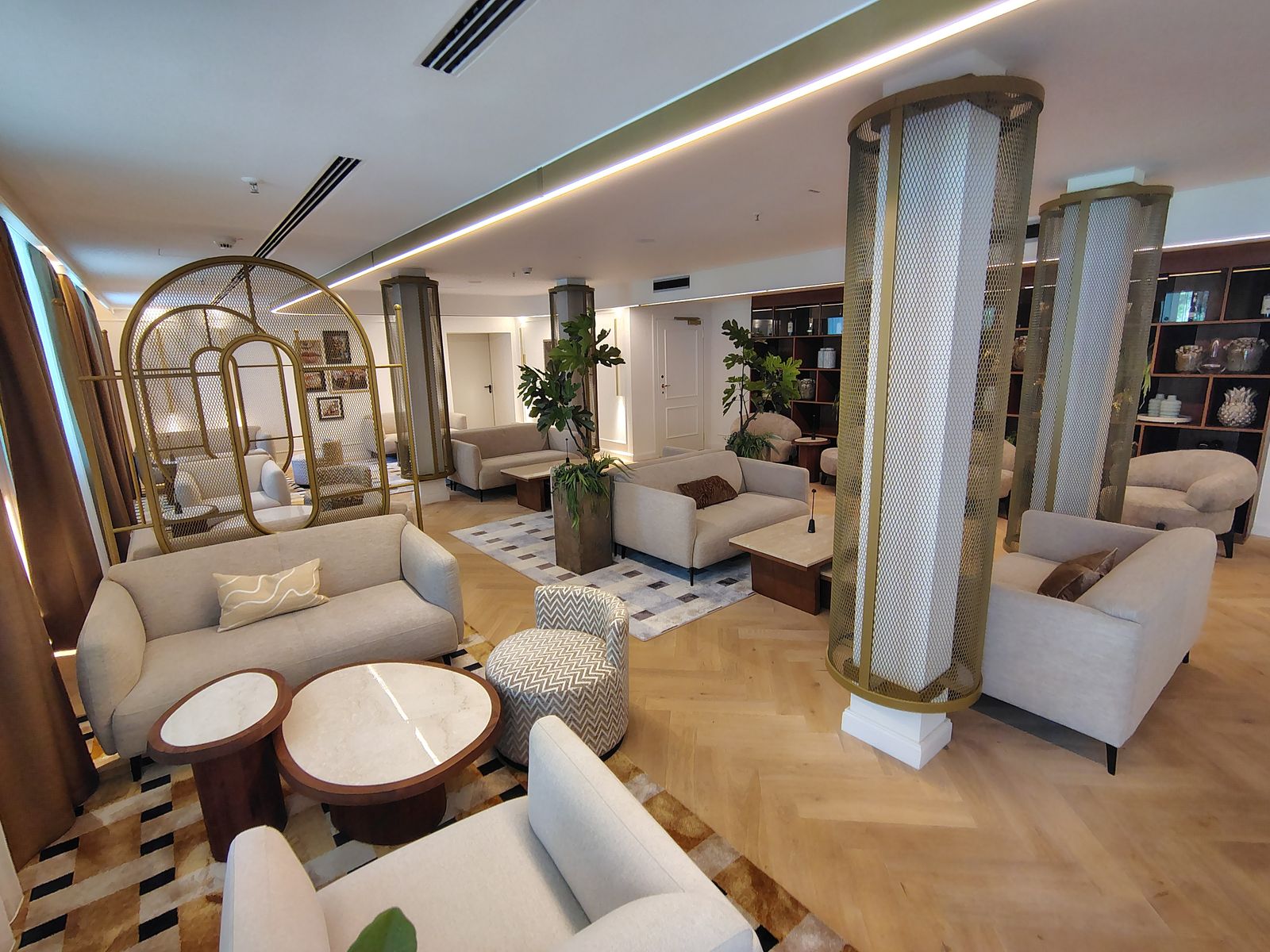
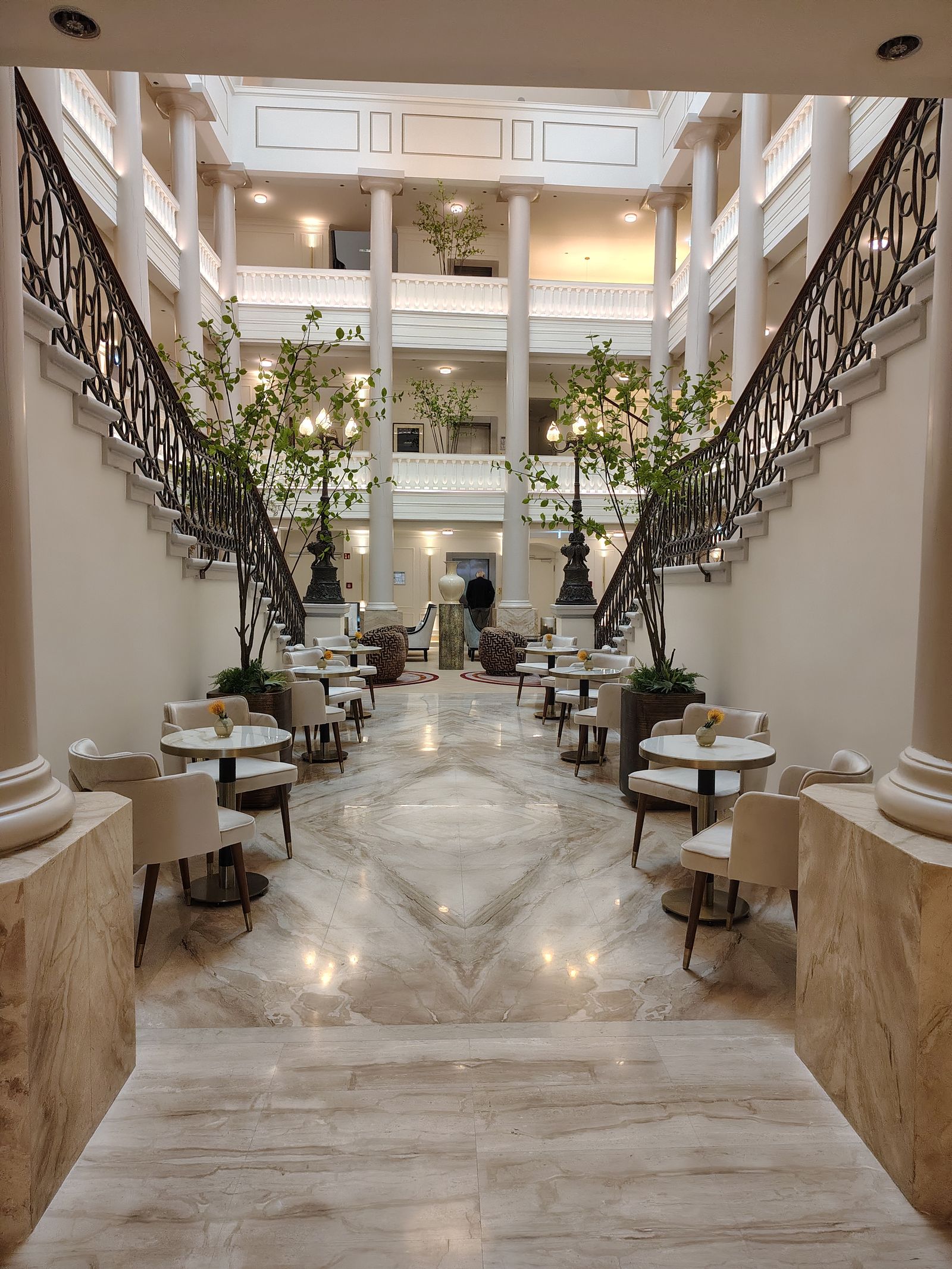
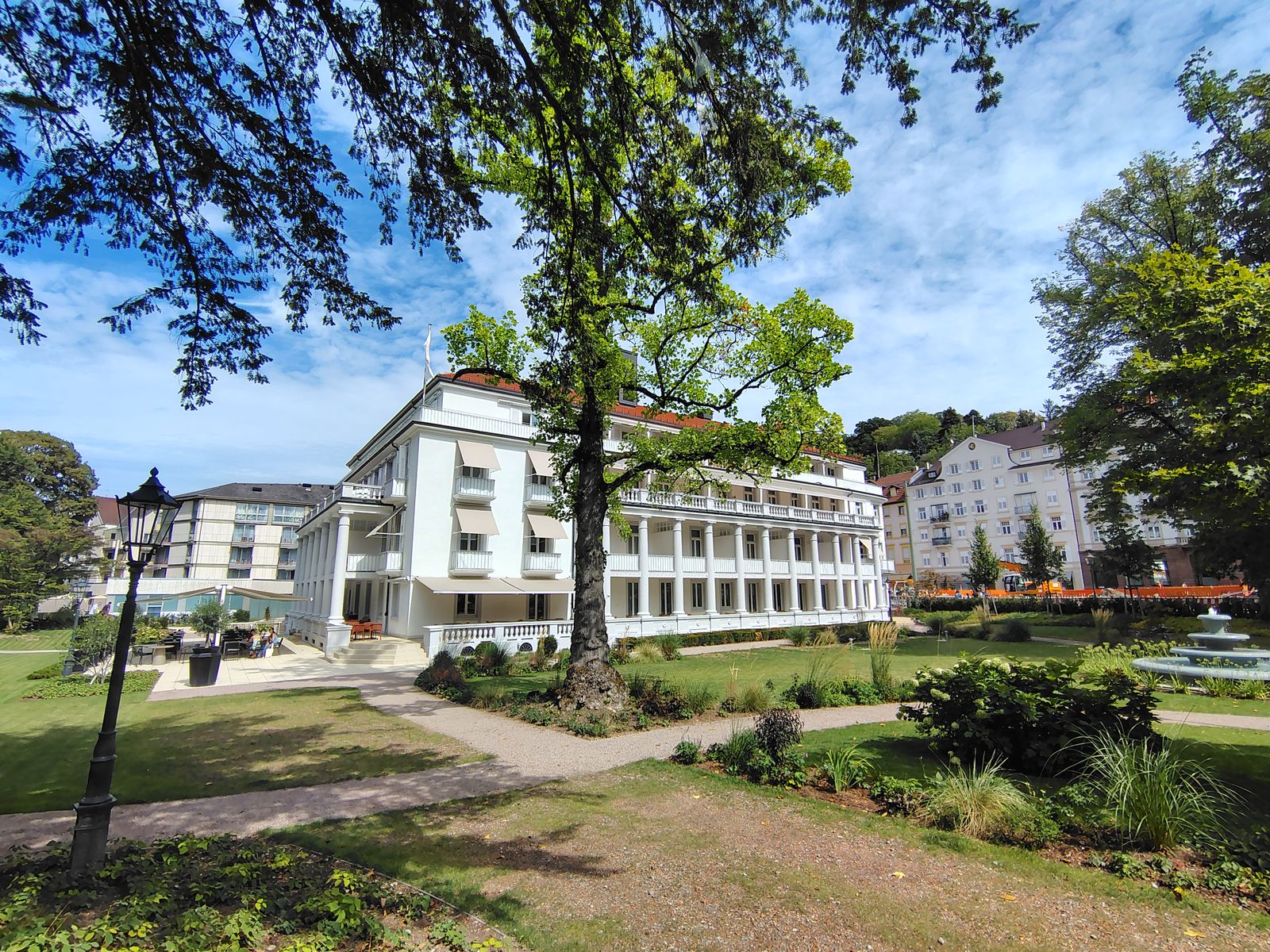
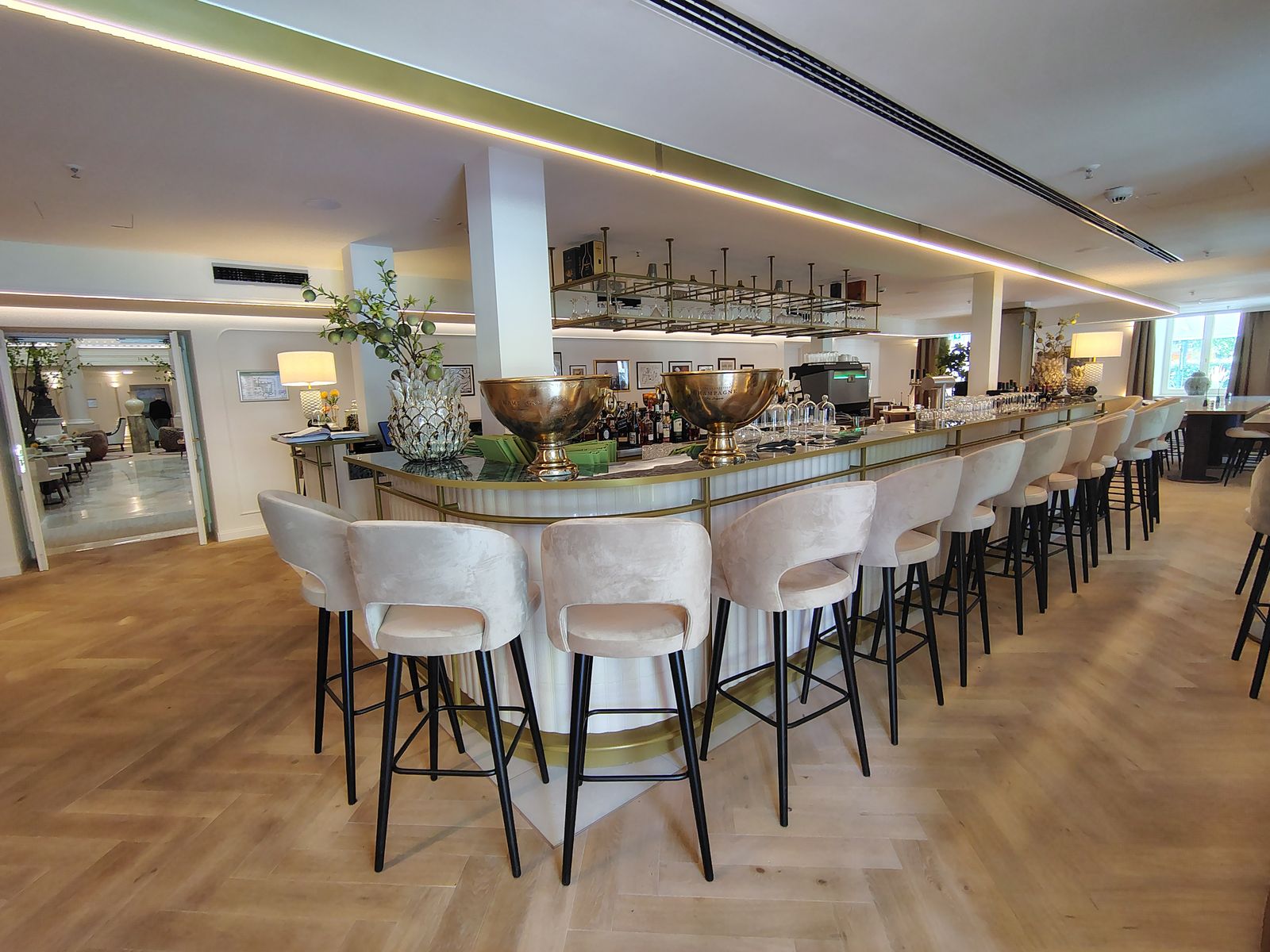
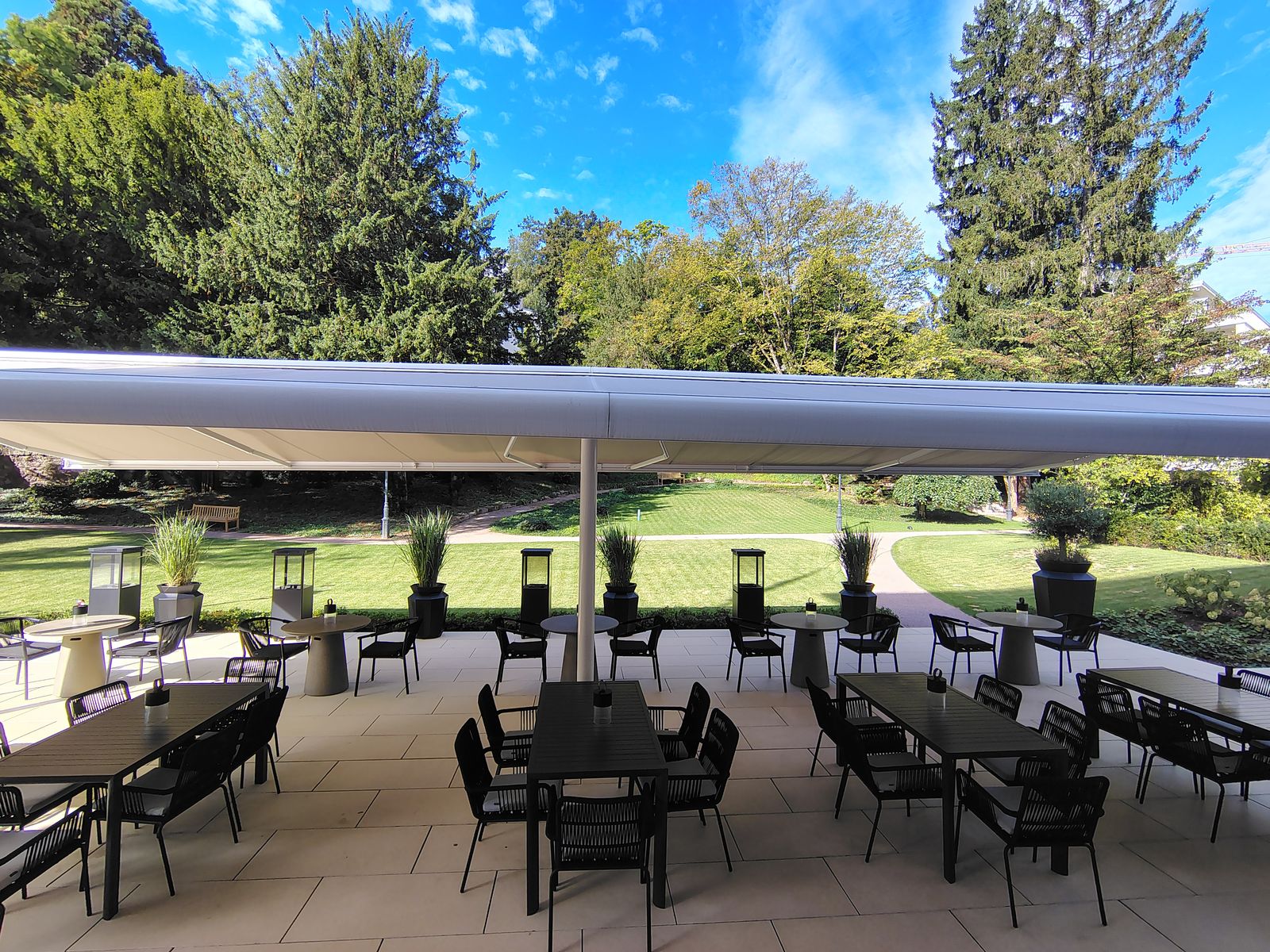
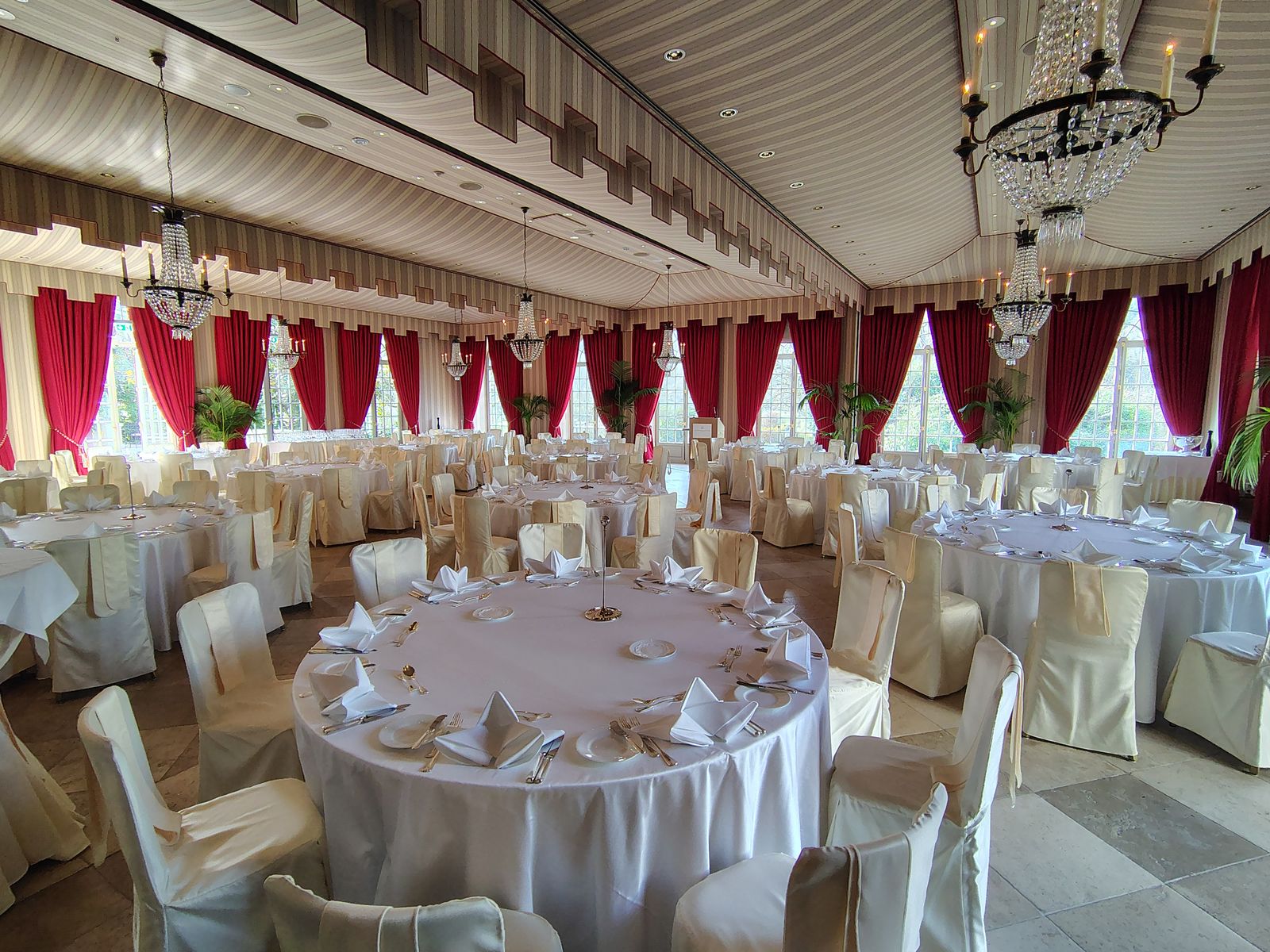
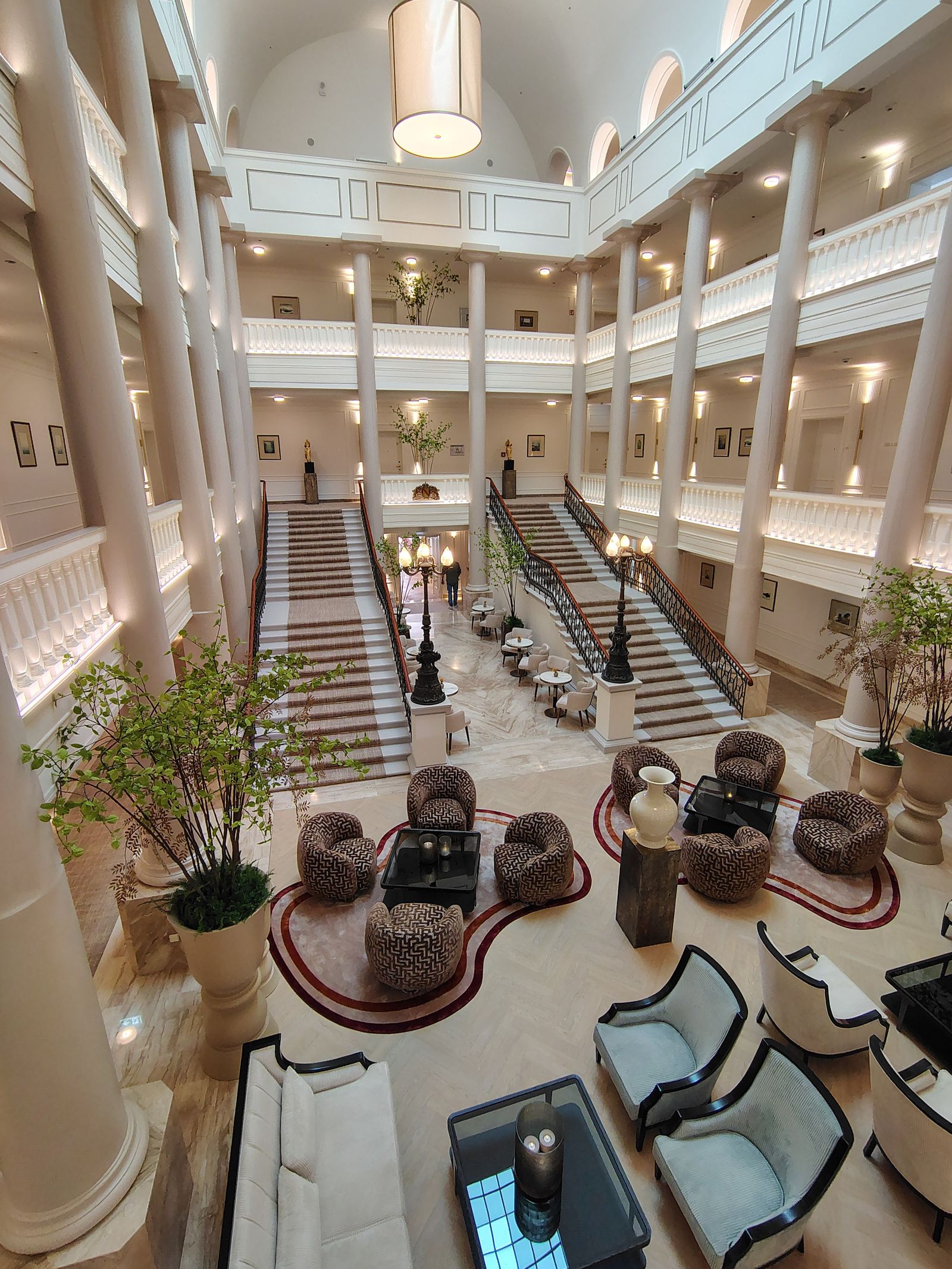
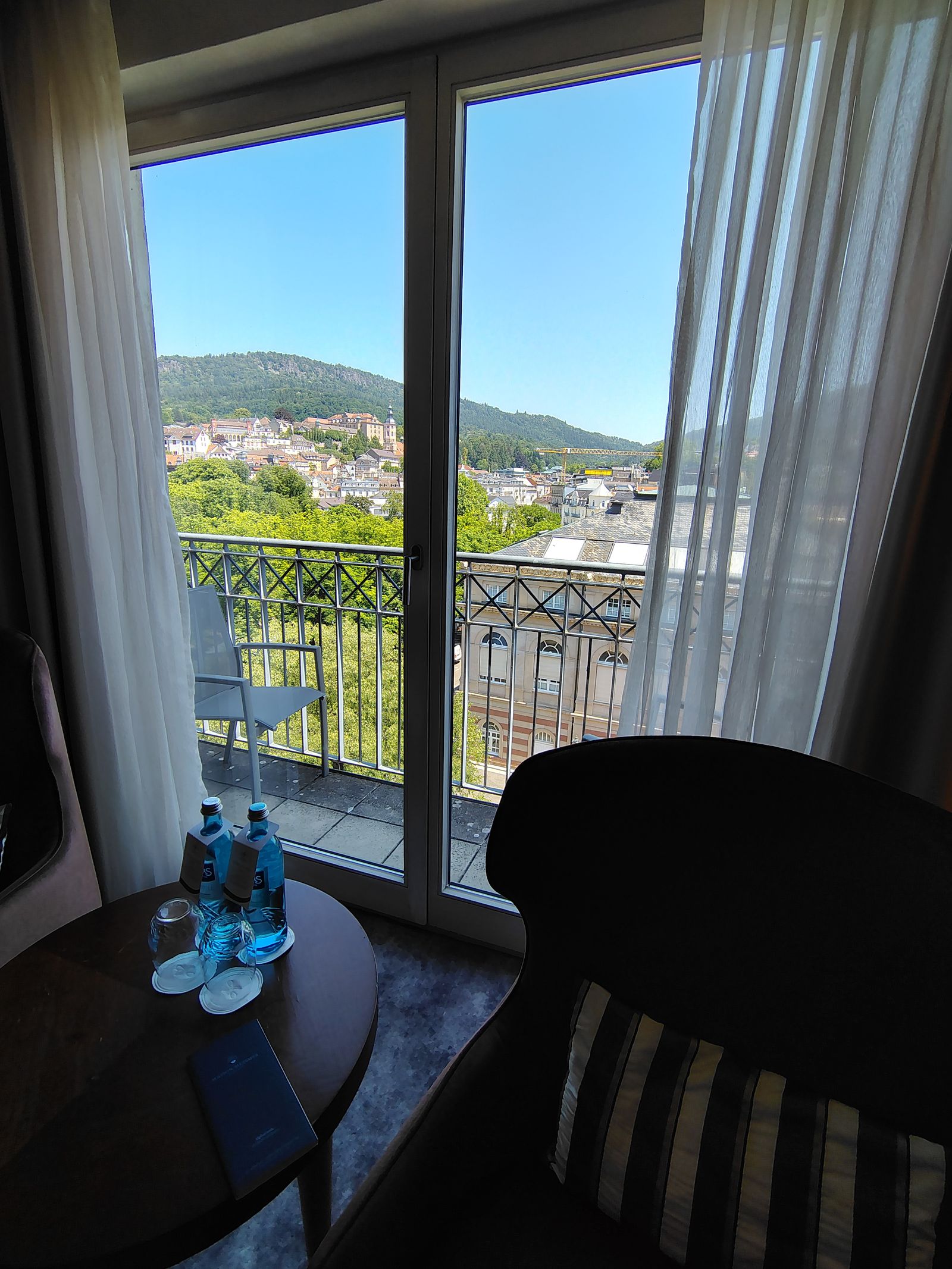
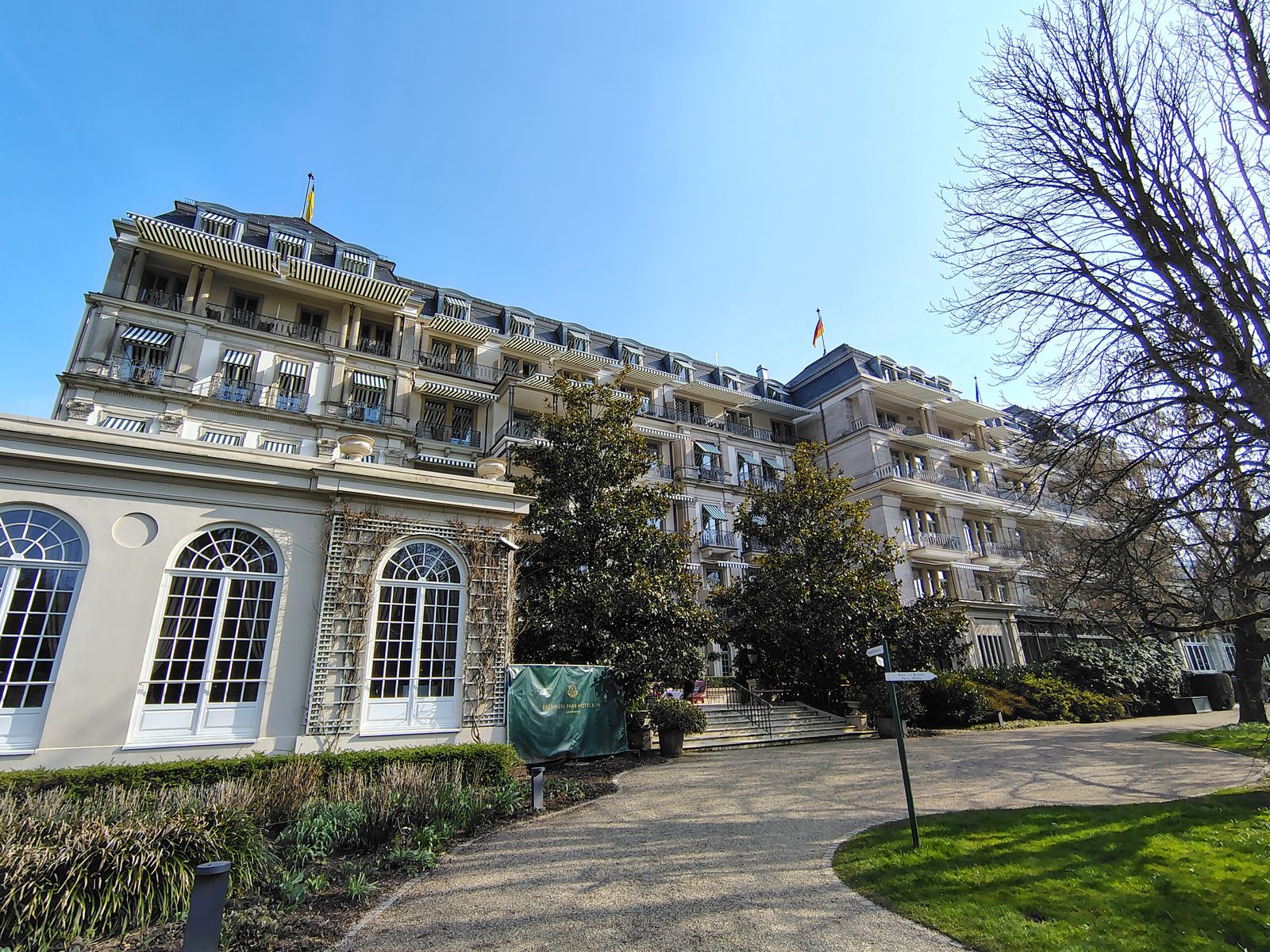
Three hotels here, spanning most of the range we care about — a nineteenth-century grand hotel at the top, a renovated eighteenth-century house at the bottom, and a spa hotel on the Kaiserallee in between.
Two of the three run a free rewards club with a visible member rate, and on one of them it is a flat 10% off every online booking. Join before you book; it takes two minutes and it is the largest single saving available in this town.
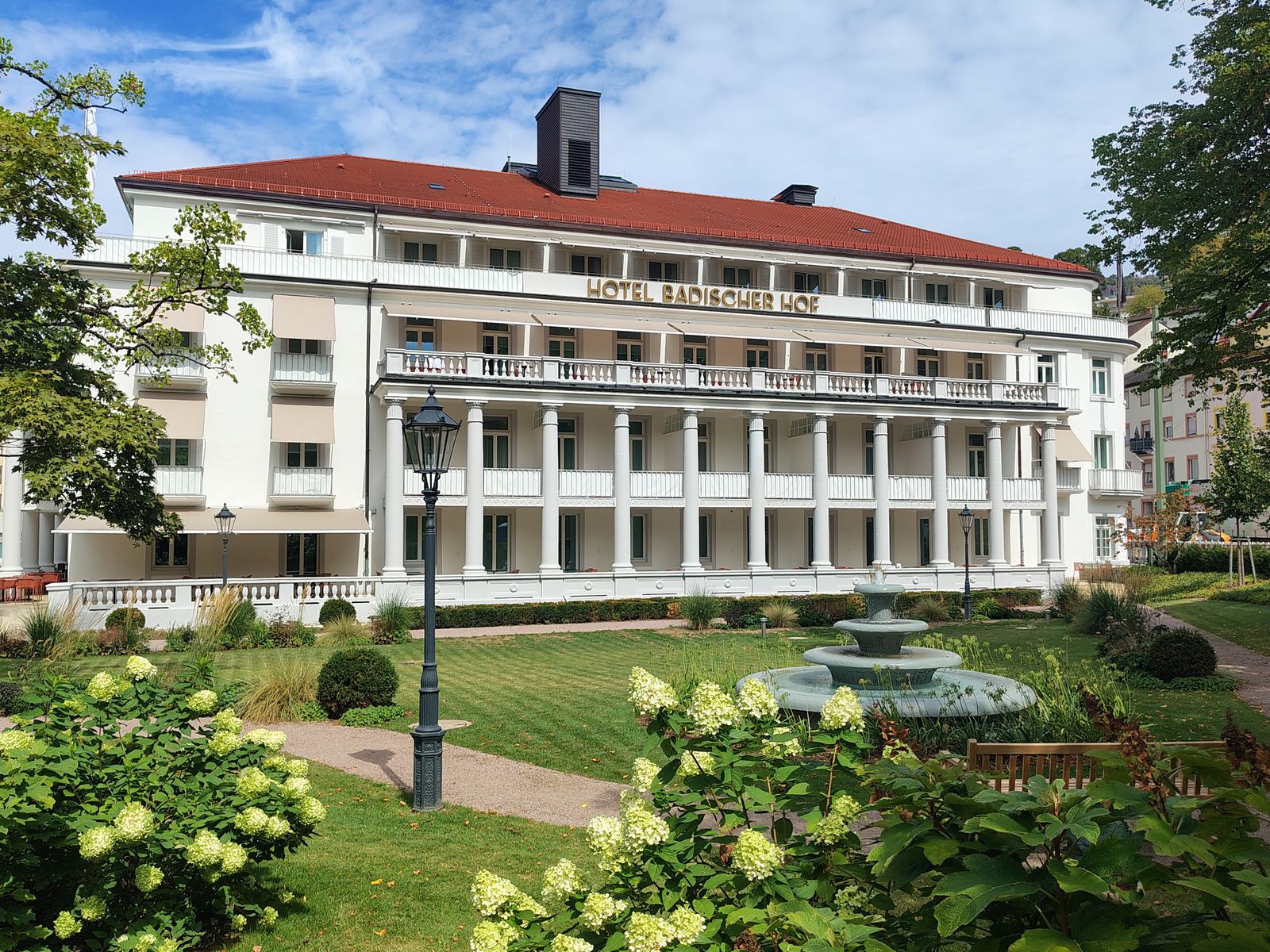
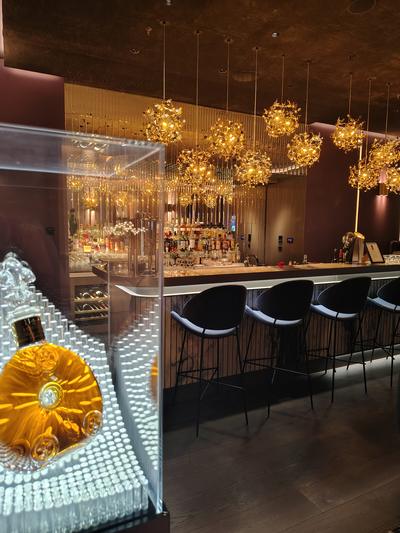
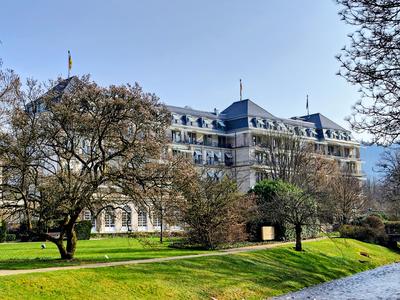
| Hotel | Town | From CHF | Typical | Rewards club |
|---|---|---|---|---|
| Badischer Hof Baden-Baden | Baden-Baden | 151≈ €160 · $184 | 196≈ €207 · $238 | Leonardo Advantage Club |
| Steigenberger Icon Europäischer Hof Baden-Baden | Baden-Baden | 164≈ €174 · $199 | 226≈ €239 · $275 | H Rewards |
| Brenners Park-Hotel & Spa | Baden-Baden | 479≈ €507 · $582 | 588≈ €622 · $715 | — |
The walks and the drives
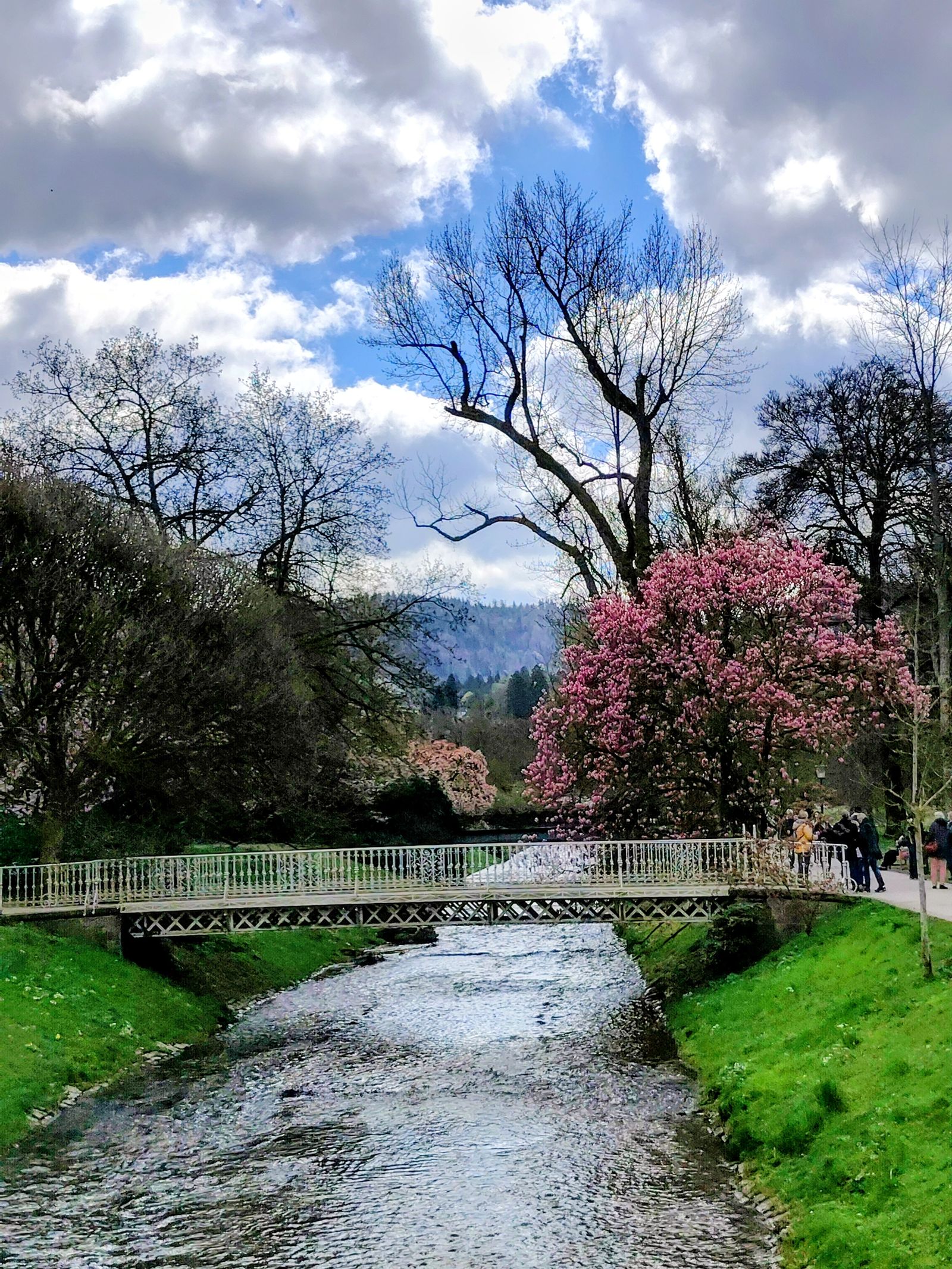
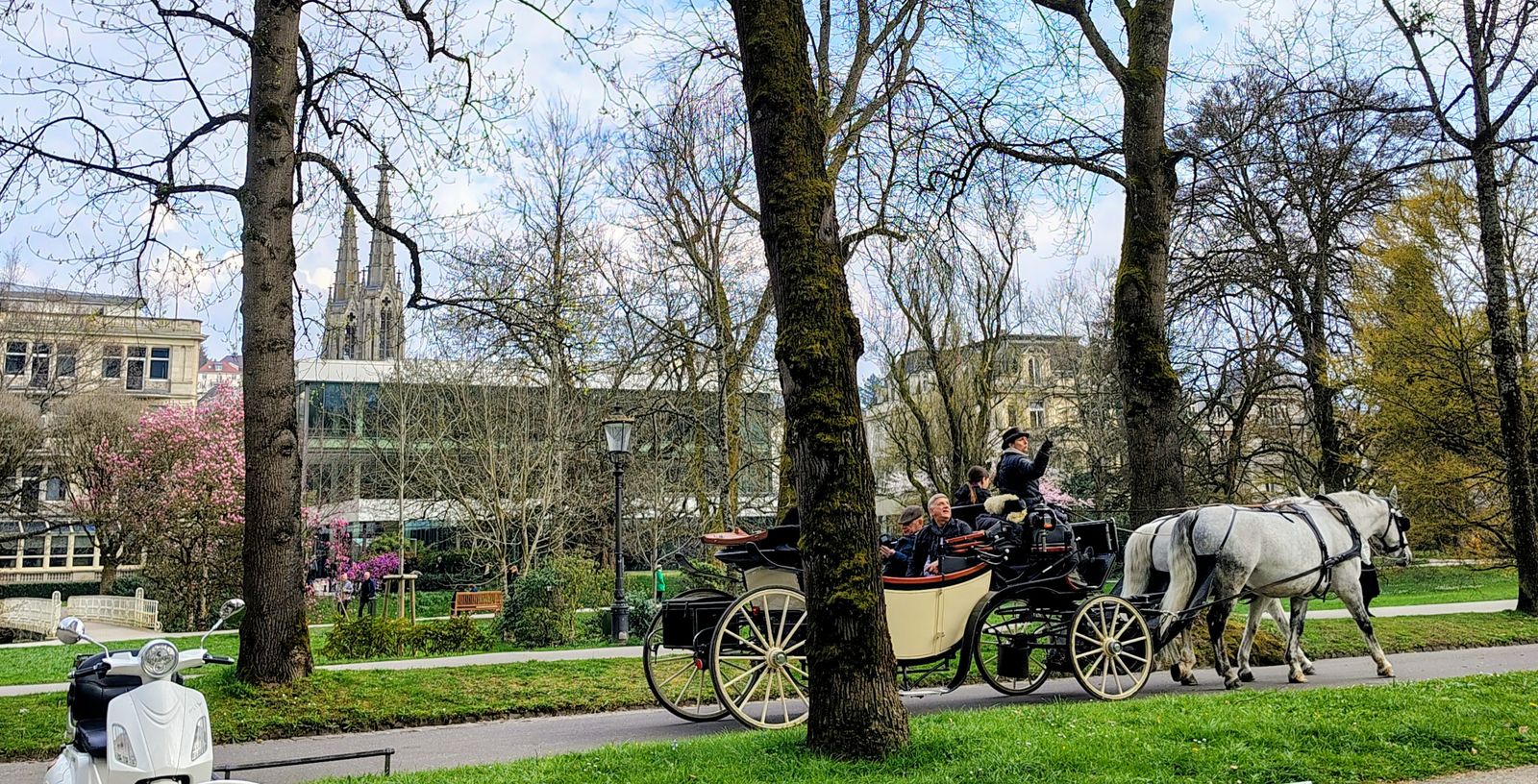
Lichtentaler Allee is the two-kilometre arboretum along the Oos that everyone in town walks daily, planted from 1655 and still full of species nobody expects in Germany. It ends at Lichtenthal Abbey, a Cistercian house founded in 1245 and still occupied by nuns.
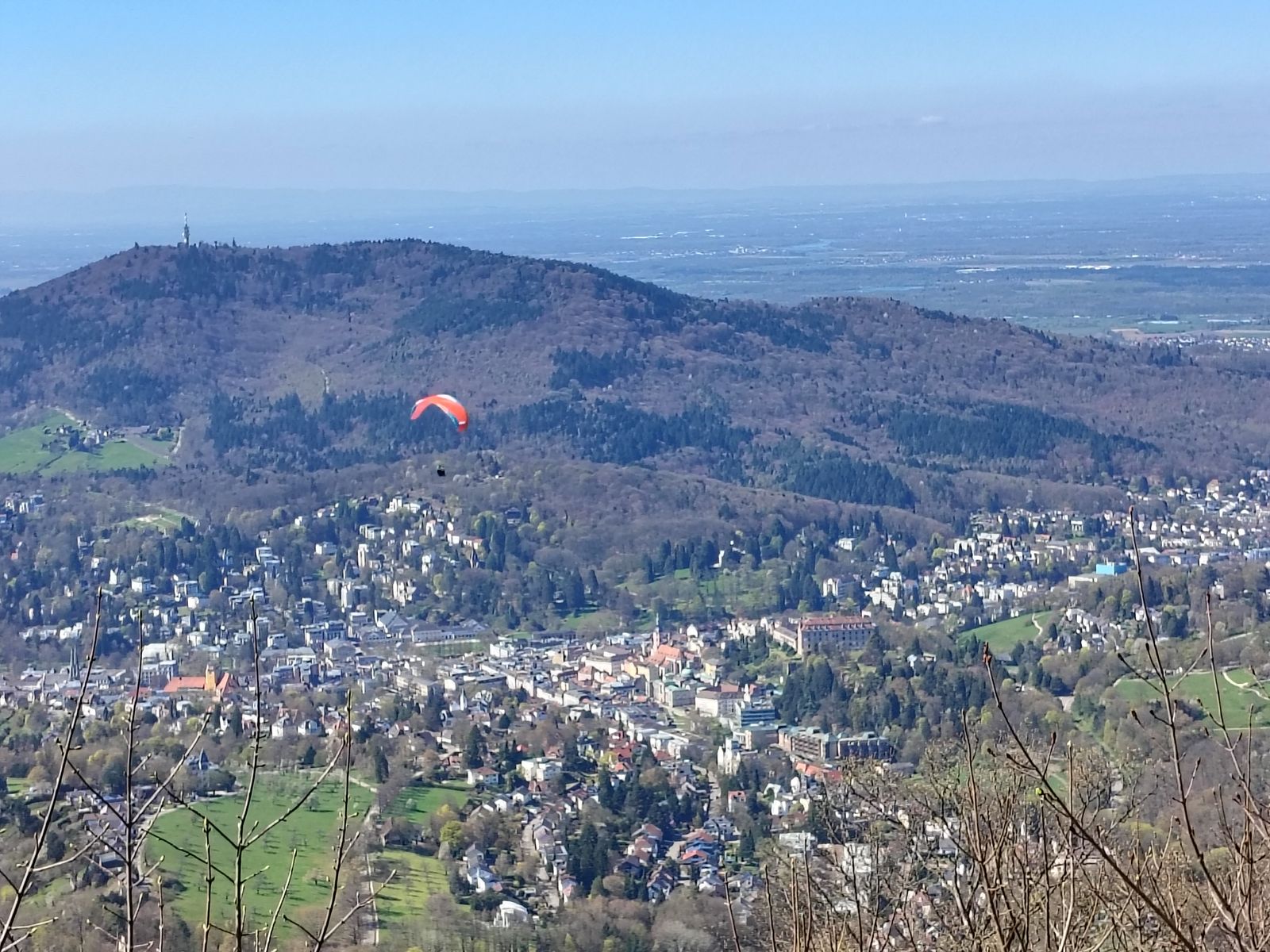
Merkur — a funicular runs to 668 metres for the view over the Rhine plain to the Vosges in France.
Schwarzwaldhochstraße, the Black Forest High Road, runs about 60 kilometres south along the ridge past the Mummelsee. It is the classic drive of this corner of Germany and reason enough to hire a car for a day.
Altes Schloss and Yburg, two castle ruins above the vineyards, both reachable on foot.
When to come
Late October is the sweet spot: the Lichtentaler Allee turns, the baths are blissfully quiet, and the hotels drop about a third from their summer peak. Spring is the other good window, before the festival season fills the town.